In today’s fast-paced manufacturing landscape, achieving operational efficiency is not just a goal—it’s a necessity for survival and growth. At the heart of this efficiency lies a critical, yet often under-optimized, component: the packaging line. The right packaging equipment system is the engine that drives productivity, ensures product integrity, and directly impacts your bottom line. This guide delves into the core principles, components, and strategic considerations for selecting and implementing packaging systems that deliver peak operational performance.
Understanding the Packaging Equipment Ecosystem
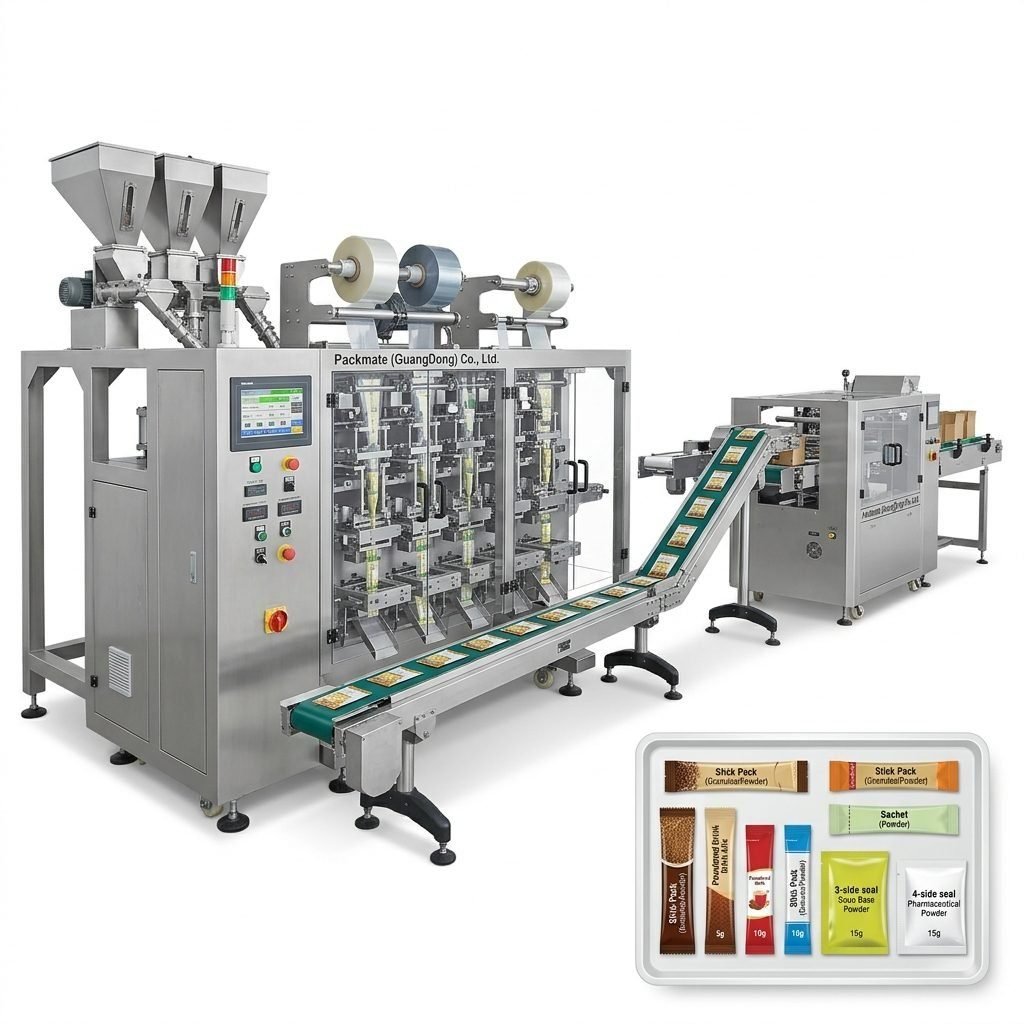
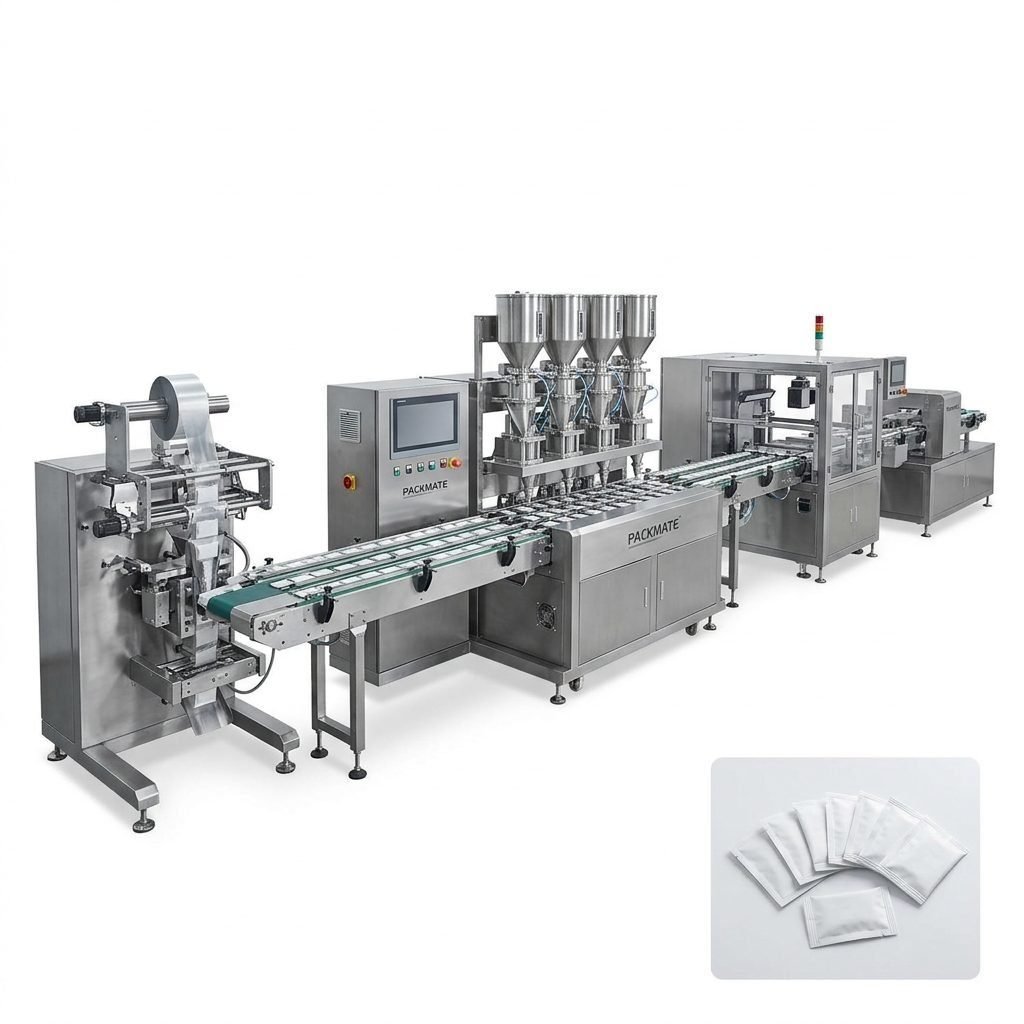
A modern packaging line is a symphony of integrated machines, each performing a specific task with precision. Moving beyond standalone units, today’s systems are interconnected networks designed for seamless material flow. The ecosystem typically includes primary packaging machines (like form-fill-seal units), secondary packaging equipment (for cartoning or case packing), and sophisticated upstream/downstream integration with production and logistics.
Key Insight: Efficiency is not about the speed of a single machine, but about the harmonized throughput of the entire line. A bottleneck at any point—be it filling, sealing, or labeling—can cripple overall output. Therefore, system compatibility and communication between different equipment from various manufacturers, or ideally from a single provider like Packmate Machinery, is paramount.
Core Components of an Efficient System
Let’s break down the essential machinery that forms the backbone of a high-performance packaging operation:
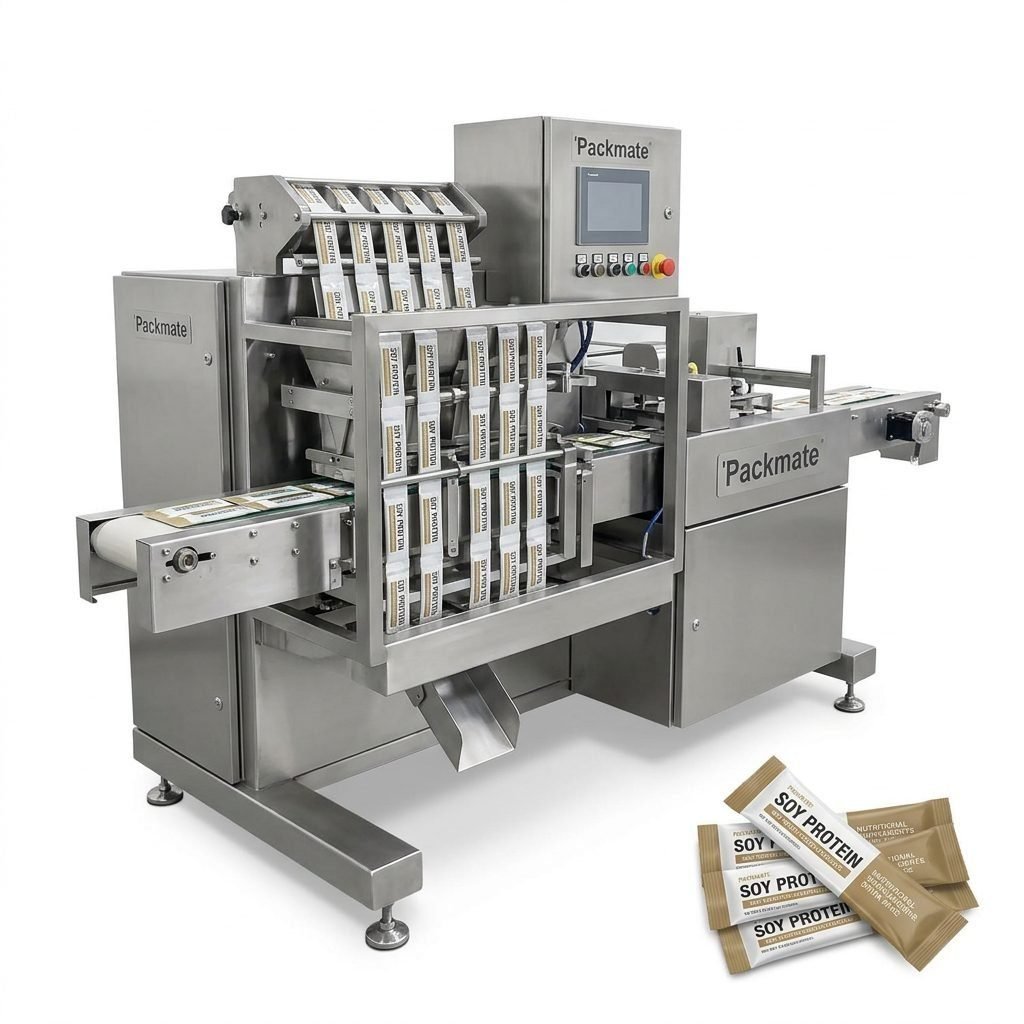
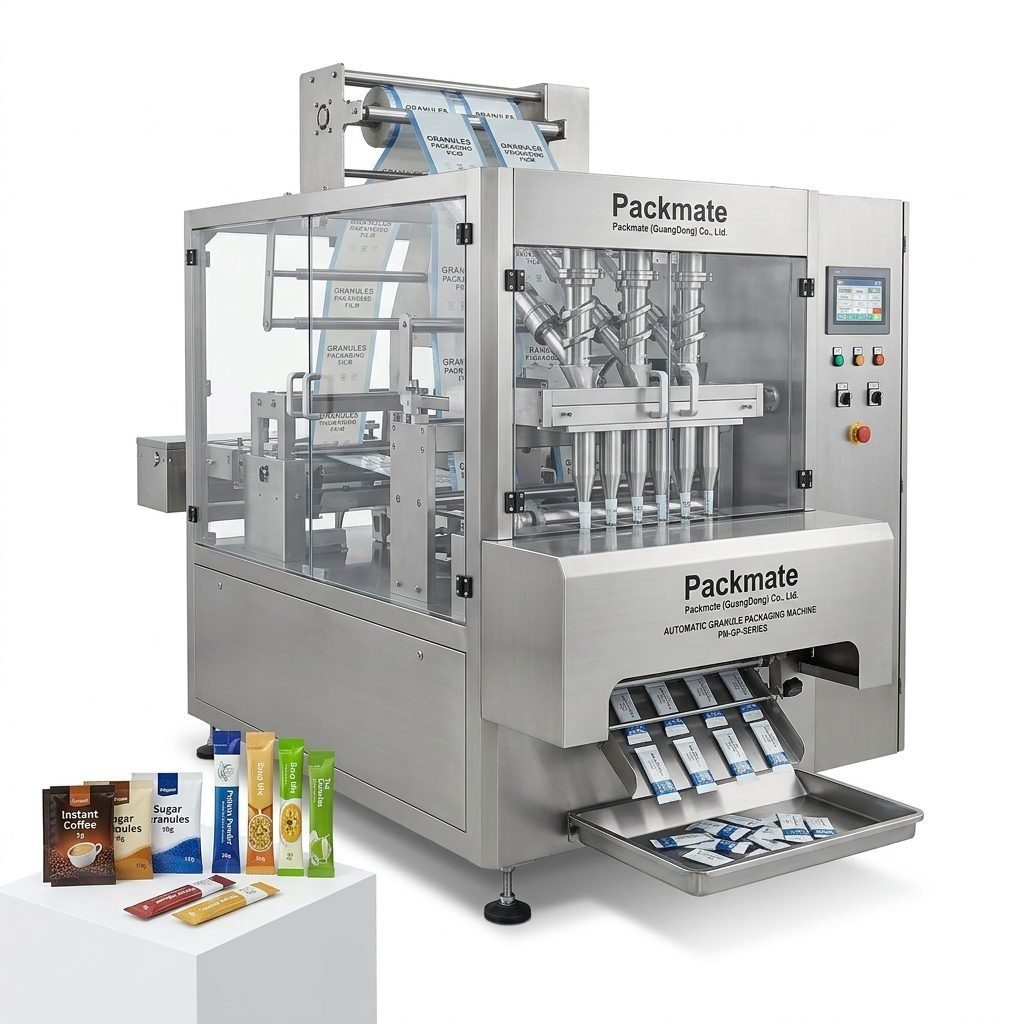
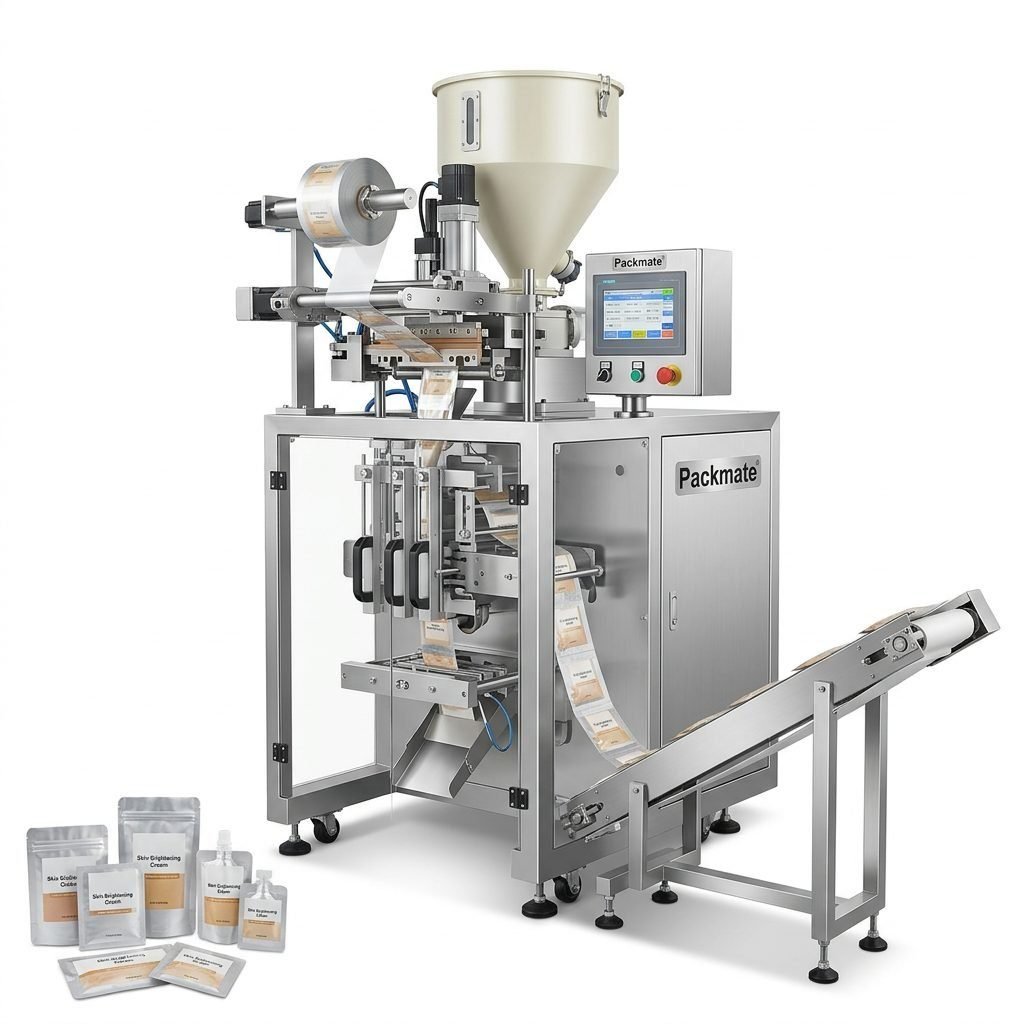
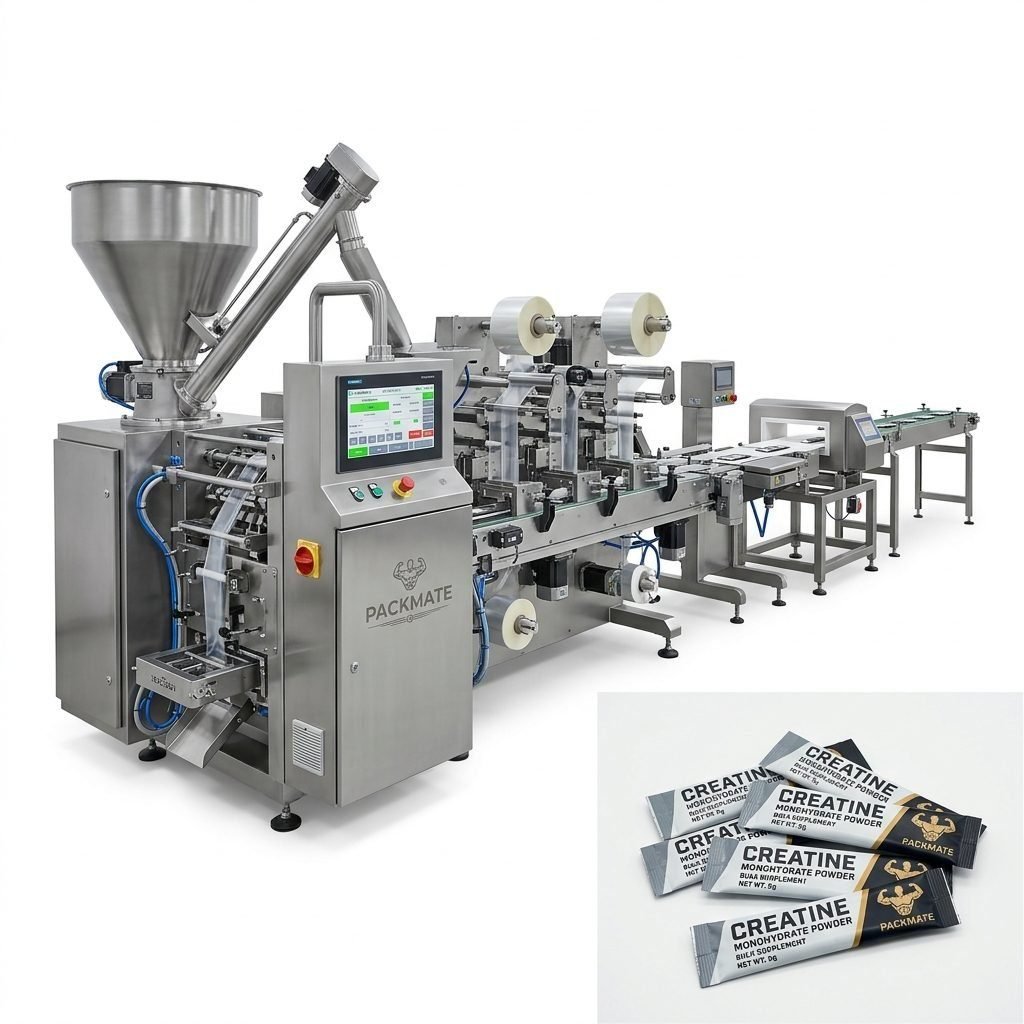
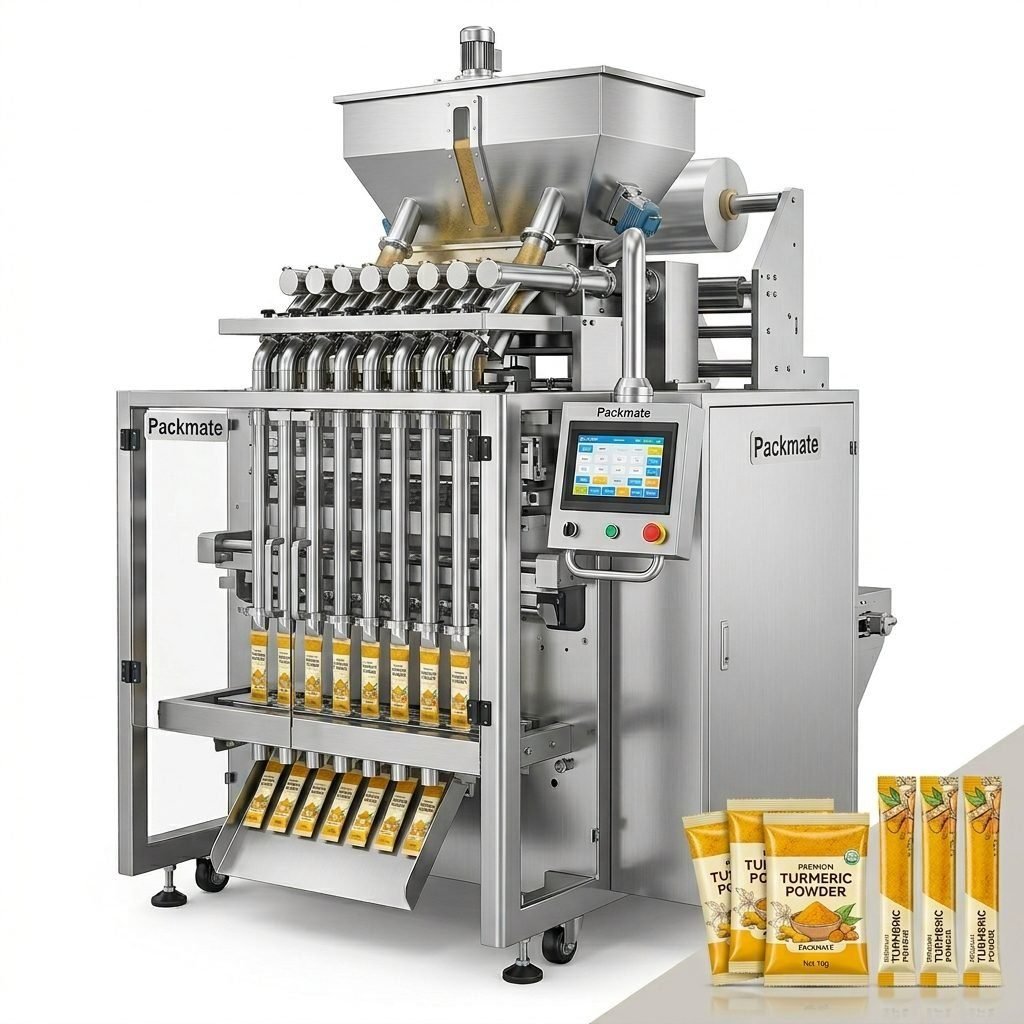
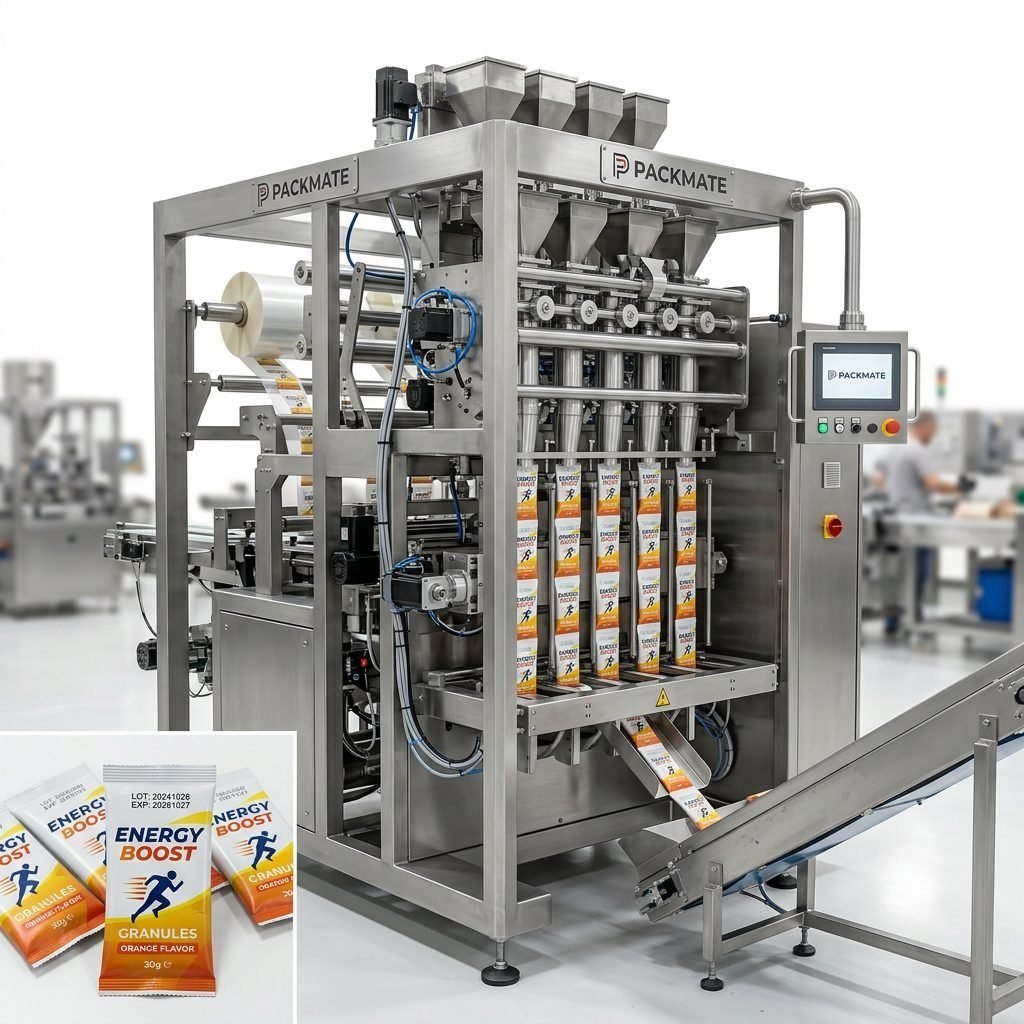
Form-Fill-Seal (FFS) Machines: The workhorses of primary packaging. These machines form pouches, sachets, or stick packs from a roll of film, accurately dose the product, and hermetically seal it. Multi-lane variants can dramatically increase output. For specialized needs, exploring dedicated sachet & stick pack machines can offer superior speed and precision for small-portion packaging.
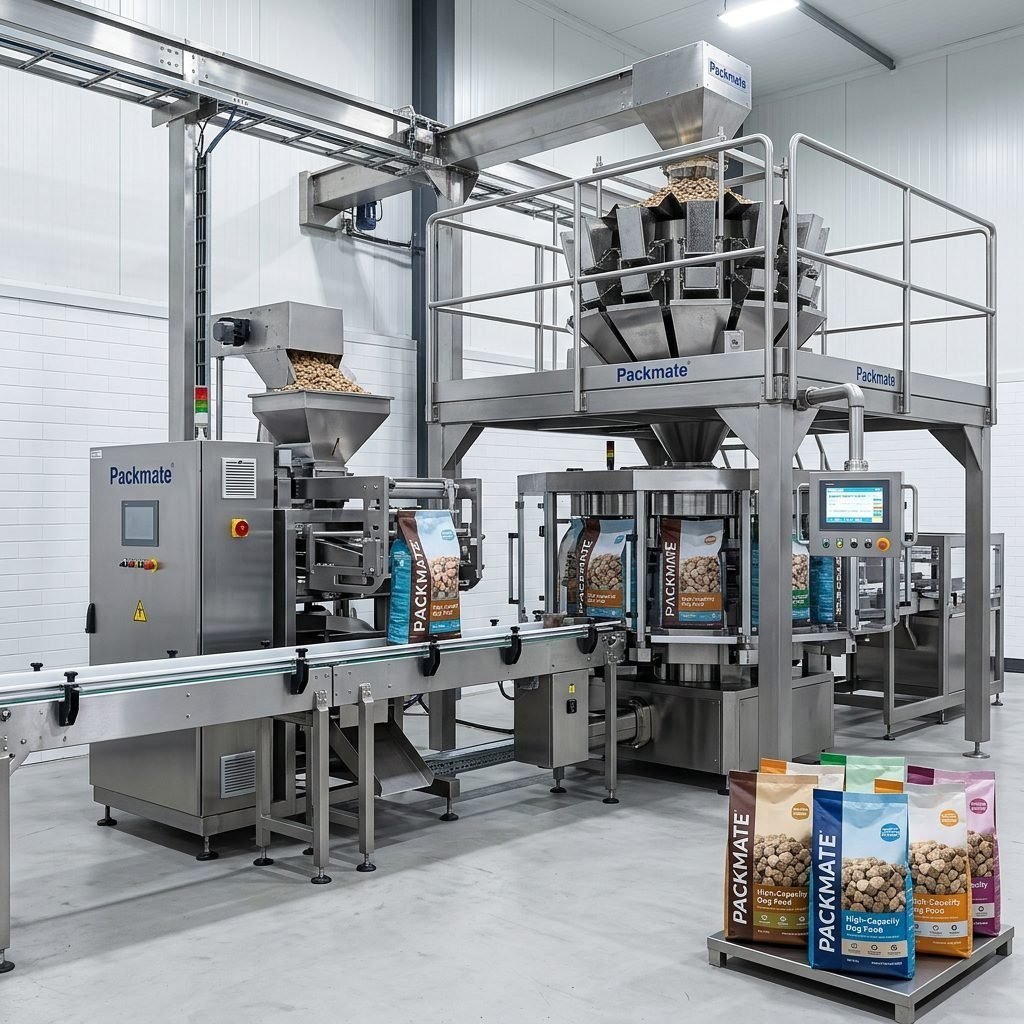
Filling Systems: Accuracy here is non-negotiable. Volumetric fillers, auger fillers for powders, and liquid pumps must deliver consistent doses to avoid give-away (costing you money) or underfilling (regulatory issues). Advanced weighing & packaging systems with multi-head weighers represent the gold standard for granular products, combining speed with exceptional accuracy.
Labeling & Coding: This is your product’s identity and compliance checkpoint. Print-and-apply labelers, inkjet coders, or laser markers must integrate flawlessly to apply batch codes, expiry dates, and barcodes without disrupting line flow.
The Integration Imperative: From Machine to Line
Purchasing individual machines is only the first step. The true value is unlocked through integration. A turnkey packaging line considers the entire journey of your product. This includes:
Conveying & Handling: Gentle yet efficient transfer systems between stations to prevent product damage or orientation issues.
Control & Monitoring: A centralized PLC or SCADA system that provides real-time data on OEE (Overall Equipment Effectiveness), downtime causes, and production counts.
Safety & Guarding: Integrated safety systems that protect operators without compromising accessibility for maintenance.
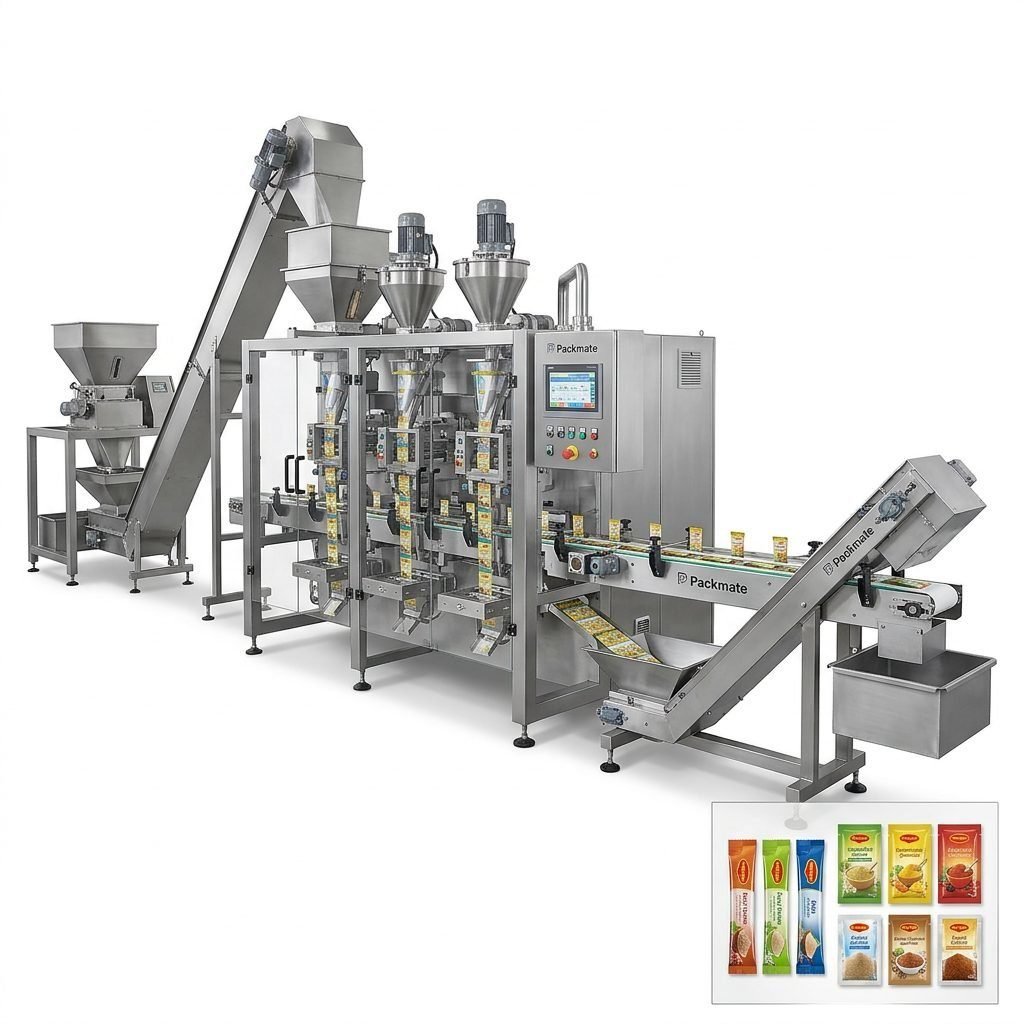
Companies with deep expertise, such as those with over 30 years in engineering complete solutions, understand these interdependencies intimately. They design not just machines, but cohesive workflows, as evidenced by comprehensive filling & packaging lines.
Strategic Selection for Maximum ROI
Choosing equipment is a capital-intensive decision. A strategic approach focuses on long-term value over short-term cost savings.
1. Define Your Non-Negotiables
Start with clear specifications: required output (packs per minute), product characteristics (hygroscopic powder, abrasive granule, viscous liquid), packaging materials, and floor space constraints. This clarity prevents over- or under-specifying machinery.
2. Prioritize Flexibility & Changeover
Market demands change. Equipment with quick-change parts and recipe memory for different package sizes or products minimizes downtime during production switches. This flexibility is a direct contributor to operational agility.
3. Evaluate Total Cost of Ownership (TCO)
Look beyond the purchase price. Calculate energy consumption, anticipated maintenance costs, spare part availability, and the required skill level for operators. A reliable machine from a reputable manufacturer with a strong service and support network often has a lower TCO despite a higher initial investment.
4. Embrace Smart Technology
The Industry 4.0 revolution has reached packaging. Machines with IoT sensors, predictive maintenance alerts, and data export capabilities empower proactive decision-making. They help shift from reactive firefighting to preventive optimization.
Operational Tip: Before finalizing any purchase, request a live product test using your actual materials at the supplier’s facility. This is the most reliable way to verify performance claims for speed, accuracy, and compatibility. Reviewing real-world application cases from the supplier can also provide invaluable insight.
Maintenance: The Cornerstone of Sustained Efficiency
Even the best equipment will fail without proper care. An effective maintenance strategy is not an expense; it’s an investment in uptime.
Preventive Maintenance (PM): Execute scheduled checks, lubrication, and part replacements based on runtime hours, not just when something breaks. This prevents catastrophic failures.
Operator Training: Empower line operators to perform basic cleaning, inspection, and minor adjustments. They are the first line of defense against minor issues escalating.
Spare Parts Strategy: Maintain a critical spares inventory based on the machine’s maintenance manual. Reliable suppliers often offer tailored spare parts kits to ensure you have essential components on hand.
Future-Proofing Your Packaging Operations
Efficiency today must not come at the expense of adaptability tomorrow. Consider trends like sustainable packaging materials (mono-material films, compostable laminates), which may require different sealing parameters. Also, factor in potential expansion—can the system be easily upgraded or connected to additional modules? Partnering with an innovative manufacturer committed to R&D ensures your investment remains relevant. Exploring their full range of packing machines can reveal scalable solutions for future needs.
Ultimately, building an efficient packaging operation is a holistic endeavor. It combines robust, reliable machinery with intelligent integration, strategic selection, diligent maintenance, and forward-looking planning. By viewing your packaging equipment as a connected system designed for performance, you transform it from a cost center into a powerful driver of productivity, quality, and competitive advantage.
Frequently Asked Questions (FAQs)
Q1: What is the most important factor to consider when designing a new packaging line?
A: Throughput synergy. The single most critical factor is ensuring all machines in the line are matched for capacity and seamlessly integrated. The speed of the fastest machine is irrelevant if it’s constantly starved or blocked by slower upstream or downstream equipment. A detailed line layout and simulation are crucial.
Q2: How can I reduce product waste and giveaway on my filling equipment?
A: Implement regular calibration schedules for your fillers using certified weights. For granular products, consider upgrading to a multi-head weigher system, which statistically achieves much higher accuracy than volumetric filling. For powders, ensure the auger type and tooling are perfectly matched to your product’s flow characteristics to prevent bridging or inconsistent dosing.
Q3: Is automation always the right choice for improving packaging efficiency?
A: Not always. Automation delivers the highest return for high-volume, stable product lines with long runs. For low-volume, high-mix operations with frequent changeovers, semi-automatic equipment or modular systems with quick-change features might offer better overall efficiency and a faster ROI by maintaining flexibility.
Q4: How do I justify the investment in more advanced, “smart” packaging machinery?
A: Build your business case on data and risk reduction. Quantify the value of reduced unplanned downtime (predictive maintenance alerts), lower material waste (precision control), and improved traceability (data logging). Also, factor in the cost of non-compliance or recall risks that smarter, more consistent machines help mitigate.
Q5: What’s the best way to handle maintenance for a complex packaging system?
A: Adopt a tiered approach. Train operators for daily cleaning and basic inspections (Tier 1). Have on-site technicians follow a detailed preventive maintenance schedule (Tier 2). Finally, establish a strong support contract with the original equipment manufacturer (OEM) for annual inspections, complex repairs, and software updates (Tier 3). This layered strategy maximizes uptime and expertise.