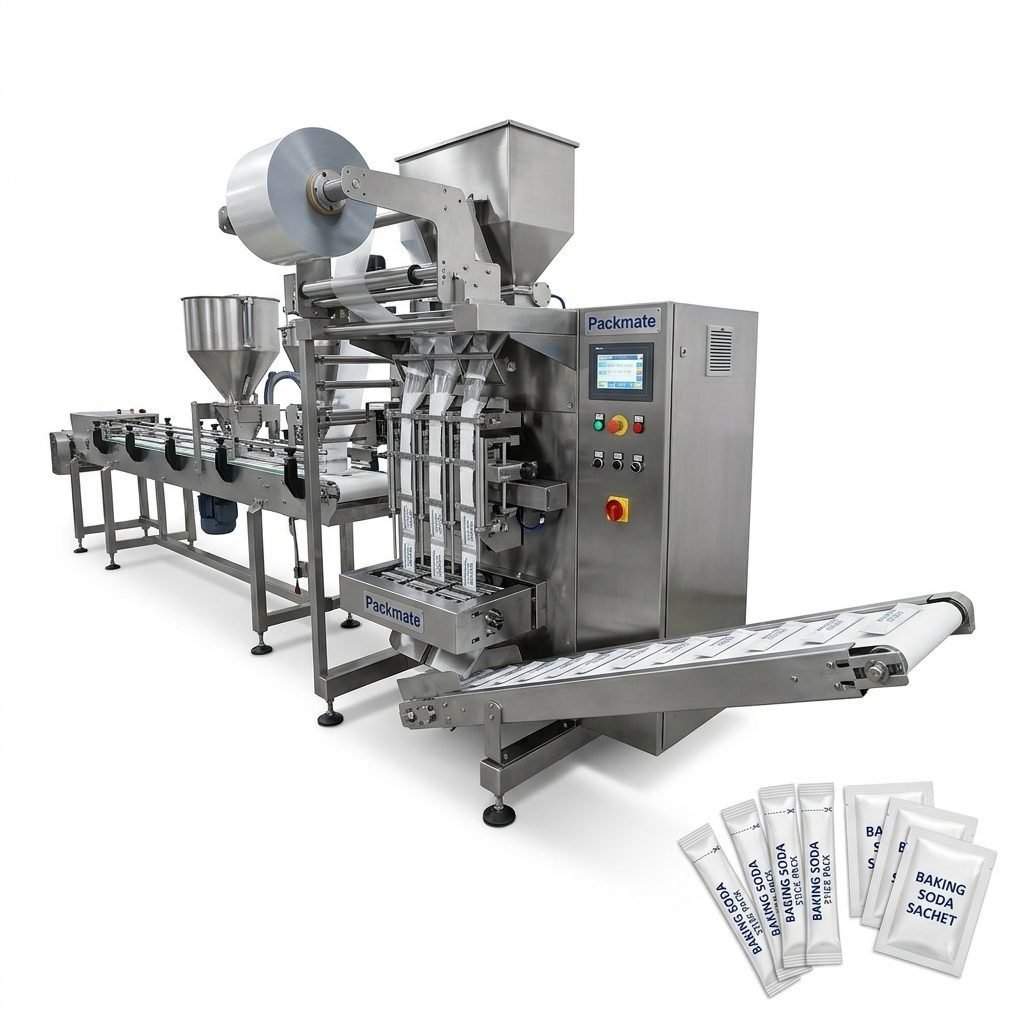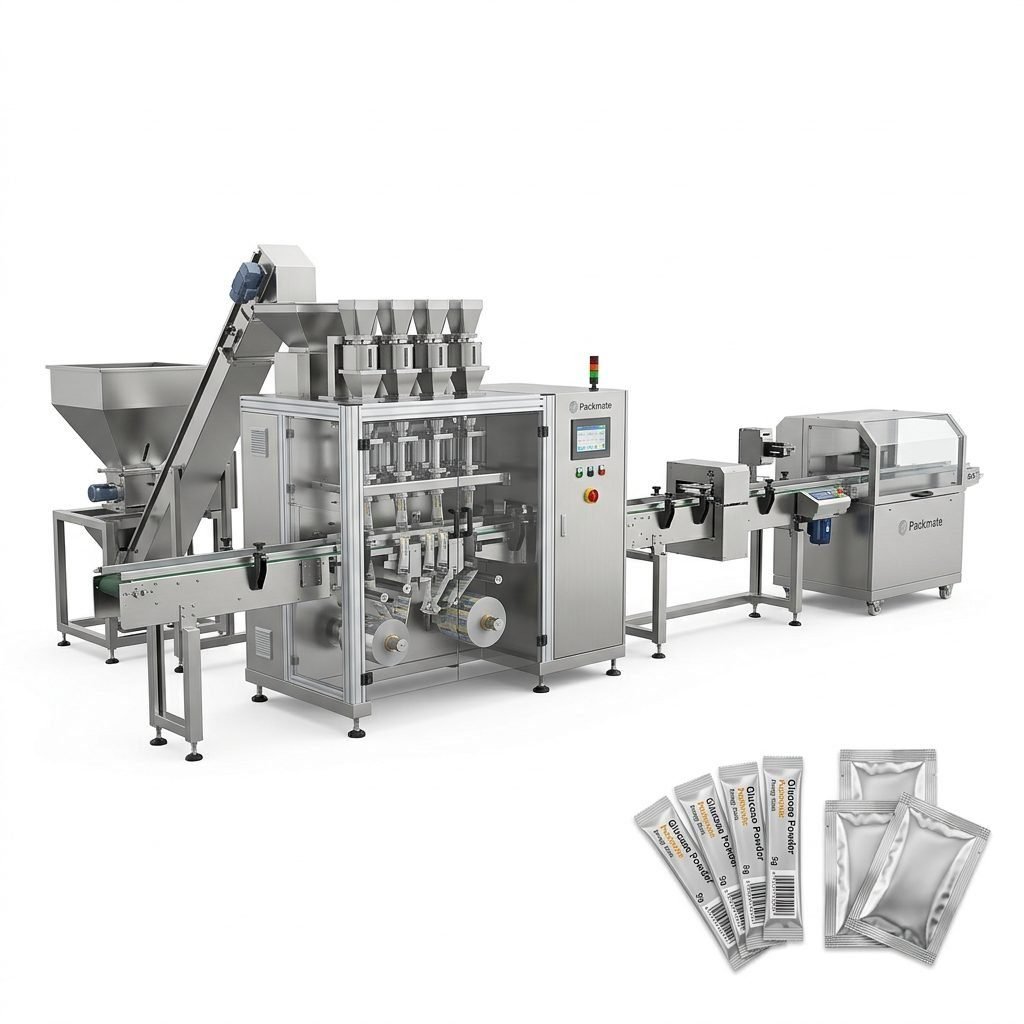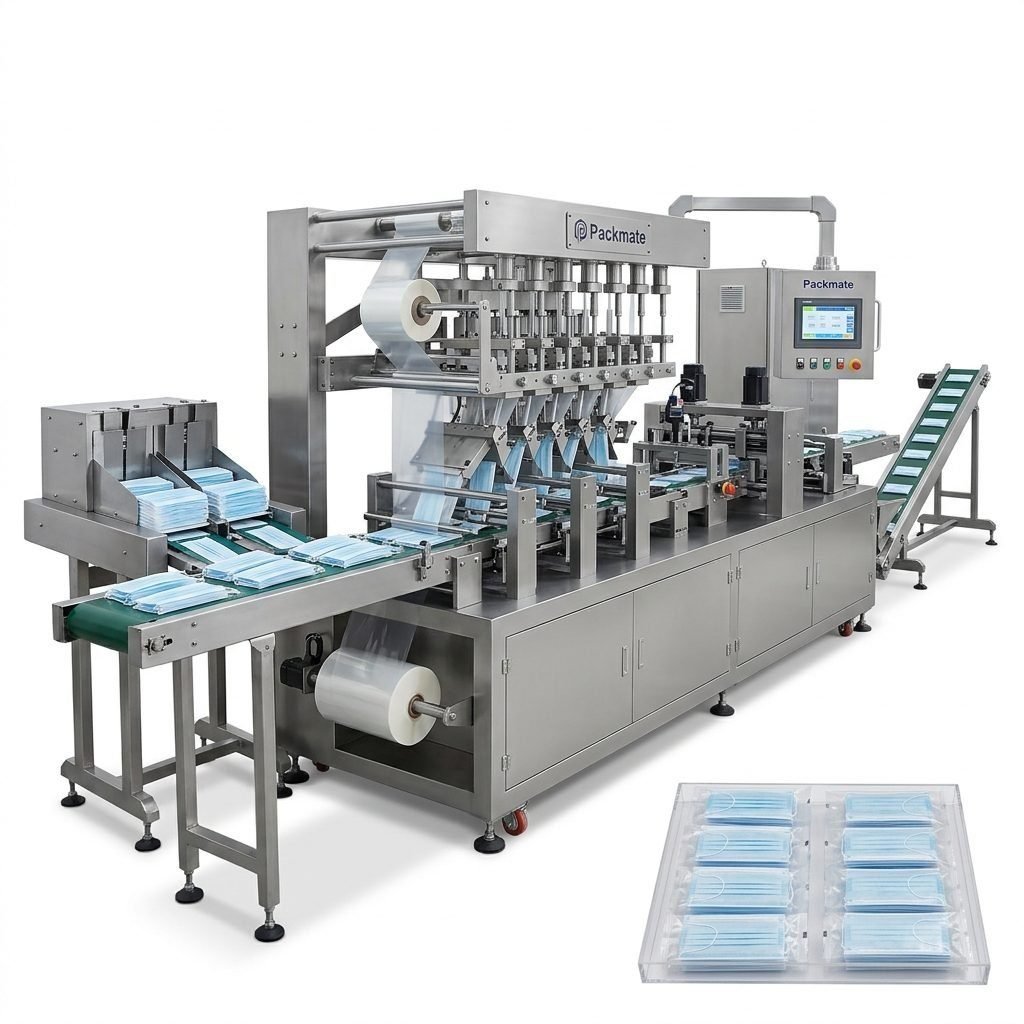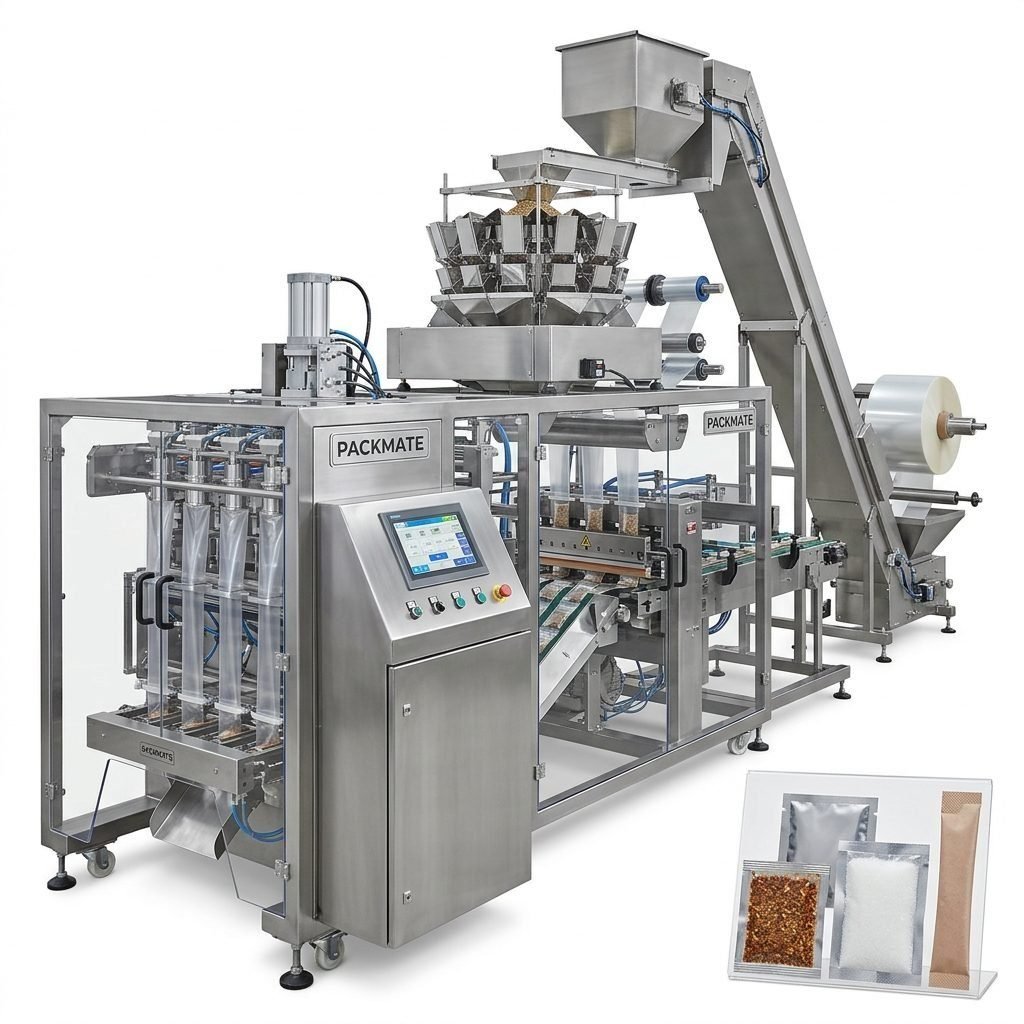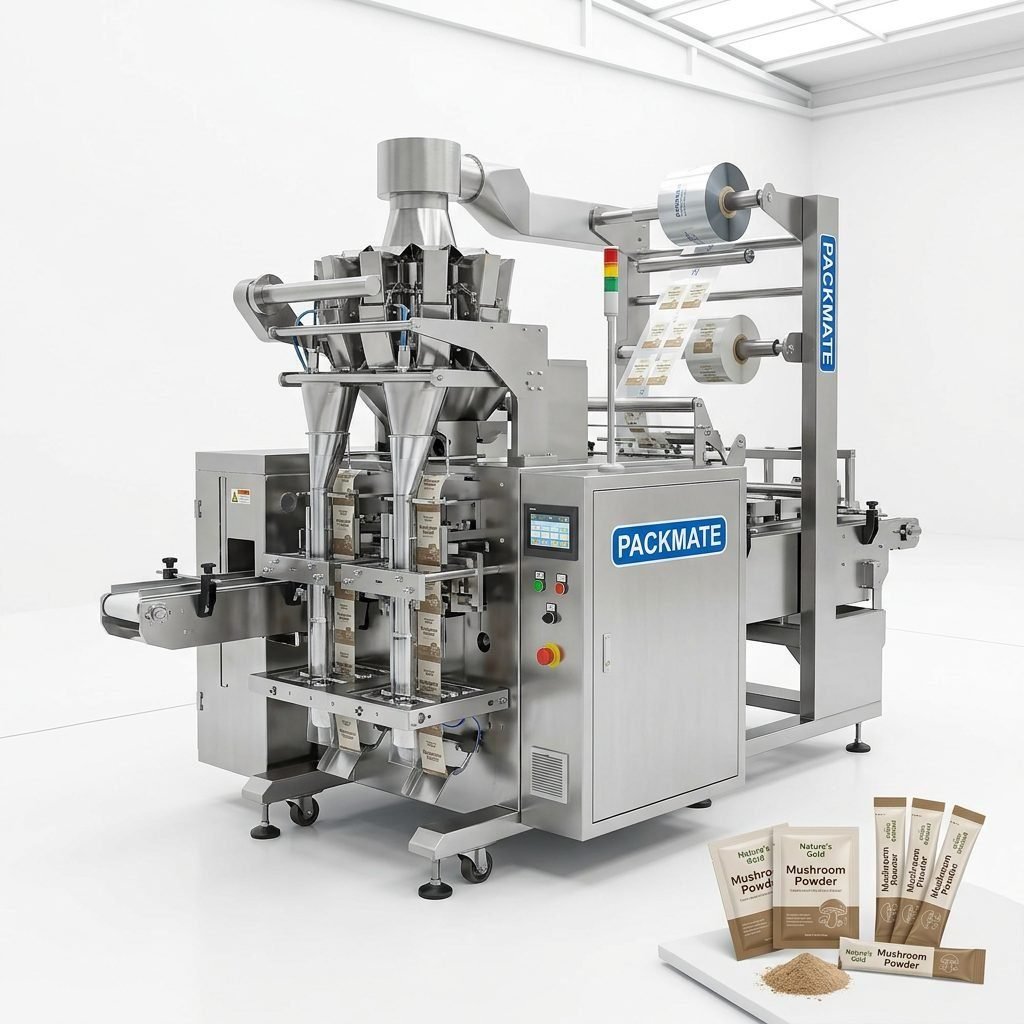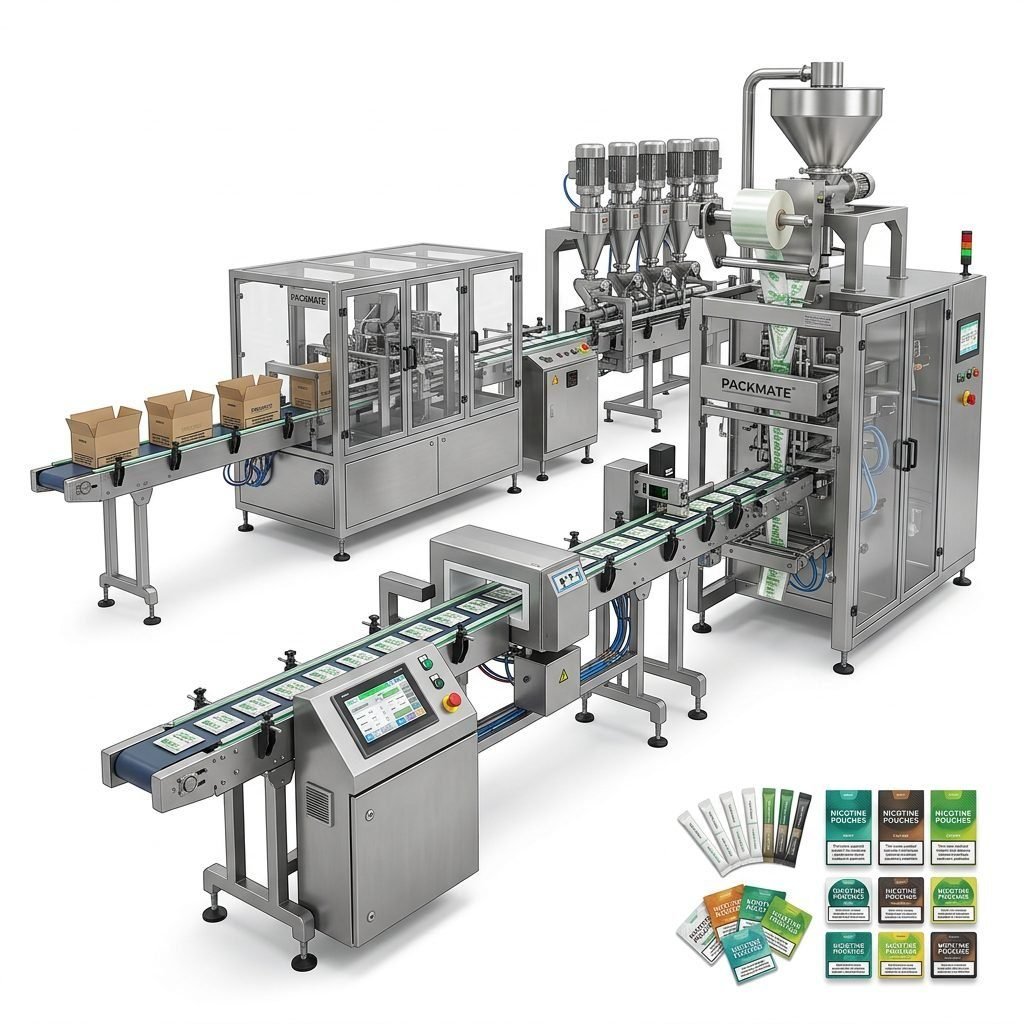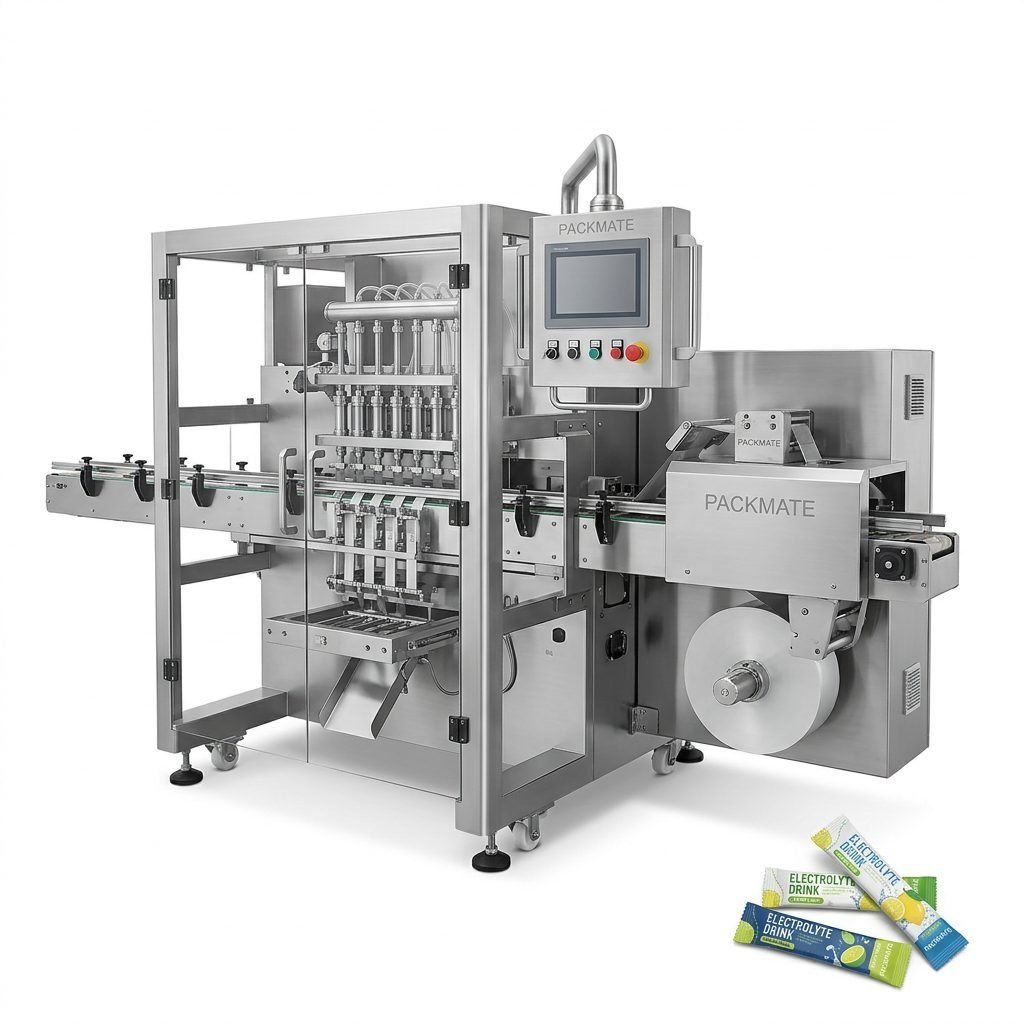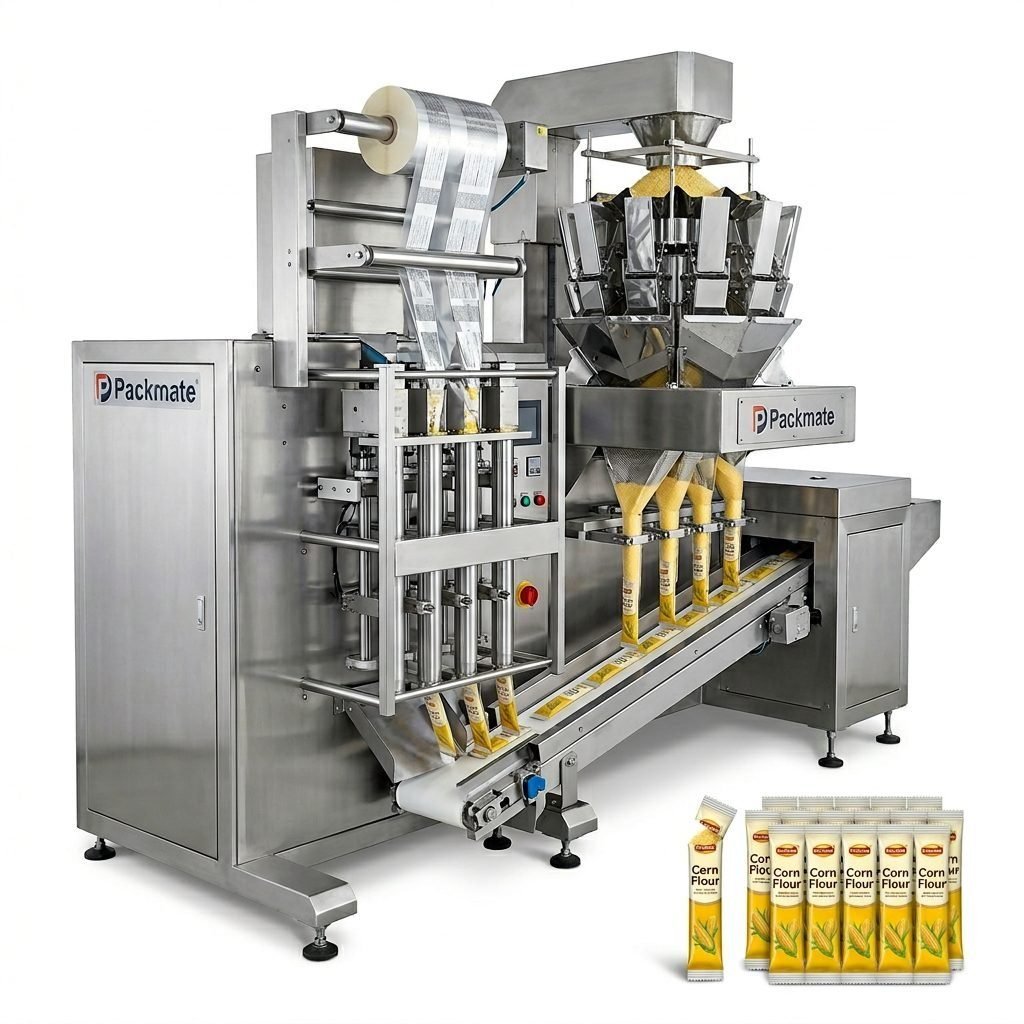
The global packaging machinery market is a dynamic and essential sector, driven by the ever-increasing demand for efficient, reliable, and innovative packaging solutions across industries. From food and pharmaceuticals to consumer goods, the right packaging machinery is crucial for product integrity, shelf appeal, and operational efficiency. This guide delves into the world of top packaging machinery manufacturers and suppliers, providing insights to help you make an informed decision for your business.
The Hallmarks of a Leading Packaging Machinery Manufacturer
Identifying a top-tier manufacturer goes beyond just a product catalog. Several key factors set industry leaders apart, ensuring they deliver not just machines, but comprehensive solutions.
Proven Expertise and Industry Experience
Longevity in the market often correlates with deep technical knowledge and refined processes. Companies with decades of experience, like Packmate Machinery, have navigated evolving industry trends and technological shifts. This history translates into robust, field-tested equipment designed to solve real-world production challenges. Their journey from a focused workshop to a modern enterprise with a 20,000㎡ manufacturing facility exemplifies the growth and stability that comes with expertise.
Commitment to Innovation and R&D
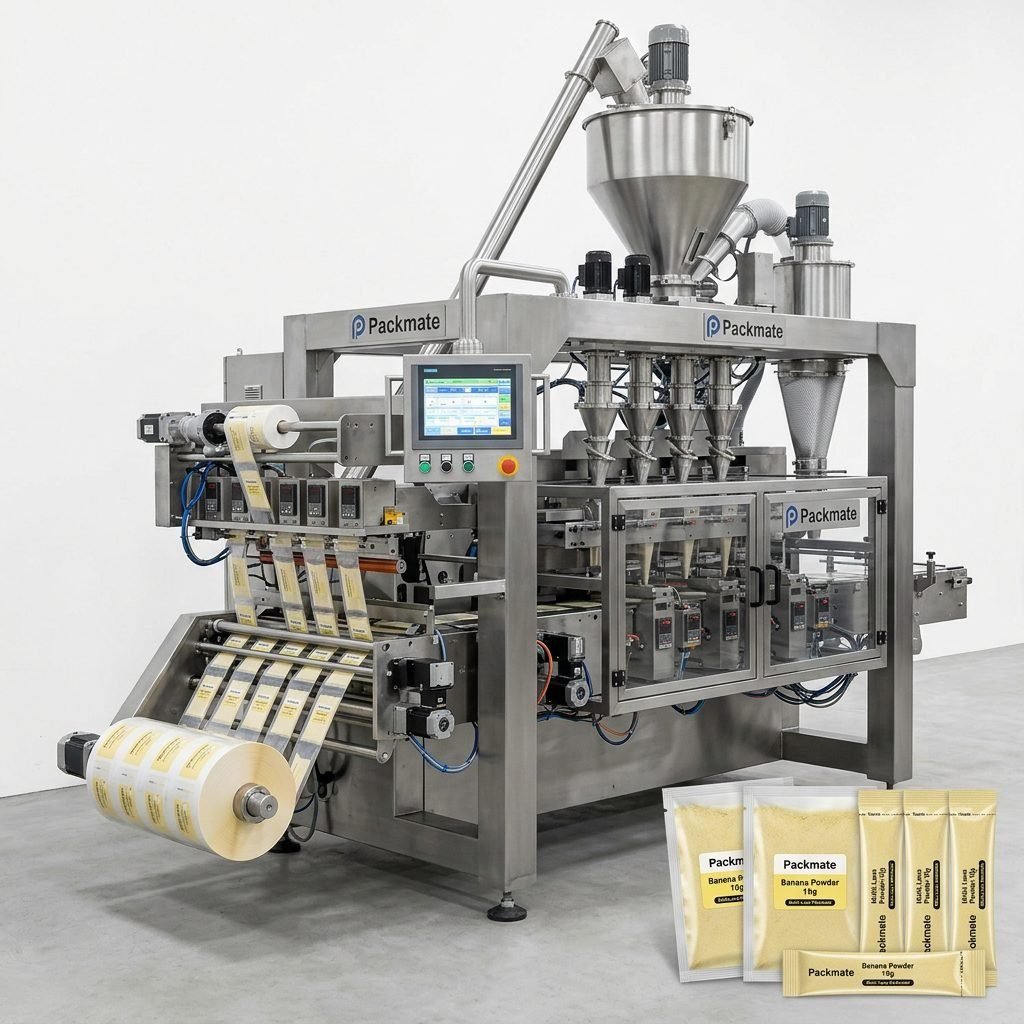
The packaging landscape is not static. Leaders invest heavily in research and development to integrate automation, smart controls, and sustainable practices. A diverse portfolio, often exceeding 50 machine models as seen in advanced suppliers, indicates a capacity for customization and addressing niche applications, from sachet and stick pack machines to complex complete filling and packaging lines.
Quality Assurance and Certifications
Reliability is non-negotiable in production environments. Top manufacturers adhere to stringent international quality standards (like ISO certifications) and implement rigorous testing protocols at every stage, from component sourcing to final assembly. This ensures machinery durability, precision, and consistent performance under demanding operational schedules.
Navigating the Global Supplier Landscape
The choice between a global giant and a specialized regional supplier depends on your specific needs, including product type, required throughput, and service expectations.
Global manufacturers offer extensive networks and standardized solutions suitable for large-scale, multi-national operations. They bring vast resources and often pioneer broad technological advancements.
Conversely, specialized suppliers, particularly those in manufacturing hubs like China’s Greater Bay Area, combine scale with agility. Companies such as Packmate (GuangDong) Co., Ltd. leverage regional supply chain strengths and focused engineering to deliver cost-effective, high-performance turnkey solutions. Their deep understanding of markets like food granules, powders, and pharmaceutical liquids allows for highly tailored applications.
The Importance of After-Sales Support
A machine’s lifecycle is heavily dependent on the support behind it. Leading suppliers distinguish themselves through comprehensive after-sales services. This includes detailed installation guidance, thorough operator training, readily available spare parts, and responsive technical support. A strong service ethos, often highlighted in a company’s mission and vision, minimizes downtime and protects your investment for the long term.
Key Considerations for Your Selection Process
Before engaging with manufacturers, clearly define your project parameters. Assess your primary product form (granules, powder, liquid), desired packaging format (stick packs, pouches, bags), and required output speed. Consider future scalability—can the machine or line handle potential increases in demand or new product formats?
Request detailed quotations that break down costs beyond the base machine price, including shipping, installation, and potential training fees. Most importantly, seek out and verify customer references or case studies. Reviewing a supplier’s project portfolio provides tangible proof of their capabilities and experience in your specific sector.
Conclusion: Partnering for Packaging Success
Selecting the right packaging machinery partner is a strategic decision that impacts your productivity, product quality, and bottom line. By prioritizing manufacturers with a solid track record, a commitment to innovation, and unwavering support, you invest in more than equipment—you secure a partnership for growth. The ideal supplier acts as an extension of your team, providing reliable technology and expert guidance to navigate the complexities of modern packaging.
Frequently Asked Questions (FAQs)
What is the typical lead time for a packaging machine?
Lead times vary significantly based on machine complexity, customization level, and manufacturer capacity. Standard models may ship in 8-12 weeks, while fully custom, turnkey lines can require 4-6 months or more. Always confirm timelines during the quotation process.
Can packaging machines handle different materials and product types?
Many machines are designed for versatility within a category. For instance, a bag and pouch packaging machine might handle various laminates. However, switching between vastly different products (e.g., fine powder to coarse granules) often requires adjustments or different tooling. Discuss your full range of products with the supplier.
What kind of training and support is provided after purchase?
Reputable suppliers offer comprehensive training for your operators and maintenance staff, either on-site at your facility or at their factory. This should cover operation, routine maintenance, troubleshooting, and safety procedures. Ongoing support typically includes access to technical manuals, spare parts lists, and remote or on-call technical assistance.
How do I ensure the machine meets my local safety and regulatory standards?
Clearly communicate the destination country and any specific regulatory requirements (e.g., CE, UL, FDA guidelines for food contact) to the manufacturer during the initial inquiry. Top manufacturers are experienced in certifying their equipment for international markets and can guide you on the necessary compliance steps.
What are the main factors affecting the total cost of ownership?
Beyond the purchase price, consider operational costs (energy consumption, compressed air), maintenance (routine parts, filter changes), consumables (like sealing jaws or cutting blades), and potential downtime costs. A slightly higher initial investment in a robust, efficient, and well-supported machine often results in a lower total cost of ownership over its lifespan.