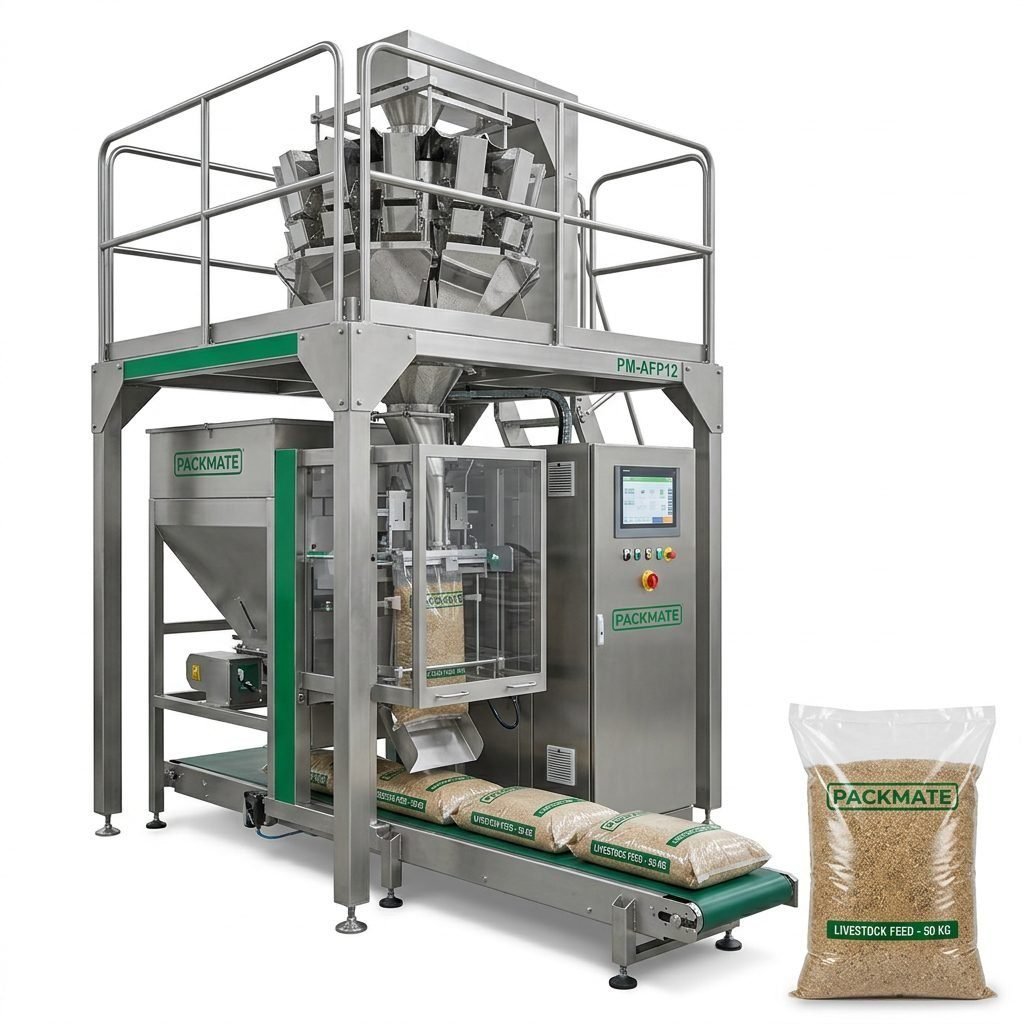
Maintaining packaging equipment is crucial for ensuring uninterrupted production lines, minimizing costly downtime, and safeguarding product quality. A well-executed repair and maintenance strategy not only extends the lifespan of your machinery but also protects your investment. This comprehensive guide addresses common issues encountered with packaging equipment and provides practical solutions, drawing from decades of industry expertise.
Understanding Your Packaging Equipment
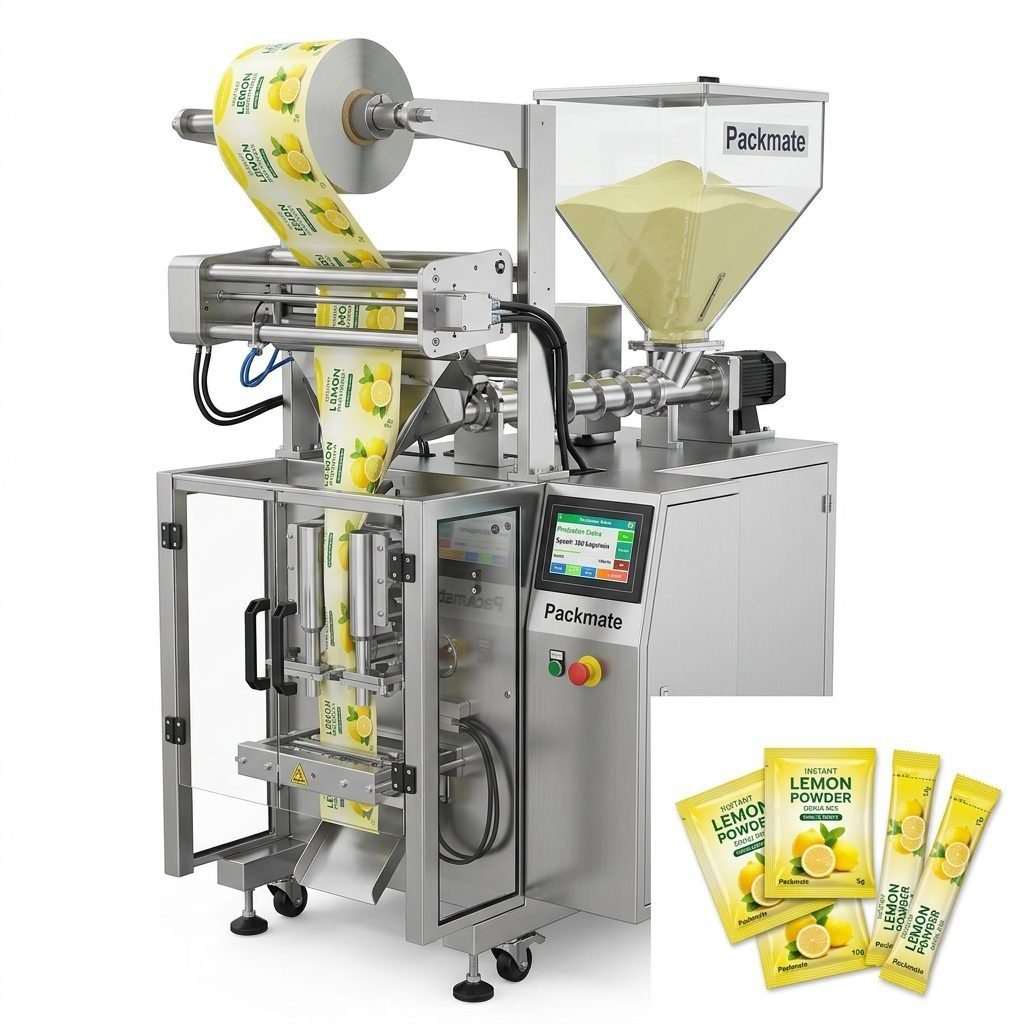
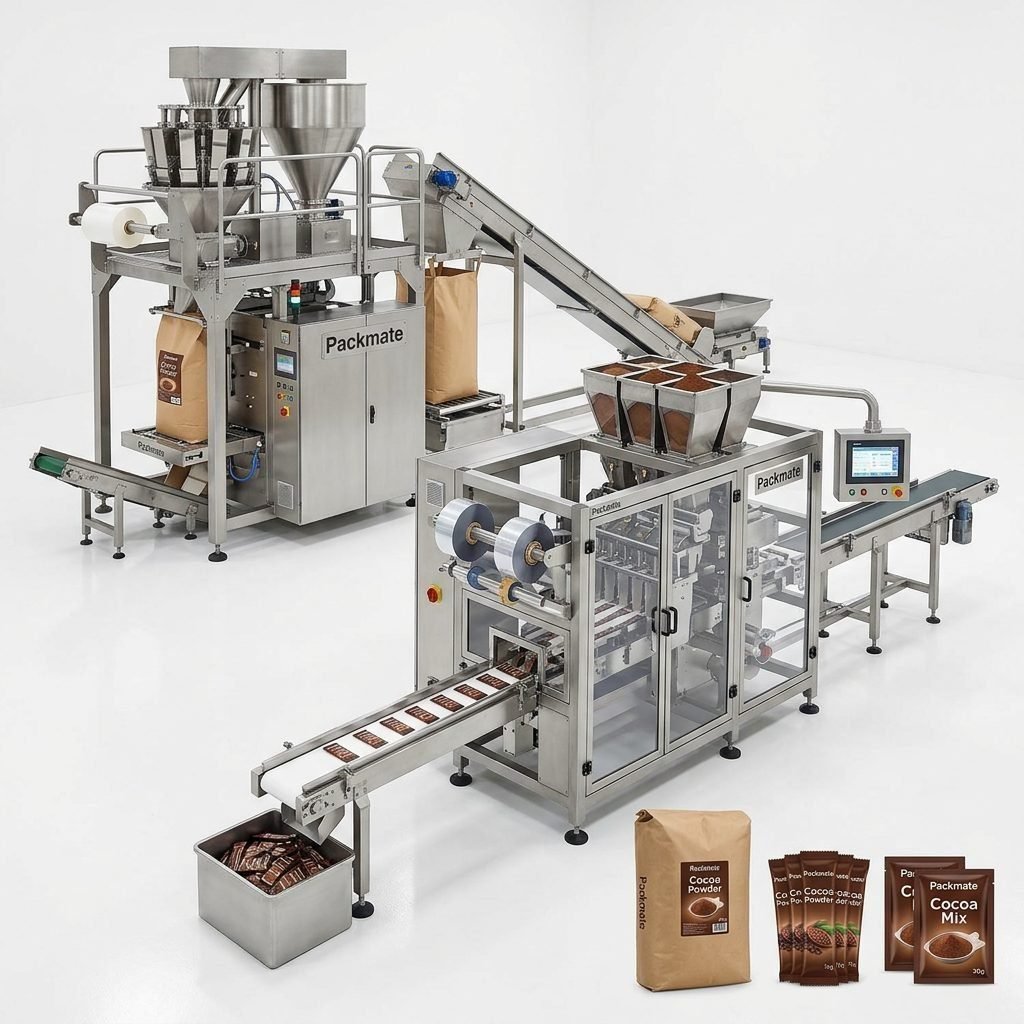
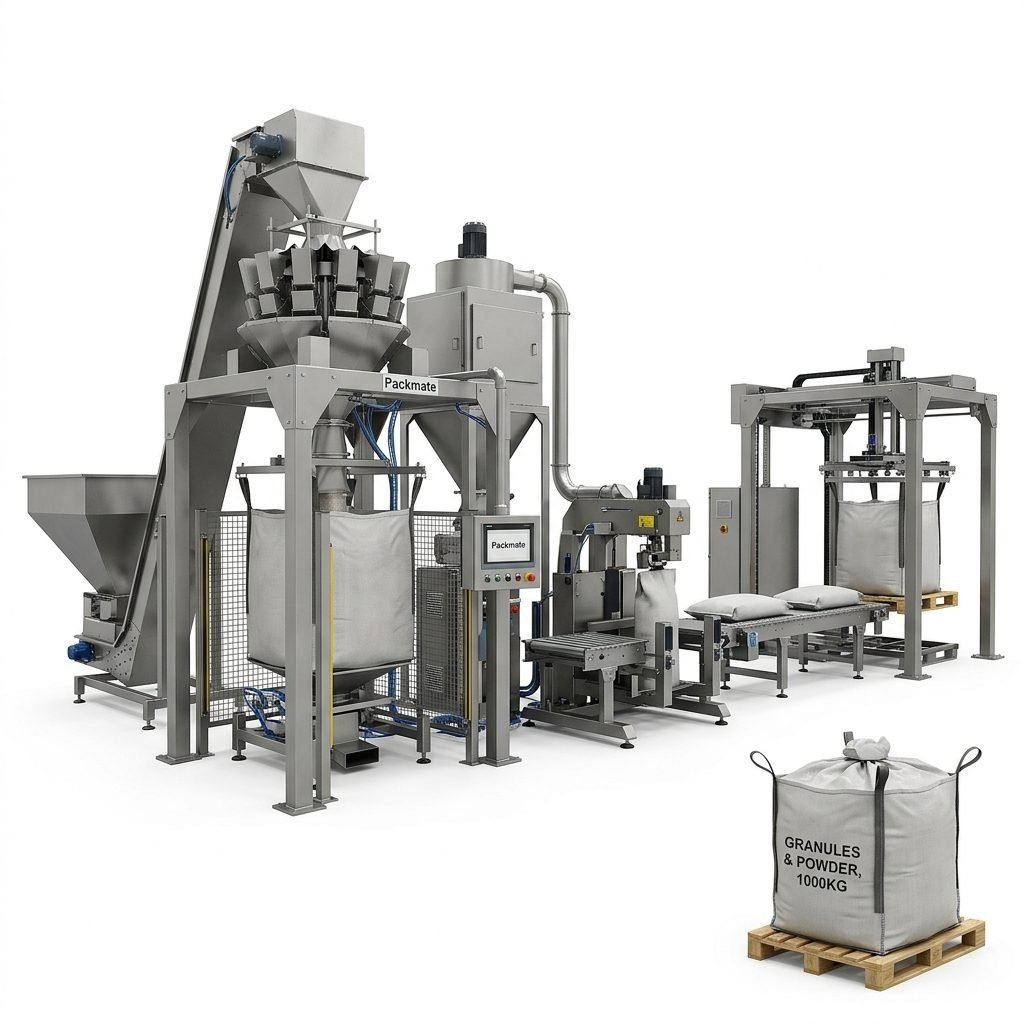
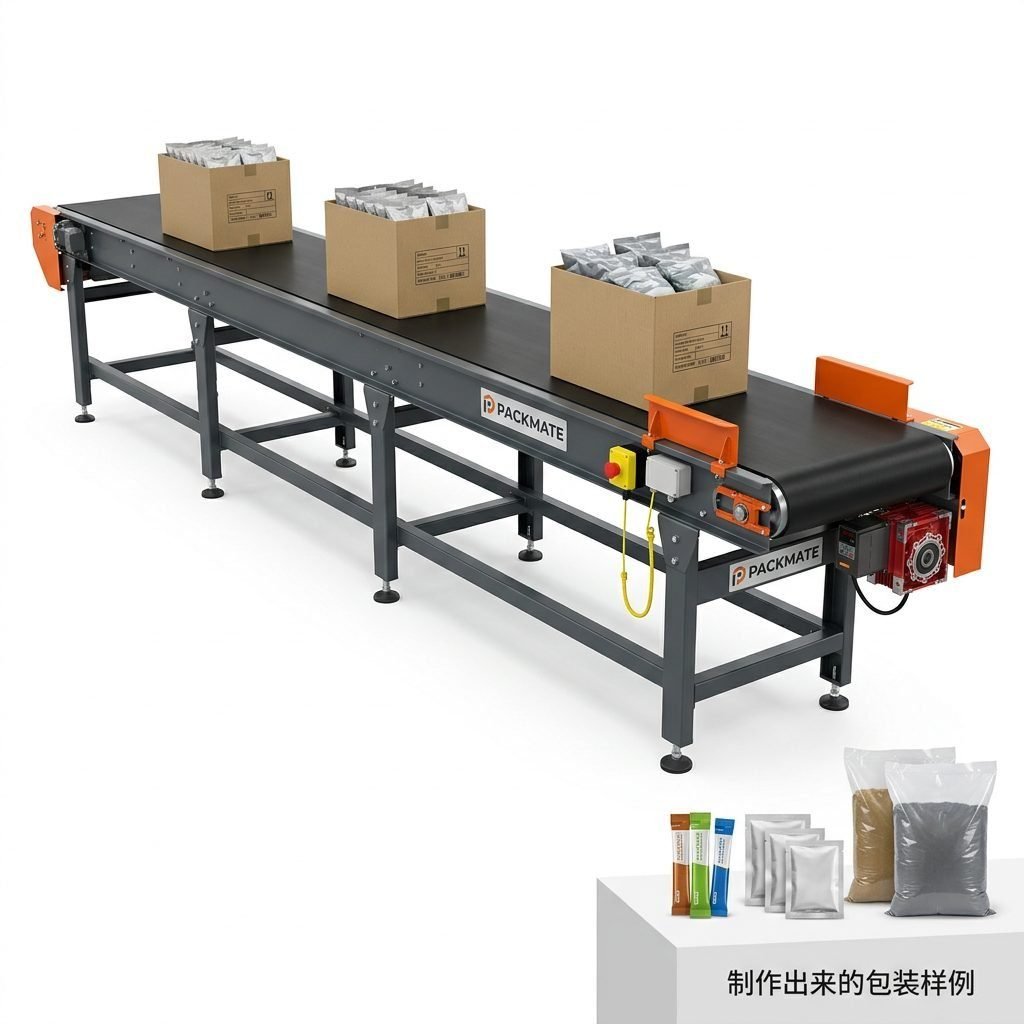
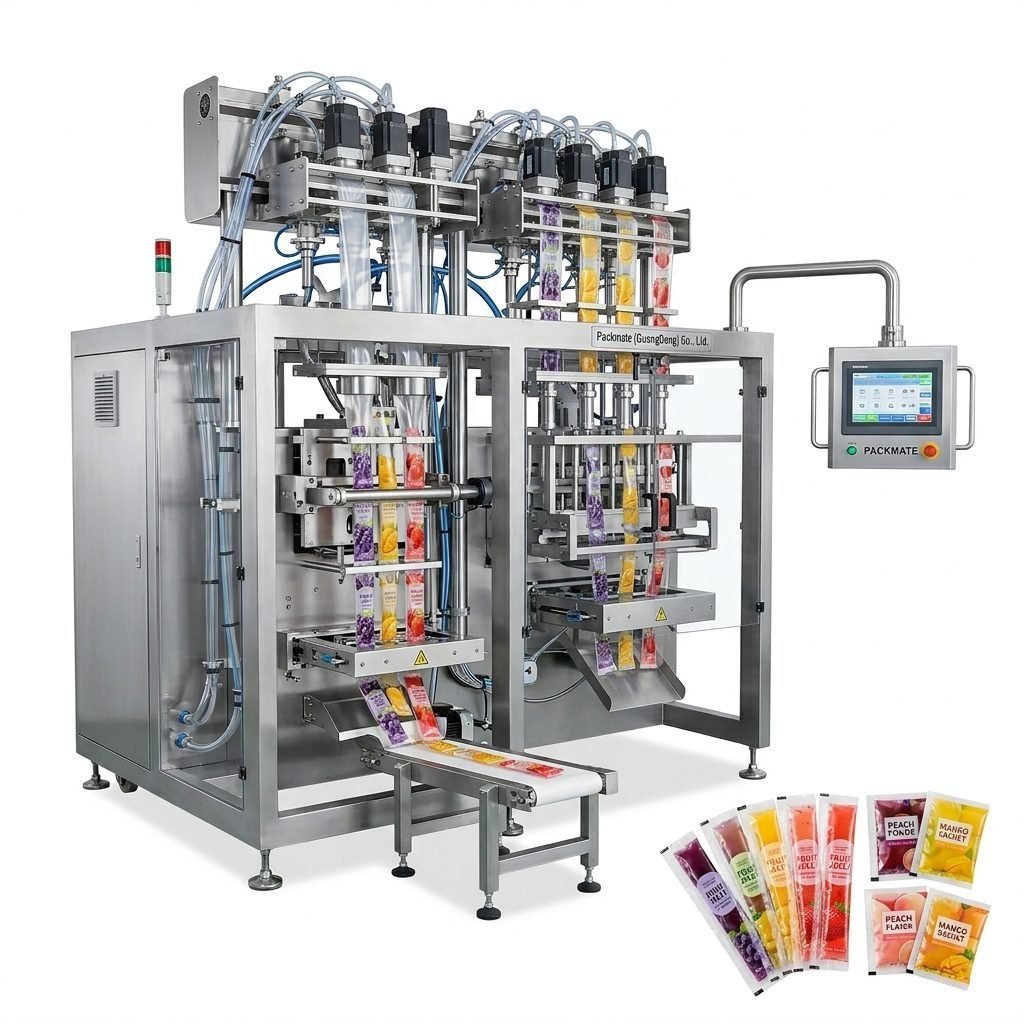
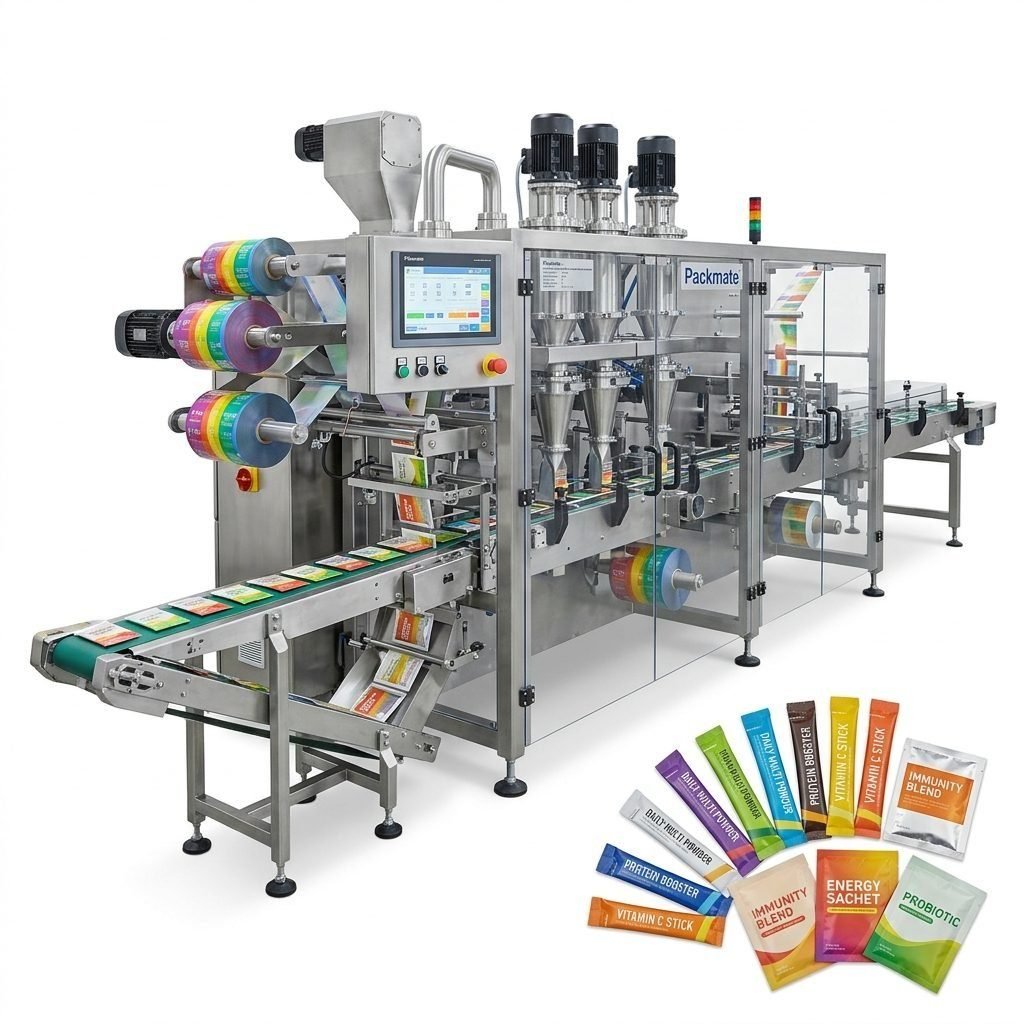
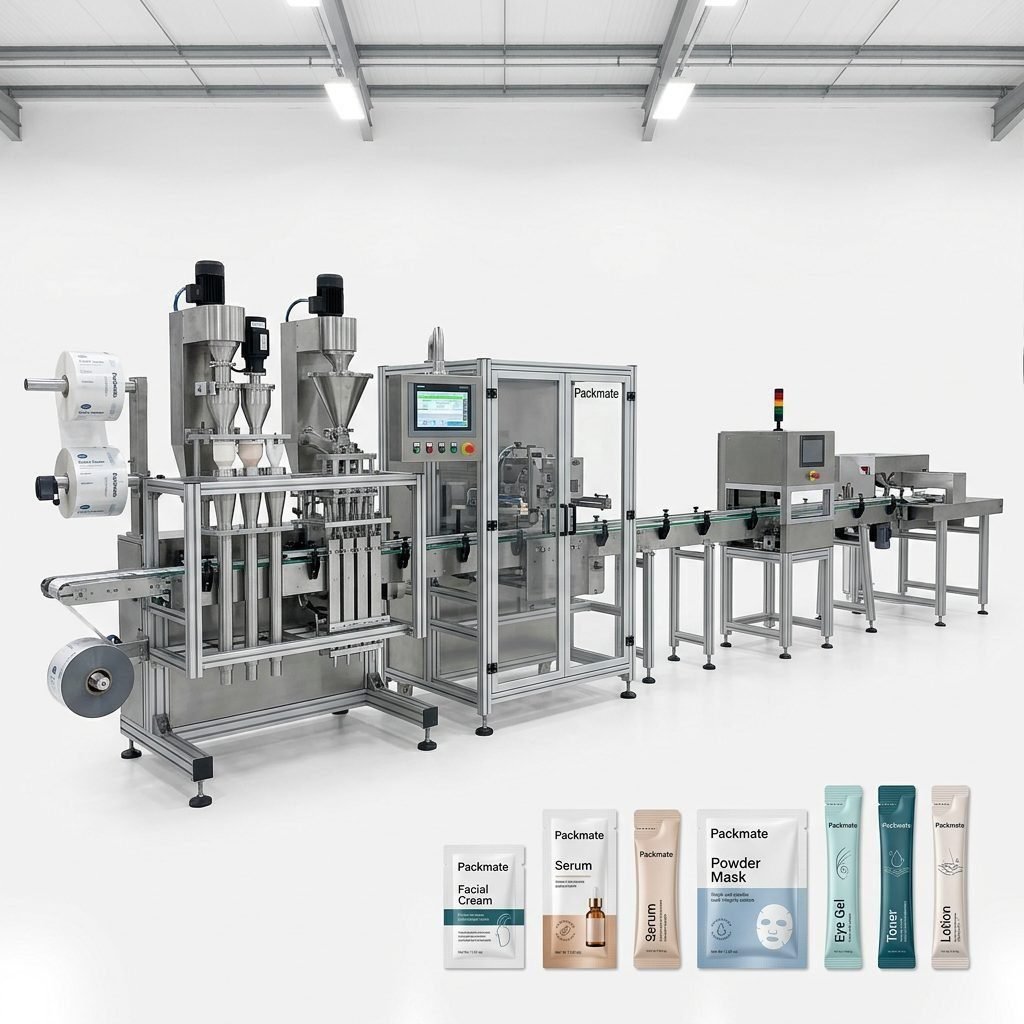
Before diving into specific problems, it’s essential to understand the core components of modern packaging lines. These systems often integrate feeding, weighing, filling, sealing, and coding functions. Complex machinery, such as the advanced Sachet & Stick Pack Machines or integrated Filling & Packaging Lines, require synchronized operation. Familiarity with your machine’s manual and recommended maintenance schedule from the manufacturer is the first line of defense against major failures.
Proactive Maintenance is Key
The most effective “repair” is often prevention. Establishing a routine maintenance protocol can identify wear and tear before it leads to a breakdown. This includes regular lubrication of moving parts, inspection of seals and gaskets, calibration of weighing systems, and cleaning of product contact surfaces to prevent contamination and corrosion.
Common Mechanical Issues and Solutions
Mechanical failures are among the most frequent causes of downtime in packaging operations.
1. Sealing Problems
Poor seal integrity is a critical fault that can lead to product spoilage and customer complaints.
- Issue: Weak or Inconsistent Seals – Seals may appear wrinkled, have channels, or fail to bond properly.
- Solutions:
- Check and adjust the sealing temperature. Too low won’t melt the film; too high can burn it.
- Inspect and clean the sealing jaws. Accumulated debris or film residue prevents proper heat transfer.
- Verify the sealing pressure and dwell time settings according to the film material specifications.
- Ensure the packaging film is compatible with your machine’s sealing method (e.g., thermal, impulse).
2. Feeding and Metering Inaccuracies
Inconsistent fill weights violate trade regulations and directly impact profitability.
- Issue: Overfilling or Underfilling – Product doses vary from the target weight or volume.
- Solutions:
- Calibrate the weighing system or volumetric filler. Follow the manufacturer’s calibration procedure.
- For granular or powdered products, check for bridging or rat-holing in the hopper and use appropriate agitators.
- Inspect augers, pistons, or pumps for wear and replace them if necessary.
- Ensure the product characteristics (e.g., density, flowability) have not changed, as this affects metering.
Electrical and Control System Faults
Modern packaging equipment relies heavily on Programmable Logic Controllers (PLCs), sensors, and servo drives.
Troubleshooting Electrical Issues
Always disconnect power before inspecting electrical components. Common signs include unresponsive controls, erratic machine behavior, or error codes on the Human-Machine Interface (HMI).
First, check for loose wiring connections at terminals, sensors, and actuators. Next, verify the status of fuses and circuit breakers. Many operational halts are caused by tripped sensors, such as photoelectric eyes detecting misaligned packaging film or safety interlocks being engaged. Consulting the machine’s error code log is the fastest path to diagnosis.
3. PLC or Servo Drive Errors
These errors often manifest as the machine stopping abruptly or a specific axis failing to move.
- Solutions:
- Restart the main control cabinet to clear temporary faults.
- Check for overheating in electrical cabinets; ensure cooling fans are operational.
- Review the servo drive display for specific error codes (e.g., overload, feedback loss).
- If the problem persists, it may require parameter reloading or professional technician support. Companies with deep expertise, like Packmate Machinery, often provide comprehensive technical support for their packing machines.
Operational and Performance Issues
Some problems stem from operational parameters or material handling rather than a broken component.
4. Film Web Breaks or Misalignment
Continuous film breaks halt production and waste material.
- Solutions:
- Ensure the film roll is mounted correctly and unwinds freely without excessive drag.
- Check and adjust all guide rollers and tension control systems. Uneven tension is a common cause.
- Inspect the film registration sensor and ensure it is clean and properly aligned to read the eye-mark.
- Verify the film quality; weak seals or inconsistencies in the film roll can cause breaks.
5. Excessive Noise or Vibration
Unusual sounds or shaking often indicate mechanical wear or misalignment.
- Solutions:
- Immediately stop the machine if noise is severe to prevent further damage.
- Check all fasteners, belts, chains, and couplings for tightness.
- Inspect bearings, gears, and cams for signs of wear, scoring, or lack of lubrication.
- Ensure the machine is installed on a level, stable foundation to prevent resonant vibration.
Building a Reliable Maintenance Framework
Beyond immediate repairs, a long-term strategy is vital. Keep a detailed log of all maintenance activities, adjustments, and part replacements. This history is invaluable for diagnosing recurring issues. Maintain an inventory of critical spare parts—such as seals, heaters, sensors, and commonly worn mechanical parts—to reduce waiting time during breakdowns. Finally, ensure your operators are thoroughly trained not only to run the machine but also to perform basic cleaning, lubrication, and visual inspections.
Summary of Common Problems & Quick Checks
Here is a consolidated list of frequent packaging equipment challenges and their first-step diagnostics:
- Poor Sealing: Check temperature, clean jaws, verify film type and pressure.
- Inaccurate Filling: Recalibrate scales/volumetric fillers, check for product bridging, inspect augers for wear.
- Machine Won’t Start/Stops Unexpectedly: Check emergency stops, safety guards, sensor alignment, and electrical connections. Review HMI for error messages.
- Film Breaks Frequently: Inspect film roll mounting, tension controls, guide rollers, and film quality.
- Unusual Noise/Vibration: Tighten all fasteners, check lubrication on bearings and gears, inspect belts and chains for wear.
Adopting a systematic approach to troubleshooting—starting with the simplest explanations—will resolve most operational issues efficiently. For complex problems or when in doubt, always refer to the official manual or contact the equipment manufacturer’s service department for expert guidance.