In the dynamic world of beverage production, the final presentation of a product is just as crucial as its quality. For breweries, from microbreweries to large-scale industrial producers, selecting the right beer packaging machine is a pivotal decision that impacts efficiency, brand image, and ultimately, the bottom line. This guide delves into the core aspects of beer packaging machinery, exploring the various types, the packaging process, and key factors to consider when making your investment.
Understanding the Core Types of Beer Packaging Machines
The market offers a spectrum of machinery designed for different formats and production scales. Understanding these types is the first step in identifying the right solution for your brewery’s needs.
Filling and Sealing Machines
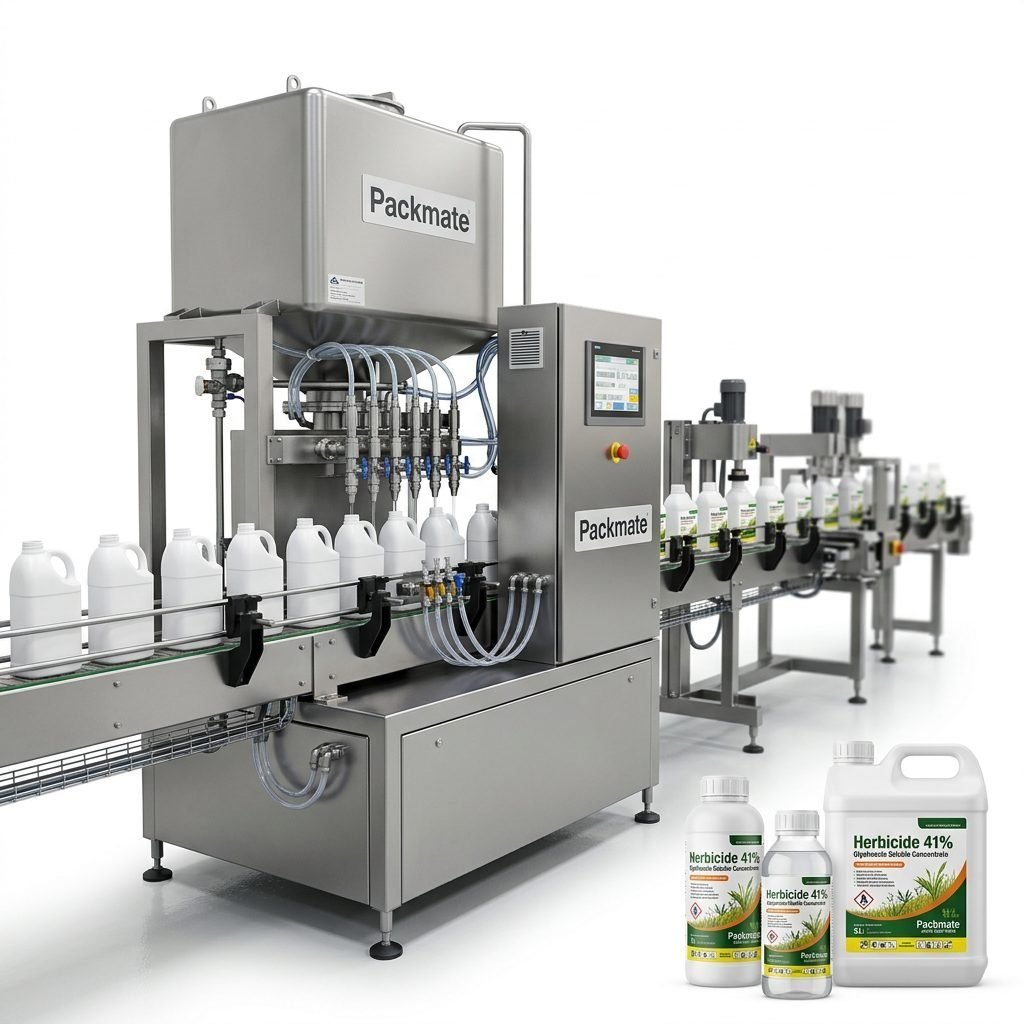
This category forms the backbone of beer packaging. These machines are responsible for the precise transfer of beer from bulk storage into individual containers and hermetically sealing them.
Key technologies include gravity fillers, pressure fillers (isobaric), and vacuum fillers. Pressure fillers are most common for beer, as they maintain carbonation by counter-pressurizing the bottle or can with CO2 before filling, preventing foaming and oxidation.
Capping and Crowning Machines
Once filled, containers must be sealed. For bottles, crowning machines apply the classic metal crown cap with consistent torque. For cans, seaming machines create a double-seam closure that is airtight and durable. Modern rotary cappers can handle thousands of units per hour, integrating seamlessly with filling lines.
Can Packaging Lines
The surge in canned craft beer has driven innovation in canning technology. A complete can line typically includes a depalletizer, can rinser, filler, seamer, pasteurizer or tunnel warmer, labeler, and packer. High-speed rotary fillers are essential for large volumes, while micro-canning systems offer affordable, modular solutions for smaller breweries looking to enter the can market.
Bottle Packaging Lines
Bottle lines handle glass or PET bottles and involve similar stages: depalletizing, rinsing, filling, capping, labeling, and packaging. The choice between glass returnable and one-way bottles significantly influences the line design, particularly the cleaning and inspection stages.
Kegging Systems
For draft beer, keg filling is critical. Kegging systems clean, sanitize, purge with CO2, and fill kegs under counter-pressure. Automated keg lines ensure hygiene and consistency, which are paramount for product quality and shelf-life in the keg segment. Companies like Packmate Machinery offer integrated solutions that can be part of a comprehensive packaging strategy.
The Standard Beer Packaging Process: A Step-by-Step Overview
A typical automated packaging line follows a logical sequence to ensure product integrity. Here’s a breakdown of the standard process flow.
Step 1: Container Preparation (Depalletizing & Cleaning)
Empty containers (bottles, cans, kegs) are fed into the line, often from pallets using a depalletizer. They then pass through a rinser or air cleaner to remove any dust or particulates. For returnable bottles, a powerful caustic bottle washer is required.
Step 2: Filling
Containers enter the filler. The filler purges air with CO2, fills the beer under controlled pressure, and releases excess pressure. Precision here is non-negotiable to maintain carbonation levels and fill height accuracy.
Step 3: Sealing
Immediately after filling, containers move to the capper or seamer. A perfect seal is critical to prevent leakage and oxidation, which can spoil the beer’s flavor.
Step 4: Pasteurization or Tunnel Warming
For non-draft products, packaged beer may go through a pasteurizer (which heats the beer to kill microorganisms) or a tunnel warmer (which warms cans to prevent condensation and label issues). Many craft brewers opt for sterile filtration to avoid pasteurization and its potential impact on flavor.
Step 5: Labeling and Coding
Containers are labeled with brand and regulatory information. Date and batch codes are applied for traceability. Modern labelers offer high flexibility for short runs and frequent label changes.
Step 6: Secondary Packaging and Palletizing
The final stage involves grouping containers into packs (e.g., 6-packs, cases), wrapping them, and placing them onto pallets for storage and distribution. Automation in this phase drastically reduces labor costs and physical strain.
How to Choose the Right Beer Packaging Machine: A Buyer’s Checklist
Selecting equipment is a significant capital expenditure. This checklist will guide you toward a decision that aligns with your operational goals.
1. Assess Your Production Volume and Speed Requirements:
Be realistic about your current output and projected growth. A machine rated for 100 bottles per minute (BPM) is vastly different from one rated for 1,000 BPM. Overbuying leads to unnecessary debt, while underbuying creates bottlenecks.
2. Determine Your Primary Packaging Format:
Will you focus on cans, bottles (glass/PET), or kegs? Your format dictates the core machine type. Consider market trends and consumer preference in your region. Some breweries invest in flexible packaging lines for experimental or limited-edition runs.
3. Evaluate Flexibility and Changeover Time:
If you produce multiple beer styles in different container sizes, look for machines with quick-change parts. Changeover time directly affects overall equipment effectiveness (OEE). Modular designs can offer future-proofing.
4. Prioritize Hygiene and Ease of Cleaning:
Beer is a food product. Machines should have sanitary designs with smooth surfaces, easy disassembly, and compatibility with cleaning-in-place (CIP) systems. Stainless steel construction is standard for food contact parts.
5. Consider Integration and Footprint:
Will the new machine integrate with your existing conveyor systems and controls? Measure your available floor space. A trusted supplier with experience in turnkey packaging systems can ensure a smooth integration.
6. Analyze Total Cost of Ownership (TCO):
Look beyond the purchase price. Factor in installation, maintenance, spare parts availability, energy consumption, and expected lifespan. Reliable after-sales service and technical support are invaluable.
7. Review Supplier Reputation and Support:
Choose a manufacturer with a proven track record in the beverage industry. Check references, review their service network, and inquire about training for your operators. A partner like Packmate Machinery, with decades of engineering expertise, can provide not just a machine, but a long-term solution.
Frequently Asked Questions (FAQs)
Q1: What is the main difference between a canning line and a bottling line?
The core difference lies in the container and sealing method. Canning lines use seamers to attach lids to aluminum cans, while bottling lines use cappers to apply caps (crowns, screw caps) to bottles. The conveying, rinsing, and filling principles are similar, but the machinery for handling and sealing the containers is specific to each format.
Q2: How important is pasteurization for packaged beer?
Pasteurization extends shelf life by eliminating spoilage microorganisms. It is common for beers destined for wide distribution and non-refrigerated shelves. However, many craft brewers avoid it, believing heat can affect delicate flavors. They instead rely on sterile filtration and rigorous hygiene to achieve stability, often resulting in a “cold chain” product that must be kept refrigerated.
Q3: Can one machine handle both bottles and cans?
Generally, no. The filling, sealing, and handling mechanisms are too different. Some modular “micro-packaging” systems offer platforms where you can swap modules (e.g., a filler head and seamer for cans, or a filler head and capper for bottles), but this is typically for very low-volume, manual, or semi-automatic systems, not for high-speed automated lines.
Q4: What are the key maintenance routines for a beer filler?
Daily cleaning and sanitization (CIP) are paramount. Regular lubrication of moving parts, inspection and replacement of seals and gaskets, calibration of fill volume sensors, and checking valve operation are critical. Following the manufacturer’s preventive maintenance schedule is essential to avoid costly downtime and ensure consistent fill quality.
Q5: Is a fully automated line necessary for a small craft brewery?
Not necessarily. Many small breweries start with semi-automatic or manual machines for filling and capping, which require more labor but have a lower upfront cost. The decision to automate depends on production volume, labor costs, and growth plans. As output increases, the efficiency and consistency gains from automation often justify the investment.