In the dynamic world of product distribution, ensuring goods arrive safely and intact is paramount. This is where expanding foam packaging machines step in as game-changers. These innovative systems generate protective foam in-situ, creating custom-fit cushioning that securely immobilizes products within their shipping containers. This ultimate guide delves into the various types of expanding foam packaging machines and their diverse applications across industries.
Understanding Expanding Foam Packaging Technology
At its core, the technology involves the precise mixing and dispensing of two liquid chemical components—typically polyol and isocyanate. When combined, these components react rapidly, expanding into a rigid or flexible polyurethane foam that molds itself perfectly around the product. The key advantage is the creation of a form-fitting, high-performance cushion that eliminates movement and dramatically reduces the risk of transit damage.
Core Benefits of Foam-in-Place Packaging
Superior Protection: Offers exceptional shock absorption and vibration damping compared to traditional loose-fill materials.
Material Efficiency: Uses up to 90% less storage space than pre-formed foam blocks or peanuts, as the foam is created on demand.
Reduced Labor & Costs: Automates the cushioning process, lowering labor costs and minimizing material waste.
Versatility: Can protect a wide range of product sizes, shapes, and weights within the same system.
Primary Types of Expanding Foam Packaging Machines
The market offers several machine configurations, each suited to different production volumes and operational needs.
1. Manual Dispensing Systems
These are entry-level systems where the operator manually triggers the foam dispensing gun. The two chemical tanks are often mounted on a cart or bench. The operator places the product in the box, activates the gun to dispense a base layer of foam, places the product, and then dispenses foam around and over it. This type is ideal for low-volume operations, warehouses with highly variable product sizes, or as an introduction to foam-in-place technology.
2. Semi-Automatic Machines
Semi-automatic systems represent a significant step up in efficiency. They often feature programmable logic controllers (PLCs) for precise shot control. The operator typically positions the box on a turntable or conveyor section. The machine then automatically dispenses a pre-set amount of foam. These systems improve consistency, reduce chemical waste, and are perfect for medium-volume production lines where speed and repeatability are important.
3. Fully Automatic In-Line Systems
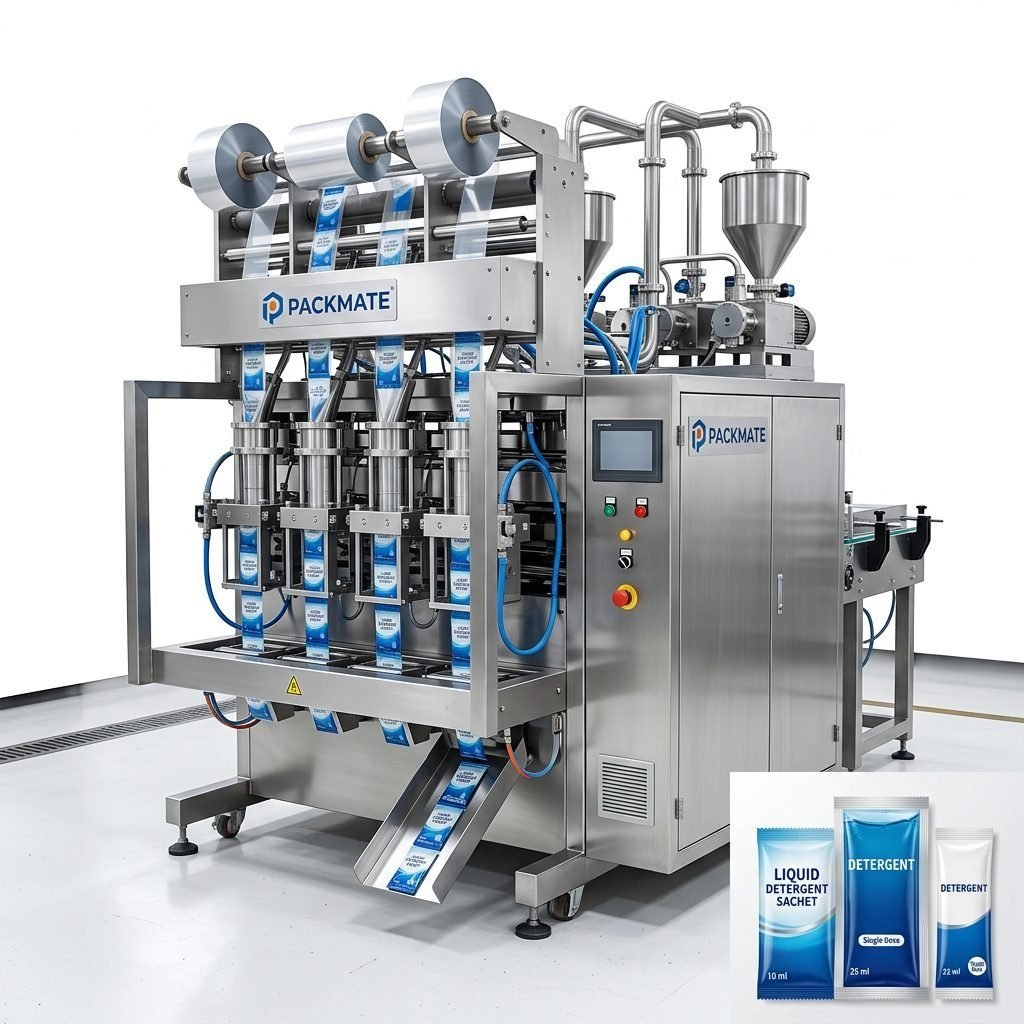
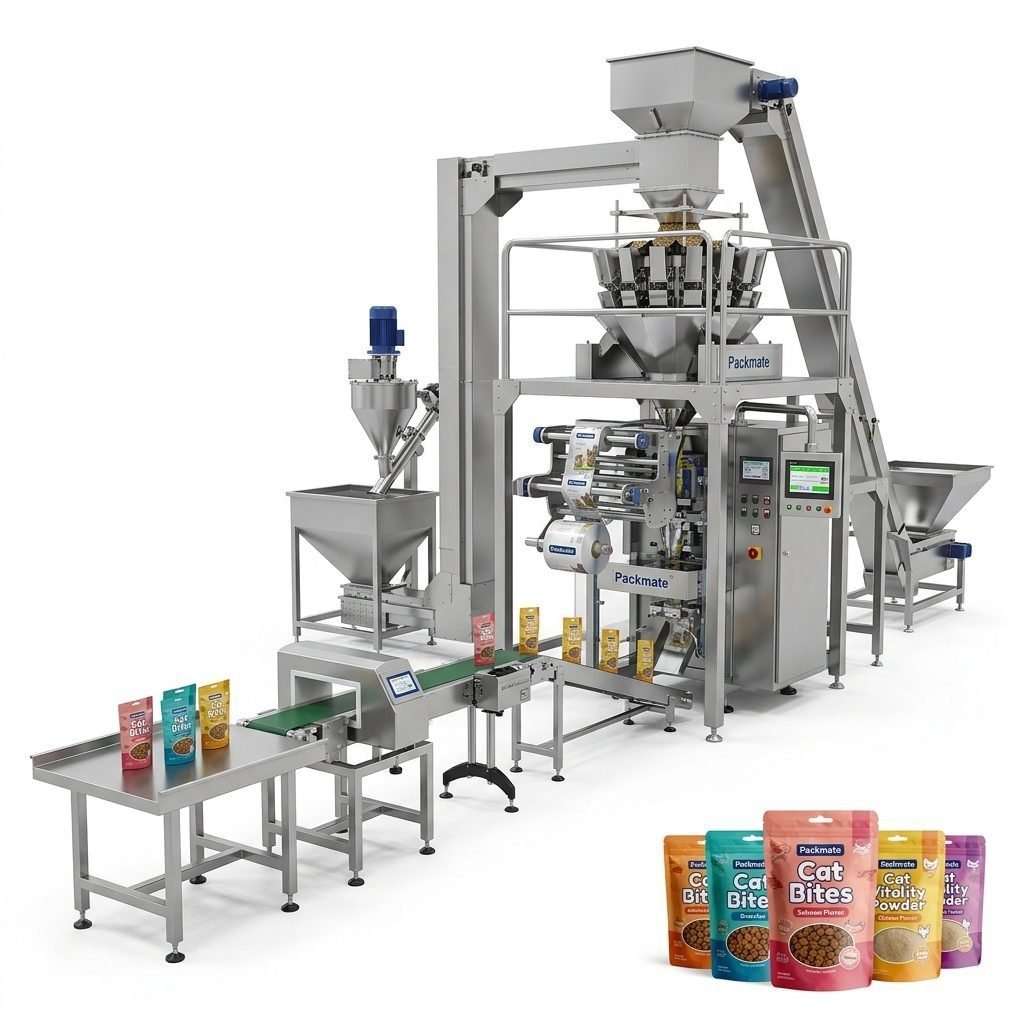
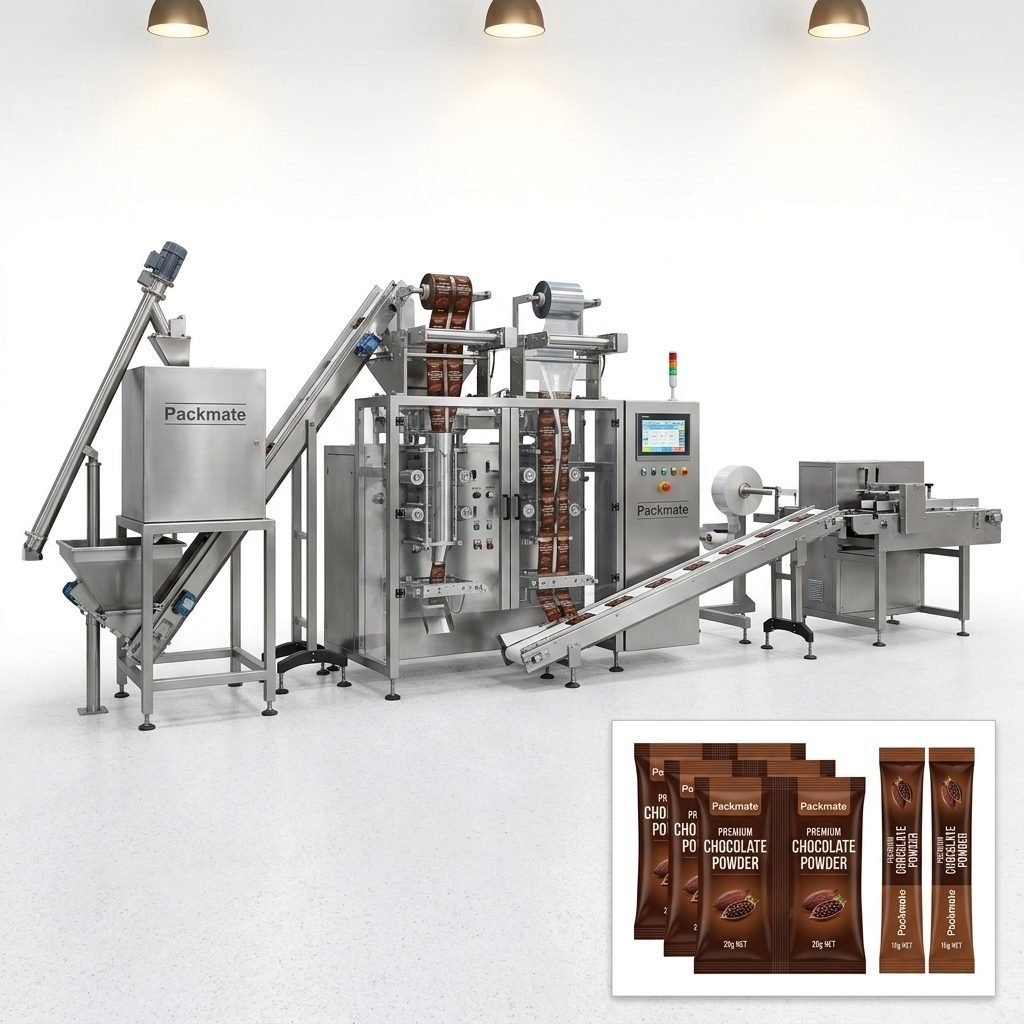
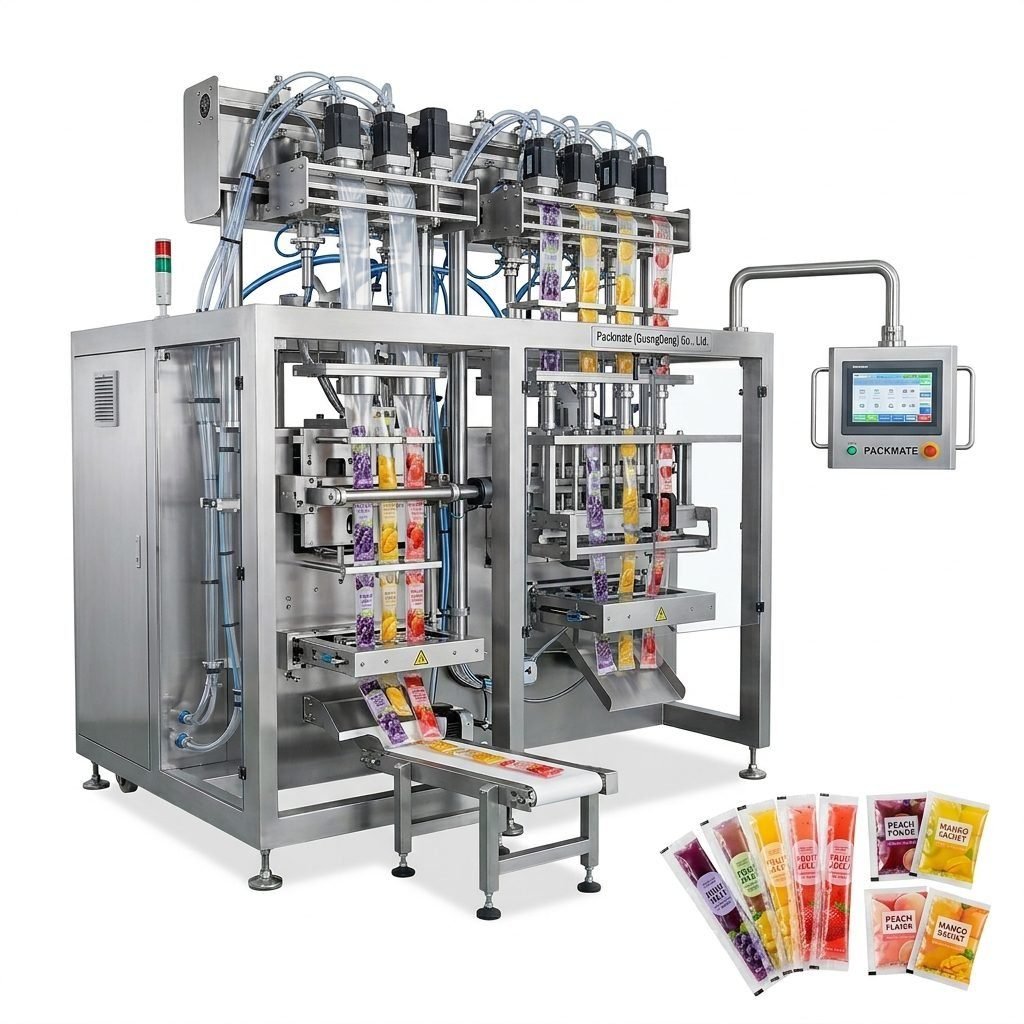
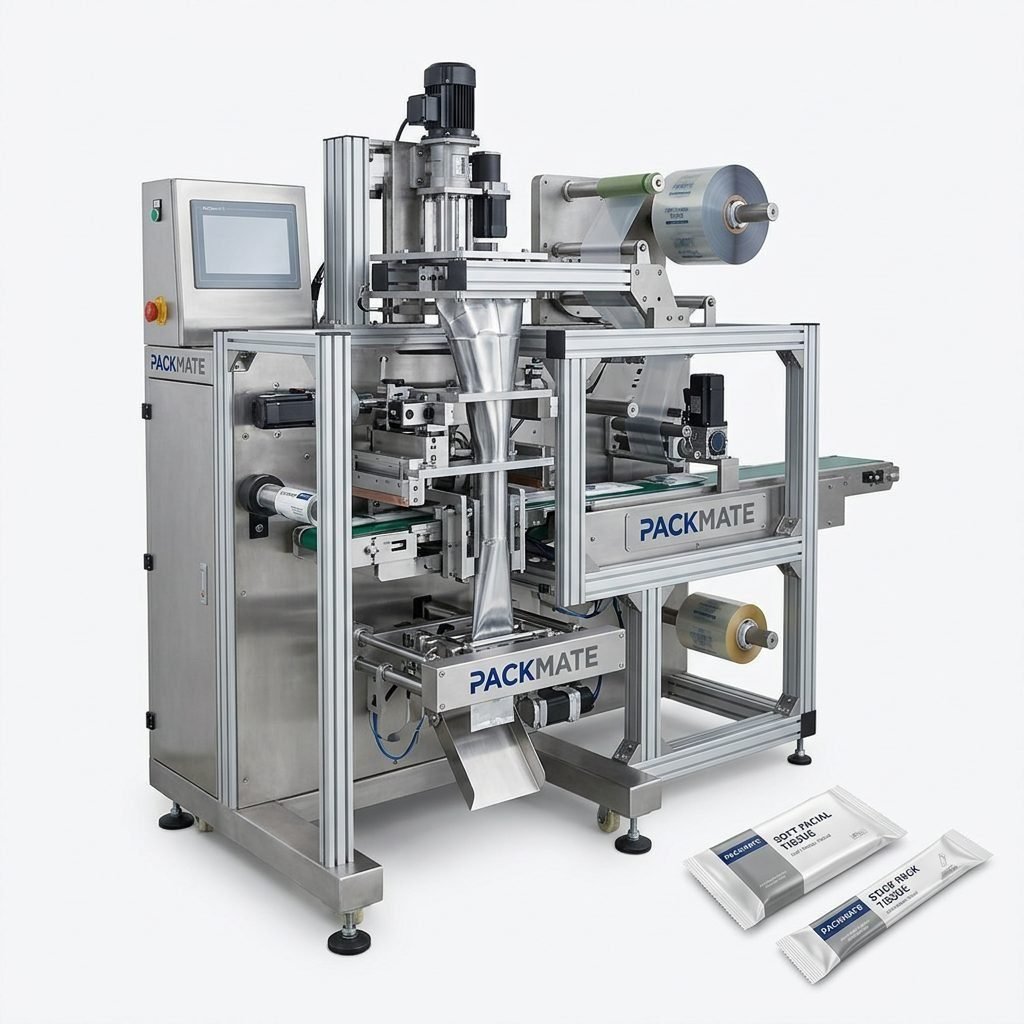
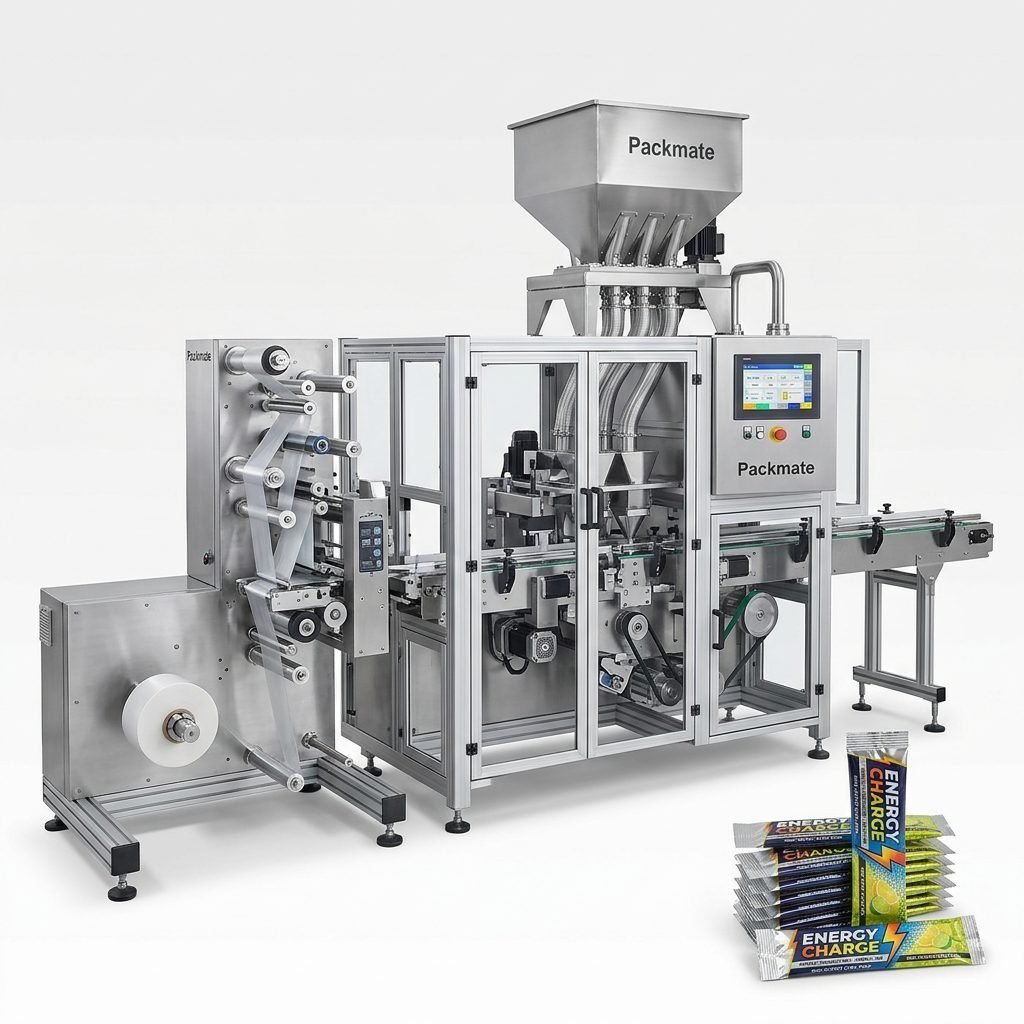
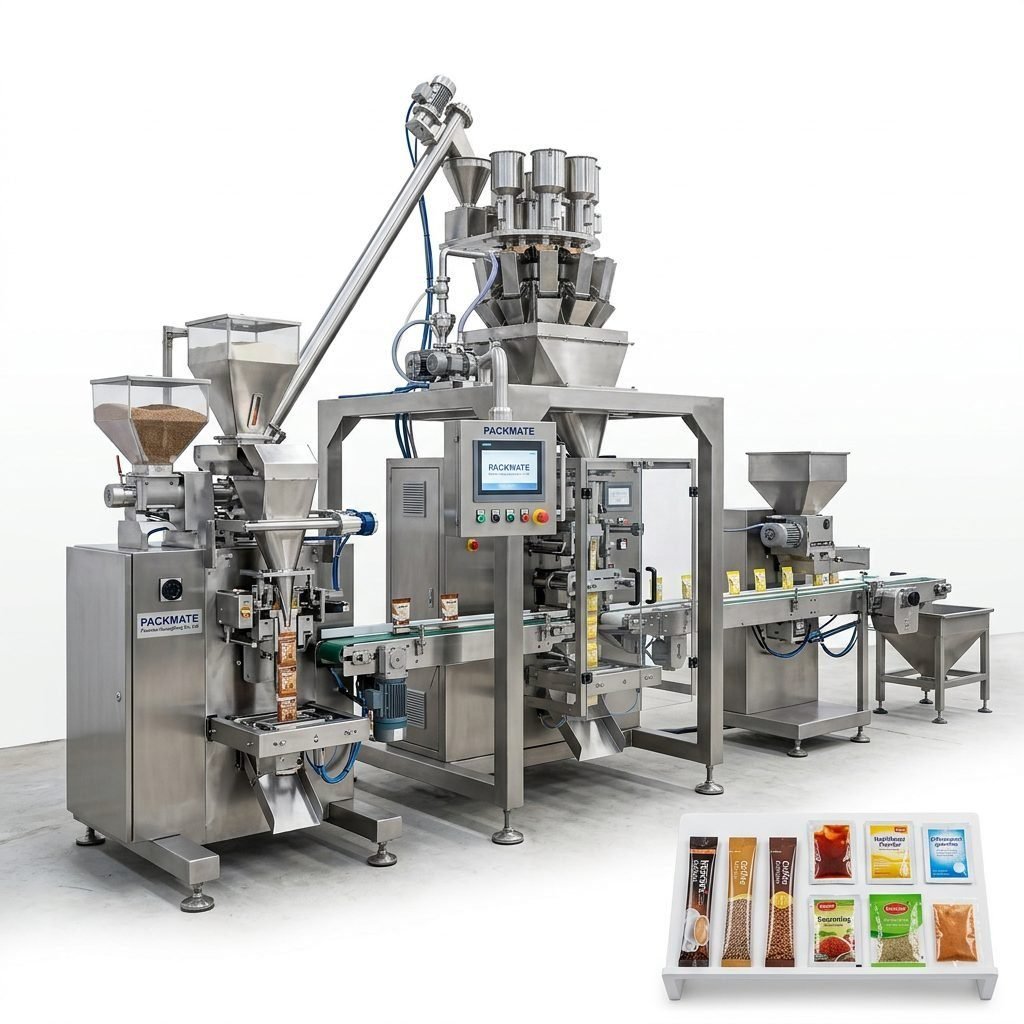
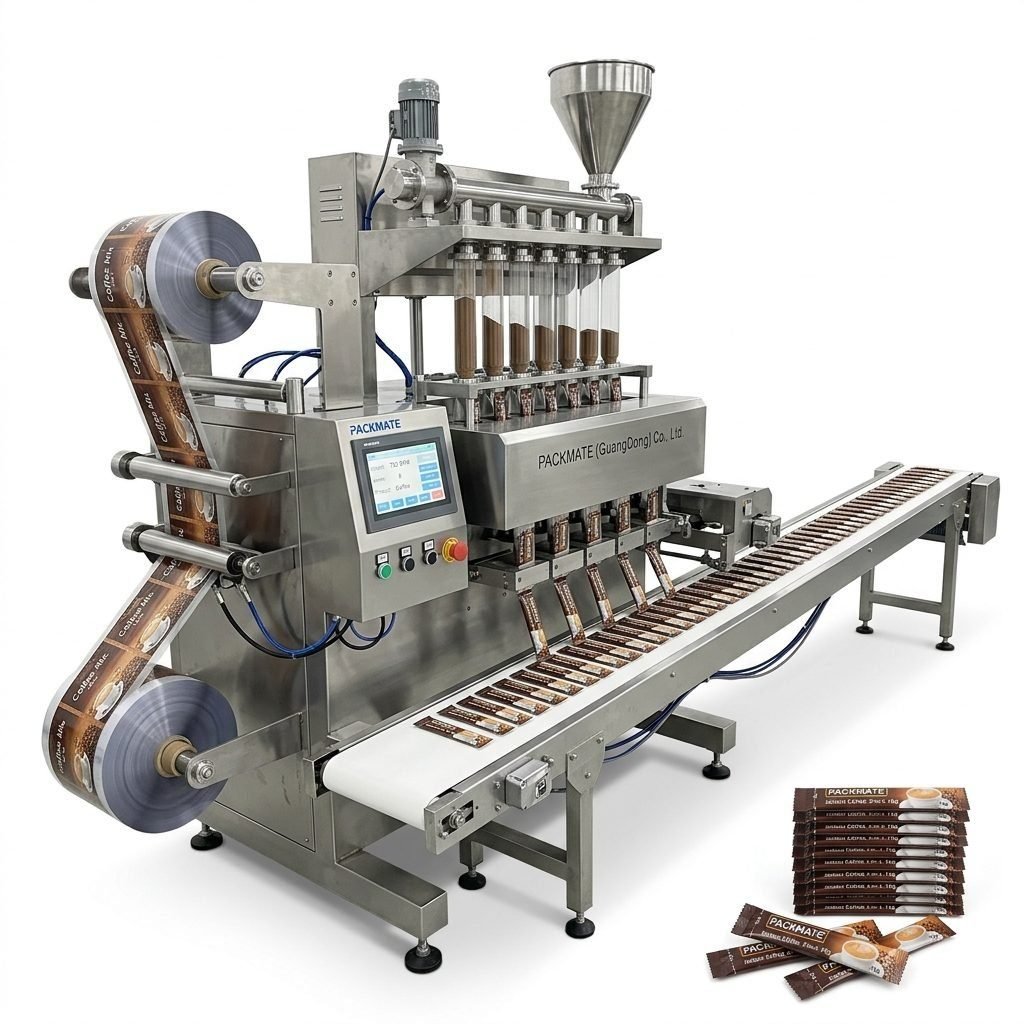
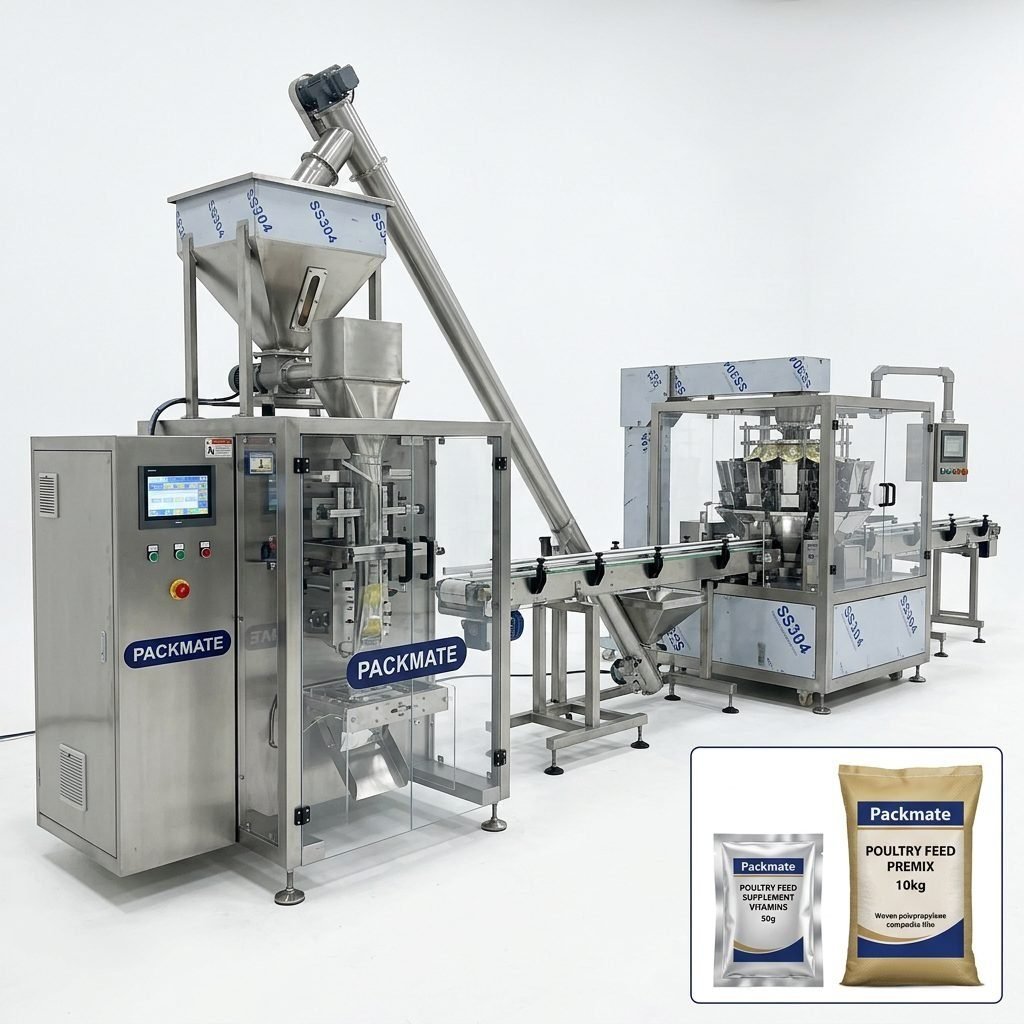
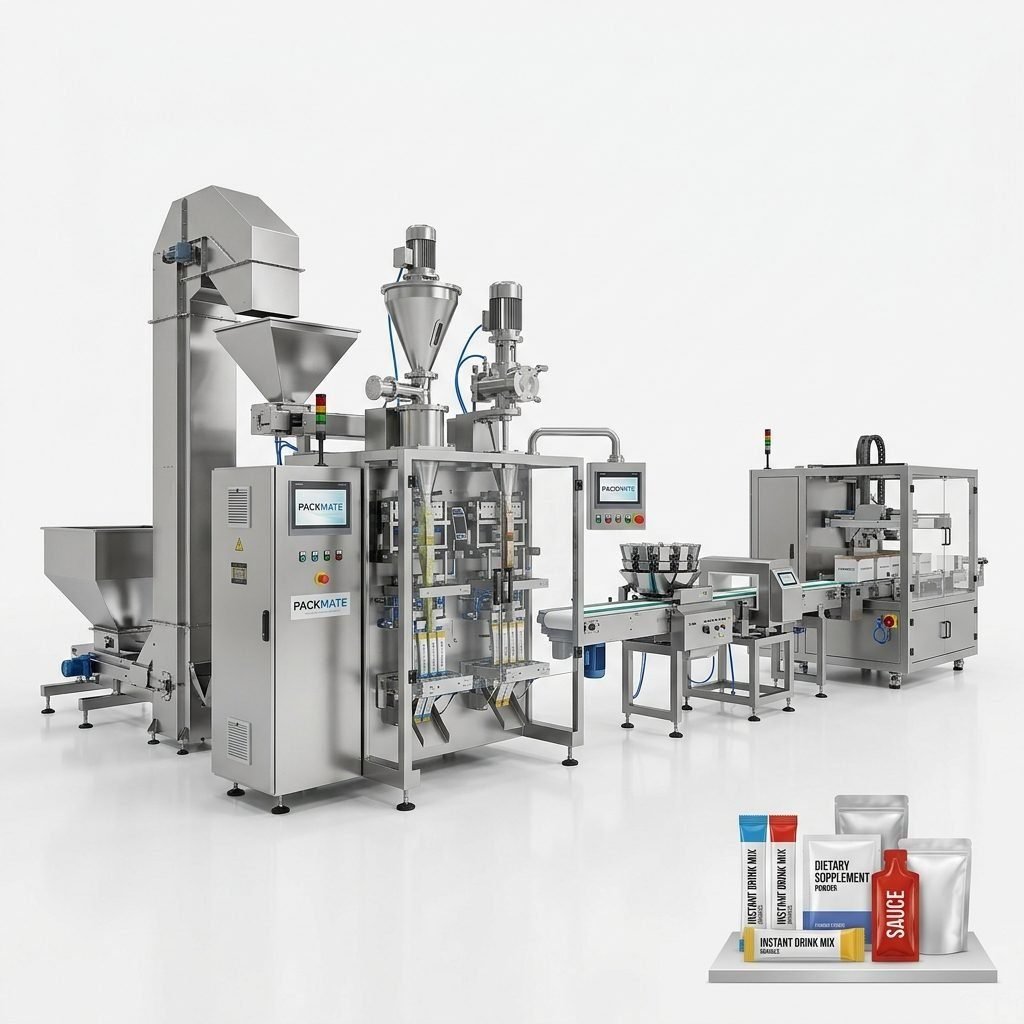
For high-speed, high-volume environments like e-commerce fulfillment centers or large-scale manufacturing, fully automatic systems are the solution. These are integrated into conveyor lines. The system automatically senses box size, positions it, dispenses the exact foam volume required, and may even include automatic box sealing. This maximizes throughput and minimizes human intervention, offering the lowest cost-per-pack and highest consistency. Companies like Packmate Machinery specialize in engineering such advanced, intelligent packaging lines that can be tailored to specific throughput requirements.
Choosing Between Rigid vs. Flexible Foam
The type of foam produced is as crucial as the machine type. The machine’s chemistry and settings determine the foam’s properties:
Rigid Foam: Creates a firm, structural cushion. It’s excellent for heavy, non-fragile items that need to be immobilized to prevent shifting, such as automotive parts or industrial components.
Flexible Foam: Provides a soft, absorbent cushion. It is the preferred choice for protecting fragile, sensitive, or high-value items like electronics, medical devices, or glassware, as it absorbs energy without transmitting high shock forces.
Many modern machines, including those in the filling and packaging lines category, offer the flexibility to work with different foam formulations.
Key Industries and Applications
The versatility of foam-in-place packaging makes it invaluable across numerous sectors.
Electronics and Technology
From servers and laptops to delicate sensors and circuit boards, flexible expanding foam provides superior static dissipation and shock protection that far exceeds standard foam inserts.
Automotive and Aerospace
These industries use rigid foam to secure heavy, irregularly shaped parts like cylinder heads, turbines, or body panels during shipping, preventing costly damage from impact.
Medical and Pharmaceutical
Critical for shipping sensitive diagnostic equipment, surgical instruments, and temperature-controlled pharmaceuticals. The clean, dust-free process and excellent cushioning are major benefits. Manufacturers serving this sector require high hygiene standards and precision, often found in specialized packaging machinery portfolios.
E-commerce and Retail Fulfillment
With the boom in online shopping, automated foam systems allow warehouses to safely pack a vast array of product SKUs (Stock Keeping Units) in the same box size, streamlining operations and virtually eliminating returns due to shipping damage.
Industrial Manufacturing
Used for protecting machined parts, factory equipment, and fragile industrial components sent between plants or to customers worldwide.
Implementation Considerations
Successfully integrating a foam packaging system requires careful planning:
Volume Assessment: Accurately gauge your daily/weekly pack volume to select a machine with appropriate capacity and speed.
Product Mix: Consider the size, weight, and fragility range of your products to choose the right foam type (rigid/flexible) and machine flexibility.
Space and Utilities: Machines require floor space, access to electrical power, and sometimes compressed air. Chemical tanks also need storage.
Operator Training and Safety: While user-friendly, proper training on chemical handling, machine operation, and maintenance is essential for safety and efficiency.
Total Cost of Ownership: Factor in not just the machine price, but also the cost of chemical consumables, maintenance, and potential savings from reduced damage and labor.
The Future of Foam-in-Place Packaging
The trend is toward smarter, more sustainable, and more integrated systems. Expect to see greater IoT (Internet of Things) connectivity for predictive maintenance and data analytics. Sustainability efforts are driving the development of bio-based foam chemistries and easier-to-recycle formulations. Furthermore, integration with other auxiliary packaging equipment like automated box erectors and sealers will create even more seamless, end-to-end packaging lines.
Frequently Asked Questions (FAQs)
Q1: Is the foam packaging material messy or difficult to handle?
A1: No. Modern systems are clean and controlled. The liquid chemicals react and expand within the shipping box, forming a neat, solid cushion. There is no loose, static-prone material like packing peanuts.
Q2: How does the cost compare to traditional packaging materials?
A2: While the upfront machine cost is higher, the total cost often decreases over time. Savings come from reduced material waste (foam is used on-demand), lower storage space for packaging materials, decreased labor costs, and most significantly, a major reduction in product damage and associated returns.
Q3: Can the foam be recycled or is it environmentally friendly?
A3: Traditional polyurethane foam is not easily recycled through curbside programs. However, the industry is actively developing more sustainable options, including foams with recycled content and bio-based formulations. The significant reduction in material volume and waste compared to over-packaging can also be viewed as an environmental benefit.
Q4: What kind of maintenance do these machines require?
A4: Maintenance is generally straightforward but crucial. It involves regular cleaning of the mixing head to prevent clogging, checking and replacing seals or hoses as needed, and ensuring chemical tanks and lines are free from contamination. Most reputable suppliers provide clear maintenance schedules and support.
Q5: Are the chemicals used safe for operators?
A5: When used according to the manufacturer’s instructions and with proper safety equipment (like gloves and goggles), the risks are minimal. Modern machines are designed with enclosed systems and safety features. Adequate ventilation in the packing area and proper operator training are key to safe operation.