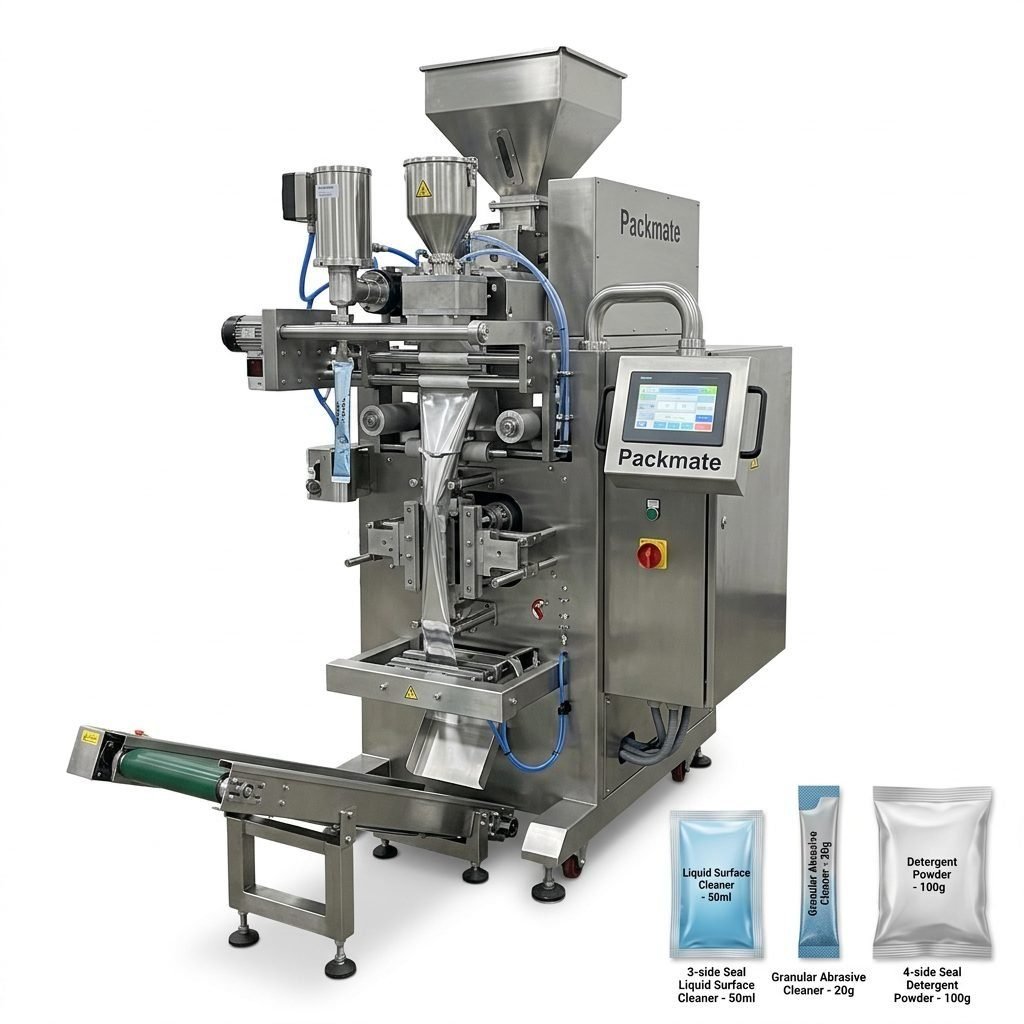
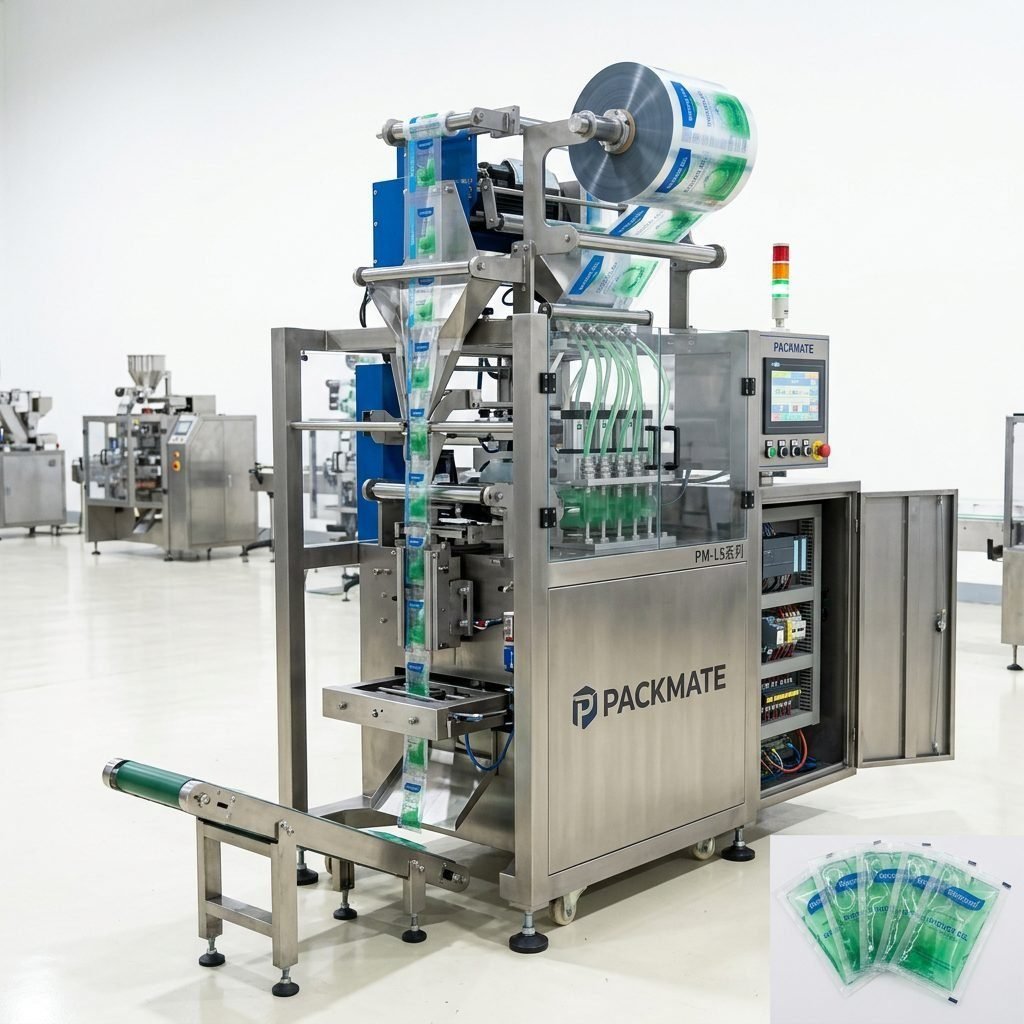
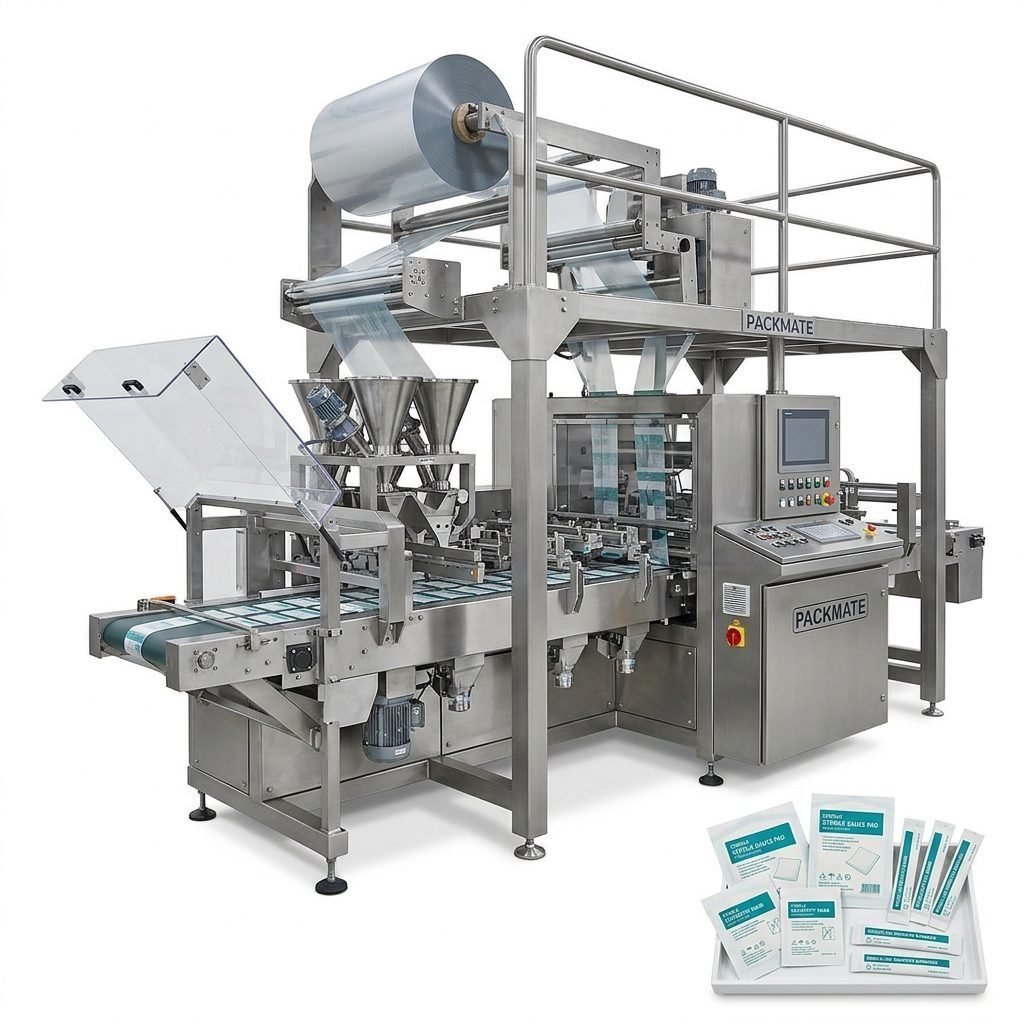
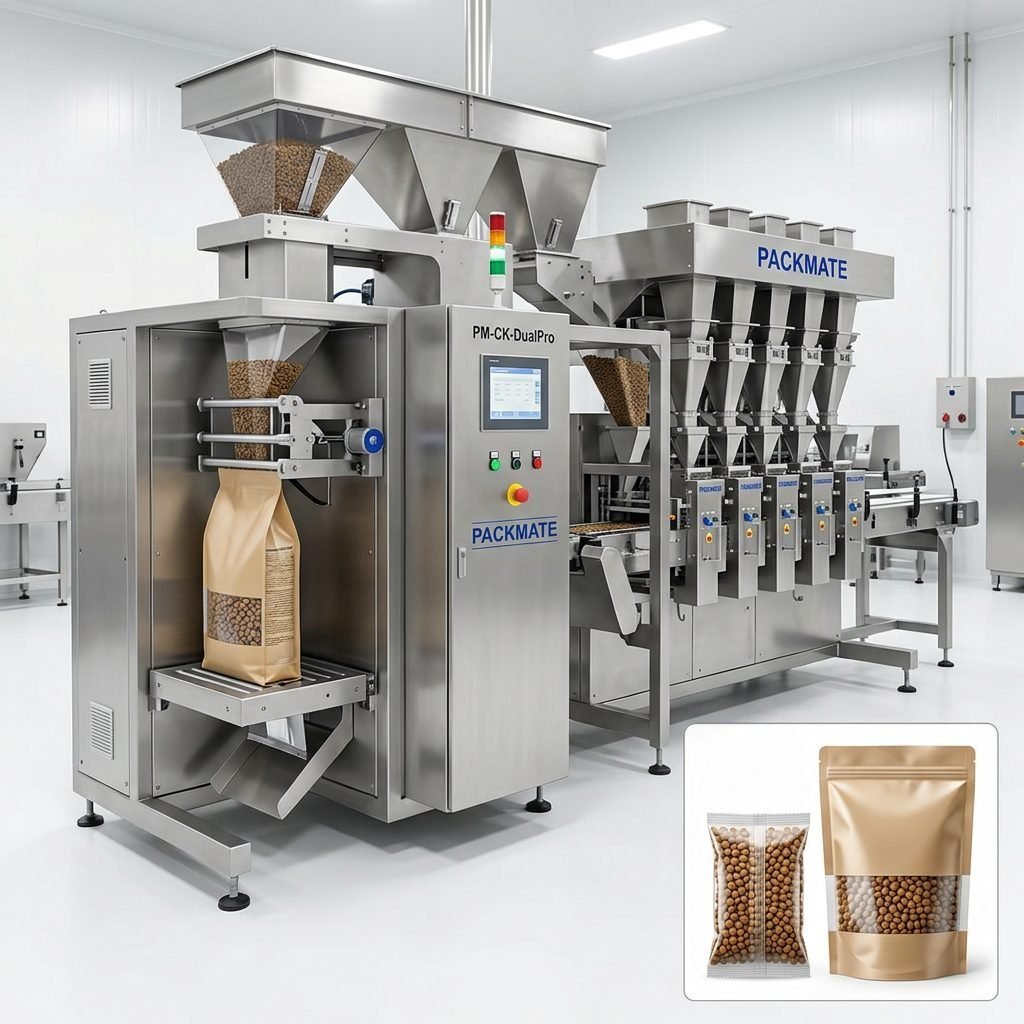
Choosing the right bubble wrap packaging machine is a critical investment for businesses looking to enhance their product protection, streamline operations, and improve overall efficiency. This comprehensive guide will walk you through the key factors to consider, from machine types and features to maintenance tips and supplier selection.
Understanding Bubble Wrap Packaging Machines
Bubble wrap packaging machines automate the process of wrapping products in protective bubble film. They are essential for e-commerce, electronics, furniture, and any industry where safe transit is paramount. These machines range from semi-automatic tabletop units to fully automated, high-speed inline systems integrated with your production line.
Key Benefit: Automating bubble wrap application significantly reduces labor costs, minimizes material waste through precise film cutting, and ensures consistent, secure packaging for every product, reducing damage rates during shipping.
Types of Bubble Wrap Machines
Selecting the correct type depends on your volume, product variety, and budget.
- Semi-Automatic Machines: Ideal for low to medium volume. An operator places the product, and the machine wraps it. They are cost-effective and perfect for businesses with varied product sizes. Explore our range of versatile auxiliary packaging equipment that can complement such setups.
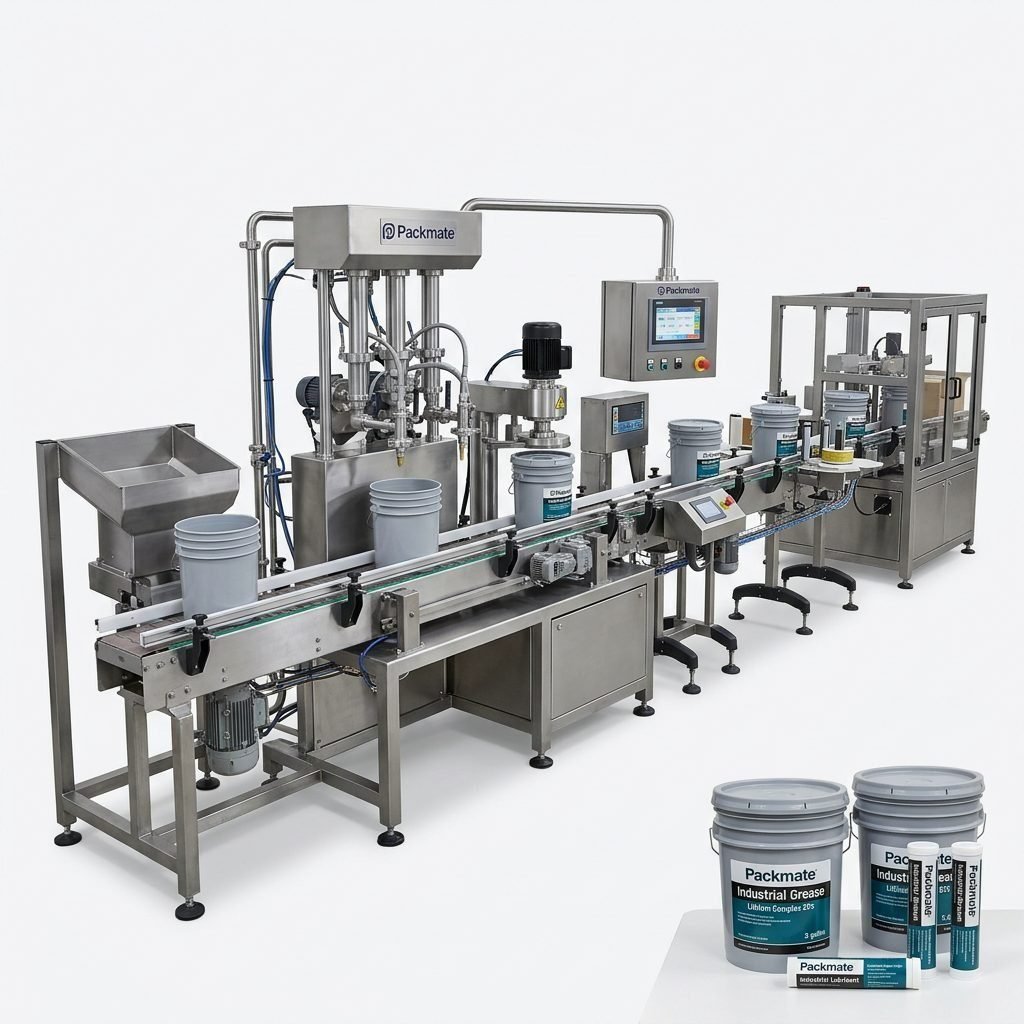
- Fully Automatic Machines: Designed for high-volume production lines. Products are fed automatically via conveyor, wrapped, and discharged with minimal human intervention. For businesses requiring complete solutions, our filling & packaging lines showcase how automation integrates seamlessly.
- Stretch Wrap Machines: While often used with pallets, some models handle smaller items using stretch film instead of bubble wrap, offering a different form of protection.
Critical Features to Evaluate
Beyond the basic type, pay close attention to these specifications:
Product Size Range (L x W x H): Ensure the machine can accommodate your smallest and largest products. Adjustability is key for future flexibility.
Wrapping Speed: Measured in packages per hour (PPH). Match this to your current and projected output to avoid bottlenecks.
Film Compatibility: Check the maximum film roll width and core diameter. Some machines can handle both bubble wrap and air pillow film.
Control System: A user-friendly PLC touchscreen interface allows for easy setup, recipe storage for different products, and troubleshooting.
Safety Features: Look for emergency stops, safety guards, and sensors to protect operators.
The Buying Process: A Step-by-Step Guide
Follow this structured approach to make an informed purchase decision.
Step 1: Assess Your Needs
Conduct an internal audit. What is your average daily packaging volume? What are the dimensions and fragility of your products? What is your available floor space and power supply? Defining these parameters narrows down your search immediately.
Step 2: Research and Shortlist Suppliers
Look for manufacturers with a proven track record. A company’s history often reflects its reliability. For instance, Packmate Machinery began with a vision for automation in 1993 and has evolved over 30 years into a provider of intelligent packaging solutions, demonstrating long-term commitment and expertise. Review their case studies to see real-world applications.
Step 3: Request Quotes and Demos
Contact shortlisted suppliers with your specifications. A live or video demonstration is invaluable. It allows you to see the machine running with a product similar to yours, assessing noise, speed, and finished package quality.
Step 4: Compare Total Cost of Ownership (TCO)
Do not just compare the initial price tag. Consider:
- Energy Consumption: An efficient machine saves money long-term.
- Maintenance Costs: Ask about recommended service intervals and part costs.
- Warranty & Support: A comprehensive warranty and accessible technical support from the supplier are crucial. Check their service offerings.
- Training: Ensure operator training is included.
Step 5: Finalize and Plan for Installation
Once you’ve selected a machine and supplier, coordinate the delivery, installation, and utility connections. Prepare your team with the scheduled training.
Operational Tips for Maximum Efficiency
Proper operation and care extend your machine’s life and performance.
Use Quality Film: Consistently sized, high-quality bubble wrap reduces jams and ensures a tight seal. Cheap film can lead to downtime and wasted product.
Regular Cleaning: Dust and debris can affect sensors and moving parts. Follow the manufacturer’s cleaning schedule.
Lubrication: Adhere strictly to the lubrication guide for all moving components to prevent wear.
Operator Training: Ensure all users understand basic operations, film loading, and simple troubleshooting to minimize stoppages.
Keep a Log: Record daily outputs, any jams, and maintenance activities. This data helps in predictive maintenance and identifying recurring issues.
Troubleshooting Common Issues
- Film Not Feeding Properly: Check film roll alignment, tension settings, and for any obstructions in the film path.
- Inconsistent Sealing: Verify the temperature and pressure settings of the sealing bar. The sealing surface may need cleaning.
- Machine Jams: Often caused by incorrect product placement or film misalignment. Stop the machine, clear the jam carefully, and restart.
Frequently Asked Questions (FAQs)
Q1: What is the typical payback period for a bubble wrap machine?
A: The payback period varies based on volume, labor costs, and material savings. For businesses with moderate to high volume, many see a return on investment within 12 to 24 months through reduced labor, lower film waste, and decreased product damage.
Q2: Can one machine handle vastly different product sizes?
A: Many machines offer adjustable platforms and programmable settings. You can save different “recipes” for various product dimensions, allowing quick changeovers. However, there is always a defined maximum and minimum size limit for the machine.
Q3: How important is after-sales service when choosing a supplier?
A: It is critically important. Even the best machines may require service or parts. A supplier with a robust global service network, readily available spare parts, and responsive technical support (like many established manufacturers provide) ensures minimal downtime, protecting your productivity.
Q4: Are there “all-in-one” machines that also label or code the package?
A: Yes, many modern packaging lines are modular. A bubble wrap machine can often be integrated with a labeling system, inkjet coder, or checkweigher on a single conveyor line to create a complete end-of-line packaging solution.
Q5: What safety certifications should I look for?
A> Look for machines that comply with international safety standards such as CE (for Europe) or similar certifications relevant to your region. This ensures the machine is built with required safety guards, emergency stops, and electrical safety protocols. Reputable manufacturers will have these certifications, which you can often view in their certificates section.