In the competitive landscape of modern manufacturing, the efficiency of your production line is paramount. Selecting the right packaging machinery is not merely a purchase; it’s a strategic investment in productivity, reliability, and ultimately, profitability. This guide explores top-tier packaging machinery solutions designed to streamline operations, minimize downtime, and maximize output for a wide range of industries, from food and pharmaceuticals to health products.
The Core of Modern Packaging: Automation and Integration
Gone are the days of purely manual or semi-automated packaging processes. The future lies in fully integrated, intelligent systems. Modern filling and packaging lines are engineered to work in seamless harmony, handling everything from product feeding and precise weighing to forming, filling, and sealing packages with minimal human intervention. This level of automation drastically reduces labor costs, enhances consistency, and increases overall line speed.
Key Benefit: An integrated line eliminates bottlenecks by ensuring each machine’s output is perfectly synchronized with the next station’s input. This creates a smooth, continuous flow that is essential for high-volume production targets.
Versatile Solutions for Diverse Product Forms
Not all products are created equal, and neither should your packaging machinery be. Efficient production requires equipment tailored to your specific product characteristics.
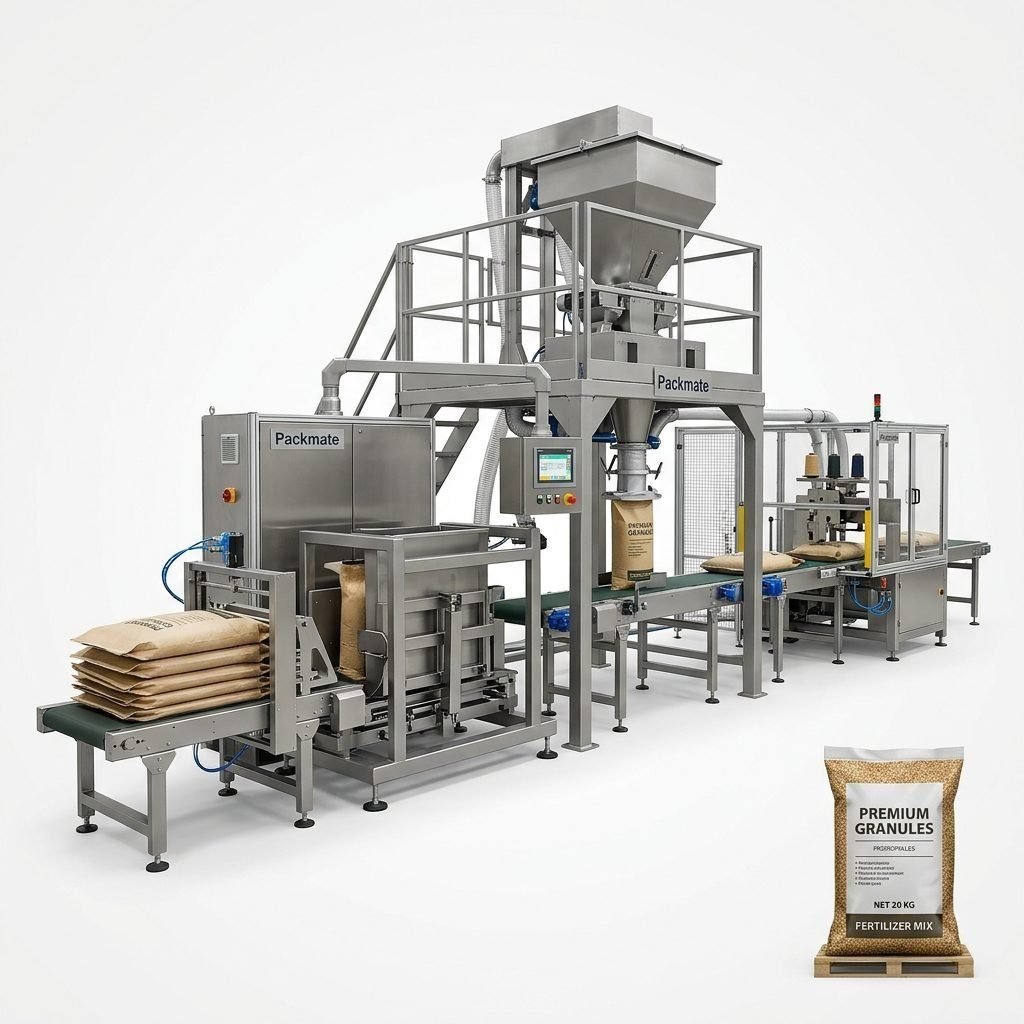
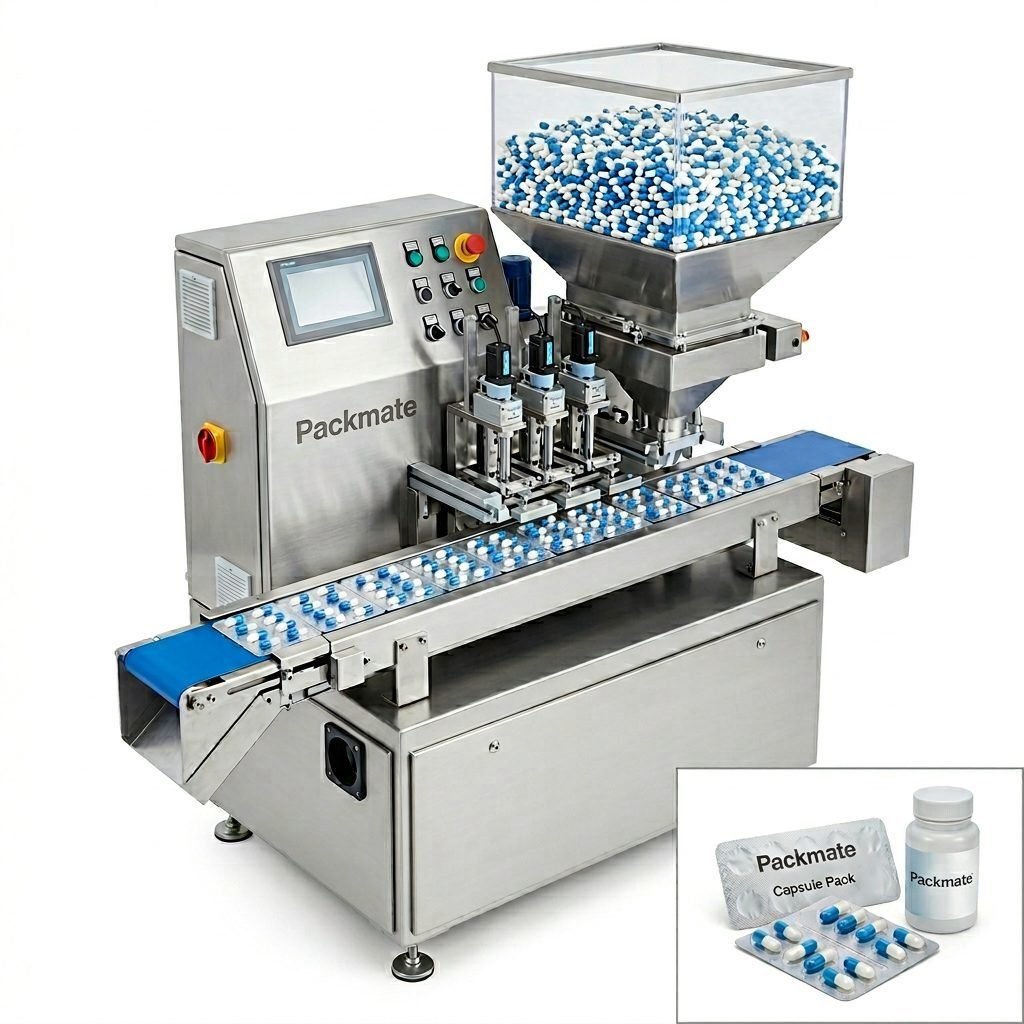
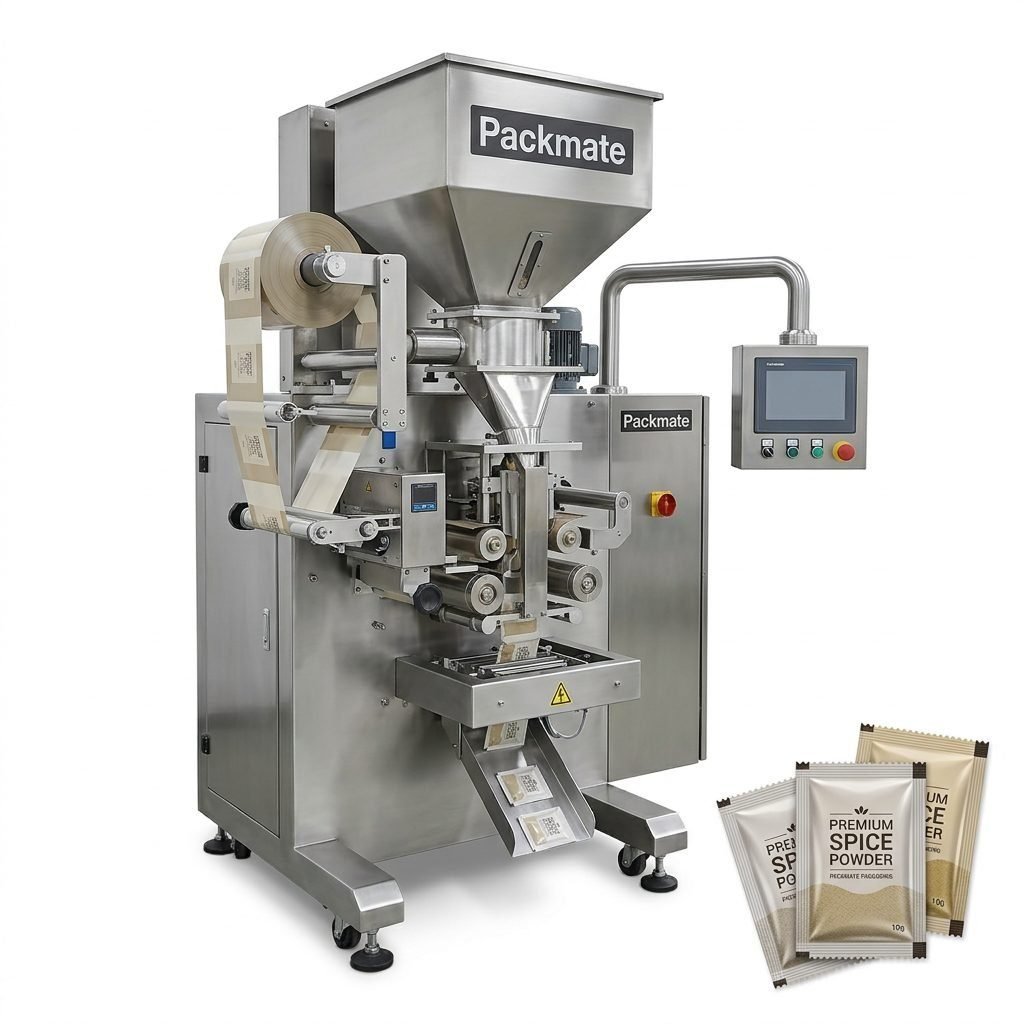
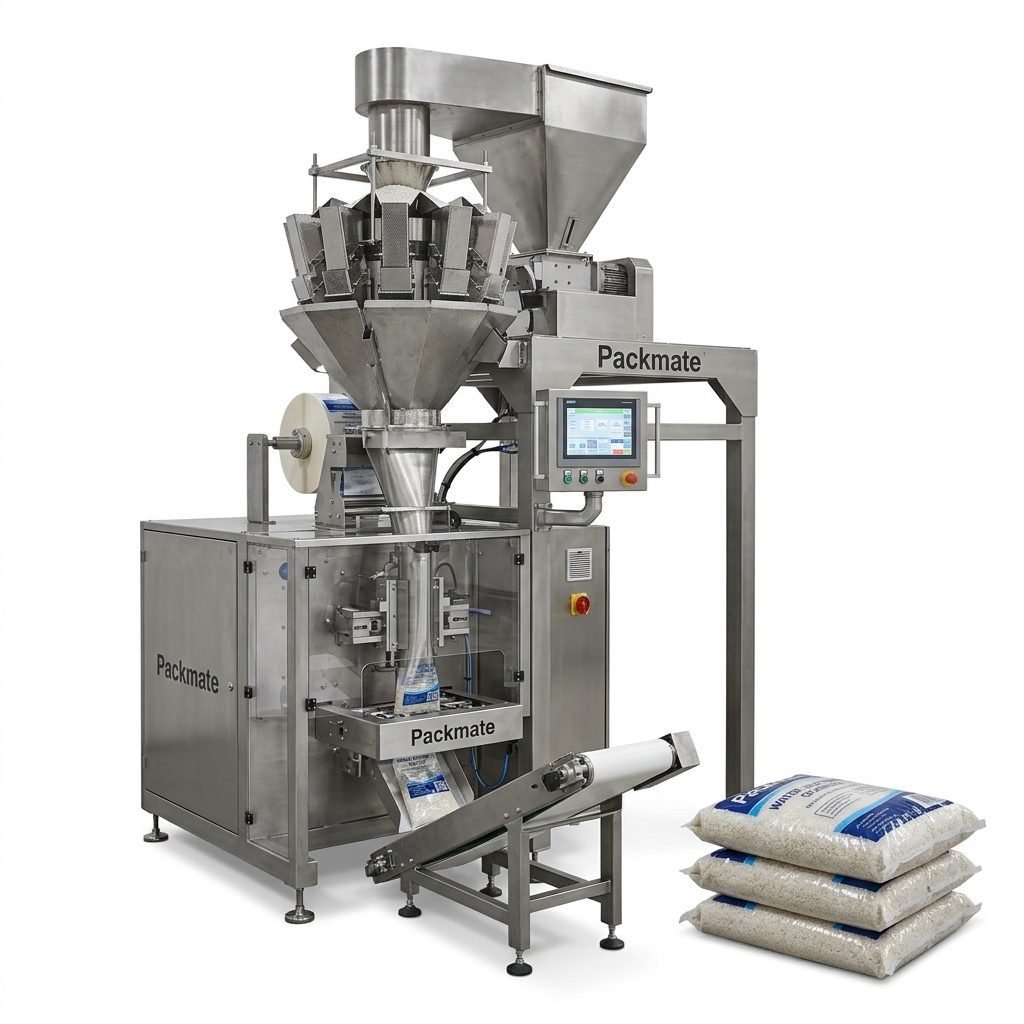
For Granules and Powders: Precision is critical. Advanced weighing and packaging systems utilize multi-head weighers or auger fillers to deliver exact weights every time, ensuring compliance and reducing product giveaway. These systems are ideal for coffee, spices, protein powders, and pharmaceuticals.
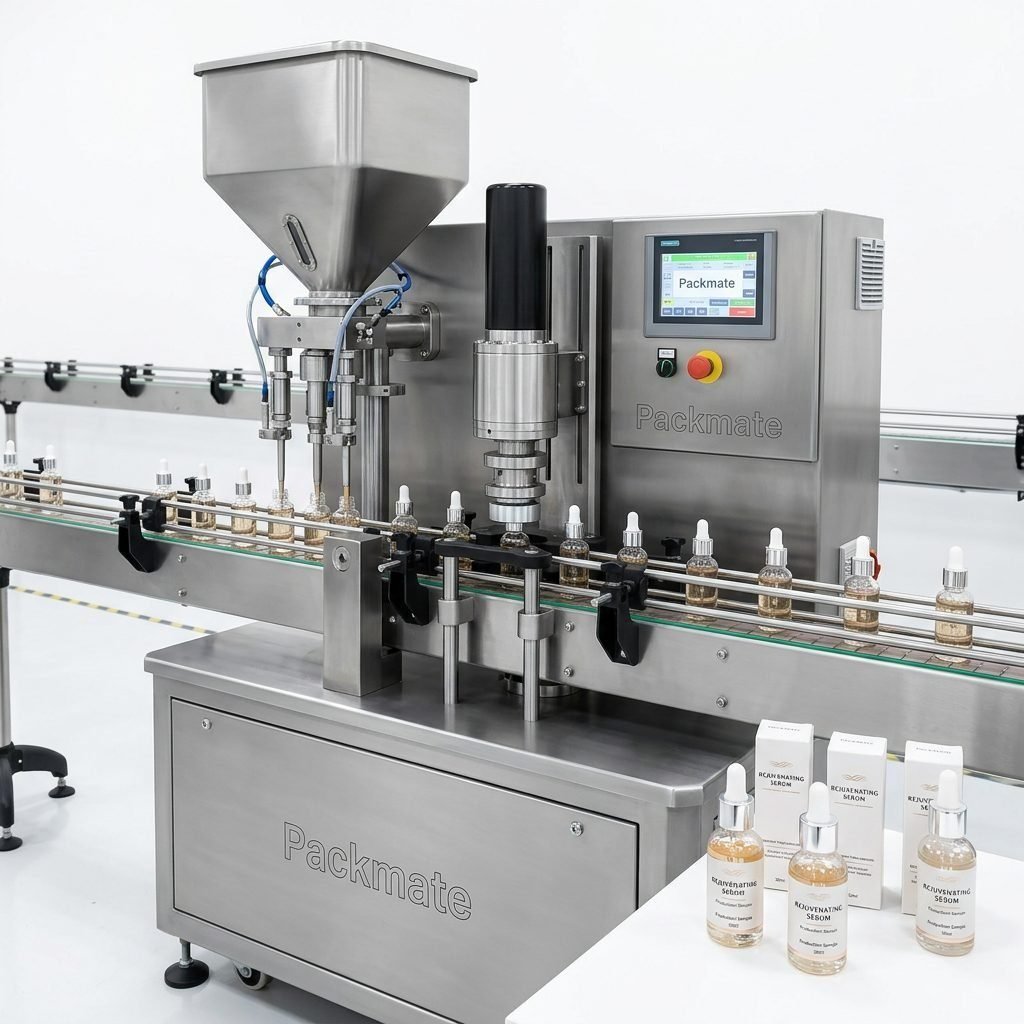
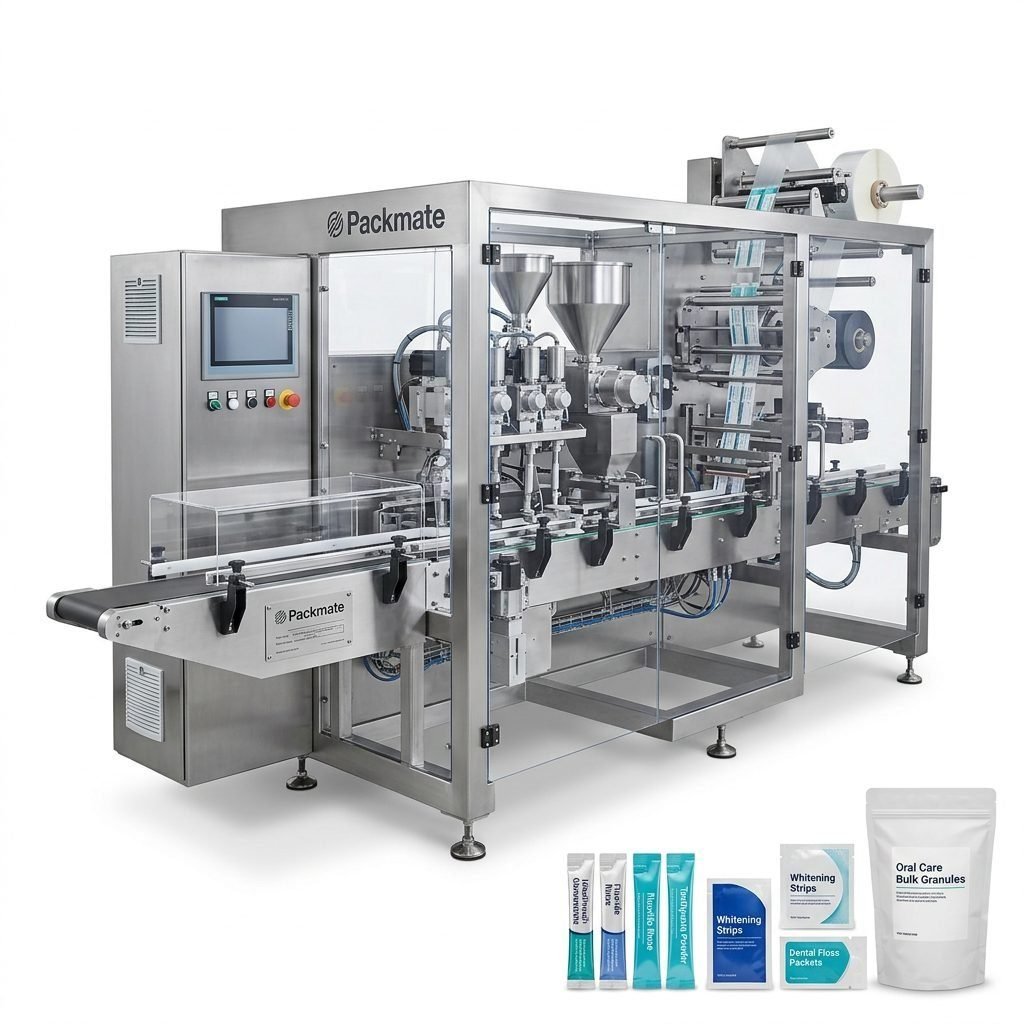
For Liquids and Pastes: From sauces and oils to creams and gels, liquid filling demands accuracy and cleanliness. Piston fillers and volumetric cup fillers provide consistent fill volumes, while designs that allow for easy cleaning and changeover support hygienic production environments and faster product switching.
The Power of Flexible Packaging: Sachets and Stick Packs
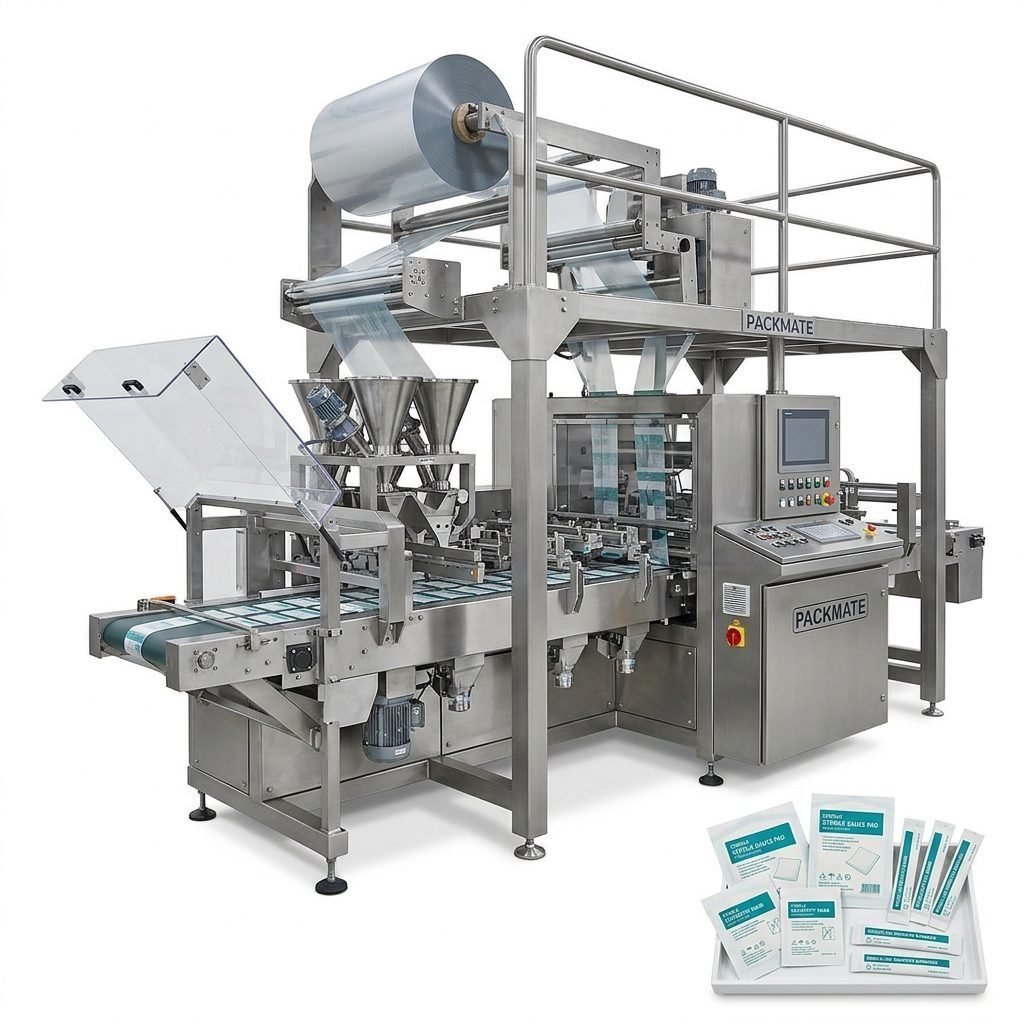
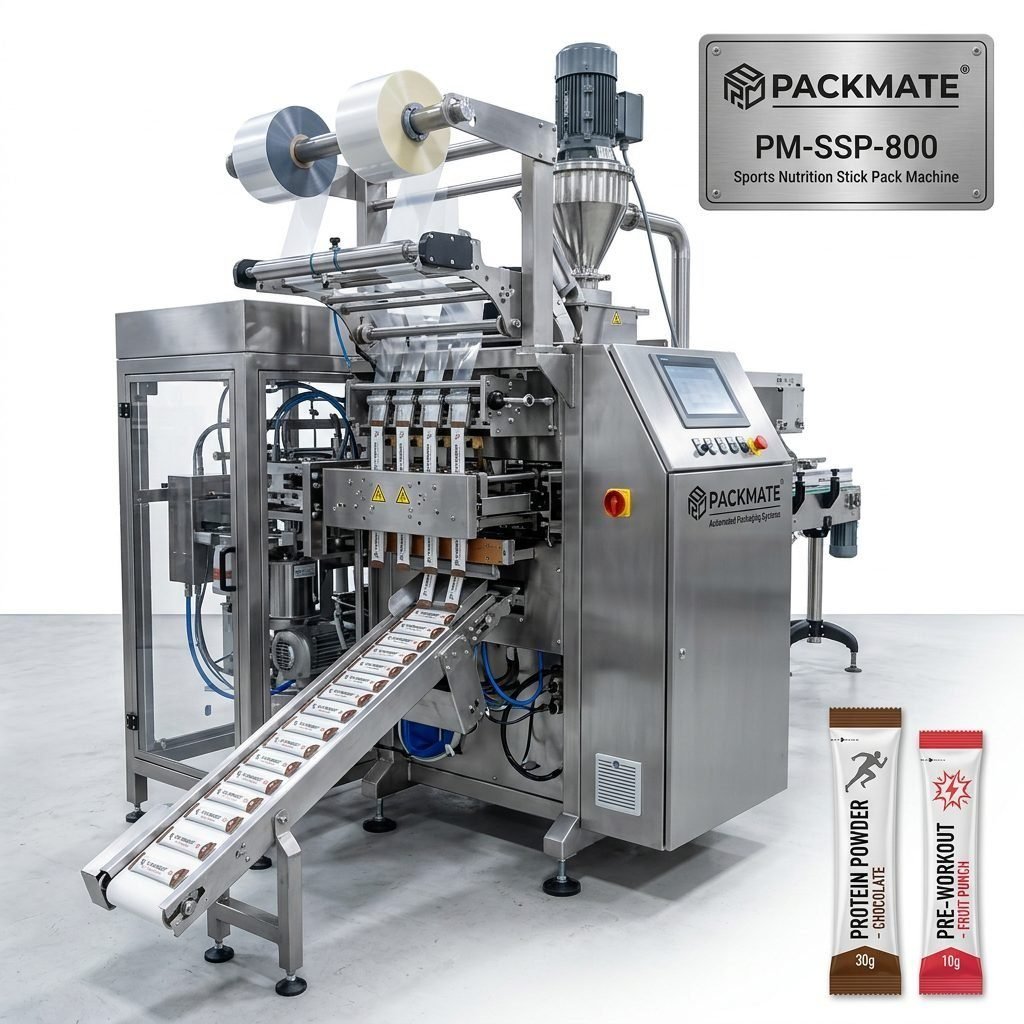
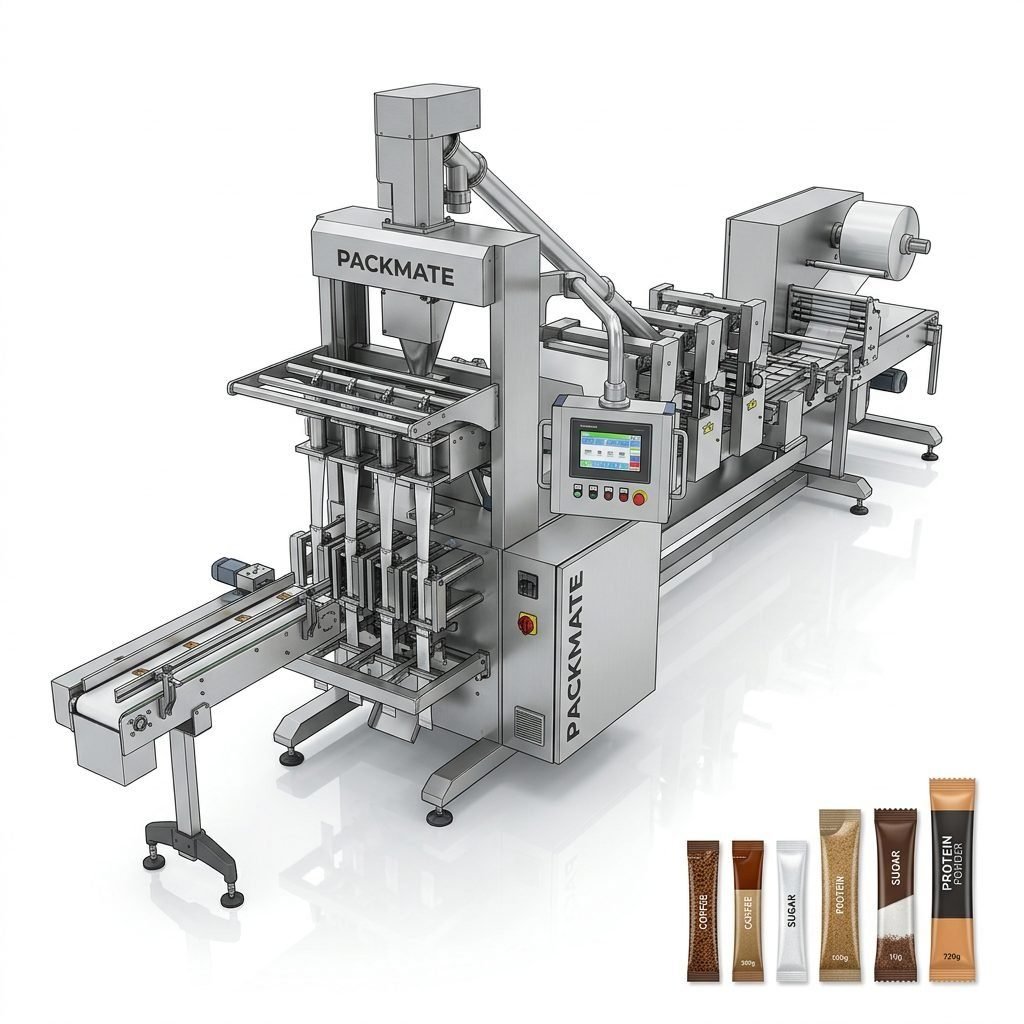
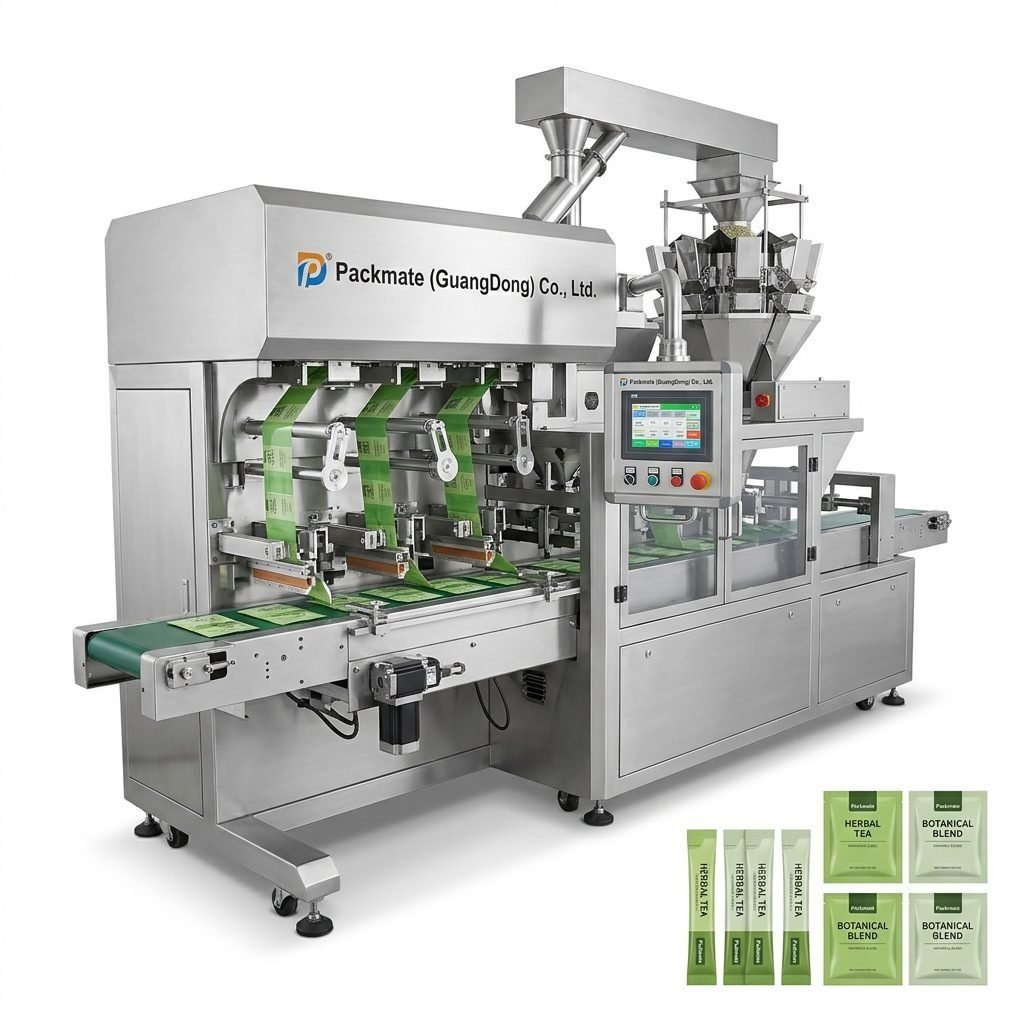
Consumer demand for convenience and portion control has made small-format packaging like sachets and stick packs incredibly popular. High-speed, multi-lane sachet and stick pack machines are the workhorses for this segment. A single machine with multiple lanes can produce hundreds of packs per minute, making them exceptionally efficient for products like instant beverages, condiments, shampoo samples, and over-the-counter medications.
Operational Advantage: The ability to run multiple lanes simultaneously means one machine can achieve the output of several single-lane units, saving significant floor space and reducing capital expenditure while maintaining or even boosting production capacity.
Beyond the Primary Machine: The Role of Auxiliary Equipment
An efficient line is more than just the core packaging machine. Supporting or auxiliary packaging equipment plays a vital role in creating a true turnkey solution. This includes:
- Automatic Feeders and Elevators: Ensure a consistent and reliable supply of product to the packaging head, preventing stoppages.
- Checkweighers and Metal Detectors: Provide essential quality control, removing under/overweight packs or contaminated products from the line automatically.
- Cartoners and Case Packers: Automate the secondary packaging process, grouping individual packs into boxes for shipping, further reducing manual handling.
Integrating these components creates a closed-loop system where product flows from start to finish with automated checks and handling at every stage.
Data-Driven Efficiency: The Smart Factory Connection
The most advanced packaging machinery now comes equipped with Industry 4.0 capabilities. With integrated sensors and connectivity, these machines provide real-time data on production counts, machine efficiency (OEE), downtime reasons, and maintenance alerts. Accessing this data through a central dashboard allows managers to:
- Identify and troubleshoot inefficiencies instantly.
- Schedule predictive maintenance before a breakdown occurs.
- Optimize production schedules based on accurate performance metrics.
This shift from reactive to proactive management is a cornerstone of the truly efficient, modern production line.
Choosing a Partner, Not Just a Supplier
Investing in complex packaging solutions requires a reliable partner. A manufacturer with deep expertise, like Packmate Machinery, brings more than just equipment. With over 30 years of experience, they offer comprehensive support from initial concept and factory layout planning to installation, training, and after-sales service. This partnership approach ensures your new line is not only high-performing on day one but continues to deliver value throughout its lifecycle.
Conclusion: Building Your Competitive Edge
Implementing top packaging machinery solutions is a definitive step toward building a more resilient and profitable operation. By focusing on automation, choosing equipment tailored to your product, integrating auxiliary systems, and leveraging smart technology, you can construct a production line that sets new standards for speed, accuracy, and reliability. The initial investment is strategically offset by long-term gains in reduced operational costs, superior product quality, and the agility to meet evolving market demands.
Frequently Asked Questions (FAQs)
1. How do I determine the right packaging machine speed for my production needs?
Your required speed depends on your target output (e.g., packs per shift) and factoring in efficiency rates. It’s crucial to consider future growth. A good rule is to choose a machine that operates comfortably at 70-80% of its maximum speed to handle peak demands and allow for maintenance without pushing the equipment to its absolute limit, which can increase wear.
2. What are the key factors in ensuring a smooth packaging line integration?
Successful integration hinges on three factors: comprehensive factory layout planning with your supplier, ensuring all machines are compatible in terms of speed and transfer mechanisms, and investing in robust training for your operators and maintenance technicians. A trusted supplier will guide you through this entire process.
3. How important is after-sales service and parts availability?
Extremely important. Downtime is costly. Prioritize suppliers with a proven track record of responsive technical support and who stock critical spare parts. Ask about their service network, typical response times, and if they offer remote diagnostics. This support is as critical as the machine’s quality itself.
4. Can one machine handle multiple different package sizes or products?
Many modern machines are designed for quick changeover. Look for features like tool-less adjustments, digital settings recall for different products, and easy-access parts. This flexibility allows you to run smaller batches of different SKUs efficiently, which is vital for today’s diversified market.
5. What are the hygiene considerations for food and pharmaceutical packaging lines?
For these industries, machinery should be designed with sanitary principles: use of food-grade stainless steel, smooth surfaces with minimal crevices, easy disassembly for cleaning (CIP/SIP where possible), and protection from contaminants. Always verify that the equipment meets the relevant industry standards and regulations for your region.