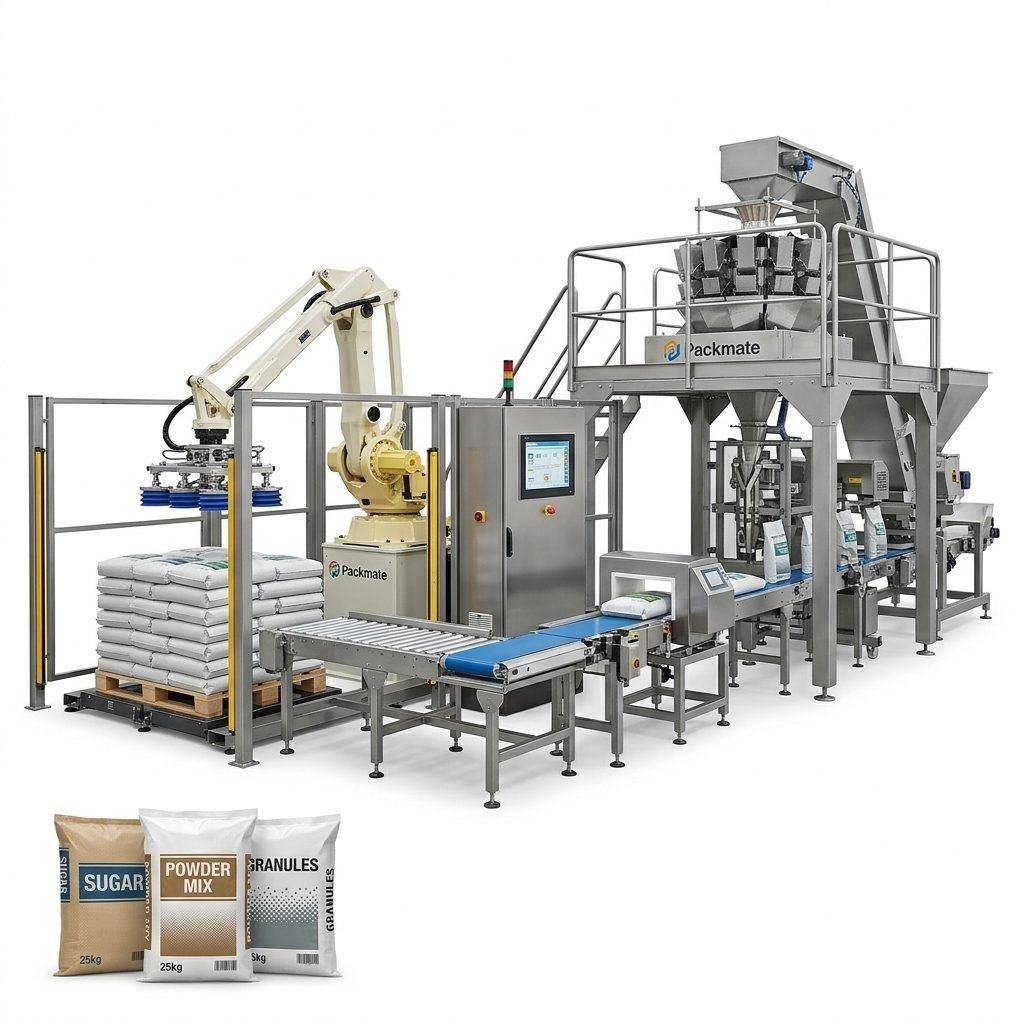
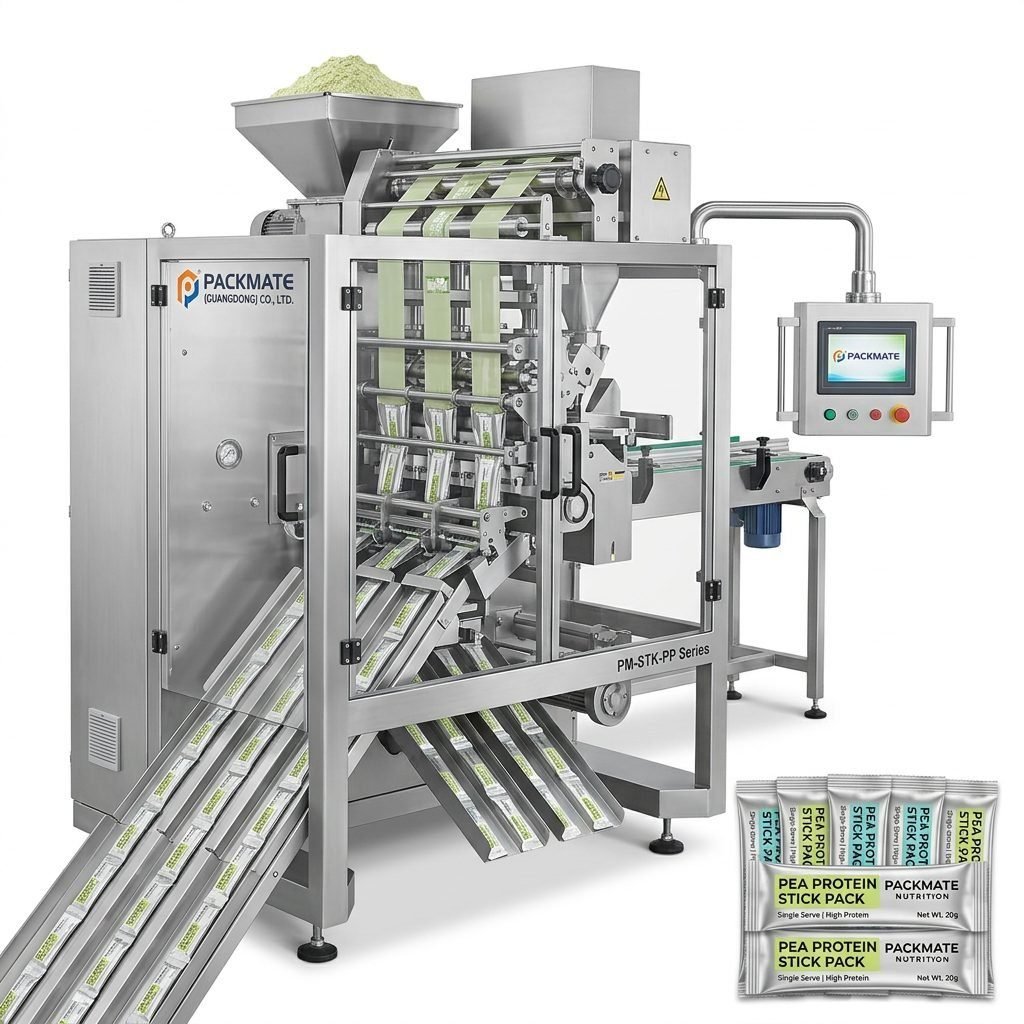
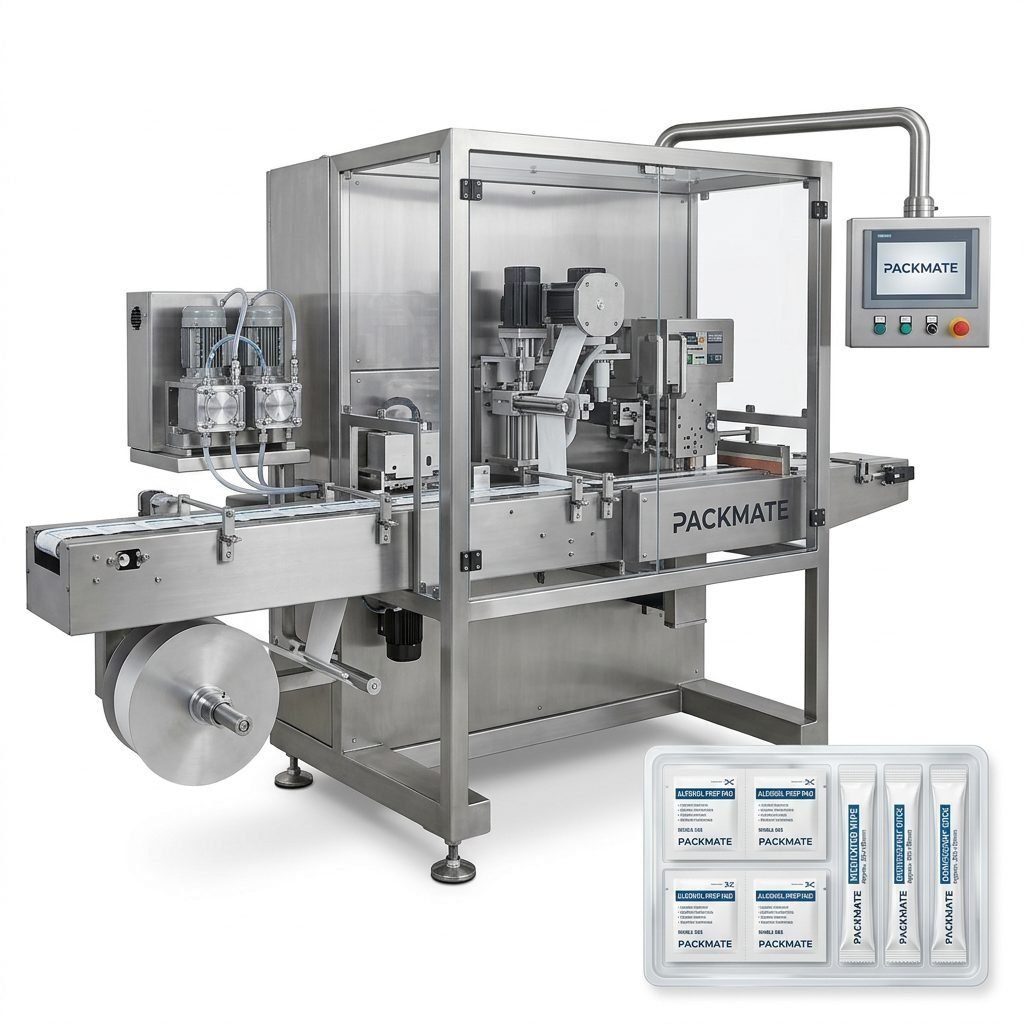
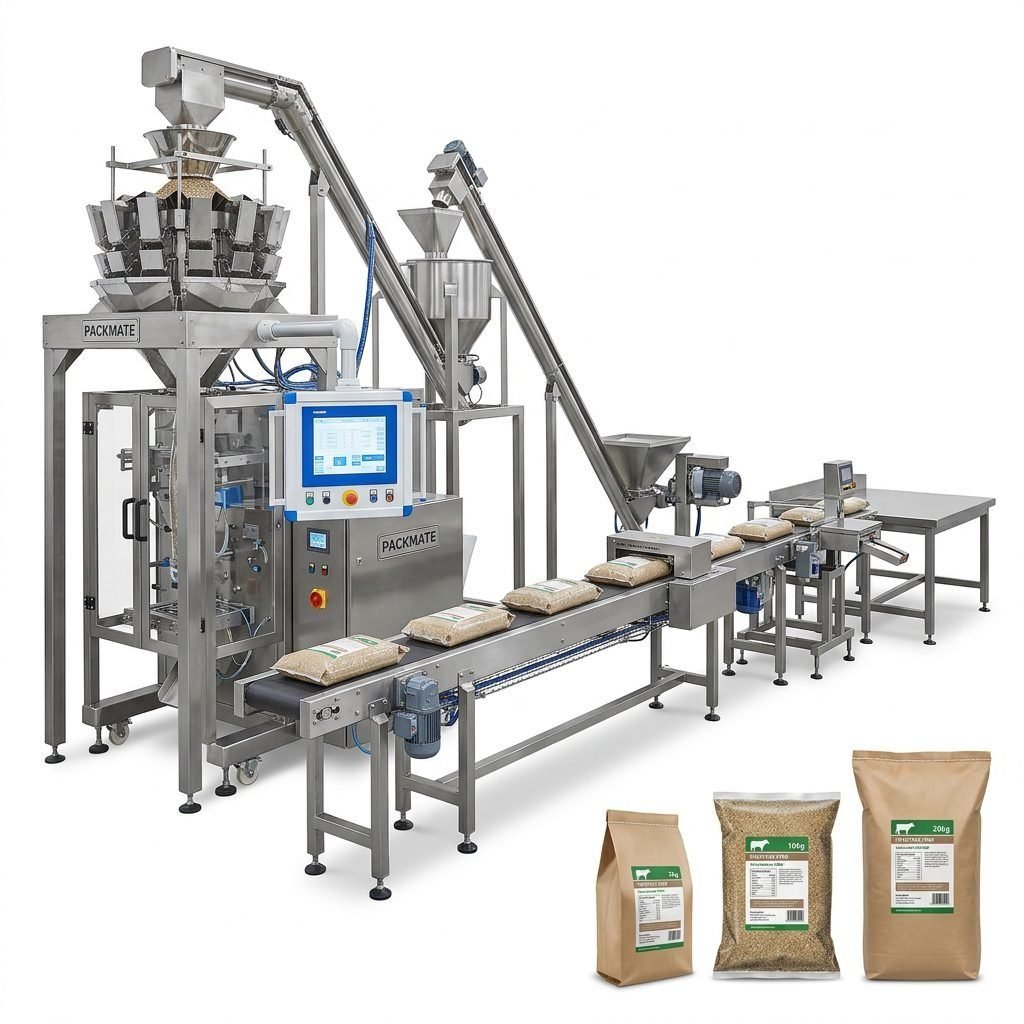
In today’s fast-paced manufacturing world, custom packaging equipment has become a cornerstone for businesses aiming to enhance efficiency, ensure product integrity, and stand out on crowded shelves. Unlike standard, off-the-shelf machines, custom packaging solutions are tailored to meet specific production needs, handling unique product shapes, sizes, and materials. This article delves into the various types of custom packaging equipment, outlines their key benefits, and provides a practical guide on how to choose the right machinery for your operation. Whether you are in the food, pharmaceutical, or consumer goods industry, understanding these elements is crucial for optimizing your packaging line and achieving a competitive edge.
Understanding Custom Packaging Equipment
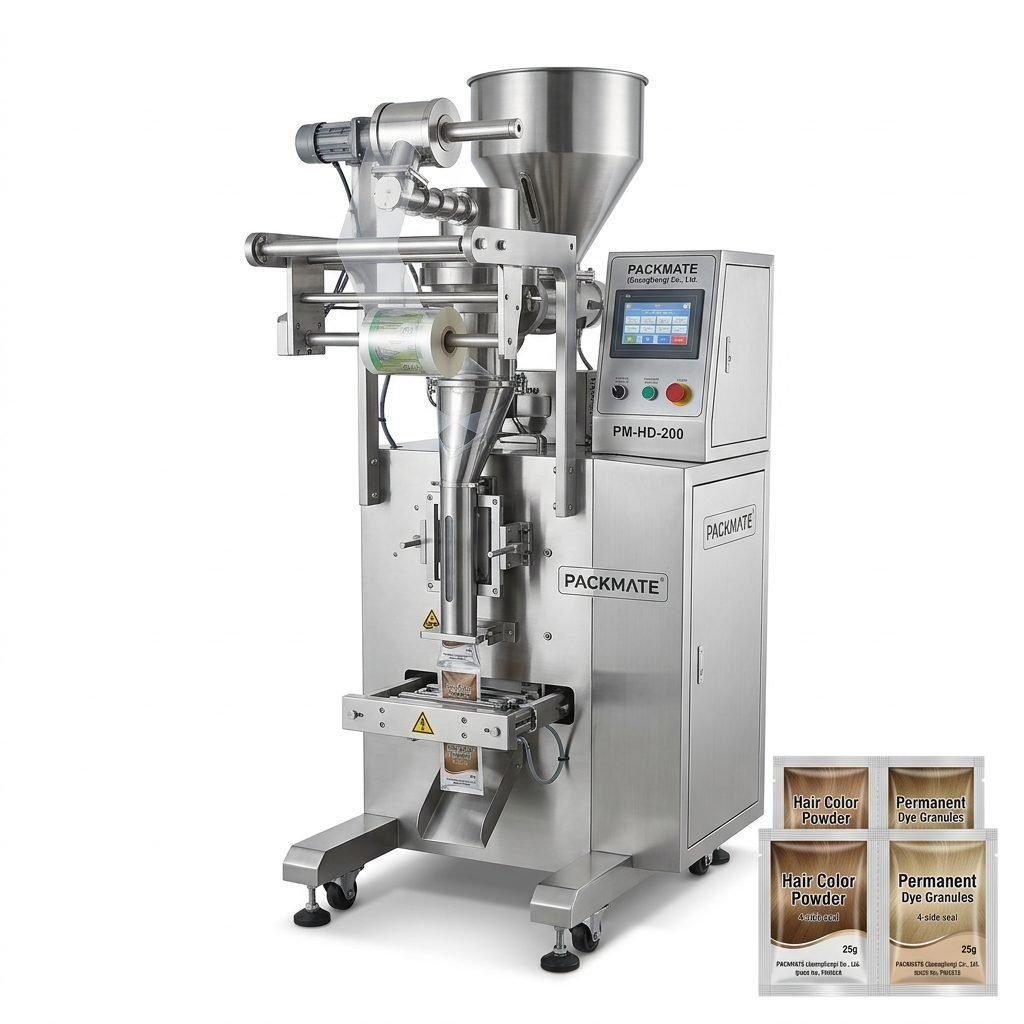
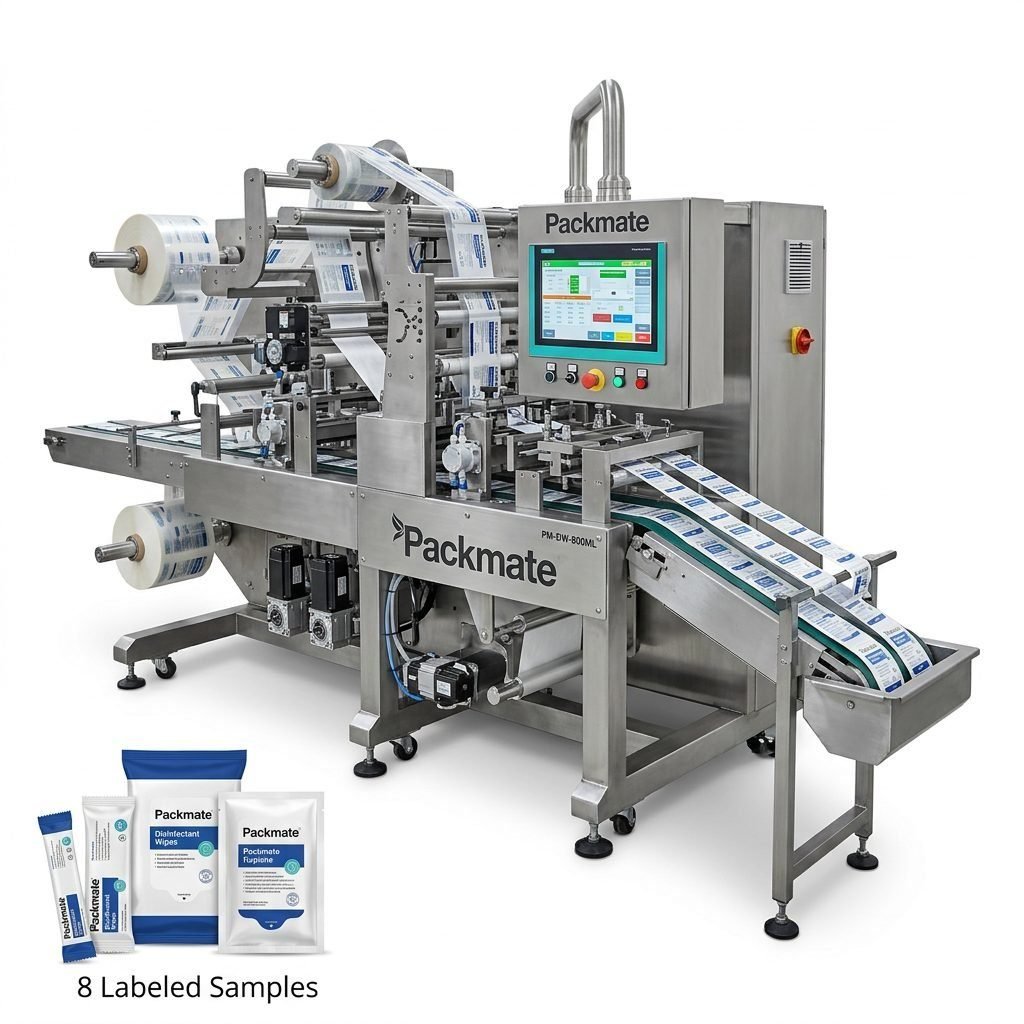
Custom packaging equipment refers to machinery specifically designed or significantly modified to perform packaging tasks according to unique client requirements. This contrasts with standard machines that offer fixed functionalities. The customization can range from simple adjustments, like modifying a bag & pouch packaging machine to handle a new film material, to complete system overhauls that integrate weighing, filling, and sealing into one seamless, automated line. The core principle is flexibility—creating a system that adapts to the product, not the other way around.
Why Customization Matters
Every product has its own story, and its packaging should tell it perfectly. A one-size-fits-all approach often leads to inefficiencies, increased waste, and compromised product presentation. Custom equipment addresses these pain points by ensuring precise handling, optimal speed for your specific throughput, and packaging that aligns perfectly with your brand identity and logistical needs.
Major Types of Custom Packaging Equipment
The landscape of custom packaging machinery is diverse, catering to different packaging formats and production stages. Here are some of the primary categories:
1. Form-Fill-Seal (FFS) Machines
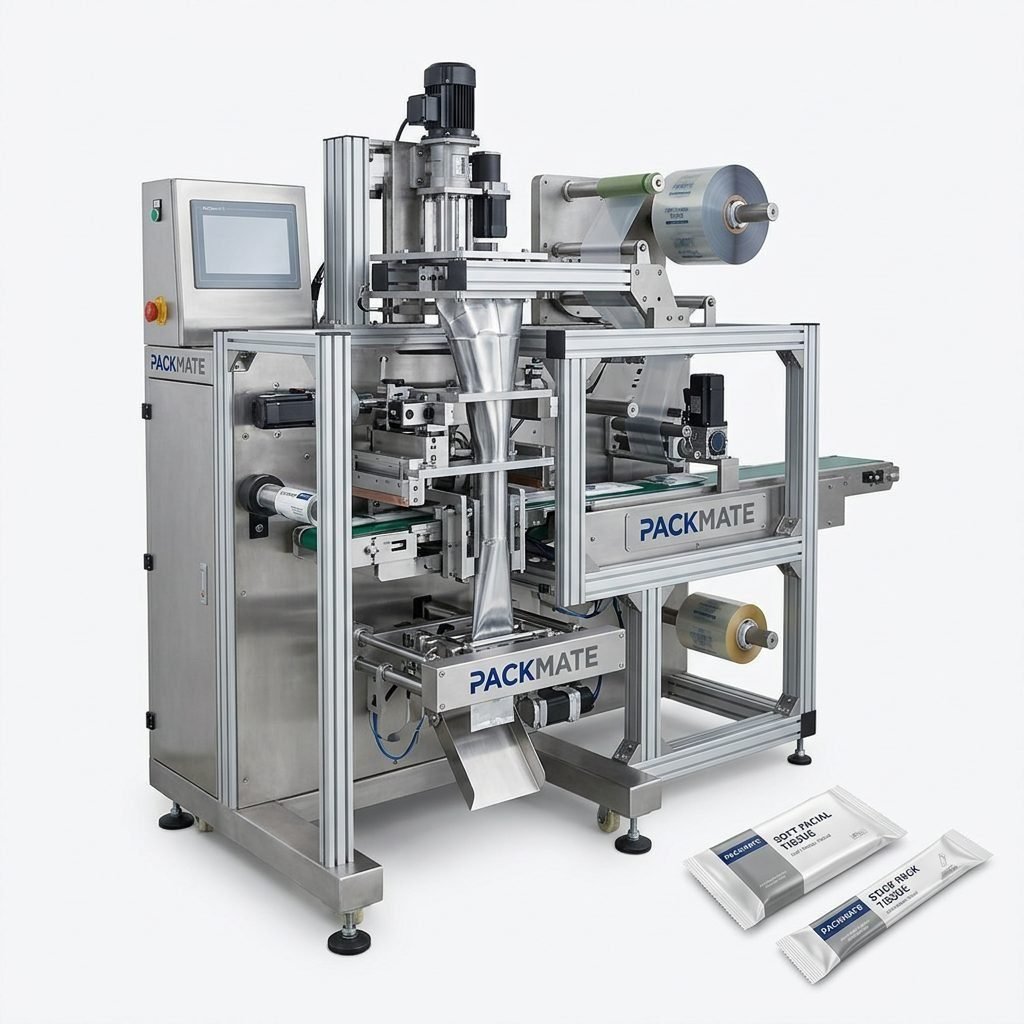
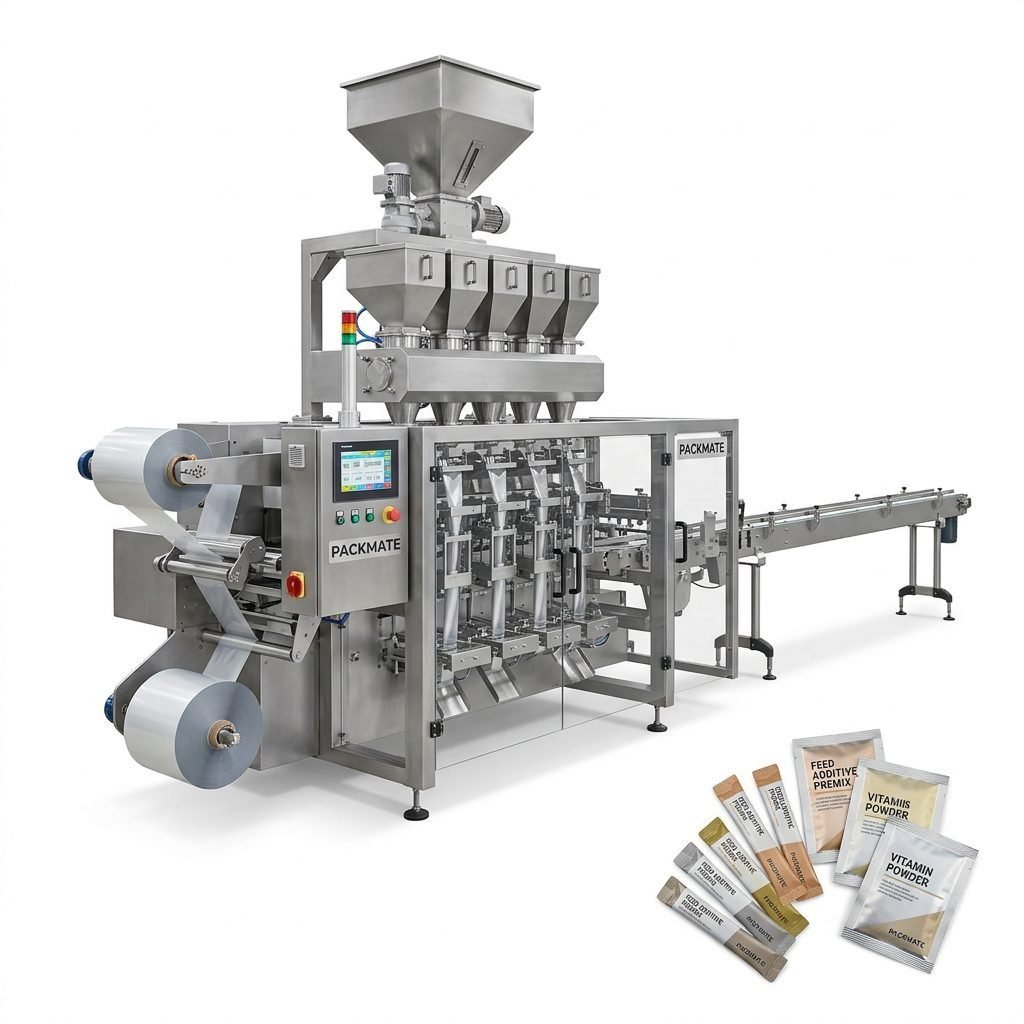
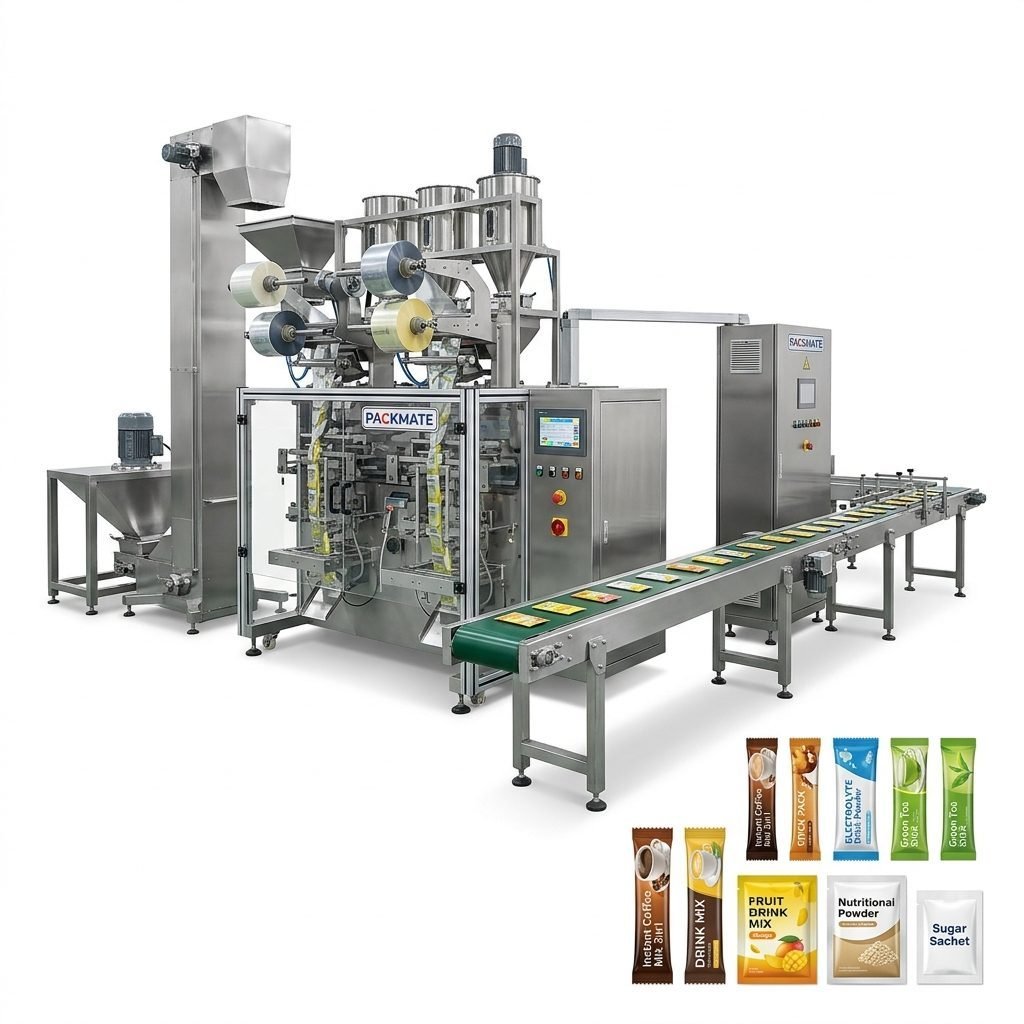
These are highly versatile systems that form packaging from a roll of film, fill it with product, and seal it in one continuous operation. Customization can involve developing unique pouch shapes (stand-up, flat, gusseted), integrating multi-lane filling for high output like in sachet & stick pack machines, or incorporating specialized sealing technologies for sensitive products.
2. Filling and Capping Machines
Designed for liquids, granules, and powders, these machines precisely dose product into pre-formed containers like bottles, cans, or tubes. Custom versions are engineered for challenging products (e.g., viscous liquids, volatile chemicals) and can include advanced weighing systems for unparalleled accuracy, which is critical in industries like pharmaceuticals where dose precision is paramount.
3. Cartoning and Case Packing Equipment
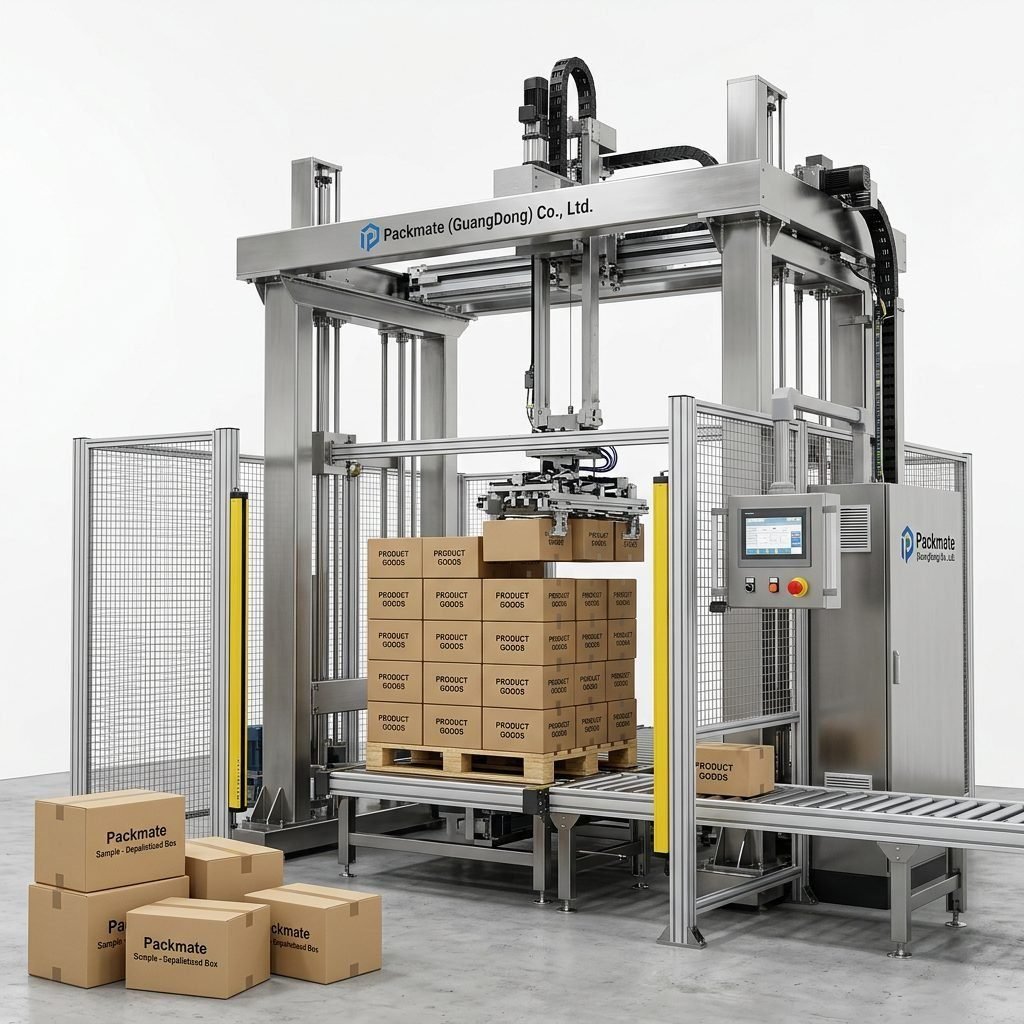
This equipment automates the loading of primary packages into cartons or shipping cases. Custom solutions handle irregularly shaped items, complex arrangement patterns, or include integrated labeling and barcode verification systems to streamline logistics.
4. Specialized Niche Machines
Some industries demand highly specific solutions. For instance, the tobacco-free nicotine sector utilizes specialized snus & nicotine packaging machines that handle unique pouch formats and ensure strict hygiene and portion control.
Key Takeaway on Types
The type of equipment you need is fundamentally dictated by your product form (solid, liquid, powder), desired package style (pouch, bottle, stick pack), and required production speed. A thorough analysis of these factors is the first step in the customization journey.
Tangible Benefits of Investing in Custom Packaging Machinery
While the initial investment in custom equipment can be higher than standard machines, the long-term return on investment is significant and multifaceted.
Enhanced Efficiency and Productivity
Custom machines are built for your specific workflow, minimizing changeover times, reducing manual intervention, and maximizing line speed. This leads to a direct increase in output and a lower cost per unit.
Superior Product Protection and Quality
Tailored handling mechanisms and sealing processes ensure your product is packaged in the most protective way possible. This reduces damage, spoilage, and contamination, leading to fewer customer complaints and returns.
Reduced Material Waste and Operational Costs
Precision engineering means using the exact amount of packaging material required, cutting down on waste. Furthermore, efficient, automated processes lower labor costs and energy consumption.
Brand Differentiation and Market Agility
Custom packaging allows for unique, eye-catching designs that reinforce brand identity. It also provides the flexibility to quickly adapt packaging for new product launches or marketing campaigns, giving you a crucial edge in the market.
How to Choose the Right Custom Packaging Equipment: A Step-by-Step Guide
Selecting the perfect custom packaging solution is a strategic decision. Follow this guide to navigate the process effectively.
Step 1: Conduct a Thorough Needs Analysis
Start by defining every detail: current and future production volumes, product characteristics (abrasiveness, viscosity, fragility), packaging materials, required certifications (e.g., FDA, CE), and available factory floor space. Be as detailed as possible.
Step 2: Research and Shortlist Reputable Manufacturers
Look for partners with a proven track record in your industry. Evaluate their project case studies, manufacturing capabilities, and quality control processes. A manufacturer with over 30 years of expertise, like Packmate Machinery, brings invaluable experience to the table, ensuring reliability and innovative problem-solving.
Step 3: Evaluate Technology and Integration Capabilities
Assess the technological sophistication of the proposed equipment. Does it offer the level of automation you need? Can it integrate with your existing auxiliary packaging equipment or ERP systems? Future-proofing your investment is key.
Step 4: Prioritize Service, Support, and Training
The machine is only as good as the support behind it. Ensure the manufacturer offers comprehensive installation, operator training, readily available spare parts, and responsive technical support. This minimizes downtime and ensures long-term operational success.
Step 5: Analyze the Total Cost of Ownership (TCO)
Look beyond the purchase price. Consider installation costs, energy consumption, maintenance expenses, and potential costs for future upgrades or modifications. A slightly higher initial cost for a more efficient, durable machine often results in a lower TCO.
Final Consideration: Partnership Over Transaction
Choosing custom packaging equipment is not just a purchase; it’s the beginning of a partnership. Select a manufacturer who demonstrates a clear understanding of your challenges and a commitment to collaborating on a solution that drives your business growth for years to come.
Frequently Asked Questions (FAQs)
1. What is the typical lead time for custom packaging equipment?
Lead times vary significantly based on the complexity of the customization. Simple modifications may take a few weeks, while designing and building a completely new system can take several months. A reputable manufacturer will provide a detailed project timeline after the initial consultation.
2. How do I ensure the custom machine will work with my future products?
During the design phase, discuss your future product roadmap with the manufacturer. A well-designed custom machine often has a degree of built-in flexibility or can be designed with modular components that allow for easier future modifications to handle different sizes or products.
3. What kind of maintenance does custom equipment require?
Maintenance requirements are specific to the machine design. The manufacturer should provide a detailed maintenance schedule and manual. Generally, custom machines benefit from regular, preventative maintenance performed by trained personnel using genuine spare parts to ensure longevity and consistent performance.
4. Can custom packaging equipment be upgraded later?
Yes, one of the advantages of working with a skilled manufacturer is the potential for upgrades. When discussing your initial project, inquire about the machine’s architecture and how easily new features (e.g., vision inspection systems, IoT connectivity) can be integrated later.
5. How do I validate the performance of a custom machine before purchase?
Request a factory acceptance test (FAT). This involves visiting the manufacturer’s facility to see the machine run with your actual product and packaging materials under simulated production conditions. This is the best way to verify speed, accuracy, and functionality before installation.