Choosing the right cereal packaging machine is a critical investment for any food production business. It directly impacts your production efficiency, product quality, and overall operational costs. This comprehensive guide will walk you through the different types of cereal packaging machines, their associated costs, and essential buying tips to help you make an informed decision.
Primary Types of Cereal Packaging Machines
The packaging process for cereal can vary significantly based on product type (flakes, clusters, granola, puffs) and the desired final package. Here are the main machine categories.
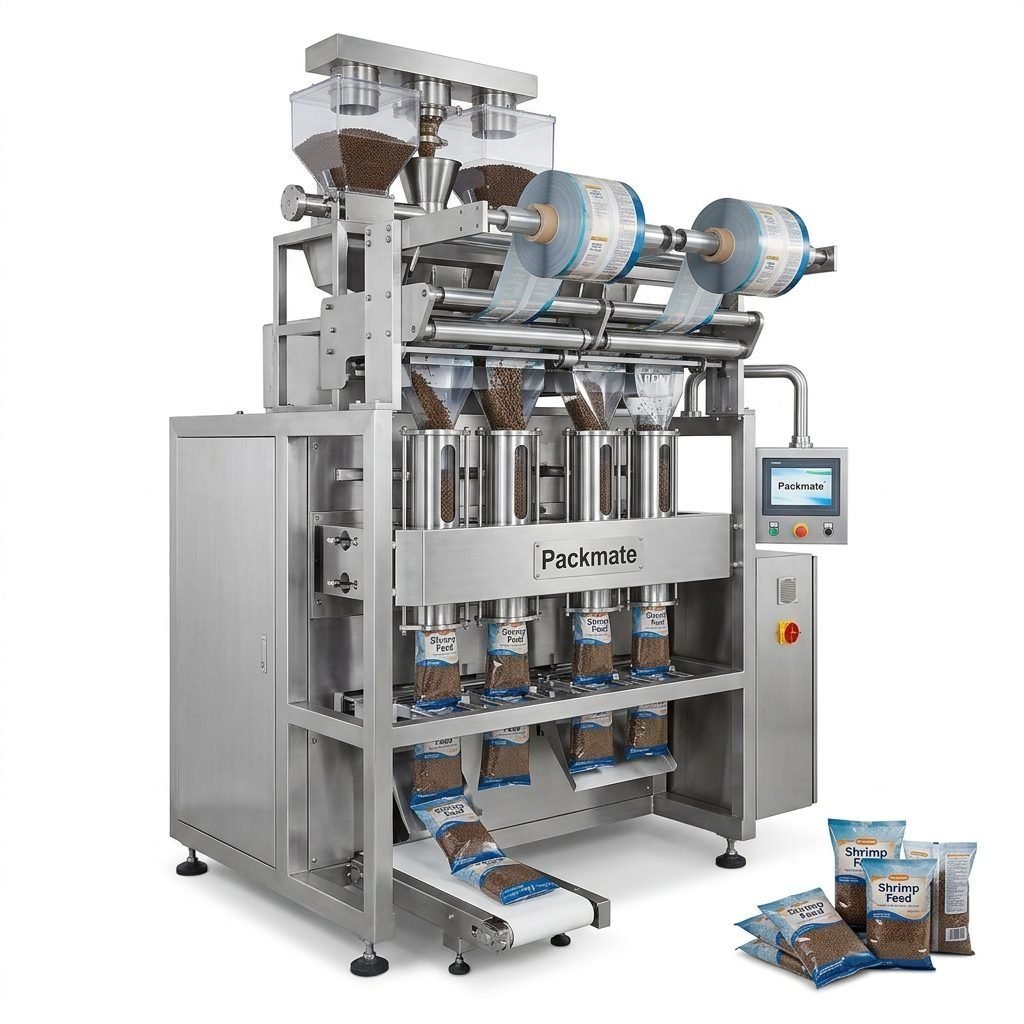
Vertical Form Fill Seal (VFFS) Machines
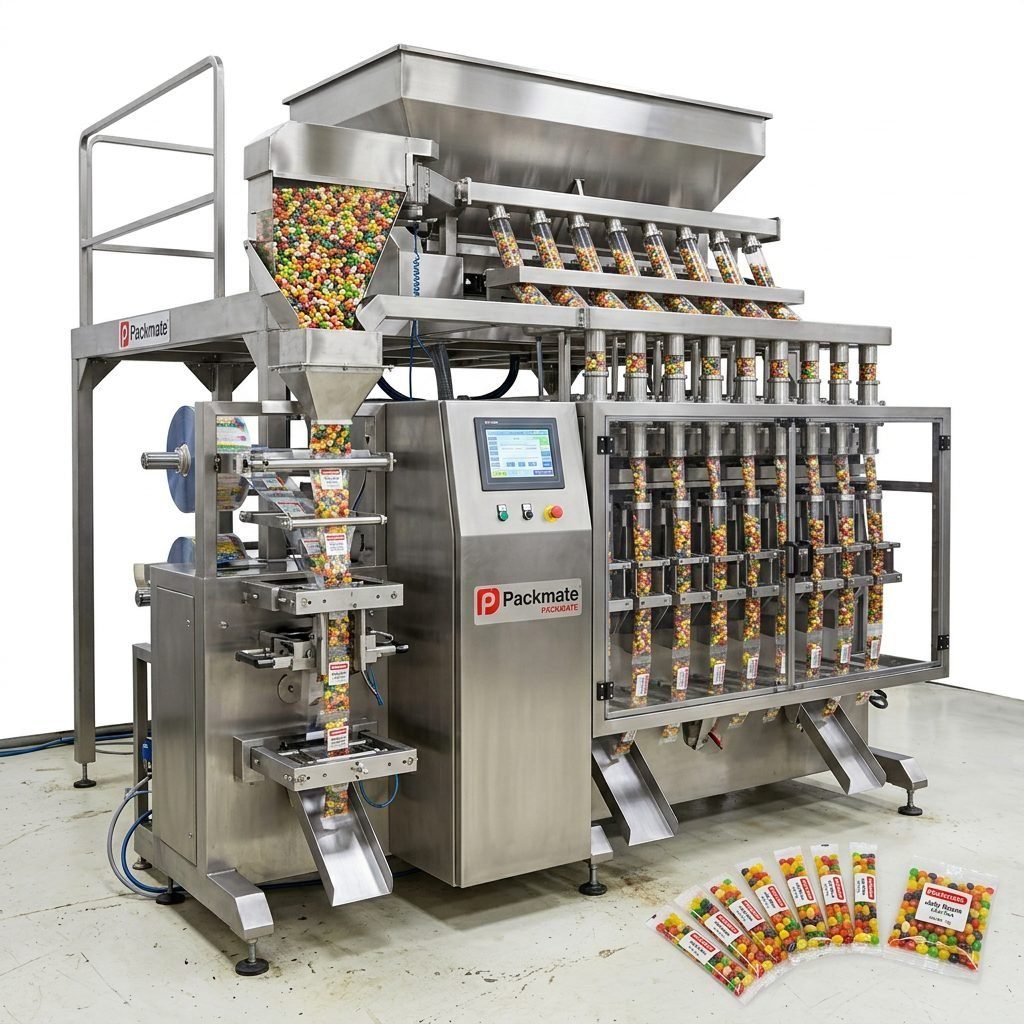
These are the most common and versatile machines for packaging dry foods like cereal. A VFFS machine forms a bag from a roll of film, fills it with a pre-measured amount of product, and then seals it. They are ideal for creating pillow bags or stand-up pouches and are known for their high-speed operation and efficiency.
Best For: High-volume production of standard cereal bags and pouches. They offer excellent flexibility for bag size changes.
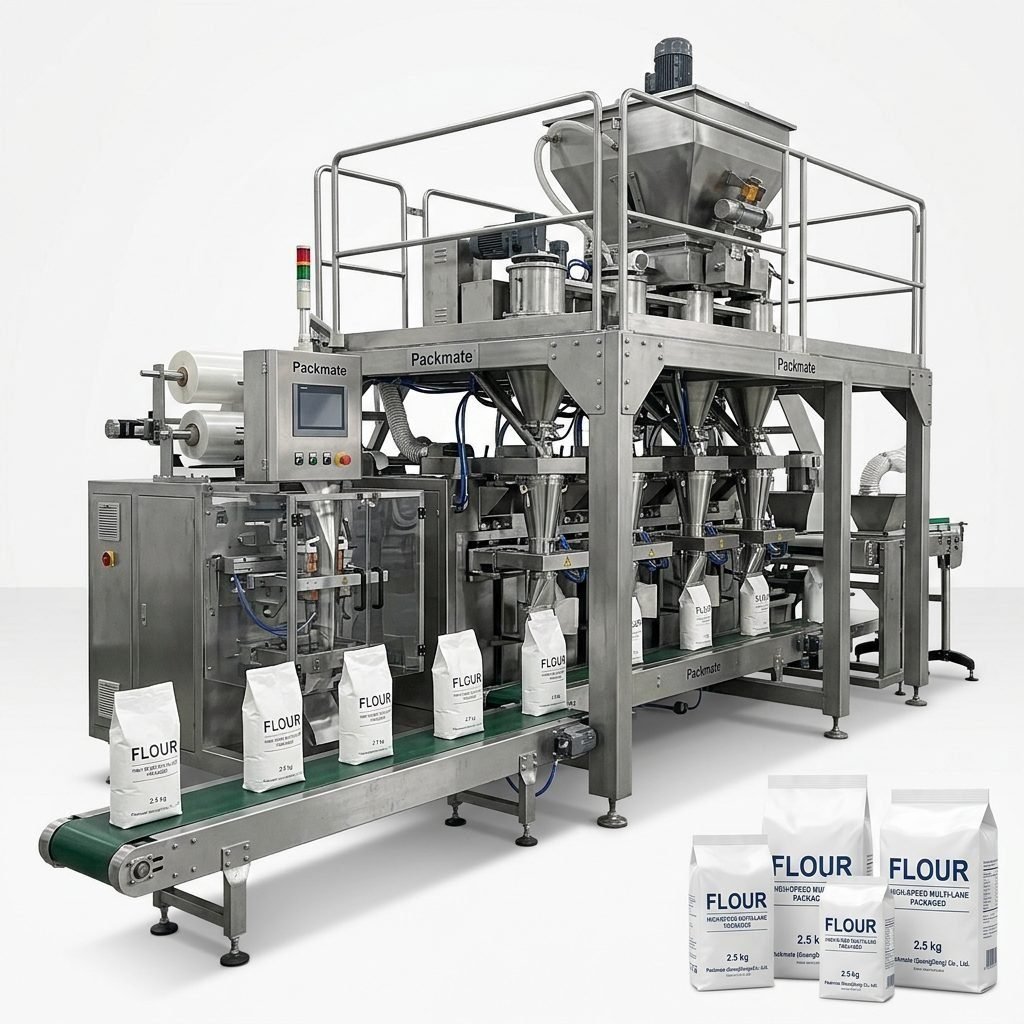
Weighing and Filling Systems
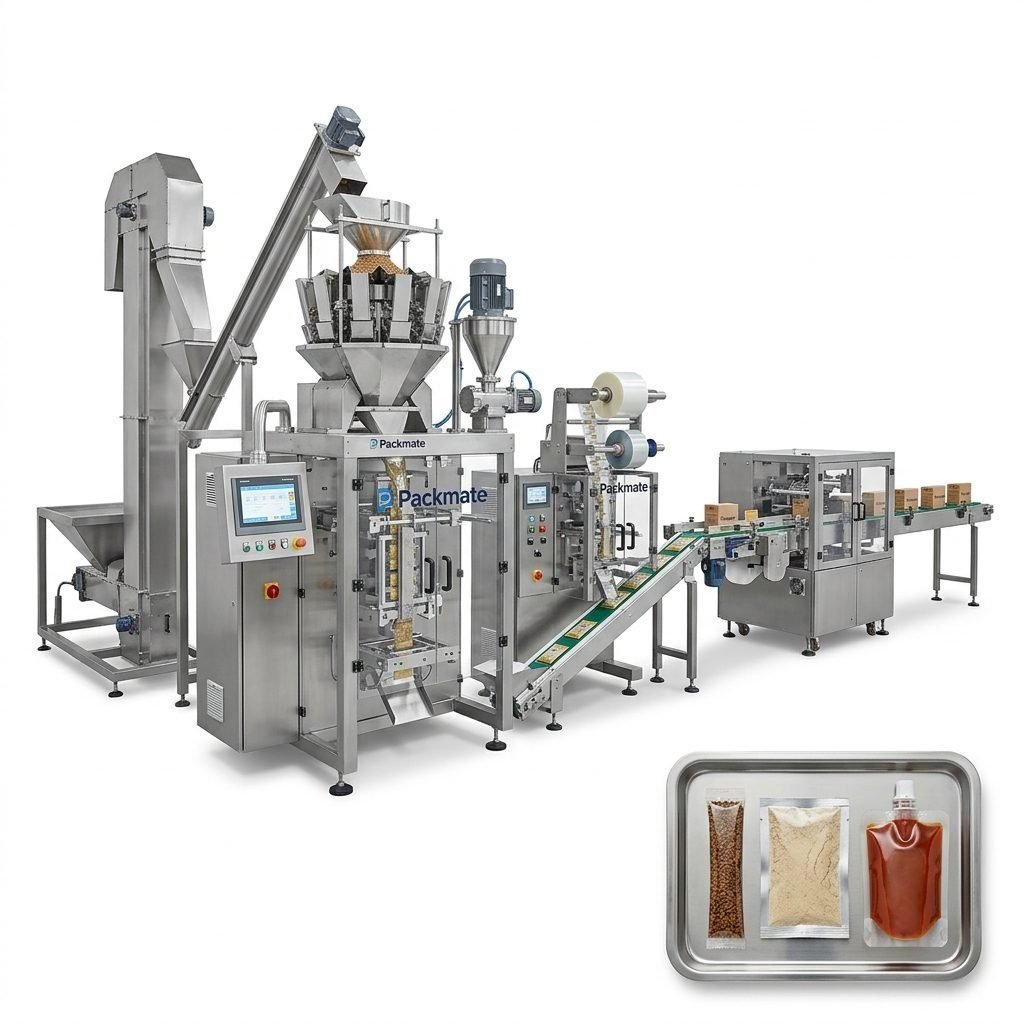
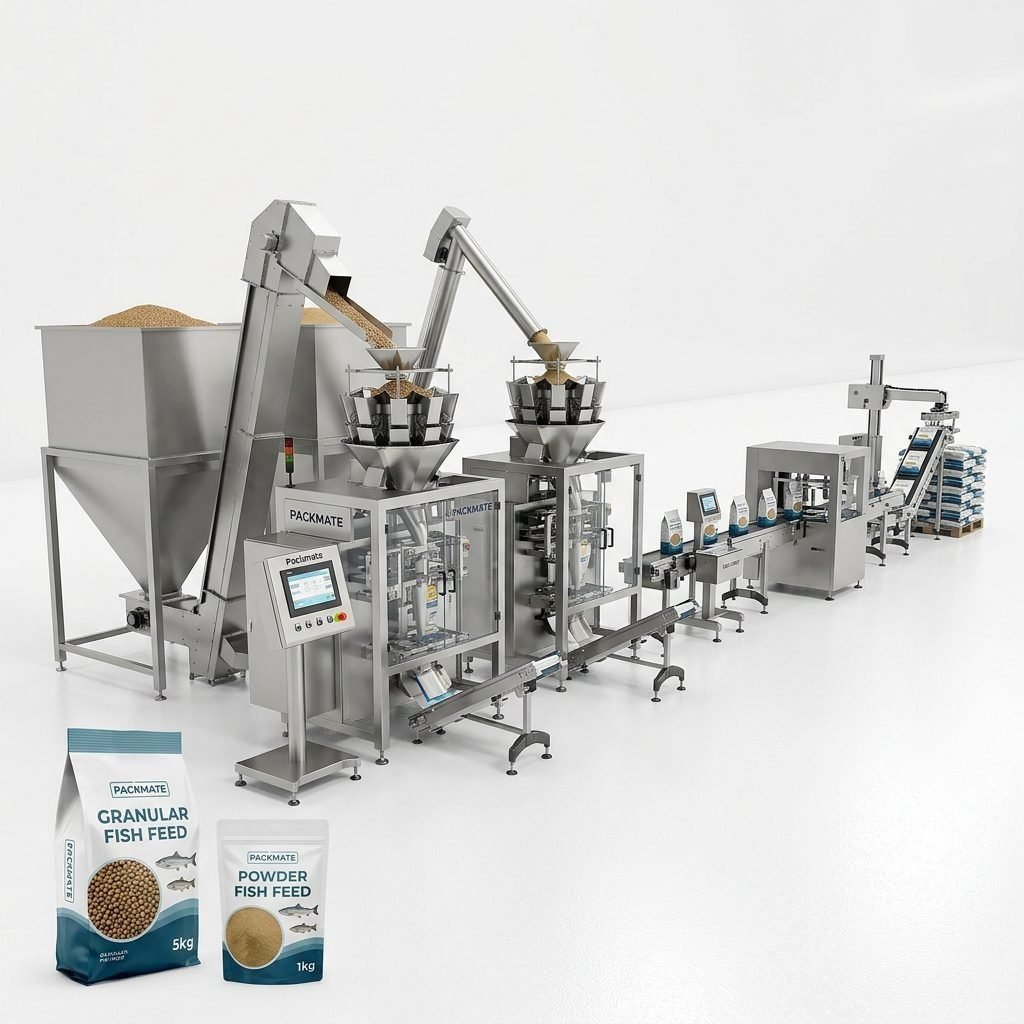
Accurate portion control is non-negotiable in cereal packaging. Modern weighing systems use multi-head weighers or volumetric cup fillers to ensure each bag contains the exact weight stated on the label. These systems are often integrated with VFFS or horizontal machines for a complete automated line. For consistent quality, pairing your machine with a reliable weighing system is crucial.
Horizontal Flow Wrappers
This type is typically used for packaging individual cereal bars or smaller, multi-pack boxes into a sealed film wrap. The product is placed on a flat web of film, which is then folded around it and sealed. It’s less common for bulk cereal but essential for certain product formats within the category.
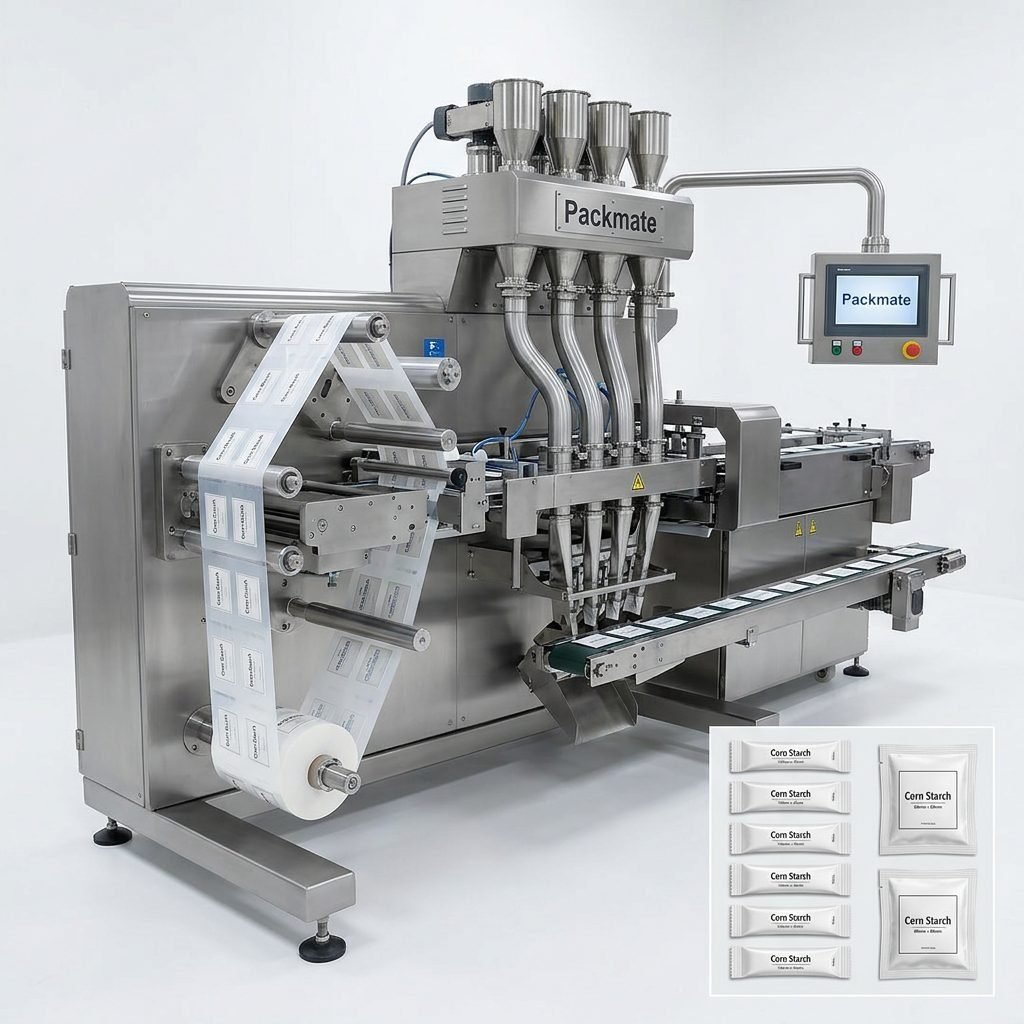
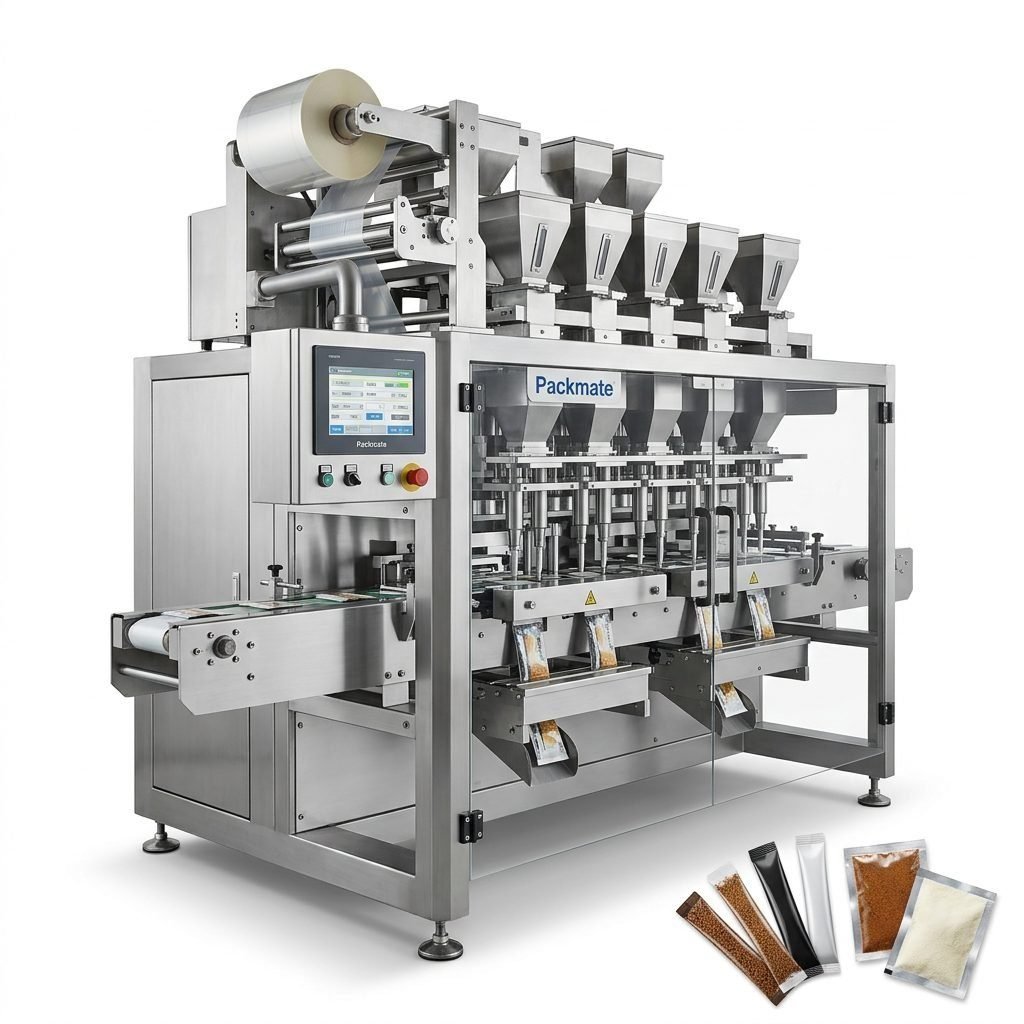
Stick Pack and Sachet Machines
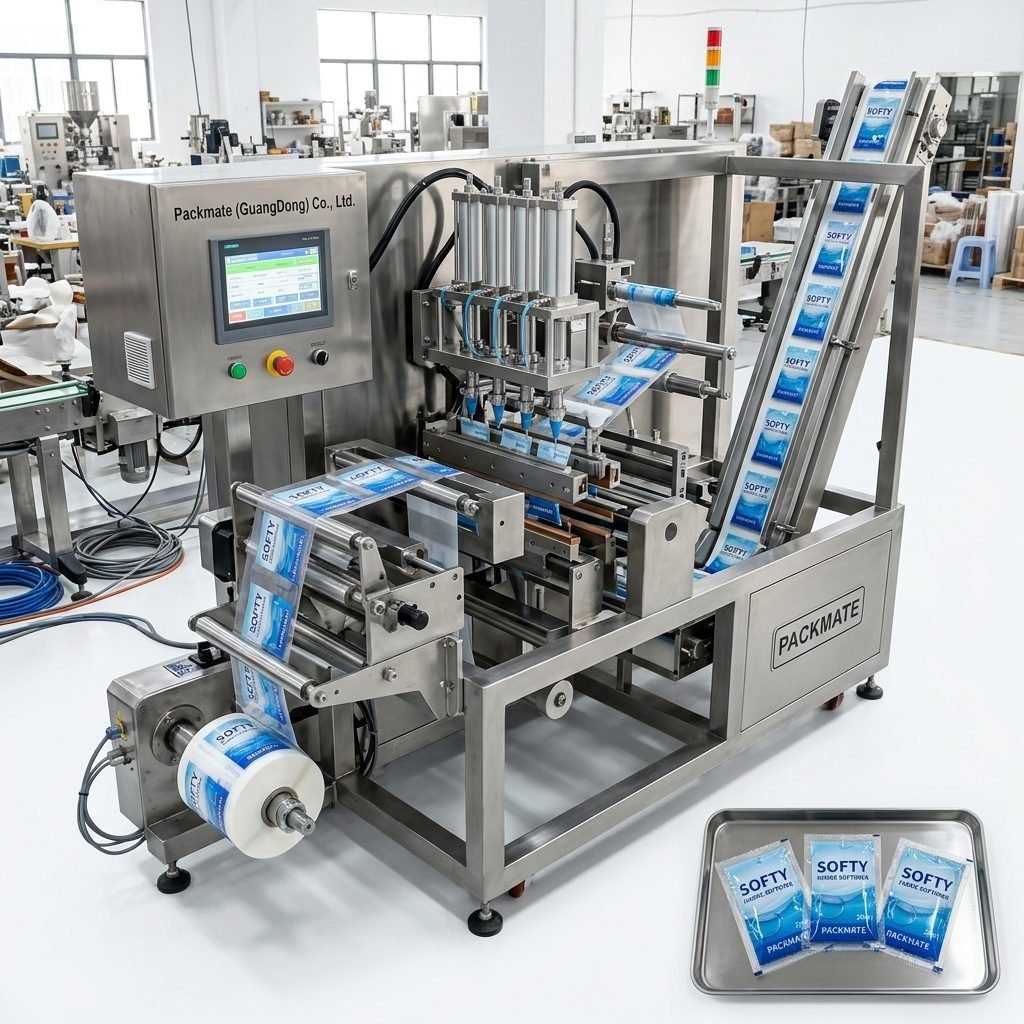
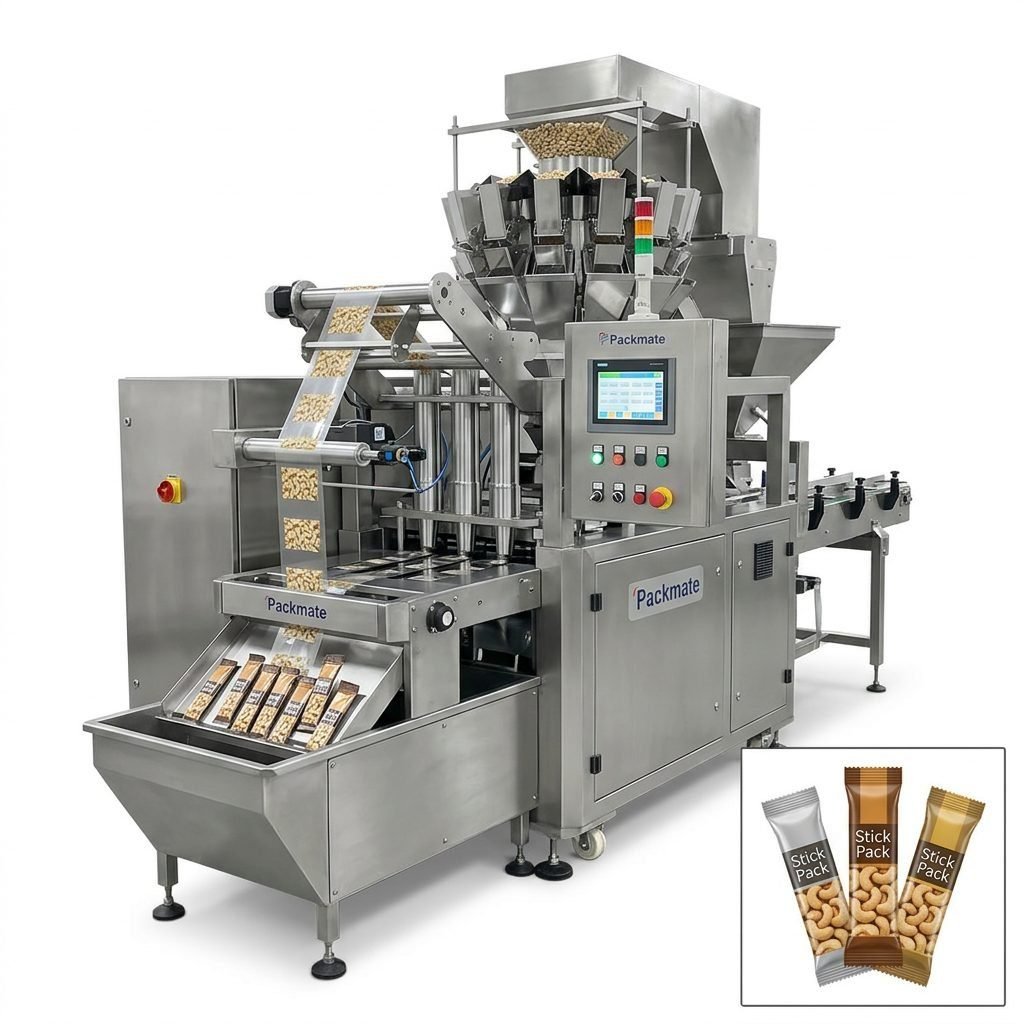
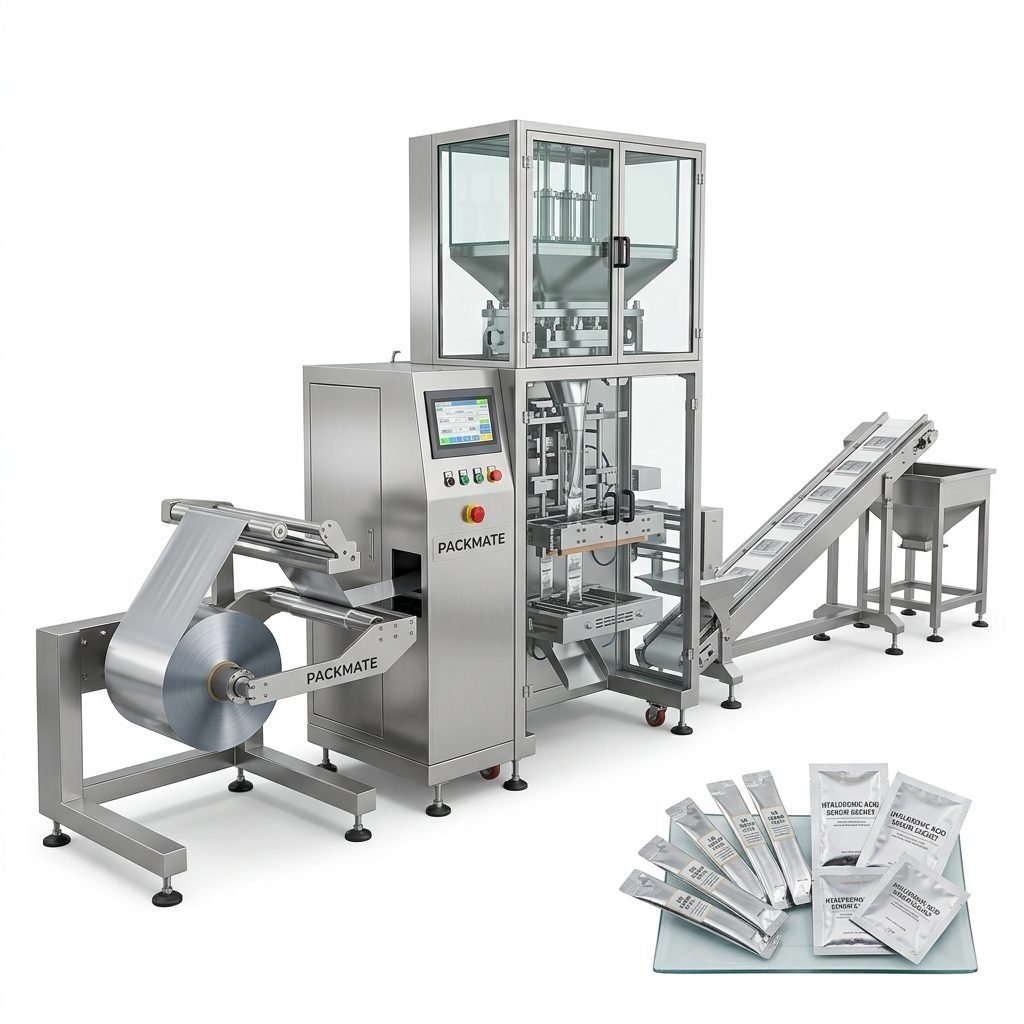
For single-serve portions, promotional samples, or hotel and foodservice packs, stick pack machines are perfect. They create long, slender packets that are space-efficient and convenient for consumers. Companies like Packmate Machinery specialize in high-speed, multi-lane stick pack and sachet machines ideal for this application.
Understanding the Cost Factors
The price of a cereal packaging machine is not a single number. It’s influenced by a combination of factors that define its capabilities and your return on investment.
Machine Type and Automation Level
A basic, semi-automatic VFFS machine will cost significantly less than a fully automated line with integrated robotic palletizing. The level of automation you need depends on your production volume and labor cost considerations.
Speed and Output Capacity
Machines are rated by bags-per-minute (BPM). A higher speed capability directly correlates with a higher price tag. It’s vital to match the machine’s speed to your current and near-future production needs to avoid overpaying for unused capacity or creating a bottleneck.
Packaging Materials and Features
The type of film (mono-material, multi-layer, with zipper) your machine can handle affects the cost. Additional features like gas flushing for extended shelf life, date coders, checkweighers for quality control, and vision inspection systems will add to the initial investment but can save money and protect your brand in the long run.
Key Consideration: Always factor in the Total Cost of Ownership (TCO), which includes not just the purchase price, but also installation, training, maintenance, spare parts, and energy consumption over the machine’s lifespan.
Essential Buying Tips for Your Investment
Making the right choice requires careful planning and asking the right questions. Follow these tips to navigate the purchasing process successfully.
1. Define Your Requirements Precisely
Before contacting suppliers, have clear answers to: Your product type and characteristics (size, shape, density), required packaging speed (BPM), bag/pouch dimensions and material, desired level of automation, and available factory floor space and utilities (electrical, air supply).
2. Prioritize Reliability and After-Sales Support
Machine downtime is lost revenue. Investigate the manufacturer’s reputation for building durable, reliable equipment. Crucially, evaluate their after-sales service and support. Ask about warranty terms, availability of spare parts, technical support responsiveness, and whether they offer on-site installation and training.
3. Request a Live Product Test
Never buy based on specifications alone. Arrange to send your actual cereal product to the manufacturer or their local representative for a live demonstration. This “factory acceptance test” will show you how the machine handles your specific product, its true speed, and the quality of the final package.
4. Consider Future-Proofing and Scalability
Your business will grow and evolve. Consider if the machine can be easily upgraded or integrated with other line equipment in the future. Choosing a modular system or a supplier with a broad range of packaging equipment can make future expansion smoother and more cost-effective.
5. Evaluate the Manufacturer’s Expertise
Look for a manufacturer with proven experience in the food and cereal industry. A company like Packmate Machinery, with over 30 years of expertise in packaging equipment for granules and powders, understands the unique challenges of keeping cereal fresh, free-flowing, and accurately portioned. Review their project case studies to see real-world applications.
Frequently Asked Questions (FAQs)
What is the typical lifespan of a cereal packaging machine?
With proper maintenance and operation, a high-quality cereal packaging machine from a reputable manufacturer can have a lifespan of 15 to 20 years or more. Regular servicing and using genuine spare parts are key to maximizing longevity.
Can one machine handle different cereal types and bag sizes?
Yes, most modern VFFS machines are designed for quick changeover. By changing the forming tube, weighing parameters, and film reel, you can switch between different cereal products and bag dimensions. The time required for changeover varies by machine design.
How important is after-sales service when purchasing?
Extremely important. It is arguably as critical as the machine itself. Reliable, accessible technical support ensures minimal downtime, proper maintenance, and helps you resolve any operational issues quickly, protecting your production schedule and investment.
What are the main maintenance requirements?
Daily cleaning to remove product dust and debris, regular lubrication of moving parts as per the manual, inspection and replacement of wear parts like sealing jaws and film pull belts, and periodic calibration of the weighing system are essential routine tasks.
Is it better to buy a new or used packaging machine?
This depends on your budget and risk tolerance. A new machine comes with a full warranty, latest technology, and manufacturer support. A used machine has a lower upfront cost but may come with hidden wear, obsolete controls, and limited support. For core production, a new or quality refurbished machine from the OEM is often recommended.