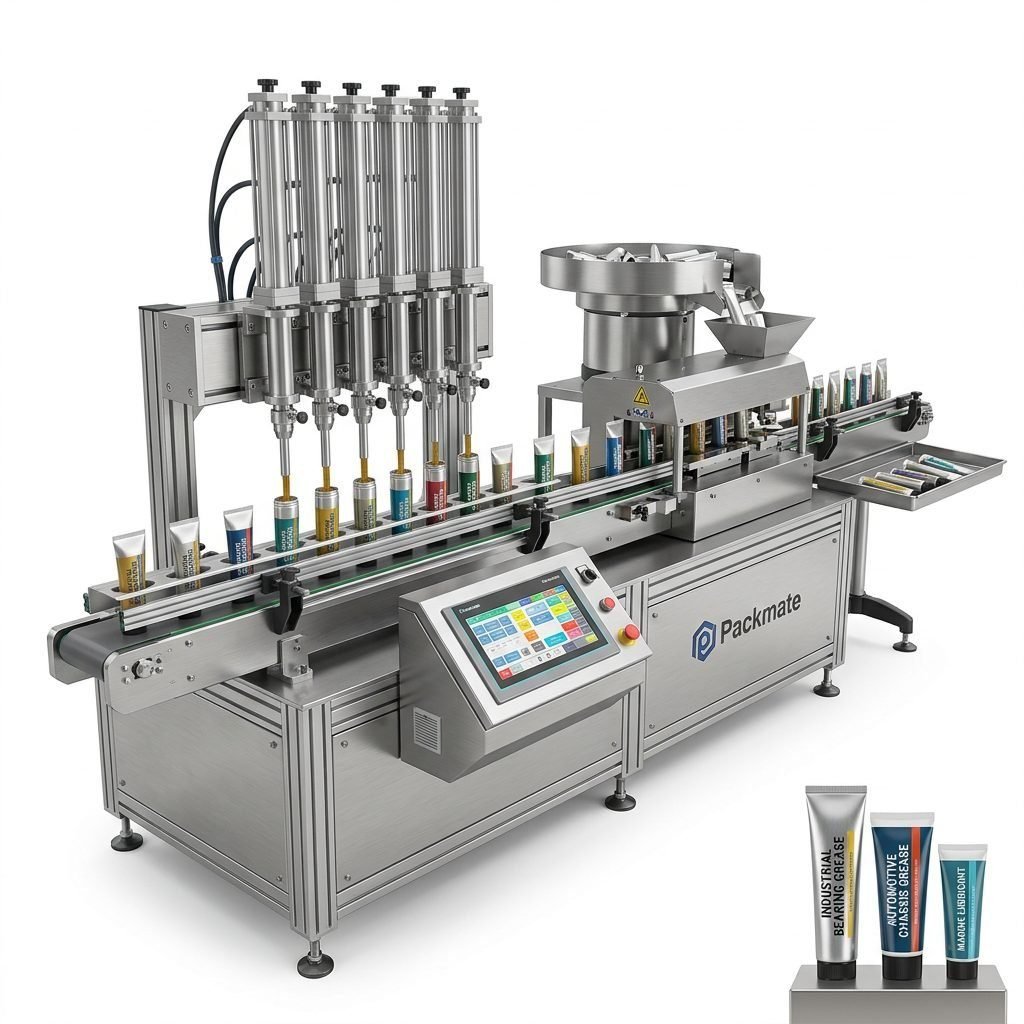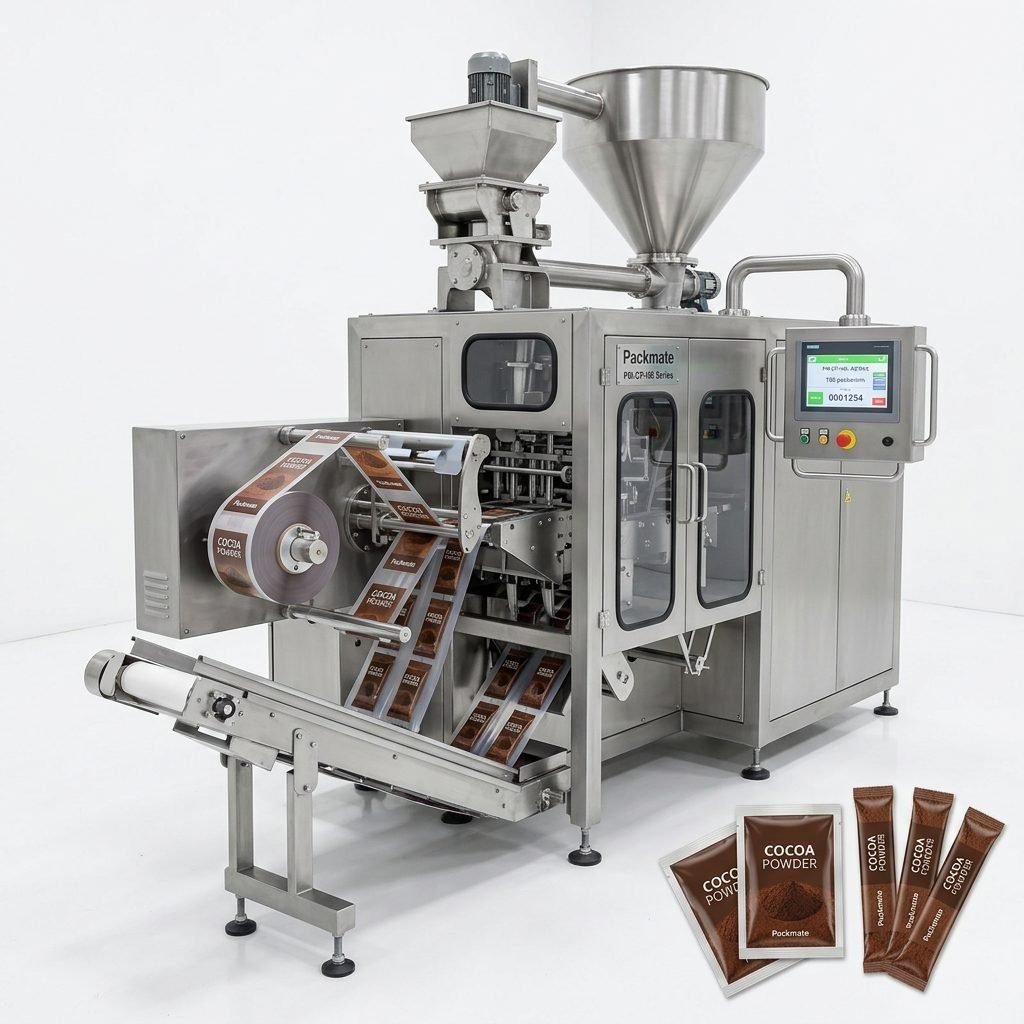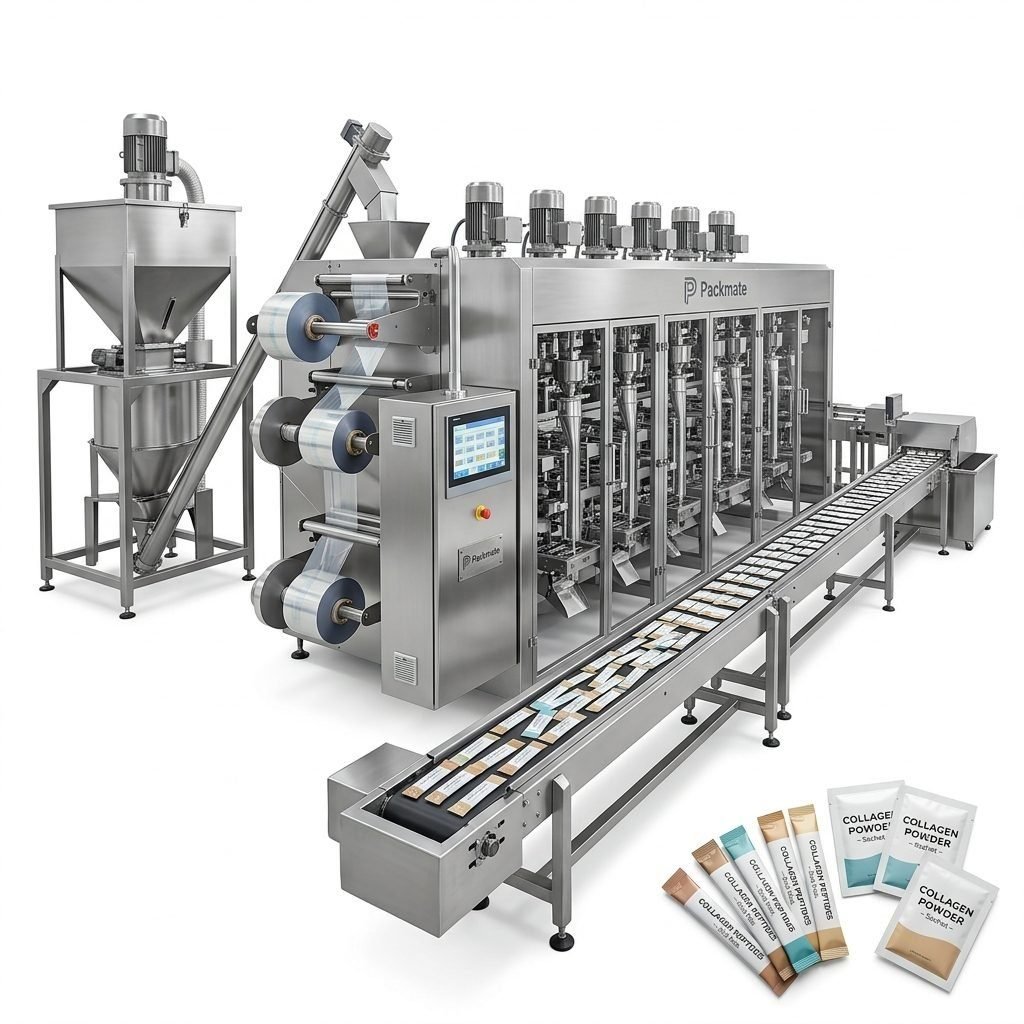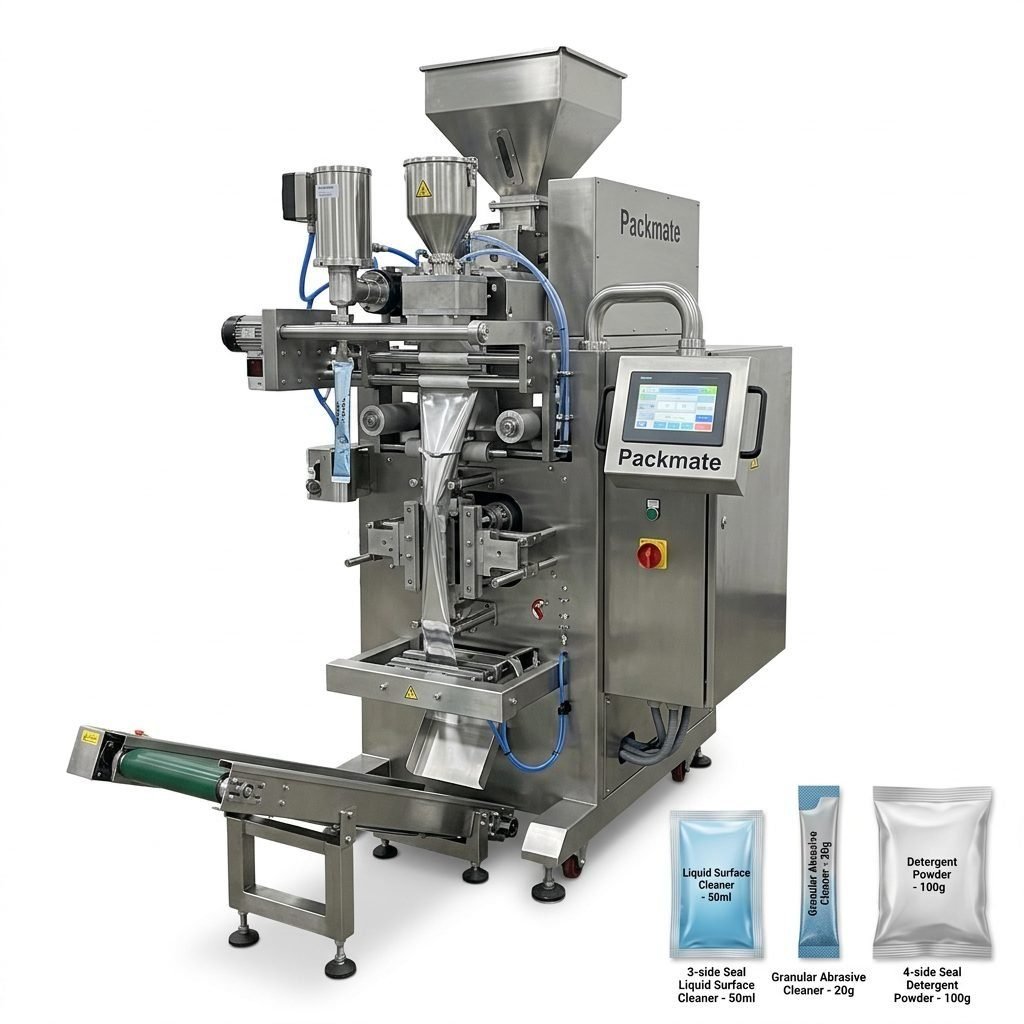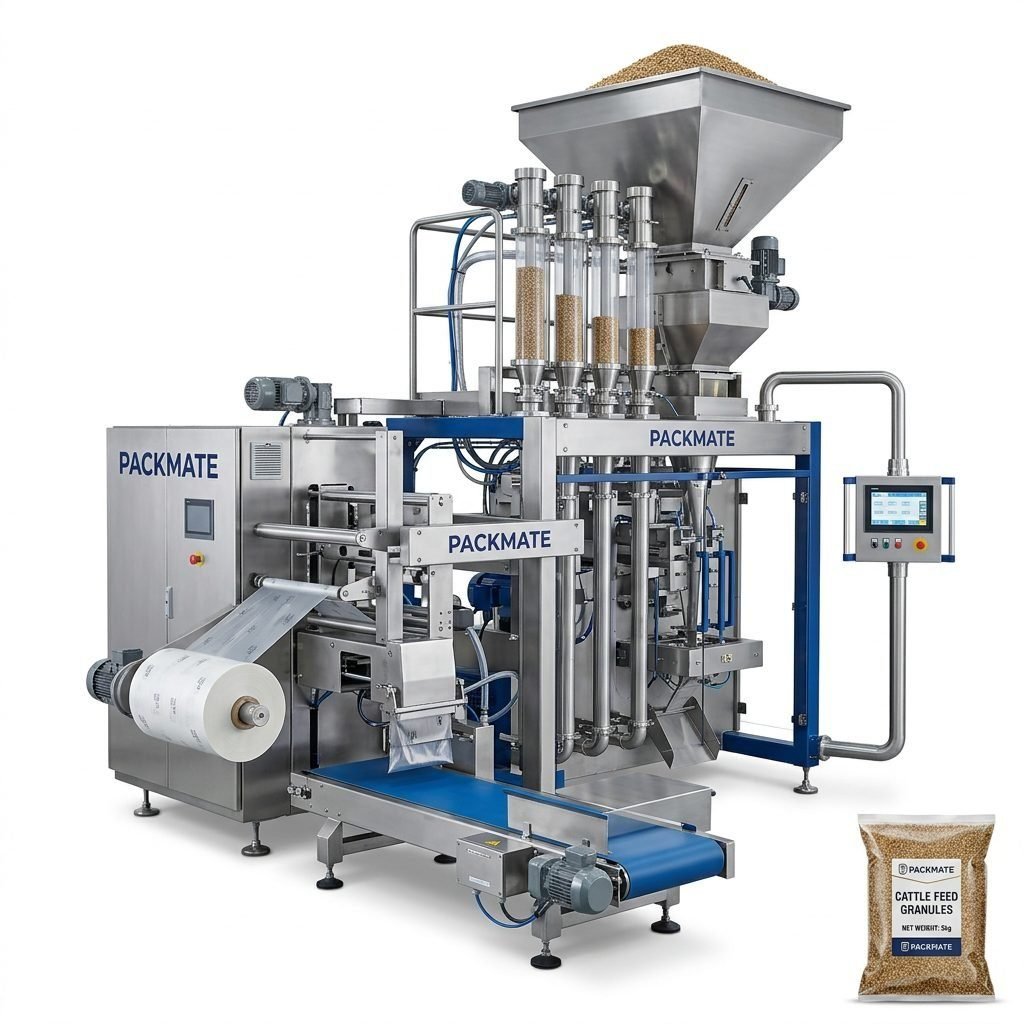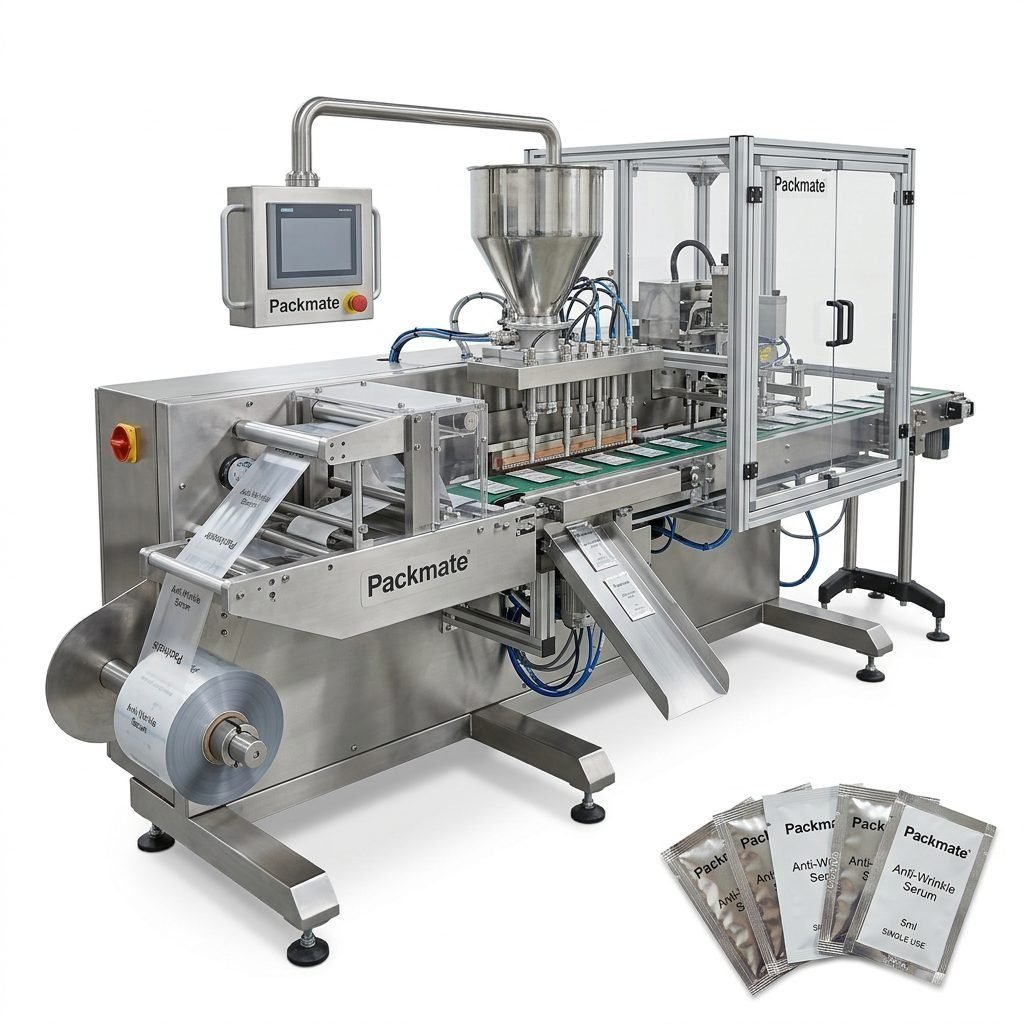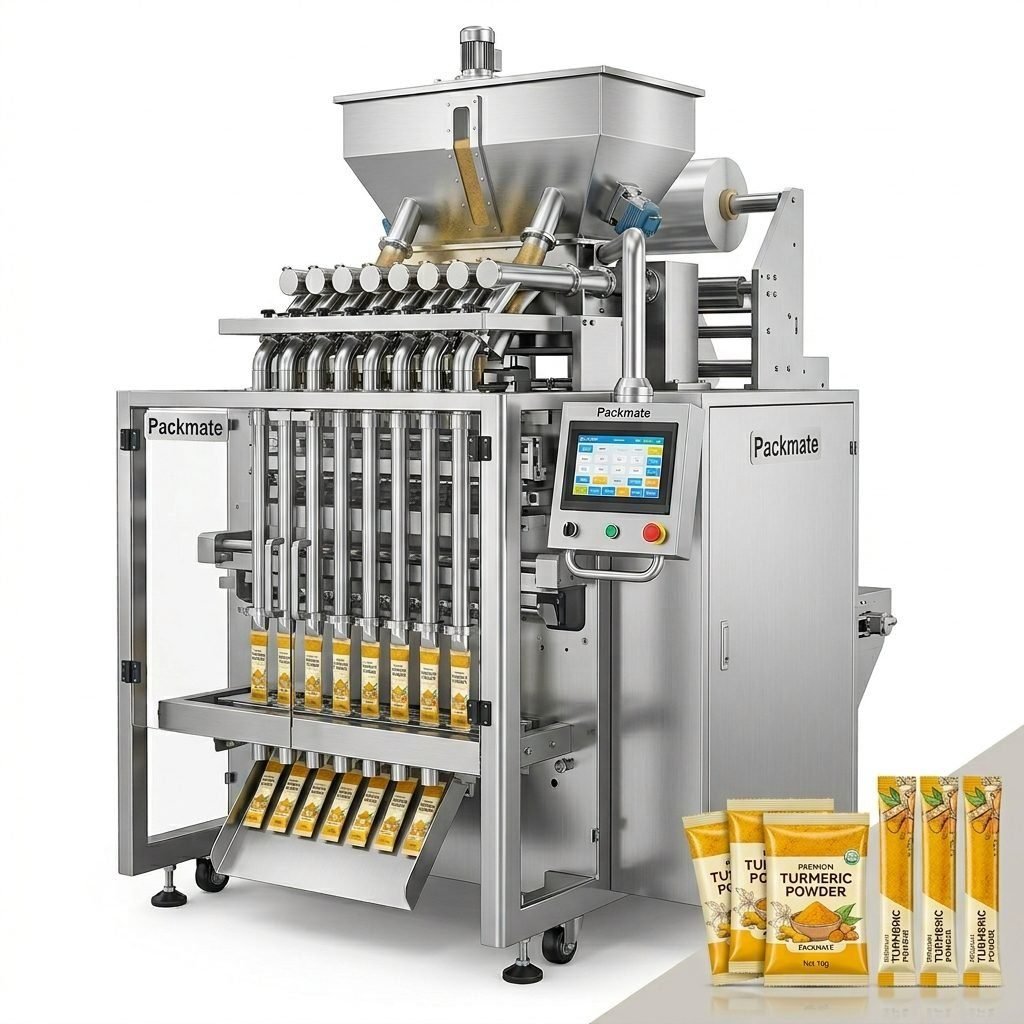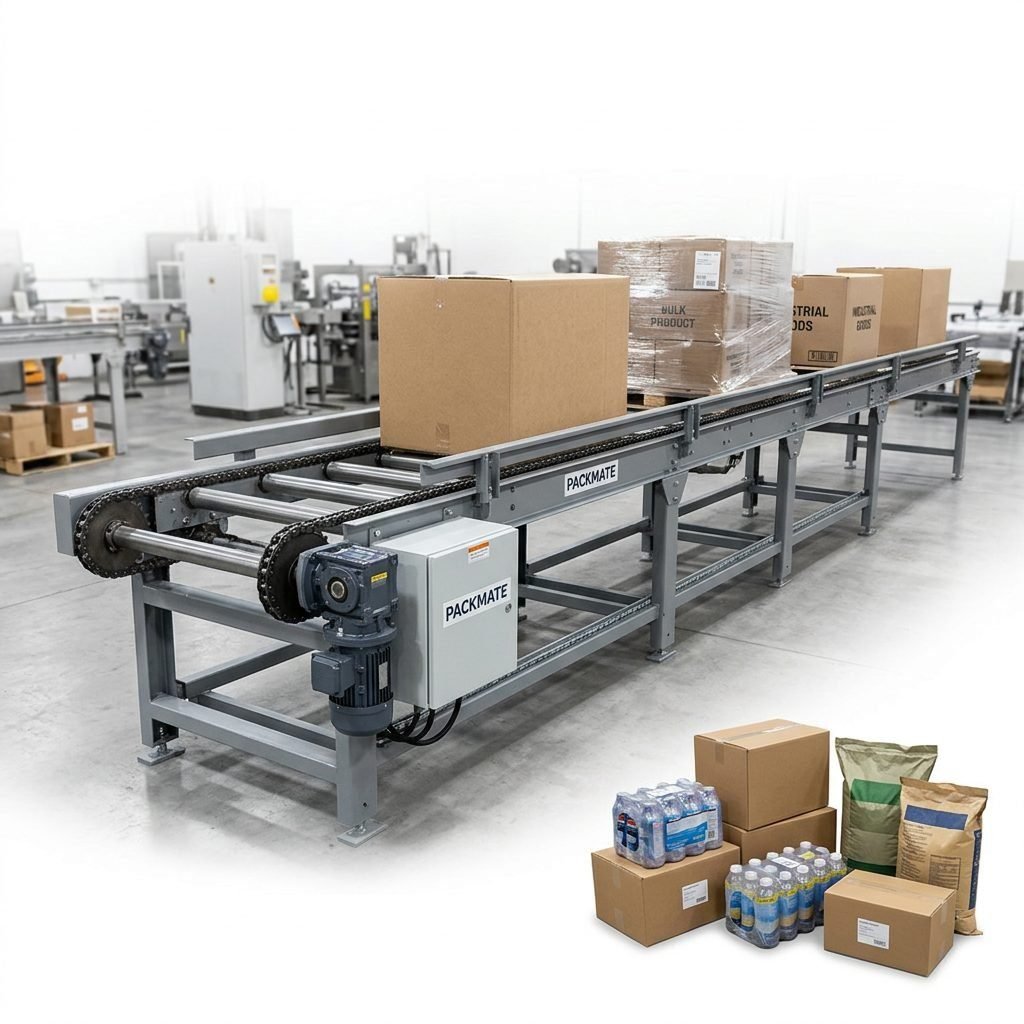
In the fast-paced world of industrial production, packaging is the final, critical step that ensures products reach consumers safely, efficiently, and attractively. The manufacturing processes behind packaging machines are a fascinating blend of precision engineering, material science, and automation technology. This expert guide delves into the core manufacturing processes that define the creation of reliable and innovative packaging machinery.
The Foundational Design and Engineering Phase
Every high-quality packaging machine begins with a robust design and engineering phase. This stage involves transforming a client’s packaging needs into detailed technical blueprints. Engineers consider the product type—be it granules, powders, or liquids—and define parameters like speed, accuracy, and bag style. Advanced CAD software is used to model every component, from the main frame to the smallest sensor. This digital prototyping allows for simulation and stress-testing before any metal is cut, ensuring the final machine will perform reliably under real-world conditions. The goal is to design a system that is not only functional but also easy to operate and maintain.
Material Selection and Sourcing
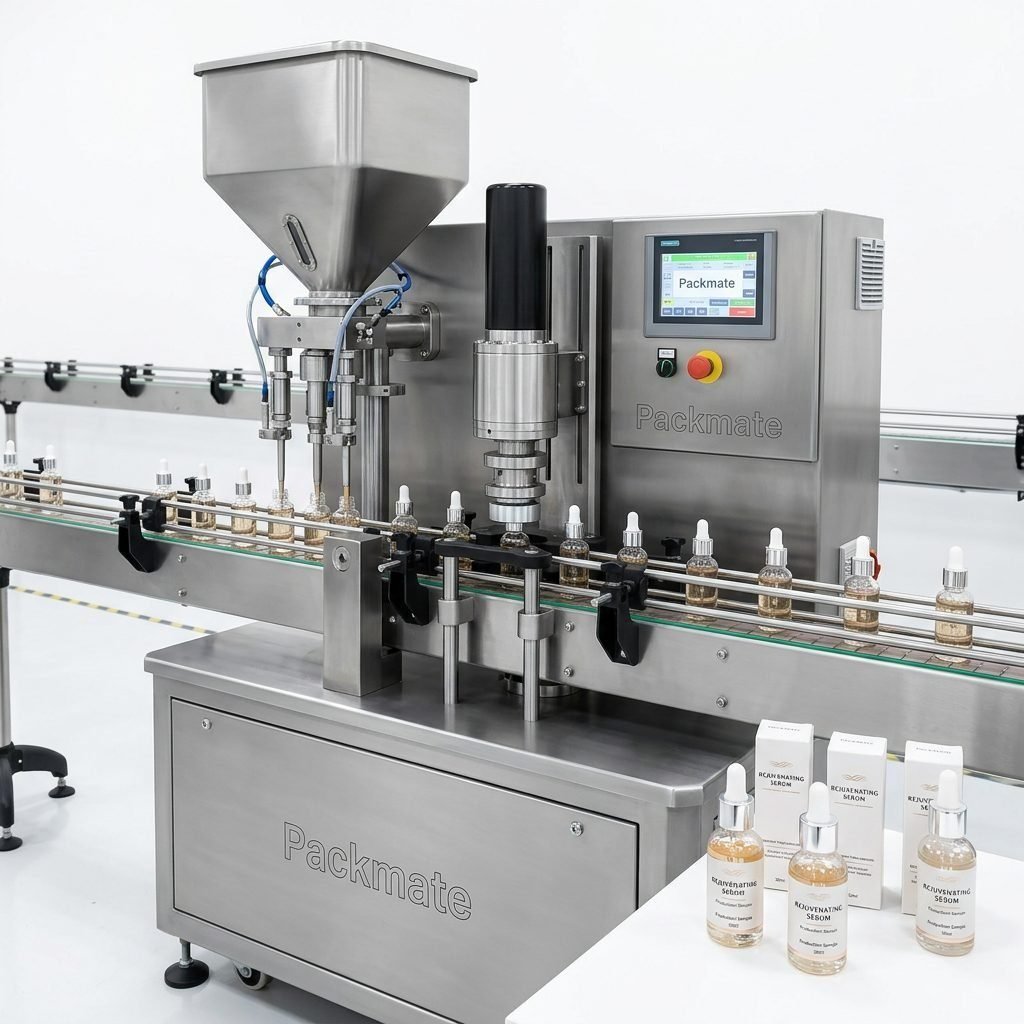
The longevity and hygiene of a packaging machine are directly tied to the materials used in its construction. Critical components that come into contact with products, such as hoppers, augers, and forming tubes, are typically fabricated from high-grade stainless steel (often 304 or 316 grade) for its corrosion resistance and ease of cleaning. Structural frames are made from heavy-duty steel for stability. The selection of seals, gaskets, and electrical components follows stringent standards to ensure they can withstand the operational environment, whether it’s a dusty food plant or a sterile pharmaceutical cleanroom.
Key Manufacturing Processes in Action
The transformation from raw materials to a finished machine involves several key processes:
- Precision Machining: CNC (Computer Numerical Control) machining centers are the workhorses of part production. They mill, turn, and drill metal blocks with micron-level accuracy to create custom parts like cams, shafts, and gearboxes.
- Laser Cutting and Welding: Laser cutters precisely shape sheet metal for panels and guards. Skilled welders then assemble the machine’s frame and structural components, ensuring strength and alignment.
- Surface Treatment: Parts undergo processes like passivation (for stainless steel) or powder coating to enhance durability, prevent rust, and meet hygiene standards.
Assembly: Bringing the Machine to Life
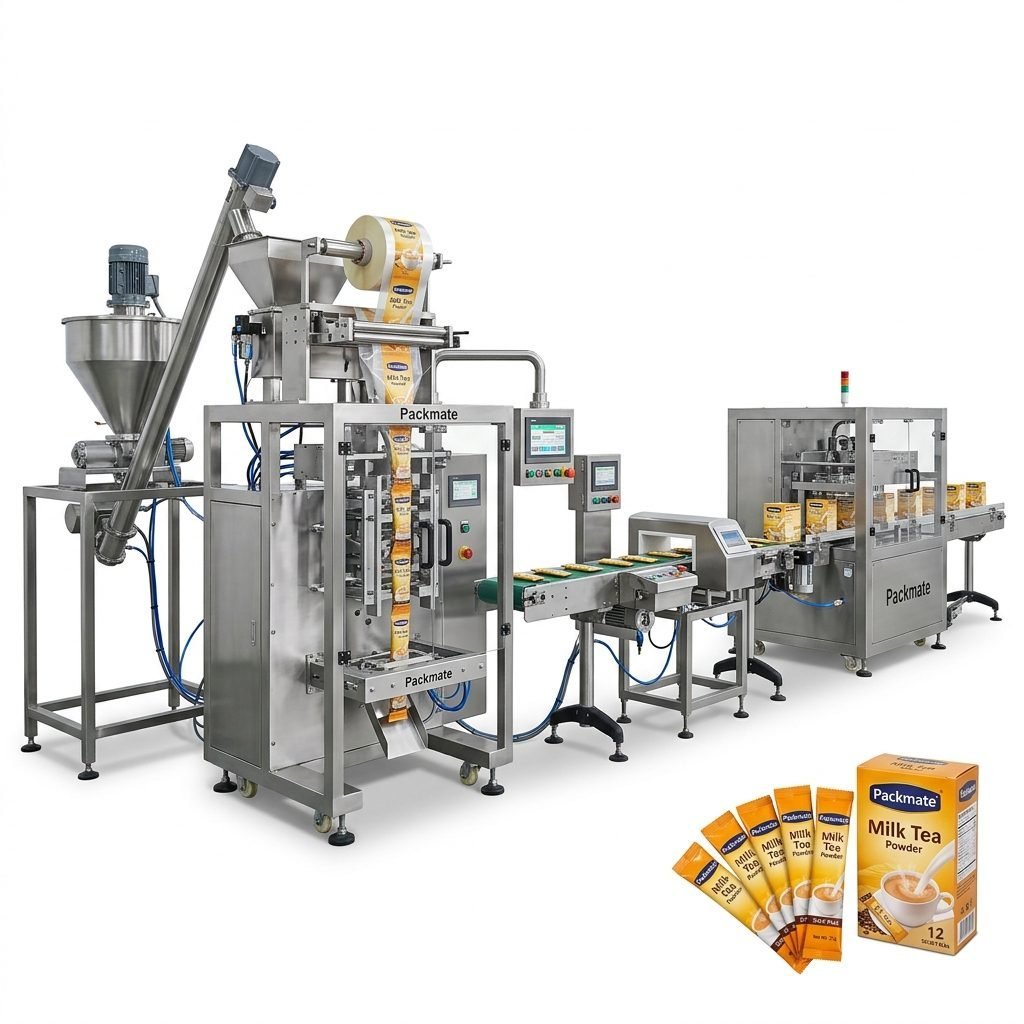
The assembly line is where the machine takes physical form. It’s a meticulously organized process where sub-assemblies—like the weighing system, film unwinding unit, and sealing jaws—are built separately and then integrated onto the main chassis. Pneumatic and servo drive systems are installed and plumbed. This stage requires a synergy of mechanical fitters, electricians, and software engineers working in tandem. Each assembled machine, such as a multi-lane stick pack machine, represents a complex integration of mechanical, electrical, and control systems.
Rigorous Testing and Quality Assurance
Before a machine leaves the factory, it must pass a battery of tests. This is arguably the most critical phase in the manufacturing process. Dry-running tests check for mechanical smoothness and noise levels. Material run tests use actual packaging film and product (often a test medium like rice or salt) to verify weighing accuracy, seal integrity, and production speed. Every parameter, from temperature control on the sealing jaws to the precision of the servo-driven film feed, is calibrated and validated. This commitment to testing is what separates reliable manufacturers from the rest, ensuring the machine will perform as promised at the customer’s site.
Leading manufacturers like Packmate Machinery invest heavily in their testing facilities. With over 30 years of expertise, they understand that a machine’s reliability is built on the factory floor through exhaustive quality checks, not just promised in a brochure.
Software Integration and Human-Machine Interface (HMI)
Modern packaging machines are intelligent. The manufacturing process includes loading and configuring the PLC (Programmable Logic Controller) and HMI software. This software is the machine’s brain, controlling every sequence of operation. Engineers program recipes for different products, set up diagnostic alarms, and create user-friendly touchscreen interfaces. The final step often involves a Factory Acceptance Test (FAT), where the customer may witness the machine in operation before shipment, confirming it meets all agreed-upon specifications.
Final Preparation and Global Logistics
Once approved, the machine is prepared for shipment. This involves disassembly (if necessary for large lines), careful crating, and waterproofing. Comprehensive documentation, including manuals, electrical diagrams, and spare parts lists, is prepared. For international clients, manufacturers must navigate export regulations and logistics to ensure the machine arrives safely and ready for installation. Providing a complete turnkey packaging solution often extends beyond the machine itself, encompassing installation support, training, and after-sales service.
Frequently Asked Questions (FAQs)
What is the most critical factor in packaging machine manufacturing?
The most critical factor is precision and quality control at every stage. From the accuracy of machined parts to the rigor of final testing, consistency in manufacturing determines the machine’s reliability, speed, and longevity in a production environment.
How long does it typically take to manufacture a custom packaging line?
Lead times vary significantly based on complexity. A standard machine might take 8-12 weeks, while a fully custom, integrated filling and packaging line can require 4-6 months or more from design to factory acceptance.
What materials are best for machines packaging food or pharmaceuticals?
For food and pharmaceutical applications, 304 or 316L stainless steel is essential for all product-contact surfaces due to its excellent corrosion resistance, non-reactivity, and ease of sanitization, helping meet strict hygiene standards like GMP.
Can one machine handle different types of products and pouch sizes?
Many modern machines are designed with changeover flexibility. By using quick-change parts (like forming tubes and sealing jaws) and storing multiple recipes in the HMI, operators can switch between different products and pouch sizes with minimal downtime.
What should I look for in a packaging machine manufacturer?
Look for a manufacturer with a proven track record, in-house engineering and manufacturing capabilities (like a 20,000㎡ facility), a portfolio of successful case studies, and a strong commitment to after-sales service and technical support.