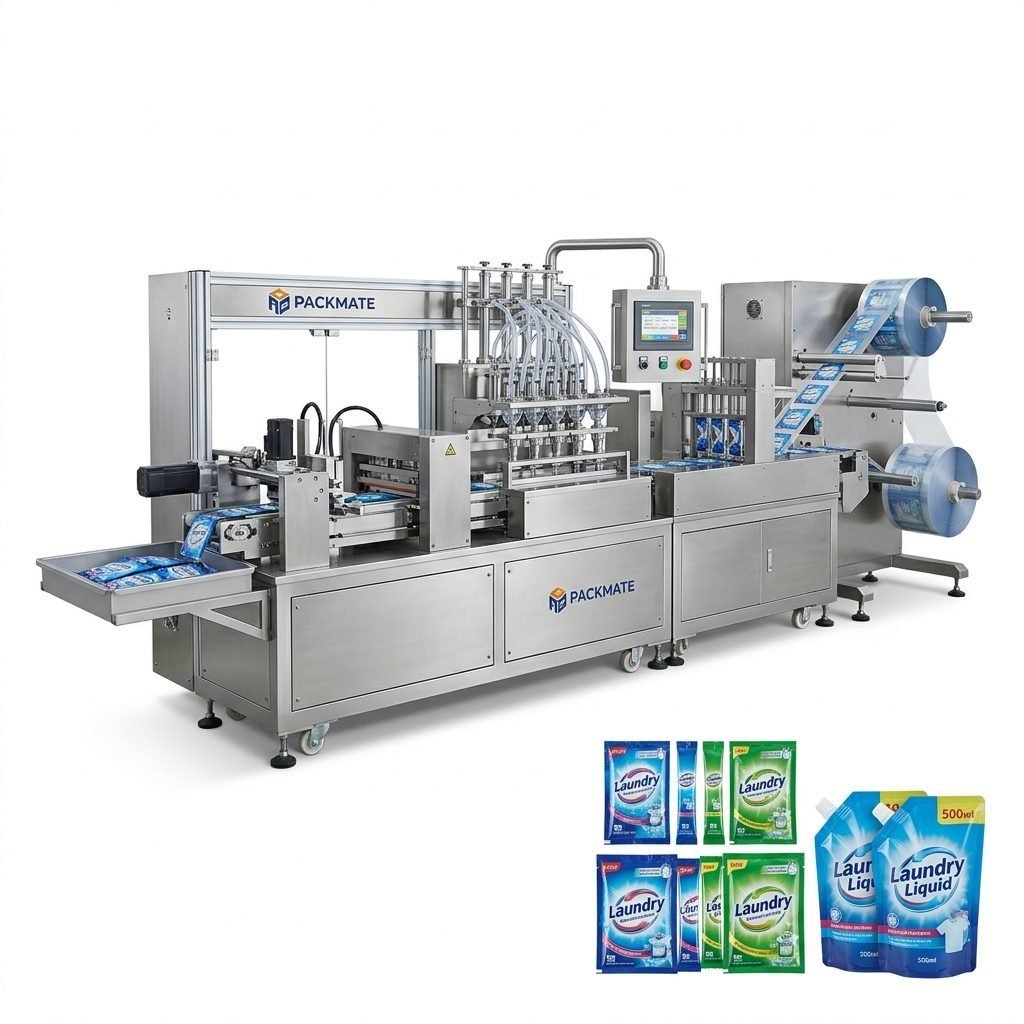
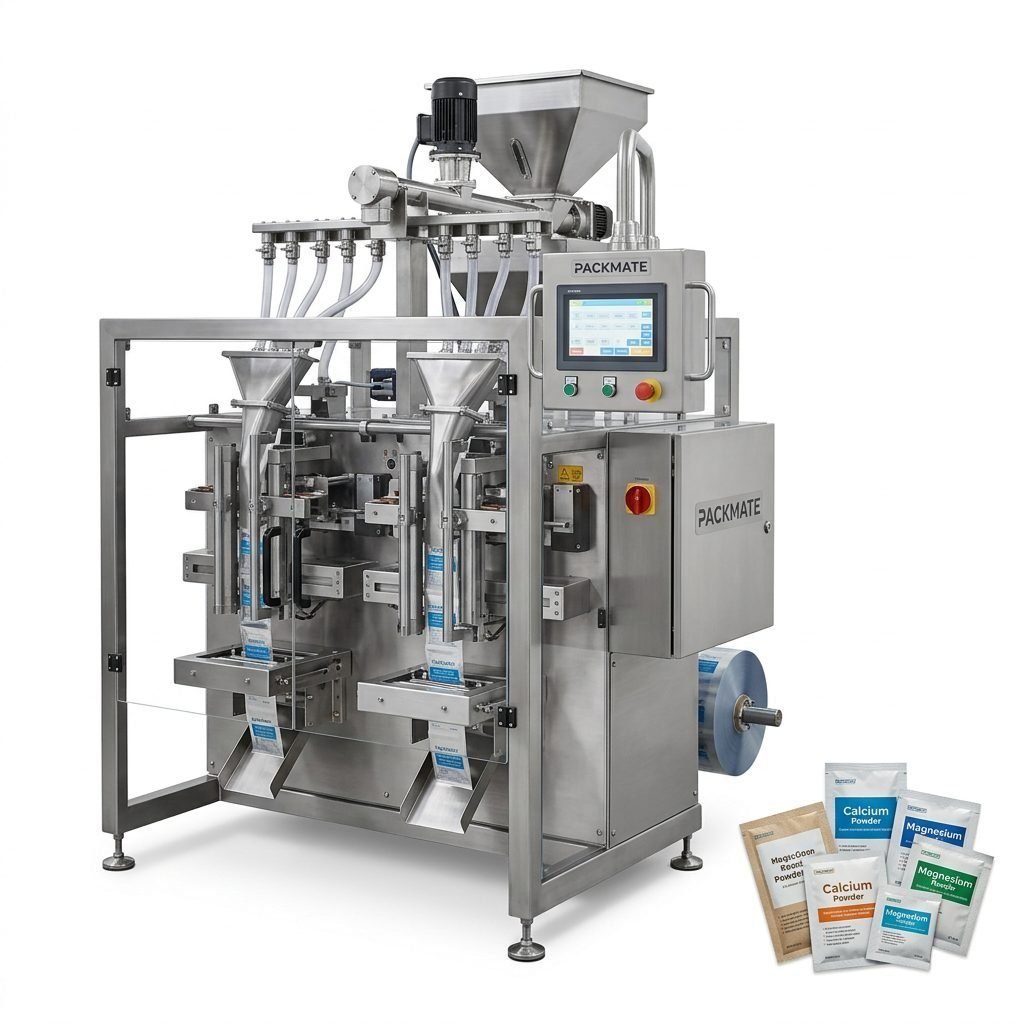
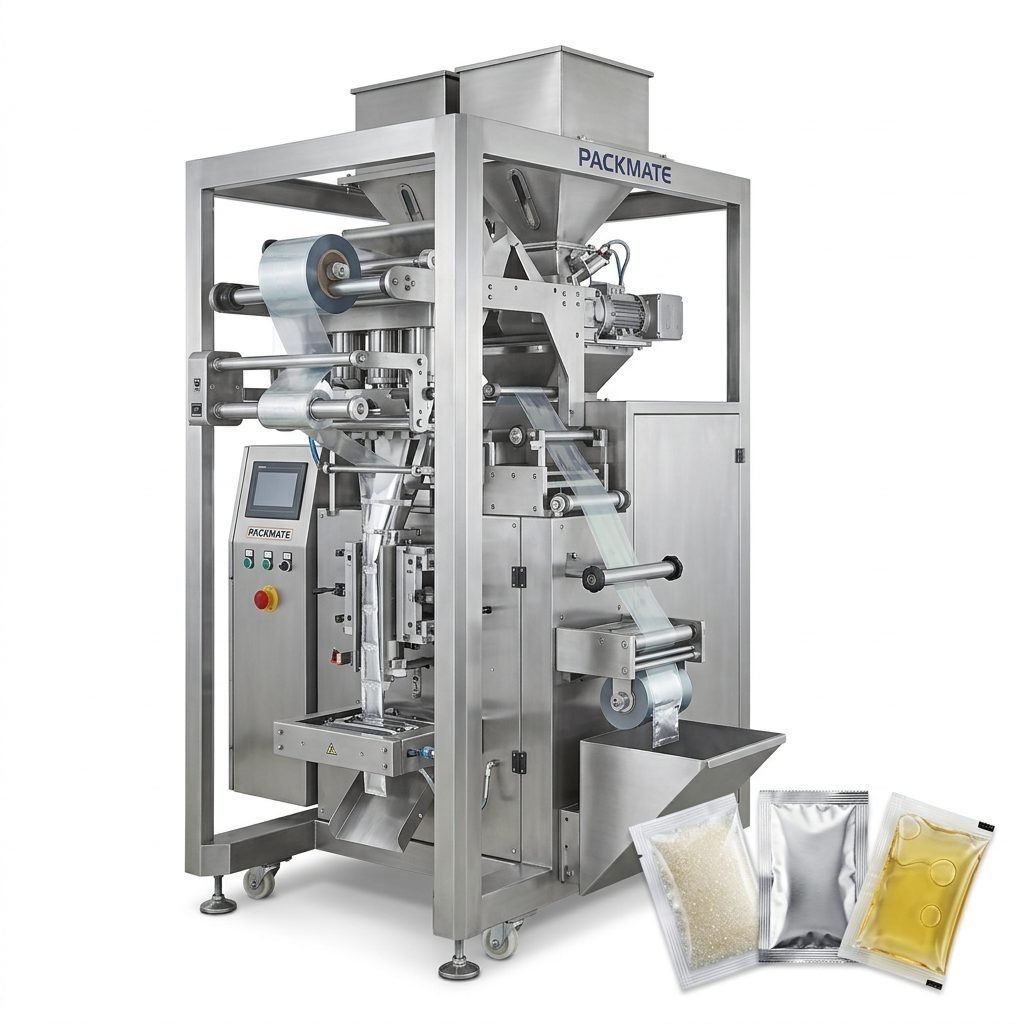
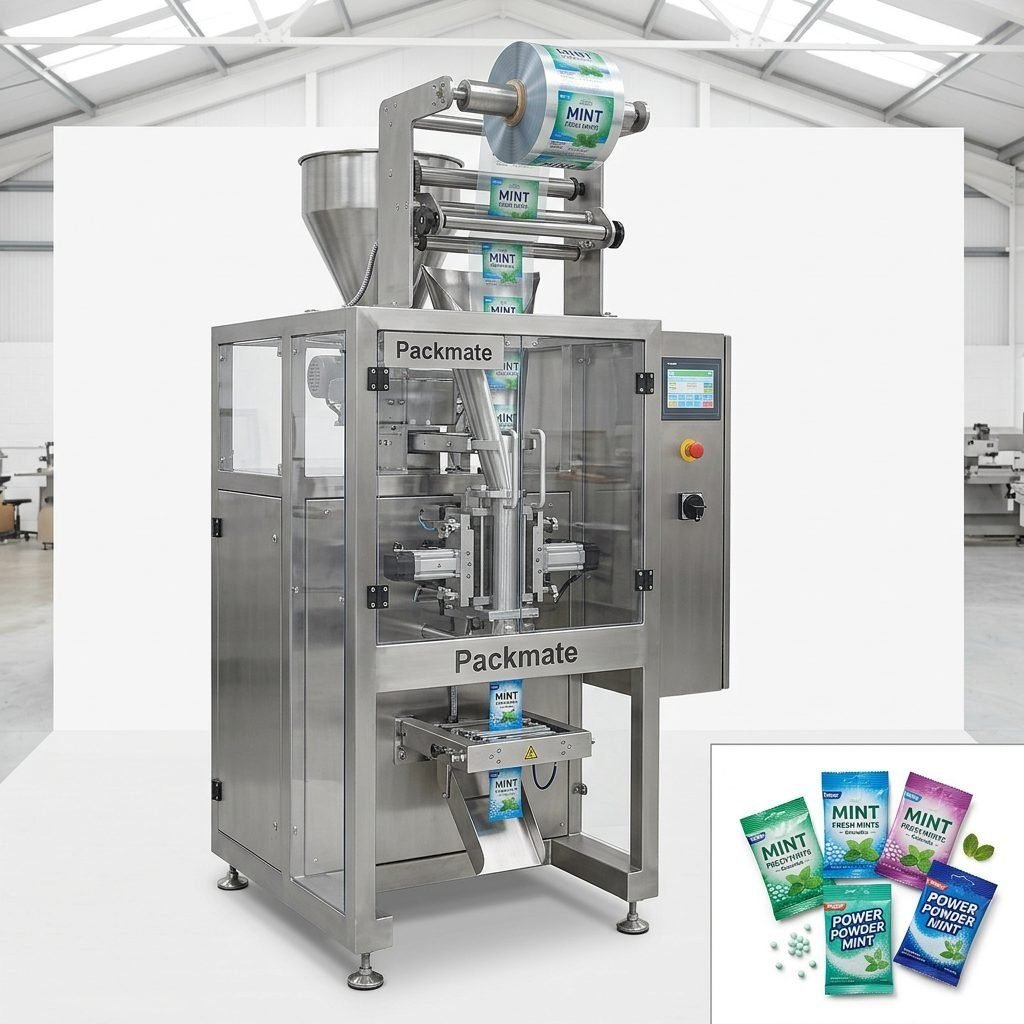
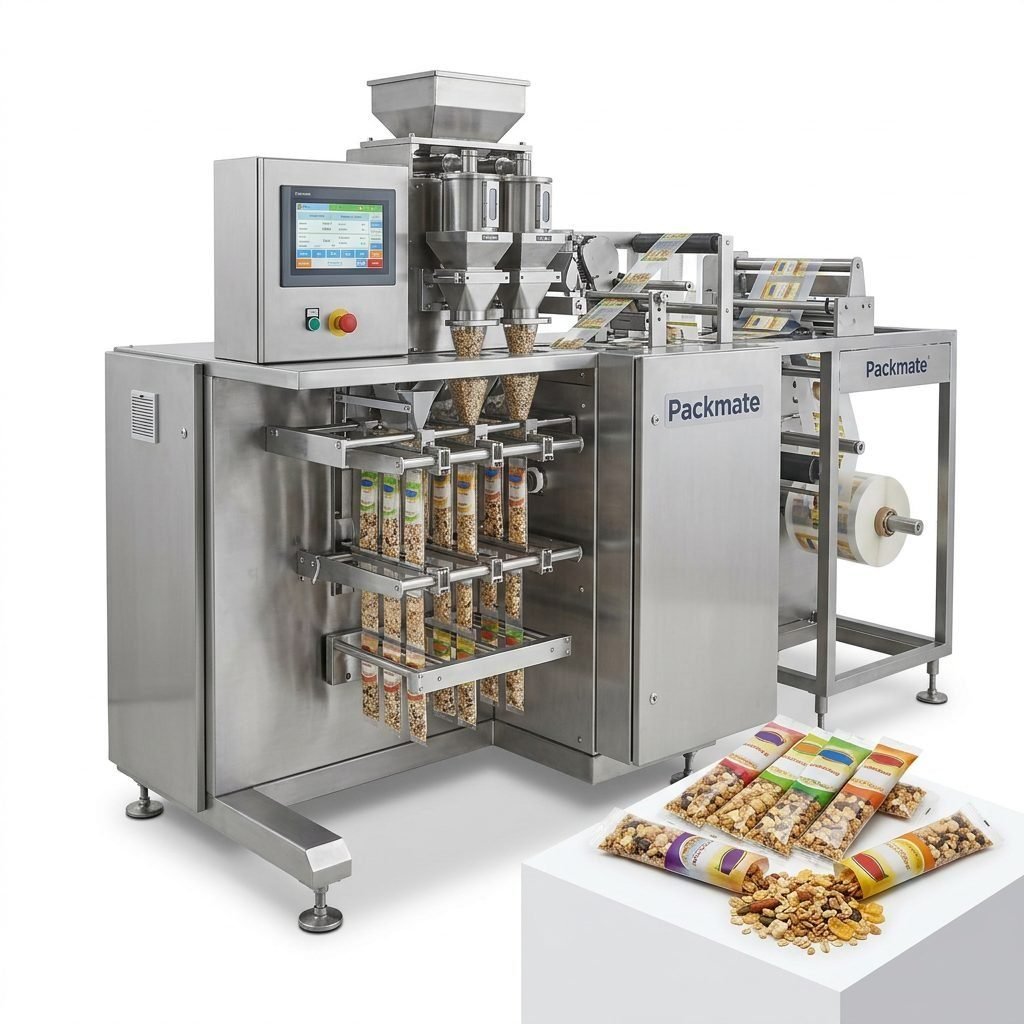
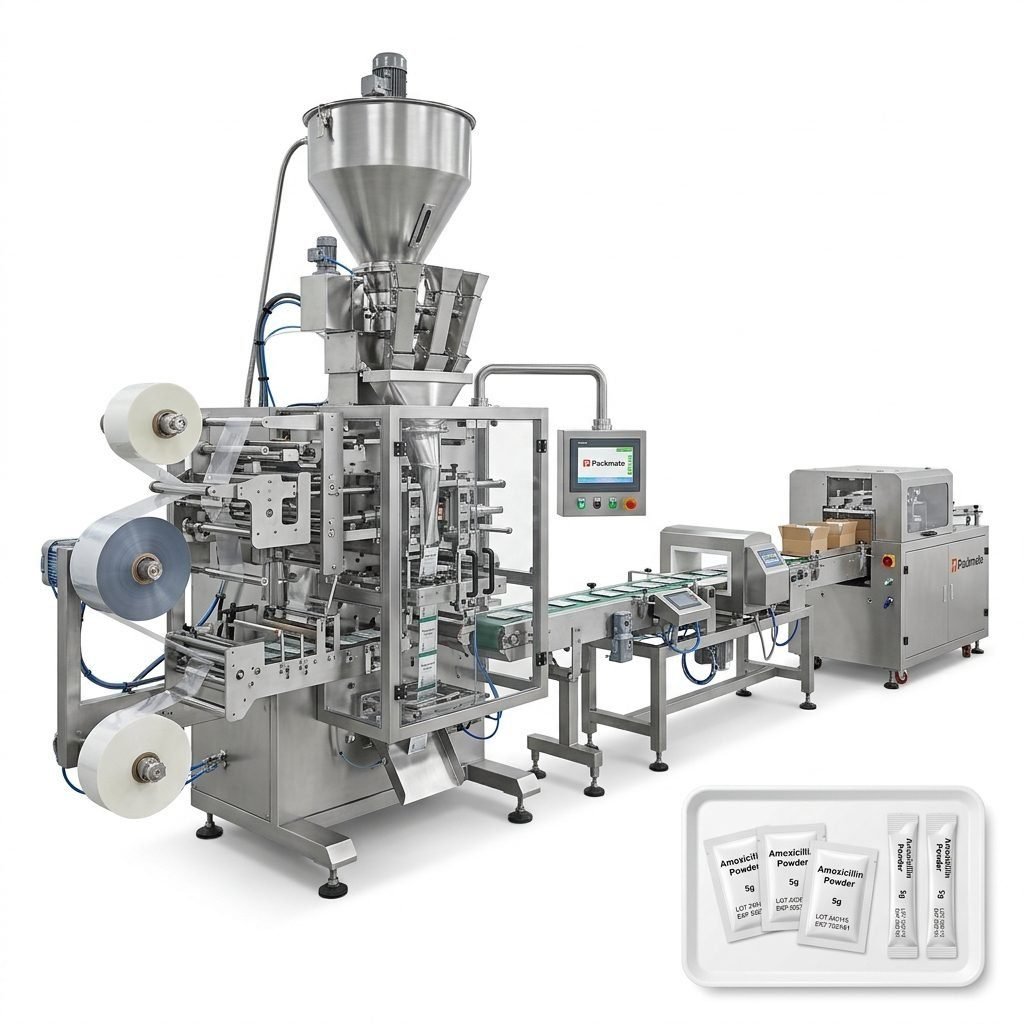
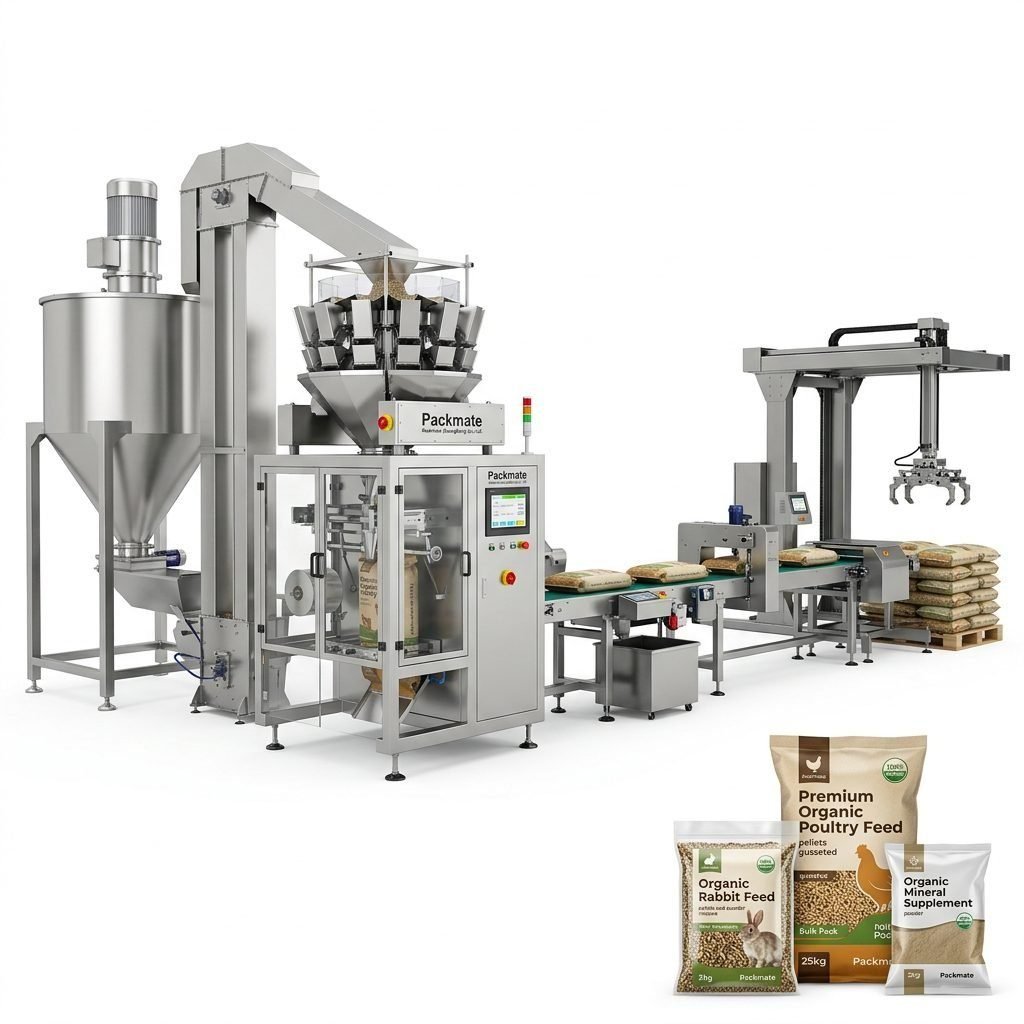
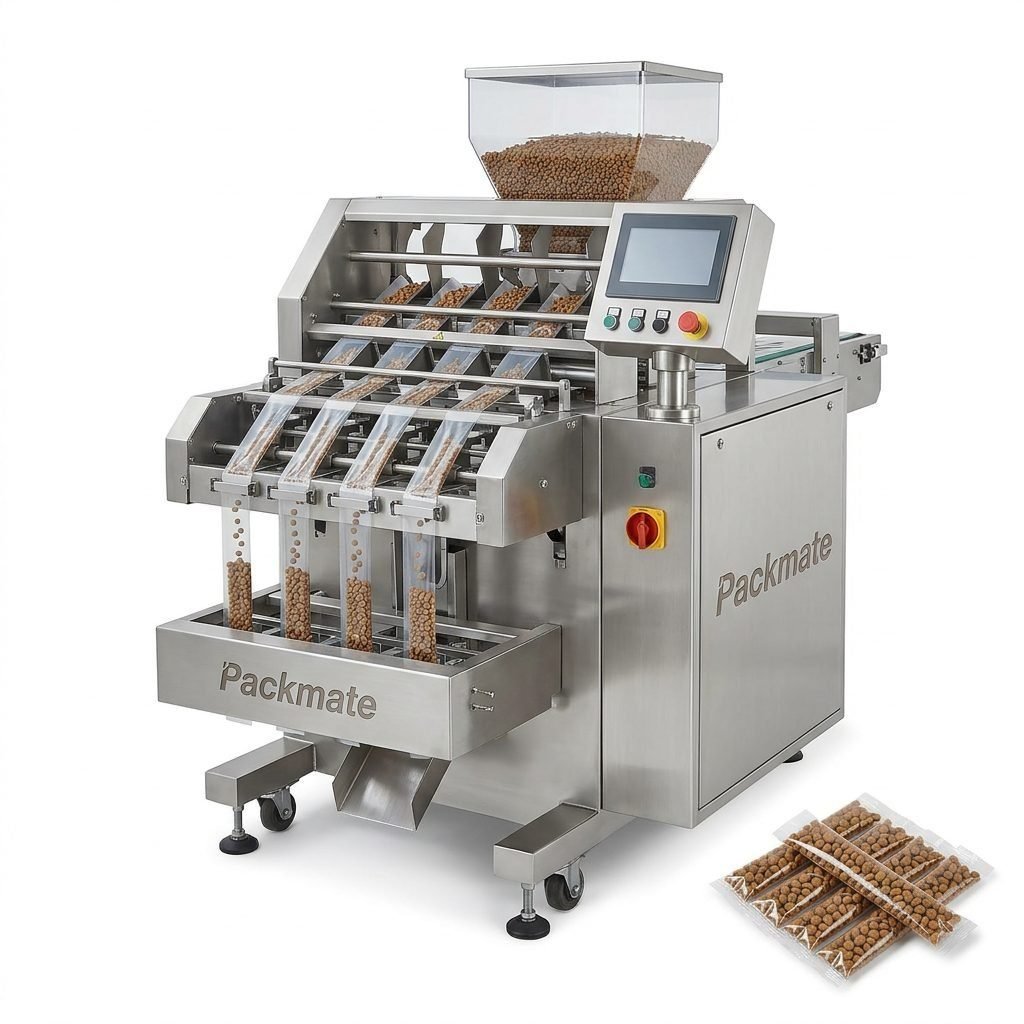
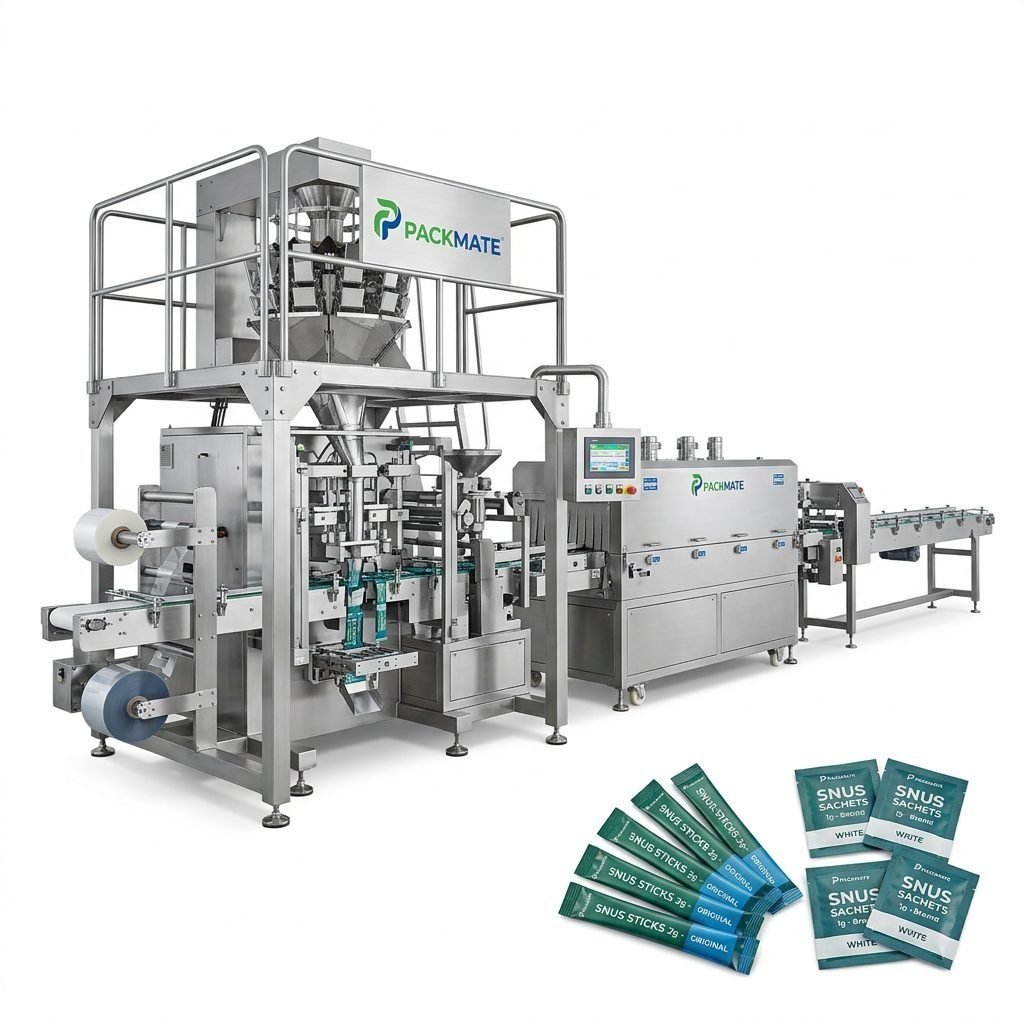
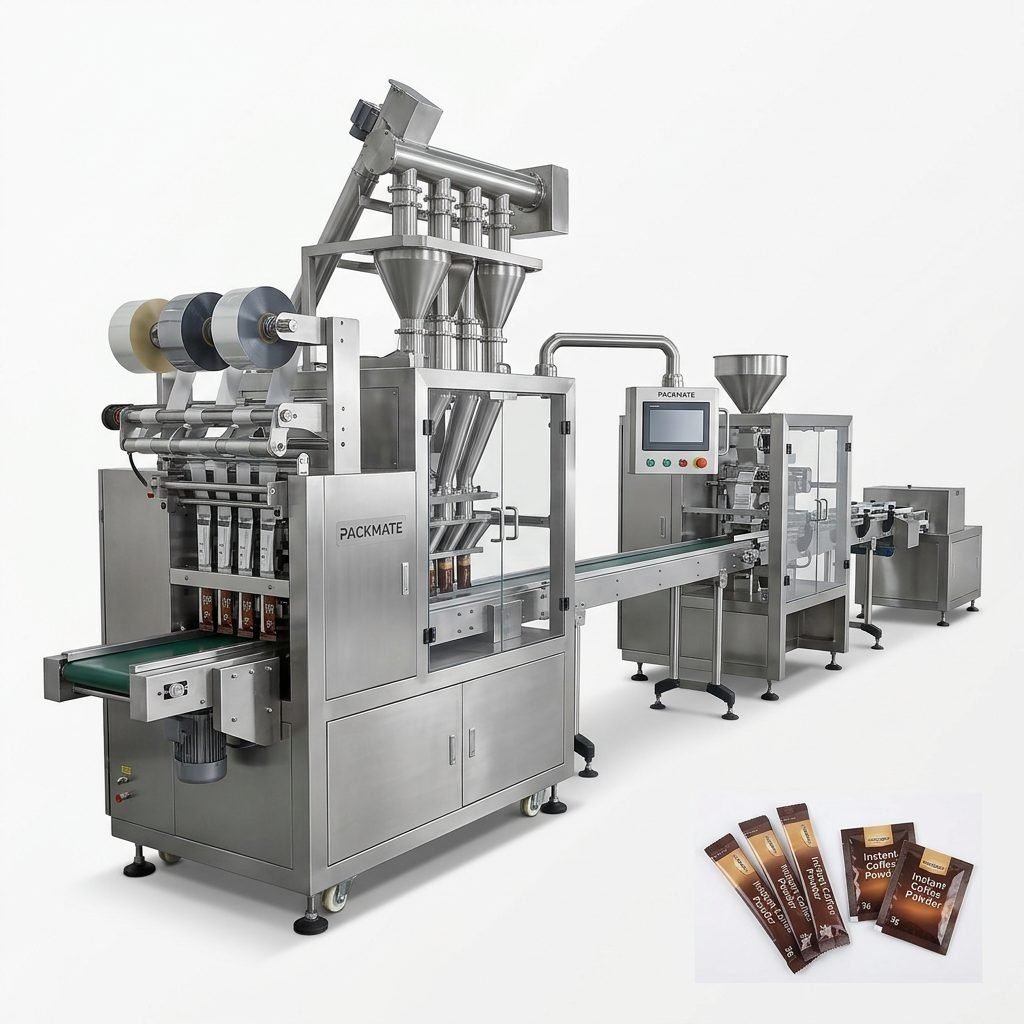
In today’s fast-paced manufacturing landscape, the pursuit of efficiency, consistency, and cost-effectiveness is relentless. Fully automatic packaging machinery stands at the forefront of this industrial evolution, offering transformative solutions that redefine production lines. These sophisticated systems are no longer a luxury but a necessity for businesses aiming to scale, maintain stringent quality standards, and meet the ever-growing demands of the global market. From food and pharmaceuticals to health products, the automation of packaging processes delivers a compelling array of benefits that directly impact the bottom line.
What is Fully Automatic Packaging Machinery?
Fully automatic packaging machinery represents the pinnacle of packaging automation. Unlike semi-automatic systems that require manual intervention for certain steps, a fully automatic line integrates all processes—from feeding and weighing to filling, sealing, coding, and final product handling—into a seamless, computer-controlled operation. Once initiated, the machine performs its entire cycle without the need for an operator, functioning as a self-contained, intelligent production unit. This high level of integration is crucial for high-volume output and achieving true lights-out manufacturing capabilities.
Core Components of a Modern System
A typical fully automatic packaging line is a symphony of coordinated components. It often begins with a product feeding system (like a vibratory feeder or conveyor) that supplies raw materials. This feeds into a precision weighing or volumetric filling system, the heart of accuracy. The product is then deposited into pre-formed pouches, sachets, or stick packs from a high-speed bag-making machine. Subsequent stations handle sealing, date coding, check-weighing, and vision inspection before final collation and casing. Each component is synchronized via a central Programmable Logic Controller (PLC), ensuring flawless operation.
Key Benefits of Adopting Fully Automatic Solutions
The decision to upgrade to fully automatic packaging machinery is driven by tangible, multifaceted advantages that address core business challenges.
1. Unmatched Production Efficiency & Speed
This is the most immediate and impactful benefit. Automatic machines operate continuously at high speeds, dramatically increasing output per shift. For instance, modern multi-lane stick pack machines can produce hundreds of units per minute, a rate impossible to achieve manually. This allows businesses to fulfill large orders quickly, reduce lead times, and respond more agilely to market fluctuations.
2. Superior Consistency and Product Quality
Human involvement inevitably introduces variability. Automatic systems eliminate this, ensuring every single package has the exact same weight, fill volume, seal integrity, and appearance. Integrated check-weighers and vision systems act as 24/7 quality inspectors, rejecting any sub-standard packets. This consistency protects your brand reputation, reduces waste from giveaway, and ensures compliance with strict industry regulations, especially critical in the pharmaceutical and food sectors.
3. Significant Reduction in Labor Costs and Dependency
By automating the entire packaging process, one machine can often replace several manual or semi-automatic stations. This leads to a substantial reduction in direct labor costs and associated overheads (training, benefits, management). More importantly, it mitigates risks related to labor shortages, human error, and workplace injuries, providing greater operational stability and predictability.
4. Enhanced Operational Safety and Hygiene
Fully enclosed automatic systems minimize direct contact between operators and the product. This is a paramount concern in food and pharmaceutical packaging, where contamination must be prevented. The machinery itself is built with advanced safety features like interlocks, guards, and emergency stops, creating a safer work environment. Reduced manual handling also lowers the risk of repetitive strain injuries among staff.
5. Improved Material Utilization and Sustainability
Precision control extends to the use of packaging film. Advanced servo-driven film feeding mechanisms optimize material usage, minimizing trim waste. Accurate filling reduces product giveaway. Together, these efficiencies lower material costs and contribute to more sustainable operations by reducing overall waste generation, aligning with growing consumer and regulatory pressure for eco-friendly practices.
Choosing the Right Partner for Your Packaging Line
Investing in a fully automatic system is a significant commitment. The choice of manufacturer is as critical as the technology itself. A partner with deep industry experience, like Packmate Machinery, brings invaluable expertise to the table. With over 30 years in designing and building intelligent packaging equipment, such a partner understands that a successful installation goes beyond selling a machine—it involves providing a complete, reliable turnkey solution.
This includes comprehensive pre-sales consultation to understand your specific product (be it granules, powders, or liquids), production goals, and facility constraints. It encompasses the design and integration of the entire line, rigorous factory testing before shipment, professional installation, and thorough operator training. Most crucially, it requires robust after-sales support with readily available spare parts and technical service to ensure maximum uptime over the machine’s lifespan. Exploring a manufacturer’s project portfolio can offer concrete evidence of their capability to deliver complex solutions.
Conclusion: A Strategic Investment for Future Growth
The transition to fully automatic packaging machinery is a strategic leap forward. It is an investment that pays dividends not just in immediate cost savings and output increases, but in building a foundation for scalable, resilient, and high-quality manufacturing. The benefits of unparalleled speed, flawless consistency, labor savings, enhanced safety, and material efficiency collectively create a powerful competitive advantage. In an era where efficiency and quality are non-negotiable, automating your packaging process with reliable, advanced machinery from a trusted partner is the definitive step toward securing and expanding your market position.
Frequently Asked Questions (FAQs)
What is the typical ROI (Return on Investment) period for a fully automatic packaging machine?
The payback period varies based on production volume, labor costs replaced, and material savings. For high-volume operations, many businesses see a full ROI within 12 to 24 months through dramatic increases in output and reductions in operational costs. A detailed cost-benefit analysis with your machine supplier can provide a precise projection.
Can fully automatic machines handle frequent product changeovers?
Yes, modern machines are designed for flexibility. Machines with servo-driven technology and recipe memory functions allow for quick changeovers. By storing settings for different package sizes or products, operators can switch production with minimal downtime, often in just a few minutes, making them suitable for batch production of multiple SKUs.
How complex is the maintenance for such equipment?
While highly technical, maintenance is structured and manageable. Reputable manufacturers provide comprehensive manuals, training, and clear maintenance schedules. Daily tasks are simple (cleaning, lubrication), while periodic checks are planned. Choosing a supplier with strong technical support and readily available spare parts and service is key to ensuring long-term reliability and easy maintenance.
Are these systems suitable for small and medium-sized enterprises (SMEs)?
Absolutely. The market offers a range of solutions scalable to different outputs and budgets. While a large, multi-lane line is for high volume, there are compact, modular fully automatic machines perfect for SMEs looking to automate their core packaging process, improve quality, and grow capacity without a massive footprint or investment.
What kind of training is provided for our operators?
Professional suppliers typically include on-site installation and training as part of the package. Training covers machine operation, basic troubleshooting, routine maintenance, and safety procedures. This ensures your team is confident and competent in running the new system efficiently from day one.