The world of plastic packaging machines is vast and dynamic, offering a multitude of solutions for businesses across industries. Selecting the right equipment is not just a purchase; it’s a strategic investment in efficiency, product integrity, and brand presentation. This comprehensive guide will navigate you through the essential types of machines, their key features, and critical factors to consider, empowering you to make an informed decision for your packaging line.
Understanding the Core Types of Plastic Packaging Machines
Plastic packaging machines are specialized by their function and the final package form. Understanding these categories is the first step toward identifying your needs.
Vertical Form-Fill-Seal (VFFS) Machines
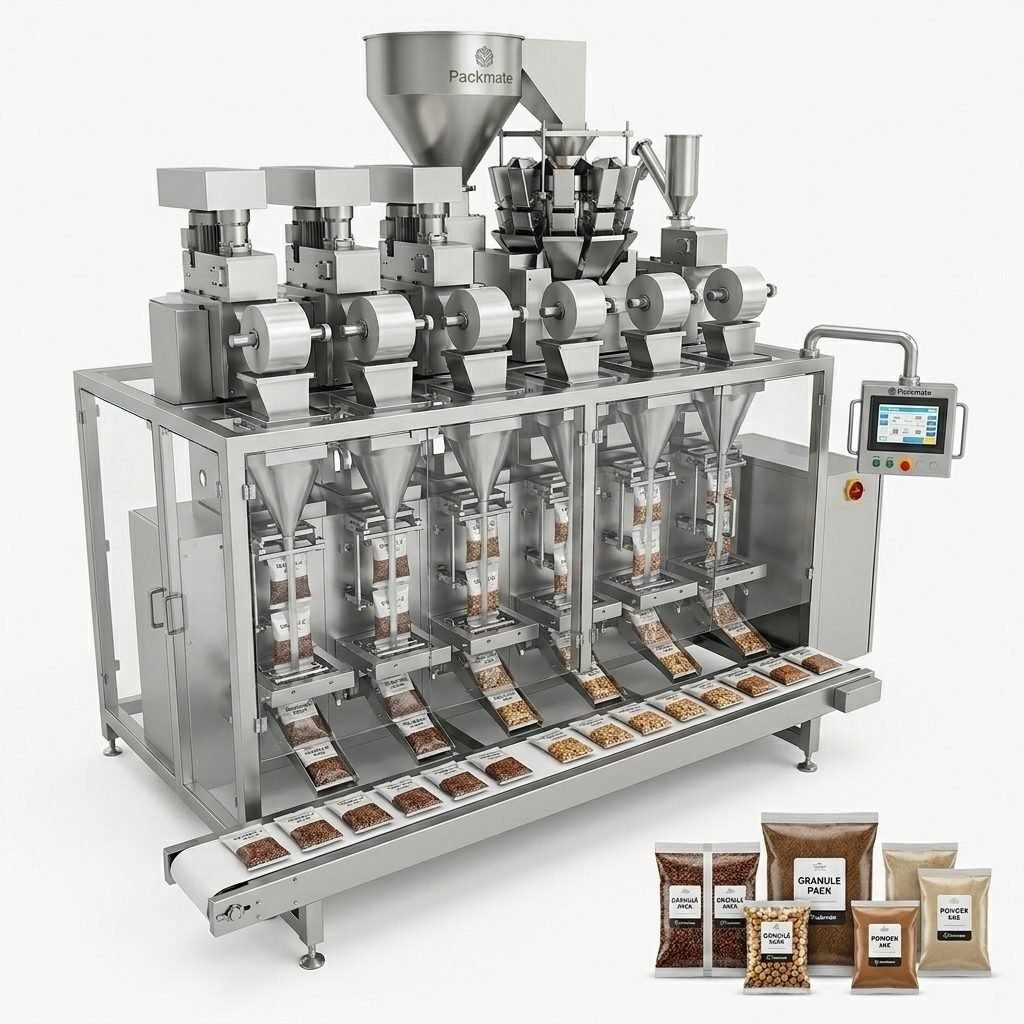
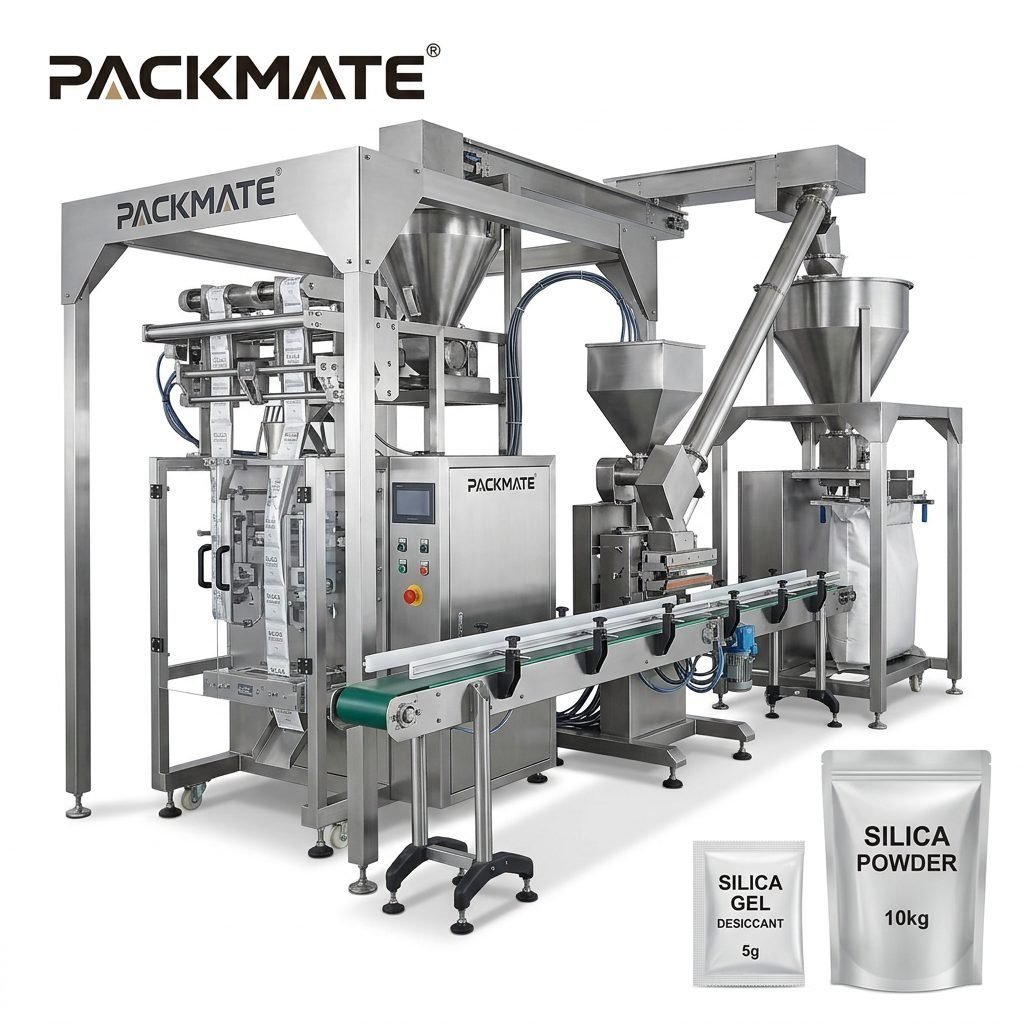
These are the workhorses of the industry, ideal for packaging granules, powders, snacks, and liquids. They form a plastic film roll into a bag, fill it with product, and seal it—all in a continuous vertical motion. VFFS machines are prized for their high speed and versatility in producing various bag styles like pillow bags, gusseted bags, or block-bottom bags.
Horizontal Form-Fill-Seal (HFFS) Machines
Perfect for products that require a more rigid structure or precise placement, such as medical devices, hardware items, or confectionery. The film is formed horizontally around the product, creating a secure, often thermoformed cavity before sealing with a lidding material. This type excels in creating blister packs, clamshells, and tray-style packaging.
Sachet and Stick Pack Machines
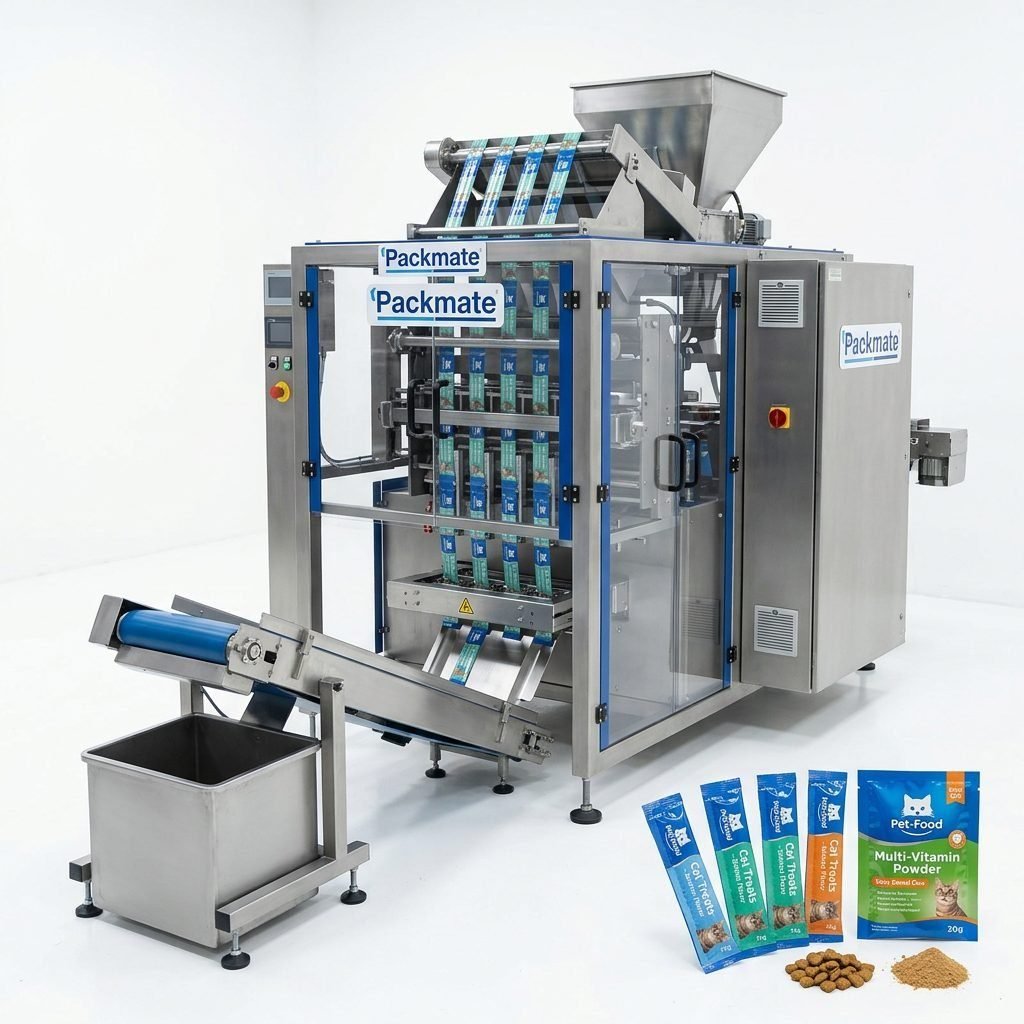
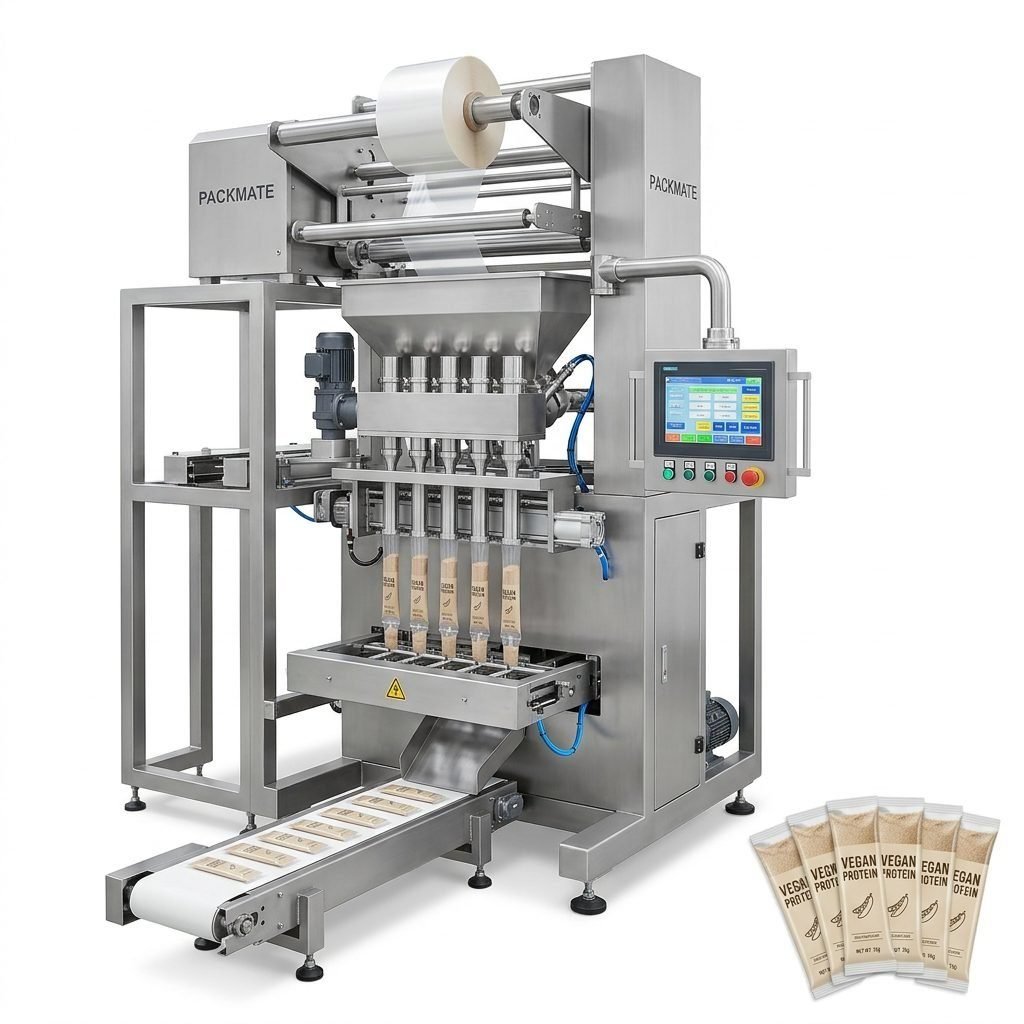
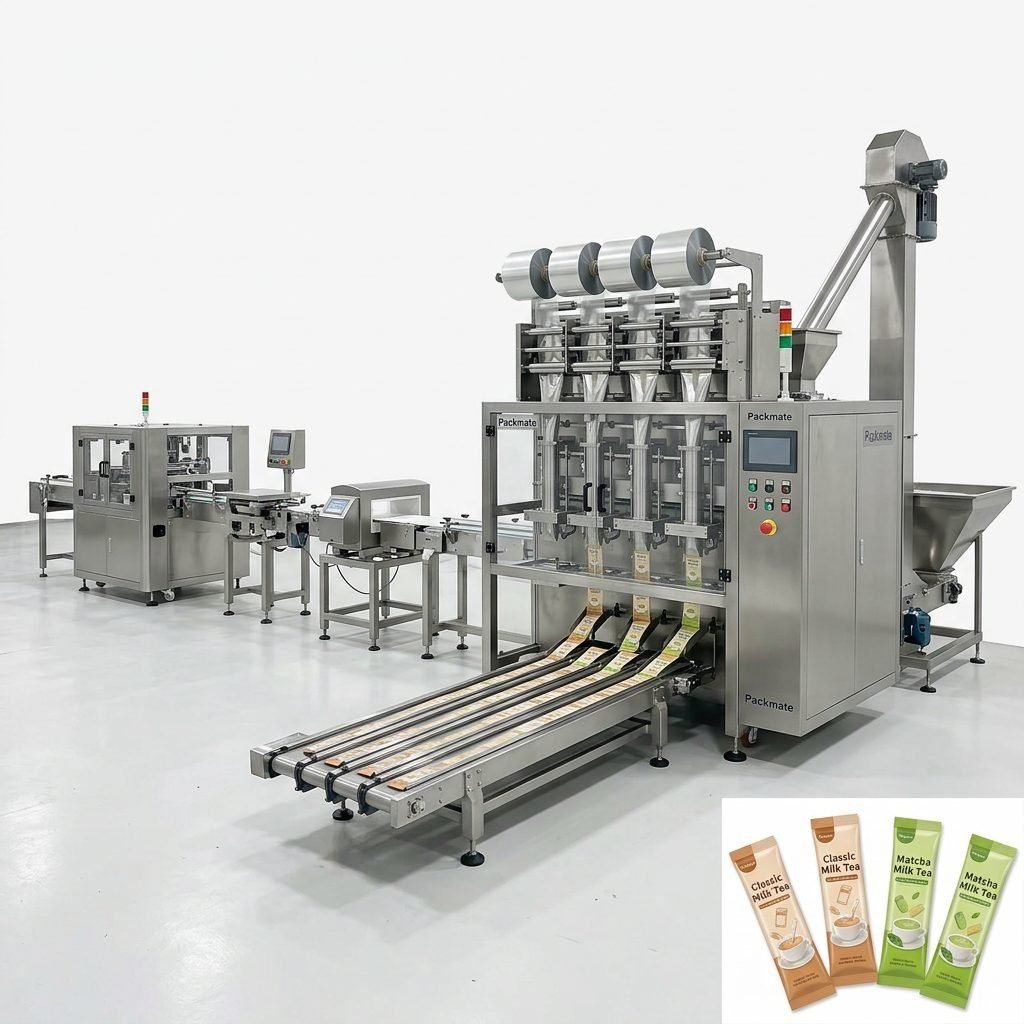
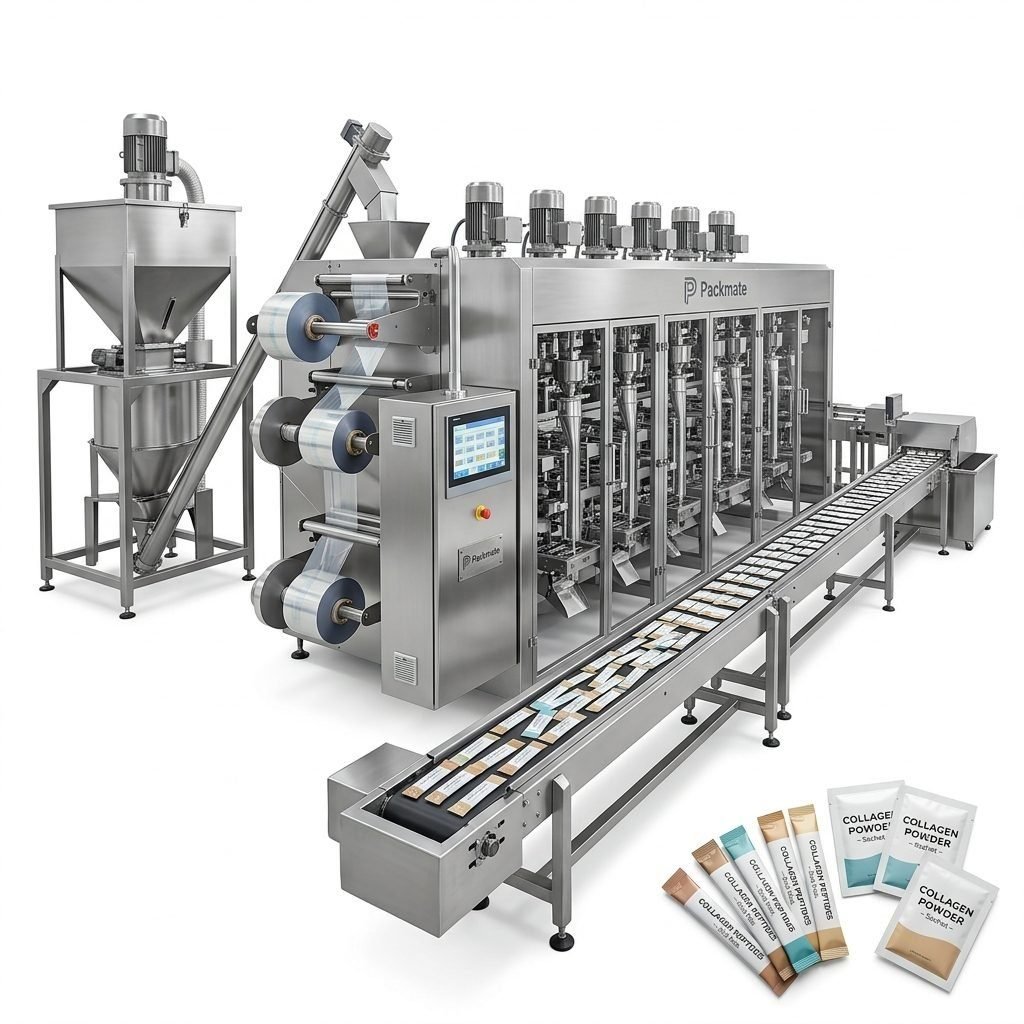
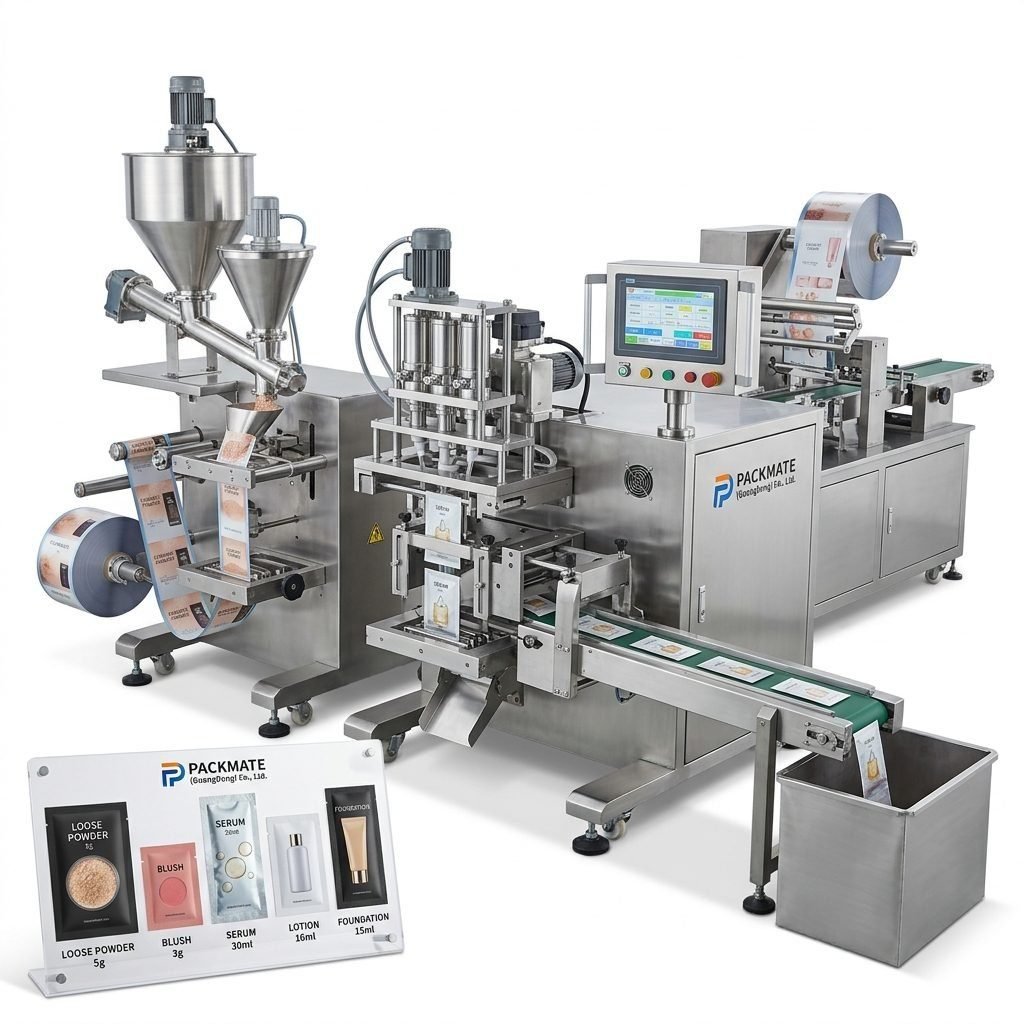
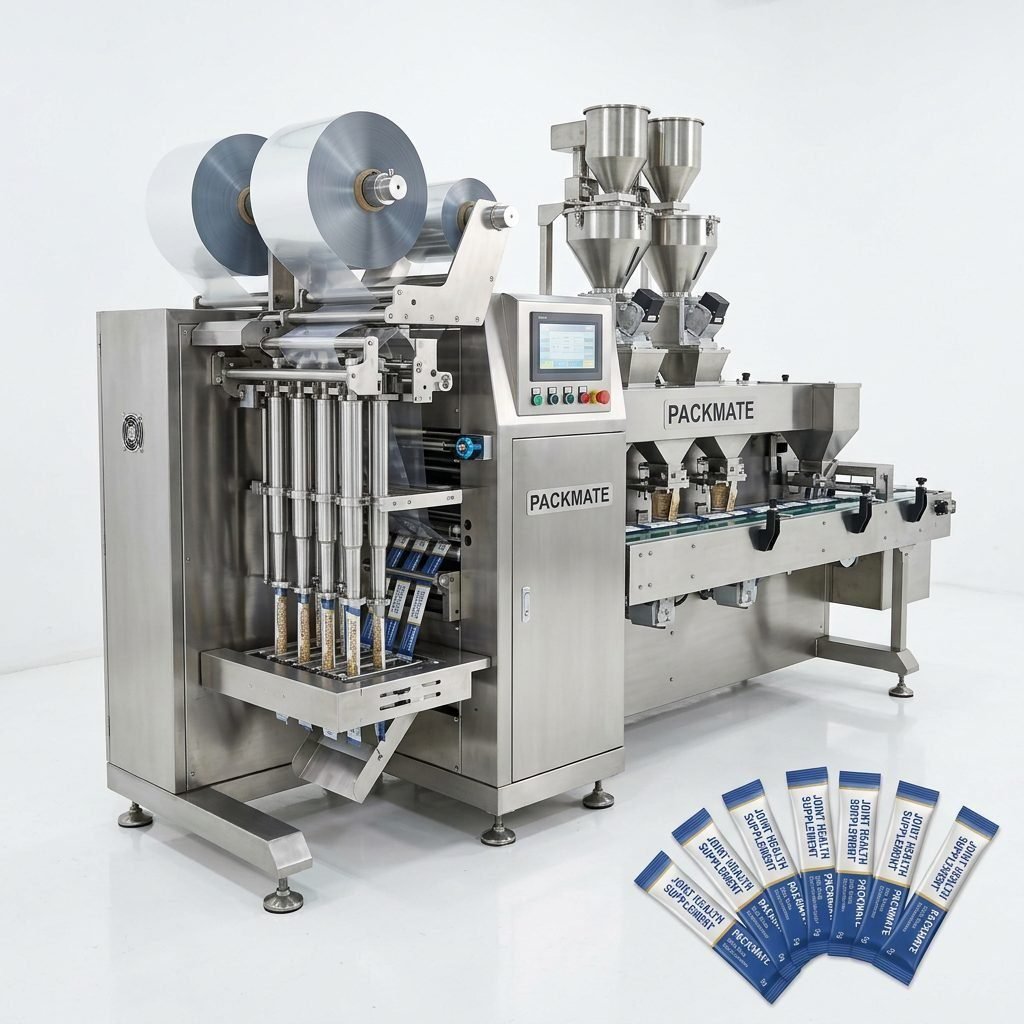
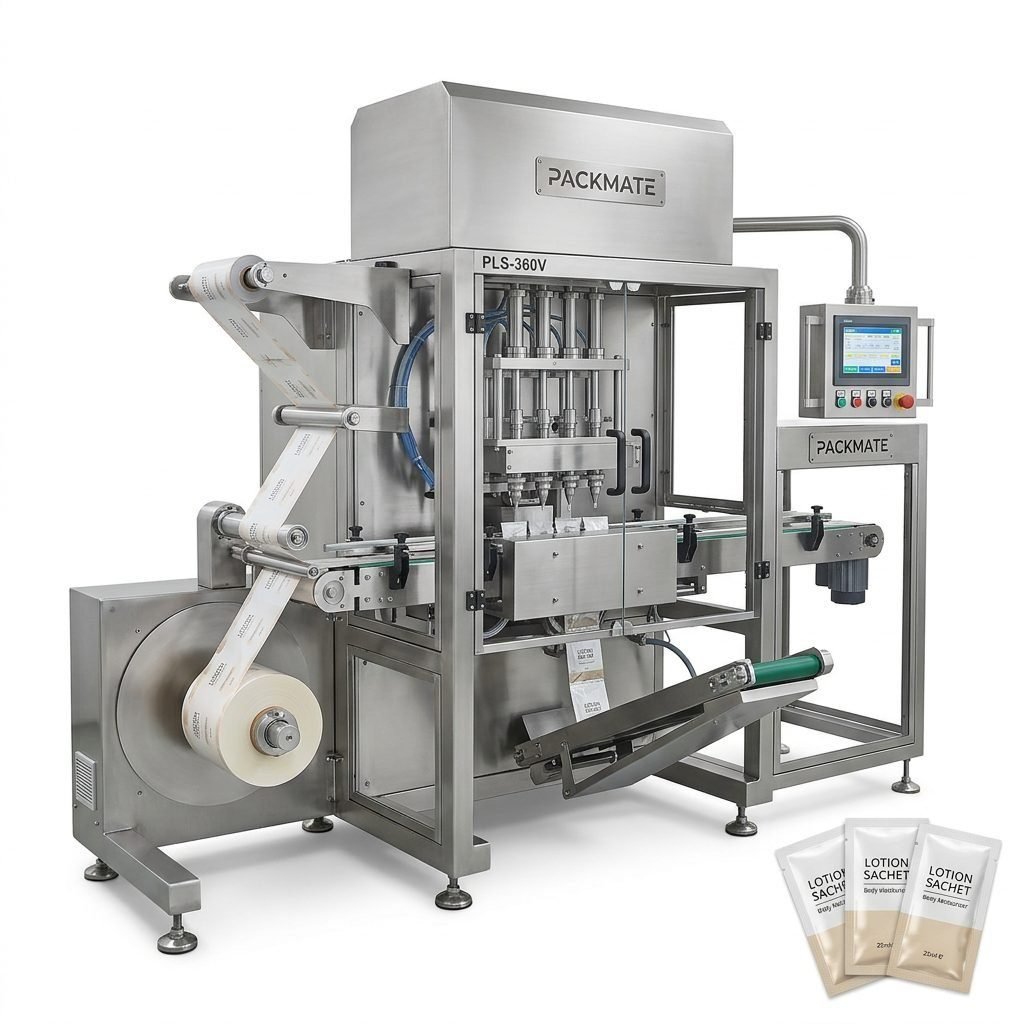
Designed for single-serve or small-quantity packaging of products like condiments, sugar, instant coffee, pharmaceuticals, and supplements. These machines can be single-lane or multi-lane, offering incredible output for their compact size. They are essential for industries like food service, hospitality, and FMCG (Fast-Moving Consumer Goods). Companies like Packmate Machinery specialize in advanced multi-lane solutions that maximize productivity for these small-format packages.
Pouch Packaging Machines
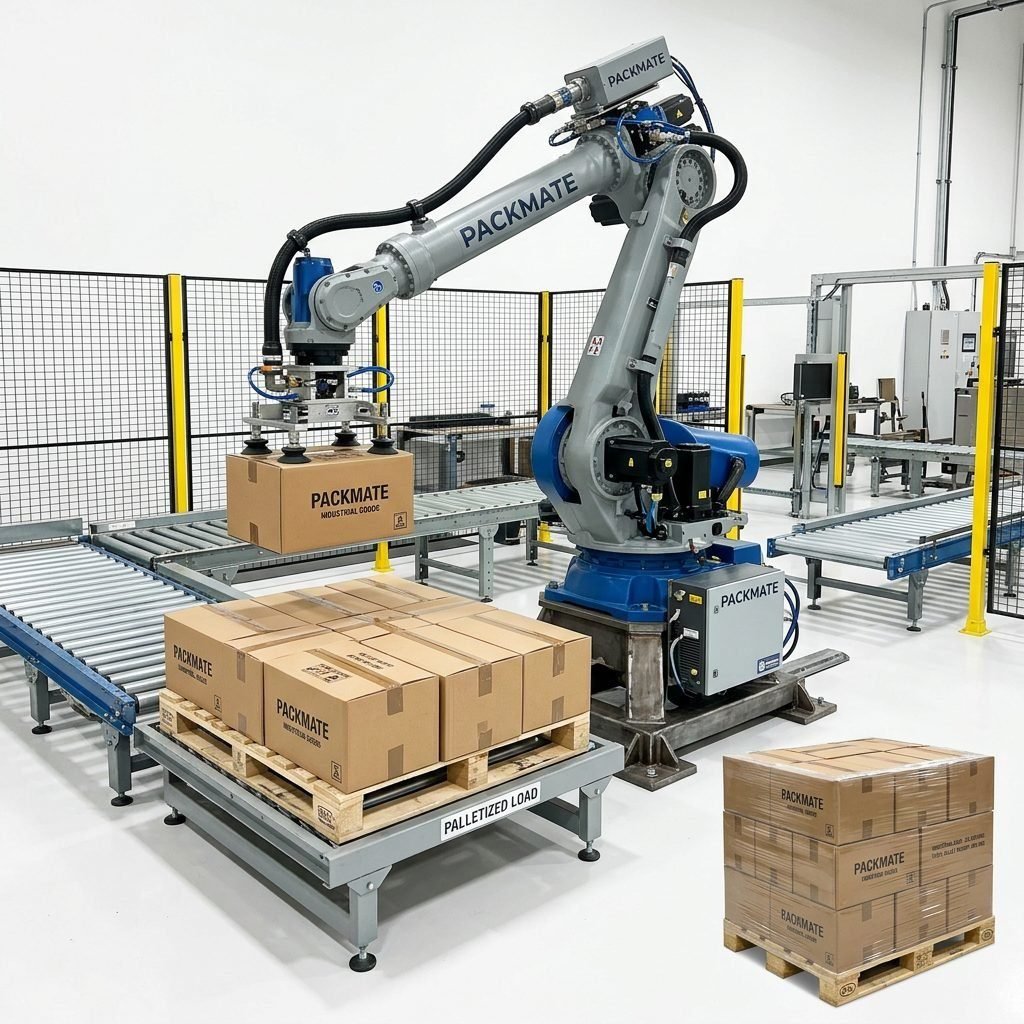
Focused on creating pre-made or form-fill-seal pouches, which are increasingly popular for their consumer appeal and shelf presence. This category includes machines for stand-up pouches (SUP), spouted pouches, and zipper pouches. They often integrate with filling and packaging lines for liquids, pastes, or solids, providing a complete solution from bag forming to final case packing.
Key Features and Technological Advancements
Modern machines go beyond basic functionality. Here are the features that define today’s high-performance packaging equipment.
Precision Weighing and Filling Systems
Accuracy is non-negotiable. Look for machines equipped with multi-head weighers, auger fillers, or liquid piston fillers that ensure each package meets exact weight or volume specifications. This minimizes product giveaway and ensures regulatory compliance, especially critical in the food and pharmaceutical sectors. Integrated weighing systems are a cornerstone of reliable packaging.
Advanced Sealing Technology
The seal guarantees product freshness and safety. Technologies include constant-heat sealing, impulse sealing, and ultrasonic sealing. The choice depends on the film material (e.g., polyethylene, polypropylene, laminates) and whether the product is sensitive to heat. A reliable seal prevents leaks and contamination.
Smart Control Systems
The brain of the operation. A user-friendly PLC (Programmable Logic Controller) with a touchscreen HMI (Human-Machine Interface) allows for easy recipe changes, speed adjustments, and real-time monitoring. Advanced systems offer data tracking, production reports, and diagnostic alerts for predictive maintenance, minimizing downtime.
Hygienic and Easy-Clean Design
Particularly vital for food, dairy, and pharmaceutical applications. Machines should feature stainless steel contact surfaces, smooth contours without crevices, and CIP (Clean-in-Place) capabilities. This design prevents bacterial growth and allows for quick changeovers between different products, adhering to strict hygiene standards like GMP.
Flexibility and Quick Changeover
In a market demanding variety, the ability to switch between different bag sizes, pouch styles, or products rapidly is a competitive advantage. Machines with tool-less adjustments, digital setting memory, and modular components significantly reduce changeover time from hours to minutes.
Comprehensive Buying Guide: What to Consider
Investing in a plastic packaging machine requires a thorough evaluation of your specific needs and the machine’s capabilities.
1. Define Your Product and Packaging Requirements
Start with the basics: What are you packaging? (Solid, powder, liquid) What is the desired package type and size? What are your daily or hourly output targets? The physical characteristics of your product—flowability, abrasiveness, moisture content—will directly influence the choice of filling system and machine type.
2. Evaluate Production Speed and Output
Match the machine’s maximum speed (e.g., bags per minute, pouches per minute) to your current and projected future production volumes. Over-specifying leads to unnecessary cost, while under-specifying creates bottlenecks. Consider multi-lane machines, like those for stick packs, to multiply output without drastically increasing floor space.
3. Assess Machine Durability and Construction
Inspect the build quality. A machine frame built from robust materials (e.g., reinforced steel) with high-quality drive components (servo motors, precision gears) will ensure longevity and consistent performance under continuous operation. This reduces long-term maintenance costs and total cost of ownership.
4. Prioritize After-Sales Support and Service
The relationship with your supplier begins after the sale. Ensure they offer comprehensive installation, training, readily available spare parts, and responsive technical support. A manufacturer with a strong global service network, like Packmate, provides invaluable peace of mind, especially for international clients.
5. Consider Total Cost of Ownership (TCO)
Look beyond the initial purchase price. Calculate TCO by factoring in energy consumption, maintenance costs, potential downtime, and the cost of consumables (like sealing jaws or film waste). A slightly higher initial investment in a more efficient, reliable machine often yields a much lower TCO over its lifespan.
6. Compliance and Safety Standards
Verify that the machine complies with relevant international and local safety standards (e.g., CE, UL). For specific industries like pharmaceuticals, the machine design may need to adhere to additional guidelines. Proper guarding, emergency stops, and safety interlocks are mandatory for operator protection.
Frequently Asked Questions (FAQs)
What type of plastic film can I use with these machines?
Most modern form-fill-seal machines are compatible with a wide range of thermoplastic films and laminates, including polyethylene (PE), polypropylene (PP), polyester (PET), and metallized or coated films. The key is to match the film’s sealing properties and thickness to the machine’s sealing technology. Always consult with both your film supplier and machine manufacturer for compatibility confirmation.
How do I determine the right machine speed for my business?
Calculate your required output based on shifts per day, days per week, and desired bags/pouches per minute. Add a 15-20% buffer for future growth. It’s generally advisable to choose a machine that can operate comfortably at 80-85% of its maximum rated speed for optimal efficiency and reduced wear, rather than consistently running at 100% capacity.
What is the typical lead time for a new packaging machine?
Lead times vary significantly based on machine complexity, customization level, and manufacturer backlog. For standard models, it can range from 8 to 16 weeks. For highly customized or large integrated lines, it may take 20 weeks or more. It’s crucial to discuss timelines upfront during the planning phase with your supplier.
Can one machine handle multiple different products or bag sizes?
Yes, many machines are designed for flexibility. The extent depends on the model. Look for features like quick-change bag forming assemblies, adjustable sealing jaws, and digital memory for saving multiple product recipes. However, significant changes (e.g., from powders to liquids) usually require different filling systems and may not be feasible on a single unit.
What are the most common maintenance requirements?
Regular maintenance is vital for uptime. Common tasks include daily cleaning of product contact parts, weekly lubrication of moving components as per the manual, periodic inspection and replacement of wear parts (like sealing jaws, cutting blades, and gaskets), and calibration of weighing systems. Following the manufacturer’s prescribed maintenance schedule is the best practice.