In the world of industrial production, the terms “packaging equipment” and “packaging machine” are often used interchangeably. However, for professionals in manufacturing, procurement, and operations, understanding the nuanced difference is crucial for making informed investment decisions, optimizing production lines, and achieving specific business goals. This distinction goes beyond mere semantics; it defines the scope, capability, and strategic role of the assets on your factory floor.
Defining the Core Concepts
Let’s start by establishing clear, working definitions for both terms.
What is a Packaging Machine?
A packaging machine is a singular, self-contained unit designed to perform a specific, primary packaging task. It is a dedicated piece of machinery with a focused function. Think of it as a specialist—highly skilled at one job. Its operation is typically automated or semi-automated and revolves around a core action.
Common examples of packaging machines include:
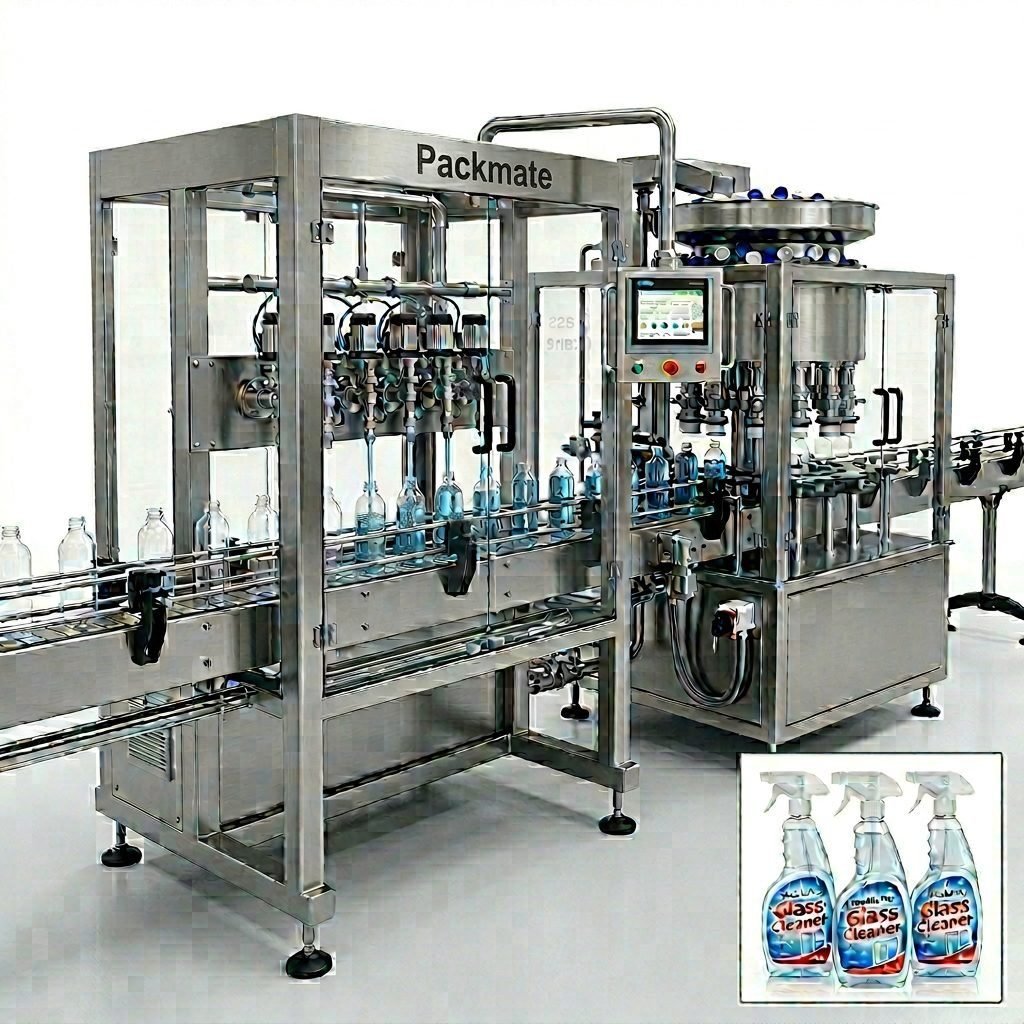
- Fillers: Liquid fillers, powder fillers, granular fillers.
- Sealers: Heat sealers, induction sealers, cappers.
- Labelers: Pressure-sensitive labelers, wrap-around labelers.
- Cartoners: Automatic carton forming and closing machines.
- Coders: Inkjet or laser coding systems.
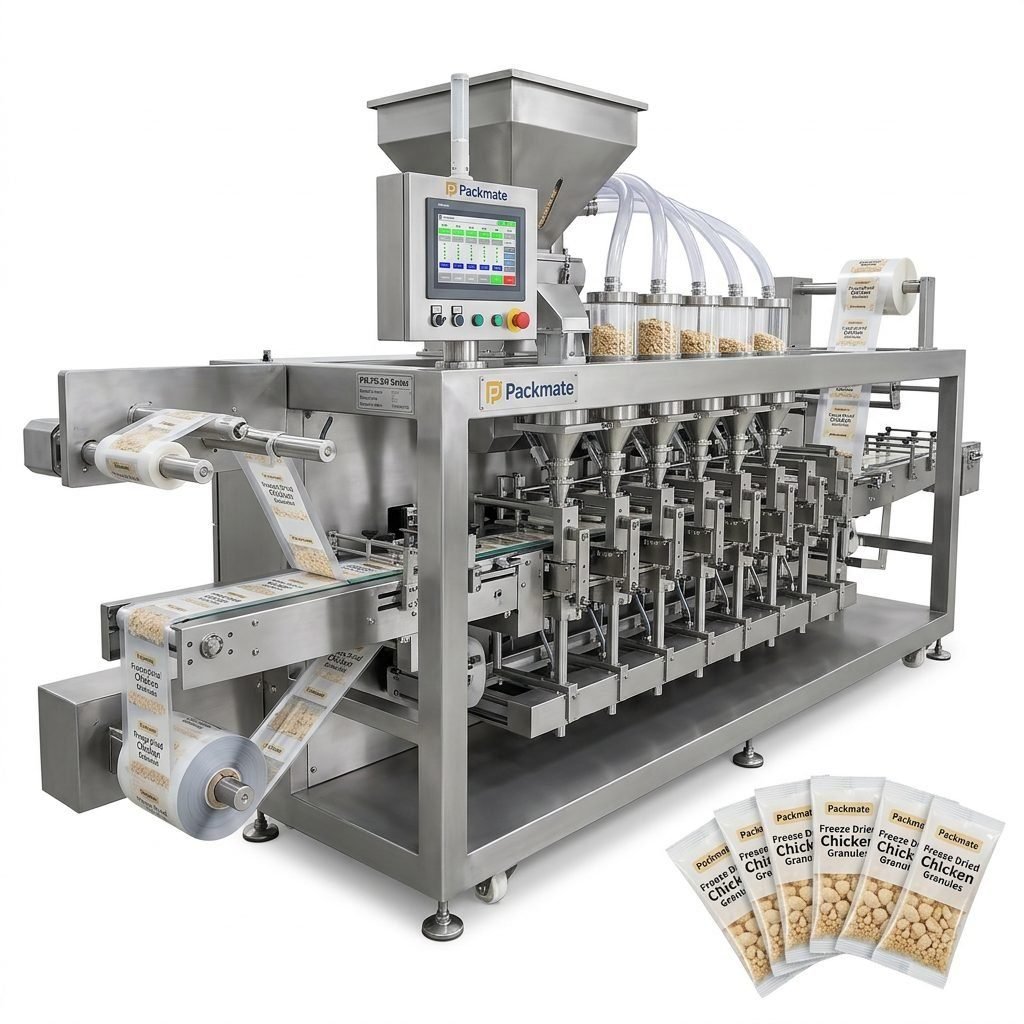
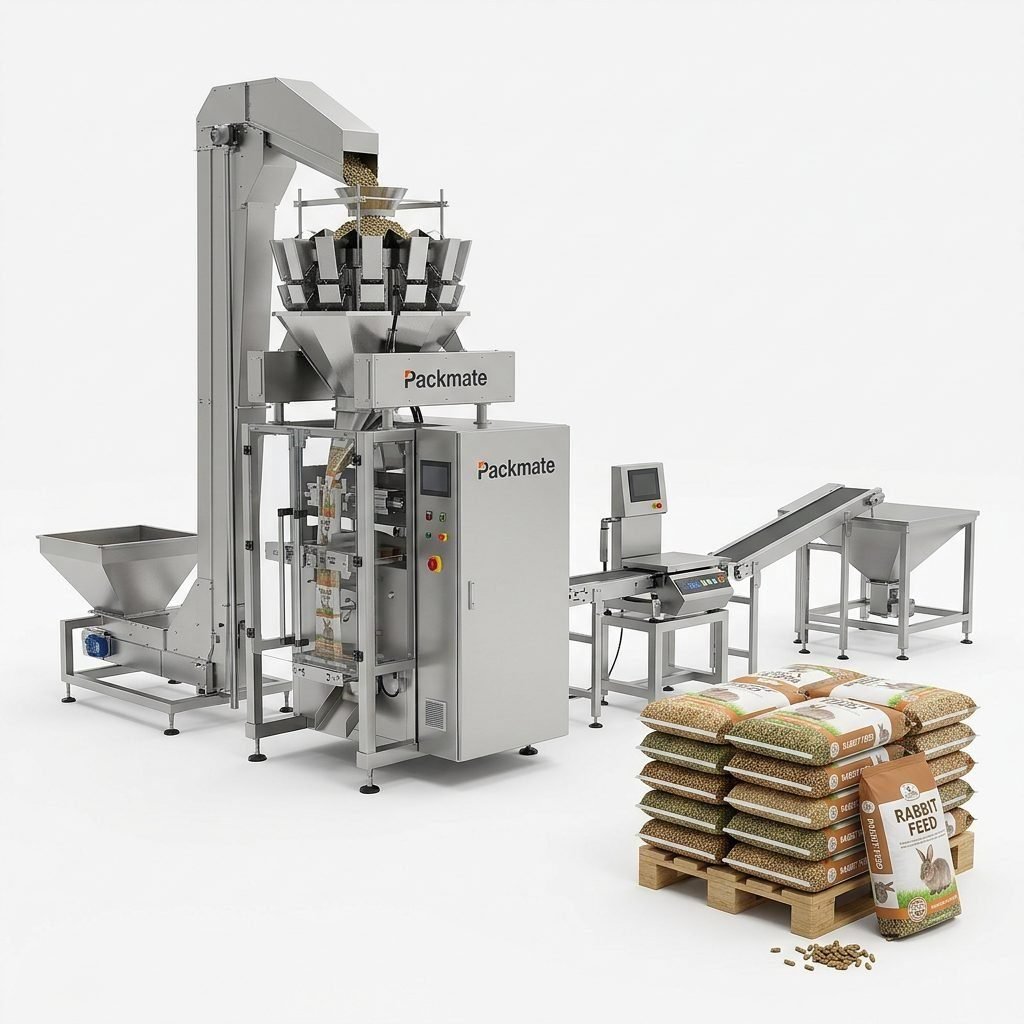
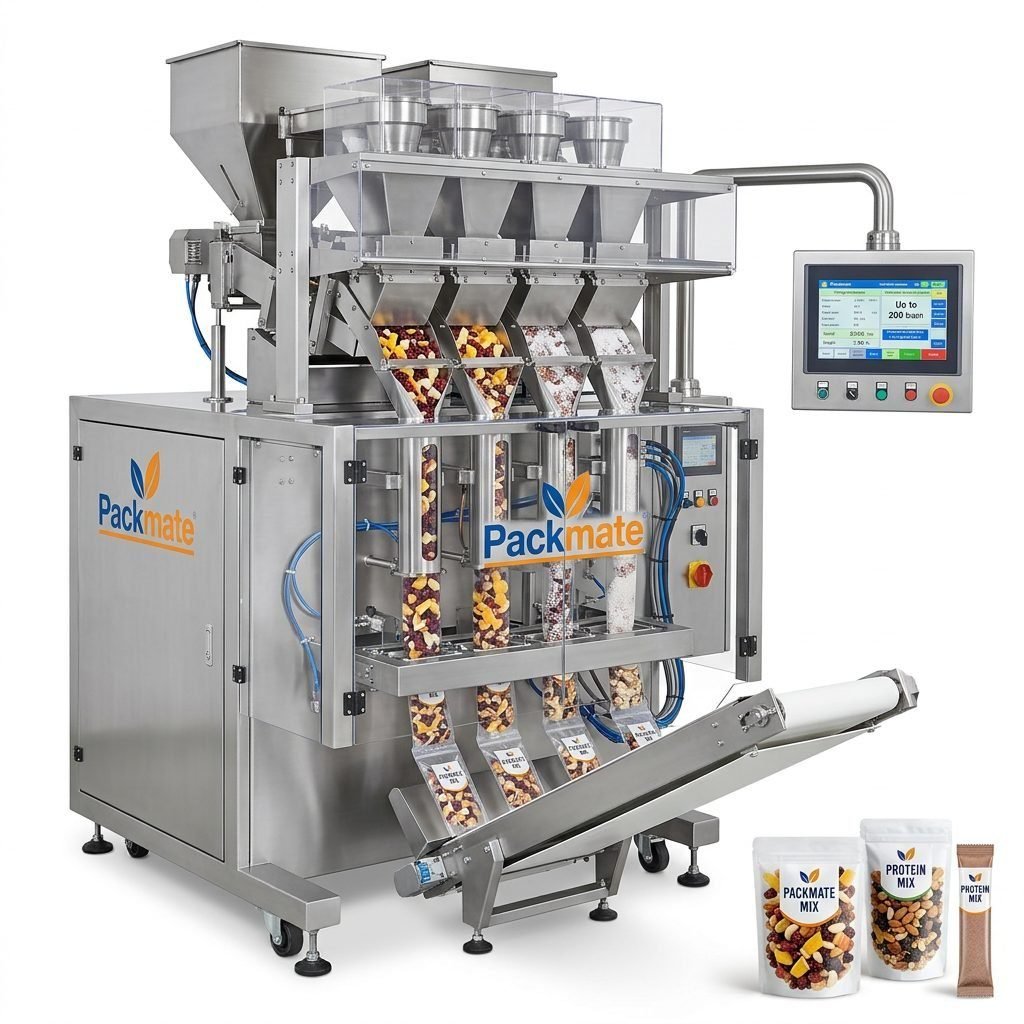
Each machine operates more or less independently. A vertical form-fill-seal (VFFS) machine, for instance, is a classic packaging machine that forms bags from film, fills them with product, and seals them in one continuous process.
What is Packaging Equipment?
Packaging equipment is a broader, more encompassing term. It refers to the entire collection of machinery, devices, and systems used to complete a packaging process from start to finish. This includes not only the primary packaging machines but also all the auxiliary components that support, connect, and streamline the workflow.
In essence, packaging equipment is the complete system, while a packaging machine is a component within that system. The equipment encompasses the integration and synchronization of multiple machines.
Key Differences: A Detailed Comparison
The table below summarizes the fundamental distinctions between a packaging machine and packaging equipment.
| Aspect | Packaging Machine | Packaging Equipment |
|---|---|---|
| Scope & Complexity | Narrow scope. A single, functional unit. | Broad scope. An integrated system of multiple units. |
| Function | Performs one primary task (e.g., filling, sealing). | Manages the entire end-to-end packaging process. |
| Automation Level | Can be manual, semi-automatic, or automatic. | Typically denotes a high level of integrated automation. |
| Investment & Cost | Generally lower capital investment. | Higher capital investment due to system integration. |
| Flexibility | Limited to its specific function; less flexible for change. | Can be designed for flexibility (e.g., quick changeovers for different products). |
1. Scope and Integration
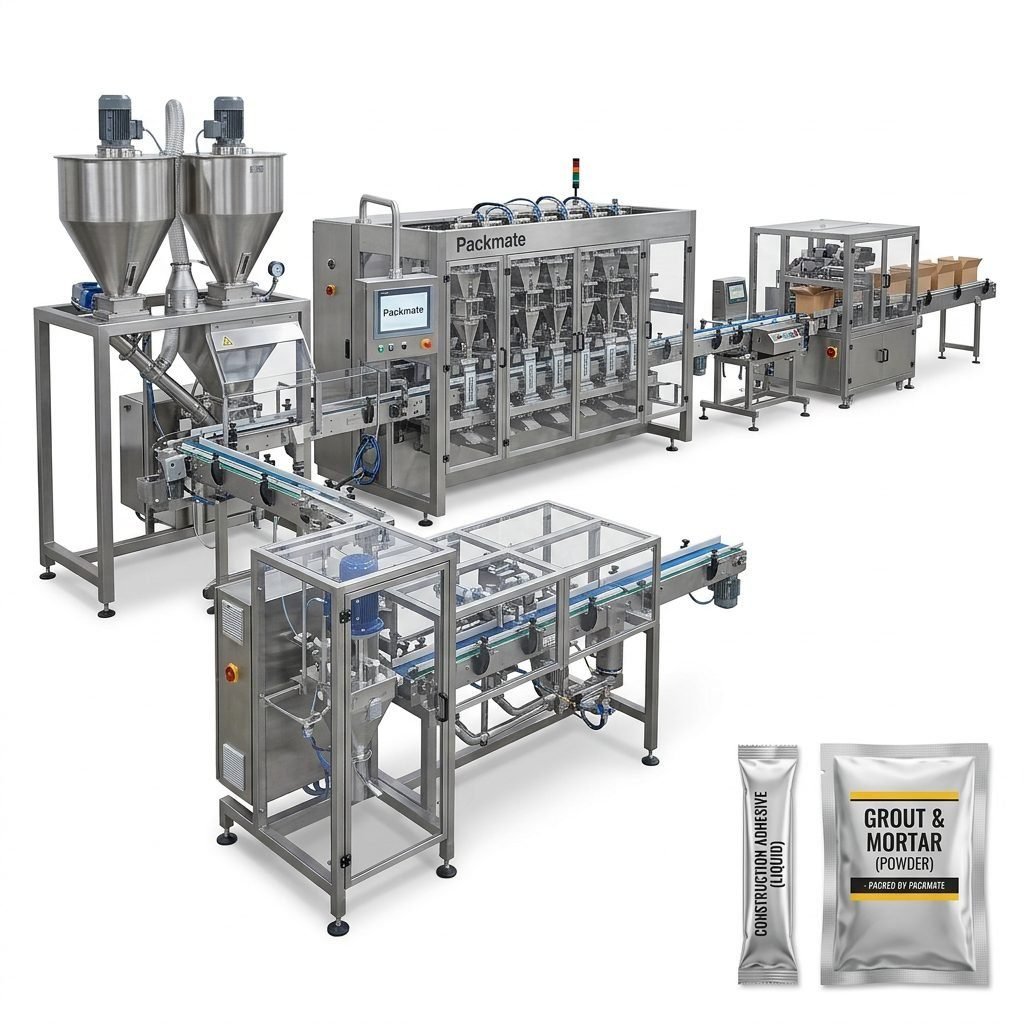
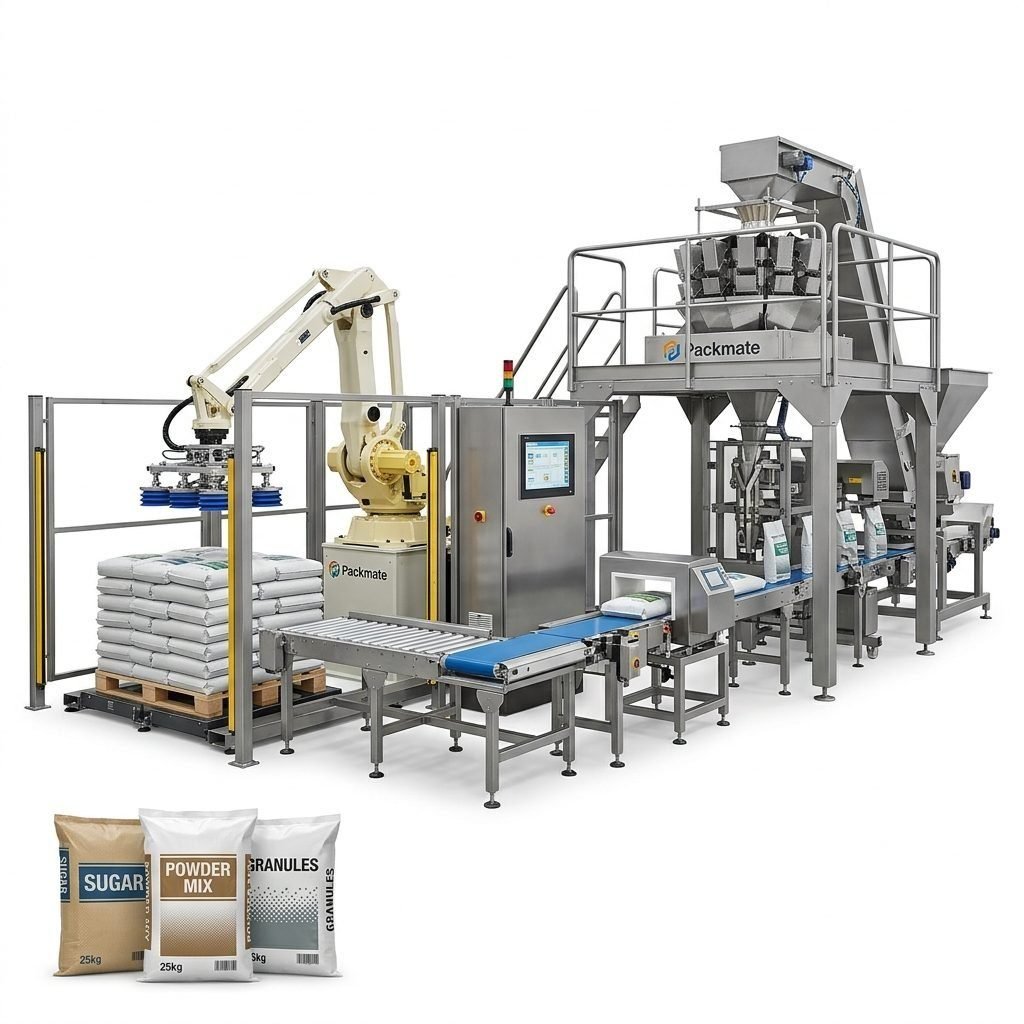
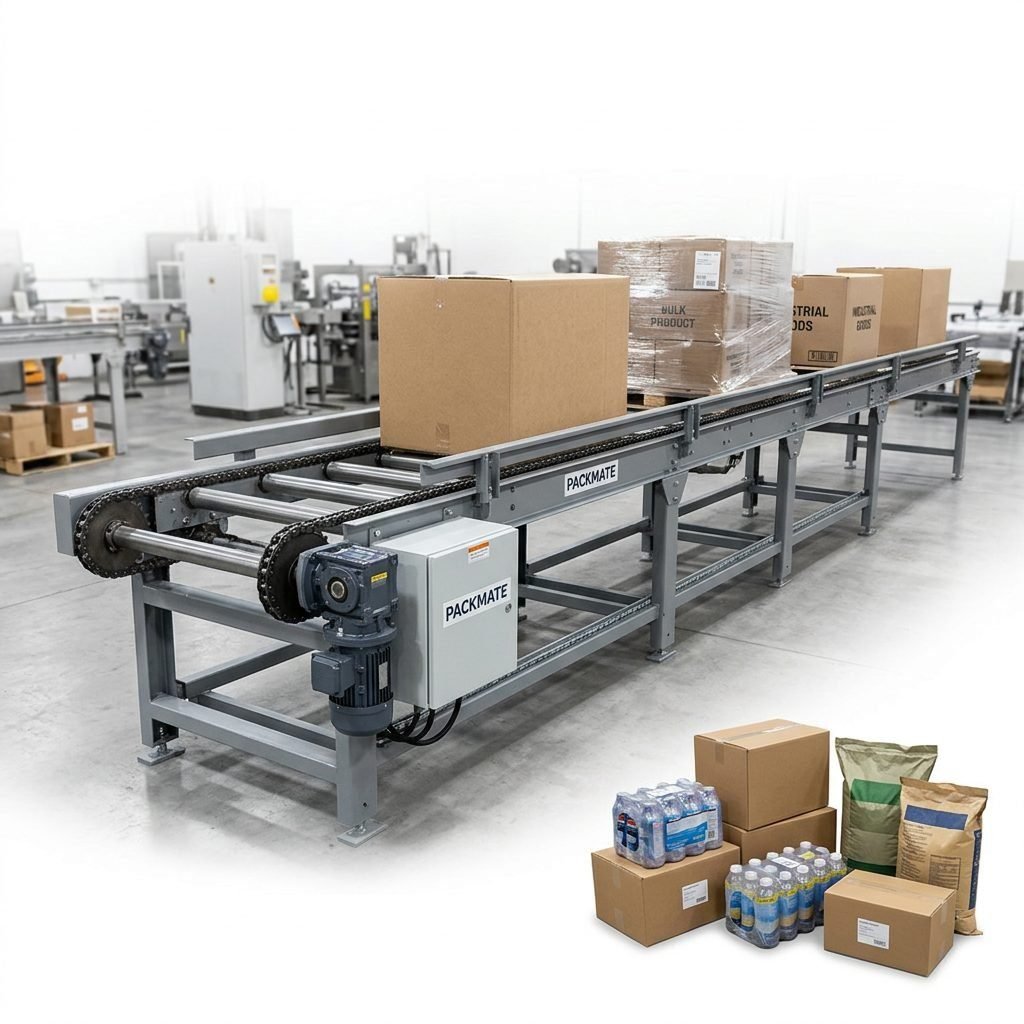
This is the most significant difference. A packaging machine is a standalone island of automation. It might require manual loading of product or packaging materials and manual offloading of finished packs. Packaging equipment, however, creates a connected continent. It involves conveyors linking a filler to a capper, a labeler, and a case packer, all controlled by a central programmable logic controller (PLC). For example, a complete filling & packaging line from a provider like Packmate Machinery represents packaging equipment, integrating multiple machines into a seamless flow.
2. Level of Automation and Output
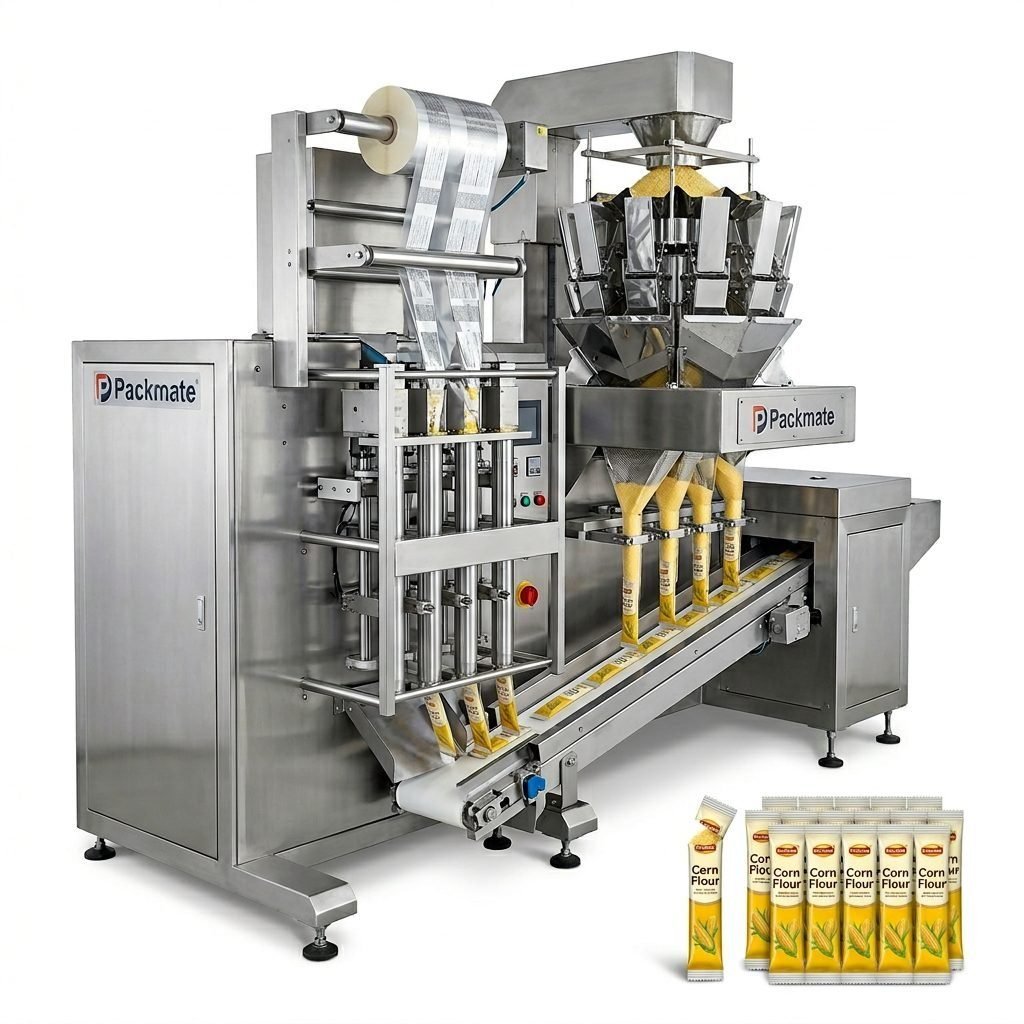
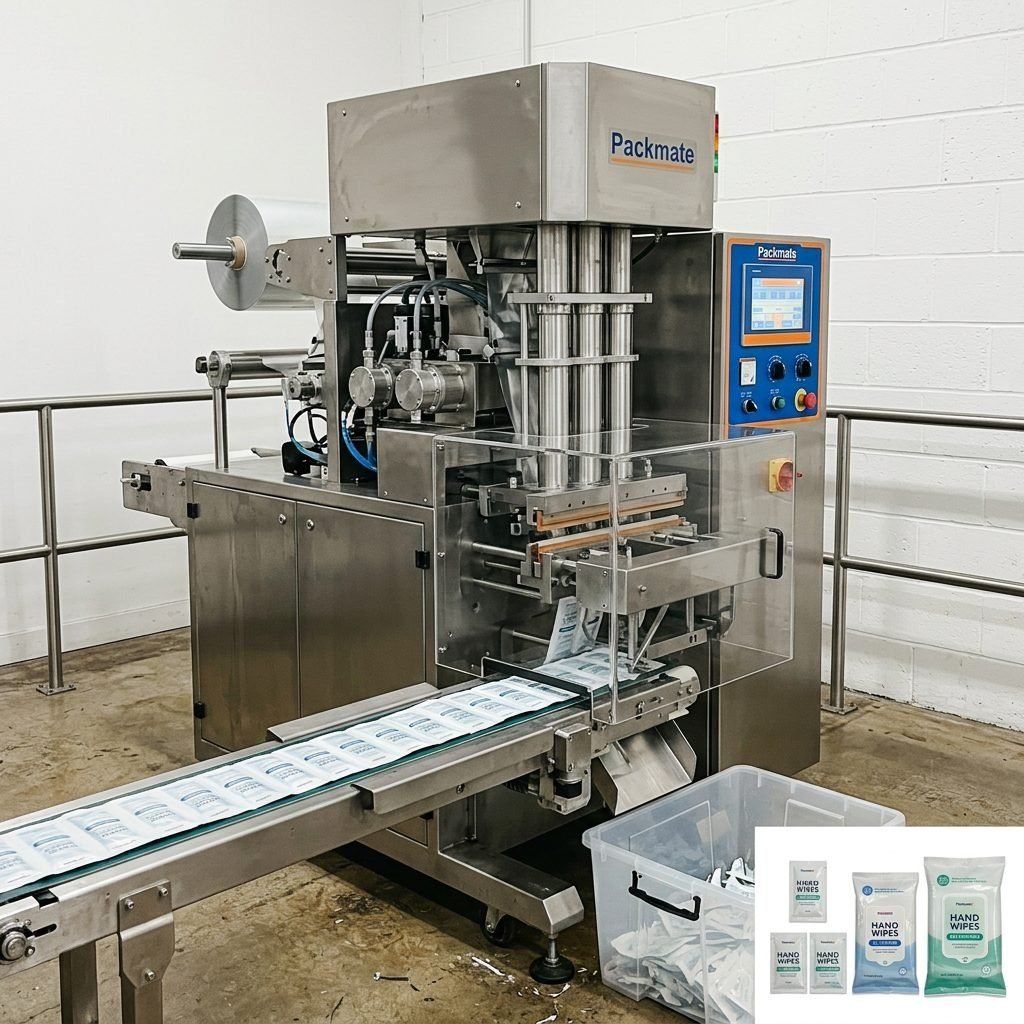
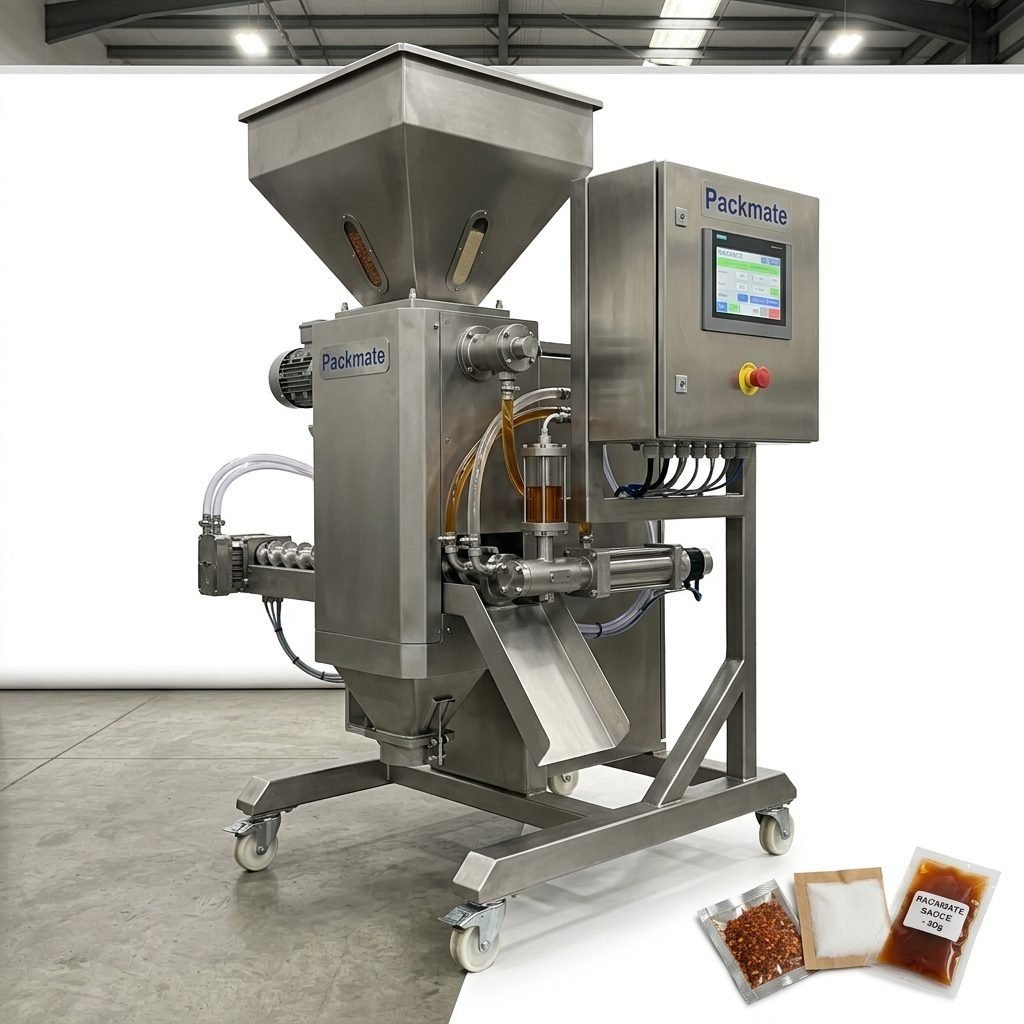
While a single machine can be automatic, packaging equipment implies a higher echelon of automation. The focus shifts from automating a task to automating the entire process chain. This directly impacts output. A single sachet machine is productive, but a multi-lane sachet & stick pack equipment system, which includes multiple machines running in parallel with automated feeding and collating, multiplies the output exponentially with minimal human intervention.
3. Purpose and Strategic Application
Your choice depends on your operational needs:
- Choose a Packaging Machine if: You need to address a bottleneck in a specific step (e.g., upgrading from manual to automatic sealing), have low to medium volume requirements, have significant manual labor available for material handling, or are working with a limited budget.
- Choose Packaging Equipment (a full line) if: You are setting up a new production facility, require high-volume, consistent output, aim to drastically reduce labor costs and human error, need strict hygiene controls (common in pharmaceutical or food packing), or require complex, multi-stage packaging.
Why Partner with an Experienced Manufacturer Matters
Selecting between a machine and integrated equipment is a strategic decision. Partnering with a manufacturer that has deep expertise in both domains is invaluable. A company like Packmate (GuangDong) Co., Ltd., with over 22 years of development, doesn’t just sell machines; it provides complete turnkey packaging solutions. This means they can assess your product, volume, and goals to recommend whether a specific bag & pouch packaging machine suffices or if you need a fully integrated equipment line.
Their journey from a small workshop in 1993 to a company with a 20,000㎡ modern facility underscores a commitment to evolving from machine builders to solution providers. This experience ensures that the machinery or equipment you receive is not only reliable but also fits perfectly into your operational ecosystem, whether it’s a standalone unit or a complex system.
Making the Right Choice for Your Business
To decide, conduct a thorough analysis:
- Process Mapping: Document every step of your current packaging process.
- Volume & Growth Forecast: Calculate current output and project future needs for 3-5 years.
- Labor Analysis: Evaluate the cost and availability of labor for manual handling tasks.
- Product Characteristics: Consider your product’s form (granule, powder, liquid), sensitivity, and packaging requirements.
- Total Cost of Ownership (TCO): Look beyond the purchase price. Factor in labor savings, increased efficiency, reduced waste, and maintenance costs over the asset’s life.
Often, the initial higher investment in integrated packaging equipment yields a far greater return on investment (ROI) through speed, consistency, and lower operational costs.
Conclusion
Understanding the difference between packaging equipment and a packaging machine is fundamental for any business involved in production. A packaging machine is a tool for a specific job, while packaging equipment is the orchestrated system that executes the entire production symphony. The choice hinges on your scale, automation goals, and long-term vision. For businesses aiming at efficiency, scalability, and market competitiveness, investing in intelligently integrated packaging equipment from a seasoned partner like Packmate Machinery is often the strategic path forward, transforming packaging from a cost center into a competitive advantage.
Frequently Asked Questions (FAQs)
Q1: Can I start with a single packaging machine and later integrate it into full equipment?
A: Yes, this is a common and prudent approach. Many manufacturers, including Packmate, design machines with future integration in mind. It’s crucial to discuss this scalability plan upfront so the machine has the necessary communication ports and mechanical compatibility for later connection to conveyors and other units.
Q2: Is packaging equipment only for large corporations?
A: Not necessarily. While full lines are common in large-scale production, modular and compact packaging equipment solutions are available for small and medium-sized enterprises (SMEs). These systems offer high automation in a smaller footprint, making advanced packaging accessible and affordable for growing businesses.
Q3: What is the main maintenance challenge with packaging equipment versus a single machine?
A: The primary challenge with integrated equipment is system synchronization and complexity. While a single machine has simpler mechanics, a full line requires ensuring all components (conveyors, sensors, PLCs) work in perfect harmony. Maintenance requires a broader skill set or a reliable service partner who understands the entire system, not just individual parts.
Q4: How do I know if my operation is ready for integrated packaging equipment?
A: Key indicators include: consistently high demand that outpaces your current manual or semi-automatic capacity, rising labor costs and difficulties in recruitment, increasing quality control issues due to manual handling, and plans for product line expansion that require flexible packaging capabilities. A consultation with a solution-oriented manufacturer can provide a definitive readiness assessment.
Q5: Does “packaging equipment” include things like pallet wrappers and stretch film?
A: In the broadest sense, yes. The term can encompass all tools and machinery used in the packaging process, including end-of-line equipment like case sealers, palletizers, and wrappers. However, in focused production discussions, “packaging equipment” often specifically refers to the primary and secondary packaging systems that handle the product and its immediate container.