In the dynamic world of manufacturing and product distribution, packaging machines stand as the silent workhorses that ensure products reach consumers efficiently, safely, and attractively. From the food we eat to the medicines we rely on, these machines are integral to modern supply chains. This guide delves into the vast universe of packaging machinery, exploring the different types available and their specific applications to help you understand which solutions might best fit your operational needs.
Understanding the Core Function of Packaging Machinery
At its heart, a packaging machine automates the process of placing a product into a container, pouch, or other form of packaging. This automation is critical for achieving high-speed production, consistent quality, reduced labor costs, and enhanced hygiene, especially in sectors like food and pharmaceuticals. The evolution from manual packing to sophisticated automated lines represents a significant leap in industrial productivity and product safety.
Primary Categories of Packaging Machines
Packaging equipment can be broadly classified based on the function it performs in the packaging line. Understanding these categories is the first step in selecting the right machinery.
Filling Machines
These machines are designed to accurately measure and dispense a product into its container. They are specialized based on the product’s form:
Liquid Fillers: Used for beverages, oils, sauces, and chemicals. They can be volumetric, piston, or gravity-based.
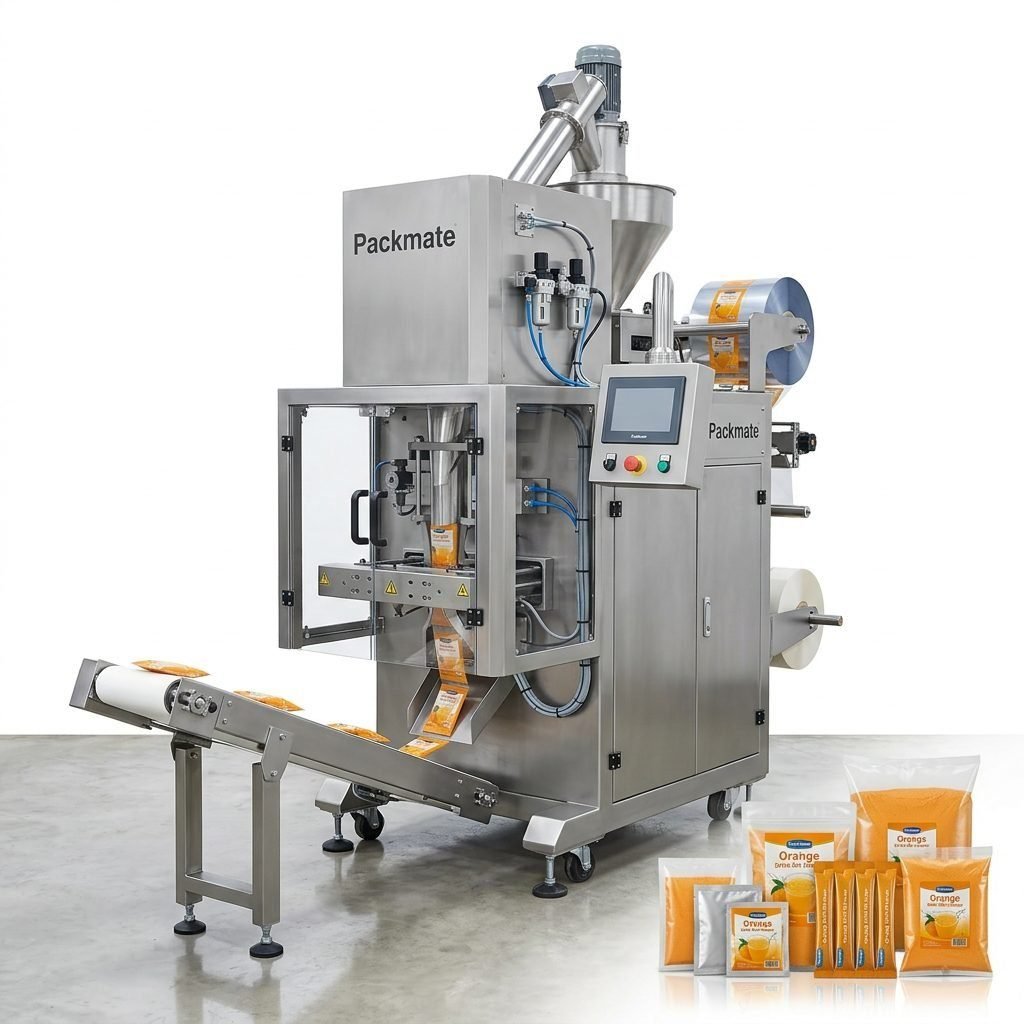
Powder Fillers: Essential for spices, milk powder, pharmaceuticals, and detergents. Auger fillers are common for their precision.
Granule Fillers: Handle products like coffee beans, nuts, and grains, often using cup or weigh scale systems.
Sealing Machines
Once filled, the package must be securely closed. Sealing machines vary by packaging material:
– Heat Sealers: For plastic films and laminates, common in sachet and stick pack production.
– Induction Sealers: Apply an airtight foil seal under plastic caps for liquids.
– Carton Sealers: Automatically tape or glue the flaps of corrugated boxes.
Wrapping and Bundling Machines
This category includes equipment that wraps products in film or bundles multiple units together. Stretch wrappers secure pallet loads, while flow wrappers encase individual items like candy bars or biscuits. Shrink wrappers use heat to tighten a plastic film around a product or multi-pack, providing stability and tamper evidence.
Deep Dive into Common Packaging Machine Types & Their Uses
Beyond the functional categories, packaging machines are often identified by the specific package format they create. Here’s a closer look at some of the most prevalent types in industries today.
Vertical Form Fill Seal (VFFS) Machines
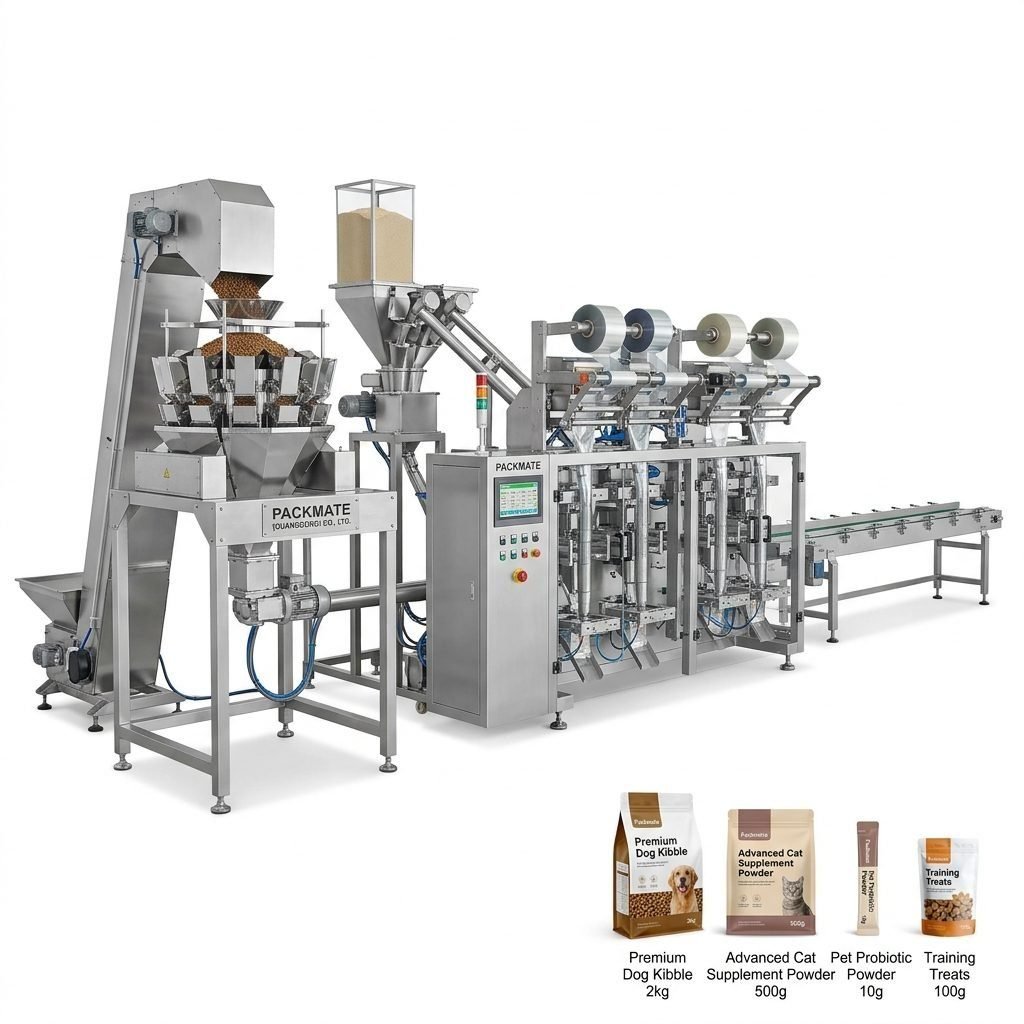
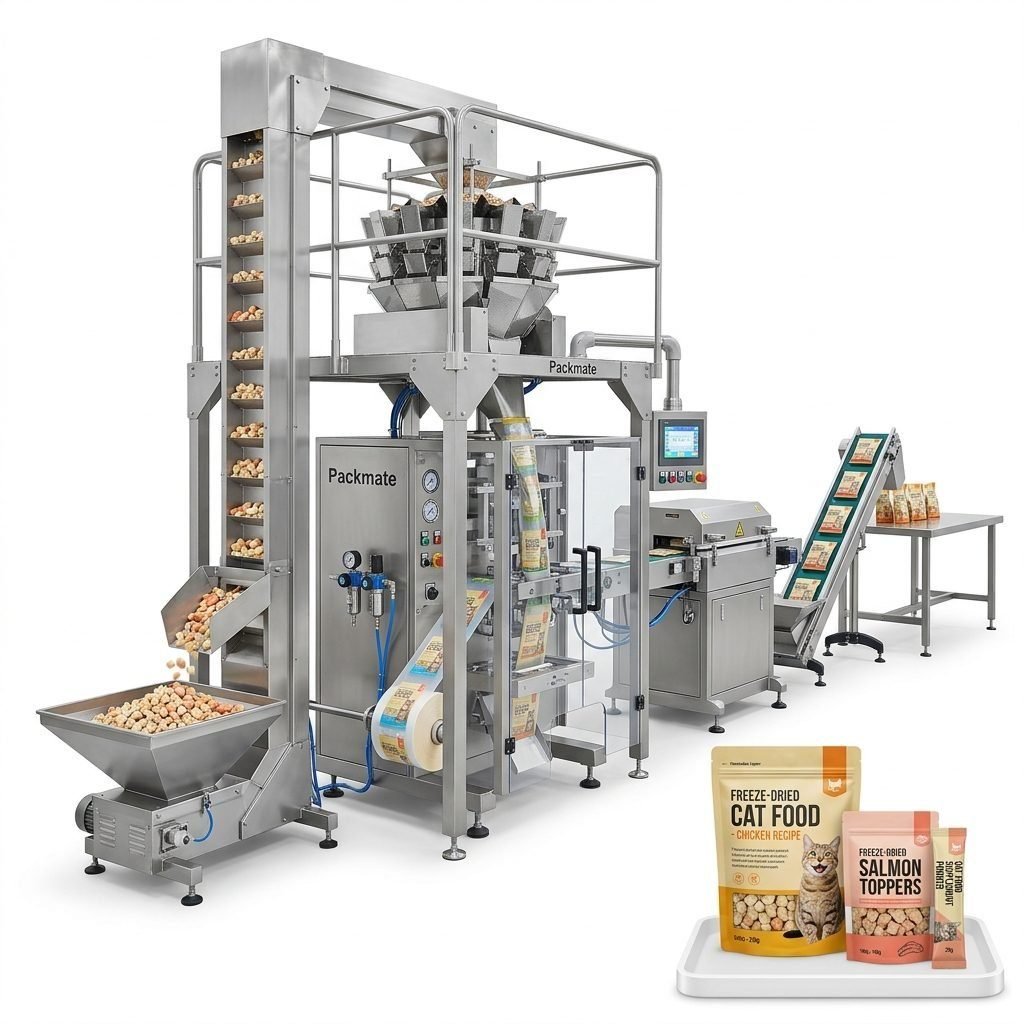
The VFFS machine is a cornerstone of flexible packaging. It forms a tube from a roll of film, fills it with product, and seals it to create individual pouches or bags. It’s incredibly versatile and used for snacks, frozen vegetables, pet food, and hardware items. Its high speed and efficiency make it ideal for large-volume production runs.
Horizontal Form Fill Seal (HFFS) Machines
Unlike VFFS, HFFS machines form pouches horizontally. They are often used for more complex packaging, such as portion-control condiments, medical device kits, or items that lie flat. They excel at handling multiple products in a single pack and can integrate sophisticated labeling systems.
Sachet and Stick Pack Packaging Machines
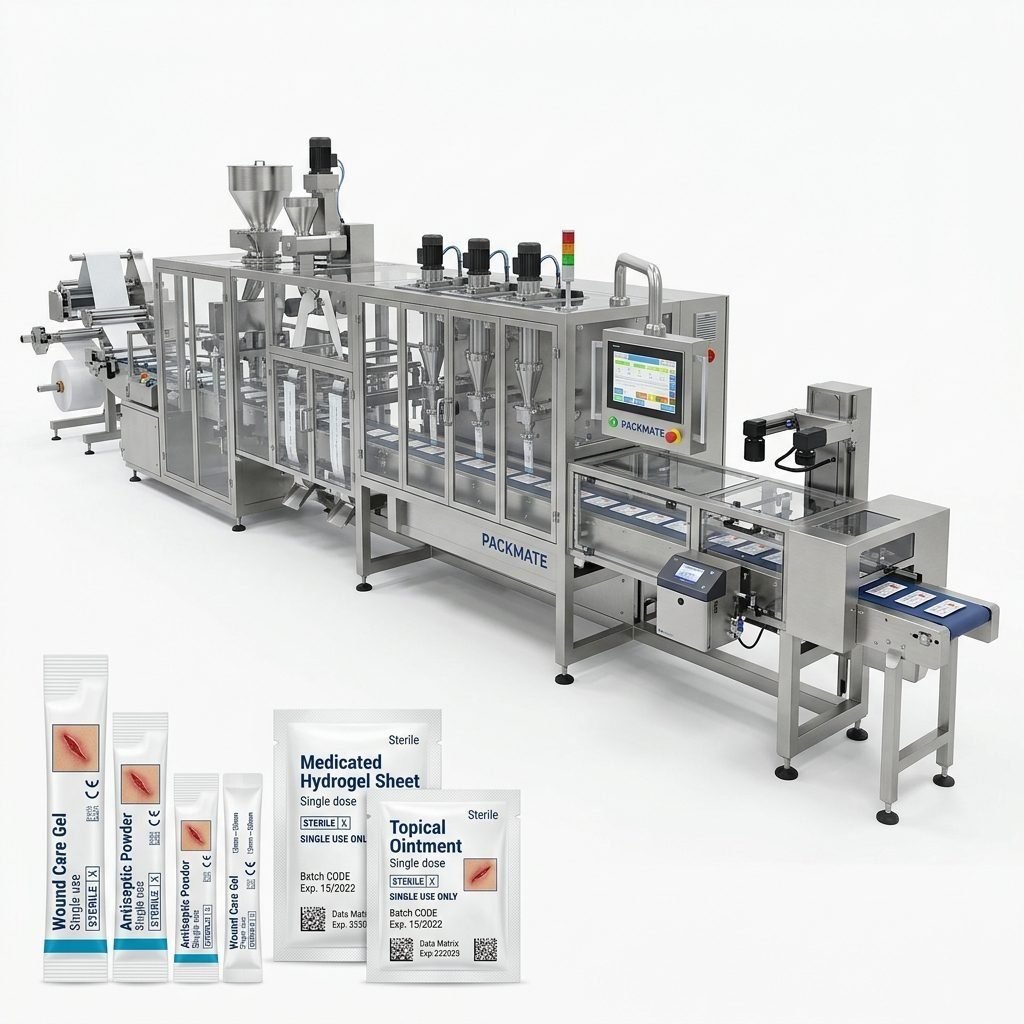
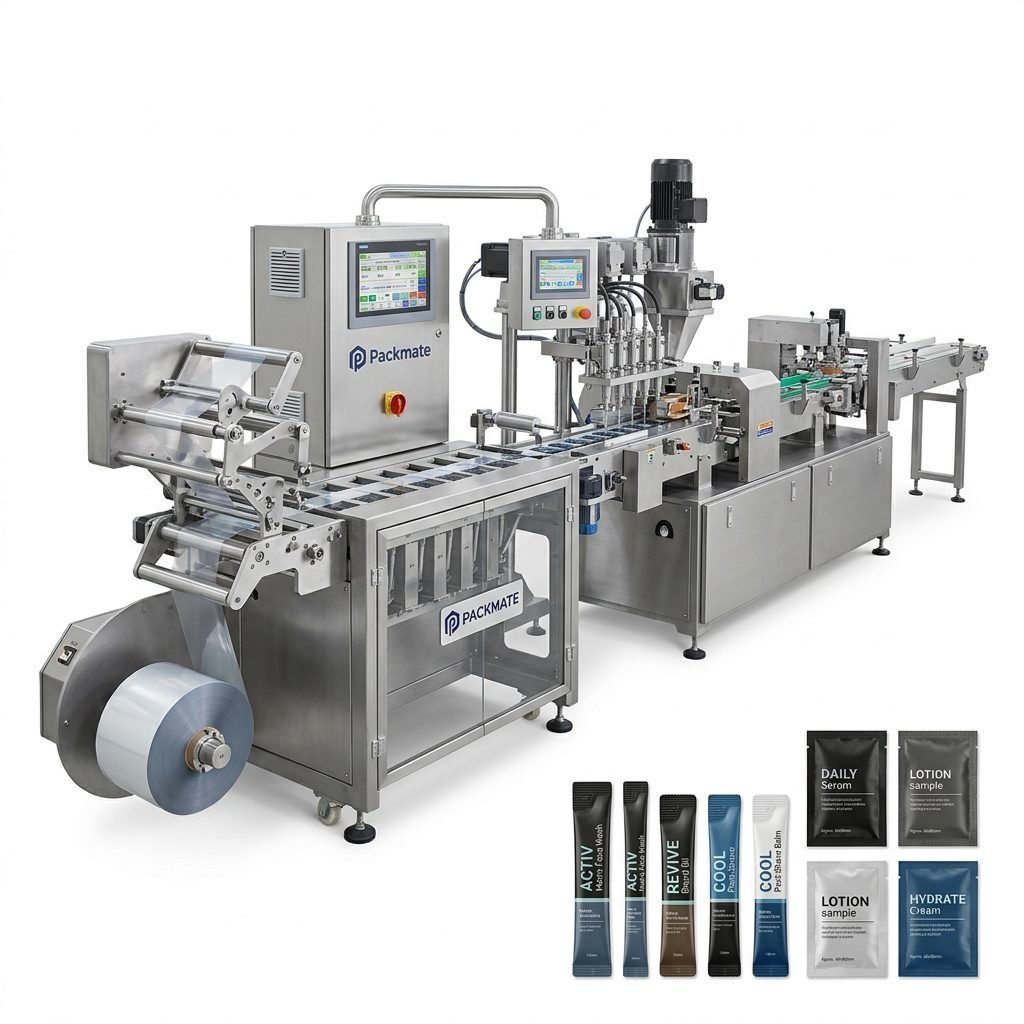
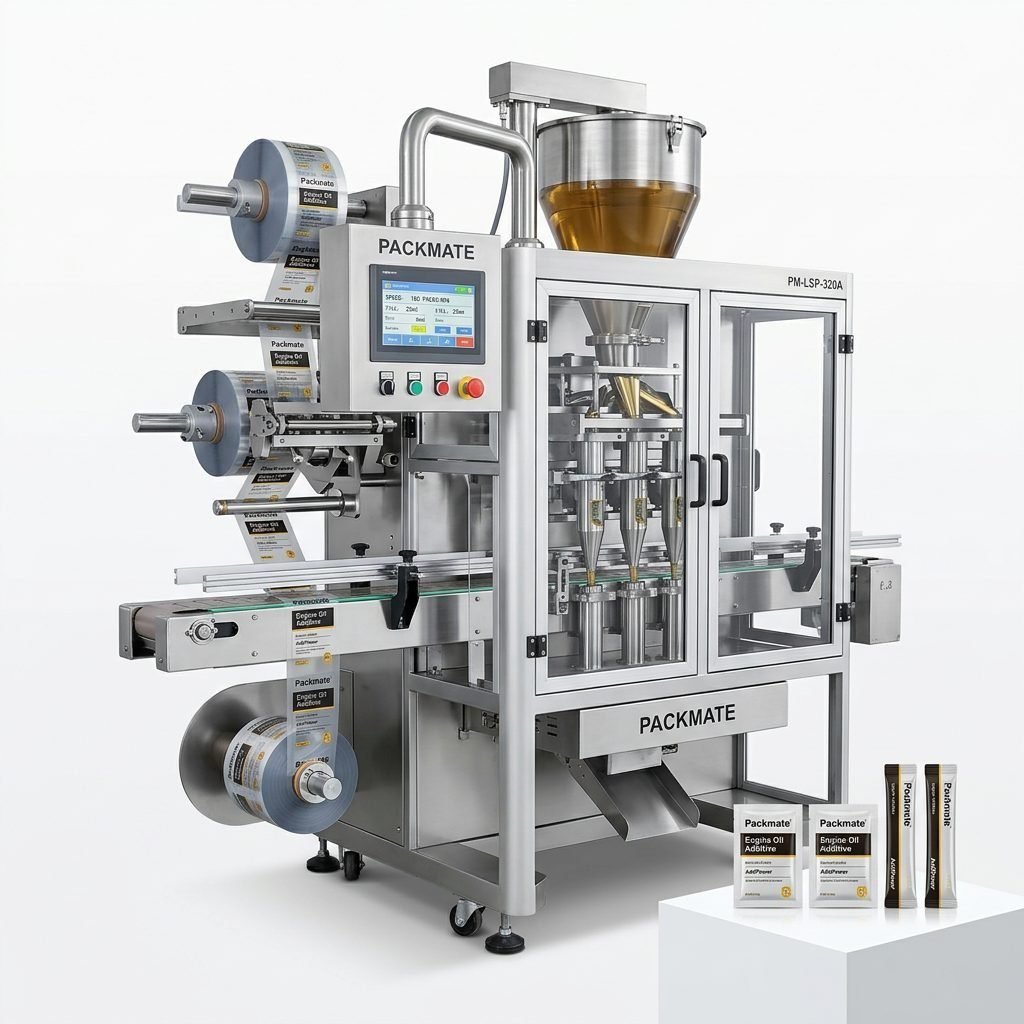
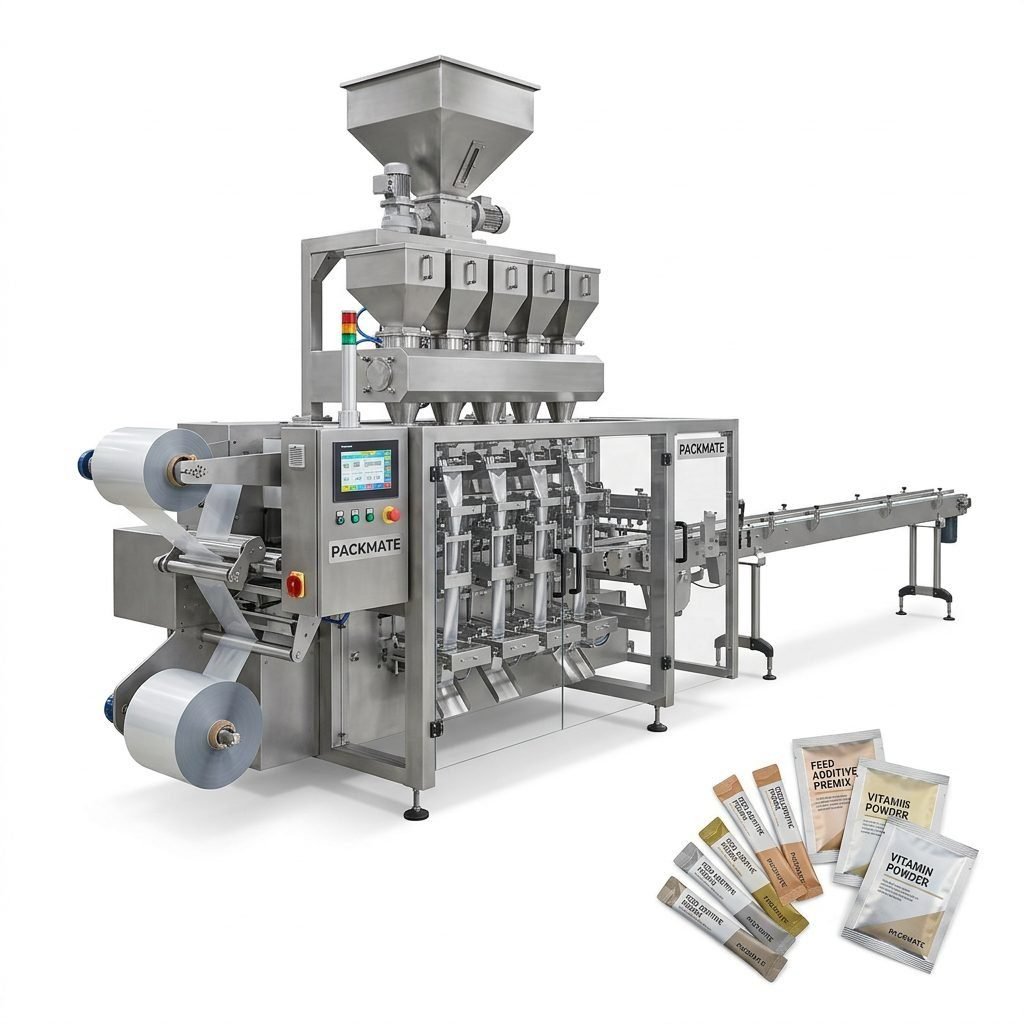
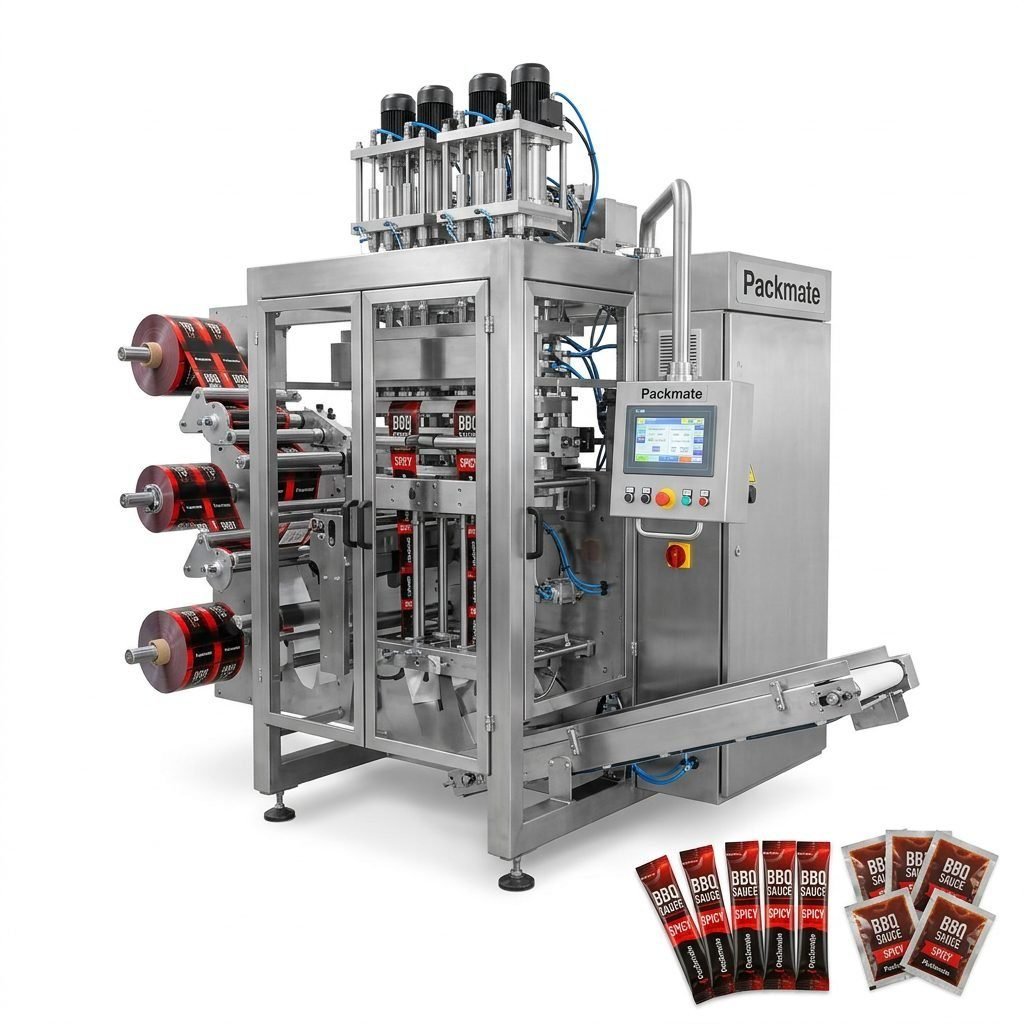
These machines are specialized for creating small, single-serve packages. Sachets are typically used for sauces, shampoo, or seasoning, while stick packs are long, narrow pouches perfect for drink mixes, pharmaceuticals, or instant coffee. Modern multi-lane stick pack machines, like those offered by industry leaders such as Packmate Machinery, can produce dozens of sticks simultaneously, offering tremendous output for high-demand products.
For businesses looking to enter or expand in this market, exploring dedicated sachet & stick pack machines is a crucial step.
Bottling and Capping Lines
This is a complete system for handling rigid containers. It typically includes a bottle unscrambler, cleaner, filler, capper, and labeler. These lines are fundamental in the beverage, pharmaceutical, cosmetic, and chemical industries. Precision is paramount here, as fill volume must be exact and caps must be sealed to prevent leakage and contamination.
Cartoning Machines
Cartoners erect, load, and close folded cartons. They can be end-load (product inserted from the end) or top-load (product dropped in from the top). These machines are used to package everything from toothpaste and food items to electronics and tools, providing a sturdy retail-ready box.
Choosing the Right Machine for Your Product
Selecting a packaging machine is a significant investment. Key factors to consider include:
• Product Characteristics: Is it solid, liquid, powder, or granular? Is it fragile, abrasive, or sticky? The product dictates the filling technology.
• Desired Package Format: Pouch, bottle, stick pack, carton? Your market and product use define this.
• Production Speed Requirements: Calculate your required output per minute/hour to match machine capability.
• Budget and Floor Space: Consider both the capital cost and the physical footprint of the equipment.
• Integration Needs: Will the machine need to connect with existing upstream or downstream equipment like weighing systems or conveyors?
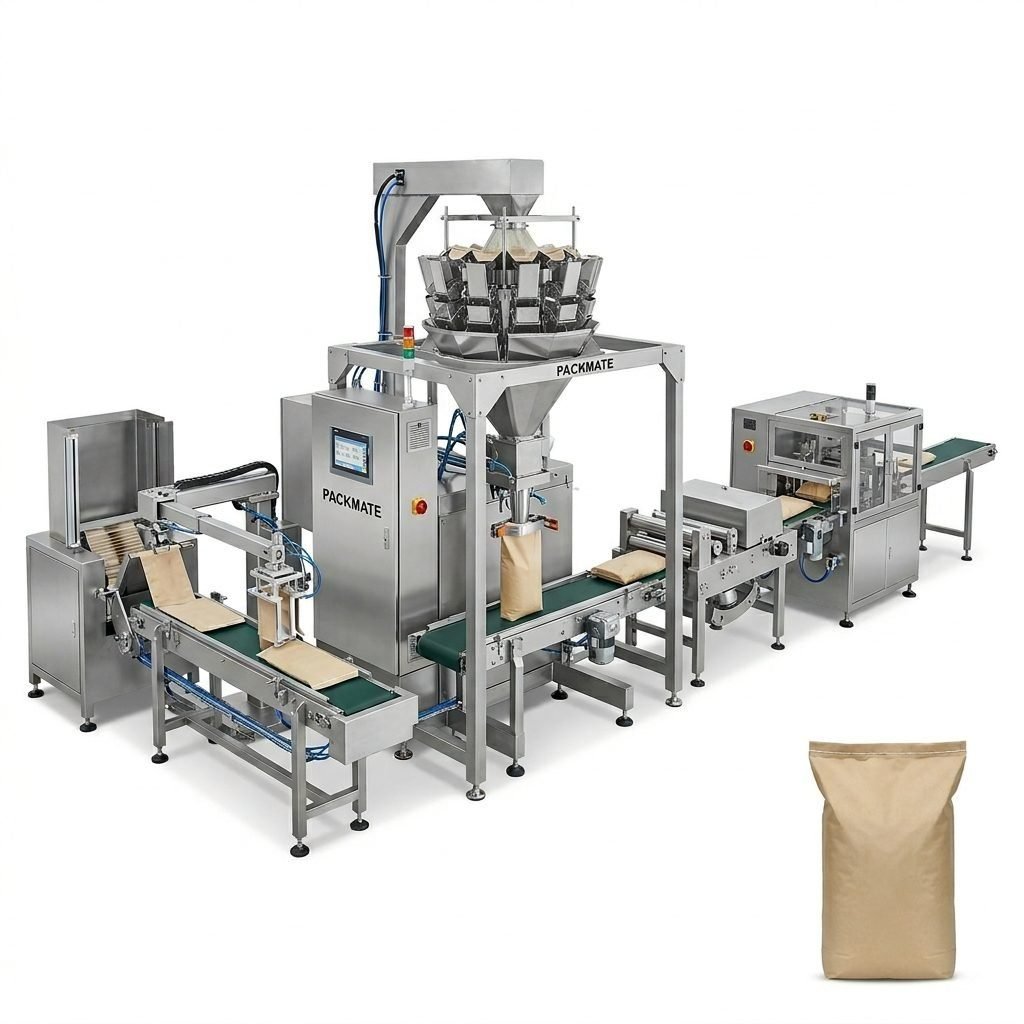
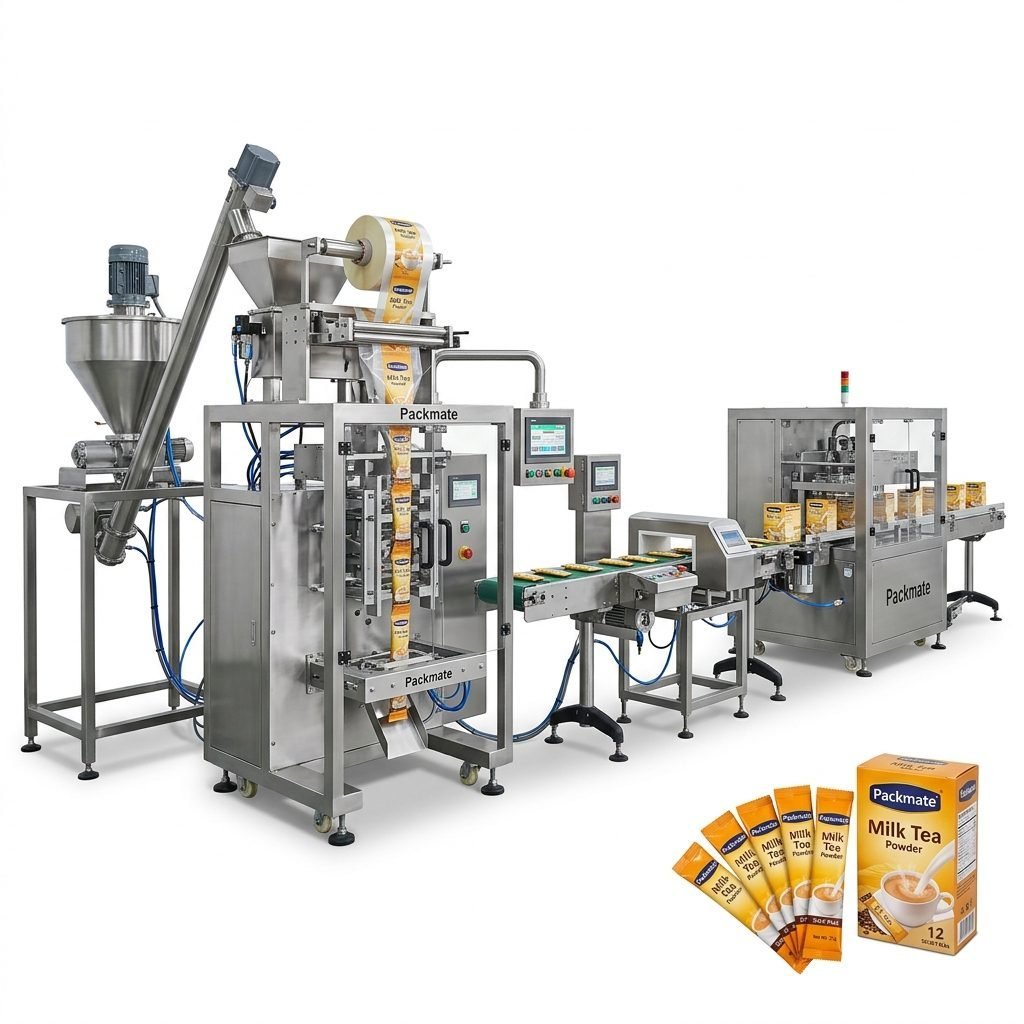
For complex needs involving multiple stages, a fully integrated filling & packaging line from a trusted supplier can provide a seamless, turnkey solution.
The Role of Innovation and Reliability
The packaging machinery sector is driven by innovation, focusing on energy efficiency, smarter controls (IoT connectivity), easier changeovers, and enhanced hygiene designs. Equally important is machine reliability and support. A machine that minimizes downtime and is backed by strong technical service is invaluable. Companies with deep expertise, like Packmate with over 30 years in the field, build their reputation on delivering durable and innovative solutions that keep production lines running smoothly.
Frequently Asked Questions (FAQs)
What is the main difference between VFFS and HFFS machines?
The core difference is the orientation in which the package is formed. A VFFS machine forms bags vertically from a single roll of film, making it ideal for free-flowing granules and powders. An HFFS machine forms pouches in a horizontal plane, often using pre-cut lids and bases, and is better suited for placing individual or multiple solid items into a pack.
How do I determine the speed I need from a packaging machine?
Calculate your current or projected daily/weekly production volume in units. Then, determine how many hours per day the machine will run. Divide your target volume by your operating hours to get units per hour (UPH). Always add a 10-20% buffer to this figure to account for peak demand and future growth when selecting a machine.
Can one machine handle different package sizes?
Yes, most modern packaging machines are designed with changeover capabilities. This means you can switch between different package dimensions (length, width) by changing mechanical parts like forming tubes, sealing jaws, or filler nozzles. The ease and speed of this changeover process is a key feature to evaluate.
What kind of maintenance do packaging machines require?
Regular preventative maintenance is essential. This typically includes daily cleaning, lubrication of moving parts as specified by the manufacturer, inspection of seals and wear parts, and calibration of weighing or filling systems. Following the manufacturer’s maintenance schedule is crucial for longevity and consistent performance.
Why should I consider a turnkey packaging line instead of individual machines?
A turnkey line, where a single supplier provides all machines and integrates them, ensures compatibility, synchronized communication between units, and single-point accountability for service and support. It simplifies the procurement process, reduces integration headaches, and often leads to a more optimized and efficient overall system, saving time and resources in the long run.