In the fast-paced world of frozen food production, efficiency, preservation, and presentation are paramount. The packaging of frozen pizza is not just about containing the product; it’s a critical component that protects quality, extends shelf life, and influences consumer purchasing decisions at the freezer aisle. Selecting the right frozen pizza packaging machine is therefore a strategic investment that impacts your bottom line, operational workflow, and brand reputation. This comprehensive guide delves into the solutions available and provides a detailed framework for making an informed purchase.
Understanding Frozen Pizza Packaging Requirements
Frozen pizza packaging presents unique challenges distinct from other food items. The machine must handle a relatively large, flat, and sometimes fragile product. The primary goals of the packaging are to:
Prevent Freezer Burn: This is the enemy of frozen food quality. Effective packaging creates a tight seal with high barrier properties against moisture and air.
Maintain Structural Integrity: The box or pouch must protect the pizza from crushing, breaking, or deformation during handling, transportation, and stacking.
Ensure Food Safety & Compliance: Packaging materials must be food-grade and suitable for freezing temperatures. Clear labeling for ingredients, cooking instructions, and nutritional information is often applied inline.
Deliver Shelf Appeal: A visually appealing package with a clear window or high-quality printed graphics is crucial for standing out in competitive retail environments.
Core Types of Frozen Pizza Packaging Machines
The choice of machine is largely dictated by the packaging format you choose. Here are the most common solutions:
1. Flow Wrapping Machines (Horizontal Form-Fill-Seal)
This is one of the most popular methods for individually wrapping frozen pizzas. The machine uses a roll of flexible film (often polypropylene or laminated films) to form a pouch around the pizza. The process is continuous and high-speed, making it ideal for large-scale production. The result is a tight, hermetically sealed package that offers excellent protection against freezer burn. Many flow wrappers can integrate printing systems for date/batch coding directly onto the film.
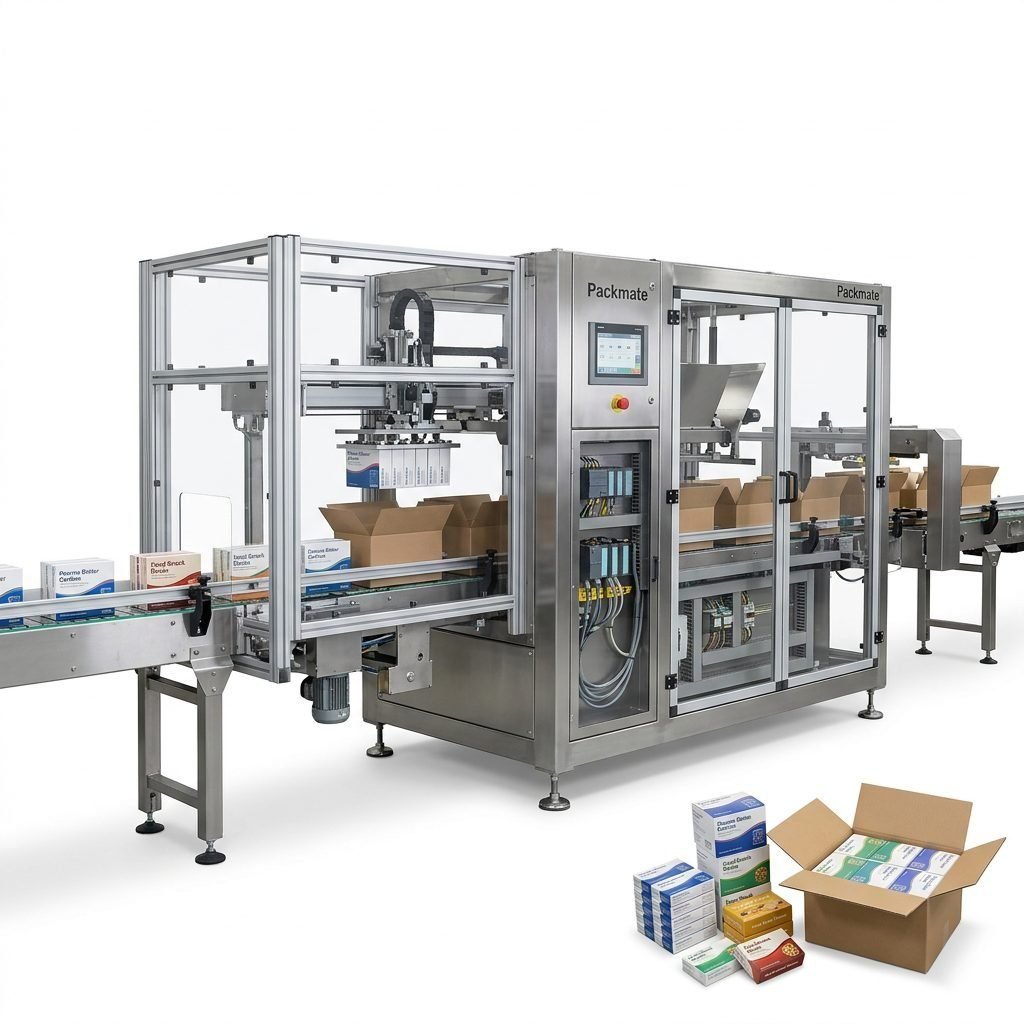
2. Cartoning Machines
For premium or family-sized pizzas, a rigid cardboard carton is often preferred. Automatic cartoning machines erect flat carton blanks, insert the pizza (sometimes after it has been flow-wrapped for extra protection), and securely close the box with glue or tuck-in flaps. These systems can be highly sophisticated, handling multiple pizza sizes and incorporating auxiliary equipment for inserting leaflets or coupons.
3. Tray Sealing & Skin Packaging Machines
This method involves placing the pizza on a pre-formed plastic or paperboard tray. A machine then applies a top film (skin) over the product and tray, sealing it under heat and sometimes vacuum. This creates a very secure, tamper-evident package that molds tightly to the pizza’s contours, minimizing air pockets and maximizing product visibility. It’s a format associated with higher perceived quality.
4. Complete Integrated Packaging Lines
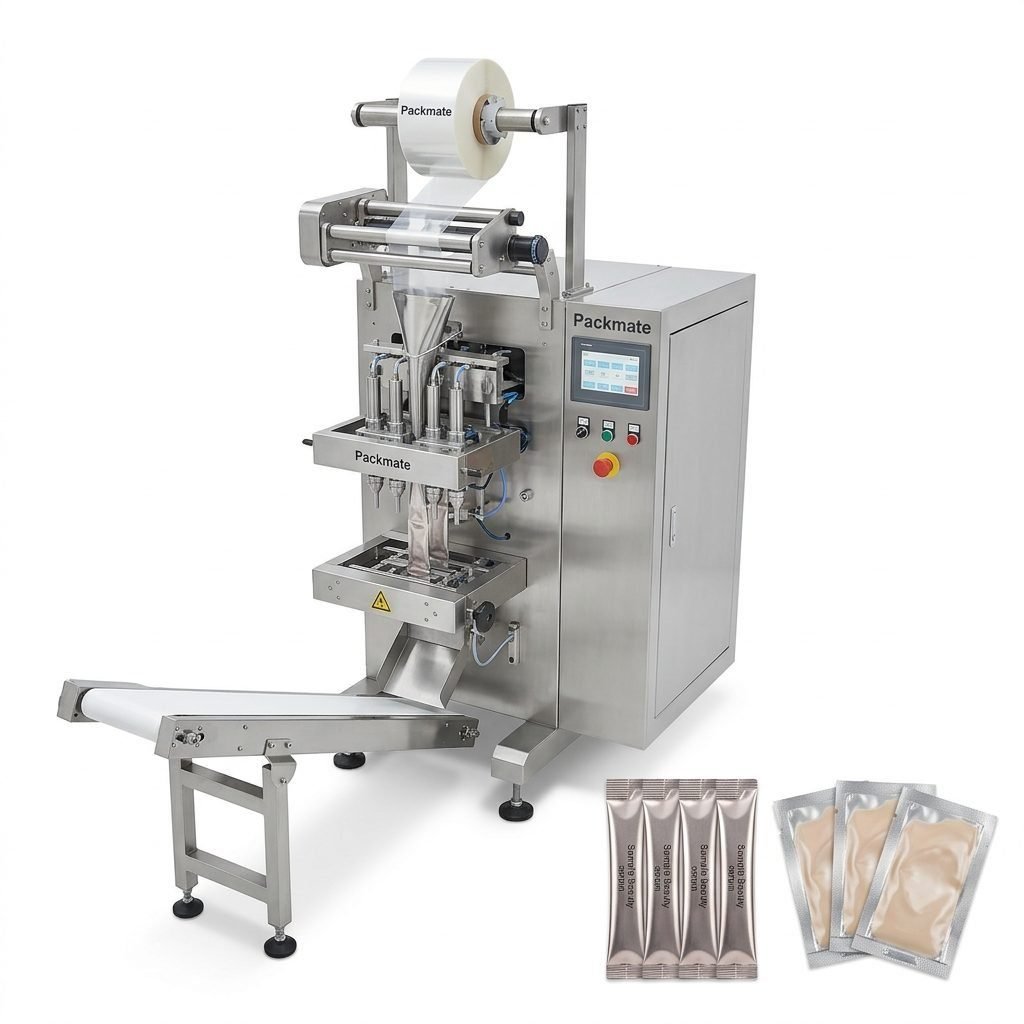
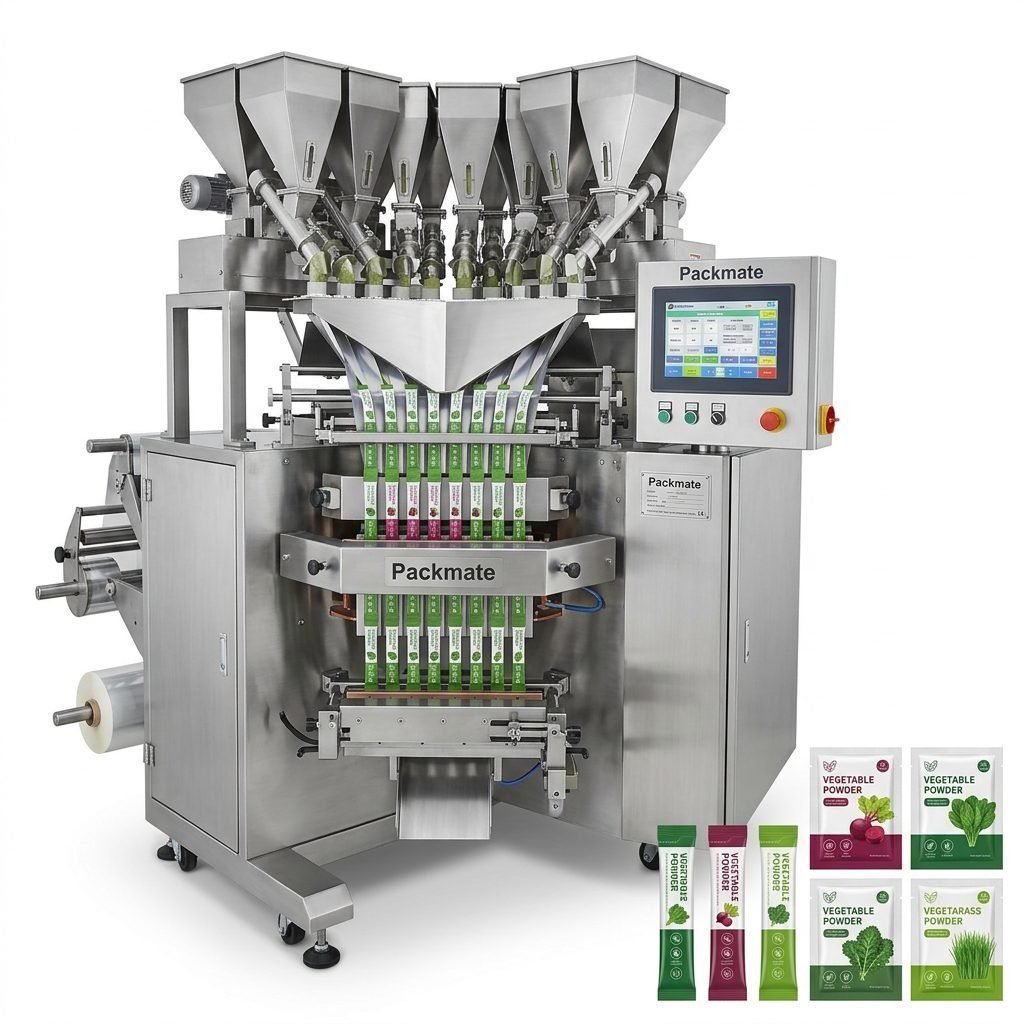
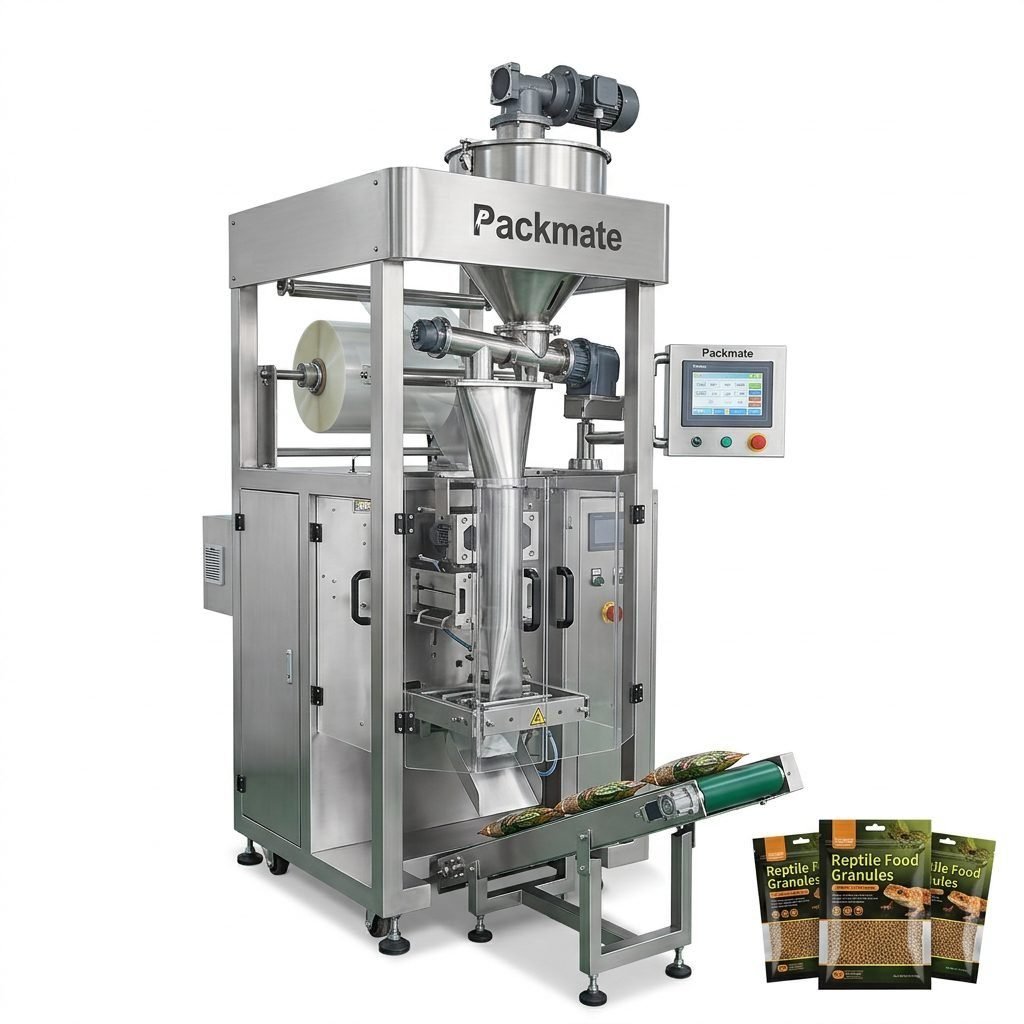
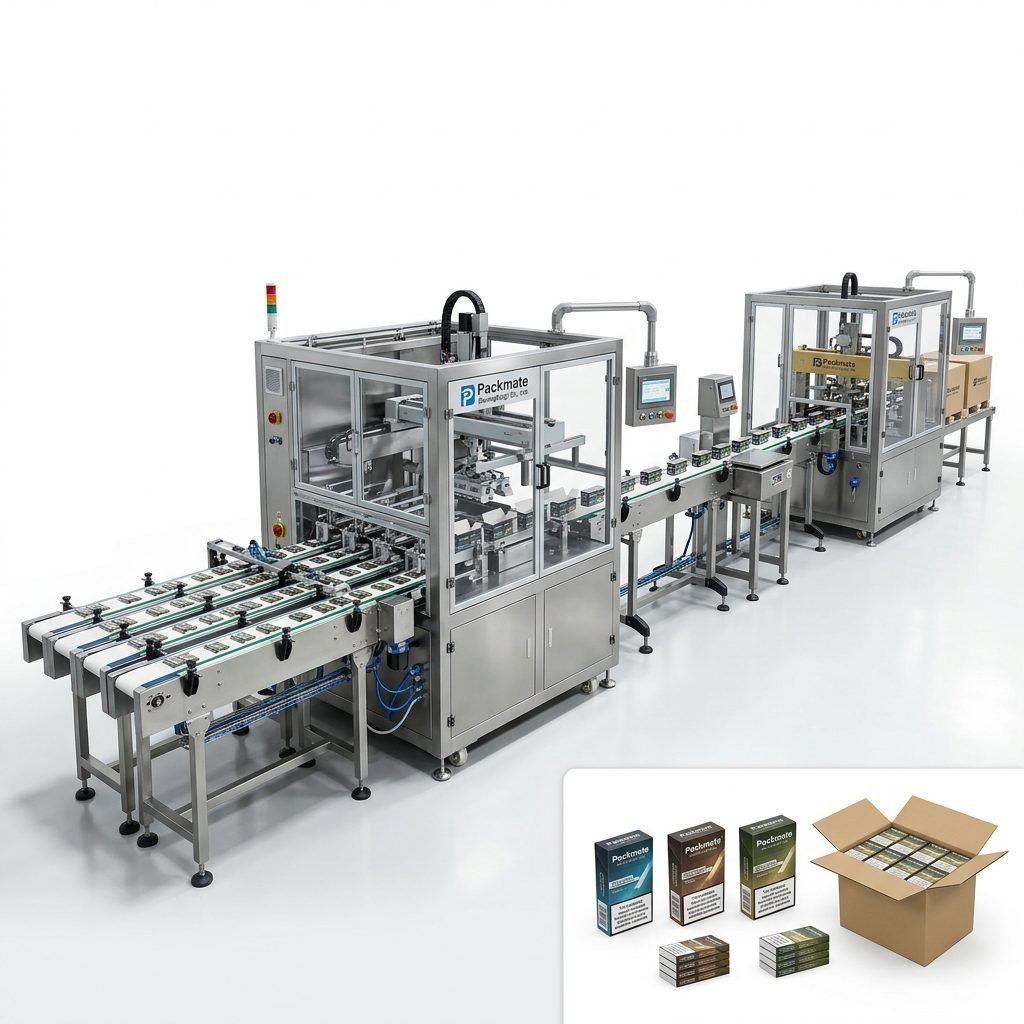
For maximum automation, producers invest in turnkey lines. These integrate several machines into one seamless system. A typical line might include a depalletizer for raw pizzas, a metal detector, a flow wrapper, a cartoner, a case packer, and a palletizer. Companies like Packmate Machinery specialize in designing such complete filling and packaging lines, tailored to specific output and space requirements.
Key Buying Considerations: Your Selection Checklist
Navigating the market for packaging machinery requires careful evaluation. Use this checklist to guide your decision-making process.
A. Production Capacity & Speed
Clearly define your current and projected output needs (pizzas per minute/hour). Machine speeds must align with your production goals without creating bottlenecks. Remember, the speed of the slowest machine in your line dictates the overall line speed.
B. Pizza Size and Format Flexibility
Do you produce a single size or multiple diameters (e.g., 7-inch personal to 16-inch family)? Can the machine handle different thicknesses? Changeover time between sizes is a critical metric for operational efficiency. Look for machines with quick-adjust mechanisms or digital settings.
C. Packaging Material Compatibility
The machine must be engineered to work reliably with your chosen film, carton stock, or tray materials. Discuss material specifications (gauge, coating, barrier properties) with the machine supplier. Some advanced machines can handle eco-friendly or recyclable materials, which is a growing market demand.
D. Automation Level and Integration
Determine how much manual intervention is acceptable. Do you need automatic product feeding, film splicing without stopping, or robotic case packing? Consider future expansion—can the machine be easily integrated into a larger automated line later? Exploring a range of packing machine solutions will reveal different levels of automation.
E. Hygiene, Safety, and Sanitation
Food-grade stainless steel contact parts, easy-access panels for cleaning, and designs that prevent product or grease accumulation are non-negotiable. Machines should comply with relevant food safety standards (e.g., FDA, EU regulations).
F. Supplier Reliability and Support
This may be the most important factor. A machine is a long-term investment. Evaluate the manufacturer’s reputation, experience in the food industry, and after-sales service structure. Do they offer comprehensive training, readily available spare parts, and responsive technical support? A company with a proven track record, like Packmate with over two decades of development, offers significant peace of mind.
Optimizing Your Packaging Operation
Beyond the machine purchase, consider these factors for a successful operation:
Material Waste Reduction: Modern machines have precise cutting and sealing controls to minimize film or carton waste, directly impacting material costs.
Energy Efficiency: Look for machines with efficient servo motors and heating systems to reduce your plant’s energy consumption.
Operator Friendliness: An intuitive Human-Machine Interface (HMI) with troubleshooting guides reduces downtime and training time for your staff.
Data Connectivity: Industry 4.0-ready machines can provide valuable production data (OEE, downtime reasons, output counts) for process optimization and predictive maintenance.
Frequently Asked Questions (FAQs)
1. What is the typical output speed of a frozen pizza flow wrapper?
Speeds vary significantly based on pizza size and machine model. For standard 12-inch pizzas, speeds can range from 40 to over 120 packages per minute. High-speed models for smaller pizzas can exceed 200 per minute. It’s essential to test your specific product with the machine to determine achievable, sustainable speeds.
2. Can one machine handle both thin-crust and deep-dish pizzas?
Yes, but flexibility depends on the machine’s design. Many machines offer adjustable forming boxes, sealing jaws, and product handling systems to accommodate a range of thicknesses. The key is the range of adjustment and the time required to change over between formats. Discuss your full product portfolio with the supplier.
3. How important is after-sales service when buying a packaging machine?
Extremely important. Packaging machines are complex and will require maintenance, parts, and occasional repairs. A supplier with a strong global service network, available spare parts inventory, and remote diagnostic capabilities ensures minimal downtime, protecting your production schedule and investment.
4. What are the main cost factors besides the machine price?
Total Cost of Ownership (TCO) includes packaging material costs, energy consumption, required labor, maintenance costs, and potential downtime costs. A slightly more expensive but more reliable, efficient, and faster machine often has a lower TCO over 5-10 years than a cheaper, less capable alternative.
5. Where can I see these machines in operation or get a custom test?
Reputable manufacturers often have demonstration facilities or pilot plants. They can also arrange for a product test run using your actual pizzas and packaging materials. This is the best way to verify performance, seal quality, and speed before making a purchase decision. Attending industry exhibitions is another excellent way to see the latest technology from various suppliers.