In the fast-paced world of manufacturing and product distribution, efficient packaging is not just a final step—it’s a critical component of operational success, product integrity, and brand perception. Whether you’re a startup in the food industry, an established pharmaceutical company, or a health supplement producer, selecting the right packaging equipment is a pivotal decision. This guide delves into the various types of used packaging equipment available, explores the associated costs, and provides a comprehensive buying guide to help you make an informed investment that boosts your productivity and bottom line.
Understanding the Landscape of Used Packaging Equipment
The market for pre-owned packaging machinery is vast and varied. Opting for used equipment can be a strategic move, offering significant cost savings—often 30% to 70% less than new machines—while still providing reliable performance. This path is particularly attractive for businesses looking to expand their capabilities, replace aging units, or manage tight capital expenditure budgets without compromising on quality.
Key Consideration: The core advantage lies in accessing higher-tier, robust machinery from established manufacturers at a fraction of the original cost. Companies like Packmate (GuangDong) Co., Ltd., with over two decades of industry experience, design machines for longevity, making their used models a valuable find in the secondary market.
Primary Categories of Packaging Machinery
Used packaging equipment generally falls into several key categories, each serving distinct functions in the packaging line.
1. Filling and Sealing Machines
These are the workhorses of any packaging operation, responsible for accurately dispensing product into containers and securely sealing them. This category includes:
• Volumetric Cup Fillers: Ideal for free-flowing granules, powders, or seeds. They are simple, cost-effective, and easy to maintain.
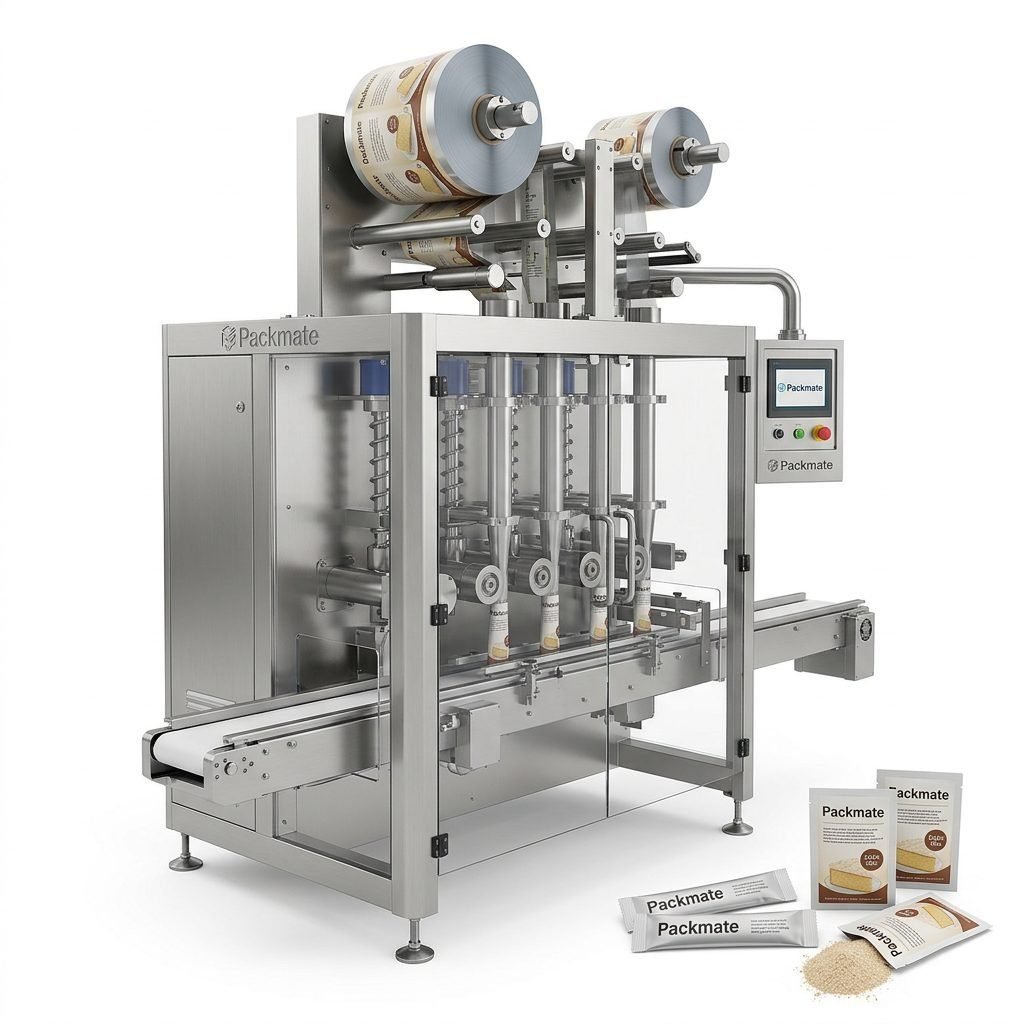
• Auger Fillers: The go-to choice for fine powders, spices, and non-free-flowing products. They offer excellent precision.
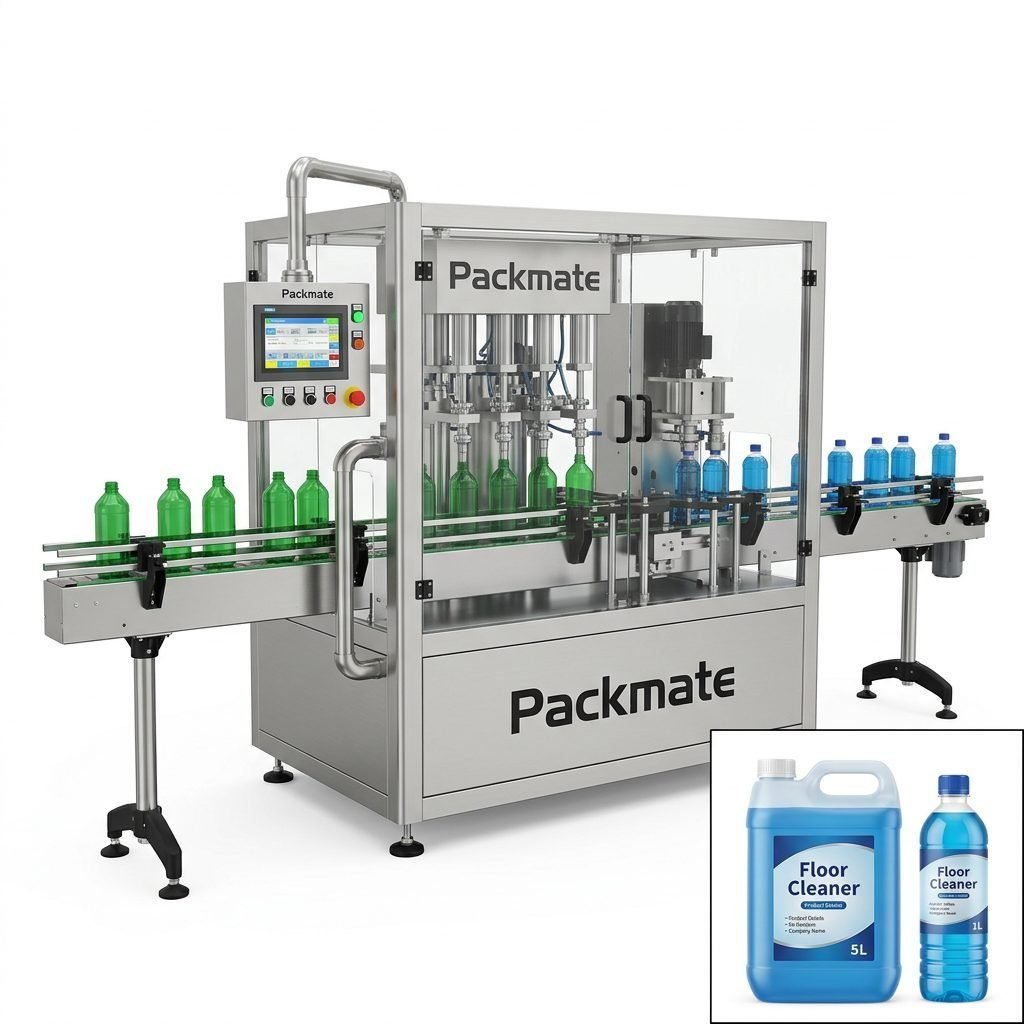
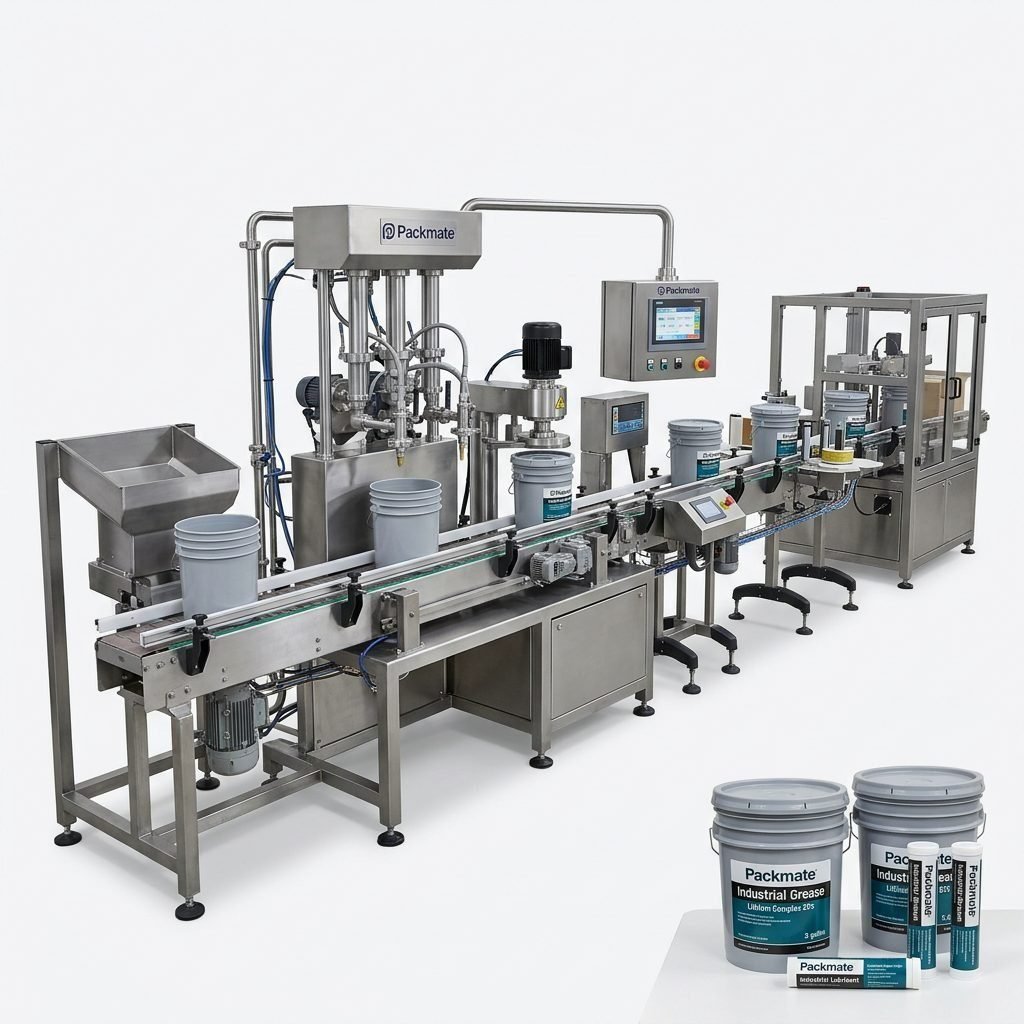
• Liquid Fillers: Ranging from gravity fillers for thin liquids to piston fillers for viscous products like sauces or creams.
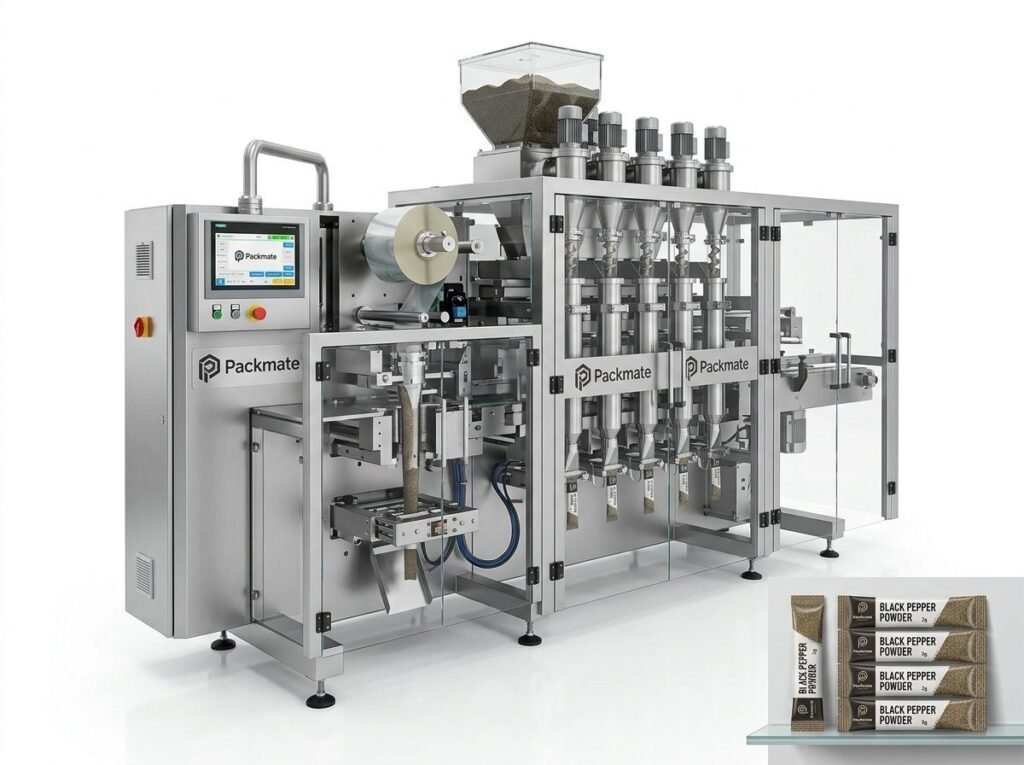
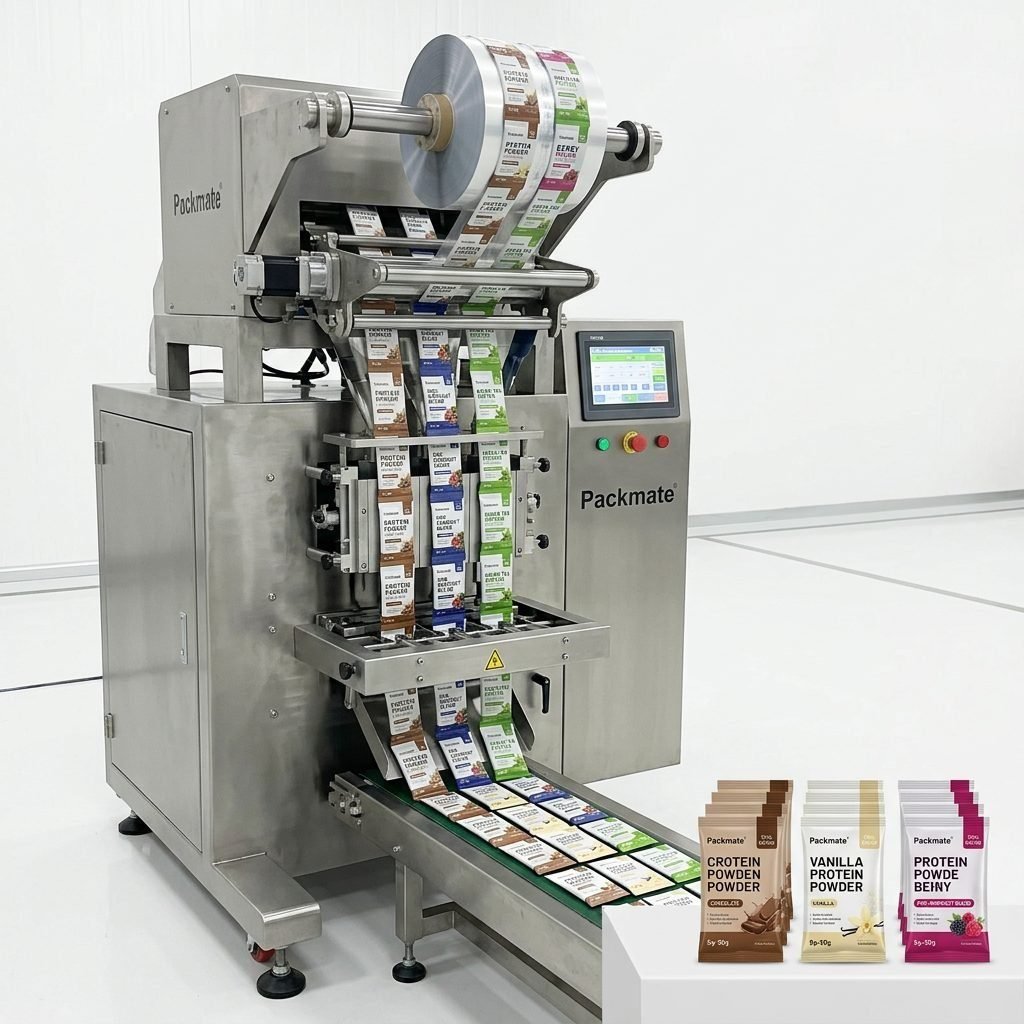
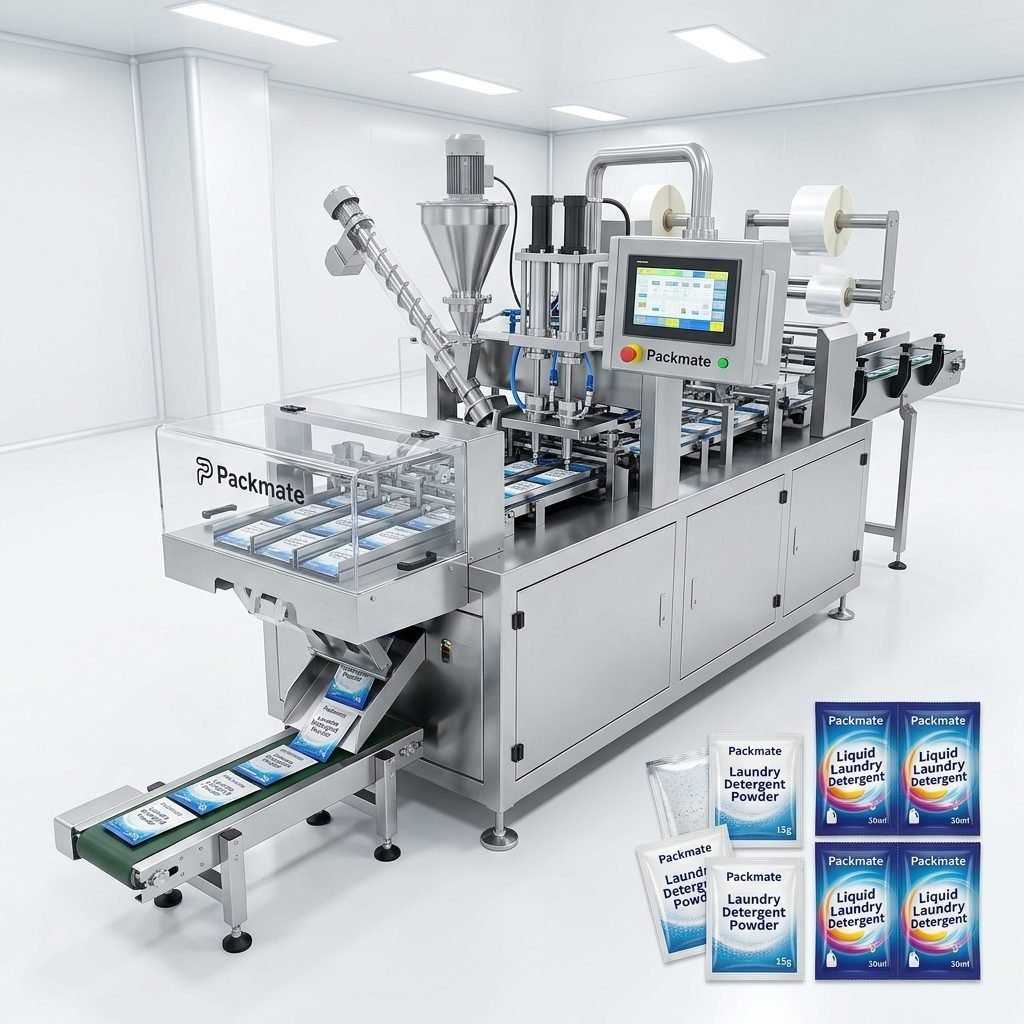
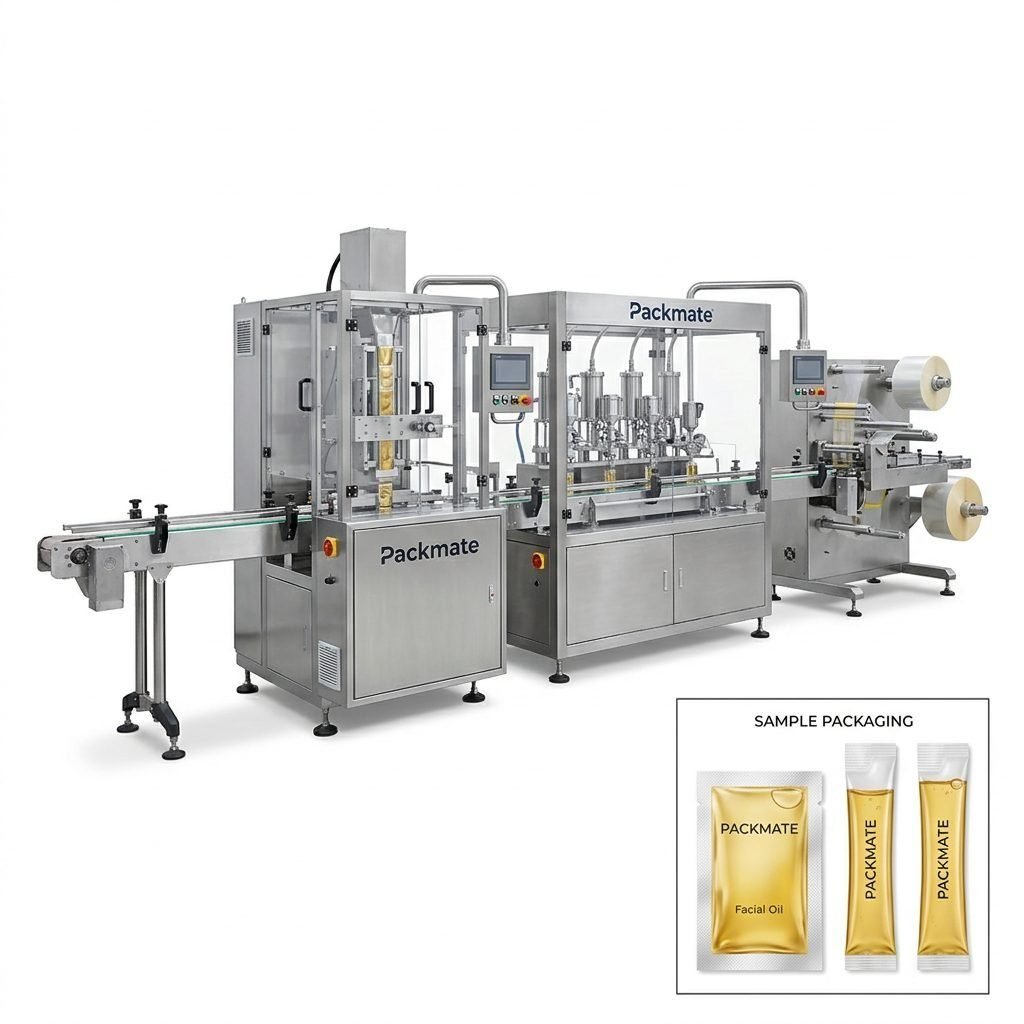
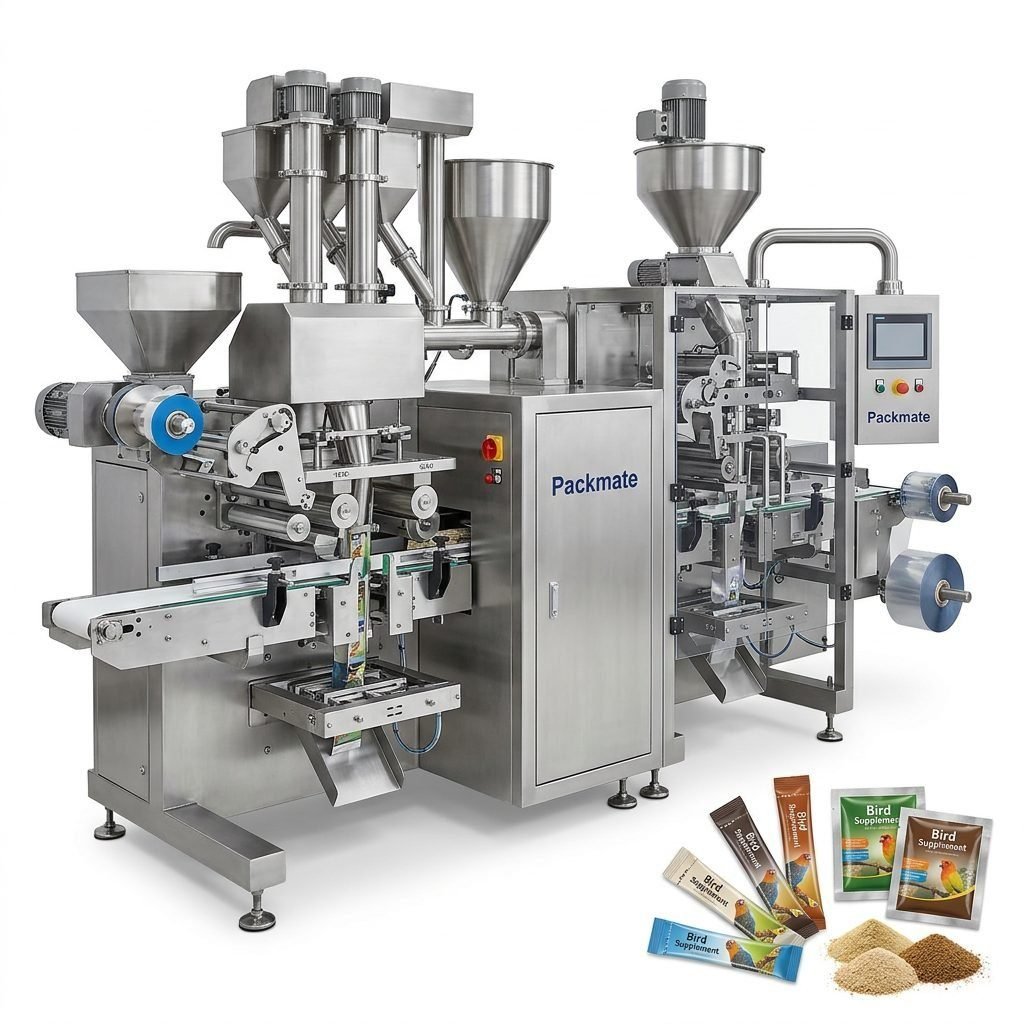
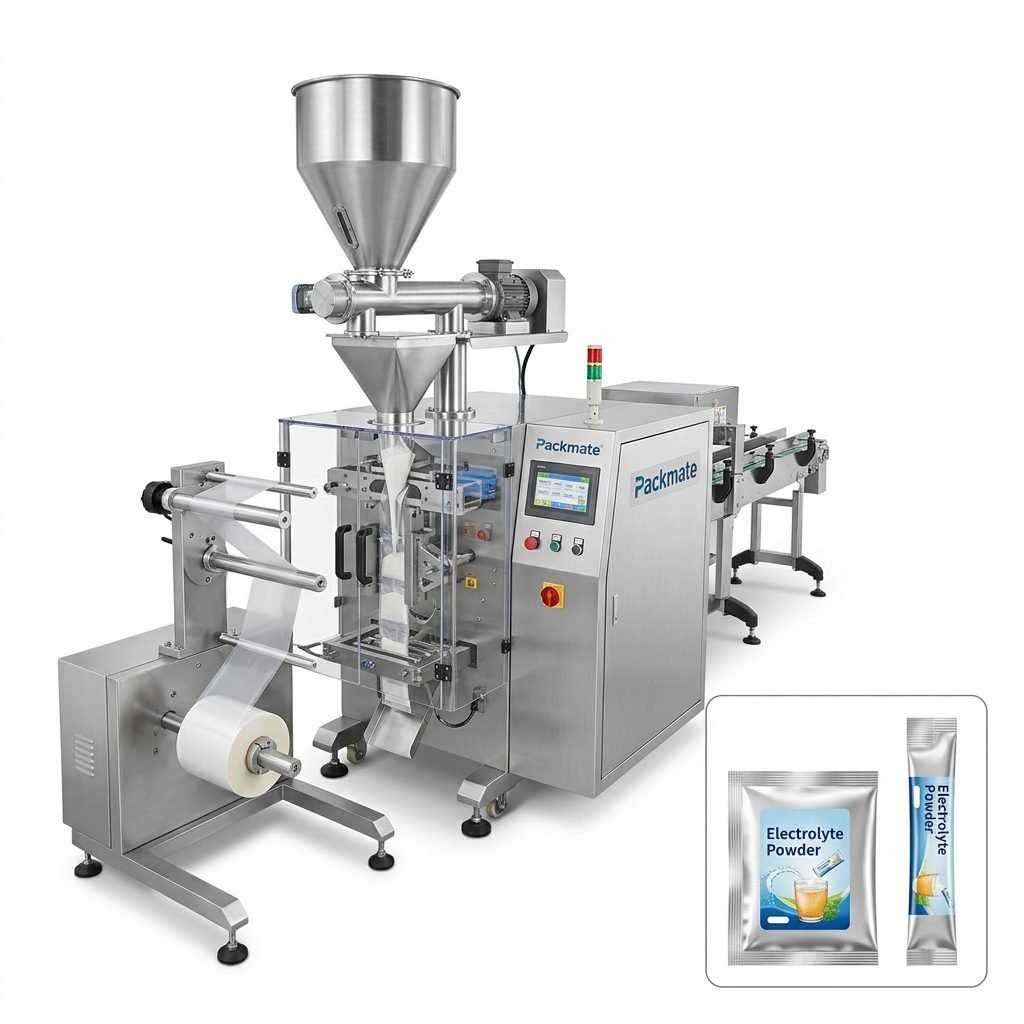
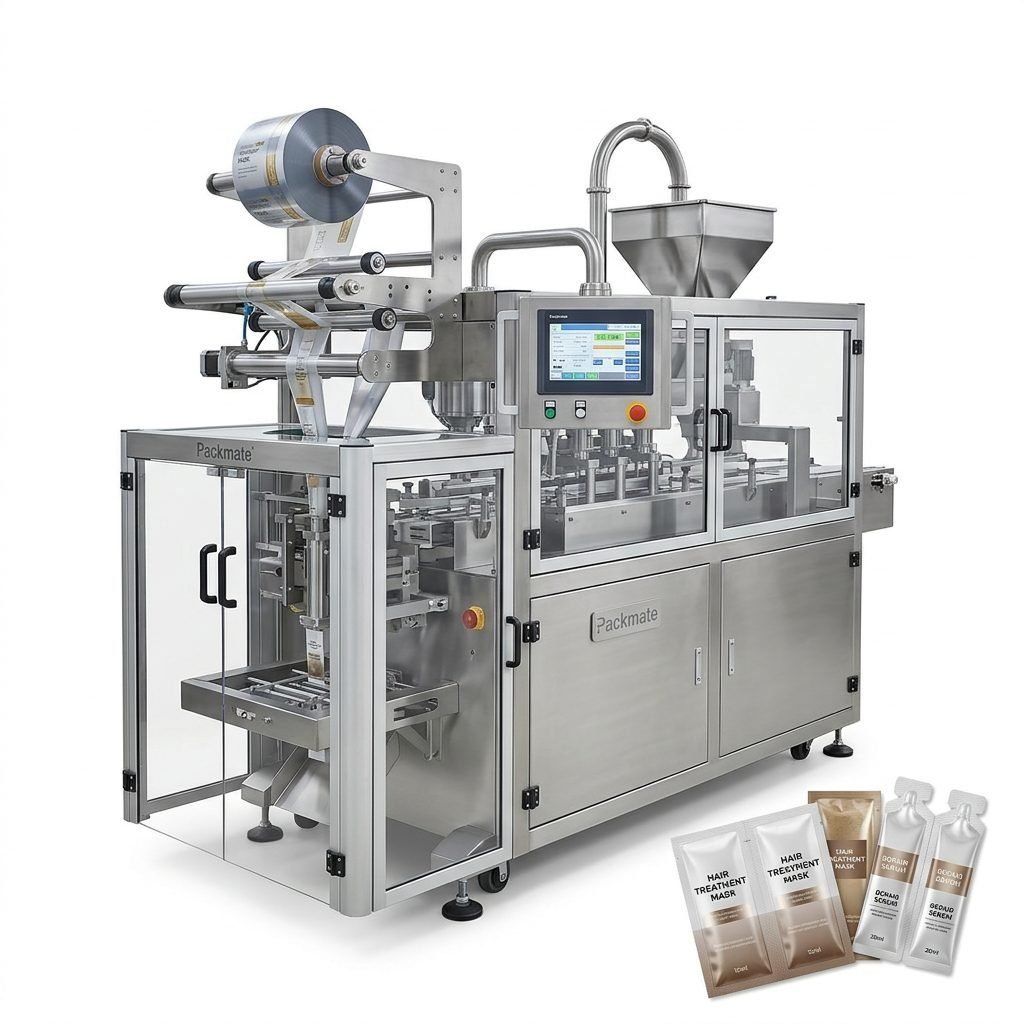
• Form-Fill-Seal (FFS) Machines: These versatile machines form the package from a roll of film, fill it with product, and seal it in one continuous process. They are perfect for creating sachets and stick packs for single-serve portions.
2. Labeling and Coding Equipment
Post-filling, products require identification. Used labelers (pressure-sensitive, sleeve, or wrap-around) and coders (inkjet, laser) ensure your packages meet regulatory requirements and carry essential branding and batch information.
3. Cartoning and Case Packing Systems
For secondary packaging, used cartoners erect, load, and close cartons, while case packers efficiently group finished products into shipping cases. These systems dramatically improve end-of-line speed and reduce manual labor.
4. Ancillary and Support Equipment
This includes conveyors, checkweighers, metal detectors, and accumulation tables. While often overlooked, reliable auxiliary equipment is vital for creating a smooth, integrated, and safe production line.
Analyzing the Costs of Used Packaging Equipment
The price of a used machine is influenced by a matrix of factors beyond its simple age. Understanding these will help you assess value accurately.
1. Machine Age and Hours of Operation: Similar to a vehicle, a machine’s “mileage” matters. Low-use machines from a clean environment command higher prices than heavily used units.
2. Manufacturer Reputation and Model: Equipment from renowned manufacturers known for durability and support, such as those developed by companies with a strong track record like Packmate Machinery, retains value better. Popular, widely-supported models are also preferable.
3. Condition and Maintenance History: This is paramount. A well-maintained machine with documented service records is worth a premium over one with an unknown history, even if they are the same model year.
4. Technological Level: Basic mechanical machines are less expensive than servo-driven, PLC-controlled models with touchscreen HMIs. Assess if you need modern features or if simpler, more robust technology suffices.
5. Included Accessories and Parts: Does the sale include essential spare parts, changeover kits for different package sizes, or specific filling nozzles? These additions add tangible value.
Total Cost of Ownership (TCO) Warning: The purchase price is just the entry point. Always budget for potential refurbishment, re-commissioning, operator training, and ongoing maintenance. A slightly higher upfront cost for a machine in excellent condition from a reputable dealer often results in a lower TCO.
Your Step-by-Step Buying Guide
Navigating the purchase of used equipment requires diligence. Follow this structured approach to mitigate risk and ensure a successful acquisition.
Step 1: Define Your Requirements Precisely
Start with your product (viscosity, abrasiveness), desired package type (sachet, pouch, bottle), required output speed (packages per minute), and available factory space. This specification sheet will be your benchmark for evaluating every machine.
Step 2: Source Equipment from Reputable Channels
Look for established dealers, direct sales from companies upgrading their lines, or auctions from reputable firms. Specialized dealers often provide warranties and support, adding a layer of security. Exploring the product portfolios of OEMs can also give you insights into suitable machine types.
Step 3: Conduct Thorough Due Diligence
Visual Inspection: Look for signs of wear, corrosion, or repairs. Check lubrication points and the general cleanliness of the machine.
Documentation Review: Request manuals, electrical diagrams, and maintenance logs. The absence of documentation can complicate future repairs.
Performance Test (Factory Acceptance Test): If possible, visit the seller to see the machine run with a material similar to yours. Test its speed, accuracy, and functionality.
Critical Component Check: Inspect high-wear parts like seals, gaskets, cutting blades, and electrical components. Assess the cost and availability of replacing these.
Step 4: Negotiate and Finalize the Transaction
Use your inspection findings to negotiate a fair price. Clarify terms: What is included (shipping, installation support)? Is there a warranty? Ensure you have a clear bill of sale.
Step 5: Plan for Installation and Integration
Coordinate the machine’s arrival with your facility prep. Consider hiring a technician from the seller or a third-party expert for installation, calibration, and integration with your existing line to ensure optimal performance from day one.
Conclusion: A Strategic Investment for Growth
Purchasing used packaging equipment is a savvy, strategic decision that can dramatically enhance your production efficiency without draining financial resources. By thoroughly understanding the different machine types, realistically evaluating all costs, and meticulously following a proven buying process, you can secure a reliable asset that serves your business for years to come. The goal is to find not just a machine, but a productivity partner that aligns with your operational goals and quality standards.
Frequently Asked Questions (FAQs)
Q1: Is used packaging equipment reliable?
A: Yes, if purchased carefully. Equipment from quality-focused manufacturers is built to last. The key is to buy from a reputable source, review maintenance history, and inspect the machine thoroughly. Many used machines offer decades of reliable service.
Q2: What are the biggest risks when buying used?
A: The primary risks are hidden mechanical or electrical issues, lack of technical support, and difficulty sourcing obsolete parts. These risks are mitigated by buying through trusted dealers, insisting on documentation, and choosing popular models from active manufacturers.
Q3: How much can I save by buying used instead of new?
A: Savings typically range from 30% to 70% of the cost of a new equivalent machine. The exact amount depends on the machine’s age, condition, and technological sophistication.
Q4: Can used machines be integrated into automated production lines?
A: Absolutely. Many used machines feature standard mechanical interfaces and control signals (like PLC I/O) that allow them to be integrated into modern automated lines. It’s crucial to verify compatibility during the due diligence phase.
Q5: Where can I find technical support or spare parts for an older used machine?
A> First, check with the original equipment manufacturer (OEM). Many, like Packmate, support their legacy models. Secondly, specialized third-party service companies and online marketplaces for industrial parts are excellent resources for support and components.