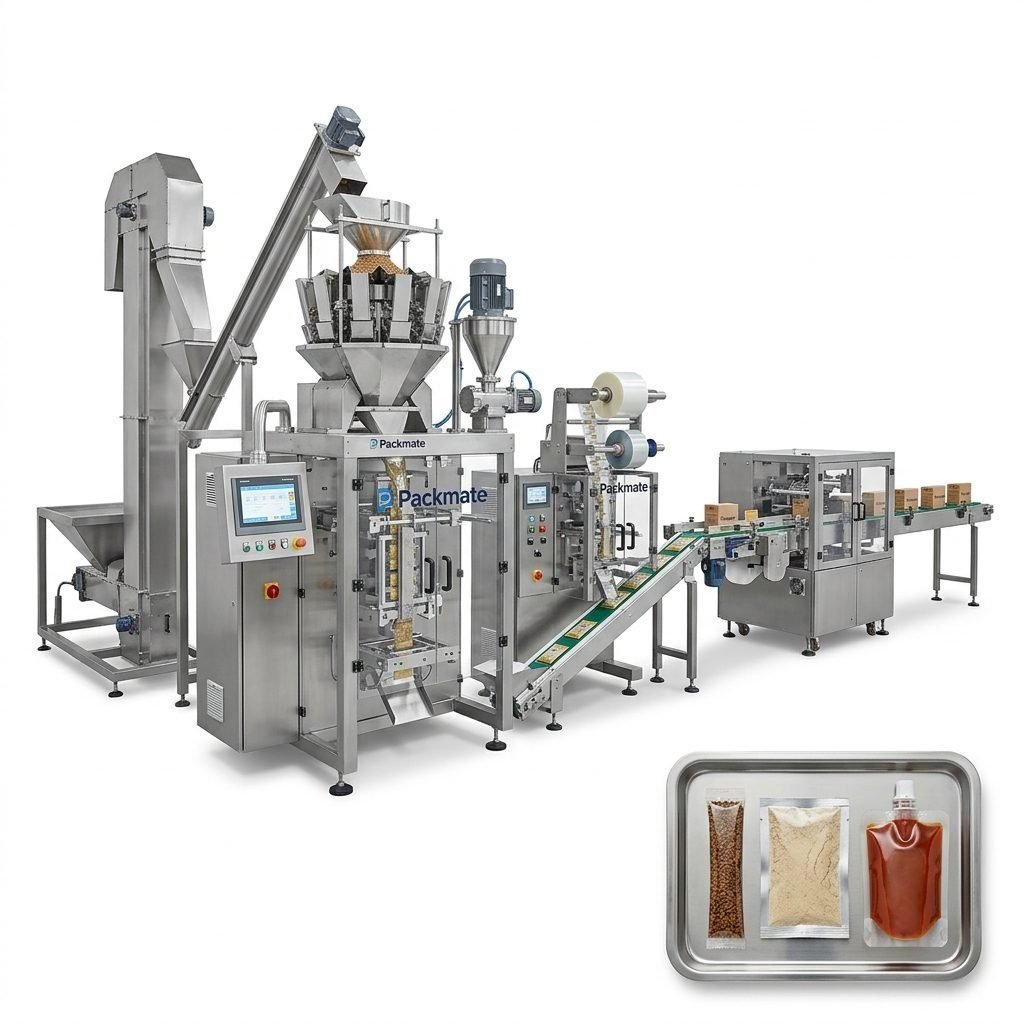
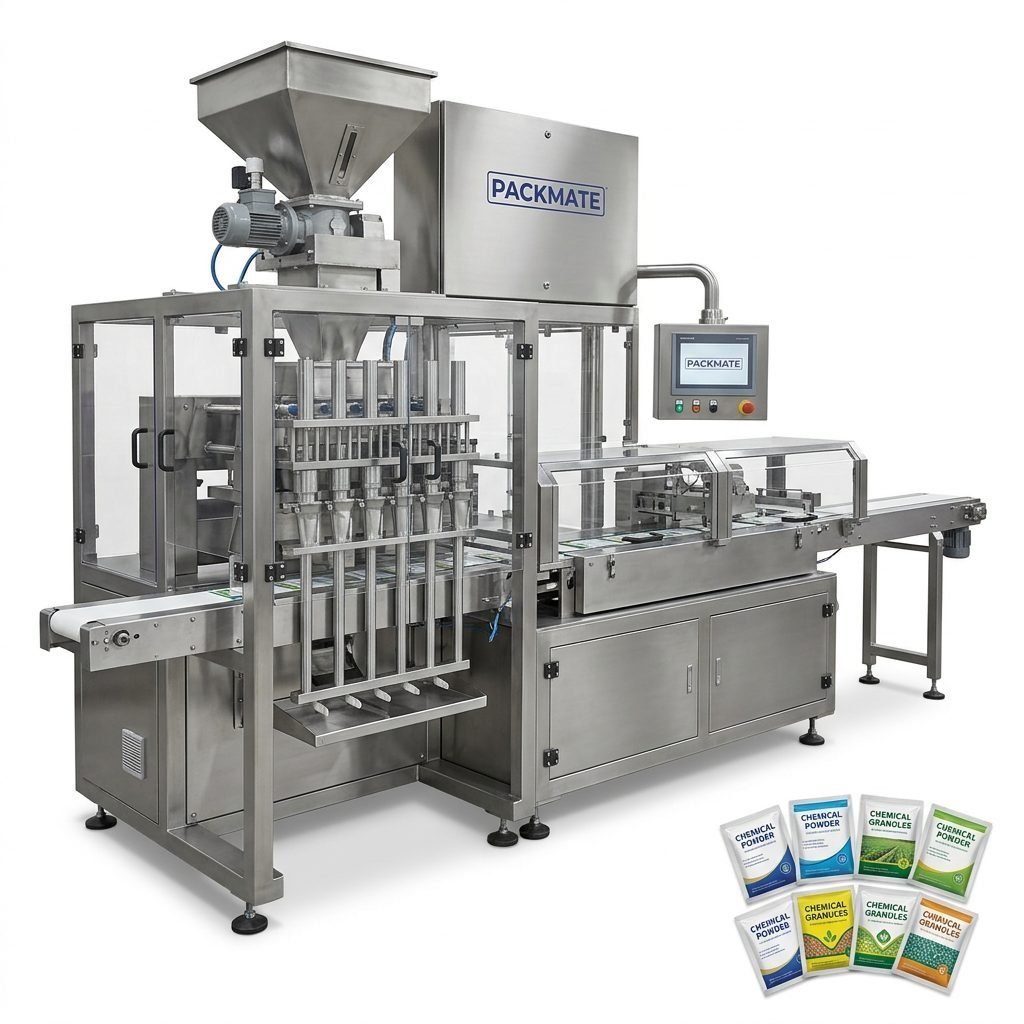
In the dynamic world of manufacturing and product distribution, packaging machinery stands as the silent engine of efficiency, consistency, and brand presentation. From the food you consume to the pharmaceuticals that ensure your well-being, automated packaging systems play a pivotal role. This comprehensive guide delves into the various types of packaging machinery, their specific applications, and provides a structured buying guide to help you make an informed investment for your business.
Understanding the Core Types of Packaging Machinery
The landscape of packaging equipment is vast, but it can be broadly categorized based on the function and the type of package it creates. Understanding these categories is the first step in identifying the right solution for your production line.
1. Filling Machines
These machines are designed to accurately deposit a measured amount of product into containers. They are crucial for maintaining consistency and minimizing product giveaway.
Liquid Fillers: Ideal for beverages, oils, sauces, and chemicals. They range from simple gravity fillers to sophisticated volumetric piston or pump fillers for viscous products.
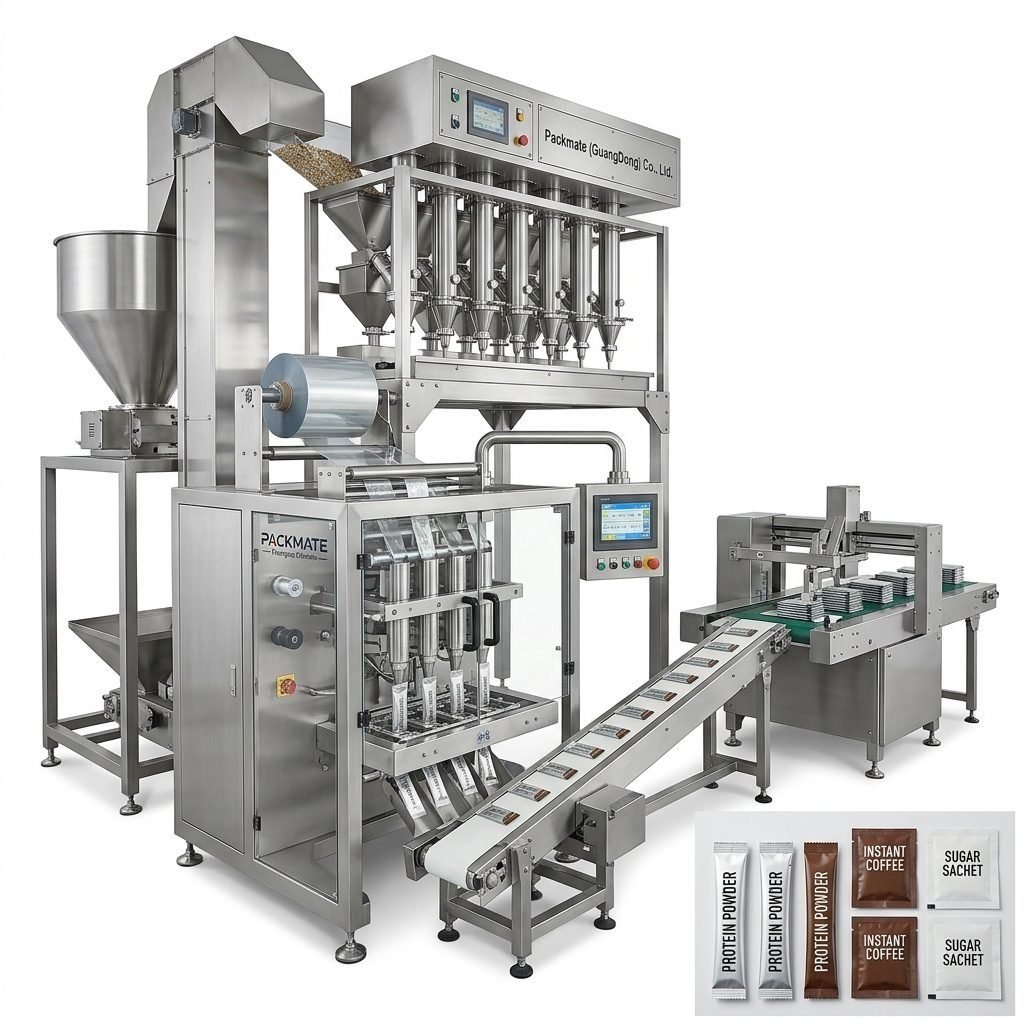
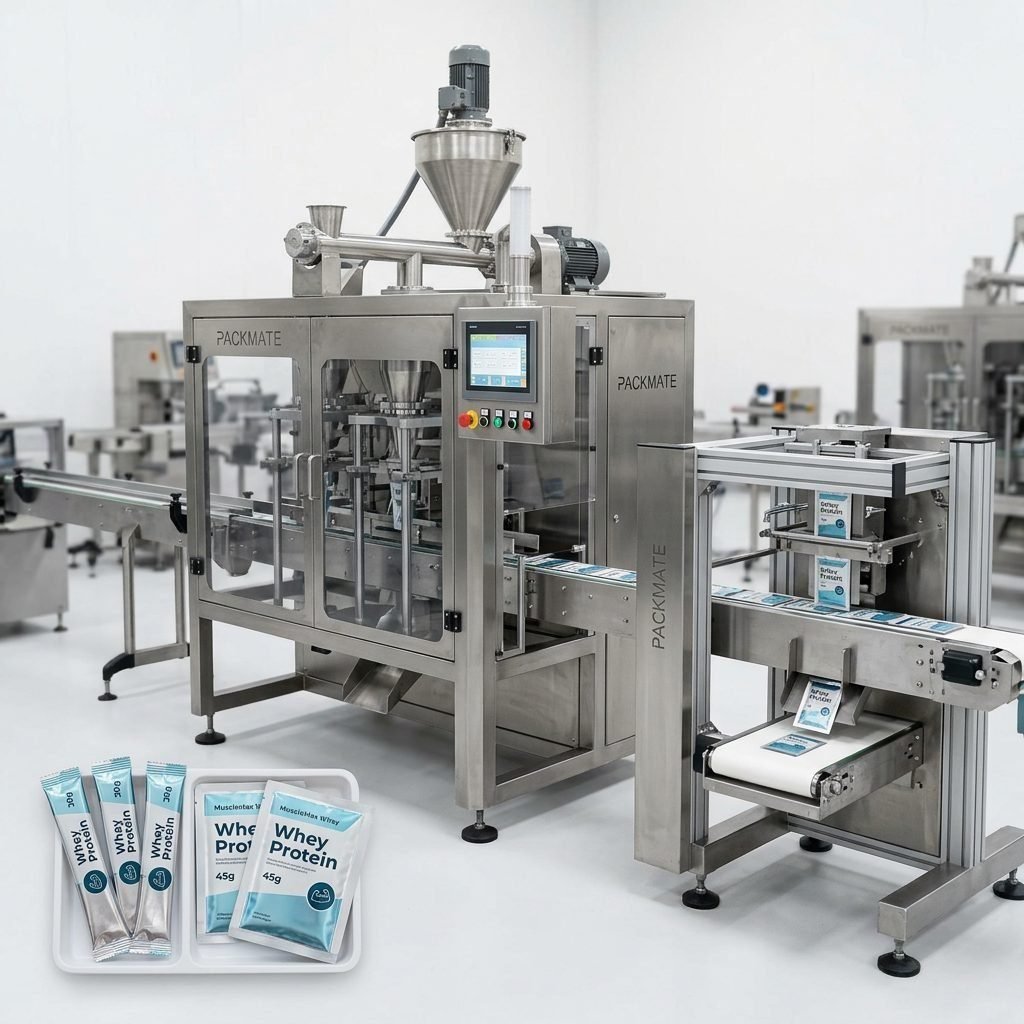
Powder Fillers: Used for flour, spices, protein powders, and pharmaceuticals. Auger fillers are the most common, using a screw mechanism for precise measurement.
Granule Fillers: Perfect for coffee beans, nuts, seeds, and grains. These often use cup or weigh scale systems for accuracy.
2. Form-Fill-Seal (FFS) Machines
FFS machines are the workhorses of flexible packaging. They form the package from a roll of film, fill it with product, and seal it—all in one continuous, automated process. This type is highly efficient and reduces material waste.
Vertical Form-Fill-Seal (VFFS): Creates bags that are filled vertically. Perfect for snacks, frozen foods, and hardware items. They are compact and offer high-speed operation.
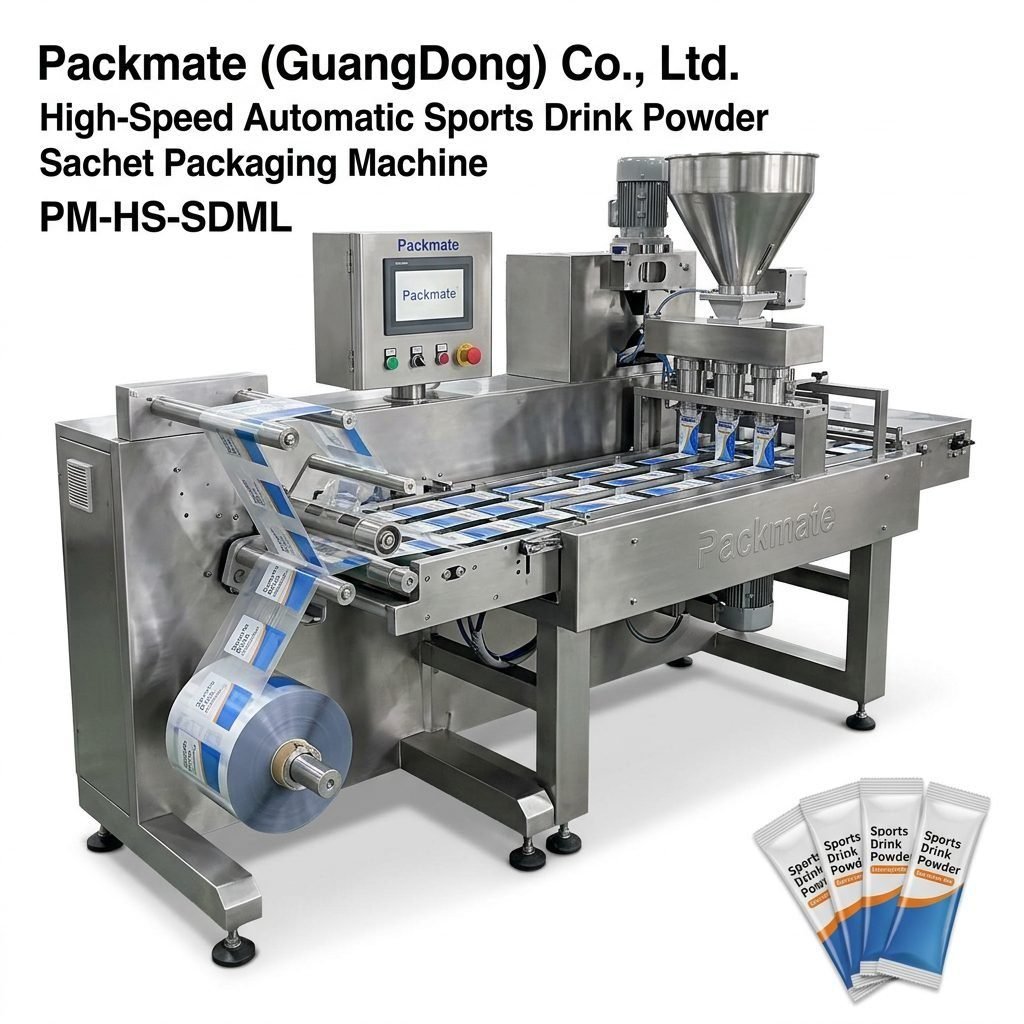
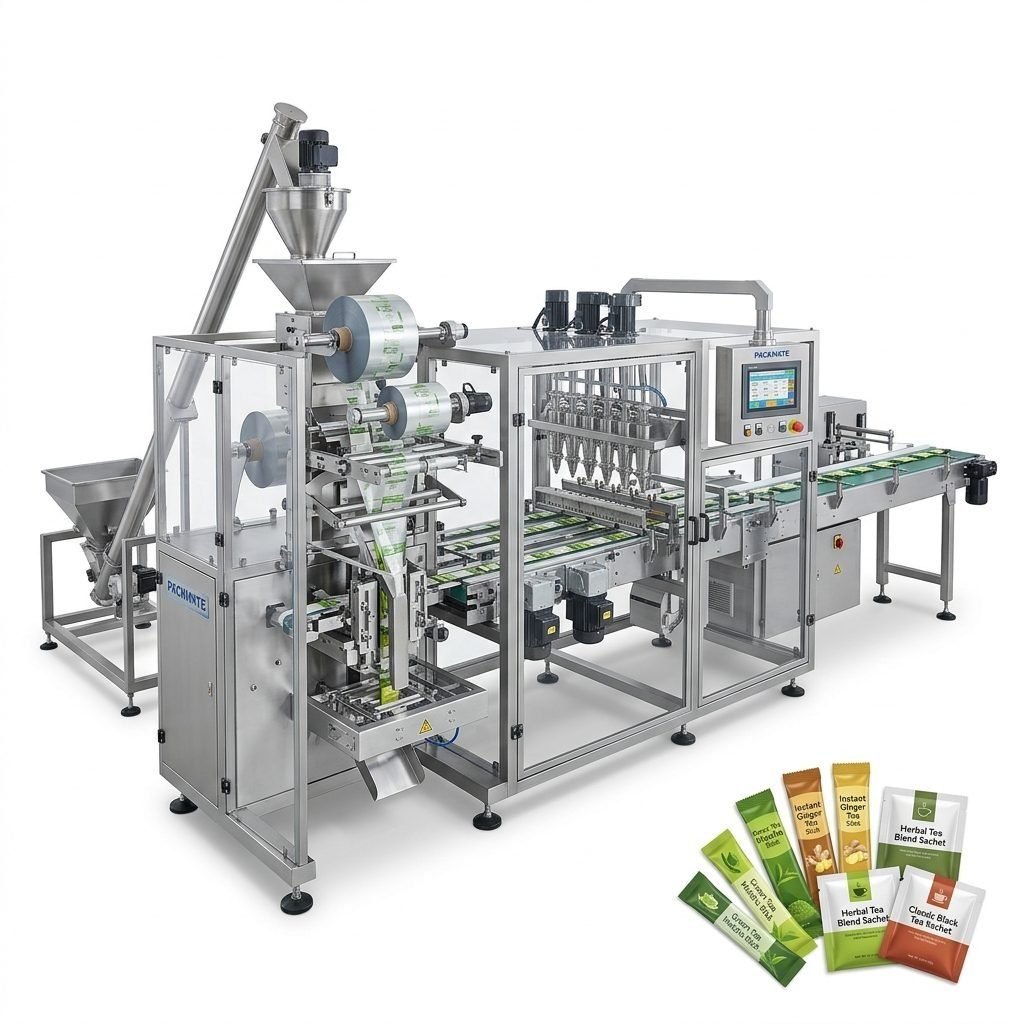
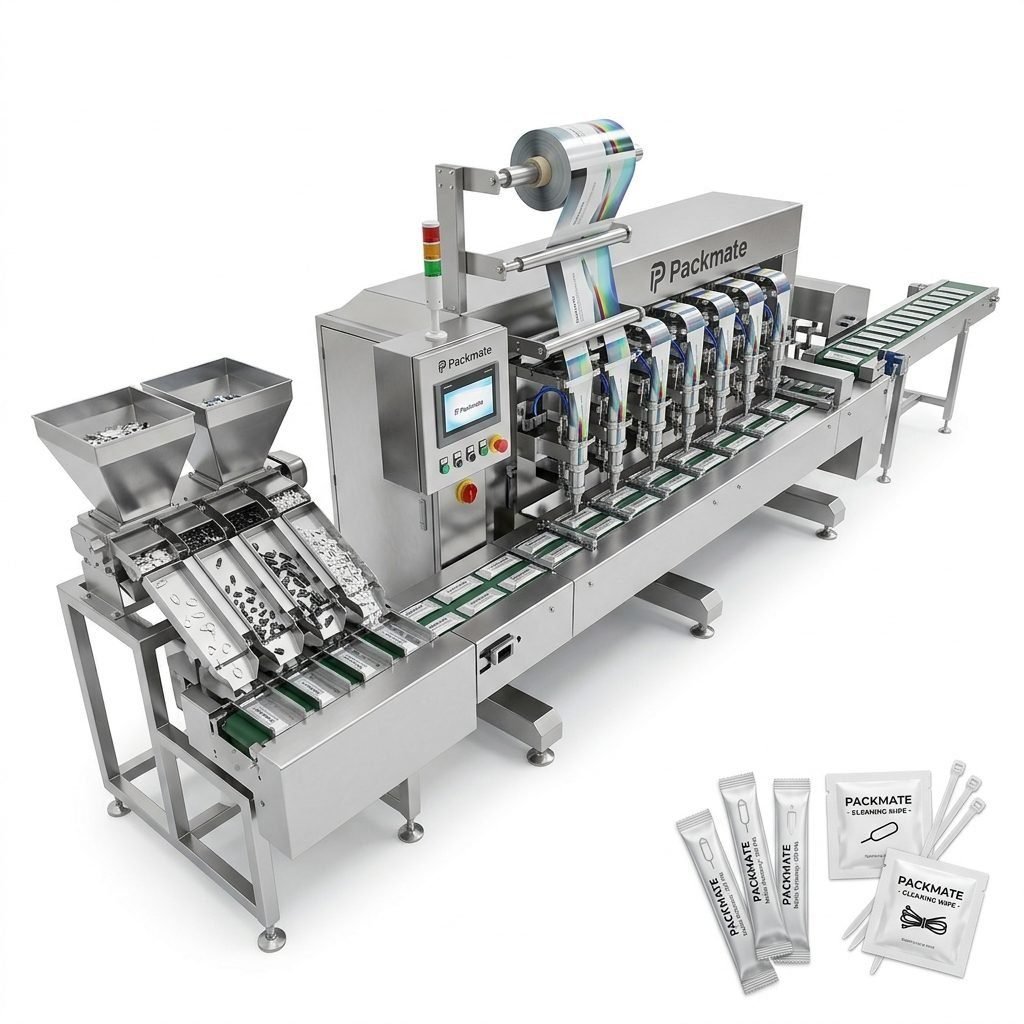
Horizontal Form-Fill-Seal (HFFS): Forms packages on a horizontal plane. Often used for sachets and stick packs for condiments, shampoo, and pharmaceutical powders. They allow for more complex package shapes and excellent visual presentation.
3. Sealing and Closing Machines
Once a product is in its container, it needs to be securely closed. This category includes equipment for applying lids, caps, induction seals, and various sealing mechanisms.
Induction Sealers: Create a tamper-evident, hermetic seal under plastic caps, commonly used in food and pharmaceutical industries.
Cappers: Automatically screw caps onto bottles and jars at high speeds, ensuring consistent tightness.
4. Labeling and Coding Machines
These apply vital information and branding to the package. They are essential for compliance, traceability, and marketing.
Labelers: Apply pressure-sensitive labels, wrap-around labels, or front/back labels to containers. Options include auxiliary equipment like print-and-apply systems.
Inkjet and Laser Coders: Print batch numbers, expiration dates, barcodes, and logos directly onto packaging materials or products.
5. Cartoning and Case Packing Machines
This equipment handles secondary packaging, placing primary packages into cartons or shipping cases.
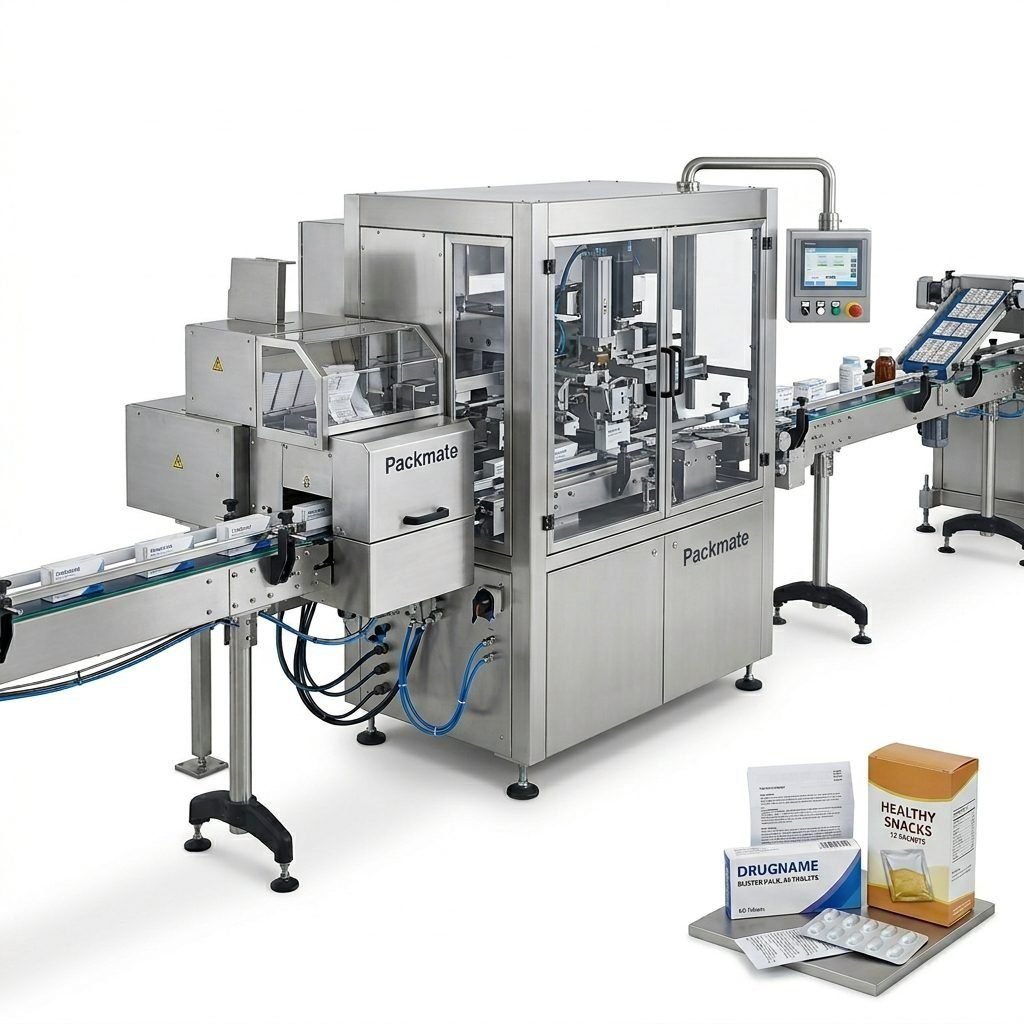
Cartoners: Erect, load, and seal folding cartons. They can be intermittent or continuous motion machines.
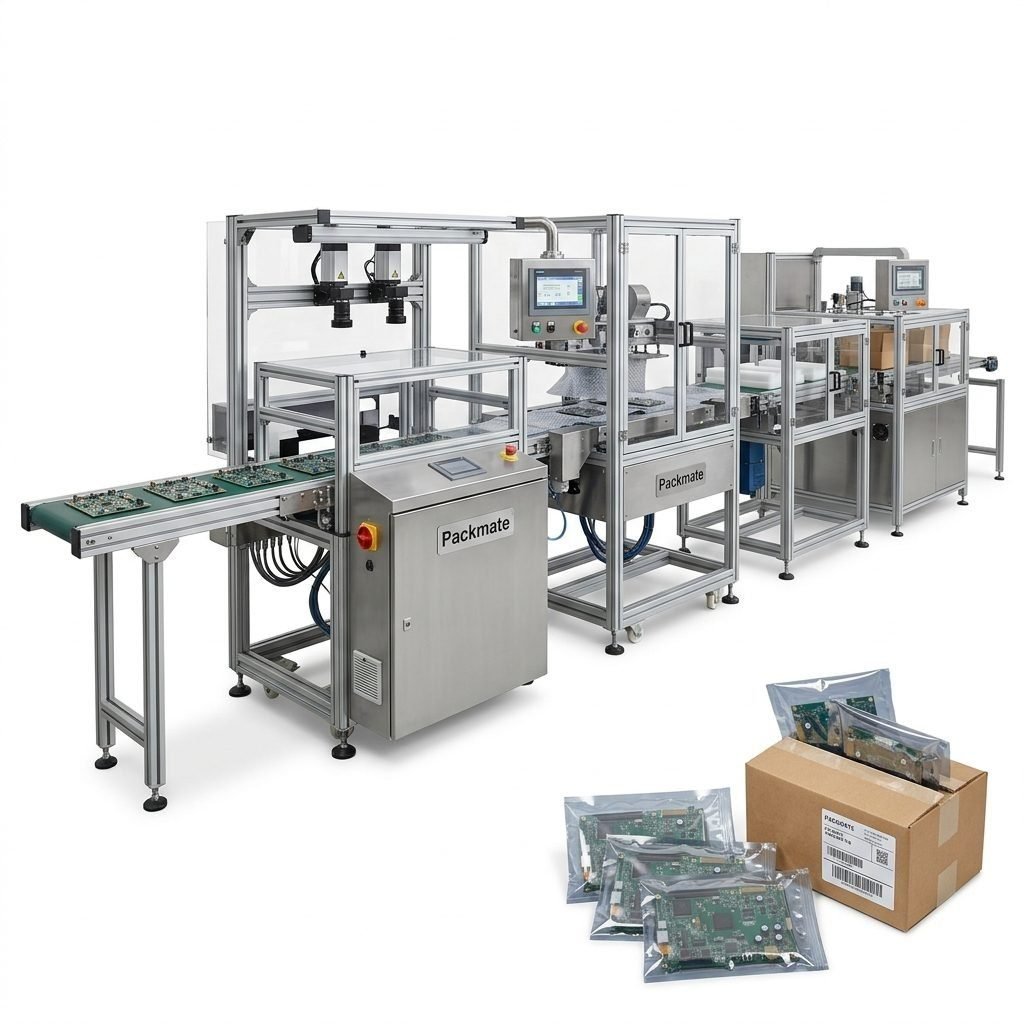
Case Packers: Automatically group and load products into corrugated shipping cases, ready for palletizing.
Primary Uses and Industry Applications
Packaging machinery is not a one-size-fits-all solution. Different industries have unique requirements for hygiene, accuracy, speed, and package type.
Food & Beverage Industry
This sector demands machinery that ensures product freshness, prevents contamination, and meets stringent food safety standards (like HACCP and FDA requirements). High-speed VFFS machines for snacks, liquid fillers for beverages, and vacuum packaging machines for meats are prevalent. The need for attractive, shelf-ready packaging is also a major driver.
Pharmaceutical & Healthcare Industry
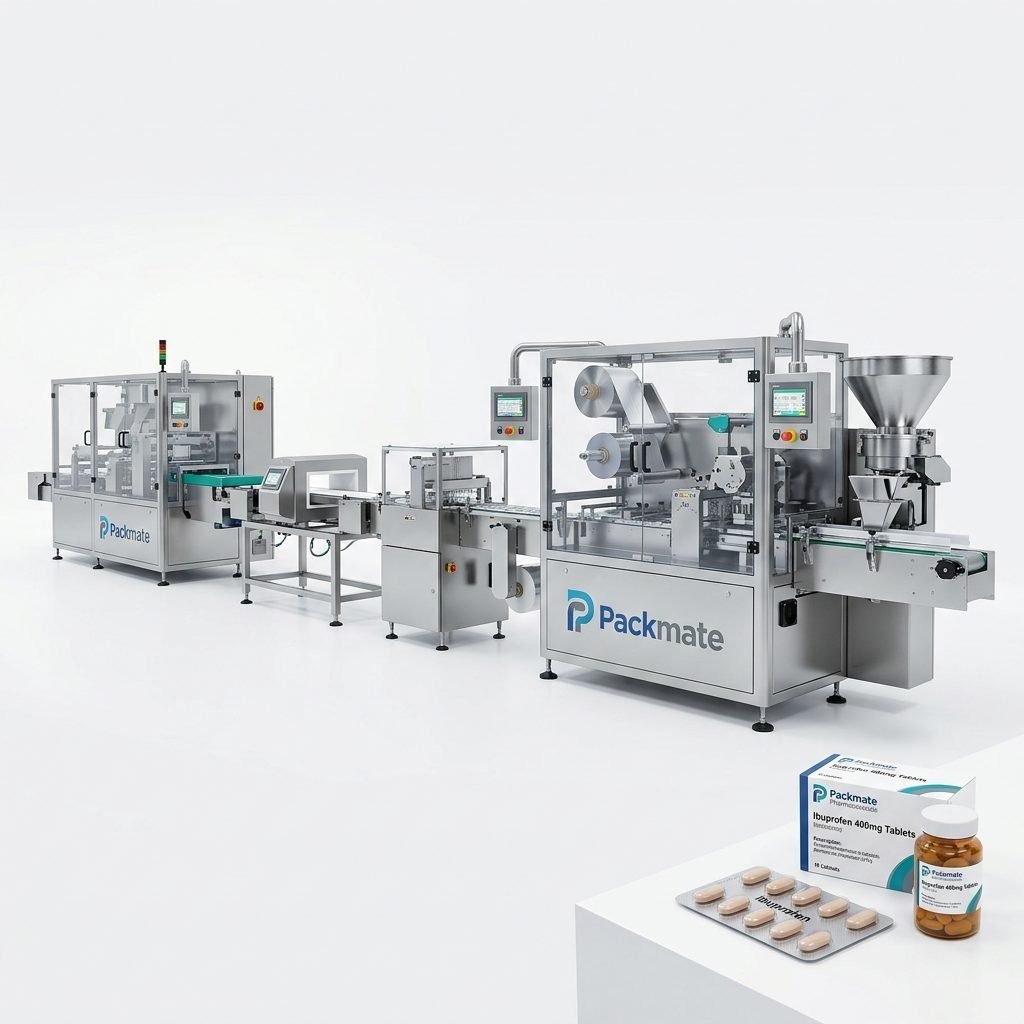
Precision, sterility, and traceability are paramount. Machines used here must often comply with cGMP (Current Good Manufacturing Practice). Applications include stick pack machines for powder supplements, blister packaging for tablets, and ampoule/vial filling and sealing lines. Tamper-evidence and child-resistant features are often required.
Cosmetics & Personal Care
Aesthetics and precise filling of often viscous or valuable products (like creams, lotions, serums) are key. Piston fillers, tube fillers, and elegant sachet packaging machines are widely used to create samples and travel-sized products.
Chemical & Industrial Products
Durability, safety, and accurate handling of potentially hazardous materials are the focus. This includes heavy-duty bagging machines for fertilizers, drum fillers for industrial chemicals, and specialized sealers.
The Essential Buying Guide: Key Considerations
Investing in packaging machinery is a significant decision. Here’s a structured approach to ensure you select the right equipment.
1. Define Your Product and Packaging Requirements
Start with the basics. What are you packaging (solid, liquid, powder)? What is your desired package type (pouch, bottle, stick pack, carton)? What are the material specifications (film type, thickness)? What is your required output speed (packages per minute/hour)? Clearly defining these parameters narrows down your options immediately.
2. Evaluate Machine Capabilities and Flexibility
Consider not just your current needs but future ones. Can the machine handle a range of package sizes with quick changeovers? Is it compatible with different packaging materials? For businesses with diverse product lines or plans for expansion, a flexible machine from a provider like Packmate Machinery can offer a better long-term return on investment.
3. Prioritize Quality, Durability, and Support
The machine’s construction quality directly impacts uptime and longevity. Look for robust frames, high-grade components (like servo motors and PLC controls), and a design that facilitates easy cleaning and maintenance. Crucially, assess the manufacturer’s reputation for after-sales service, technical support, and parts availability. A reliable partner is as important as the machine itself.
4. Analyze Total Cost of Ownership (TCO)
Look beyond the initial purchase price. Factor in installation costs, energy consumption, required operator training, maintenance schedules, and the cost of spare parts. A slightly more expensive machine with higher efficiency and lower maintenance needs often proves more economical over its lifespan.
5. Compliance and Safety Standards
Ensure the machinery meets all relevant local and international safety standards (CE, UL, etc.) and, if applicable, industry-specific regulations (FDA, cGMP). This is non-negotiable for operational legality and workplace safety.
6. Request a Demonstration or Trial
Whenever possible, see the machine in action. A live demonstration using a sample of your actual product and packaging material is the best way to verify performance, speed, and final package quality. Many reputable manufacturers offer this service.
Frequently Asked Questions (FAQs)
What is the most important factor when choosing packaging machinery?
The most critical factor is achieving a perfect match between the machine’s capabilities and your specific product characteristics, packaging format, and required production output. A machine that excels with powders may fail with liquids, and a high-speed machine is wasted on low-volume production.
How do I know if I need a fully automated line or a semi-automatic machine?
The choice depends on your production volume, labor costs, and required consistency. Semi-automatic machines are ideal for start-ups, low-volume batches, or pilot production, offering a lower initial cost. Fully automated lines are necessary for high-volume, 24/7 operations where maximizing throughput and minimizing manual labor are priorities.
What kind of maintenance do packaging machines typically require?
Regular maintenance is vital. This includes daily cleaning, lubrication of moving parts as per the manual, inspection of seals and wear parts (like augers or fill nozzles), and periodic calibration of weighing or filling systems. Following the manufacturer’s prescribed maintenance schedule is the best way to ensure longevity and prevent unplanned downtime.
Can one machine handle multiple different products or package sizes?
Many modern machines are designed with changeover flexibility in mind. Look for features like tool-less change parts, digital size adjustment via HMI (Human-Machine Interface), and quick-release mechanisms. The time and complexity of changeover are key specifications to discuss with your supplier.
Where can I find a reliable supplier for packaging machinery?
Seek suppliers with a proven track record, strong industry references, and transparent communication. A reliable supplier, such as Packmate Machinery with over two decades of experience, will not only sell you a machine but will provide comprehensive support including installation, training, and ongoing service, acting as a long-term partner in your production success.