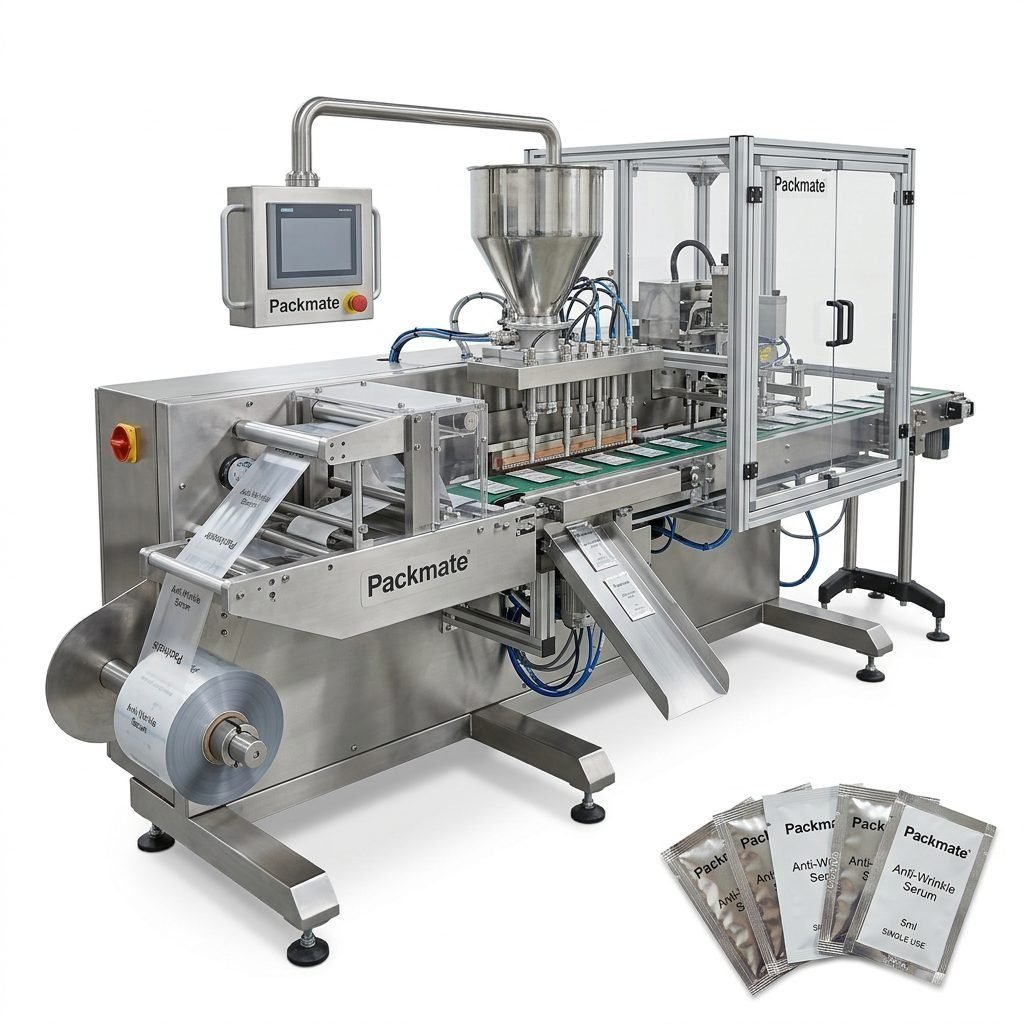
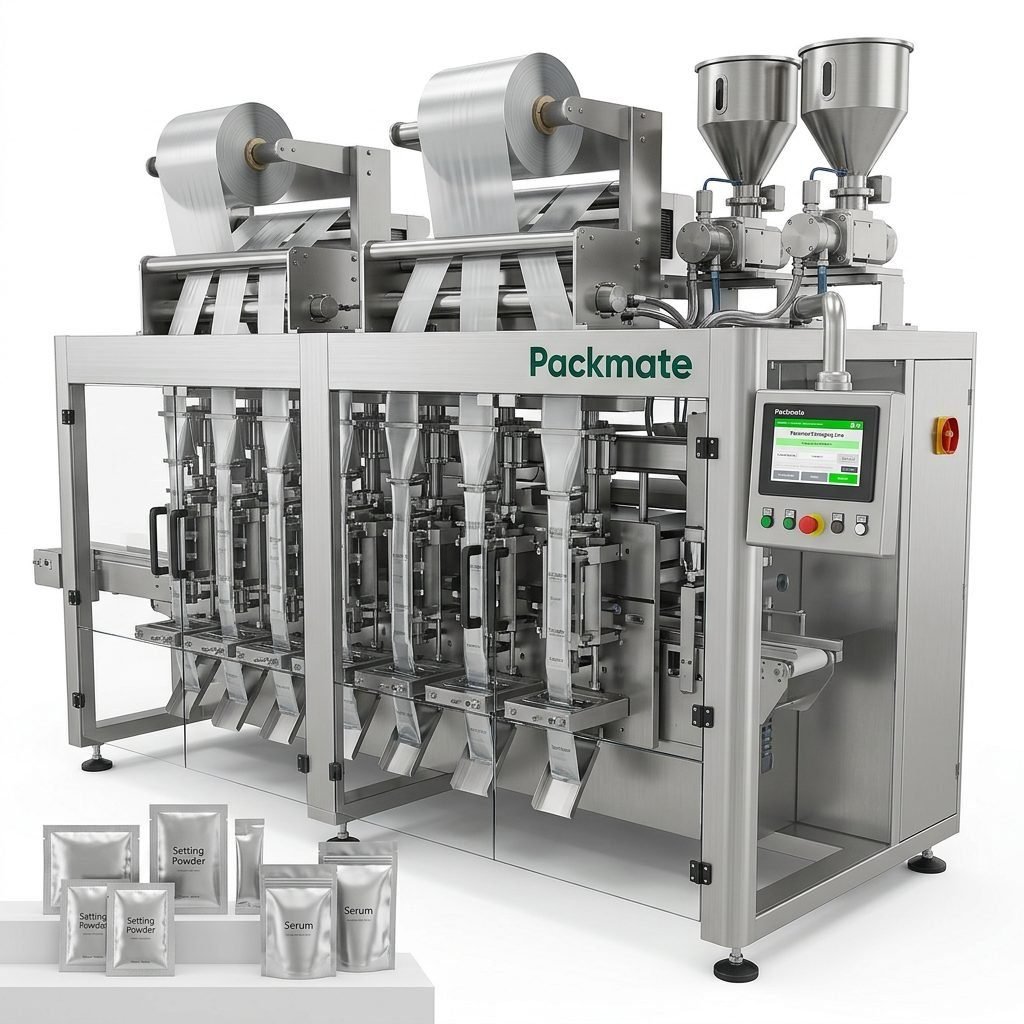
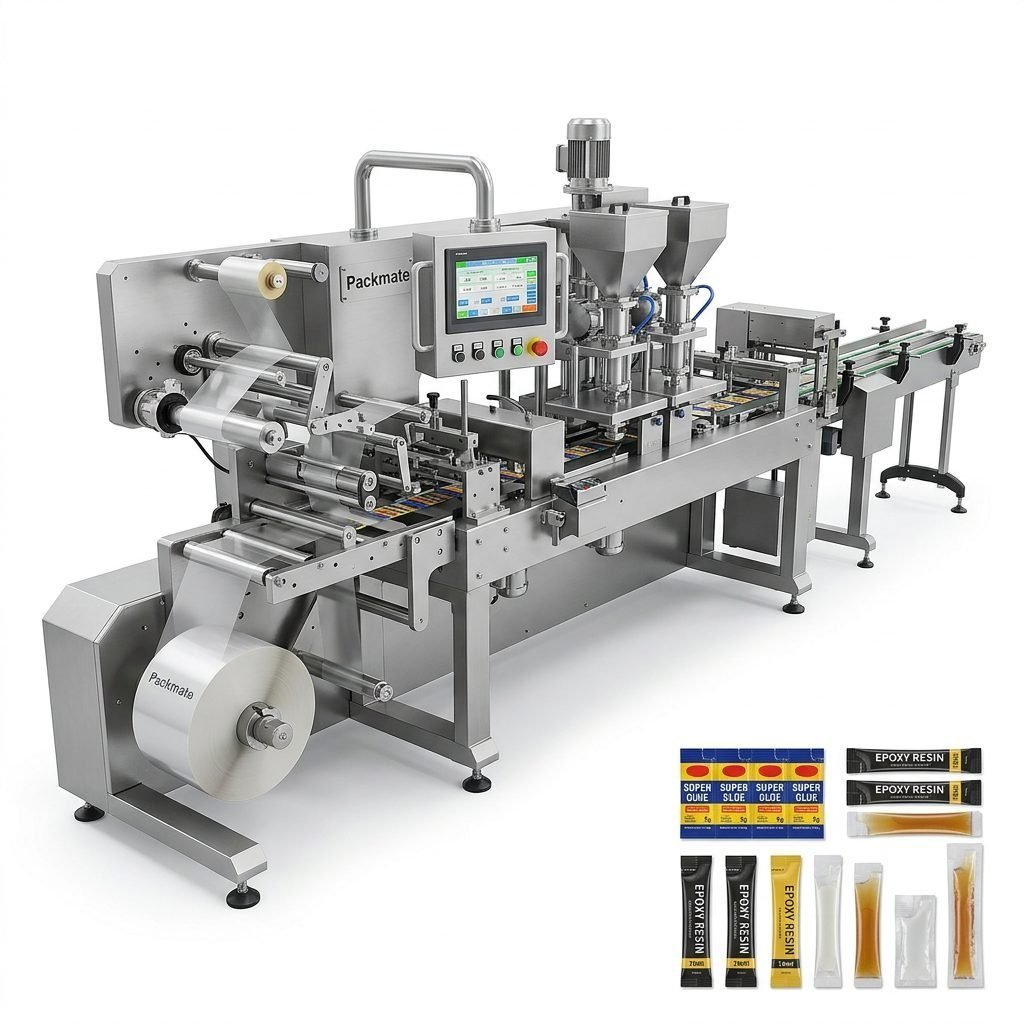
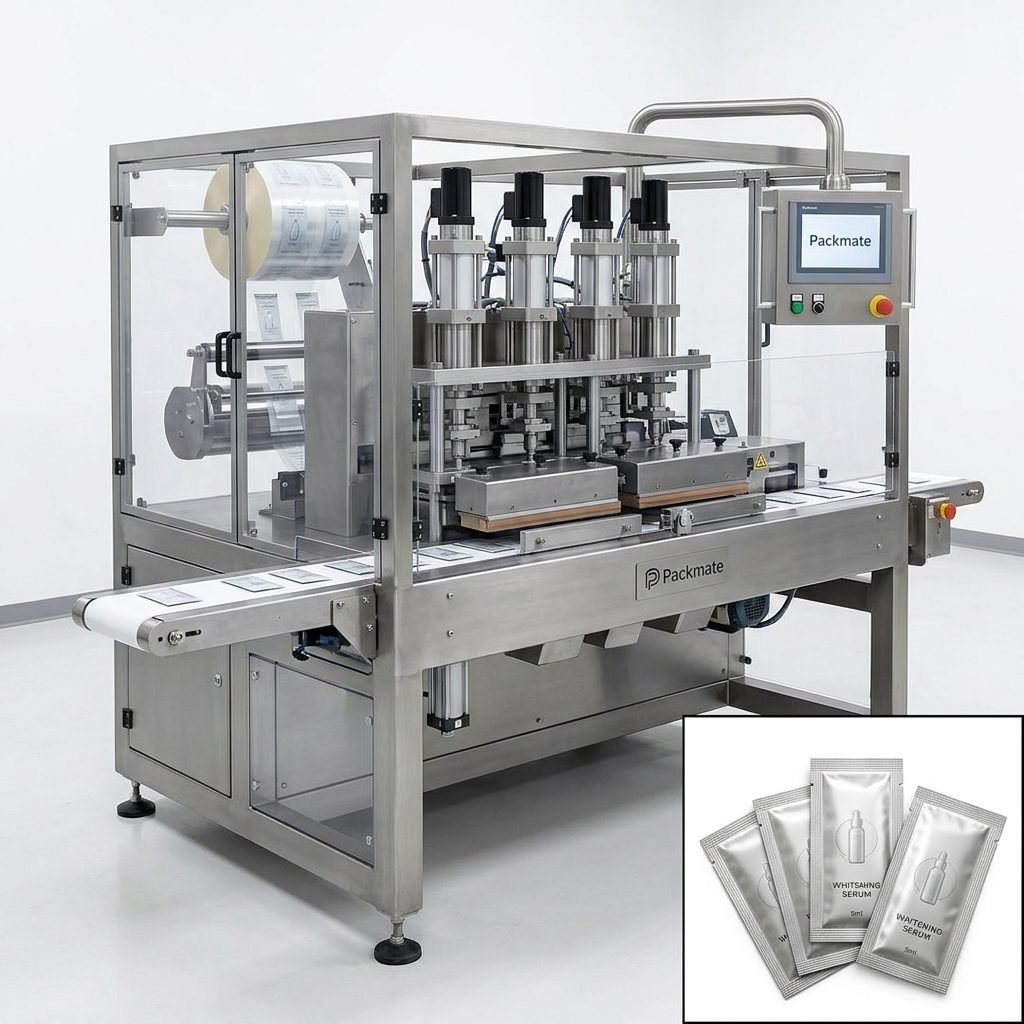
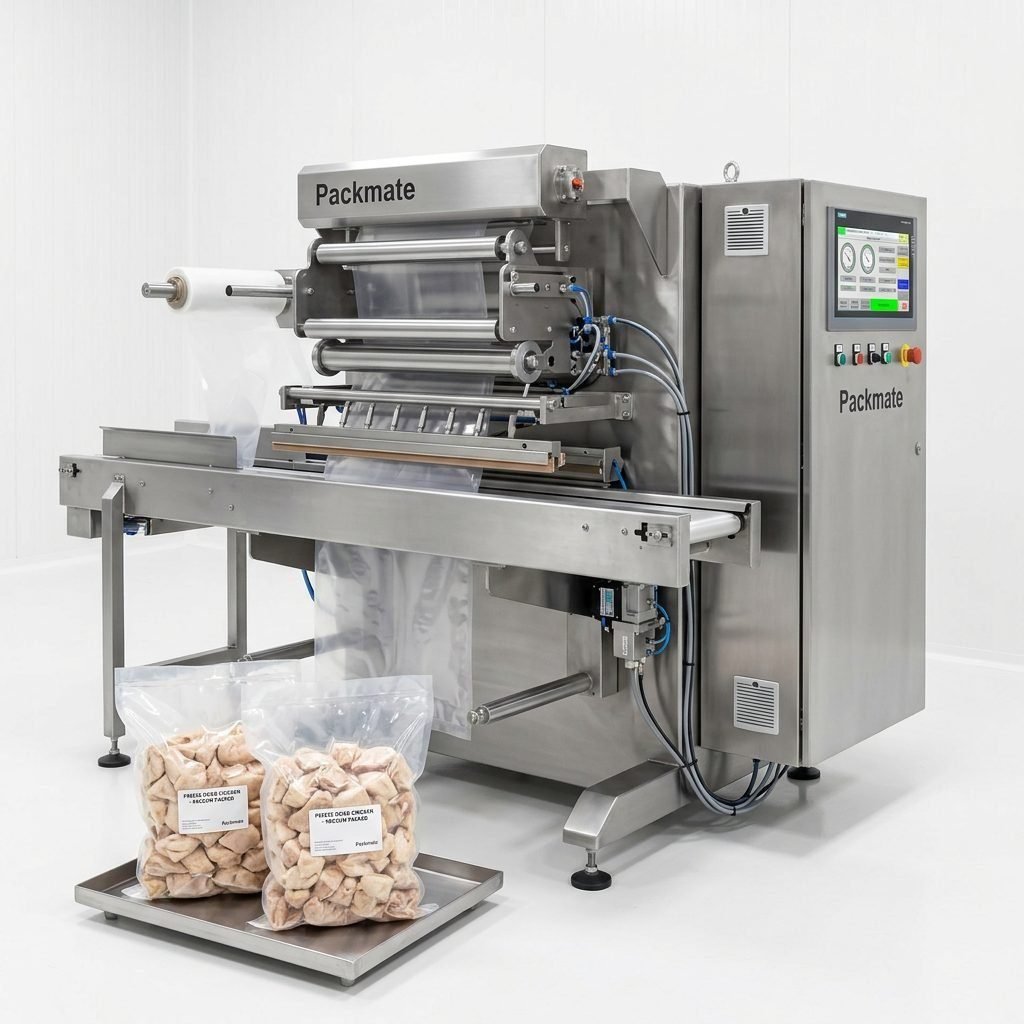
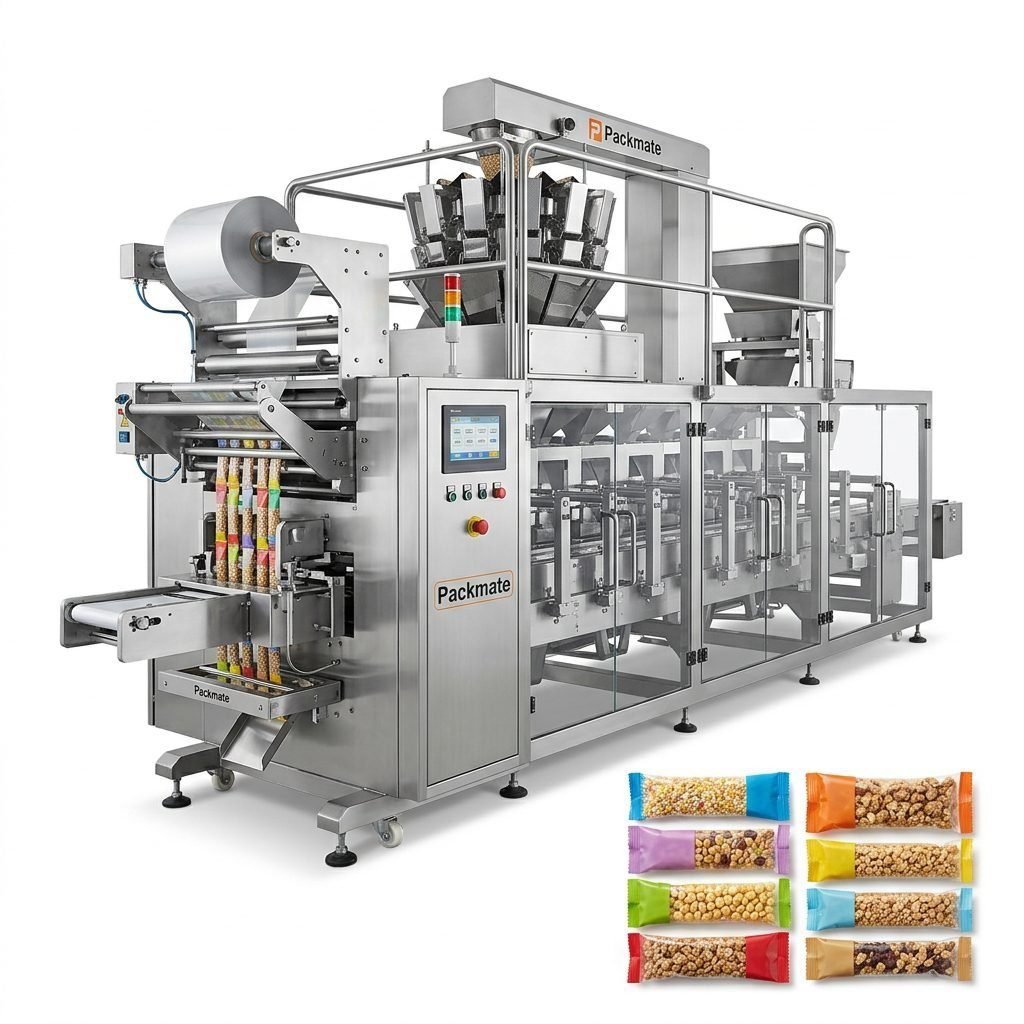
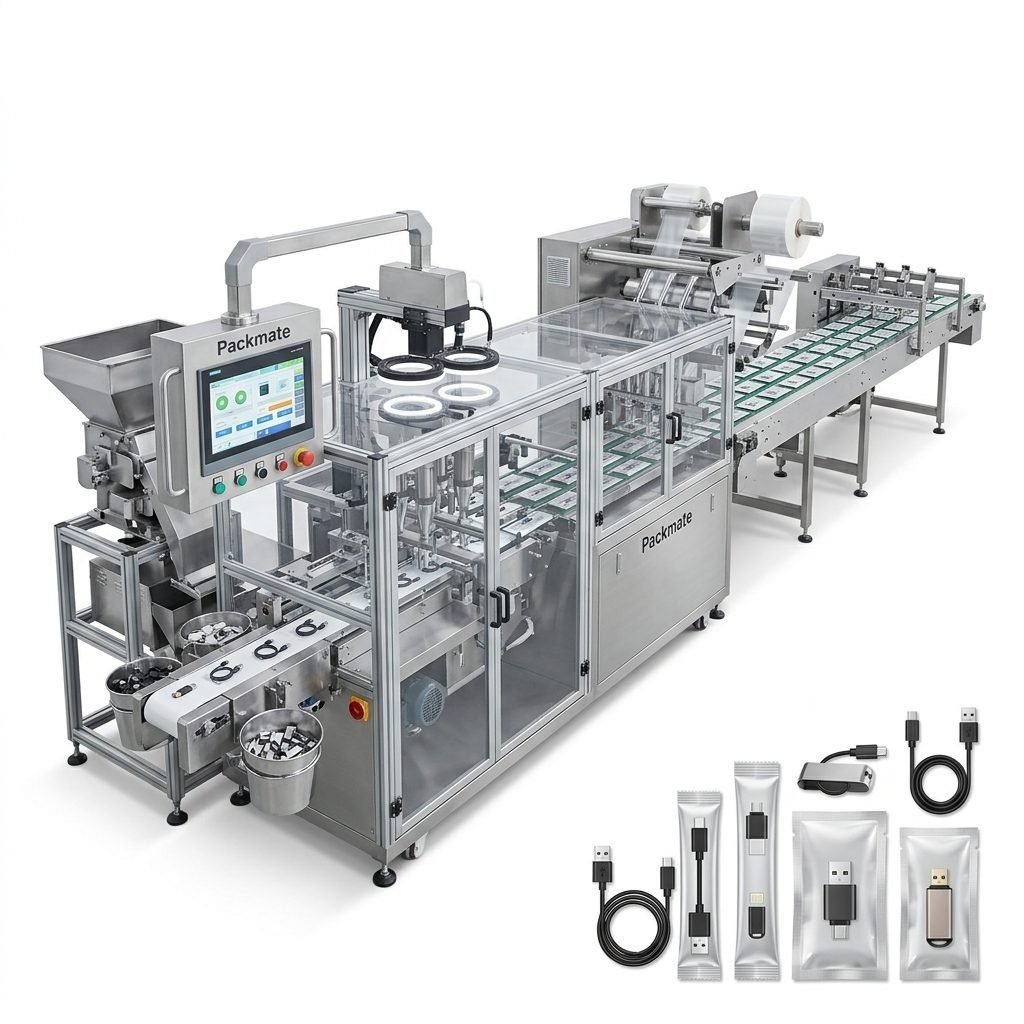
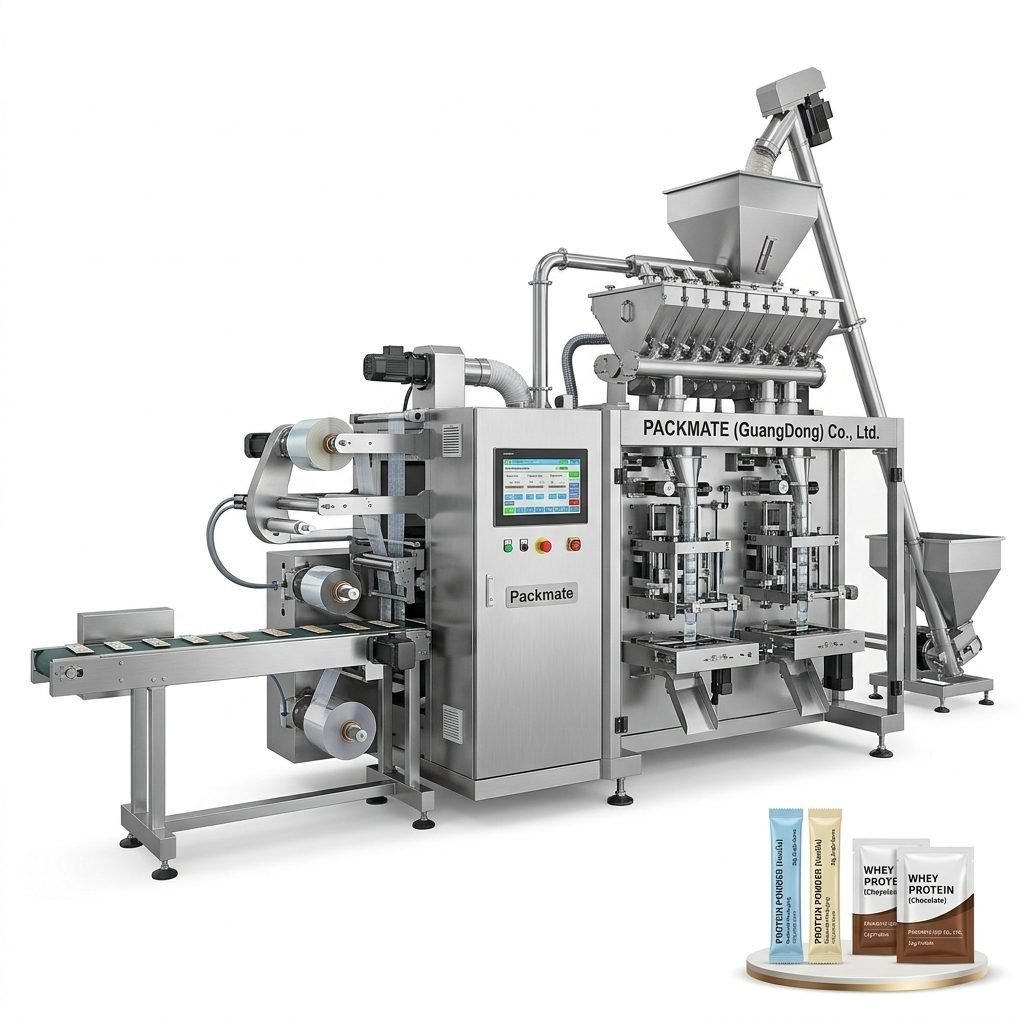
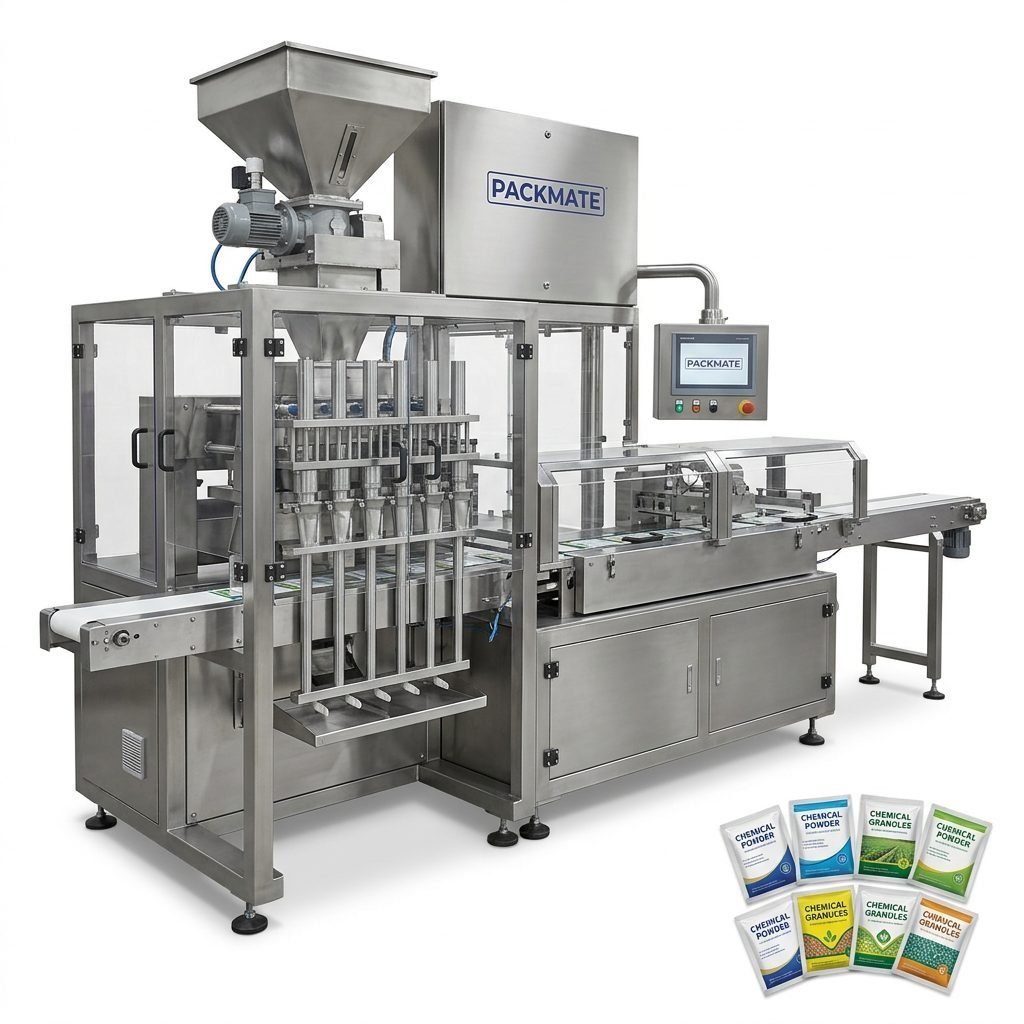
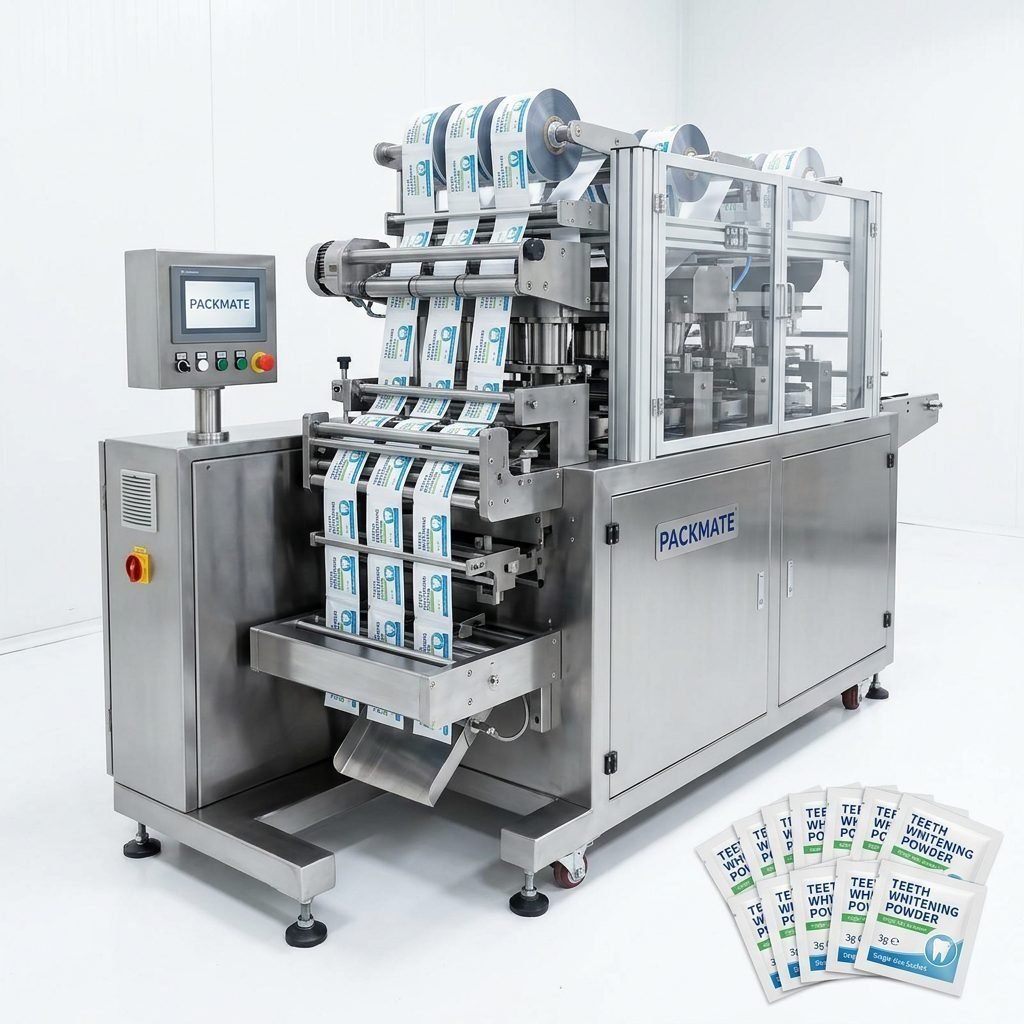
In the fast-paced world of specialty coffee, convenience and quality preservation are paramount. Drip coffee bags have emerged as a popular single-serve solution, combining the ease of instant coffee with the rich flavor of freshly brewed coffee. The key to delivering this consistent, high-quality experience lies in the sophisticated technology behind drip coffee bag packaging machines. This guide delves into the intricacies of these machines, exploring their functions, benefits, and how they revolutionize coffee packaging for producers and consumers alike.
What Are Drip Coffee Bag Packaging Machines?
Drip coffee bag packaging machines are specialized automated systems designed to form, fill, and seal individual filter-style bags containing a precise dose of ground coffee. Unlike traditional bagging, these machines handle the unique structure of a drip bag, which typically includes a built-in paper filter attached to a hanging tag. The process is highly automated, ensuring hygiene, accuracy, and high-speed production to meet commercial demand.
Core Components and Workflow
The operation of a standard drip coffee bag packaging line involves several synchronized stages:
1. Bag Forming: A roll of filter paper material is fed into the machine. It is precisely cut, folded, and sealed on three sides to create the open pouch that will hold the coffee grounds. The hanging tag is simultaneously attached.
2. Coffee Dosing and Filling: Pre-ground coffee is transferred from a hopper via an auger or a precision weigh-filler. This stage is critical for maintaining consistent brew strength and product weight. Advanced machines integrate multi-head weighers for unparalleled accuracy.
3. Nitrogen Flushing (Optional but Crucial): To drastically extend shelf life and preserve aroma, many machines include a nitrogen gas flushing system. This process displaces oxygen inside the bag before sealing, slowing down oxidation and staling.
4. Top Sealing and Cutting: The open top of the bag is finally sealed, and the individual bag is cut from the web. The finished product is a ready-to-use drip coffee bag.
Key Benefits for Coffee Businesses
Investing in a dedicated drip coffee bag packaging system offers transformative advantages for roasters and packers.
Enhanced Product Quality and Consistency
Automation eliminates human error in dosing. Every bag contains the exact same amount of coffee, guaranteeing a uniform brewing experience for the end-user. Nitrogen flushing, when employed, locks in freshness far longer than manual packing, allowing brands to expand their geographic distribution.
Significant Operational Efficiency
Modern machines from experienced manufacturers like Packmate Machinery can produce thousands of bags per hour. This high output reduces labor costs, minimizes production bottlenecks, and allows businesses to scale rapidly to meet growing market demand for convenient coffee formats.
Brand Versatility and Customization
These machines can handle various bag sizes and materials, enabling brands to create different product lines (e.g., single-origin, blends, different roast levels). The integration of printing or labeling systems allows for attractive, brand-specific packaging that stands out on retail shelves.
Choosing the Right Machine: Critical Considerations
Selecting a drip coffee bag packaging machine requires careful evaluation of your specific needs.
Production Speed (Bags/Hour): Match the machine’s output with your current and projected sales volume. Options range from semi-automatic tabletop models to fully integrated, high-speed packaging lines.
Level of Automation: Consider how much manual intervention is acceptable. Fully automatic systems handle everything from roll-stock material to finished cartoning, while semi-automatic models may require manual bag loading or tag attachment.
Packaging Material Compatibility: Ensure the machine can run your chosen filter paper, which may include biodegradable or compostable options. The sealing mechanism (heat seal, ultrasonic seal) must be compatible.
Integration with Existing Lines: The machine should seamlessly connect with upstream grinders and blenders and downstream cartoners or case packers. A supplier with experience in turnkey solutions is invaluable here.
Supplier Reliability and Support: Partner with a manufacturer with a proven track record. Companies like Packmate Machinery, with over 22 years of development, offer not just machines but also technical support, spare parts, and service, which is crucial for minimizing downtime.
Future Trends in Drip Coffee Packaging
The technology continues to evolve. We are seeing a push towards even greater sustainability, with machines optimized for thinner, plant-based materials. Smart features, such as IoT connectivity for predictive maintenance and production data analytics, are becoming more common. Furthermore, flexibility is key; the next generation of machines will likely handle an even wider array of single-serve formats beyond the traditional drip bag shape.
Frequently Asked Questions (FAQs)
1. What is the typical production speed of a drip coffee bag machine?
Speeds vary widely by model. Semi-automatic machines may produce 30-60 bags per minute, while fully automatic, multi-lane systems from leading suppliers can achieve speeds of 120-200 bags per minute or more, depending on the bag size and configuration.
2. Can one machine package different types of coffee (e.g., ground, whole bean, instant)?
While a drip coffee bag machine is specifically designed for ground coffee, many manufacturers offer modular designs. With change parts and adjustments, a single line might be adapted for different products, but it’s best to consult with the machine supplier like Packmate for specific application compatibility.
3. How does nitrogen flushing work, and is it necessary?
A nozzle injects inert nitrogen gas into the bag just before the final seal, pushing out oxygen. It is not strictly necessary but is highly recommended for premium products. It can extend shelf life from a few months to over a year by preventing oxidation, which causes coffee to go stale and lose its aromatic compounds.
4. What maintenance do these machines require?
Regular daily cleaning to remove coffee dust and oils is essential. Periodic maintenance includes checking and calibrating scales, inspecting and replacing sealing jaws or blades, and lubricating moving parts. A reliable supplier will provide a detailed maintenance schedule and training.
5. Are there machines suitable for small-batch or startup coffee roasters?
Yes. The market offers compact, semi-automatic models that are cost-effective for lower-volume production. These allow smaller businesses to enter the drip coffee bag market with a lower capital investment and still ensure professional, consistent packaging quality.