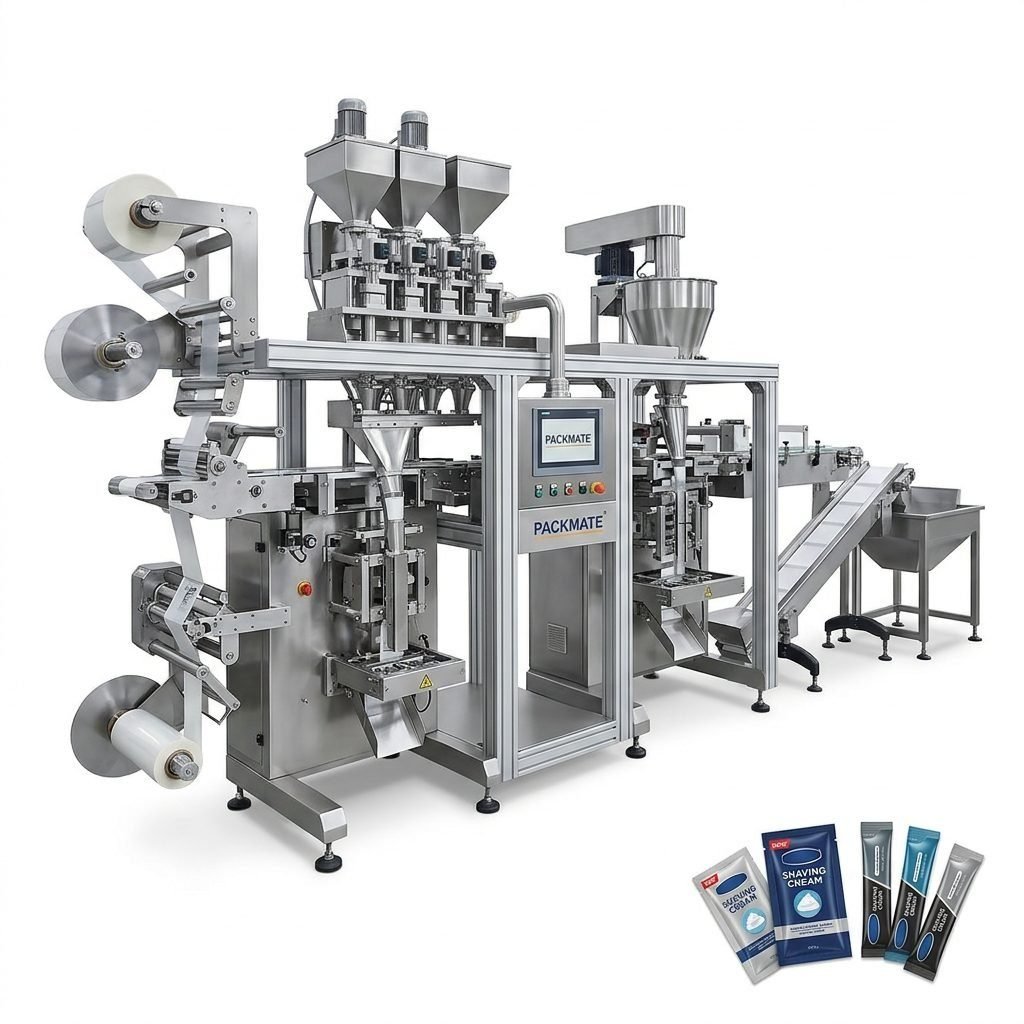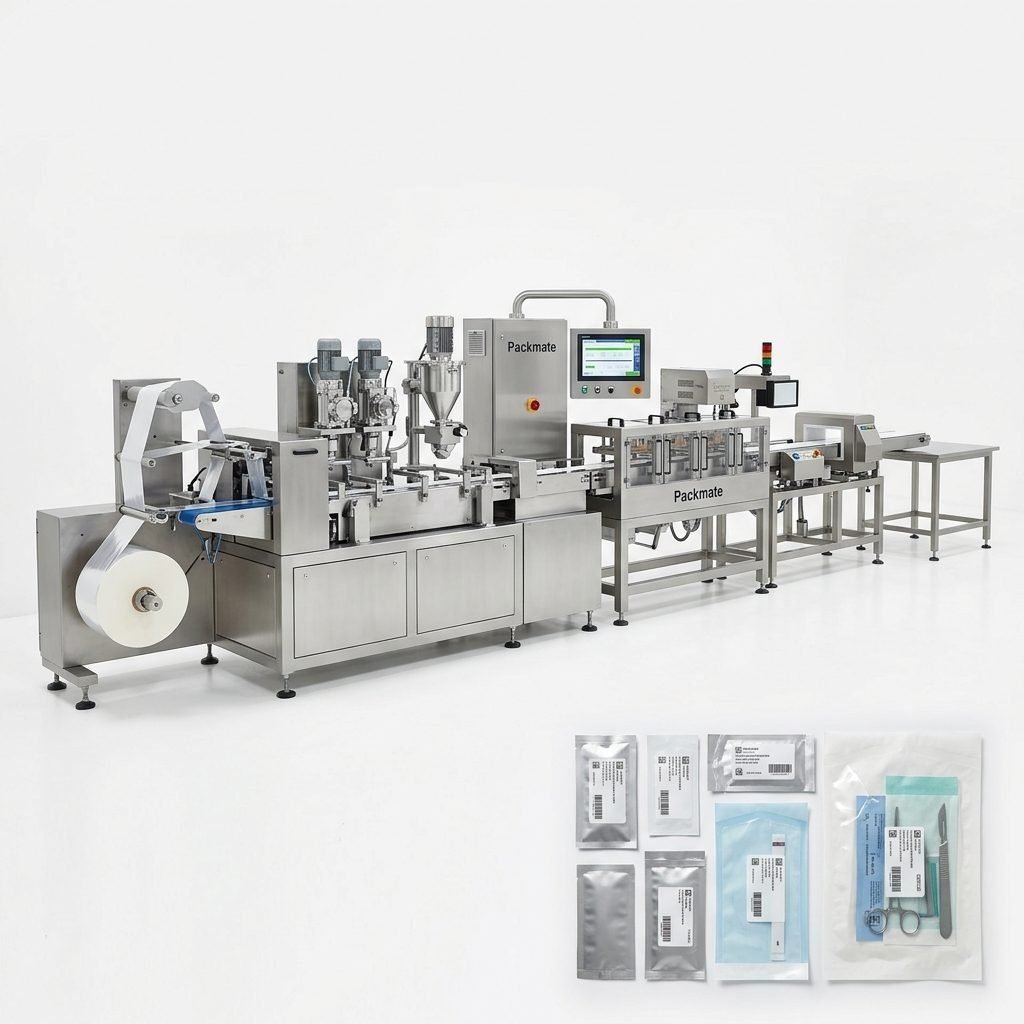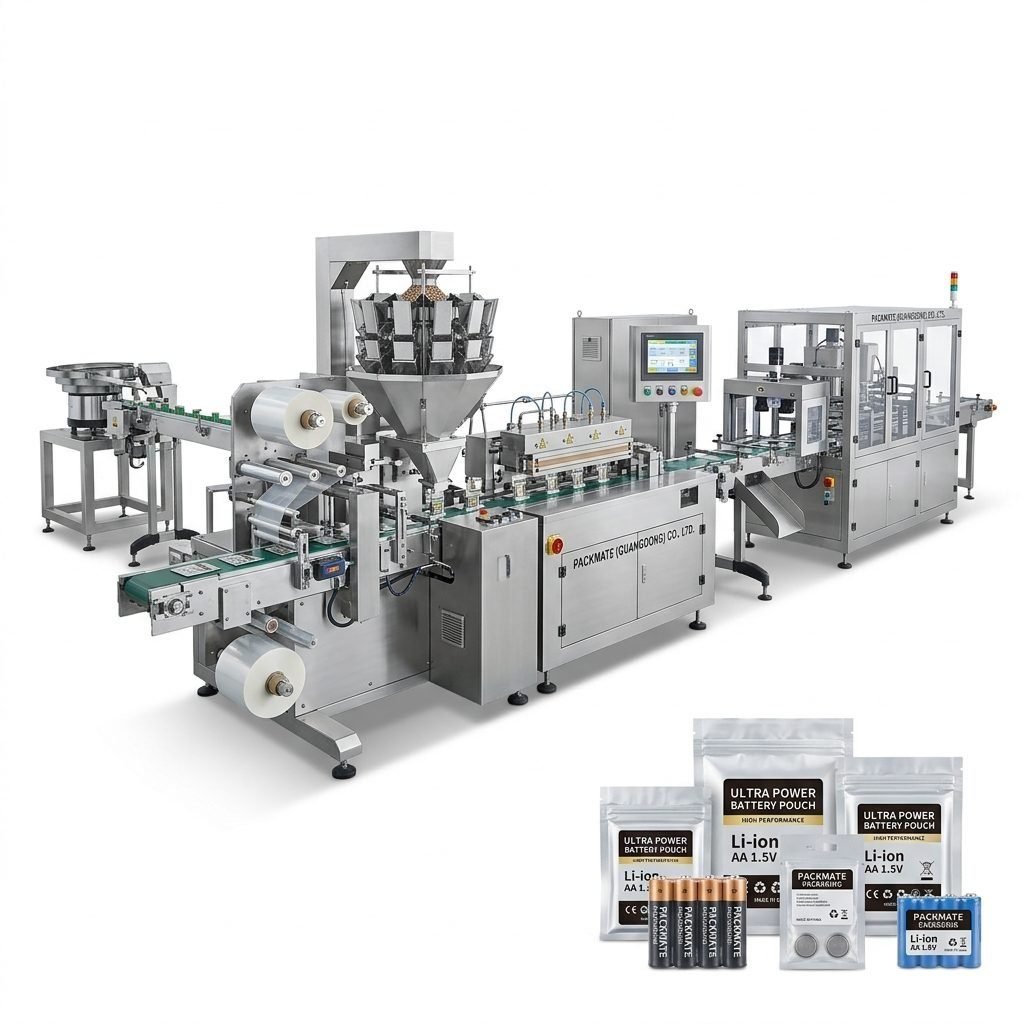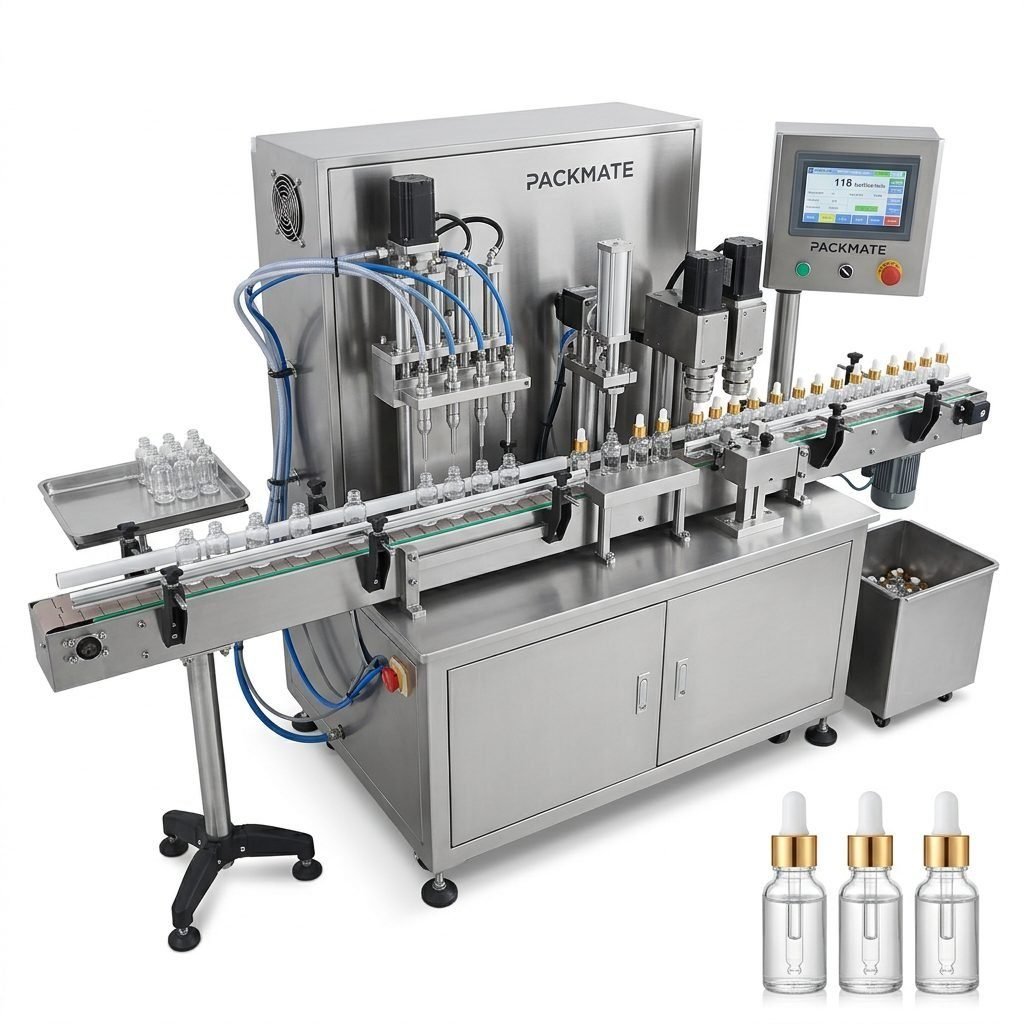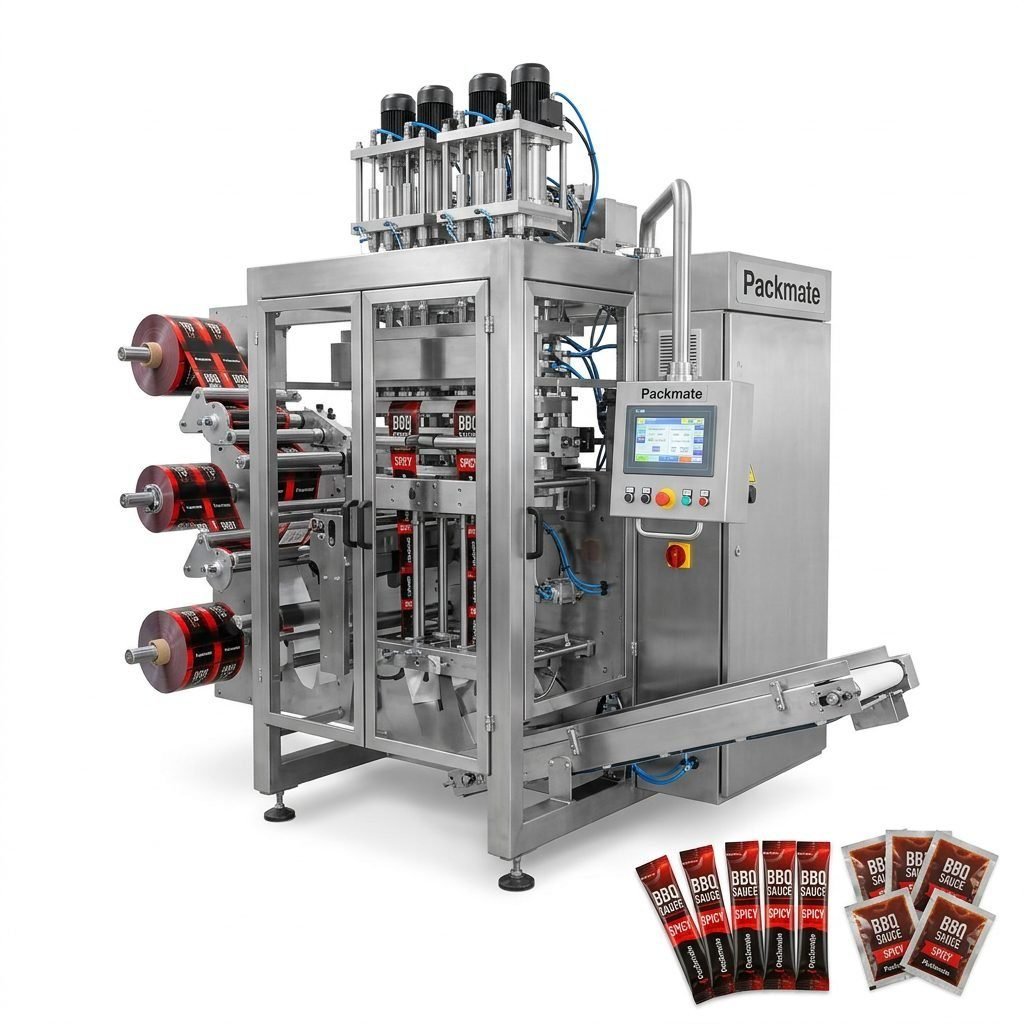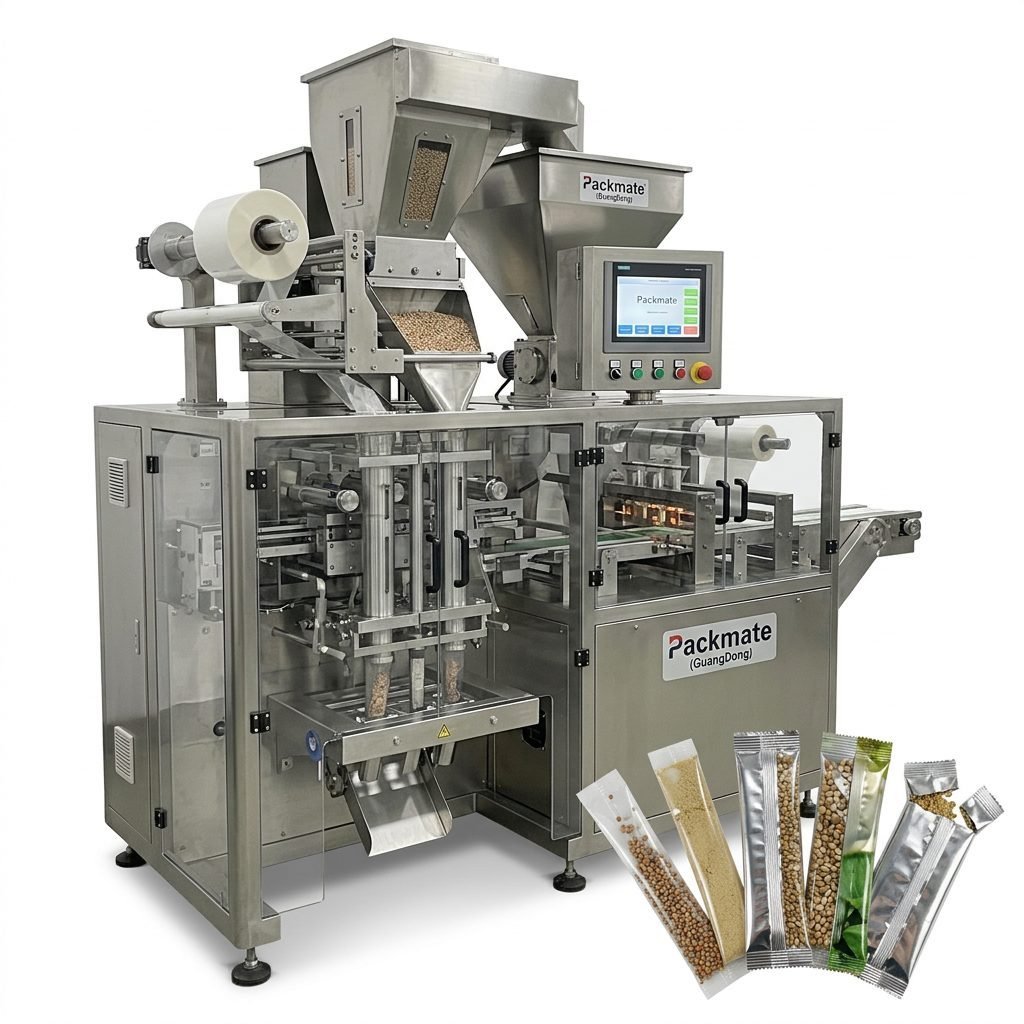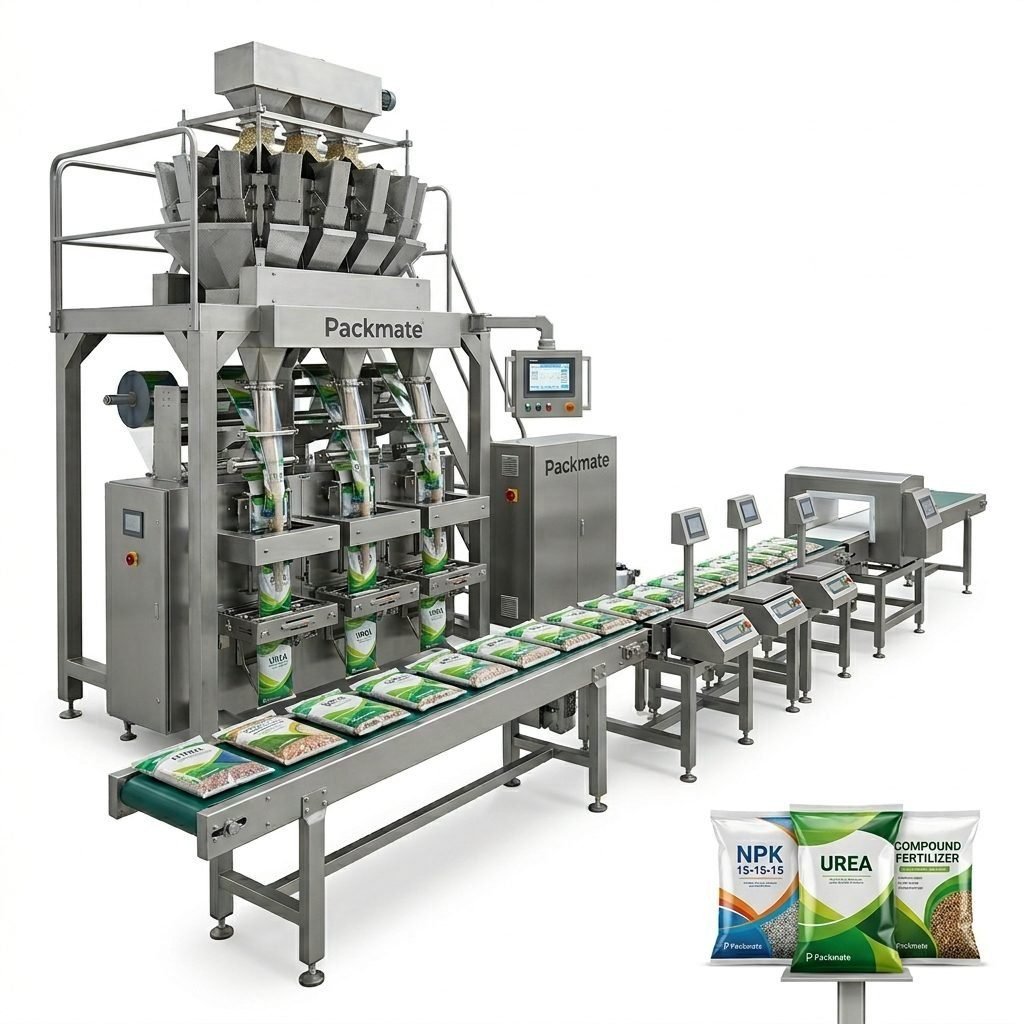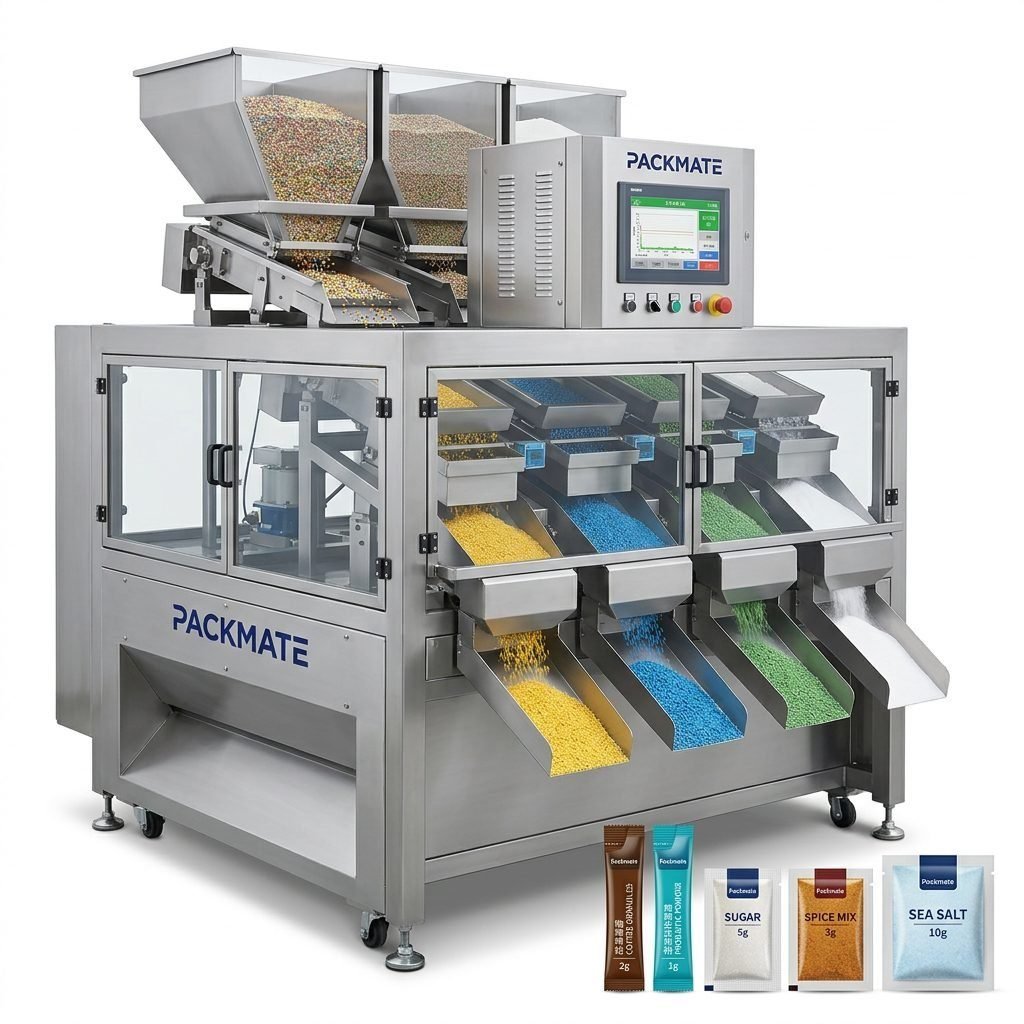
In the dynamic world of product presentation and protection, folding carton packaging stands as a cornerstone for countless industries. This comprehensive guide delves into the essential equipment and solutions that power efficient, reliable, and high-quality folding carton production, a critical process for brands aiming to make a lasting impression on shelves and in the hands of consumers.
Understanding Folding Carton Packaging
Folding cartons, often made from paperboard, are ubiquitous in retail for goods ranging from food and pharmaceuticals to cosmetics and electronics. They are valued for their versatility, printability, and sustainability. The creation of these cartons requires a precise sequence of operations: die-cutting, creasing, folding, and gluing. Each step demands specialized machinery to ensure consistency, speed, and structural integrity. Investing in the right packaging equipment is not merely a capital expense but a strategic decision that impacts production throughput, material waste, and final product quality.
Core Equipment in the Folding Carton Line
The journey from a flat sheet of board to a finished carton involves several key machines. A die-cutter, either flatbed or rotary, is used to cut the board into the desired shape and create crease lines for folding. This is often followed by a stripping unit to remove excess waste material. The folded and glued carton is then typically finished on a folder-gluer, which precisely folds the carton along the creases and applies adhesive to secure the seams. For more complex designs, window patching machines or automatic loaders for inserting products may be integrated into the line.
Selecting the Right Machinery: Key Considerations
Choosing equipment is a nuanced process. Factors such as production volume, carton size and complexity, changeover frequency, and level of automation are paramount. For high-volume, simple carton styles, a high-speed rotary die-cutter paired with an automatic folder-gluer offers maximum efficiency. For short runs or complex structural designs, a versatile flatbed die-cutter might be more appropriate. The goal is to achieve a balance between speed, flexibility, and cost-effectiveness. Partnering with an experienced manufacturer like Packmate Machinery, which brings over 30 years of expertise in intelligent packaging solutions, can provide invaluable guidance in this selection process.
The Role of Automation and Integration
Modern folding carton lines are increasingly embracing automation to reduce labor costs, minimize errors, and enhance overall equipment effectiveness (OEE). This can range from automated board feeding and pile turning to robotic carton handling and palletizing. An integrated line, where machines communicate seamlessly, ensures a smooth material flow from blank to finished, boxed product. This holistic approach to packaging lines is crucial for manufacturers looking to scale operations and maintain competitiveness in a fast-paced market.
Material Handling & Auxiliary Systems
Beyond the primary converting machines, auxiliary equipment plays a vital supporting role. Efficient material handling systems ensure a consistent supply of paperboard to the die-cutter. Quality control systems, including vision inspection, can detect print defects or glue application issues in real-time. Furthermore, effective waste removal and baling systems are essential for maintaining a clean, safe, and efficient production environment. Exploring a full range of auxiliary packaging equipment is key to building a complete and robust production cell.
Trends Shaping Folding Carton Solutions
The industry is continuously evolving. A major trend is the push towards sustainability, driving demand for equipment that can handle recycled or alternative fiber boards efficiently and with minimal waste. Digital printing integration allows for shorter runs and mass customization, requiring die-cutters and gluers that can adapt quickly to variable designs. Additionally, the rise of Industry 4.0 means machines are becoming smarter, with IoT sensors providing data for predictive maintenance and production analytics, maximizing uptime and informing better business decisions.
Implementing a Successful Packaging Solution
Successful implementation goes beyond purchasing machines. It involves thorough planning, from factory floor layout to operator training. A turnkey solution from a trusted provider can mitigate risk. This includes feasibility studies, machine installation, commissioning, and ongoing technical support. Reviewing real-world case studies can offer practical insights into how similar challenges were overcome and what performance levels can be achieved with specific equipment configurations.
Conclusion & The Path Forward
Navigating the landscape of folding carton packaging equipment requires a clear understanding of your production goals and the technological options available. From basic die-cutting to fully automated, connected lines, the right solutions enhance productivity, ensure quality, and provide the agility needed to respond to market trends. By focusing on reliable machinery, seamless integration, and strategic partnerships with solution providers, businesses can build a packaging operation that is not only efficient today but also prepared for the demands of tomorrow.
Frequently Asked Questions (FAQs)
What are the main types of die-cutting machines for folding cartons?
The two primary types are flatbed die-cutters and rotary die-cutters. Flatbed machines use a reciprocating press action and are ideal for short to medium runs, thick board, and complex carton designs due to their versatility and easier tooling setup. Rotary die-cutters use a cylindrical die and are designed for very high-speed, long-run production of simpler carton styles, offering superior efficiency for large volumes.
How important is automation in a folding carton line?
Automation is increasingly critical for competitive manufacturers. It directly reduces labor costs, minimizes human error in handling and setup, improves consistency, and increases overall line speed and safety. Automated features like robotic blank feeding, pile turning, and finished carton collating can significantly boost Overall Equipment Effectiveness (OEE) and provide a faster return on investment for high-volume operations.
What should I look for in a folder-gluer machine?
Key considerations include: Speed range (to match your die-cutter output), flexibility for different carton sizes and styles (4-corner, 6-corner, etc.), changeover time and ease, the type of gluing system (cold glue, hot melt, PVA), and integration capabilities with upstream and downstream equipment. A machine with a robust frame and precise folding sections will ensure consistent, high-quality cartons.
Can folding carton equipment handle sustainable materials?
Yes, modern equipment is increasingly designed to handle a wider range of substrates, including those with higher recycled content or alternative fibers. It’s essential to discuss your specific material specifications with the equipment supplier. Machines may require adjustments or specific features, such as different creasing rules or glue application settings, to process these materials effectively without compromising quality or causing excessive waste.
How do I ensure my new equipment will be reliable and supported?
Choose a manufacturer with a proven track record and strong reputation for build quality and after-sales service. Review their certifications and client testimonials. Ensure they offer comprehensive training, clear documentation, readily available spare parts, and responsive technical support. A reliable partner will provide a strong warranty and be invested in the long-term success of your packaging operation.