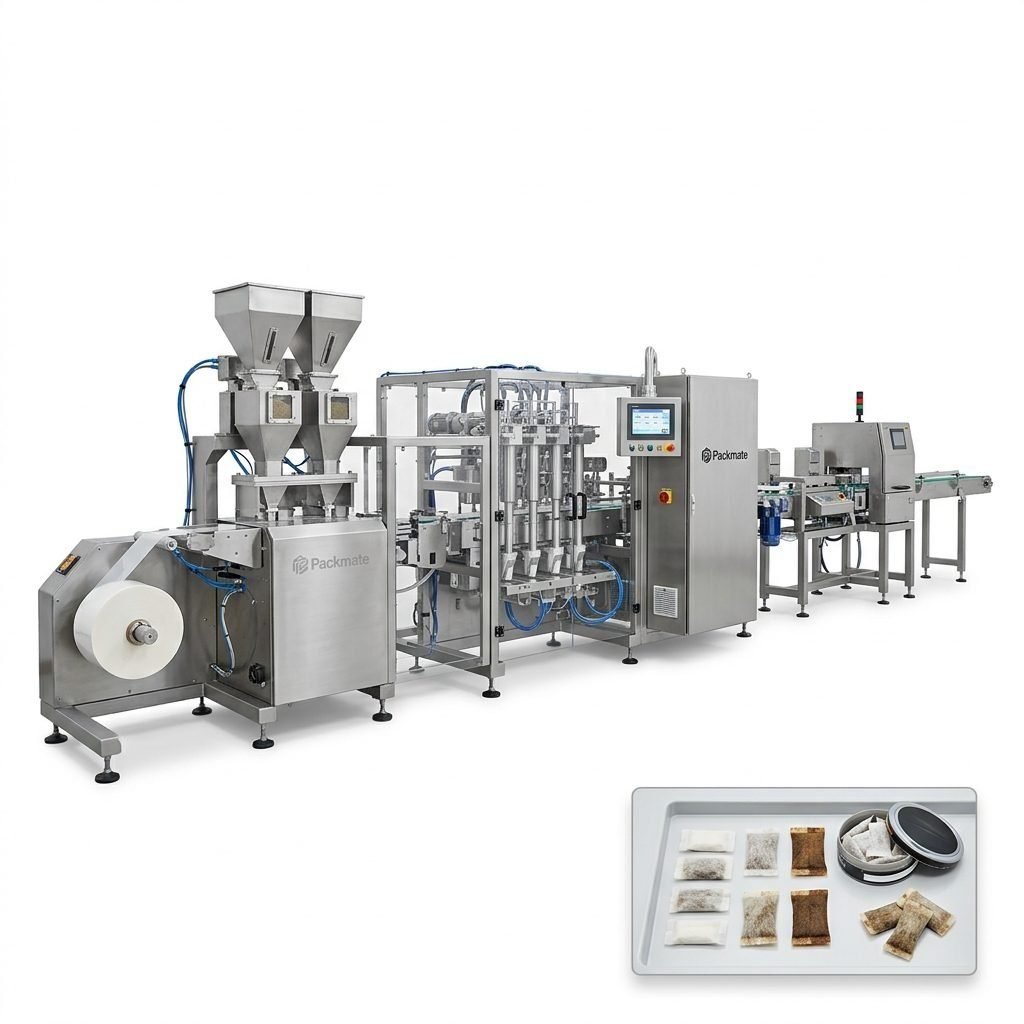
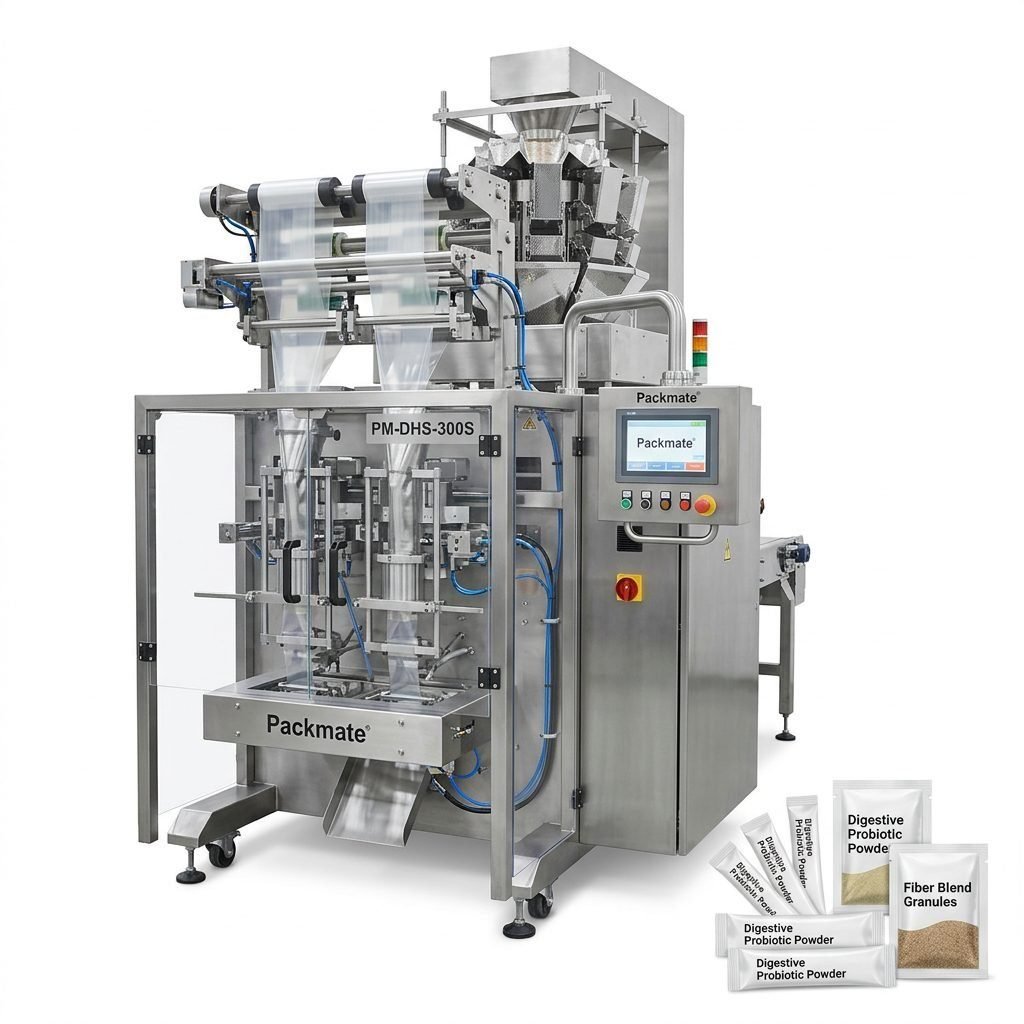
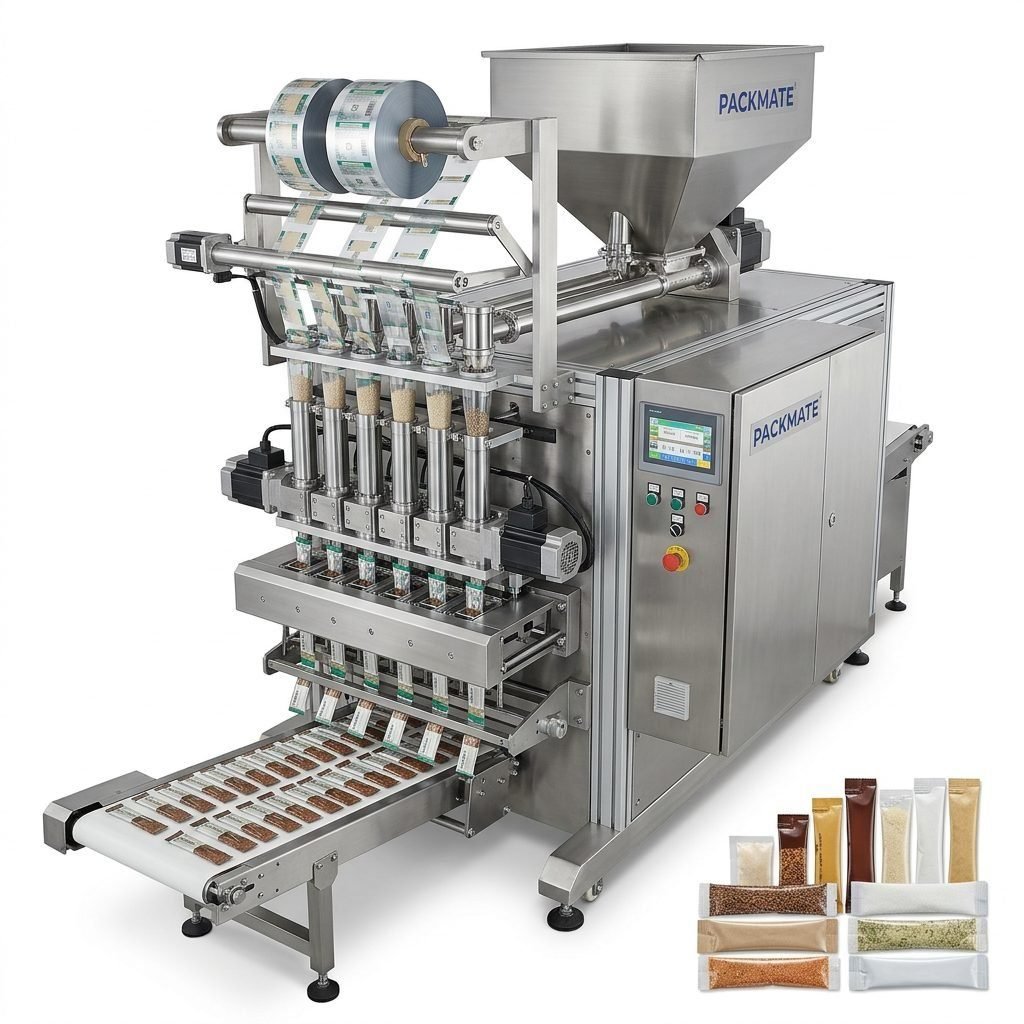
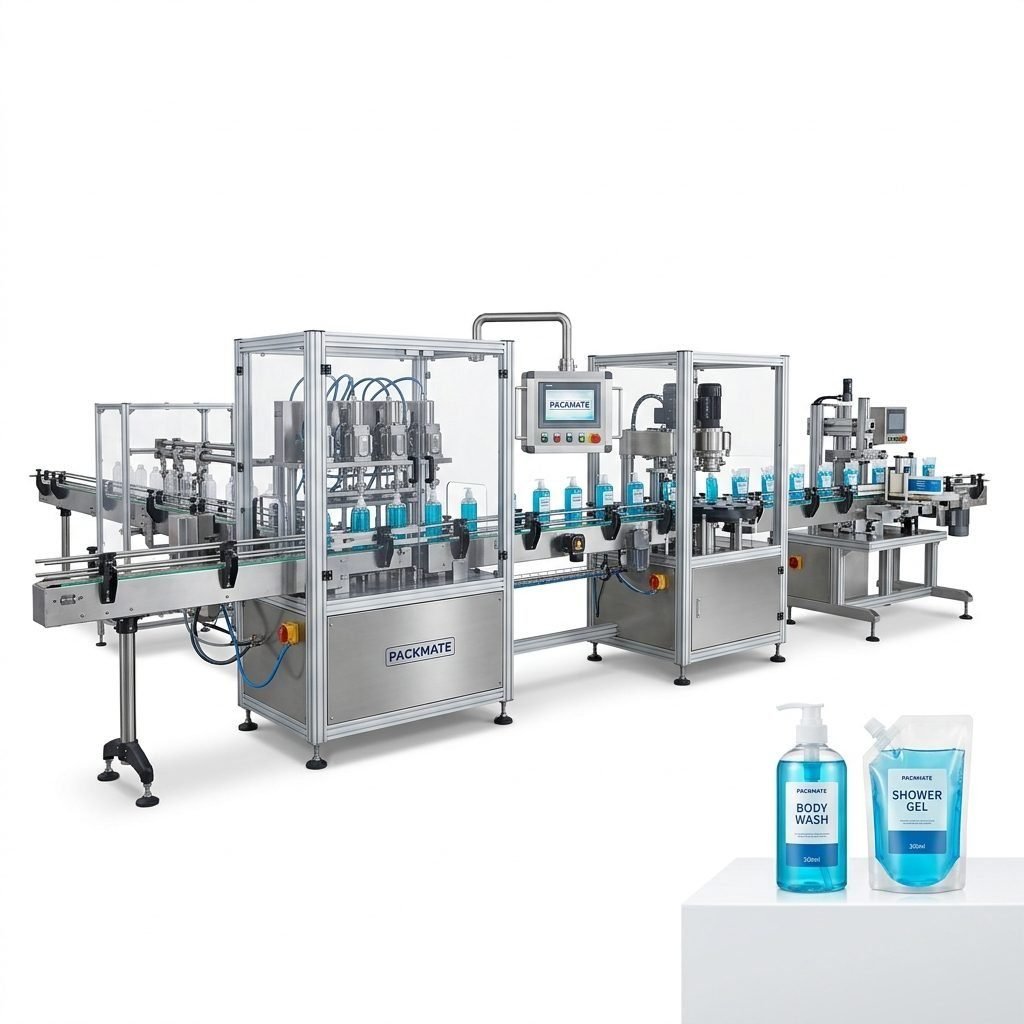
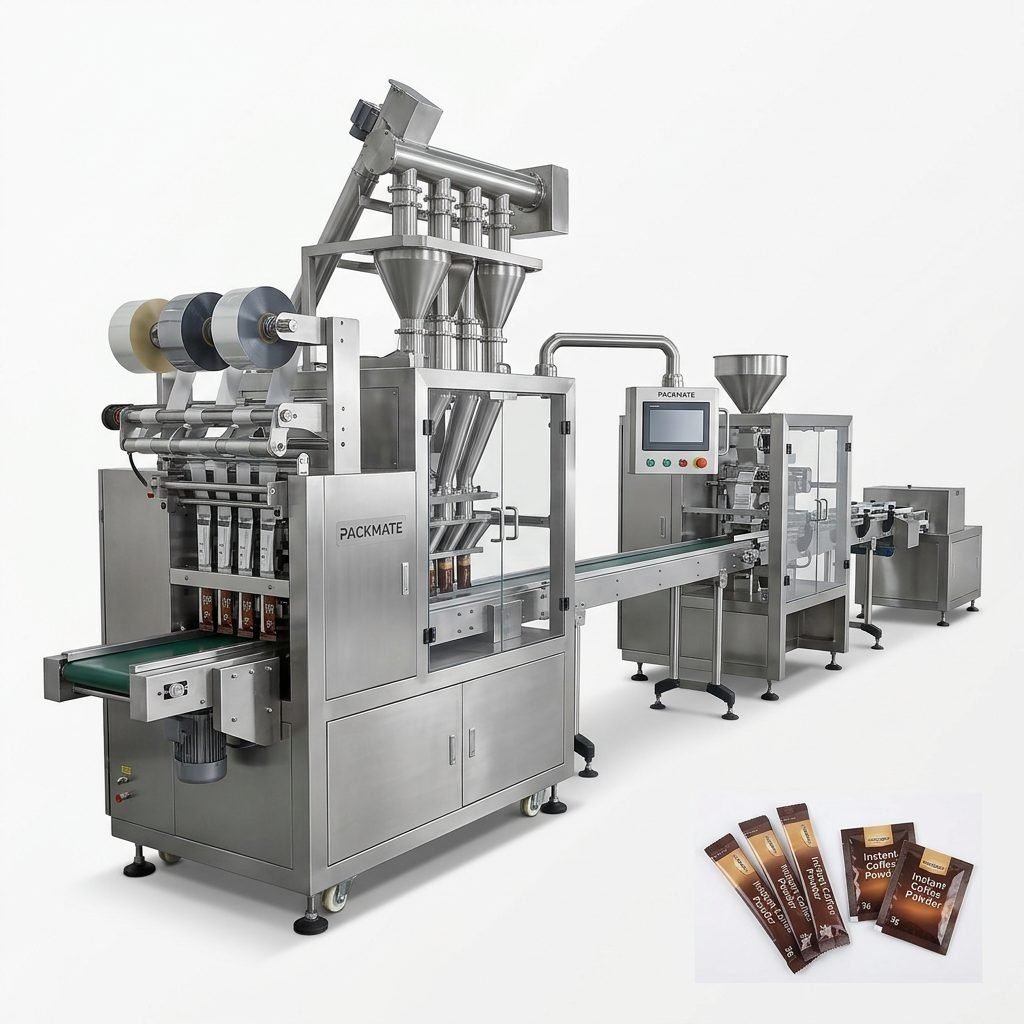
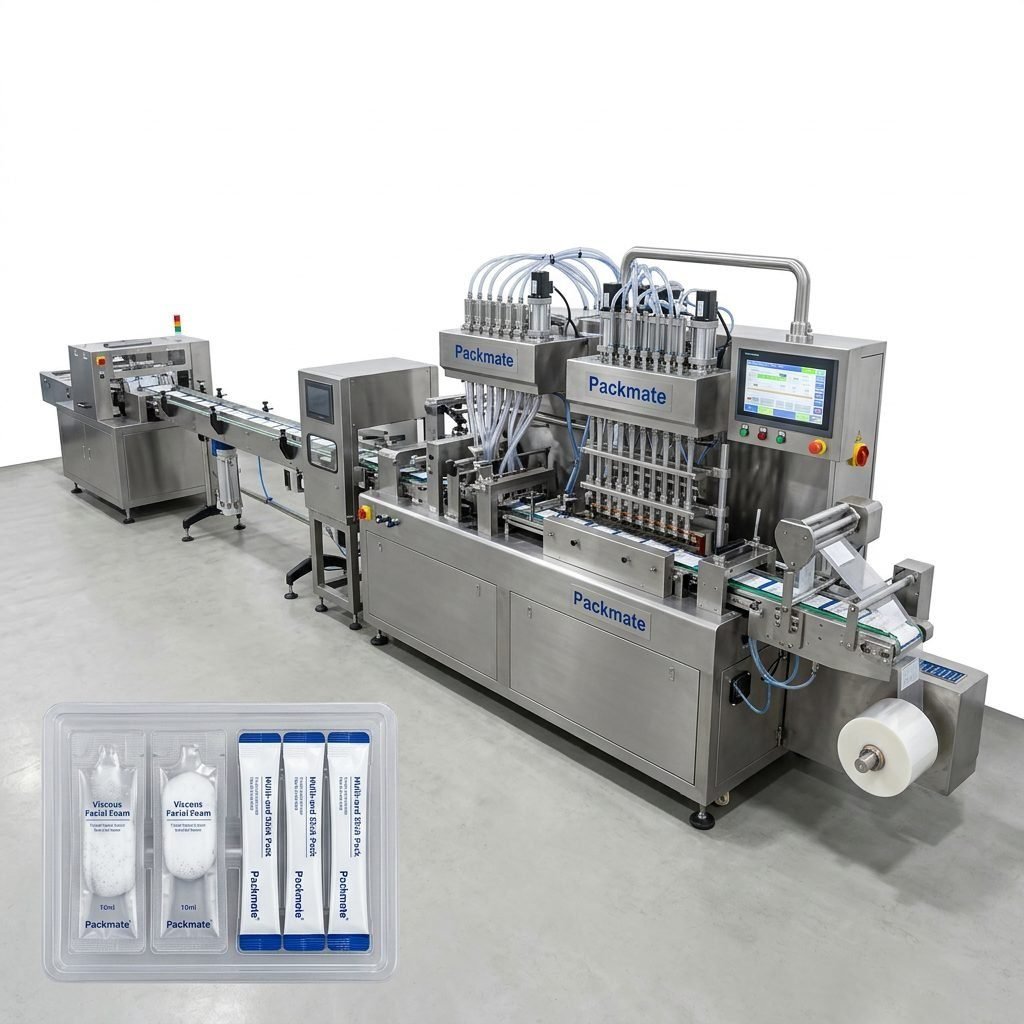
In the high-speed, automated world of modern production, packaging machinery is the silent workhorse that ensures products reach consumers safely, efficiently, and attractively. The seamless operation of these complex systems hinges on the performance and integrity of countless individual parts. From the critical sealing jaws that create airtight pouches to the precision augers that measure powders, each component plays a vital role. Understanding these essential packaging machinery parts, their functions, and knowing when and how to replace them is crucial for minimizing downtime, maintaining product quality, and ensuring the longevity of your valuable equipment. This guide serves as a comprehensive resource for operators, maintenance technicians, and plant managers alike.
Core Components of Packaging Machinery
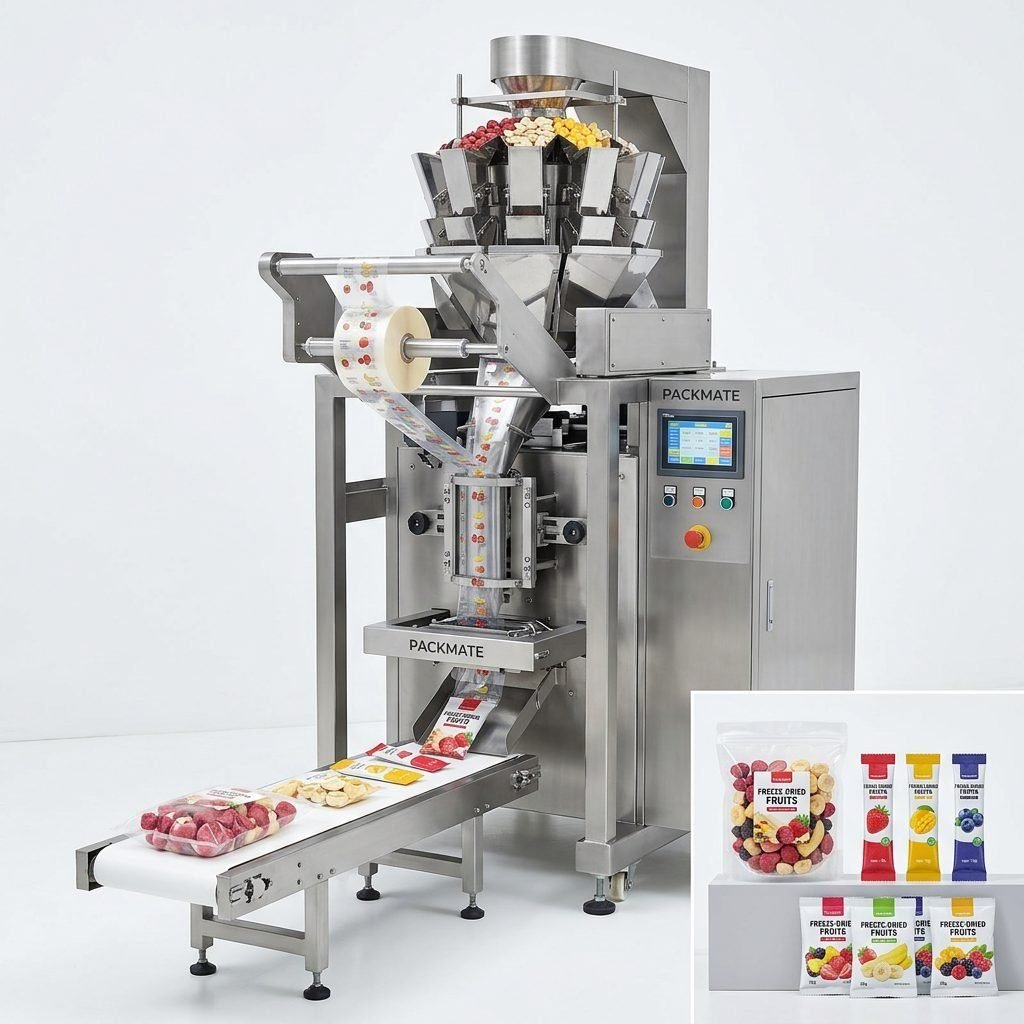
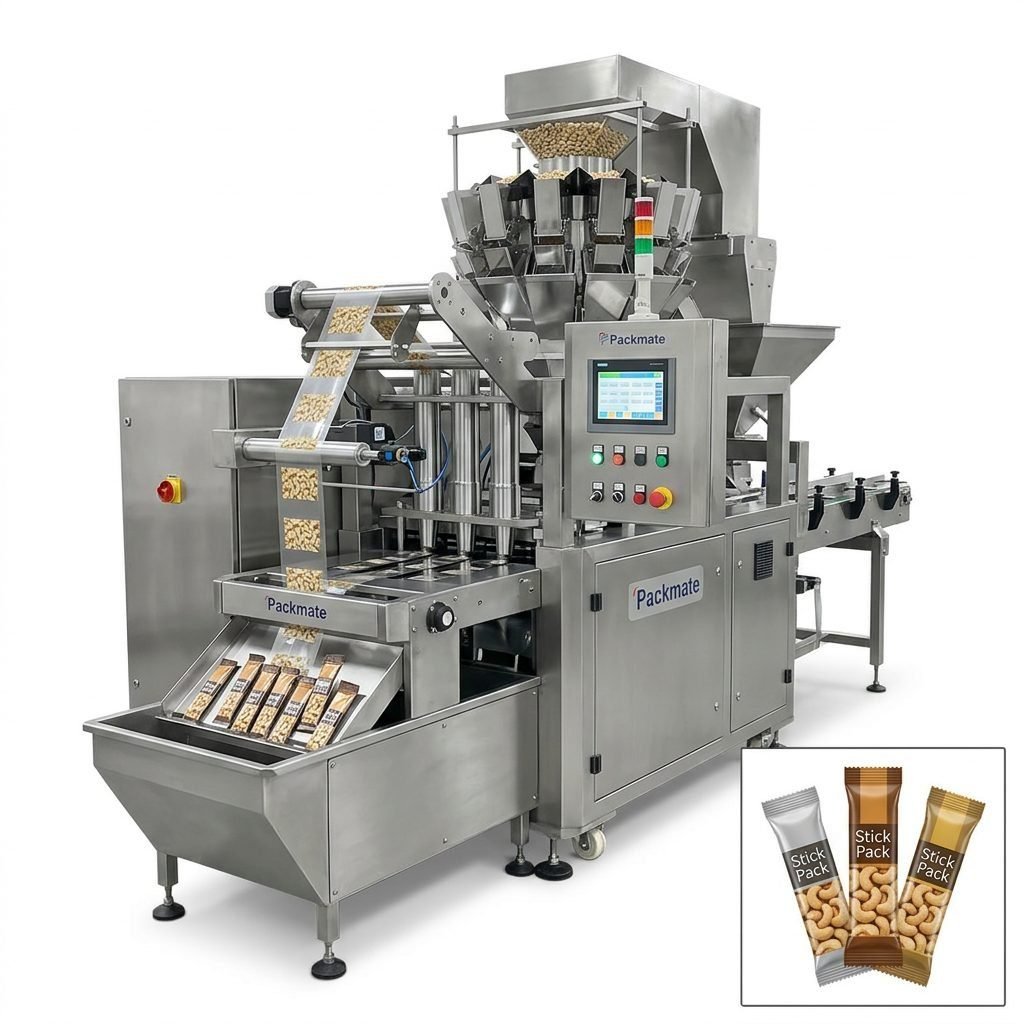
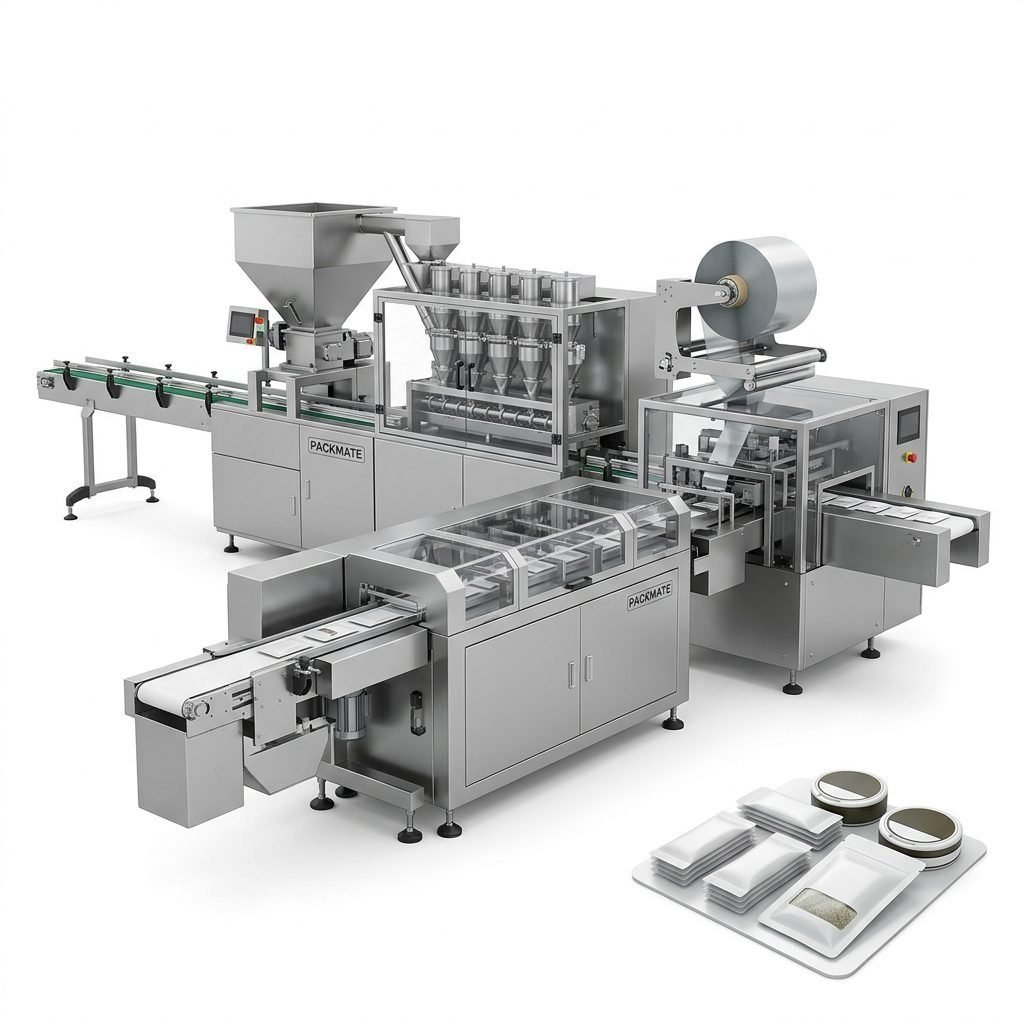
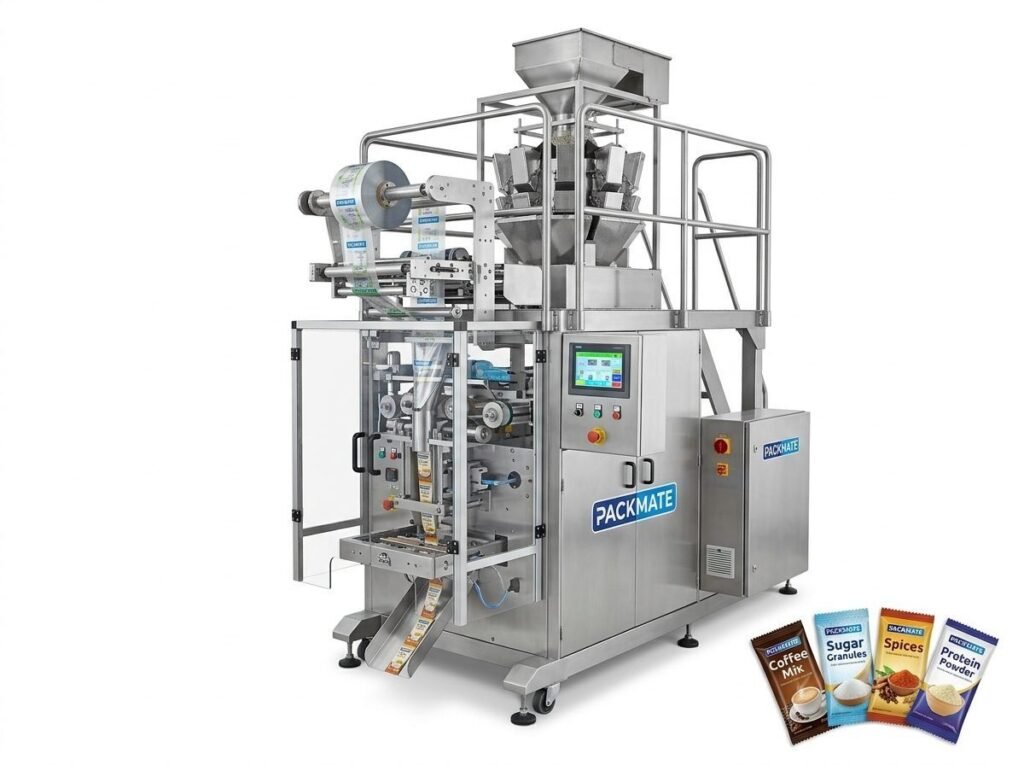
Packaging machines, whether for sachets and stick packs or larger bags, are built from a symphony of mechanical, electrical, and pneumatic parts. Here are some of the most critical components:
1. Forming, Sealing, and Cutting Systems
Sealing Jaws (Heaters): Often the heart of a pouch machine, these heated elements create the seal that closes the packaging film. They are typically made from materials like aluminum or ceramic and require consistent temperature control. Wear or contamination leads to weak seals and product waste.
Cutting Knives/Dies: Responsible for the final separation of individual packages from the film web. Dull blades result in ragged edges, incomplete cuts (webbing), and can strain the film pull system.
Forming Shoulders and Tubes: These parts shape the flat packaging film into a tube around the product fill point. Precision in their design and smoothness of their surface is essential for consistent package shape and minimal film drag.
2. Product Handling and Metering Parts
Augers & Filling Heads: For powders and granules, the auger is a precision screw that meters product by volume. Wear on the auger flighting or the surrounding sleeve affects fill accuracy. For liquids, piston fillers and pumps are key, with seals and valves being high-wear items.
Weighing Cells and Buckets: In weighing systems, the load cells are sensitive electronic components that must be protected from shock, moisture, and overload. Buckets and gates must operate smoothly to ensure precise discharge.
Product Feed Systems: This includes vibratory trays, conveyor belts, and indexing systems. Bearings, drive belts, and guides in these subsystems are common wear points that can cause product misalignment or jams.
3. Drive and Motion Components
Servo Motors and Drives: The brains and muscle behind precise machine movements. While highly reliable, their connectors and feedback devices (encoders) can be points of failure.
Bearings, Bushings, and Linear Guides: These parts facilitate smooth, low-friction motion. Contamination from dust or product, lack of lubrication, or misalignment leads to rapid wear, increased noise, and loss of positional accuracy.
Chains, Sprockets, and Timing Belts: They transmit power and synchronize movements. Regular tension checks and inspection for wear, stretching, or tooth damage are essential preventive measures.
4. Control and Sensing Elements
Photoelectric Sensors & Proximity Switches: These “eyes” of the machine detect product presence, film registration marks, and positions. Lenses must be kept clean, and they must be correctly aligned to avoid false triggers or missed signals.
PLC Modules and I/O Cards: The central nervous system. While solid-state, environmental factors like heat, humidity, or electrical spikes can cause issues. Connections and terminal blocks should be periodically checked for tightness.
Temperature Controllers and Thermocouples: Critical for heat-sealing processes. A faulty thermocouple will give an incorrect reading, leading the controller to overheat or underheat the sealing jaws.
The Essential Replacement Guide: Signs, Steps, and Best Practices
Proactive part replacement is far more cost-effective than reactive emergency repairs. Here’s how to manage the process effectively.
Recognizing the Signs of Wear and Failure
Before a part fails catastrophically, it usually sends signals:
- Deteriorating Product Quality: Weak or inconsistent seals, inaccurate fills, ragged package edges.
- Changes in Machine Operation: Unusual noises (squealing, grinding), increased vibration, slower cycle times, or frequent jams in a specific area.
- Increased Reject Rates: A steady climb in wasted packaging film or product is a clear indicator that a component is out of specification.
- Visual Inspection Clues: Visible scoring on shafts, discoloration or pitting on sealing jaws, cracked belts, or excessive play in mechanical linkages.
Step-by-Step Replacement Protocol
1. Safety First: Lock Out, Tag Out (LOTO) the machine. Isolate all energy sources—electrical, pneumatic, and mechanical.
2. Diagnosis & Part Identification: Precisely identify the faulty part. Use the machine’s serial number and technical manual to find the correct part number. For complex machines from manufacturers like Packmate Machinery, consulting their technical service team can ensure you get the exact OEM part.
3. Procurement: Source the replacement. While OEM parts guarantee fit and performance, some common bearings or seals may have high-quality generic equivalents. For critical components like sealing jaws or proprietary electronic boards, OEM is strongly recommended.
4. Replacement Execution: Follow the manual’s procedure. Take photos during disassembly if needed. Clean the surrounding area before installing the new part. Use proper tools and prescribed torque settings.
5. Calibration and Testing: After installation, recalibrate the system. This is crucial for parts like load cells, fill heads, or temperature sensors. Run the machine slowly with dummy product, then gradually increase to full speed while monitoring performance.
Best Practices for Maximizing Part Life
Implement a Preventive Maintenance (PM) Schedule: This is non-negotiable. Regular inspection, cleaning, and lubrication based on the manufacturer’s guidelines will prevent the majority of unscheduled downtime.
Maintain a Critical Spares Inventory: Keep a stock of high-wear, mission-critical parts that have long lead times. This includes sealing jaw inserts, specific sensors, drive belts, and common seals for your filling and packaging lines.
Train Your Operators: Operators are the first line of defense. Train them to recognize early warning signs (unusual sounds, slight seal imperfections) and to perform basic cleaning and minor adjustments.
Document Everything: Keep a log of all replacements, adjustments, and irregularities. This history is invaluable for diagnosing recurring issues and predicting future part failures.
Partnering with a Reliable Manufacturer
The complexity of modern packaging machinery makes a reliable partnership with the manufacturer essential. A company with deep expertise, like Packmate (GuangDong) Co., Ltd., which has over 30 years in designing and building intelligent packaging equipment, provides more than just machines. They offer access to genuine parts, detailed technical documentation, and expert support. Their commitment to innovation means they understand the wear patterns of their components and can advise on optimal maintenance routines and part upgrades, ensuring your production line remains at peak efficiency for years to come.
Frequently Asked Questions (FAQs)
Q: How often should I replace common wear parts like sealing jaws or belts?
A: There is no universal interval. It depends entirely on runtime, materials packaged (abrasive powders wear parts faster), and maintenance. The best approach is to include them in your regular PM inspections and replace them based on measured wear or performance degradation, not just time.
Q: Is it okay to use non-OEM (generic) replacement parts?
A: It can be, but with caution. For standard mechanical components (certain bearings, screws, generic seals), high-quality generics are fine. For critical, precision, or safety-related parts (sealing jaws, proprietary circuit boards, machine-specific sensors), OEM parts are highly recommended to guarantee fit, function, and machine warranty compliance.
Q: What are the most common mistakes made during part replacement?
A: The top mistakes are: 1) Skipping the LOTO safety procedure, 2) Forcing parts during installation (indicating misalignment), 3) Failing to clean the area before installing the new part (introducing contamination), and 4) Neglecting the necessary recalibration and test run after replacement.
Q: Can improper maintenance void my machine’s warranty?
A: Yes, absolutely. Most manufacturers’ warranties require that the machine be maintained according to their published guidelines, often using specified lubricants and genuine parts for critical components. Always review your warranty terms and maintain detailed service records.
Q: Where can I find technical manuals and part lists for my packaging machine?
A: Your first point of contact should be the machine manufacturer or supplier. Reputable companies provide these documents. For example, Packmate Machinery offers comprehensive support and resources through their service portal. Always keep the physical or digital manuals provided at purchase in an accessible location.