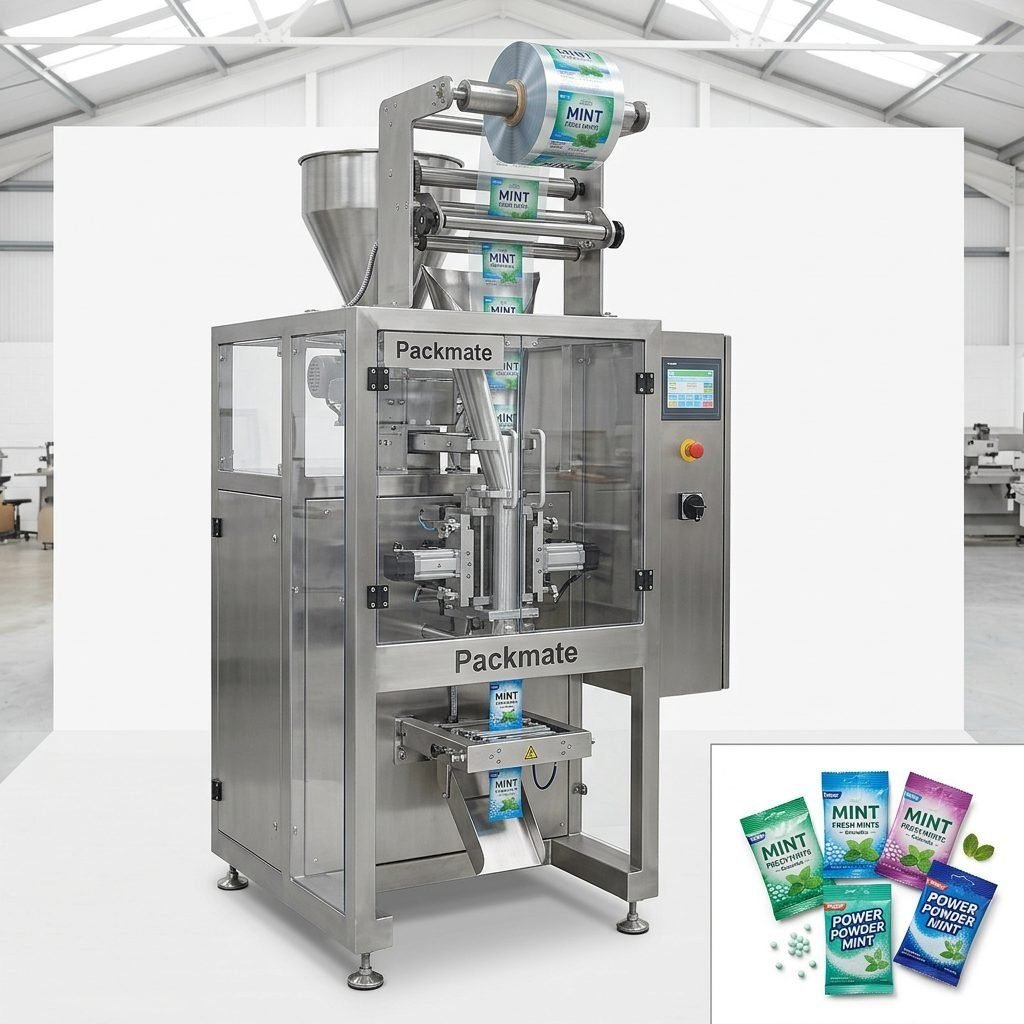
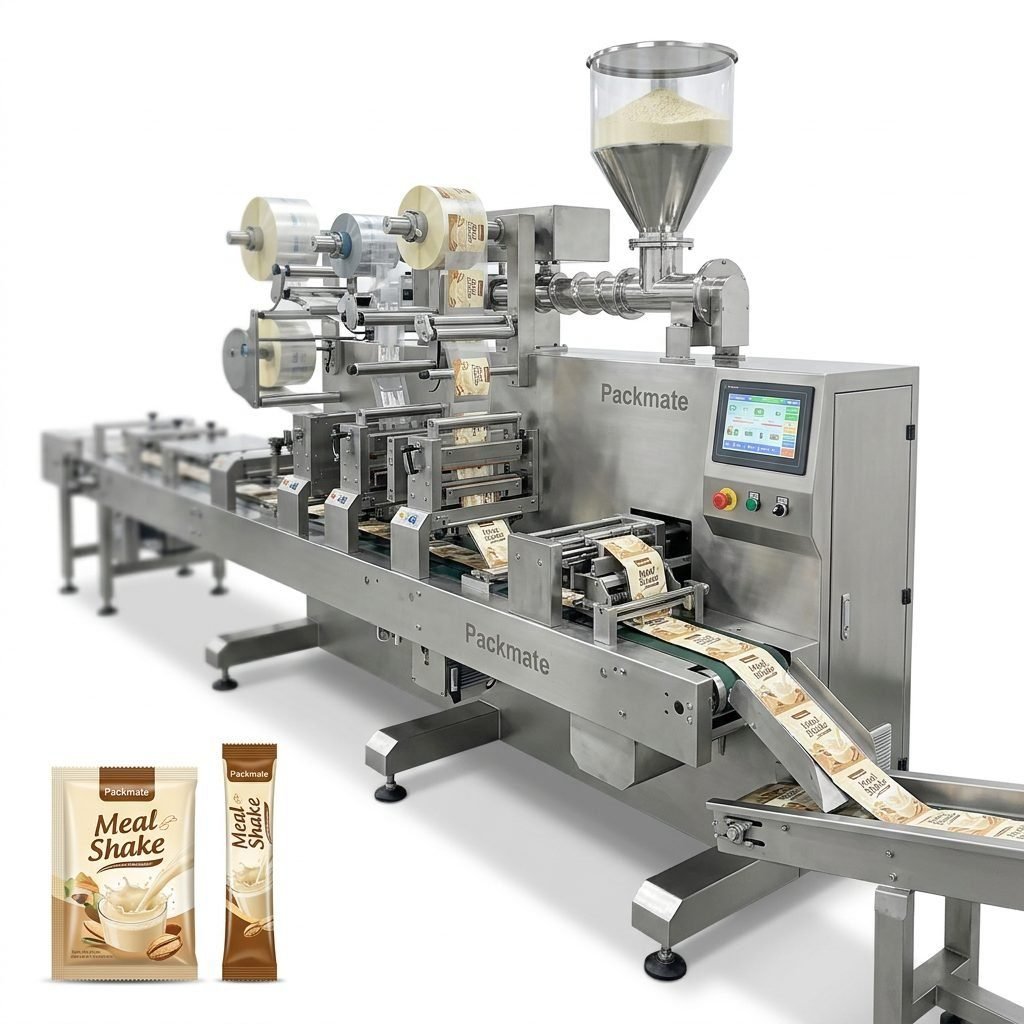
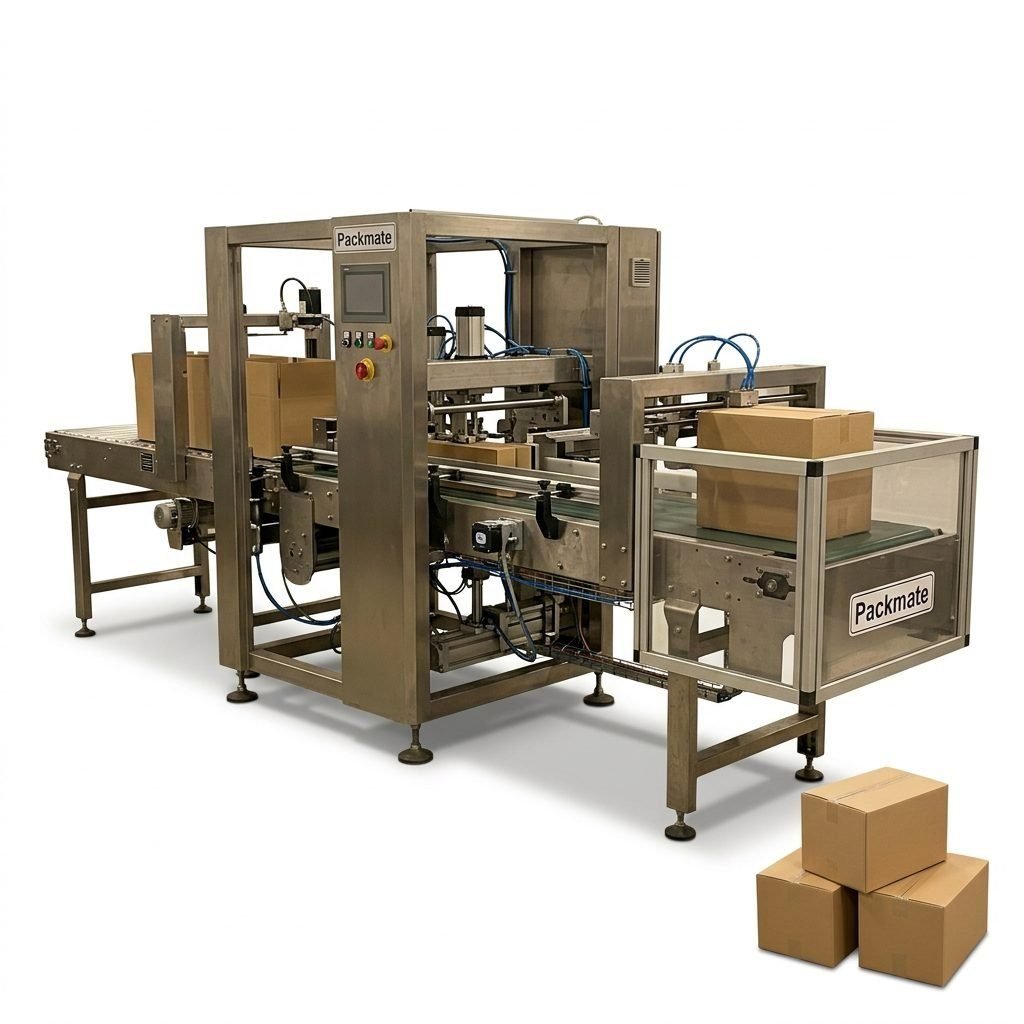
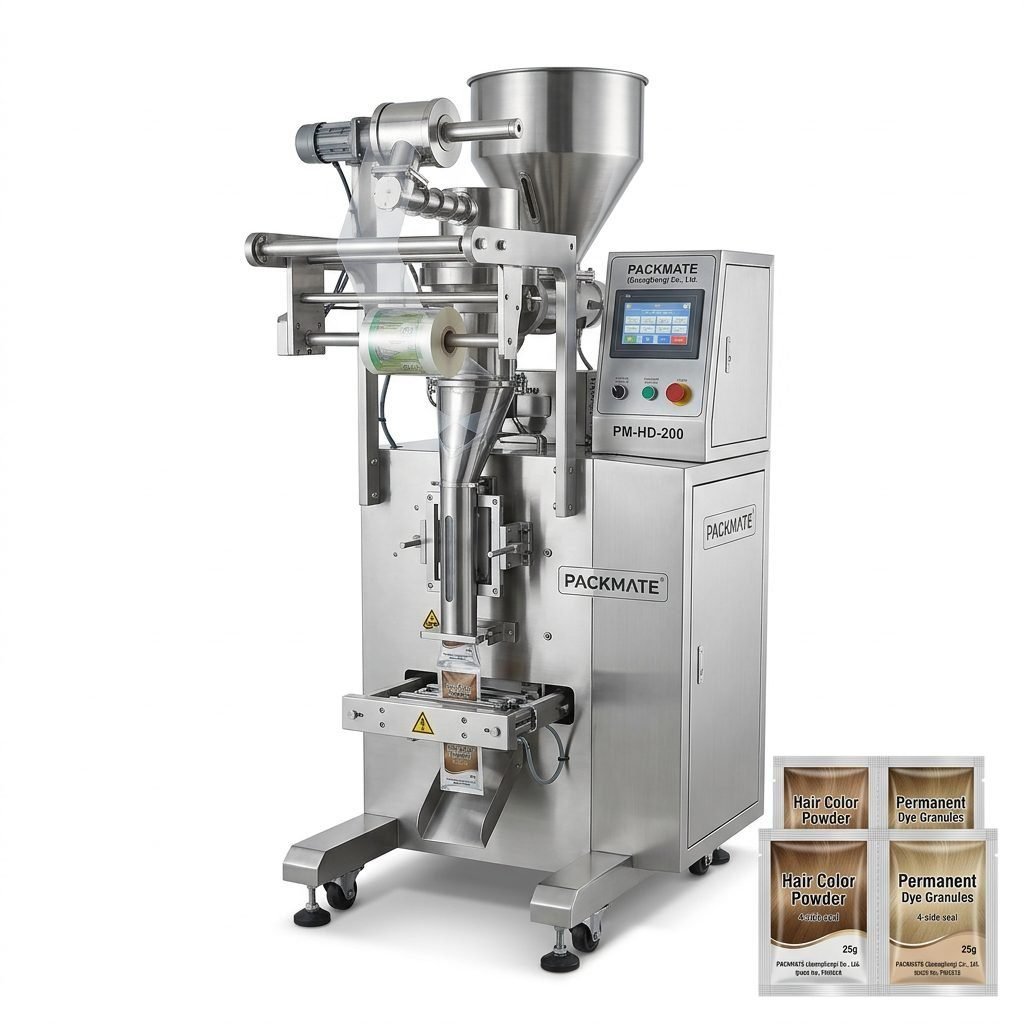
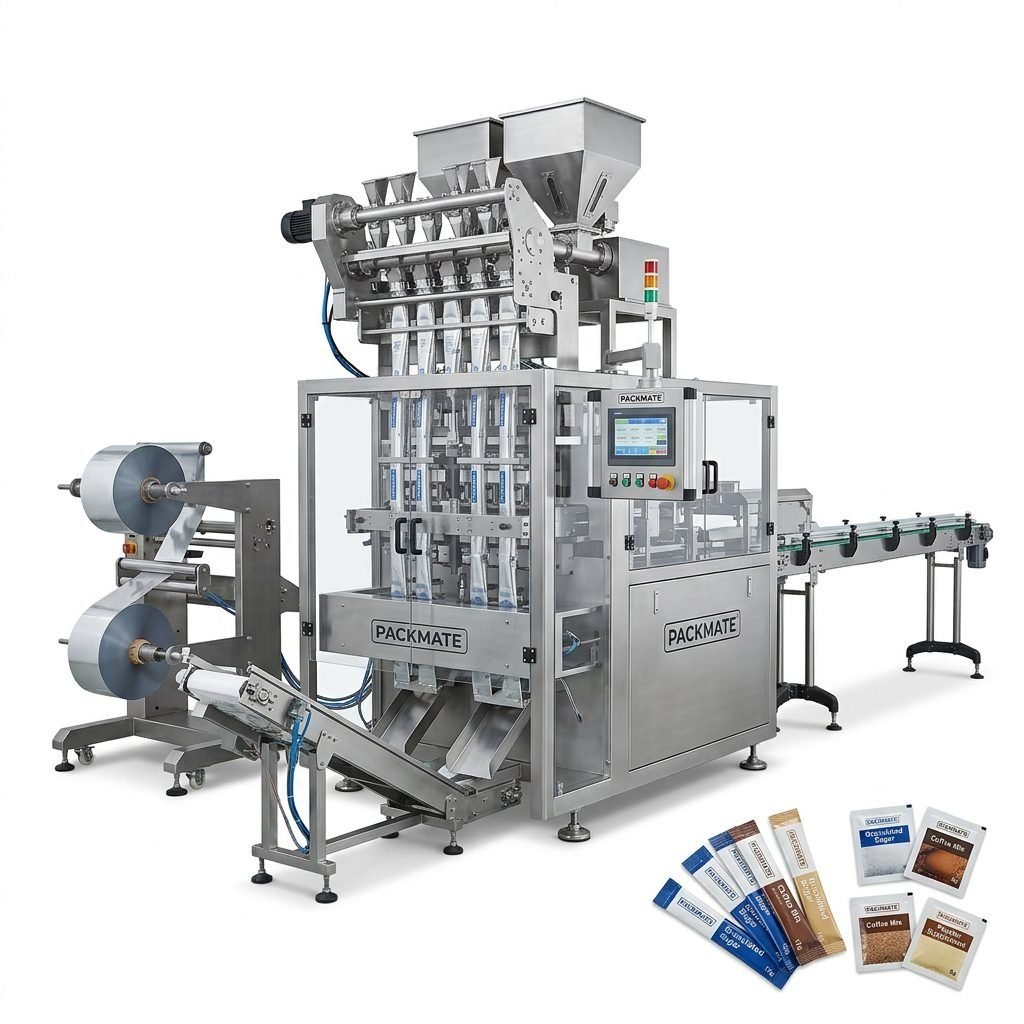
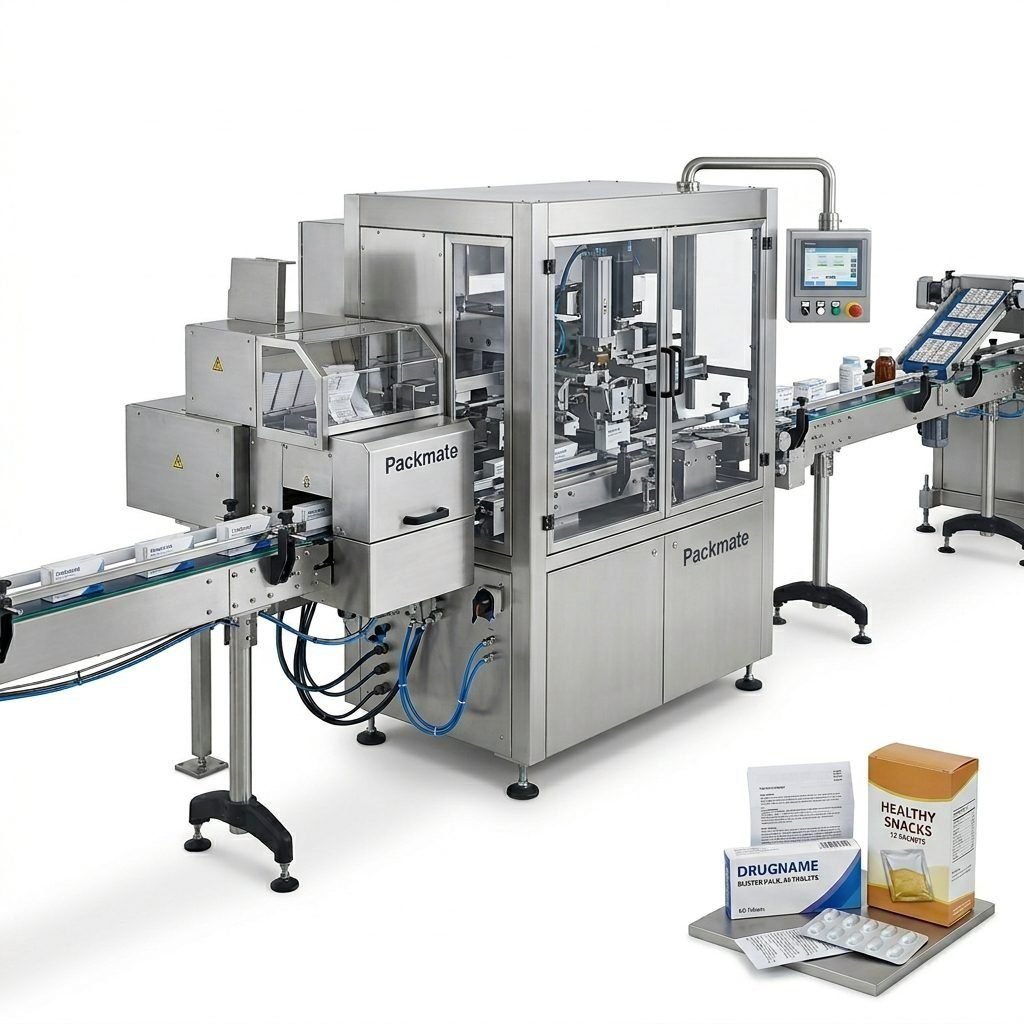
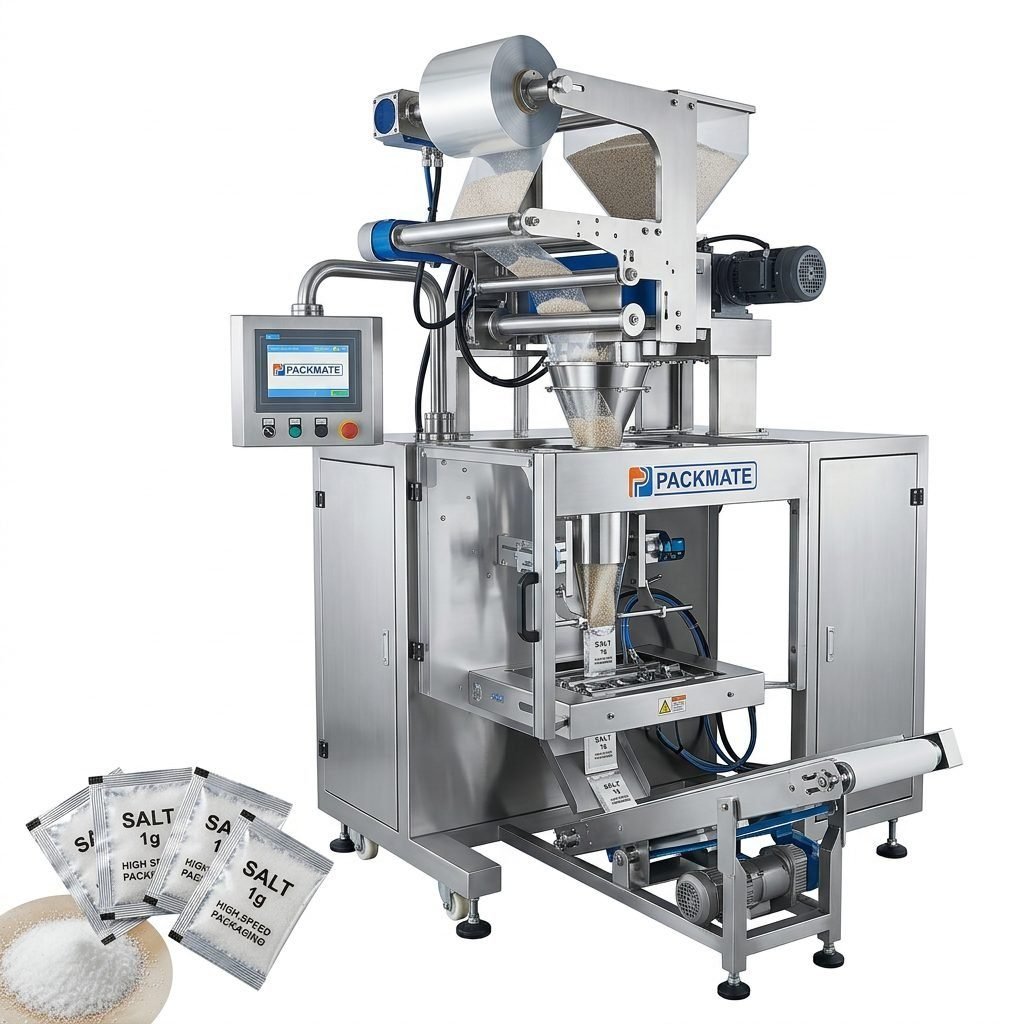
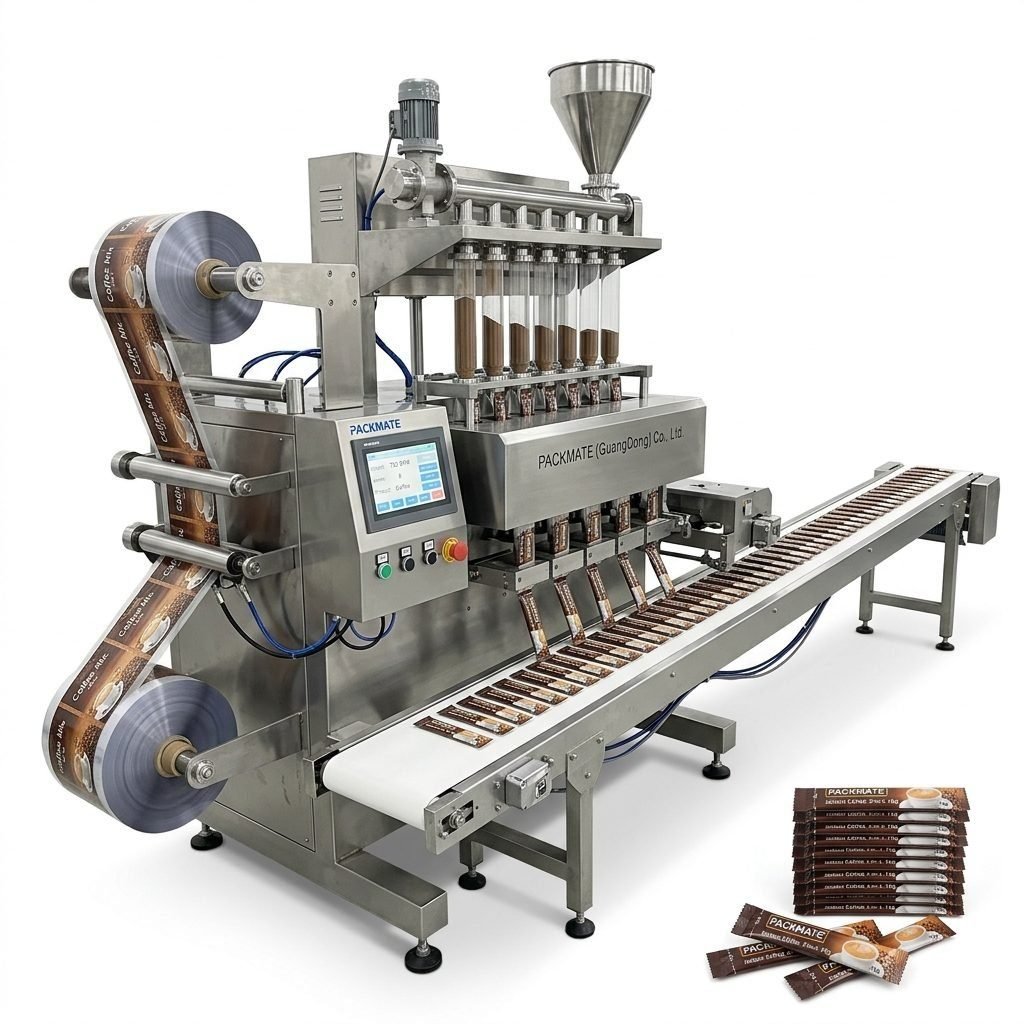
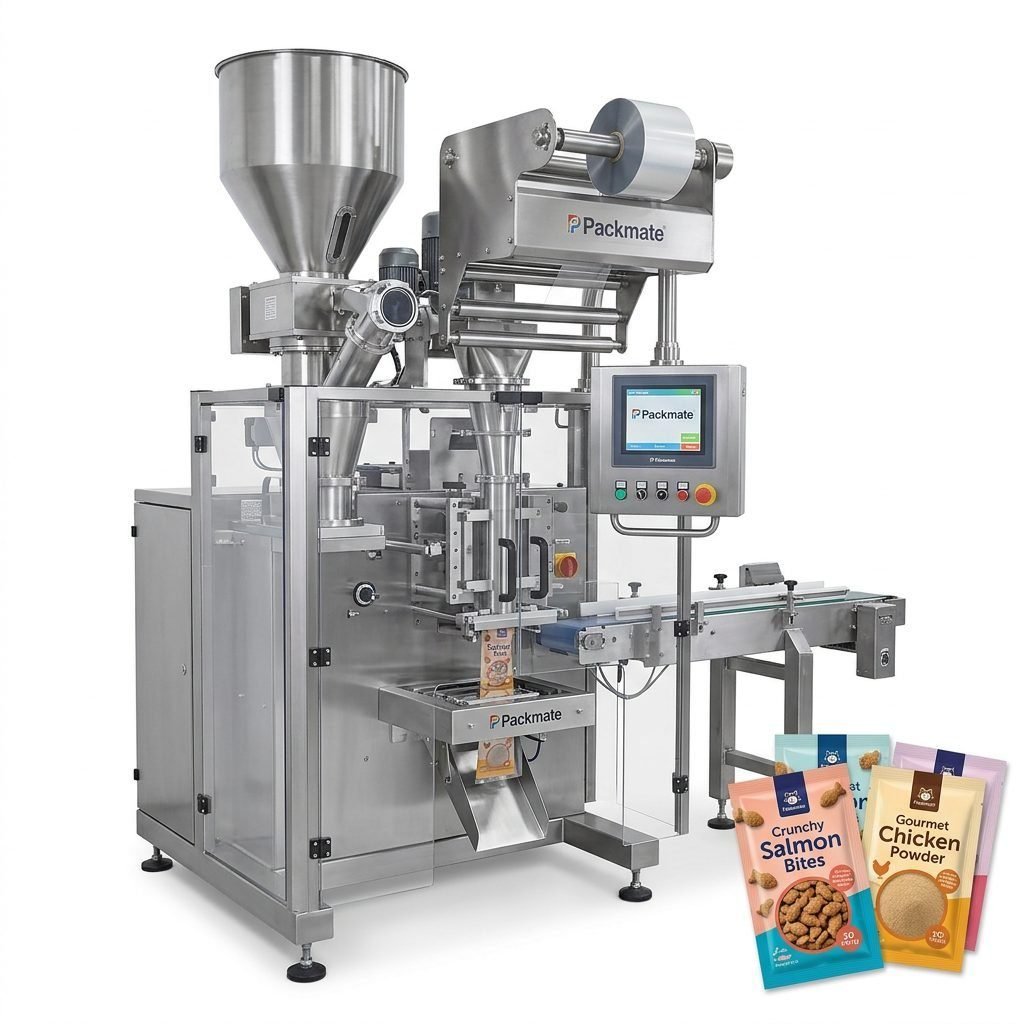
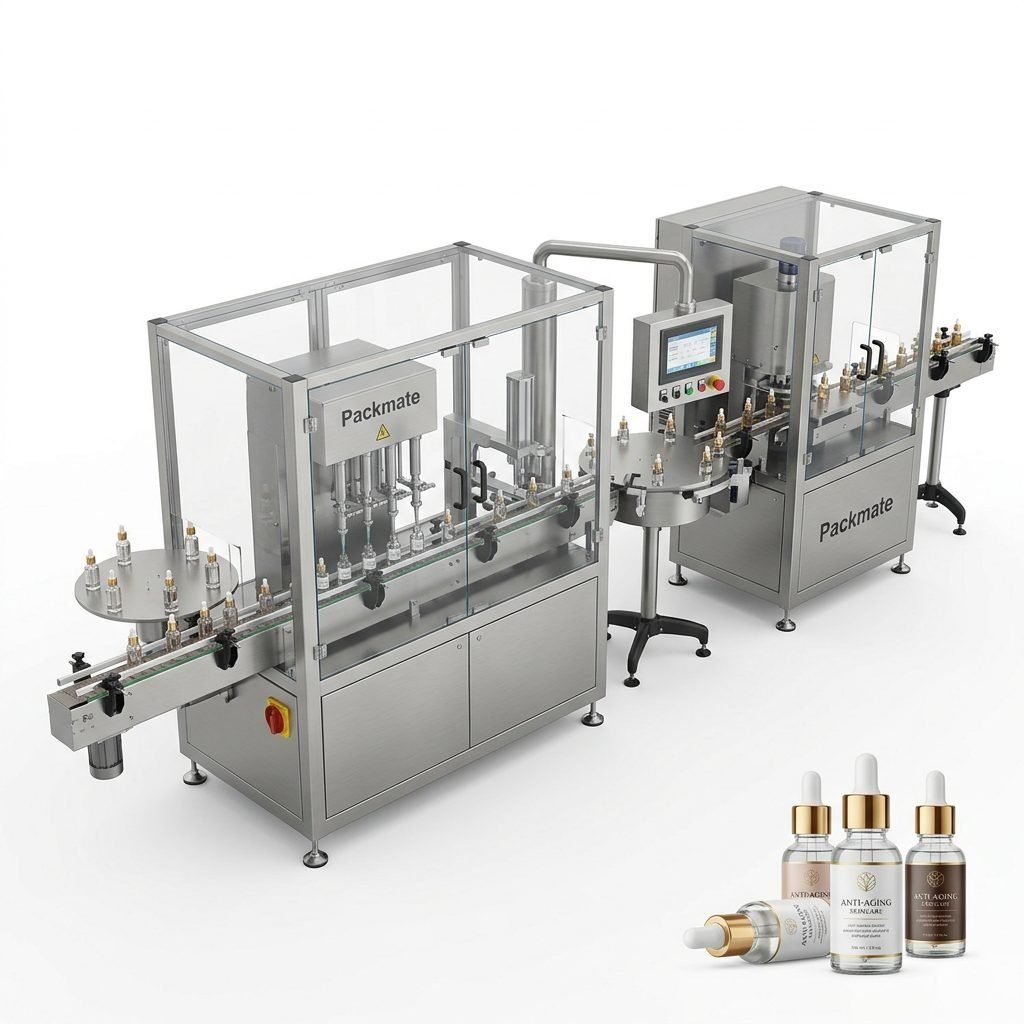
The world of product packaging is vast and complex, but for countless industries dealing with powders, granules, tablets, and liquids, the capsule packaging machine stands as a cornerstone of efficiency and precision. These specialized machines automate the intricate process of filling and sealing capsules, a packaging format prized for its portability, precise dosing, and consumer convenience. From pharmaceutical giants ensuring life-saving medication doses to supplement brands delivering daily vitamins, the reliability of the packaging line is paramount. This guide delves into the essential aspects of capsule packaging machines, exploring their various types, critical applications across sectors, and a comprehensive framework to guide your purchasing decision, ensuring you invest in equipment that aligns perfectly with your production goals and quality standards.
Understanding Capsule Packaging Machines
At its core, a capsule packaging machine is an automated system designed to fill empty capsule shells with a predetermined amount of product and then seal the two halves together. The process begins with the orientation and separation of the empty capsule caps and bodies. The bodies are then filled using a precise dosing mechanism—which can vary significantly based on the machine type and product characteristics—before the caps are rejoined and sealed. Modern machines often include additional stations for polishing, printing, and sorting, creating a seamless, high-speed production line. The primary advantage of automation in this domain is the remarkable consistency it brings, eliminating human error in dosage, significantly increasing output speeds compared to manual filling, and ensuring stringent hygiene standards are maintained, which is especially critical in pharmaceutical and nutraceutical packaging.
Key Takeaway: The shift from manual to automated capsule filling isn’t just about speed; it’s a fundamental upgrade in accuracy, hygiene, and operational scalability. For businesses looking to grow, this automation is not a luxury but a necessity to meet market demands and regulatory compliance.
Primary Types of Capsule Fillers
Capsule packaging machines are categorized mainly by their operating principle and the nature of the product they handle. Understanding these distinctions is the first step in selecting the right equipment.
1. Manual & Semi-Automatic Machines
Ideal for startups, laboratories, small-scale production, or pilot runs, these machines require significant operator involvement. A manual machine might involve a simple tray-based system where an operator aligns capsules and uses a hand-operated lever to fill and join them. Semi-automatic models introduce some powered functions, like automatic filling or sealing, but still need an operator to load capsules and monitor the process. Their chief advantages are low initial cost and flexibility for small batches of diverse products. However, they are not suitable for high-volume commercial production due to lower output and greater reliance on labor.
2. Automatic Capsule Filling Machines
This is the workhorse of industrial capsule production. Fully automatic machines handle the entire process—from capsule feeding and orientation to filling, sealing, ejection, and often polishing—without continuous manual intervention. They operate on a rotary indexing principle, where capsules move through various stations on a rotating turret. Dosing is achieved through highly precise mechanisms like dosing discs, tamping pins, or vacuum-assisted systems. Speeds can range from thousands to hundreds of thousands of capsules per hour. These machines are the backbone of any serious production facility requiring high efficiency, consistent quality, and traceability.
3. Intermittent vs. Continuous Motion Machines
Within the automatic category, a further distinction lies in the motion type. Intermittent motion machines (start-stop) are highly accurate and easier to maintain, making them excellent for complex products or frequent changeovers. Continuous motion machines offer higher maximum speeds for high-volume, single-product runs, as the capsules are in constant motion through the filling stages. The choice depends on your production volume and flexibility needs.
Choosing Based on Product Form
The physical characteristics of your product are perhaps the most critical selection factor.
- Powders: The most common fill. Machines use dosators, dosing discs, or vacuum systems. Uniform powder flowability is crucial for accuracy.
- Granules & Pellets: Often handled by volumetric filling systems. Gentle handling mechanisms are needed to prevent granule breakage.
- Liquids & Oils: Require specialized liquid filling pumps and often heated nozzles to handle viscosity. Sealing integrity is paramount to prevent leakage.
- Tablets & Micro-Tablets: Machines designed for this use precise counting and placing mechanisms, sometimes allowing for the combination of different tablets in one capsule.
Core Applications and Industry Uses
The versatility of capsule packaging machines makes them indispensable across several key industries, each with its own set of stringent requirements.
In the pharmaceutical industry, these machines are governed by rigorous standards like cGMP (current Good Manufacturing Practice). Accuracy in dosage is non-negotiable, and machines must be constructed from pharmaceutical-grade materials (e.g., 316L stainless steel) that allow for easy cleaning and sterilization. Traceability and validation are also essential components of pharmaceutical capsule filling lines.
The nutraceutical and dietary supplement sector is a major user, packaging everything from herbal extracts and vitamins to probiotics and protein powders. While regulations may differ from pharmaceuticals, consumer demand for quality and consistency remains high. Speed and cost-efficiency are often more emphasized here to manage high-volume consumer goods production.
Other significant applications include the cosmetic industry for single-use samples or premium products like bath oil beads, and the food industry for encapsulating flavors, coloring agents, or nutritional additives. In some regions, specialized machines are also used for packaging smokeless tobacco products like snus, which requires unique dosing and moisture control, a niche served by experts in specialized packaging machinery.
Essential Buying Guide: Key Considerations
Investing in a capsule packaging machine is a significant decision. Here is a structured guide to navigate the selection process.
1. Define Your Production Requirements
Start with a clear analysis of your needs. What is your required output (capsules per hour)? Consider both current and projected future volumes. What capsule sizes (e.g., 00, 0, 1, 2, 3) will you use? Does your product require handling under specific environmental conditions, like low humidity? Answering these questions will narrow down the machine type (semi-auto vs. full-auto) and its necessary specifications.
2. Evaluate Machine Specifications and Features
Scrutinize the technical details. Look for dosing accuracy (typically expressed as a weight variation percentage), which is critical for product quality. Assess the changeover time between different capsule sizes or products; quick-change parts can drastically reduce downtime. Essential features often include automatic capsule rectification (orienting), rejection systems for unfilled or damaged capsules, dust extraction ports, and user-friendly touchscreen HMIs for operation and recipe management.
3. Prioritize Quality and Compliance
The machine’s construction directly impacts its longevity, cleanliness, and compliance. Insist on high-grade stainless steel for all product contact parts. Verify what safety and regulatory certifications the machine holds (e.g., CE, UL). For pharmaceutical use, ensure the supplier can provide documentation for IQ/OQ/PQ (Installation, Operational, Performance Qualification) protocols. A reputable manufacturer like Packmate Machinery, with decades of experience and a 20,000㎡ modern facility, typically adheres to these high standards, ensuring reliability.
4. Consider the Total Cost of Ownership (TCO)
Look beyond the initial purchase price. Factor in installation costs, training for your operators, availability and cost of spare parts, and the supplier’s reputation for after-sales service and technical support. A slightly more expensive machine from a supplier with a robust global support network often proves more economical in the long run by minimizing costly production stoppages.
5. Supplier Selection and Support
Choose a supplier that acts as a partner. Can they provide a comprehensive range of packaging solutions, from single machines to complete integrated filling and packaging lines? Do they offer customization to suit your specific product? Request references, ask for a live demonstration with a product similar to yours, and clearly understand the warranty and service agreement terms.
Final Checklist Before Purchase
- Output Speed & Accuracy: Matches your volume and quality specs.
- Product Compatibility: Tested with your specific powder, granule, or liquid.
- Ease of Cleaning & Maintenance: Sanitary design with accessible parts.
- Supplier Credibility: Proven track record, strong after-sales support.
- Future-Proofing: Machine allows for potential upgrades or integration.
Frequently Asked Questions (FAQs)
What is the typical output range for an automatic capsule filling machine?
Output varies widely based on machine model and capsule size. Semi-automatic machines may produce 5,000 to 20,000 capsules per hour. Standard industrial automatic machines range from 30,000 to 150,000 capsules per hour. High-speed continuous motion machines can exceed 200,000 capsules per hour for high-volume production.
How do I ensure dosing accuracy for my specific powder?
Dosing accuracy depends on the machine’s dosing mechanism and the powder’s characteristics (flowability, density, cohesiveness). Always request a product test at the manufacturer’s facility. They can adjust dosing systems, tamping pressure, or recommend powder pre-treatment (like de-aeration) to achieve the required weight variation, often aiming for well under ±3%.
What are the main maintenance requirements for these machines?
Regular daily cleaning is essential to prevent cross-contamination and product buildup. Lubrication of moving parts as per the manual, periodic inspection of wear parts like dosing discs, seals, and filters, and calibration of weighing systems are key. Choosing a machine with a simple, modular design greatly simplifies routine maintenance.
Can one machine handle multiple capsule sizes?
Yes, most automatic machines are designed for quick changeover between standard capsule sizes. This is achieved by changing parts like the sorting ring, dosing disc, and height adjustment settings. The time required for changeover (from 15 minutes to an hour) is an important specification to compare when evaluating machines if you plan to run multiple products.
What is the lead time for receiving a new capsule packaging machine?
Lead times depend on the machine’s complexity and customization. For standard models from stock, it could be 4-8 weeks. For fully customized or high-end pharmaceutical lines with validation support, lead times can extend to 4-6 months or more. Clear communication with your supplier about project timelines is crucial for planning your production rollout.