In today’s fast-paced world, preserving food freshness, extending shelf life, and preventing waste are universal concerns. Whether you’re a home cooking enthusiast looking to meal-prep efficiently, a small-scale artisanal producer, or a large commercial food processor, a reliable food vacuum packaging machine is an indispensable tool. These systems remove air from a package before sealing it, creating an oxygen-depleted environment that significantly slows down spoilage caused by bacteria, mold, and oxidation. This guide will explore the best food vacuum packaging machines for both home and commercial use, helping you make an informed investment for your specific needs.
Understanding the Core Benefits of Vacuum Packaging
The primary function of vacuum sealing is preservation. By removing air, you inhibit the growth of aerobic microorganisms and prevent freezer burn, keeping food safe and palatable for much longer. For commercial kitchens and food manufacturers, this translates directly to reduced waste and improved inventory management, allowing for bulk purchasing and preparation without quality loss. At home, it means your garden harvests, bulk meat purchases, and leftovers can be stored for months.
Beyond preservation, vacuum packaging offers organization and protection. It creates a compact, airtight barrier that protects contents from moisture, odors, and pests. For marinating, vacuum sealing forces marinades into the food’s fibers, reducing marinating time from hours to minutes. Sous vide cooking, a method beloved by both professional chefs and home gourmands, relies entirely on precise temperature control of vacuum-sealed food in a water bath.
Key Features to Consider Before You Buy
Choosing the right machine depends heavily on your intended use volume and frequency. Key specifications to evaluate include:
Suction Power & Speed: Measured in air displacement (e.g., CFM) or by the vacuum level it can achieve (e.g., mbar). Commercial units are significantly more powerful and faster to handle high throughput.
Seal Bar Quality & Width: A durable, heated seal bar is critical for creating a strong, hermetic seal. Wider bars can handle thicker or multi-layered packaging materials.
Versatility & Bag Compatibility: Can it handle bags, rolls, and specialized containers? Some machines offer attachments for jar sealing or wine preservation.
Durability & Duty Cycle: Home models are for intermittent use. Commercial machines, like those from established manufacturers such as Packmate Machinery, are built for continuous operation with robust components.
Ease of Use & Maintenance: Look for intuitive controls, easy cleaning, and accessible customer support.
For Home Users: Finding Your Perfect Match
Home vacuum sealers generally fall into two categories: external suction and chamber vacuum machines. External suction models are the most common and affordable. They suck air out through a nozzle attached to a specially designed bag. They are excellent for dry, solid foods but can struggle with liquids or fine powders, as the suction may draw them into the machine.
Chamber vacuum sealers, while larger and more expensive, are the professional choice for the serious home cook. The entire bag is placed inside a chamber; air is removed from the chamber itself, then the bag is sealed. This method is gentler, handles liquids and powders perfectly, and uses less expensive, smooth (non-textured) bag materials. It’s ideal for sous vide, preserving soups, and sealing delicate items.
For Commercial & Industrial Applications
In a commercial setting, the stakes are higher. Reliability, speed, hygiene, and integration into production lines are paramount. Commercial vacuum packaging machines are engineered for durability and high-volume output. They often feature stainless steel construction for easy sanitation, programmable controls for different products, and gas flushing capabilities for Modified Atmosphere Packaging (MAP), which replaces air with a gas mix (like nitrogen) to further extend shelf life for products like salads, cheeses, and meats.
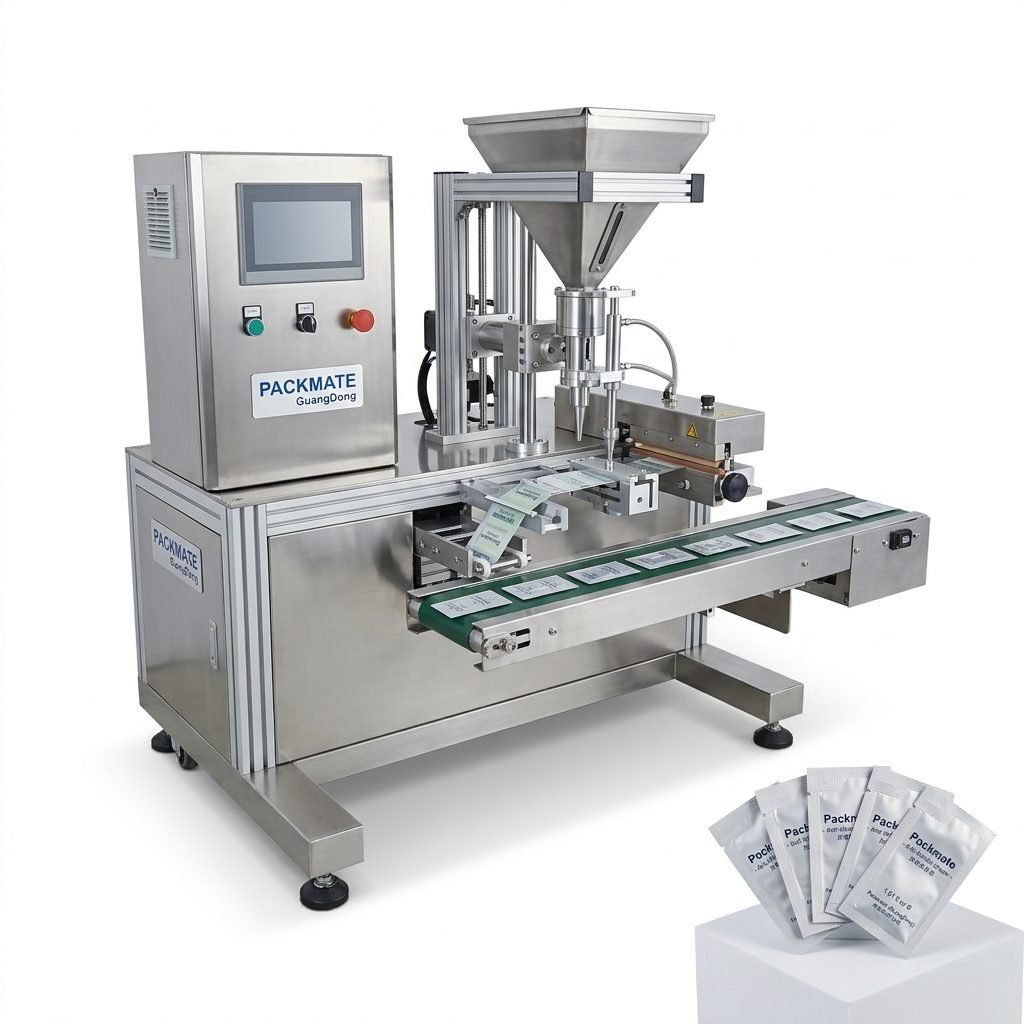
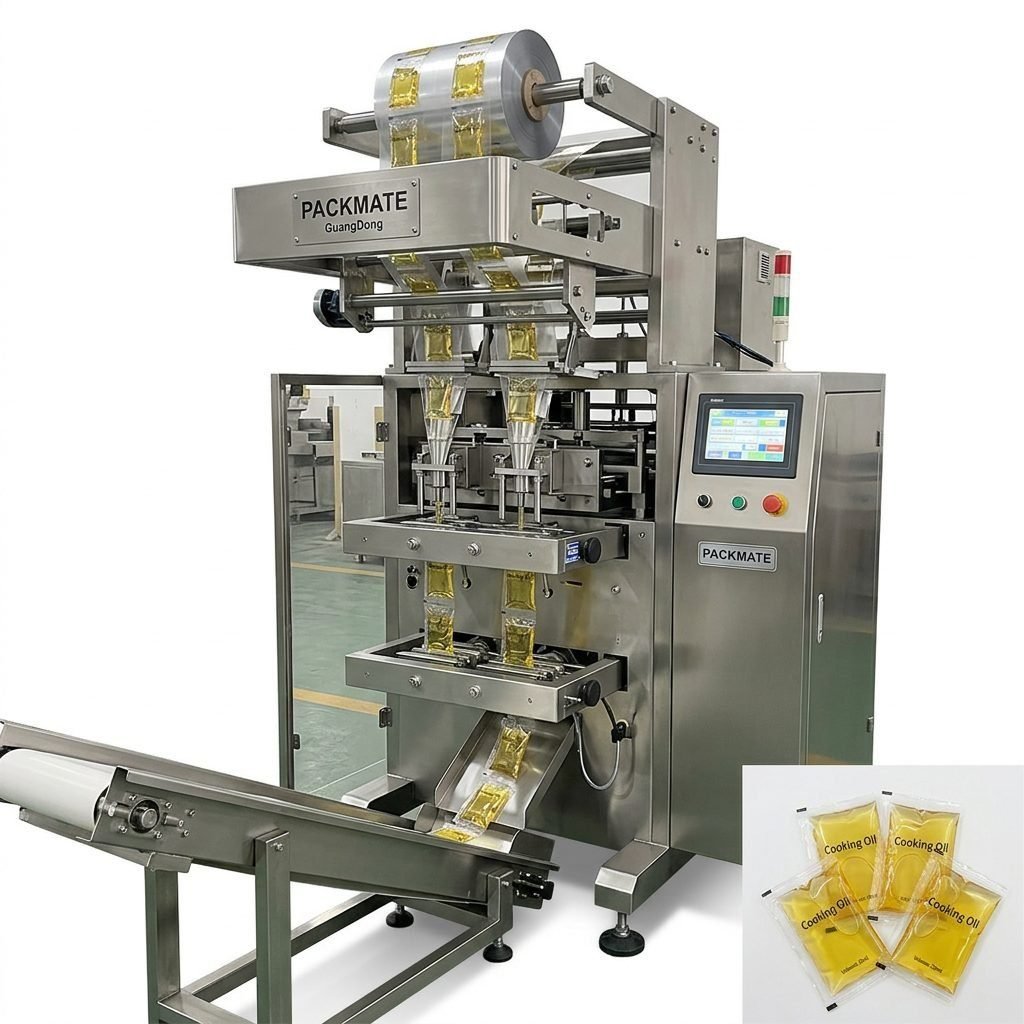
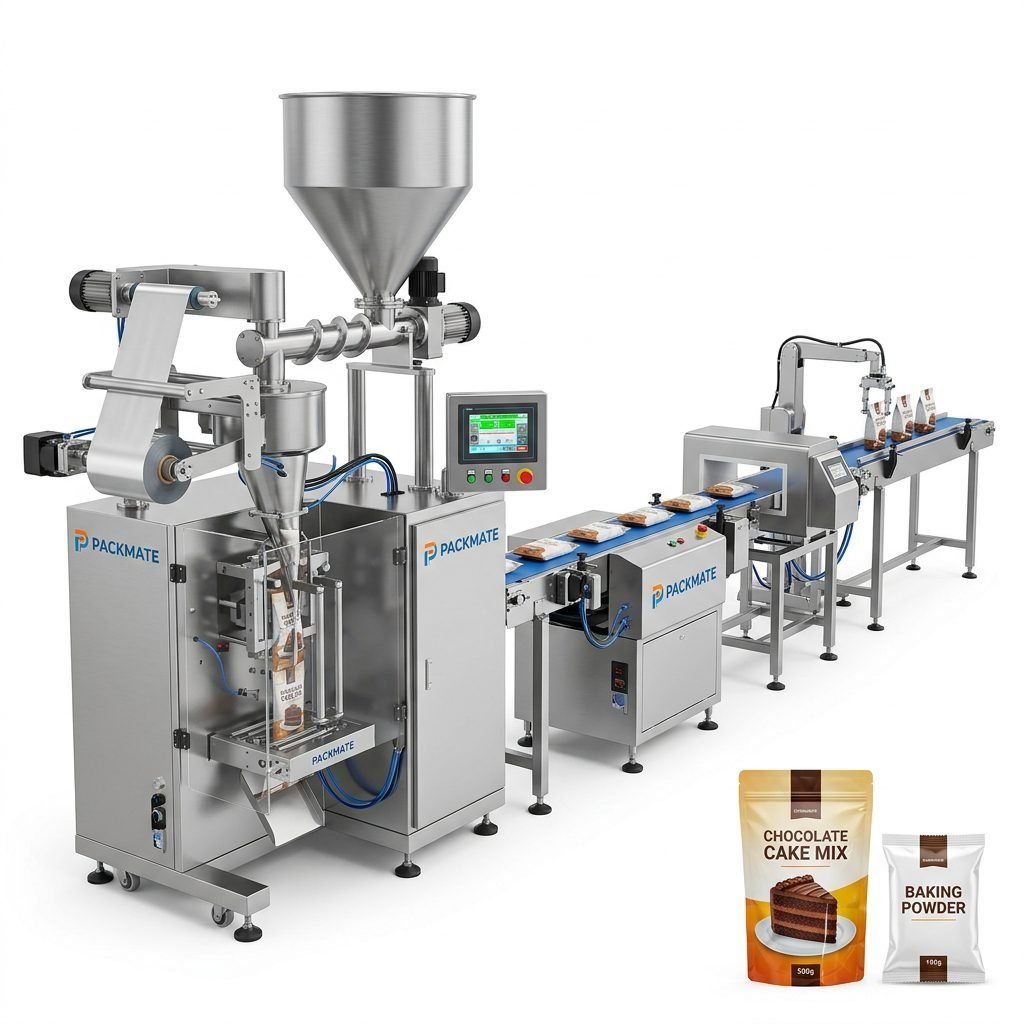
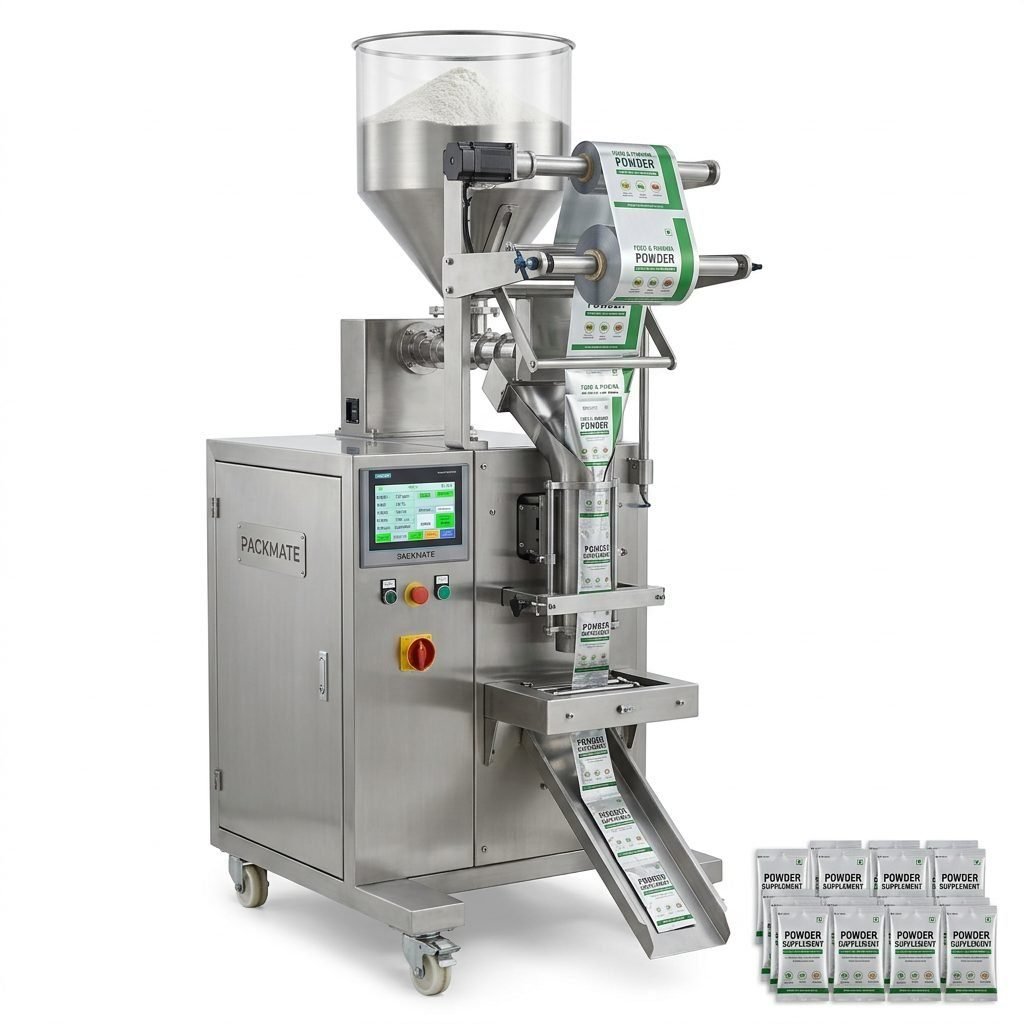
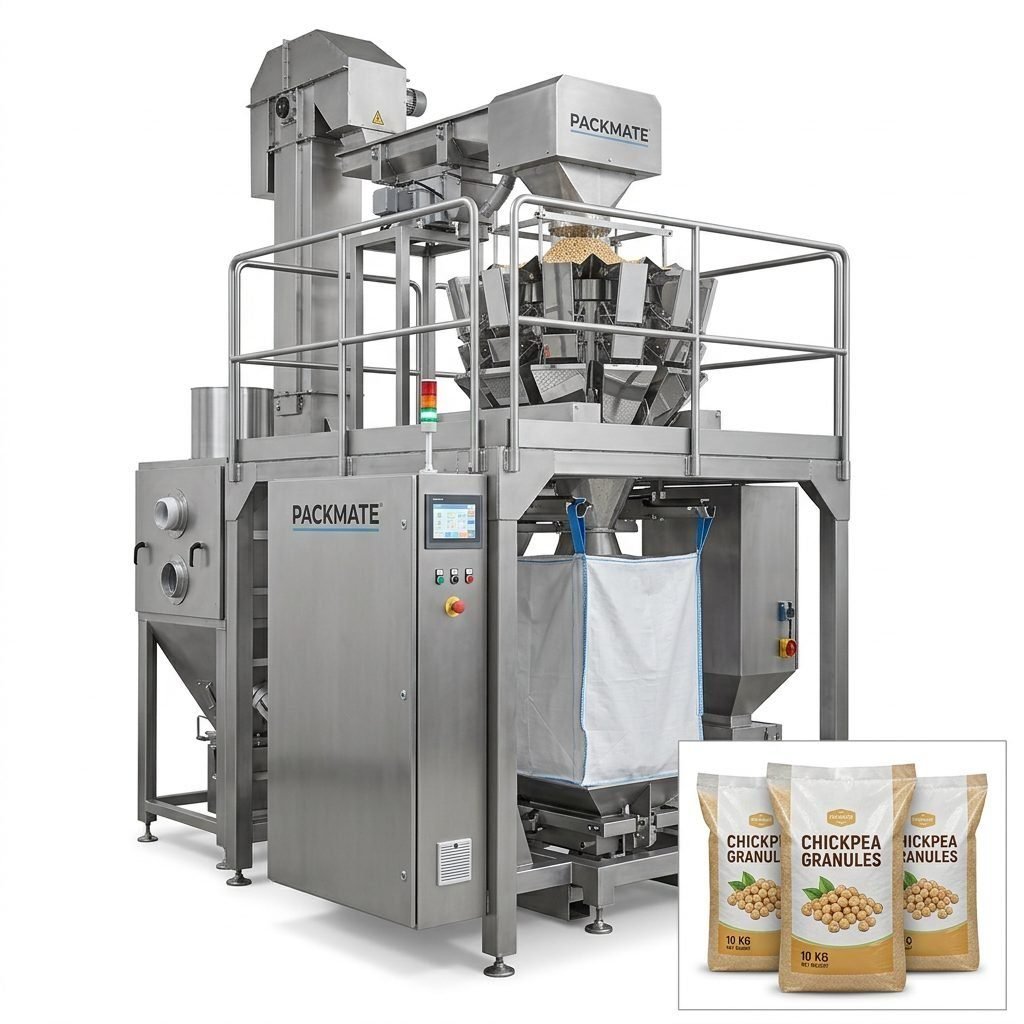
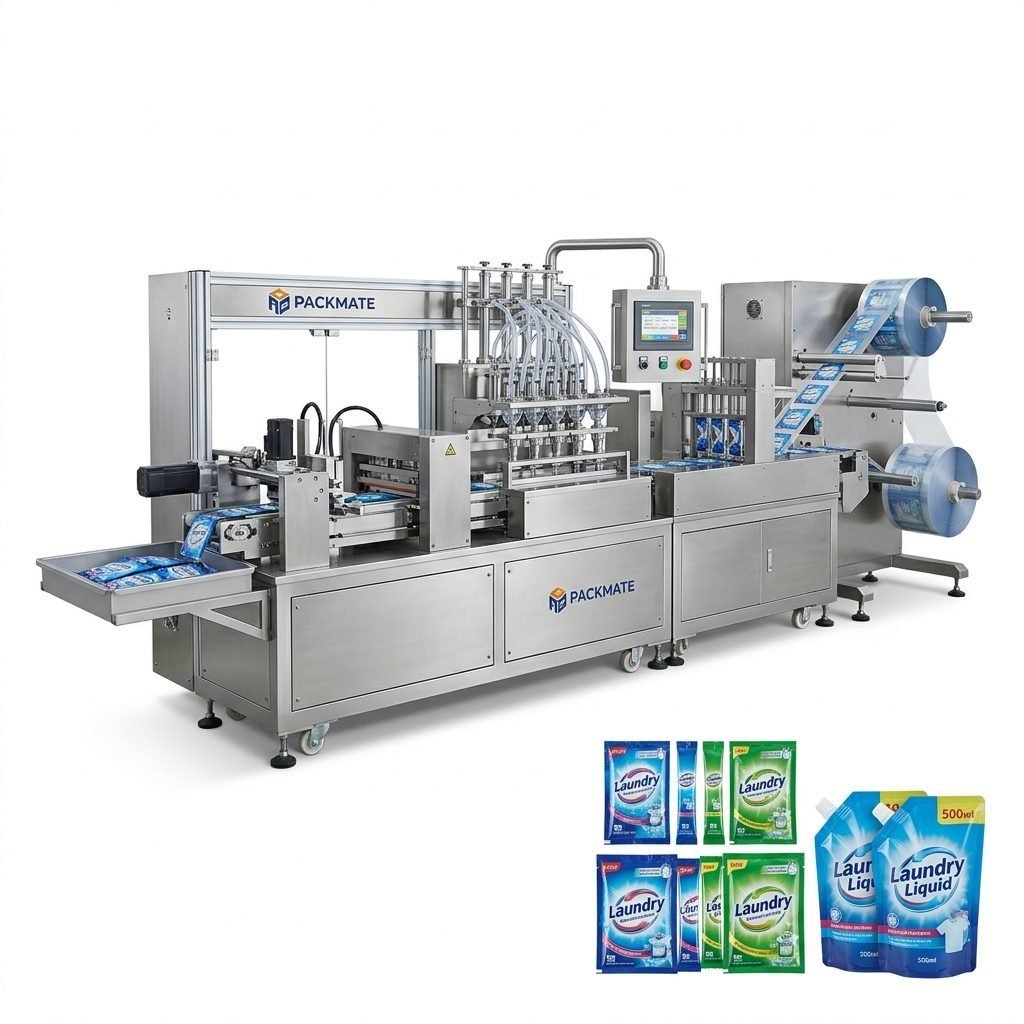
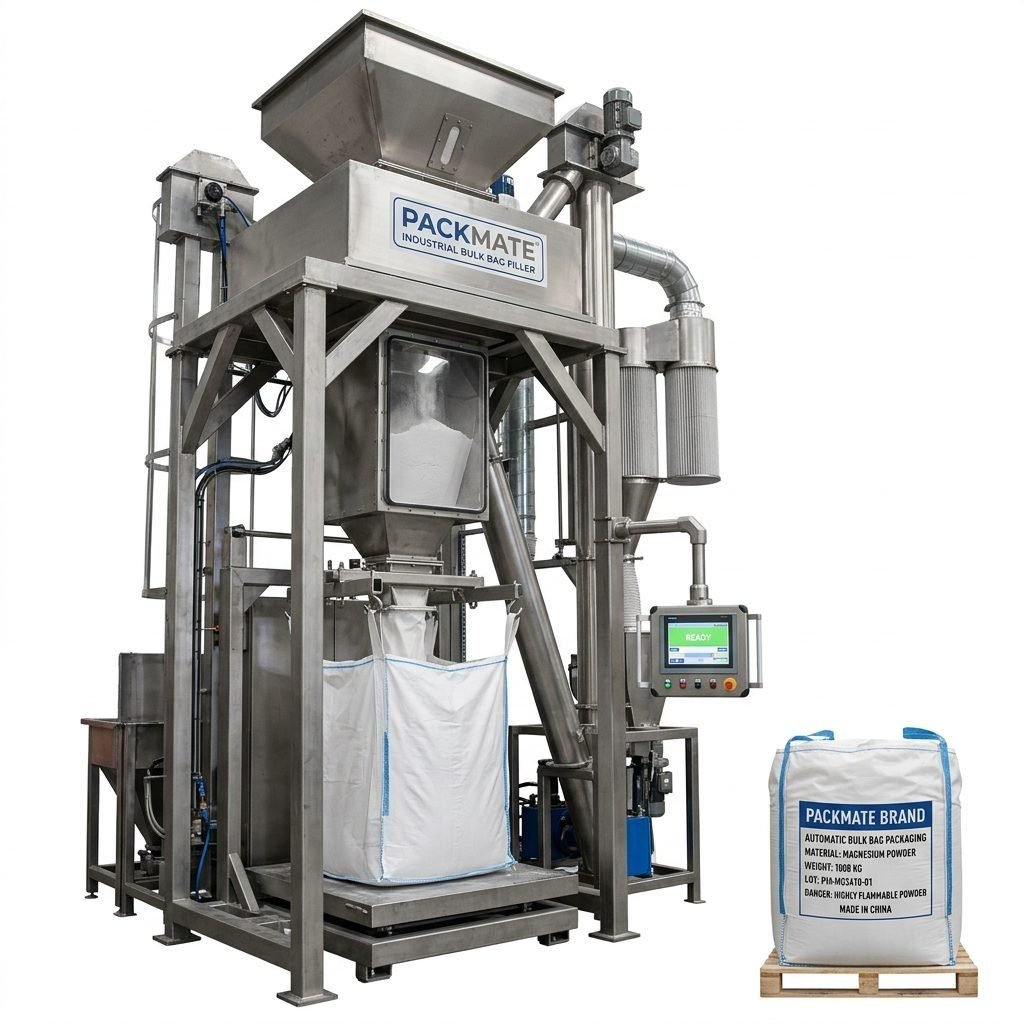
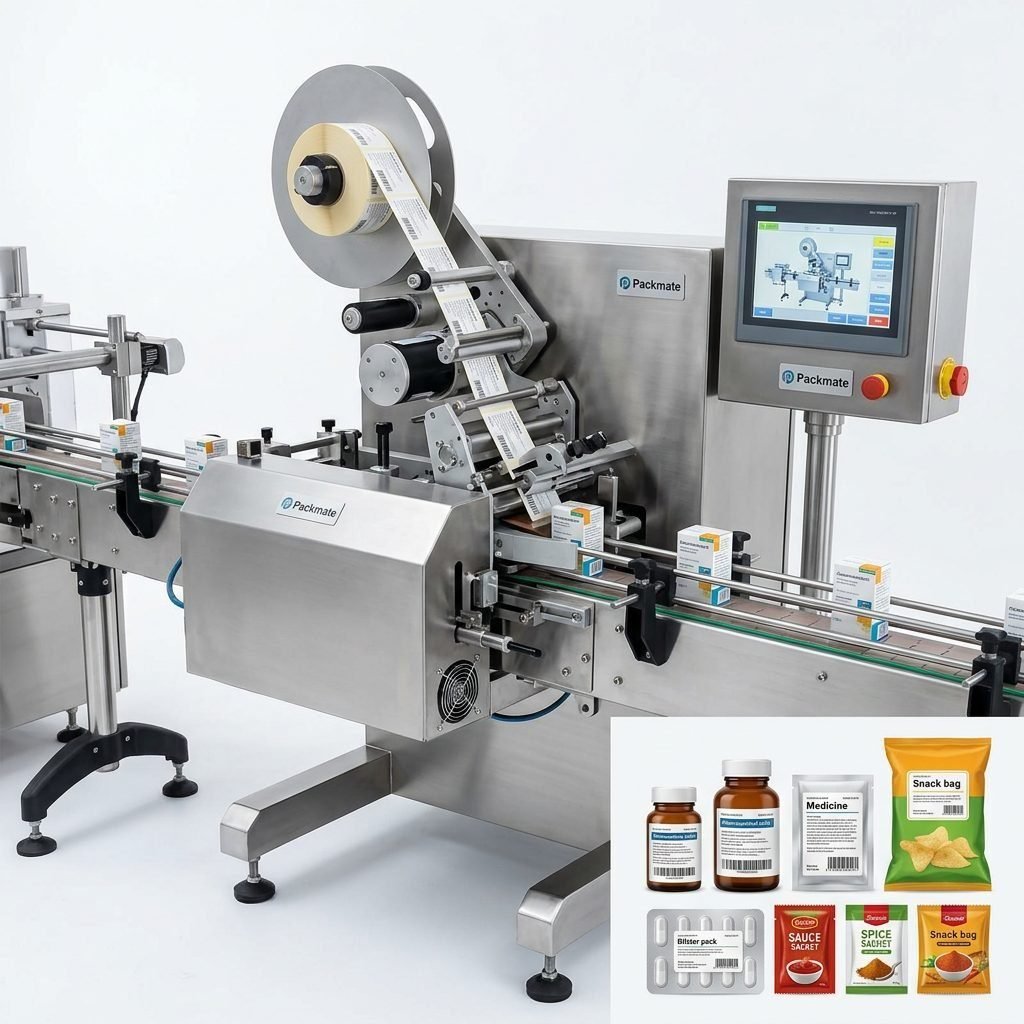
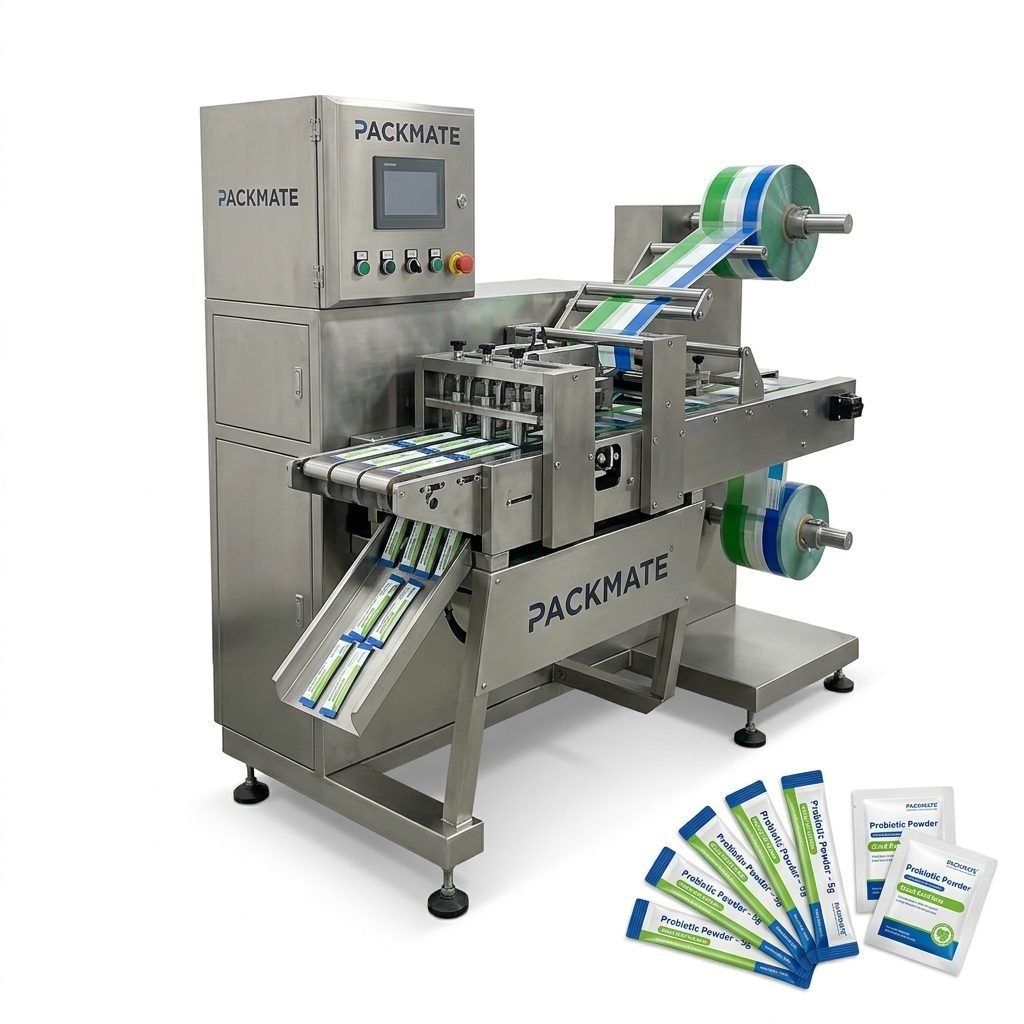
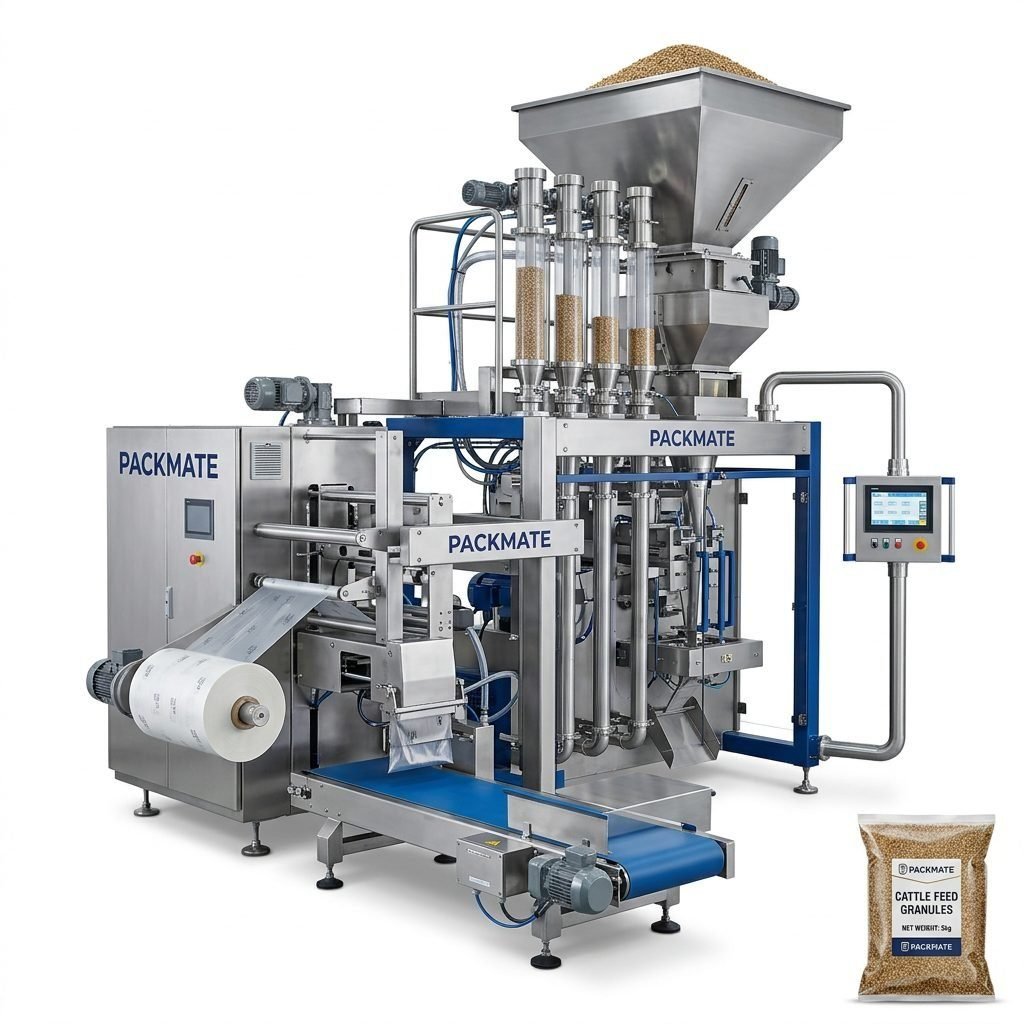
Companies requiring full production line solutions should consider partnering with a specialist manufacturer. For instance, Packmate Machinery, with over two decades of experience, offers a range of intelligent packaging solutions. Their expertise in creating complete filling and packaging lines ensures seamless integration of vacuum packaging with weighing, filling, and sealing processes, crucial for granules, powders, and liquids in the food and pharmaceutical industries.
Material Matters: Choosing the Right Bags & Films
The machine is only half the equation. The packaging material must have excellent barrier properties against oxygen and moisture. For home use, pre-made bags or rolls of multi-layer plastic (often nylon/PE) are standard. Ensure they are the correct gauge (thickness) for your food type—thicker for bones or sharp edges.
Commercial operations use specialized films, often with higher barrier layers like EVOH, and may require specific sealing parameters. The ability of a machine to consistently seal these professional-grade materials is a key differentiator. Reliable equipment from providers like Packmate is designed to handle these demanding materials across their bag and pouch packaging machine range, ensuring product integrity from the factory to the shelf.
Making the Investment: Cost vs. Value
While upfront cost is a factor, the long-term value proposition of a quality vacuum packaging machine is significant. For homes, it reduces food waste, saves money on groceries, and unlocks new culinary techniques. For businesses, the return on investment is calculated through extended product shelf life, enhanced food safety, reduced spoilage losses, and improved product presentation. A machine that minimizes downtime and maintenance, backed by strong technical support, pays for itself over time.
When evaluating commercial options, consider the manufacturer’s reputation and support network. A company with a long history, like Packmate which began its journey in 2003 and has grown to a 20,000㎡ facility, typically offers more reliable products and comprehensive after-sales service, ensuring your packaging line operates smoothly for years.
Conclusion
Selecting the best food vacuum packaging machine requires a clear assessment of your needs—volume, food types, budget, and desired features. Home users can achieve fantastic results with modern external sealers or invest in a chamber vacuum for professional-grade capabilities. Commercial users must prioritize robustness, speed, and integration, looking towards industrial partners for turnkey solutions. By investing in the right technology, you effectively buy time—preserving quality, flavor, and nutritional value, whether for your family table or your global customer base.
Frequently Asked Questions (FAQ)
1. What is the main difference between a home and a commercial vacuum sealer?
The core differences are power, speed, durability, and duty cycle. Commercial machines are built from heavier-duty materials (like stainless steel), have much stronger vacuum pumps for faster air removal, can run continuously for hours, and are designed for easy sanitation to meet food safety standards. Home models are for intermittent, lower-volume use.
2. Can I vacuum seal liquids with any machine?
No. Standard external suction sealers will pull liquids into the vacuum channel, damaging the machine. To seal liquids (soups, sauces, marinated items), you need a chamber vacuum sealer. The chamber method removes air from around the bag, not through it, making it perfectly safe for liquid contents.
3. How much longer does vacuum-sealed food last?
It varies by food type. In the refrigerator, vacuum-sealed cooked meats may last 2-3 weeks instead of 3-4 days. In the freezer, it can prevent freezer burn for 2-3 years versus a few months. Dry goods like grains or coffee can last for years. It significantly extends shelf life by slowing oxidation and bacterial growth.
4. Is Modified Atmosphere Packaging (MAP) the same as vacuum packaging?
Not exactly. Vacuum packaging removes almost all air. MAP removes air and replaces it with a specific mixture of gases (e.g., nitrogen, carbon dioxide) to preserve color, texture, and further inhibit spoilage for specific products like fresh pasta, salads, or snack mixes. Many commercial vacuum machines offer an optional gas flush feature to perform MAP.
5. What maintenance does a vacuum packaging machine require?
Regular maintenance is crucial for longevity. This typically includes cleaning the seal bar after use to remove debris, checking and replacing the sealing gasket if worn, ensuring the vacuum pump oil is at the correct level and changed periodically (for oil-lubricated pumps), and wiping down the exterior. Always follow the manufacturer’s specific maintenance guide, which for professional equipment from companies like Packmate, is part of their comprehensive service support.