In today’s fast-paced production environments, selecting the right container packaging machine is a critical decision that directly impacts operational efficiency, product quality, and overall profitability. This guide provides a comprehensive overview of the various types of container packaging machines, their significant benefits, and a structured framework to help you make an informed choice for your specific needs.
Understanding Container Packaging Machines
Container packaging machines are automated systems designed to fill, seal, and sometimes label various types of containers—such as bottles, cans, jars, pouches, and boxes—with products ranging from food and beverages to pharmaceuticals and chemicals. They form the backbone of modern production lines, ensuring consistency, hygiene, and speed.
The evolution of this technology has been remarkable. From simple manual filling stations, the industry has progressed to fully integrated, computer-controlled lines capable of handling thousands of units per hour with minimal human intervention. This automation is essential for meeting the high-volume demands of global markets while maintaining stringent quality standards.
Core Function: Precision and Speed
The primary function of any packaging machine is to accurately dose a product into a container and hermetically seal it. Accuracy is non-negotiable, especially in industries like pharmaceuticals or high-value food products, where even minor deviations can lead to significant waste or regulatory non-compliance. Modern machines achieve this through advanced weighing systems, volumetric fillers, and precision servo motors.
Main Types of Container Packaging Machines
The market offers a diverse range of machines, each suited to different container formats, product characteristics, and production scales. Understanding these categories is the first step in the selection process.
1. By Container Type
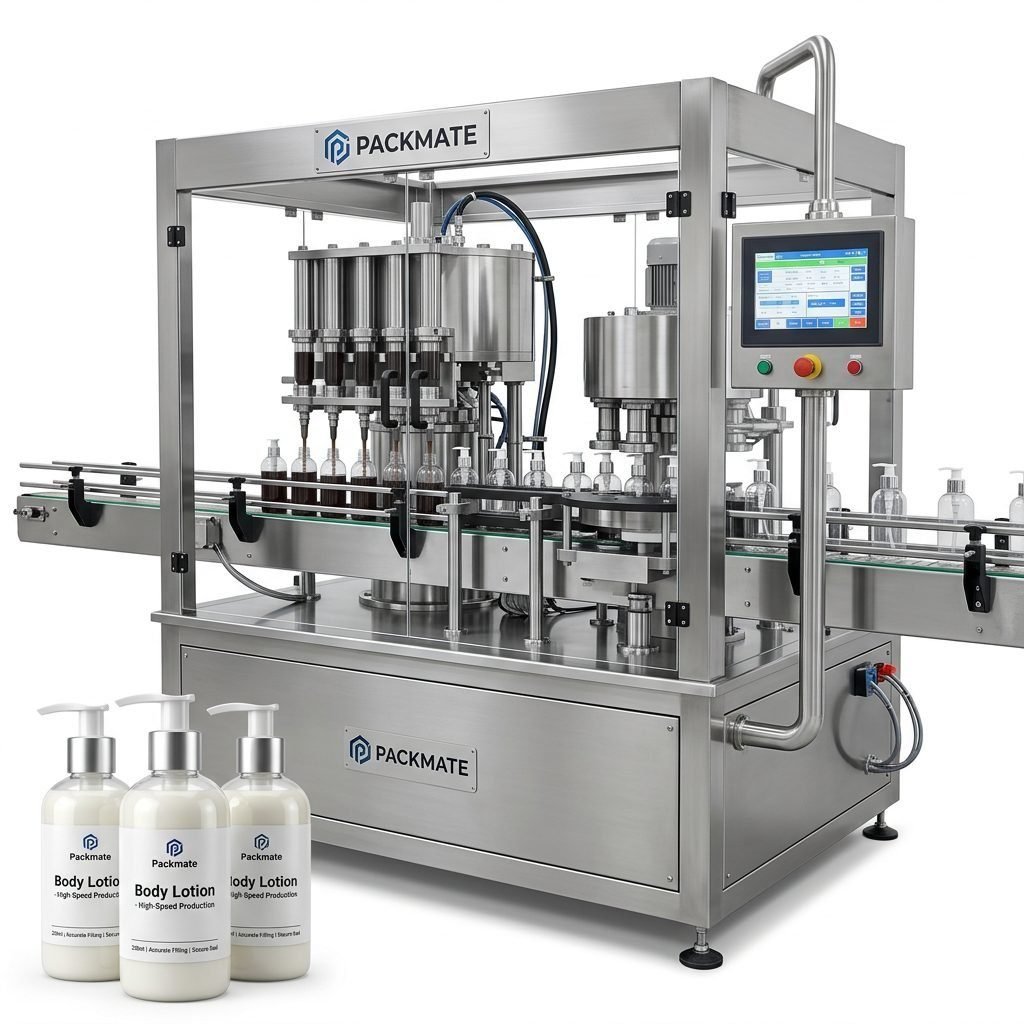
Bottling Lines: Designed for rigid containers like glass or plastic bottles. They typically involve rinsing, filling, capping, and labeling stages. Ideal for liquids, viscous products, and powders.
Canning Machines: Used for sealing products in metal cans. Common in the food and beverage industry, these machines often include seamers to create an airtight seal crucial for preservation.
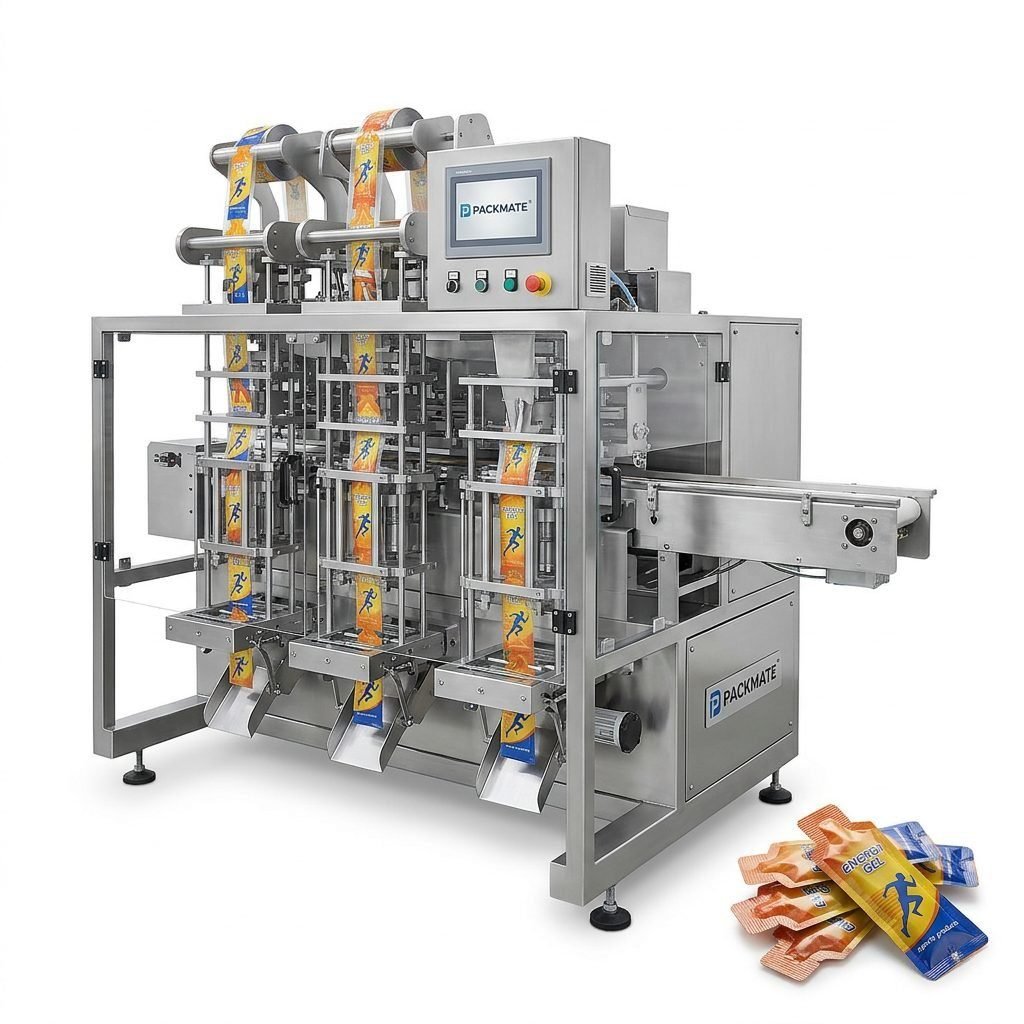
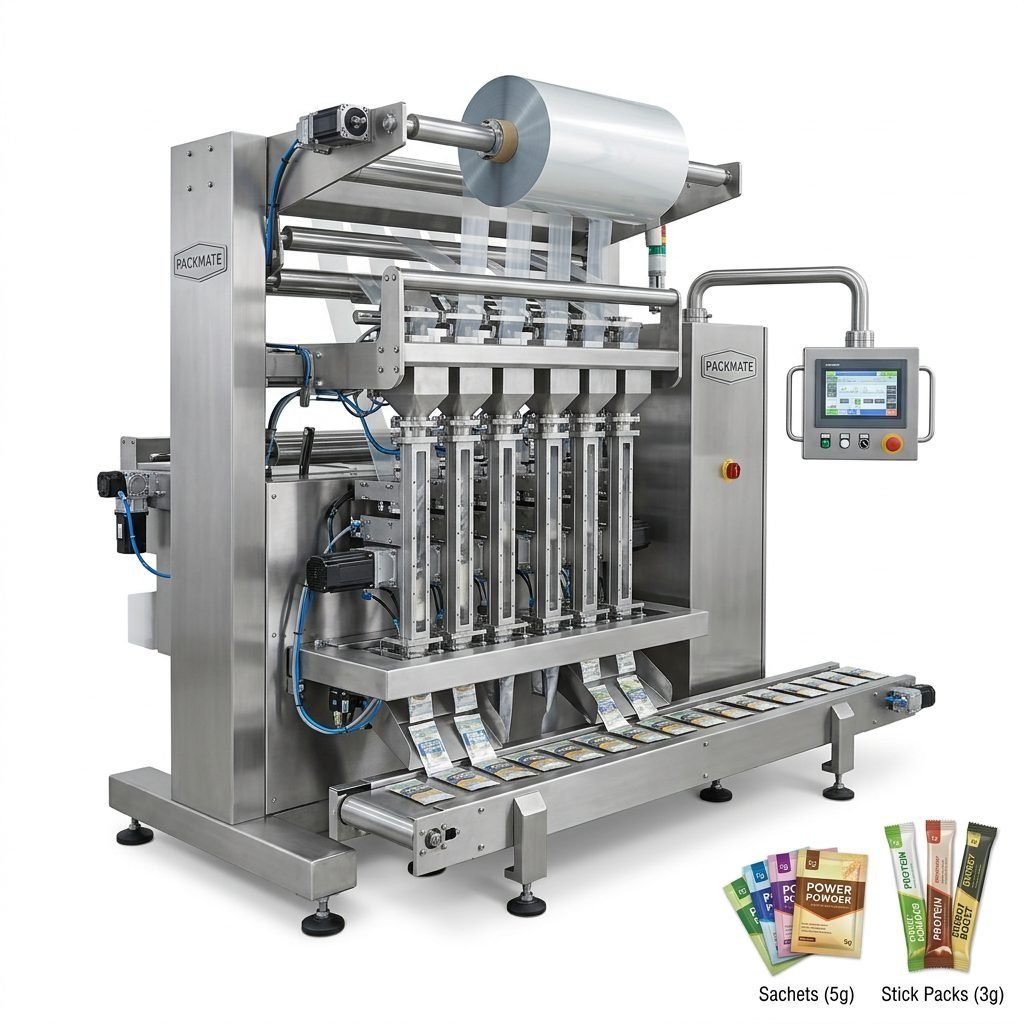
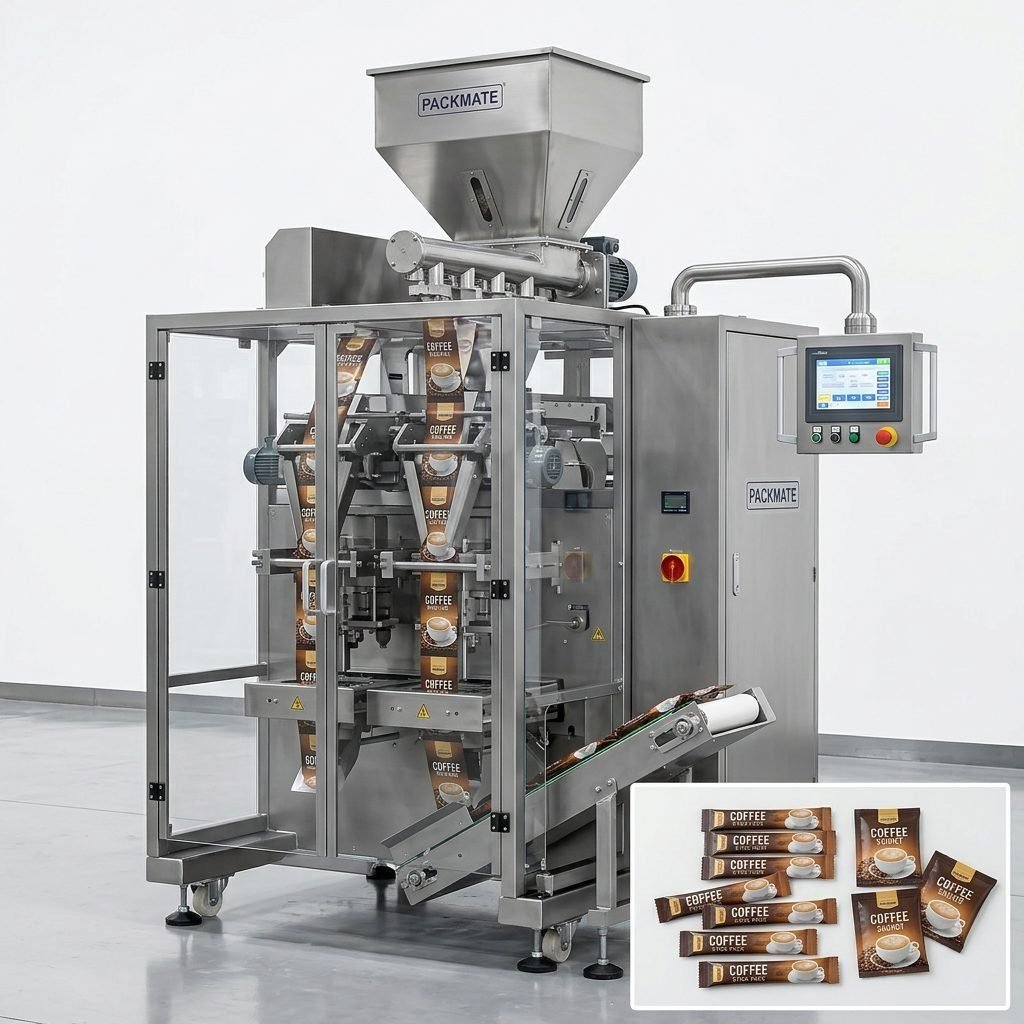
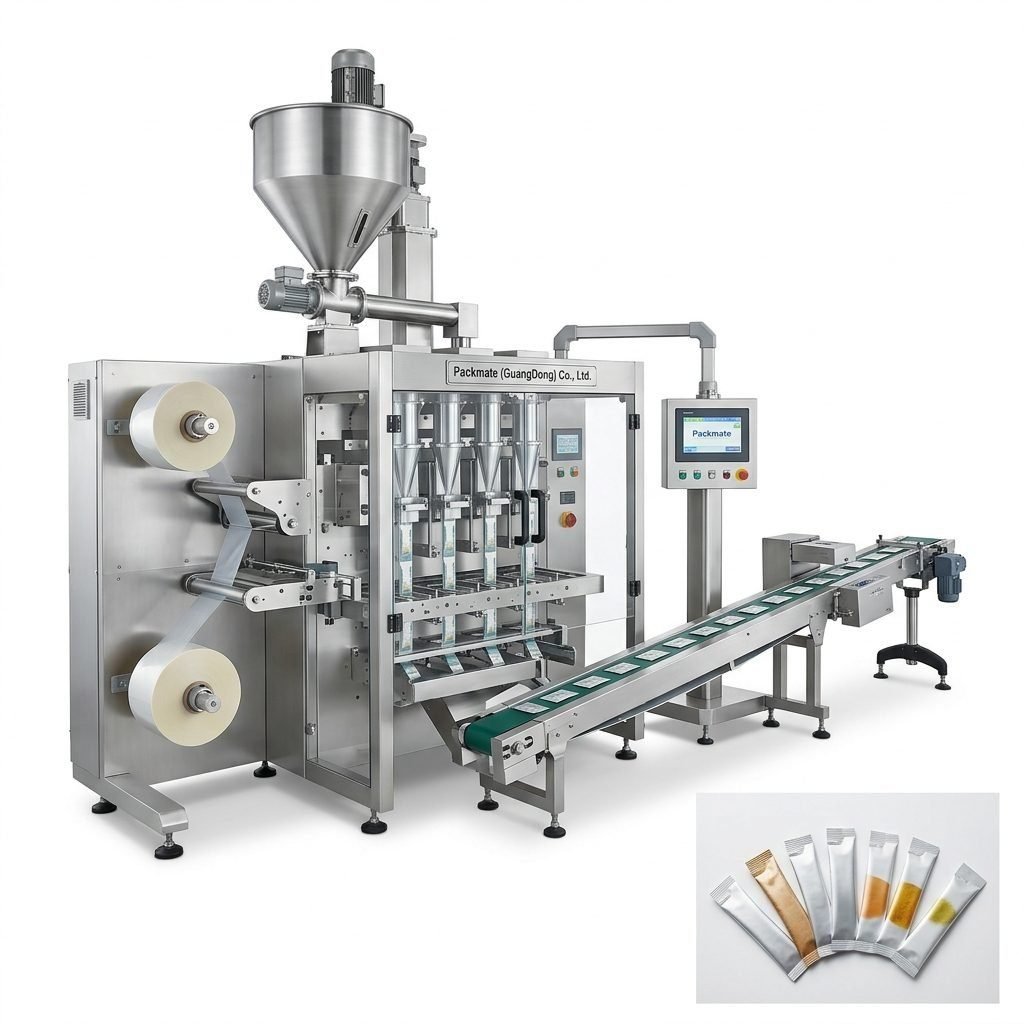
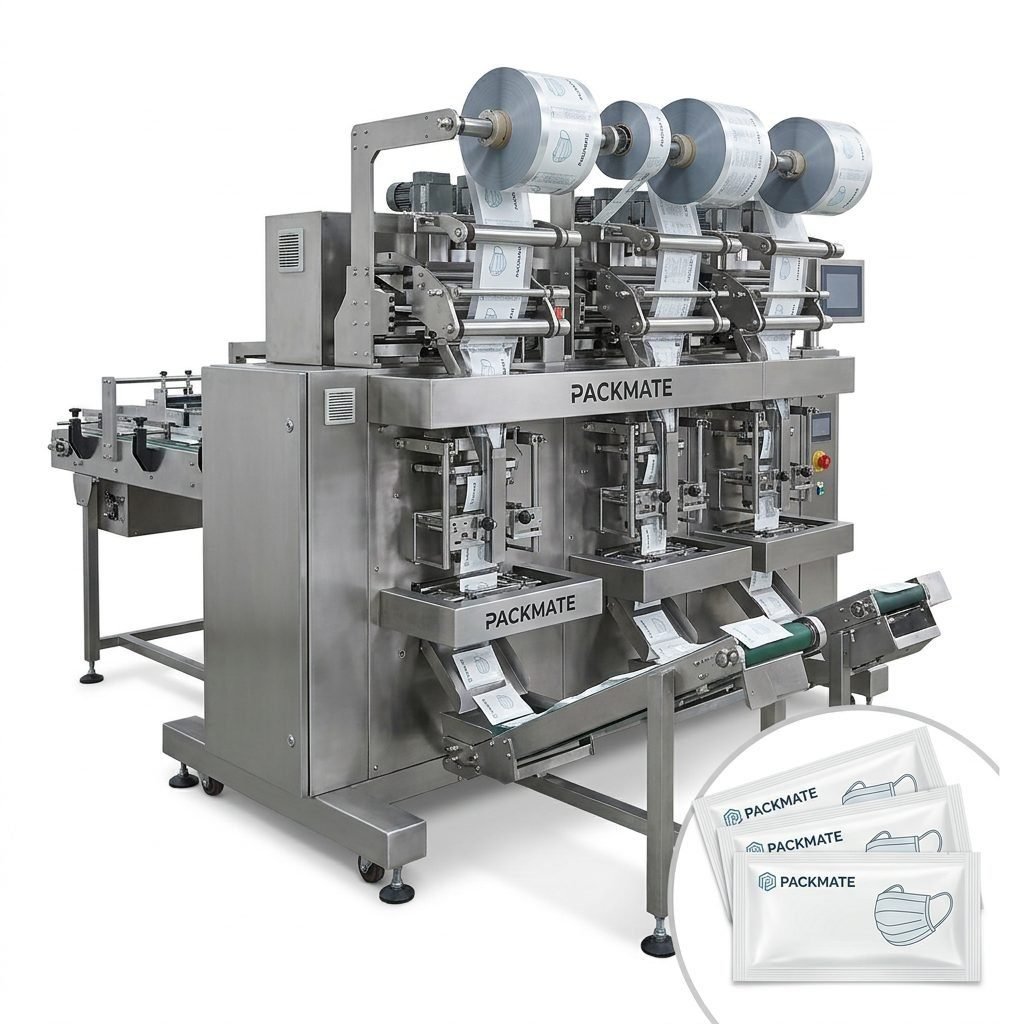
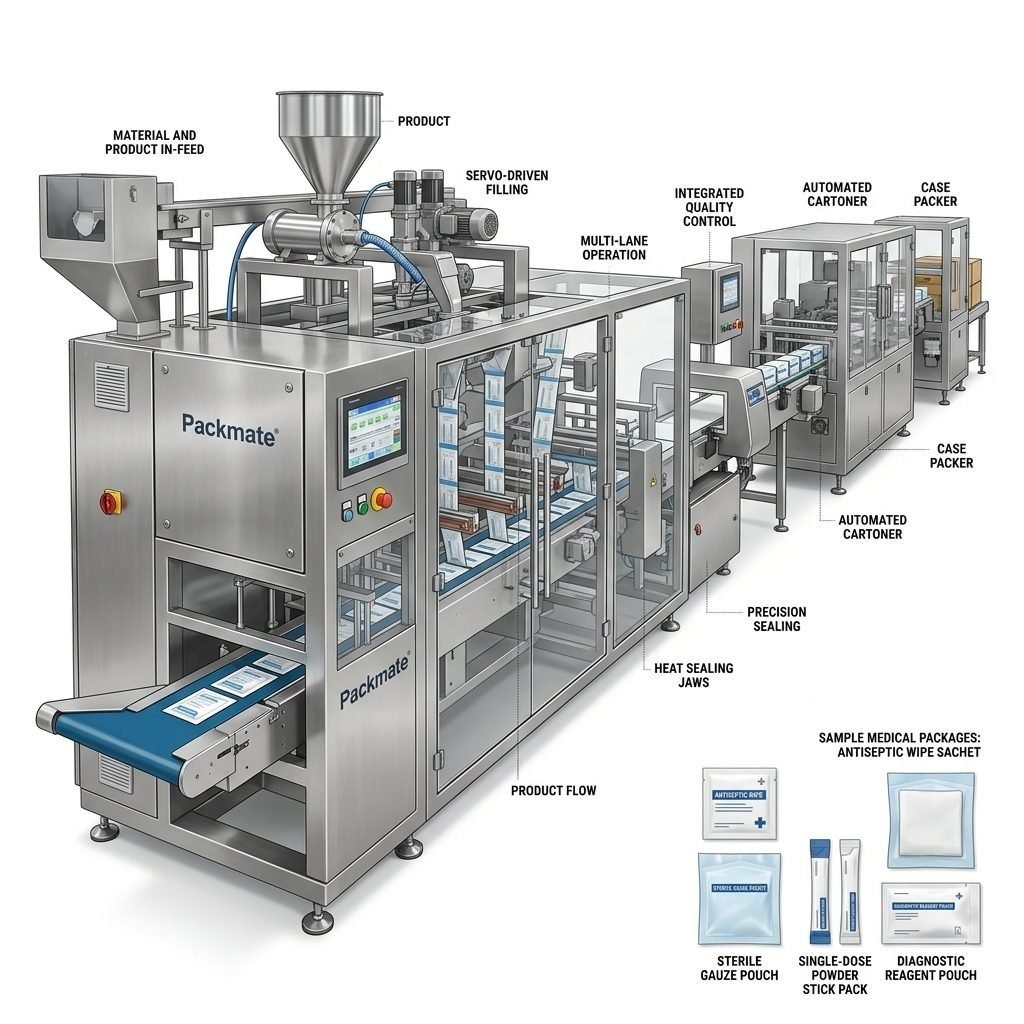
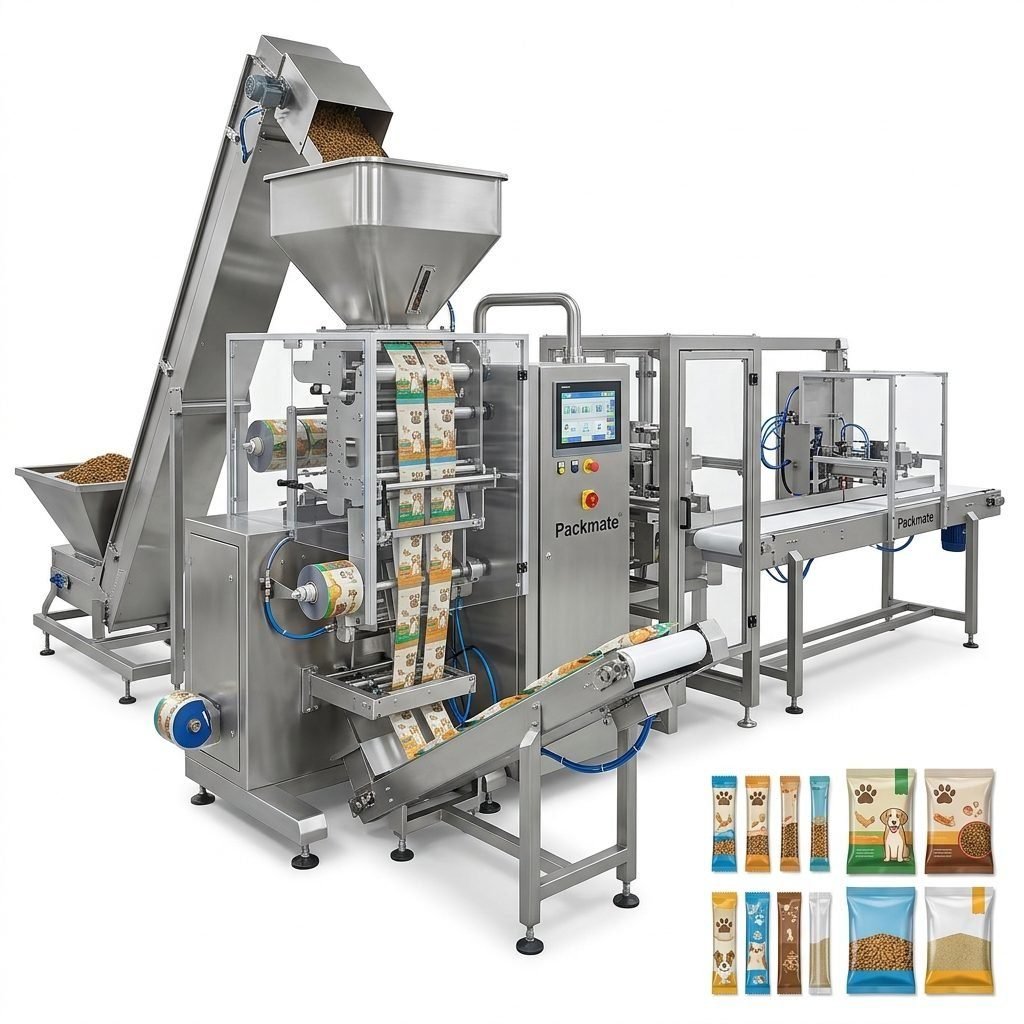
Pouch & Sachet Machines: These form, fill, and seal (FFS) machines create the package from a roll of film, then fill and seal it in one continuous process. They are incredibly versatile and cost-effective for single-serve portions. For specialized solutions in this category, explore our range of Sachet & Stick Pack Machines.
Cartoning Machines: Automate the process of inserting products into pre-formed cardboard boxes or cartons, followed by closing and sealing.
2. By Filling Principle
Volumetric Fillers: Use pistons, cups, or augers to dispense a pre-set volume of product. Excellent for consistent, free-flowing powders, granules, and pastes.
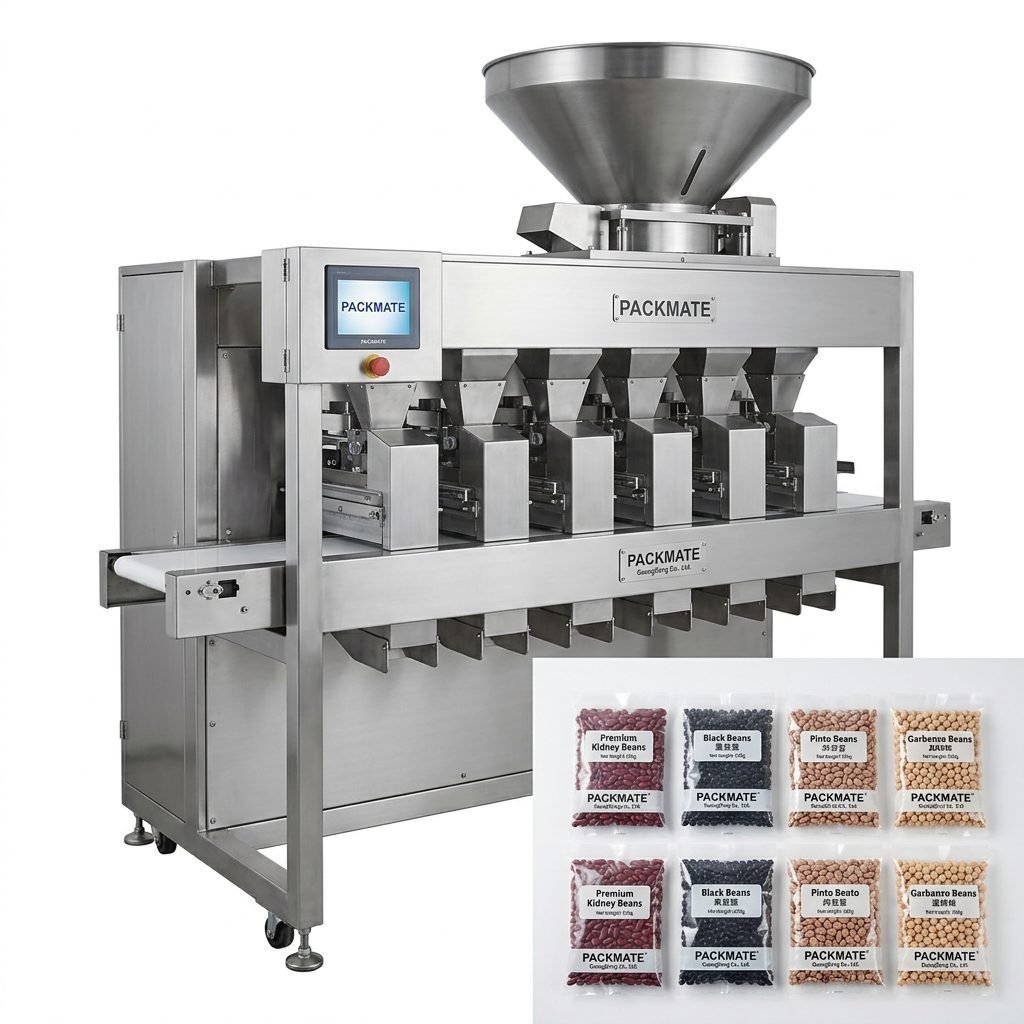
Gravimetric Fillers (Net Weighers): Fill by weight, offering the highest degree of accuracy. Essential for expensive products or where net content regulations are strict. These are often part of sophisticated Weighing & Packaging Systems.
Liquid Fillers: Include overflow, level-sensing, and pump-based fillers for water-thin to highly viscous liquids.
Choosing Between Volumetric and Gravimetric
Your product’s characteristics dictate the choice. Volumetric filling is faster and more economical for uniform, non-aerated products. Gravimetric filling is slower but mandatory for products with variable density (like flakes or chips) or high unit value. Many modern lines combine both for optimal efficiency.
Key Benefits of Automated Container Packaging
Investing in automated packaging machinery delivers a compelling return on investment through multiple channels.
Dramatically Increased Production Speed & Output: Machines operate continuously at a constant, high speed, eliminating the bottlenecks and fatigue associated with manual labor. This allows businesses to scale production to meet demand spikes.
Unmatched Consistency and Product Quality: Automation ensures every container is filled to the exact same weight or volume and sealed with identical torque and integrity. This reduces giveaway (overfilling), prevents underfilling complaints, and guarantees a uniform, professional appearance on the shelf.
Significant Reduction in Labor Costs and Human Error: While an initial investment, machinery reduces long-term reliance on large manual packaging teams. It also minimizes errors like incorrect fills, misapplied labels, or poor seals that lead to waste and customer returns.
Enhanced Hygiene and Safety: Closed automated systems minimize product exposure to the factory environment and human contact. This is critical in food and pharmaceutical GMP (Good Manufacturing Practice) environments. It also improves worker safety by reducing repetitive strain injuries and contact with potentially hazardous materials.
Improved Operational Data and Traceability: Modern machines are equipped with PLCs and HMIs that track production counts, downtime, and efficiency (OEE). This data is invaluable for process optimization, maintenance scheduling, and providing batch traceability for quality control.
How to Choose the Right Machine: A Step-by-Step Guide
Selecting a machine is a strategic process. Rushing this decision can lead to costly mismatches. Follow this structured approach.
Step 1: Define Your Product and Container
This is the most critical step. Be precise about:
– Product Physical State: Liquid, powder, granule, solid, paste?
– Product Characteristics: Is it abrasive, corrosive, aerated, sticky, or fragile?
– Container Specifications: Material (plastic, glass, metal), shape, size range, and opening type.
– Required Output Speed: Containers per minute (CPM) or per hour (CPH).
Step 2: Evaluate Your Production Environment & Goals
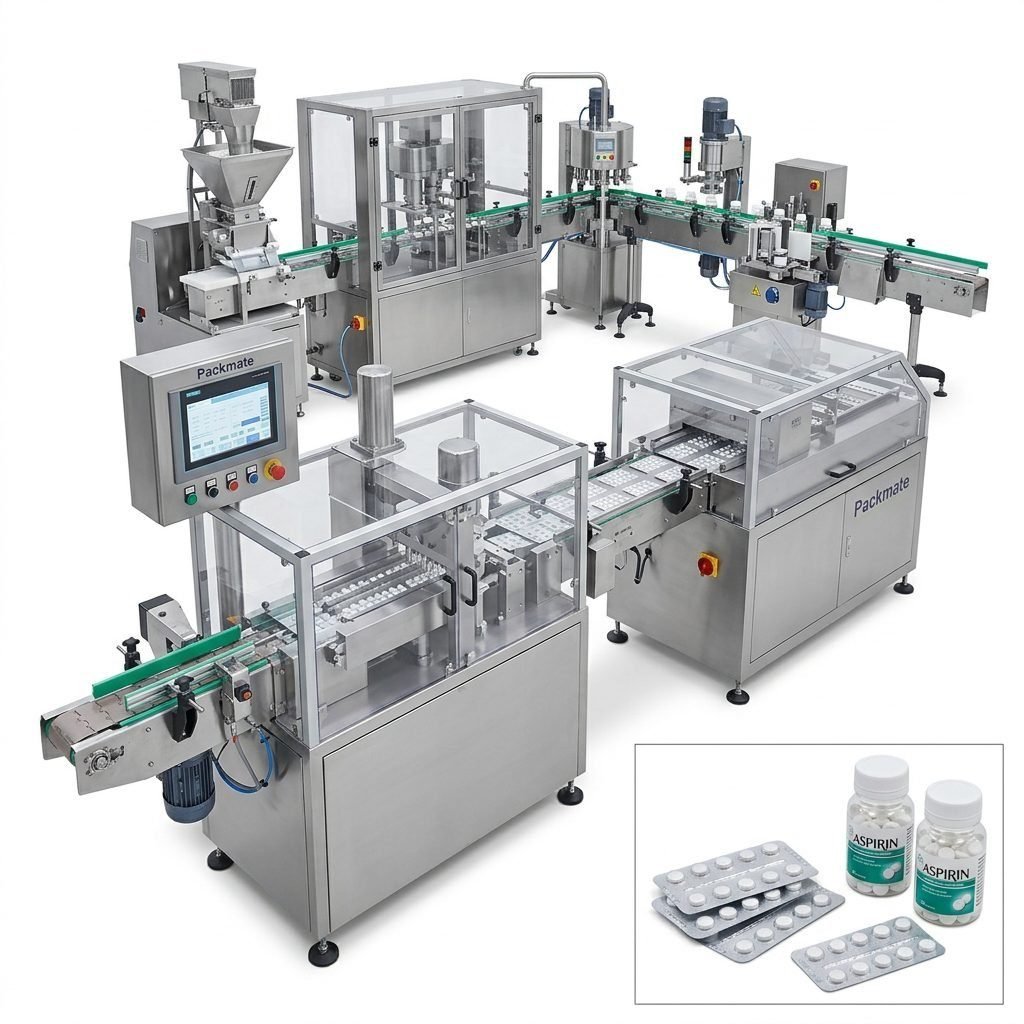
Consider your factory floor space, available utilities (electrical, compressed air), and the skill level of your operators. Also, define your goals: Is it purely to increase speed, to improve accuracy, to enter a new market format (like stick packs), or to replace aging equipment? Understanding the full scope of your needs may lead you to consider complete Filling & Packaging Lines for a turnkey solution.
Step 3: Assess Machine Features and Technology
Look beyond the basic function. Key features to compare include:
– Construction & Materials: Stainless steel (grade 304 or 316) is preferred for hygiene and durability.
– Changeover Ease: How quickly can you switch between container sizes or products? Look for tool-less change parts.
– Control System: User-friendly touchscreen interface with recipe storage.
– Safety Features: Emergency stops, guards, and interlocks.
– Integration Capability: Can it easily connect to upstream (e.g., unscramblers) and downstream (e.g., labelers, case packers) equipment?
The Importance of Supplier Reputation
Your machine is only as good as the company behind it. A reputable manufacturer like Packmate Machinery, with over 30 years of expertise, provides not just a machine, but a partnership. Evaluate their after-sales service, availability of spare parts, technical support, and training programs. Reviewing their case studies can offer insights into real-world performance. Learn more about their commitment to quality on their About Us page.
Step 4: Analyze Total Cost of Ownership (TCO)
Do not choose based on purchase price alone. Calculate the TCO, which includes:
– Initial purchase price and installation.
– Cost of consumables (parts that wear, like seals and nozzles).
– Energy consumption.
– Expected maintenance costs and downtime.
– Potential cost savings from reduced labor, material waste, and higher quality output.
A slightly more expensive, robust machine from a reliable supplier often has a lower TCO than a cheaper, less reliable alternative.
Step 5: Request a Product Test
Before finalizing your decision, always send your actual product and containers to the supplier for a live test run. This is the only way to verify the machine’s performance, accuracy, and speed with your specific materials. Observe the test, ask questions, and analyze the results.
Frequently Asked Questions (FAQs)
Q1: What is the typical lead time for a new container packaging machine?
A: Lead times vary significantly based on machine complexity and customization. For standard models, it can range from 8 to 16 weeks. For highly customized or large integrated lines, it may take 20 weeks or more. It’s crucial to discuss timelines early in the planning process with your supplier.
Q2: How much maintenance does an automated packaging machine require?
A: Regular preventive maintenance is essential for longevity and avoiding unplanned downtime. Daily cleaning and basic checks are operator tasks. Scheduled maintenance (lubrication, calibration, part inspection) should be performed weekly, monthly, and annually as per the manufacturer’s manual. Having a reliable supply of common auxiliary and spare parts is also key.
Q3: Can one machine handle different container sizes and products?
A: Most modern machines are designed for quick changeover. However, the degree of flexibility depends on the design. Some machines require changing mechanical parts (like filling heads or grippers), while advanced models may have servo-driven adjustments that allow changeovers via the touchscreen in minutes. Always verify the changeover process and time for your required range.
Q4: What training is provided for our operators and maintenance staff?
A: Reputable suppliers provide comprehensive training, usually at the customer’s site during installation and commissioning. This covers safe operation, routine maintenance, basic troubleshooting, and changeover procedures. Ensure this training is documented and included in your purchase agreement.
Q5: How do I ensure the machine meets industry safety and quality standards?
A: Verify that the machine complies with relevant international and local standards, such as CE (for Europe), UL/CSA (for North America), or GB standards (for China). Reputable manufacturers will have the necessary certifications. You can review examples of such commitments on a supplier’s certifications page.