In the fast-paced world of industrial packaging, speed is a critical metric that directly impacts production capacity, efficiency, and ultimately, profitability. For businesses utilizing sachet and stick pack machines, understanding the operational speed, typically measured in Cases Per Minute (CPM), is essential for making informed investment and operational decisions. This article delves into the top speeds achievable by modern somatic packaging machinery, explaining the factors that influence CPM and how it translates to real-world production output.
What is CPM in Packaging Machinery?
CPM, or Cases Per Minute, is a standard unit for measuring the output speed of packaging equipment. It refers to the number of completed packaging units—such as filled and sealed sachets, stick packs, or pouches—a machine can produce in one minute under optimal conditions. This figure is a cornerstone of a machine’s technical specifications and serves as a key performance indicator (KPI) for production line planning.
Key Insight:
It’s crucial to distinguish between theoretical maximum speed and sustainable operational speed. While a machine’s brochure might highlight a peak CPM, the consistent, day-to-day operating speed is often slightly lower, accounting for material changes, minor adjustments, and maintaining quality control.
Factors Determining Packaging Machine Speed
The CPM of a somatic packaging machine is not a fixed number but a variable influenced by a complex interplay of factors. Understanding these elements helps set realistic production expectations.
1. Product Characteristics
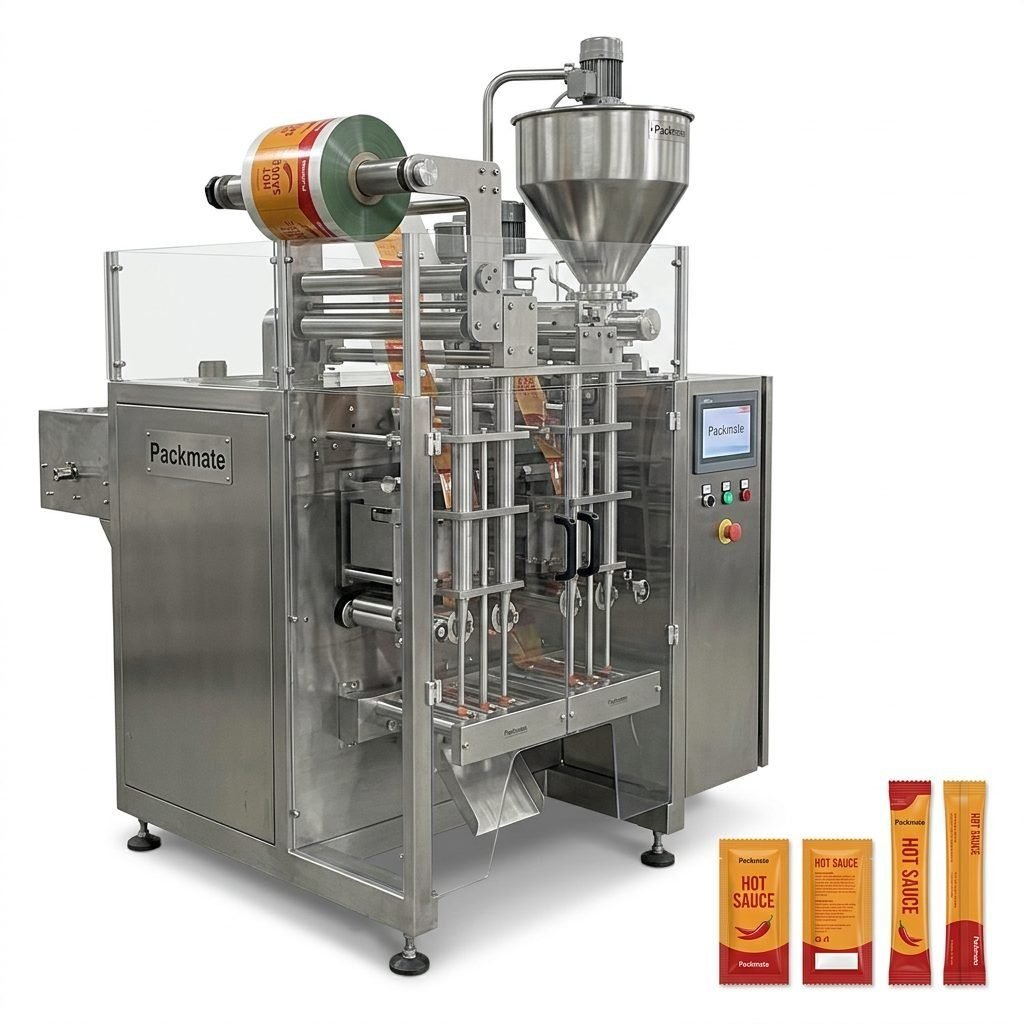
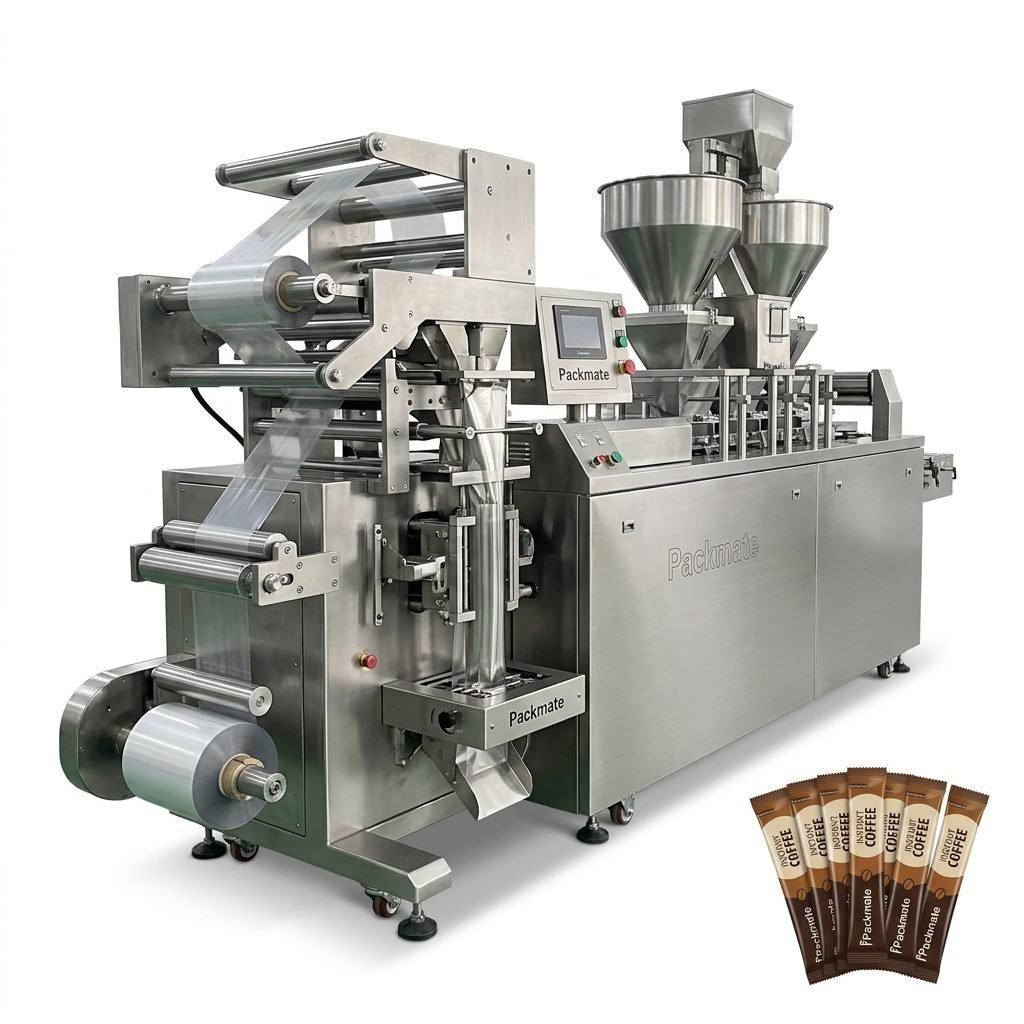
The physical properties of the product being packaged are paramount. Free-flowing granules (like sugar or instant coffee) allow for faster, more consistent filling compared to viscous liquids (like sauces or oils) or sticky powders, which may require slower dispensing to ensure accuracy and prevent clogging. Product density and abrasiveness also play a role.
2. Packaging Material and Format
The type of film (laminate, mono-layer), its thickness, and its sealing properties directly affect cycle time. Complex pouch shapes or multi-lane stick pack formats may have different speed capabilities compared to simple three-side seal sachets. The machine’s ability to handle material webs with high precision and minimal downtime is critical.
3. Machine Technology and Design
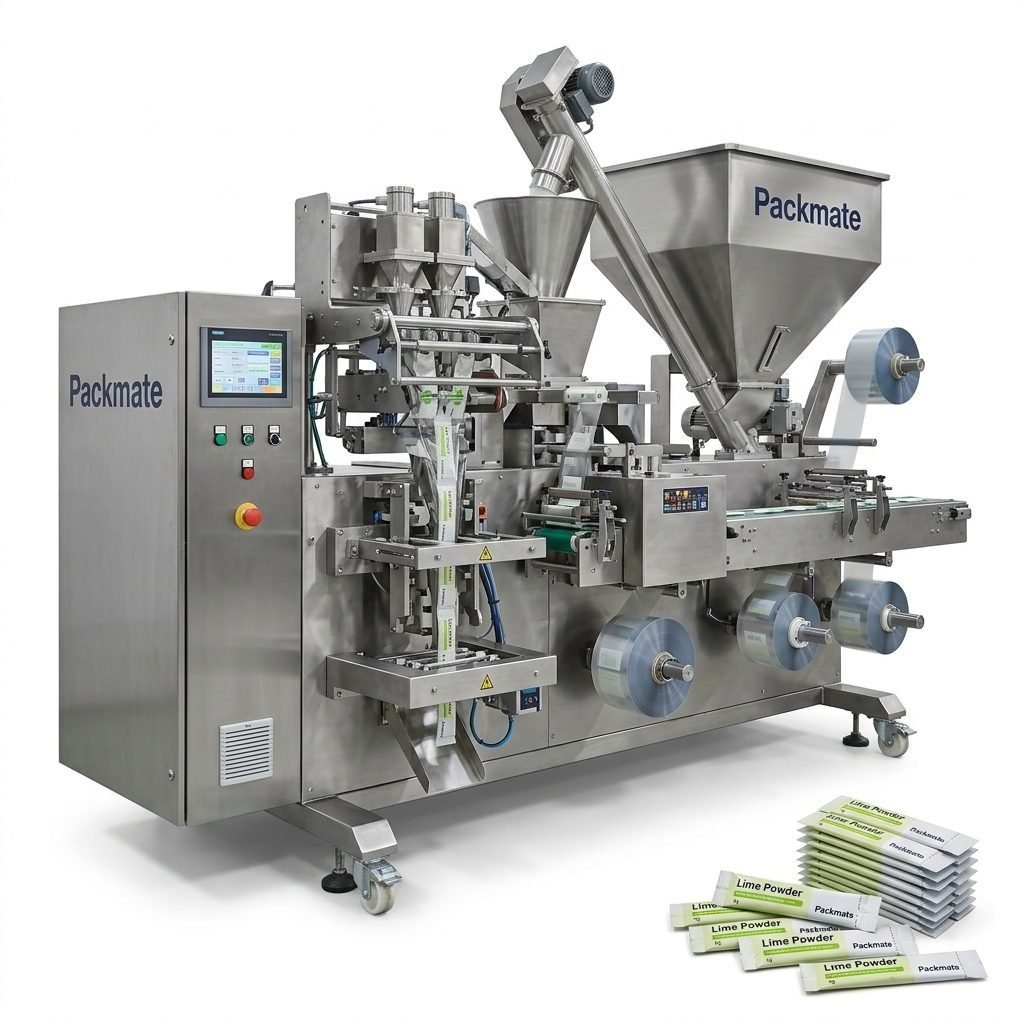
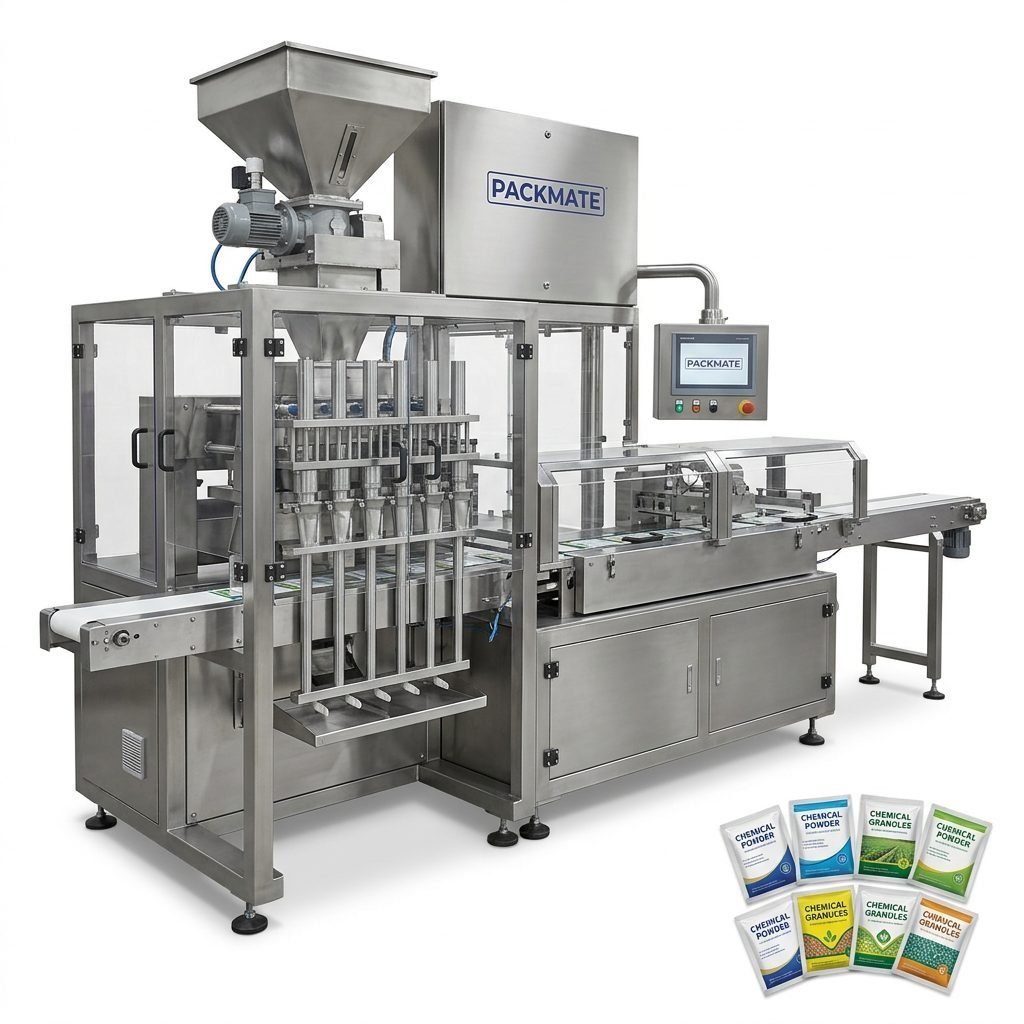
This is the core differentiator. Modern machines from experienced manufacturers like Packmate Machinery incorporate advanced servo-driven systems. Servo motors provide superior control, accuracy, and faster acceleration/deceleration compared to traditional mechanical systems, enabling higher CPM with greater reliability. The design of the forming, filling, and sealing mechanisms also dictates the maximum mechanical cycle rate.
The Role of Integrated Systems
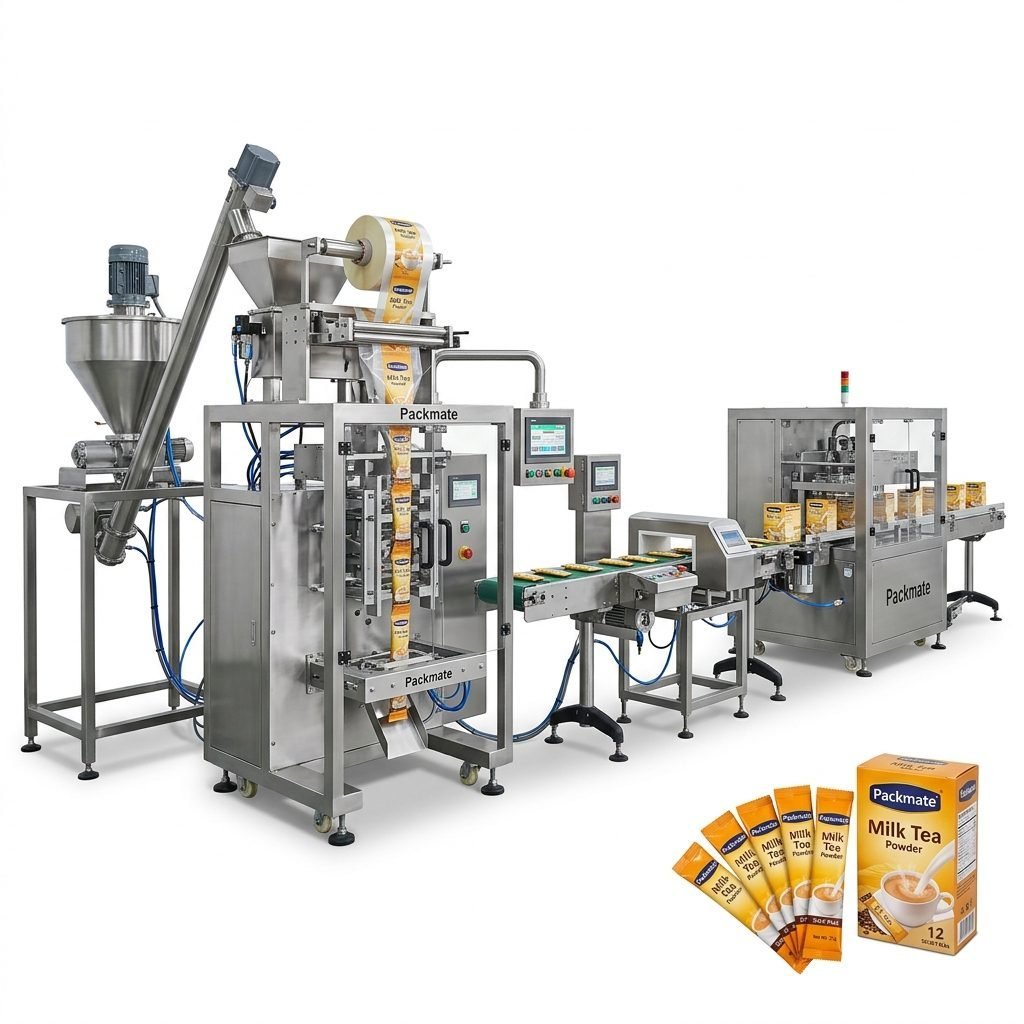
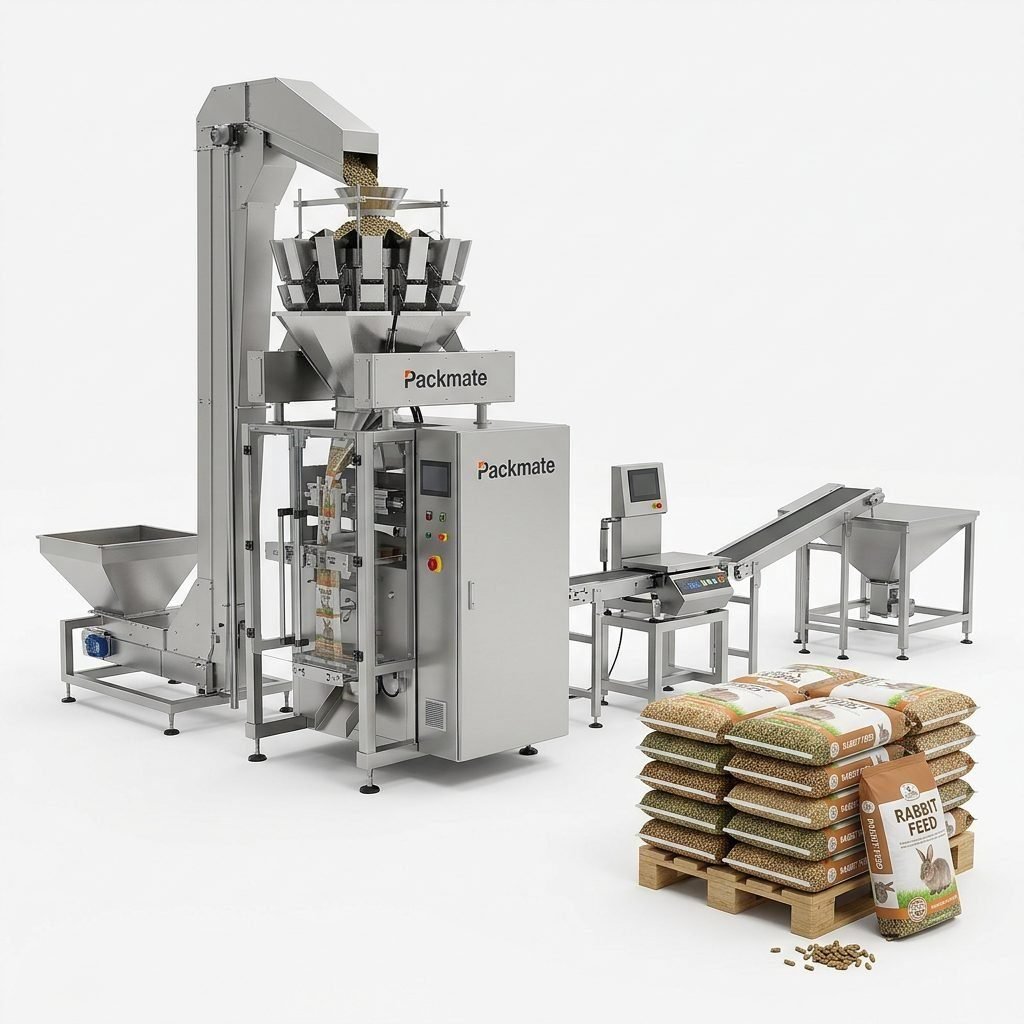
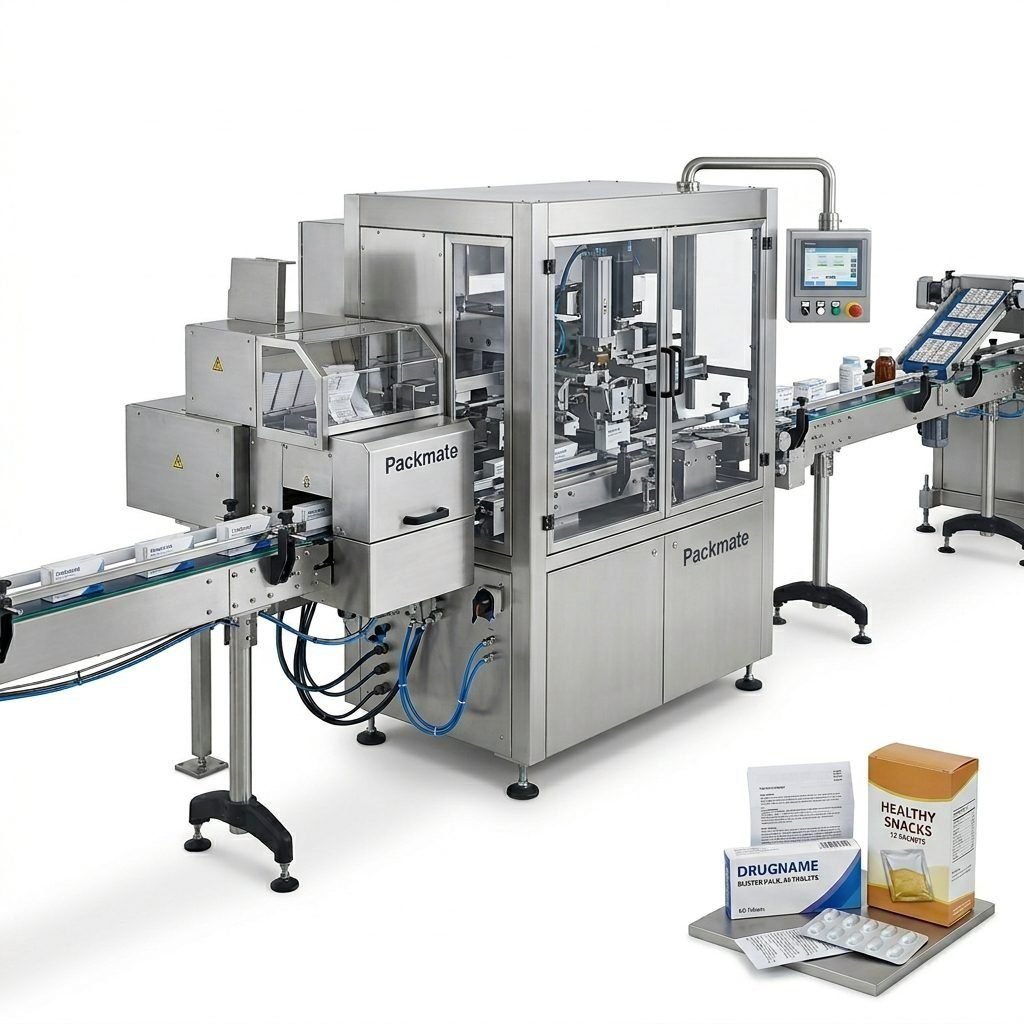
Standalone packaging units are only part of the equation. True high-speed output is achieved through seamlessly integrated filling and packaging lines. This includes synchronized upstream equipment like bulk feeders and multi-head weighers, and downstream systems like cartoners and case packers. A bottleneck at any point will limit the overall line’s CPM, making system compatibility and communication vital.
Benchmarking Top Somatic Packaging Machine Speeds
While speeds vary by model and configuration, here is a general benchmark for common somatic packaging machine types in the industry. These figures represent the upper range for well-engineered, servo-driven equipment.
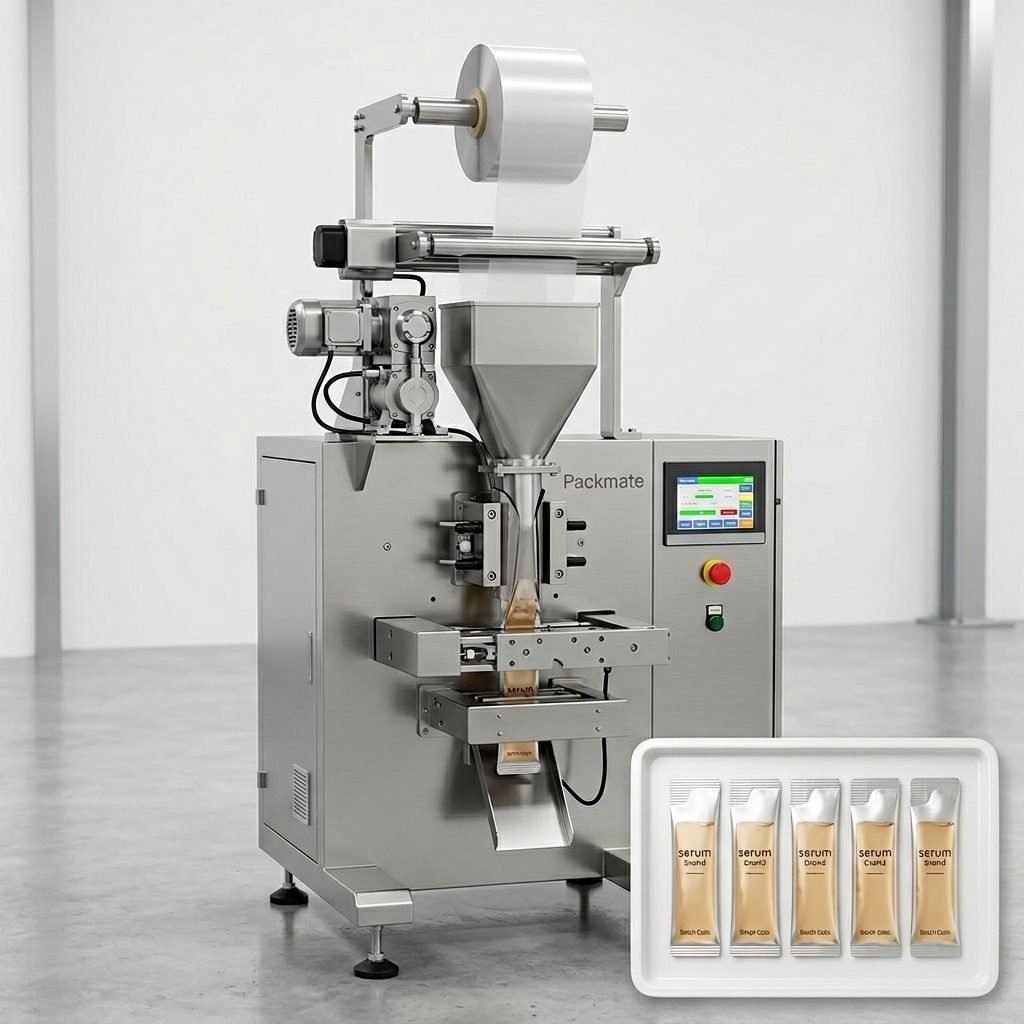
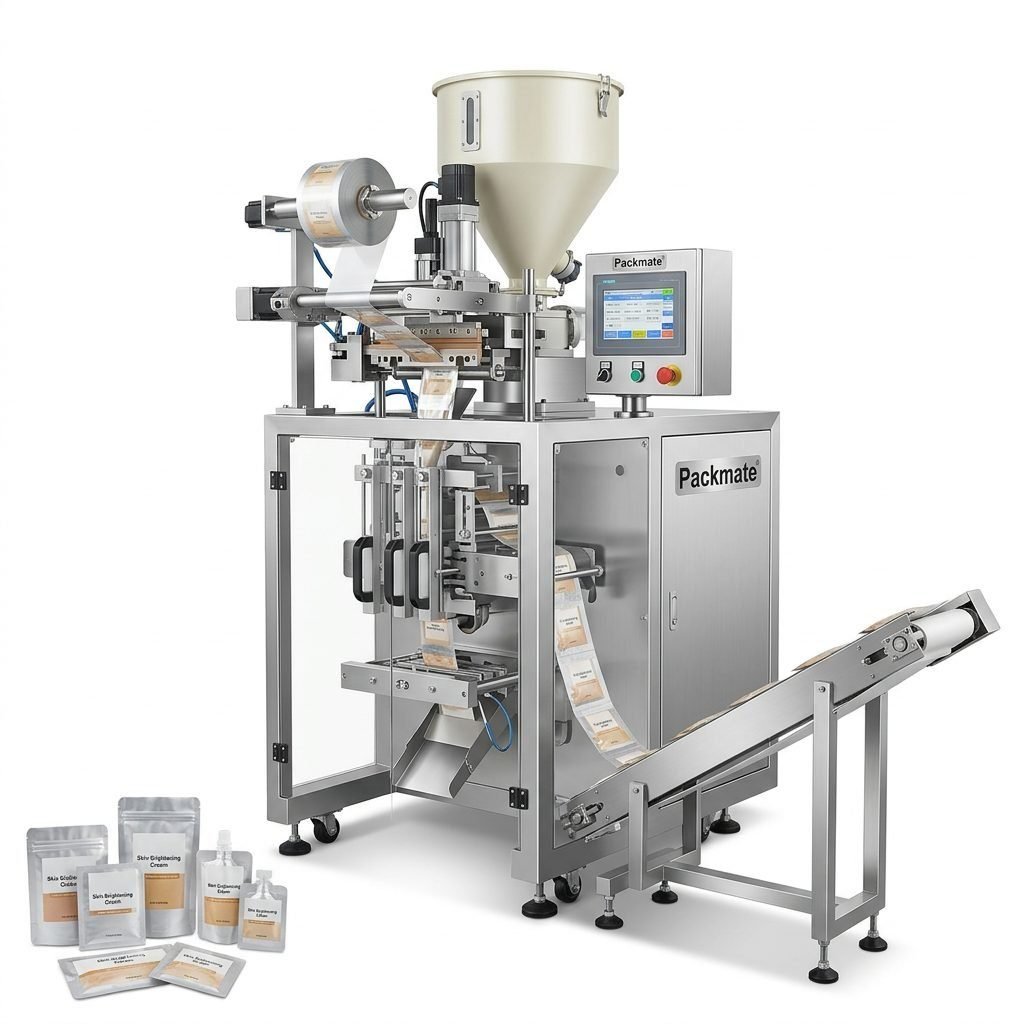
- Single-Lane Sachet Machines: For small to medium sachets, high-performance models can achieve speeds of 120 to 180 CPM.
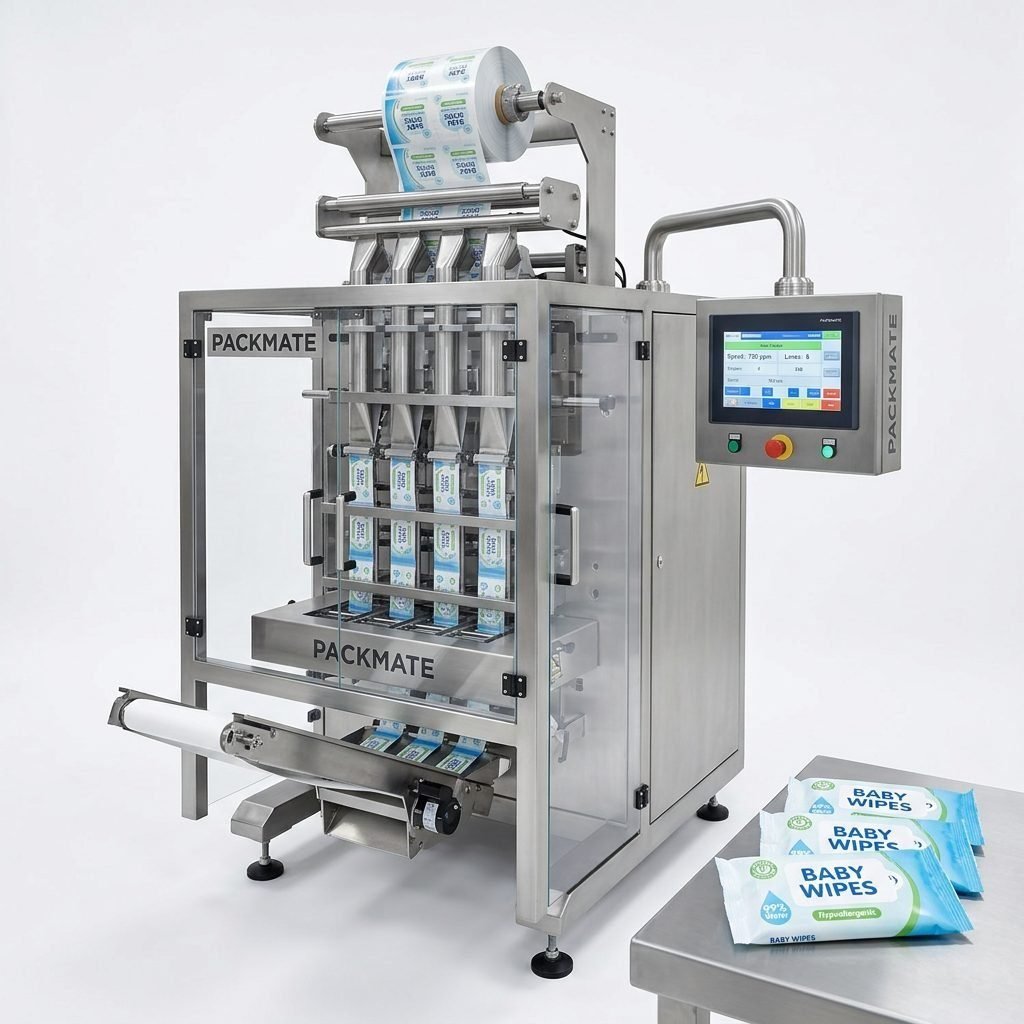
- Multi-Lane Stick Pack Machines: This is where significant throughput is realized. A dual-lane machine can produce 300 to 500 stick packs per minute, while advanced four-lane systems can exceed 800 CPM, with some configurations pushing towards 1000+ CPM for certain products.
- Vertical Form-Fill-Seal (VFFS) for Granules/Powders: For larger pouches, speeds typically range from 40 to 120 bags per minute, depending on bag size and complexity.
It’s important to consult directly with manufacturers for specific speed data related to your exact product and packaging specifications, as seen in detailed project cases.
Beyond Speed: The Critical Balance with Accuracy and Uptime
Chasing the highest possible CPM can be counterproductive if it compromises other vital metrics. A machine running at 1000 CPM with a 5% giveaway (overfilling to ensure minimum weight) and 10% downtime wastes more product and time than a machine running a reliable 800 CPM with 0.5% accuracy and 98% uptime.
Weighing Accuracy: High-speed multi-head weighers must maintain precision at rapid cycles to avoid costly product giveaway or underfilling, which can lead to regulatory and customer satisfaction issues.
Machine Reliability and Uptime: The true measure of a machine’s worth is its Overall Equipment Effectiveness (OEE). A robust machine built with quality components, like those produced in Packmate’s 20,000㎡ facility, minimizes unplanned stoppages, ensuring the theoretical CPM translates into real, sustained output.
Optimizing Your Line for Maximum Effective CPM
To extract the maximum value from your packaging investment, focus on these optimization strategies:
- Professional Line Integration: Ensure all components, from feeding to case packing, are correctly sized and synchronized. A turnkey solution from a single provider often yields the best harmony and speed.
- Preventive Maintenance: A rigorous schedule for cleaning, lubrication, and part inspection prevents degenerative slowdowns and catastrophic failures, keeping CPM consistently high.
- Operator Training: Skilled operators can perform changeovers faster, troubleshoot minor issues promptly, and run the machine at its optimal parameters, directly boosting average line speed.
- Quality Material Supply: Consistent, specification-compliant packaging film and a stable supply of product are foundational. Variations here are a primary cause of speed reduction and stoppages.
Conclusion: Speed as a Symphony, Not a Solo
Top somatic packaging machine speeds, expressed in CPM, are an impressive testament to modern engineering. However, they represent just one movement in the symphony of efficient production. The most successful operations view CPM not as an isolated target but as the result of a holistic system where advanced machine technology, precise product handling, robust line integration, and diligent operational practices converge. By prioritizing this balance, businesses can achieve not just high speed, but high effective throughput, which is the real driver of packaging line profitability and success.
Frequently Asked Questions (FAQs)
1. What is a “good” CPM for a stick pack machine?
A “good” CPM is highly dependent on your product and needs. For a dual-lane machine, 300-500 CPM is considered high-performance. For four-lane systems, 700-900+ CPM is achievable. The key is to find a machine that delivers a sustainable and reliable speed with high accuracy for your specific application.
2. Does a higher CPM always mean a better machine?
Not necessarily. A machine with a slightly lower advertised CPM but superior build quality, accuracy (less than 1% giveaway), and reliability (over 95% uptime) will often produce more salable product over time than a faster, less stable machine. Always evaluate the total cost of ownership, not just the peak speed.
3. How does product type affect the machine’s maximum speed?
Dramatically. Free-flowing products allow machines to run at or near their maximum mechanical speed. Viscous, sticky, or non-uniform products require slower filling for precision, may need more frequent cleaning, and can cause more wear, all of which reduce the effective average CPM below the machine’s maximum rating.
4. Can I upgrade my existing machine to increase its CPM?
Sometimes. Upgrades like replacing mechanical drives with servo systems or updating the control software can yield speed improvements. However, there are often mechanical limits. It’s best to consult with the original manufacturer or a specialist to assess the feasibility and cost-effectiveness of a speed upgrade versus investing in a new, higher-speed model.
5. Why is my machine’s actual output lower than the advertised CPM?
This is common and expected. Advertised CPM is typically a theoretical maximum under ideal lab conditions with a perfect product. Real-world factors like product changeovers, material splices, minor adjustments, maintenance checks, and the inherent variability of your product and film all contribute to a slightly lower, but more realistic, sustainable operational CPM.