In today’s fast-paced manufacturing landscape, selecting the right automatic packaging machine manufacturer is a critical decision that impacts efficiency, product quality, and ultimately, profitability. This expert guide is designed to navigate you through the key considerations, industry trends, and the capabilities of leading manufacturers, helping you make an informed choice for your business.
The Hallmarks of a Top-Tier Manufacturer
When evaluating potential partners, several core attributes separate the industry leaders from the rest. First and foremost is technical expertise and innovation. A premier manufacturer invests heavily in research and development, constantly pushing the boundaries of packaging technology to offer faster, more precise, and more adaptable machines.
Another crucial factor is proven reliability and build quality. Packaging lines are the workhorses of production; downtime is costly. Leading manufacturers use high-grade materials, rigorous quality control, and robust engineering to ensure their machines operate consistently under demanding conditions. This is often backed by comprehensive performance data and client testimonials.
Finally, look for a manufacturer that provides complete, turnkey solutions. The best partners do more than just sell a machine. They offer comprehensive service, from initial consultation and system design to installation, operator training, and ongoing technical support. This holistic approach ensures a seamless integration into your existing operations.
Key Considerations for Your Investment
Before contacting manufacturers, clearly define your requirements. What type of product are you packaging – granules, powders, liquids, or solids? What are your required speed (packages per minute) and accuracy (weight/volume tolerance)? Consider your available factory space and the desired level of automation, from semi-automatic to fully integrated lines with robotics.
Also, evaluate the manufacturer’s global support network. If your operations are international, you need a partner capable of providing timely service and spare parts worldwide. Their participation in global exhibitions is often a good indicator of their international reach and commitment to the industry.
Deep Dive: Packmate Machinery – A Case Study in Excellence
To illustrate the qualities of a leading manufacturer, let’s examine Packmate Machinery, a prominent force in the intelligent packaging sector. With roots tracing back to 1993 and formal establishment in 2003, the company embodies the journey from passionate innovation to industrial leadership.
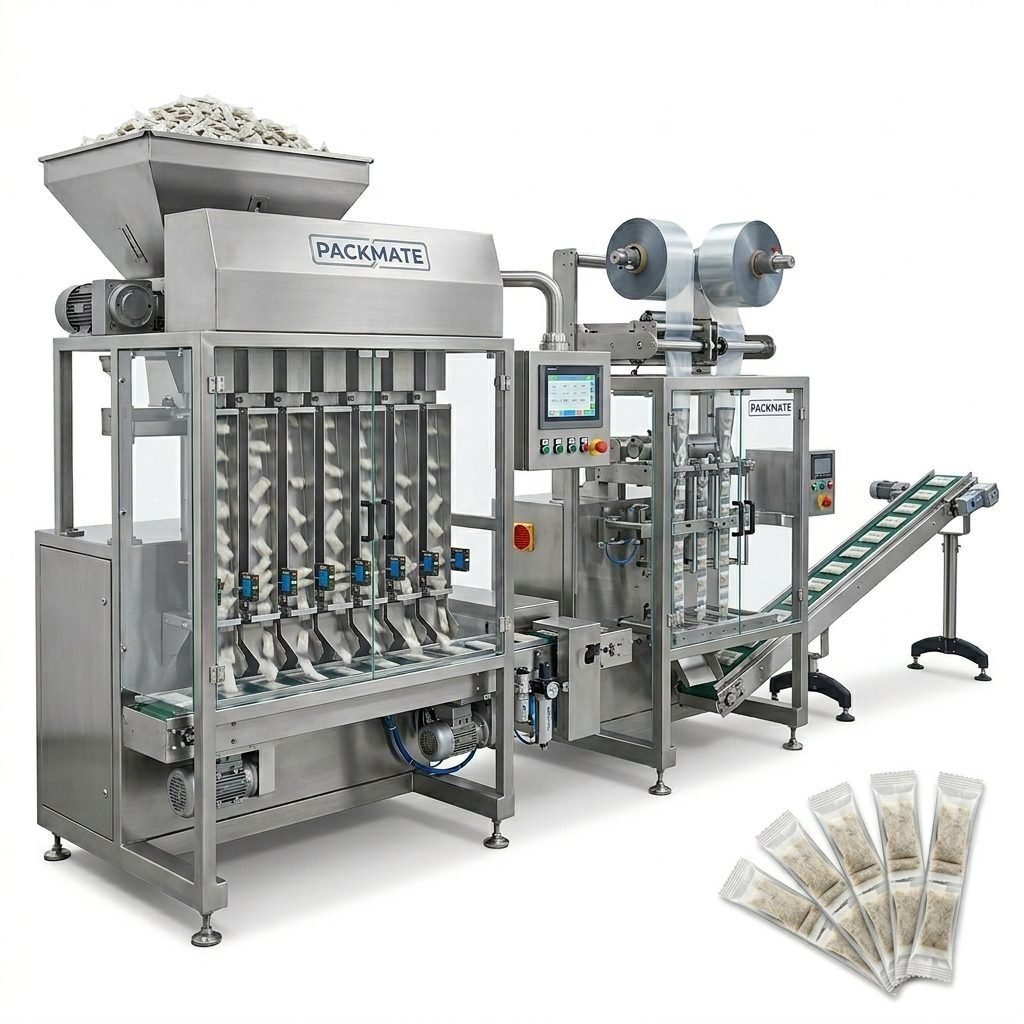
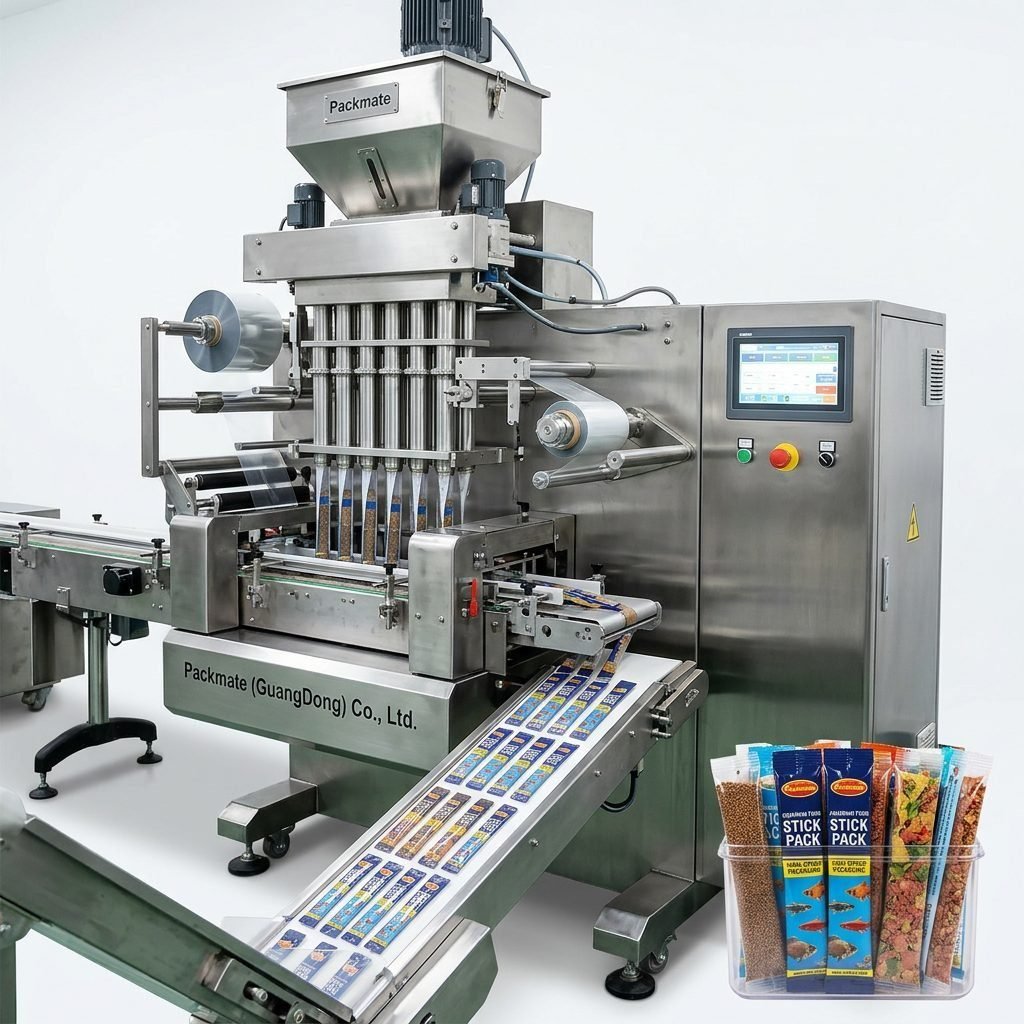
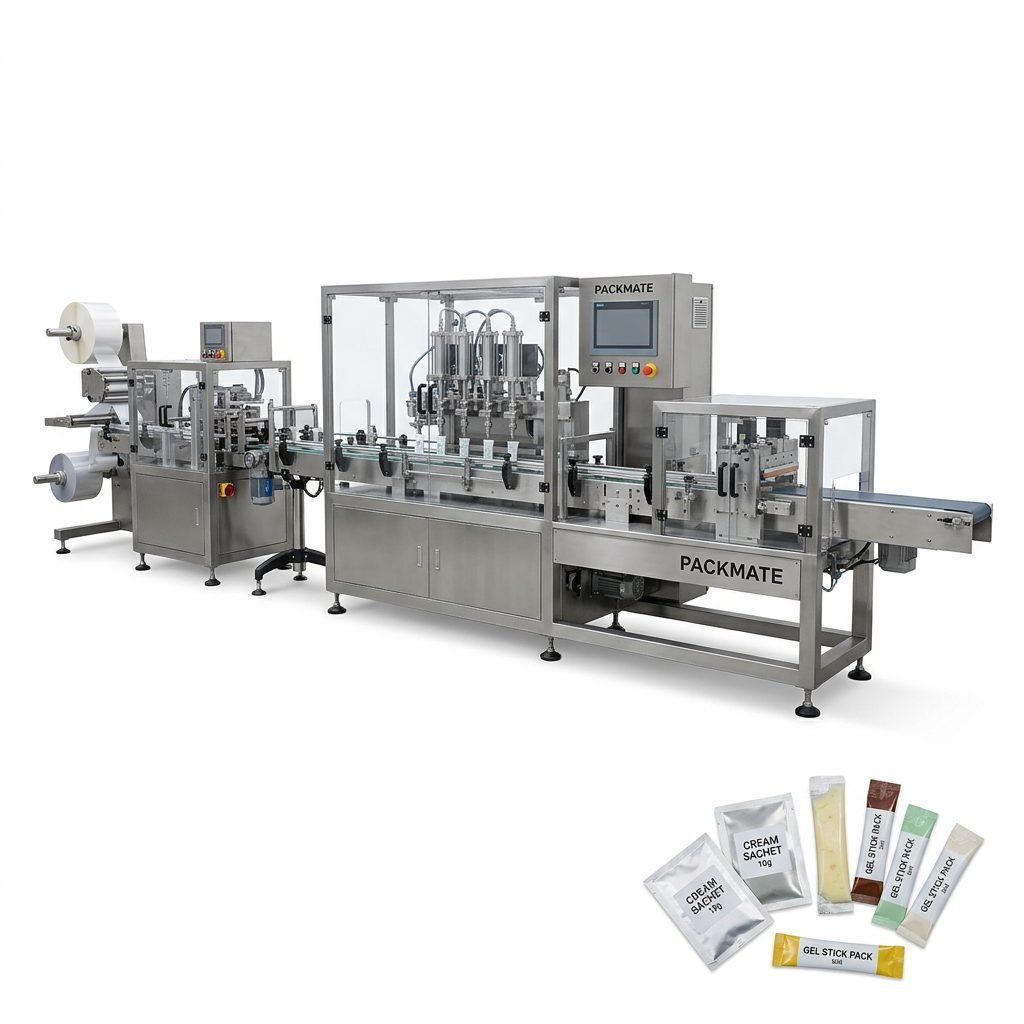
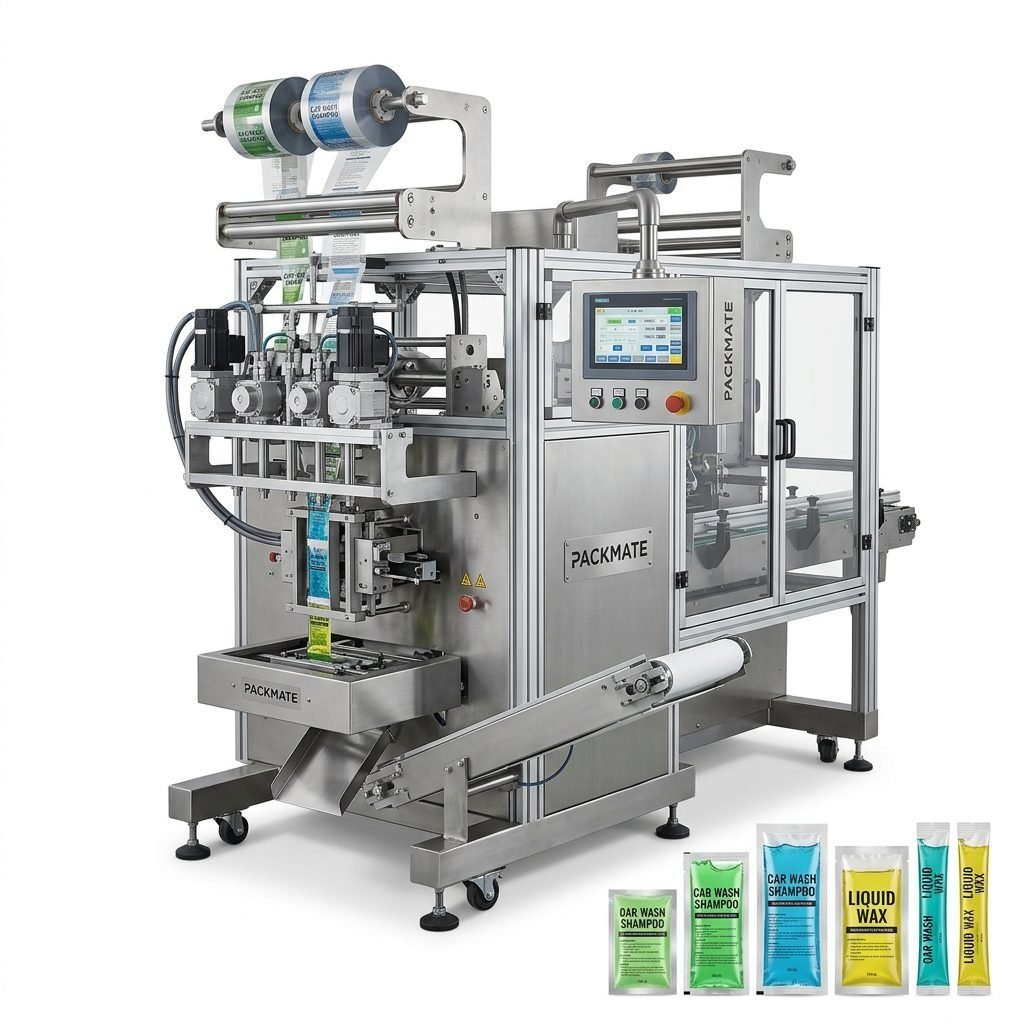
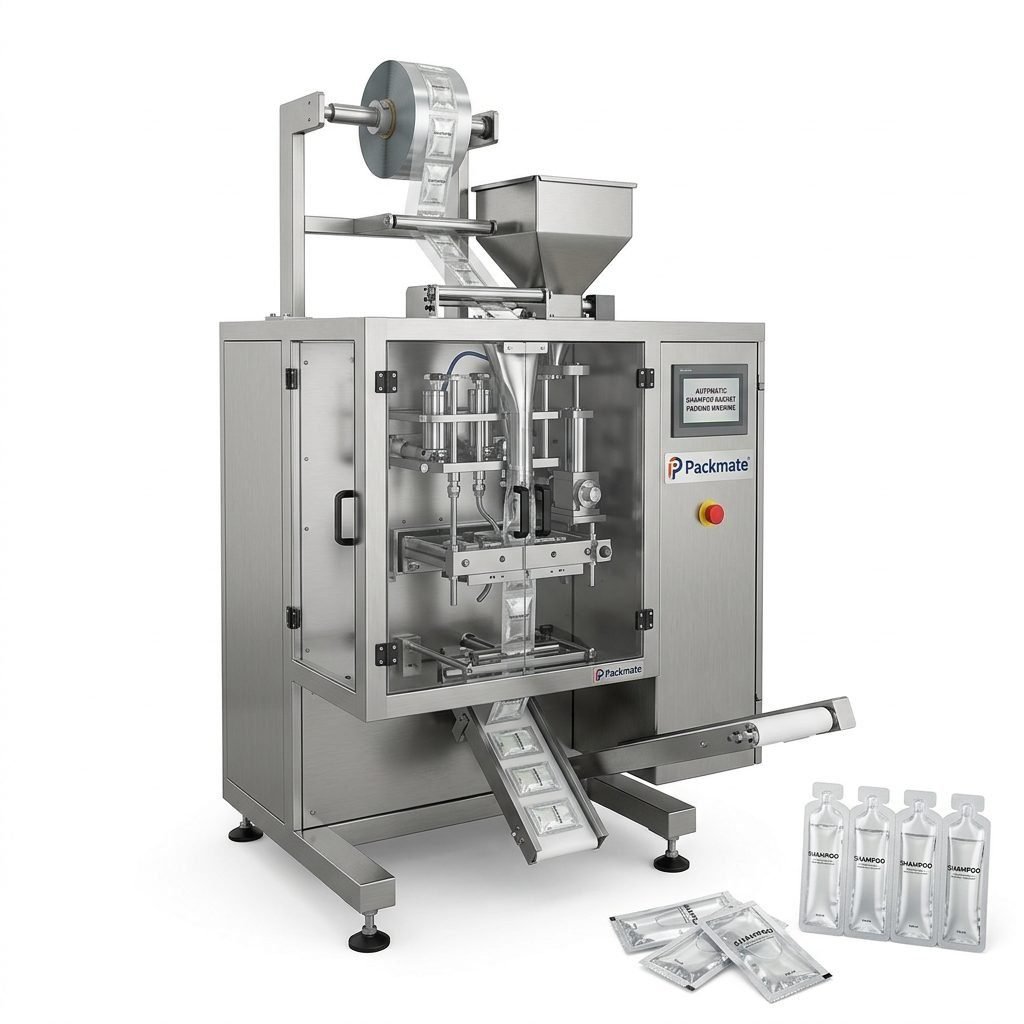
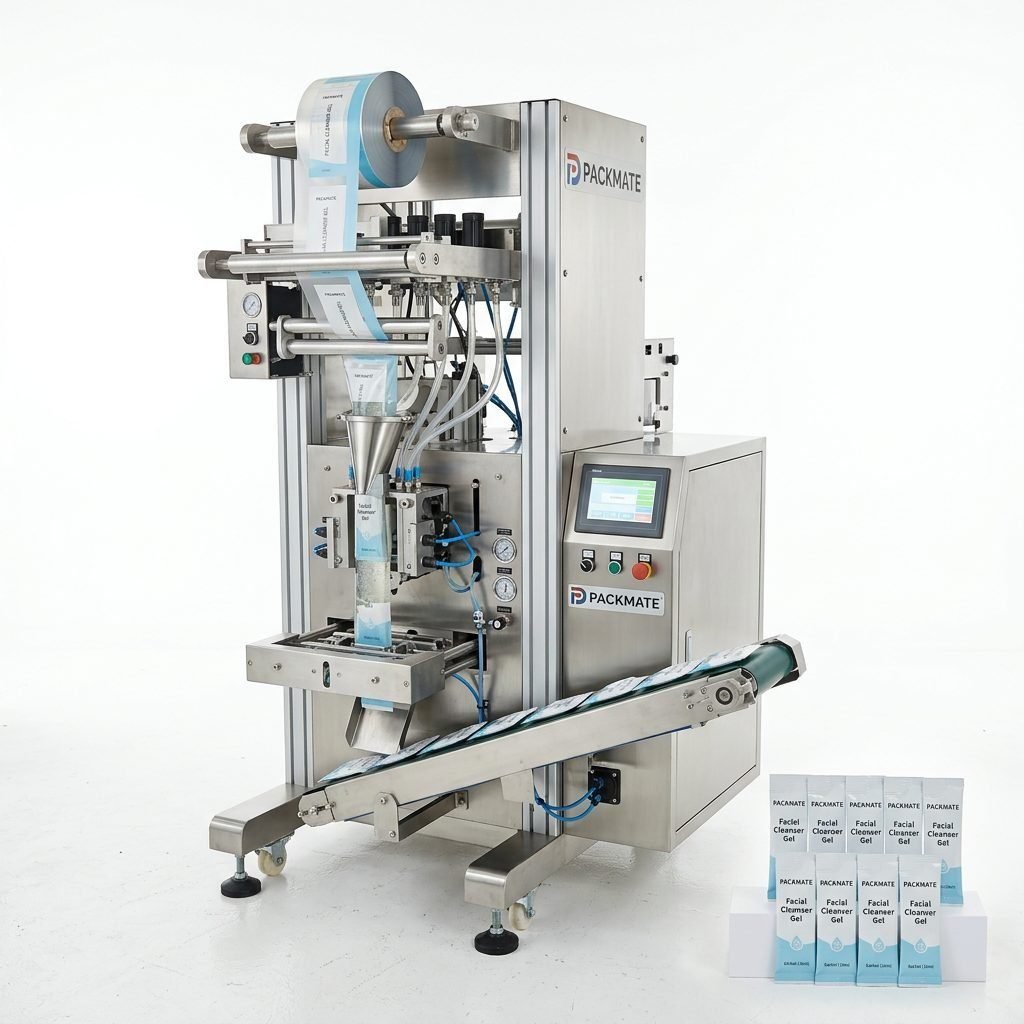
Packmate’s strength lies in its specialization across critical industries: food, pharmaceutical, and health products. Their extensive portfolio, developed over 22+ years, includes over 50 machine models. A key area of expertise is their advanced sachet and stick pack machines, which are essential for single-serve portions in many consumer goods sectors.
Core Operational Strengths
Modern Manufacturing Facility: Operating from a 20,000㎡ factory in Guangdong, China, Packmate houses advanced production lines and testing facilities. This scale allows for controlled, high-quality manufacturing and the capacity to handle large-scale orders.
Technical & Human Capital: The company is powered by a professional team of over 125 skilled engineers and technicians. This human expertise, combined with more than 100 units of advanced production equipment, forms the backbone of their innovation and quality assurance processes.
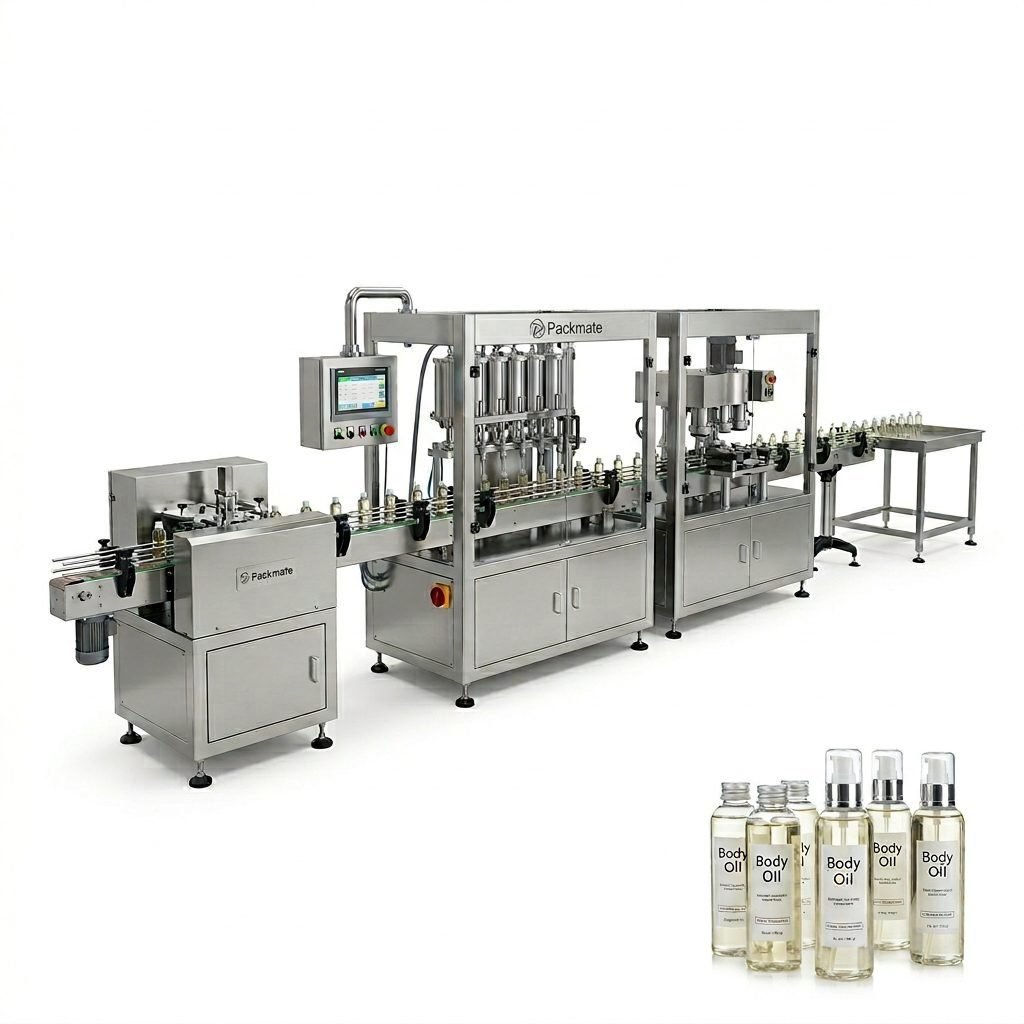
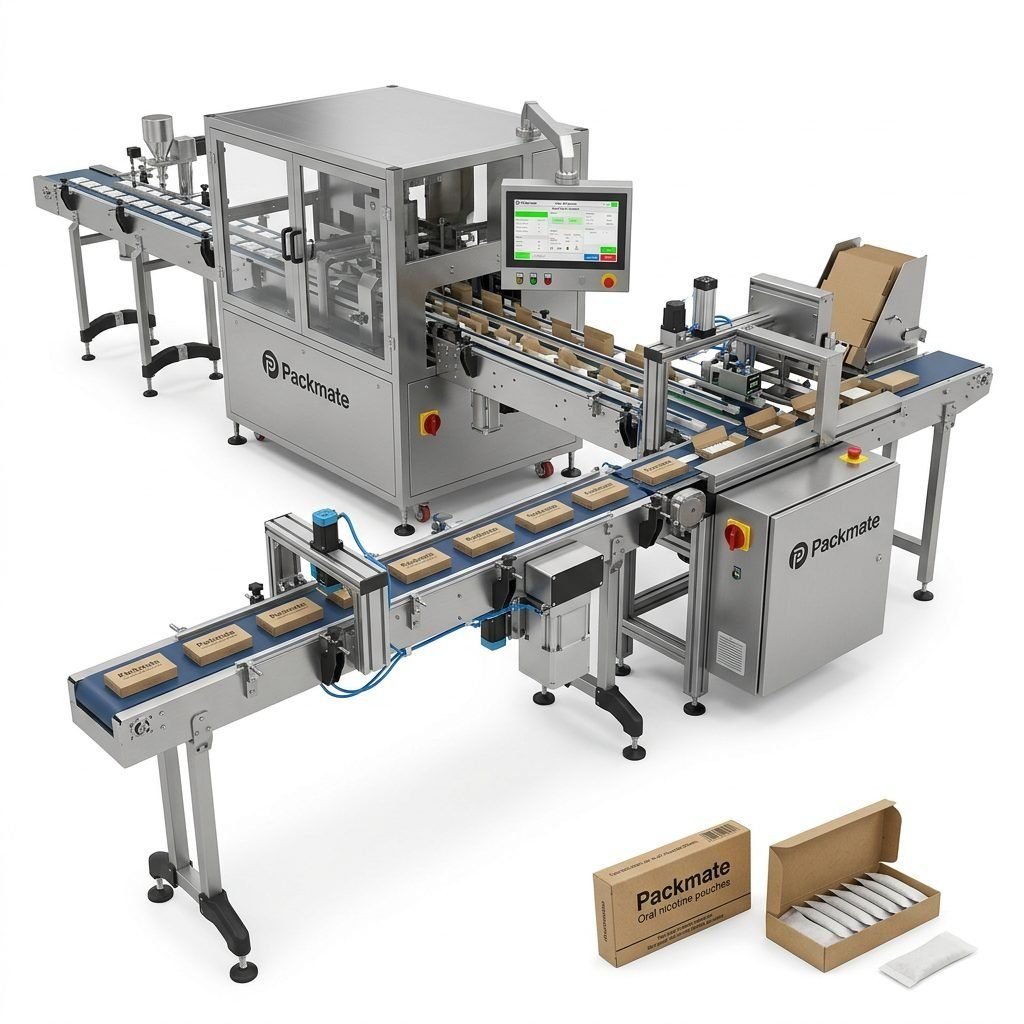
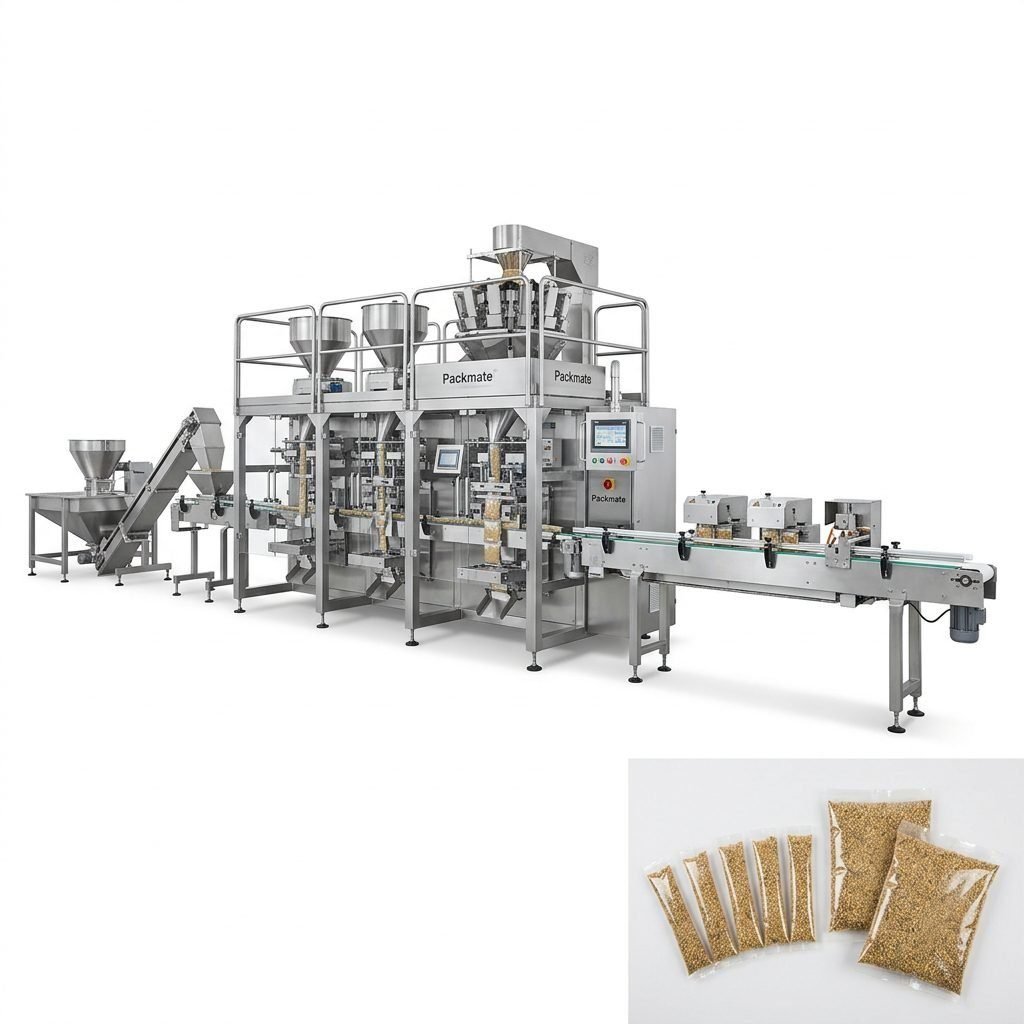
End-to-End Solutions: Beyond individual machines, Packmate excels at providing integrated filling and packaging lines. This turnkey approach ensures all components—from weighing and filling to sealing and cartoning—work in perfect harmony, maximizing overall line efficiency.
The Evolution of a Packaging Leader
Packmate’s history is a testament to strategic growth. Starting with small sachet machines, they expanded into multi-lane stick pack technology by 2012 to meet booming market demand. A significant milestone was their 2020 restructuring into Packmate (GuangDong) Co., Ltd., aligning with the dynamic economic development of China’s Greater Bay Area. This evolution from a specialist workshop to a full-solution provider mirrors the path of other top manufacturers who succeed by anticipating and adapting to market needs.
Industry Trends Shaping Automatic Packaging
The automatic packaging sector is rapidly evolving. Sustainability is no longer a niche concern but a core driver. Manufacturers are innovating with machines that handle recyclable, compostable, or reduced-plastic materials efficiently. Smart Technology and Industry 4.0 integration are also paramount. Modern packaging lines feature IoT sensors for predictive maintenance, real-time production data analytics, and seamless connectivity with factory management systems.
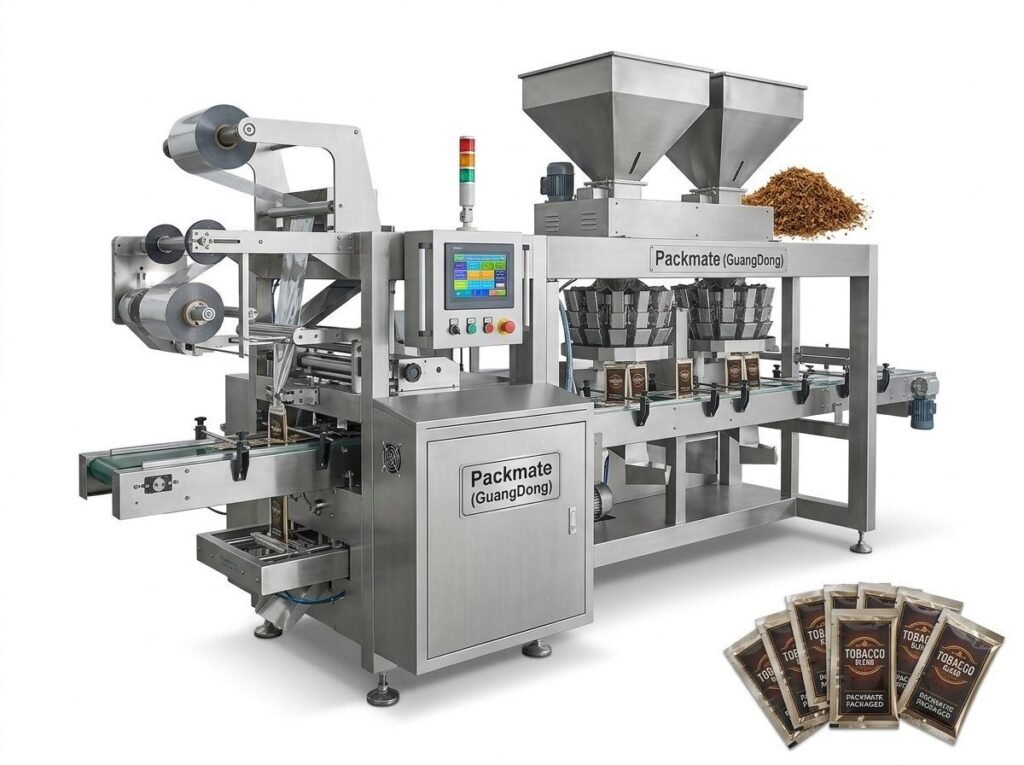
Furthermore, there is a strong demand for flexibility and quick changeover. Manufacturers are designing machines that can handle multiple package sizes and formats with minimal downtime for adjustment, catering to shorter production runs and personalized products. For specialized needs, such as the growing snus market, dedicated solutions like snus and nicotine pouch packaging machines have emerged, highlighting the industry’s move towards niche, high-precision applications.
Making the Final Decision
Once you have shortlisted manufacturers, take these final steps. Request Detailed Proposals: Ensure they address all your technical specifications, include clear pricing, and outline the project timeline.
Seek Client References: Ask for contacts from businesses with similar applications and speak to them about machine performance, reliability, and after-sales service.
Arrange a Factory Visit or Live Demo: If possible, visit the manufacturer’s facility or see a machine running. This allows you to assess build quality, operational smoothness, and the company’s professionalism firsthand. Reviewing a manufacturer’s project case studies can also provide valuable insight into their practical experience.
Frequently Asked Questions (FAQs)
1. What is the typical lead time for an automatic packaging machine?
Lead times vary significantly based on machine complexity, customization level, and manufacturer backlog. For standard models, it can range from 8 to 16 weeks. Highly customized or large integrated lines may require 20 weeks or more. Always confirm timelines during the quotation process.
2. How do I ensure the machine is compatible with my existing production line?
Provide the manufacturer with detailed specifications of your current line (conveyor heights, speeds, control system interfaces). Top manufacturers offer engineering support to design interfaces and ensure seamless integration. Discussing your full line needs with a specialist, perhaps for weighing and packaging systems, is crucial.
3. What kind of after-sales support should I expect?
Comprehensive support includes detailed installation guidance (either remote or on-site), thorough operator and maintenance training, a clear warranty period (typically 12-24 months), availability of spare parts, and access to technical support via phone, email, or remote diagnostics.
4. Can the machine handle different packaging materials?
Many modern machines are designed for material flexibility, but limits exist. You must specify the types of film (laminate structure, thickness), paper, or other materials you plan to use. The manufacturer can then confirm compatibility and recommend any necessary adjustments or attachments.
5. What are the most important maintenance routines?
Daily cleaning, lubrication of moving parts as per the manual, and inspection of seals and cutting blades are essential. Regular preventative maintenance schedules, often provided by the manufacturer, should be strictly followed to ensure longevity and prevent unplanned downtime.