Choosing the right baby food packaging machine is a critical decision for manufacturers aiming to ensure product safety, maintain nutritional quality, and build brand trust. This guide provides essential information and buying tips to help you navigate the selection process and identify a reliable manufacturer.
Understanding Baby Food Packaging Requirements
The primary goal of baby food packaging is to preserve freshness and nutrients while preventing contamination. Machines must handle purees, cereals, and snacks with precision, often requiring features like aseptic filling, modified atmosphere packaging (MAP), or nitrogen flushing to extend shelf life without artificial preservatives. The packaging materials themselves must be food-grade, often BPA-free, and suitable for the chosen sterilization process, whether retort, hot-fill, or aseptic.
Key Machine Types for Different Formats
Your product format dictates the machine type. Common solutions include:
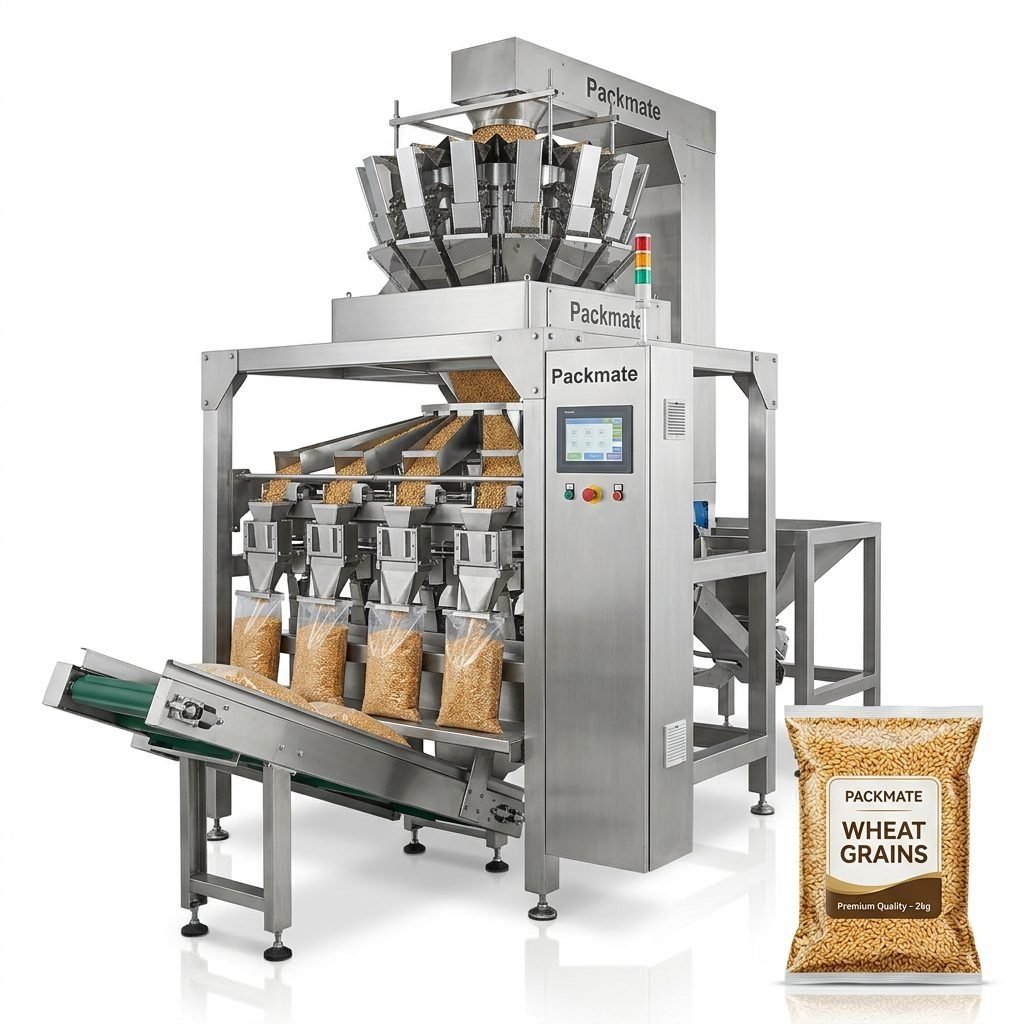
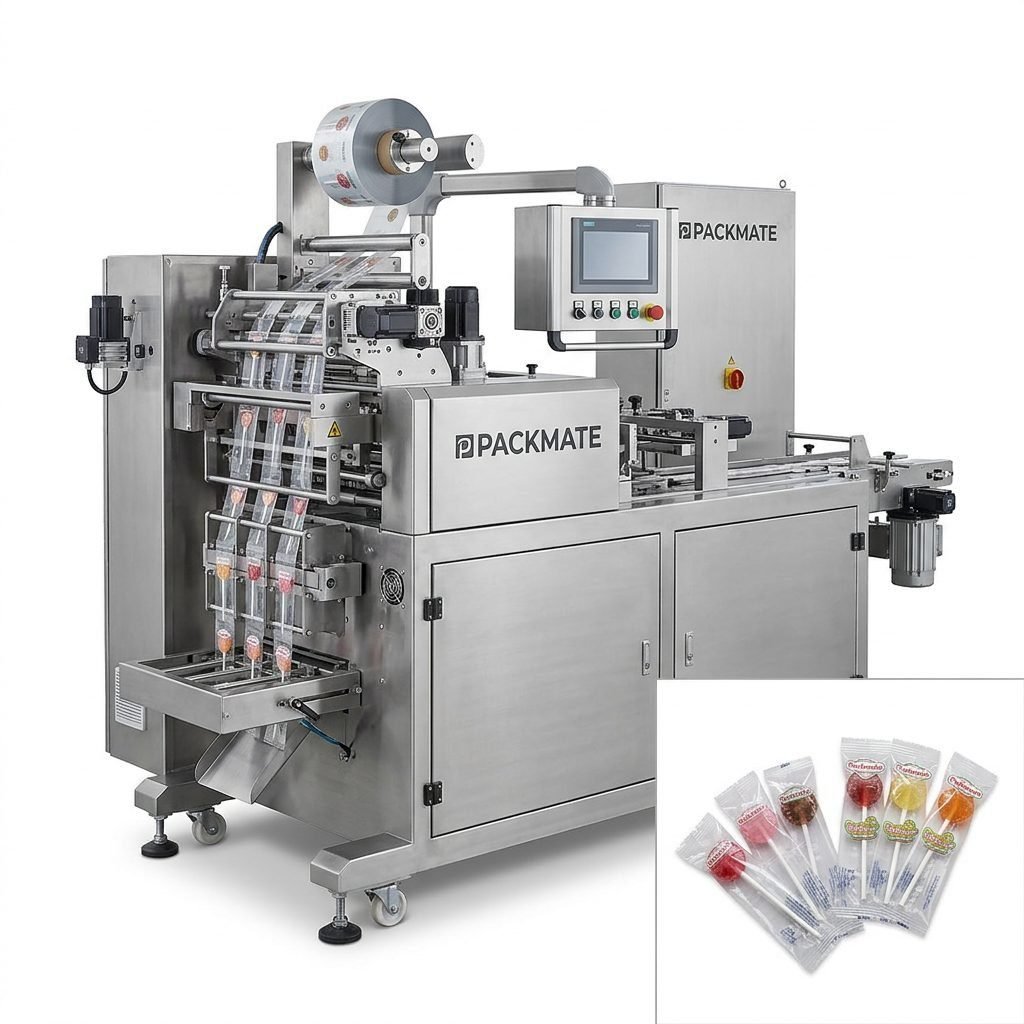
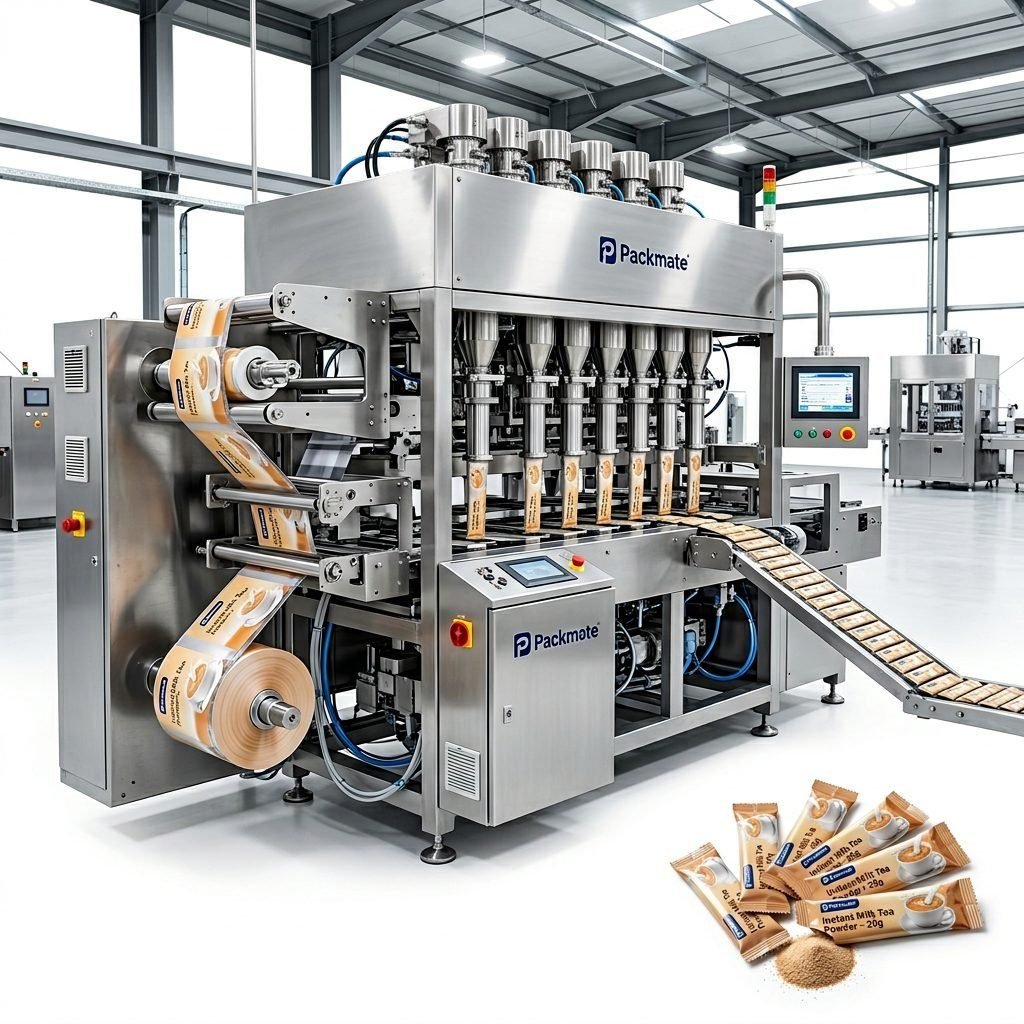
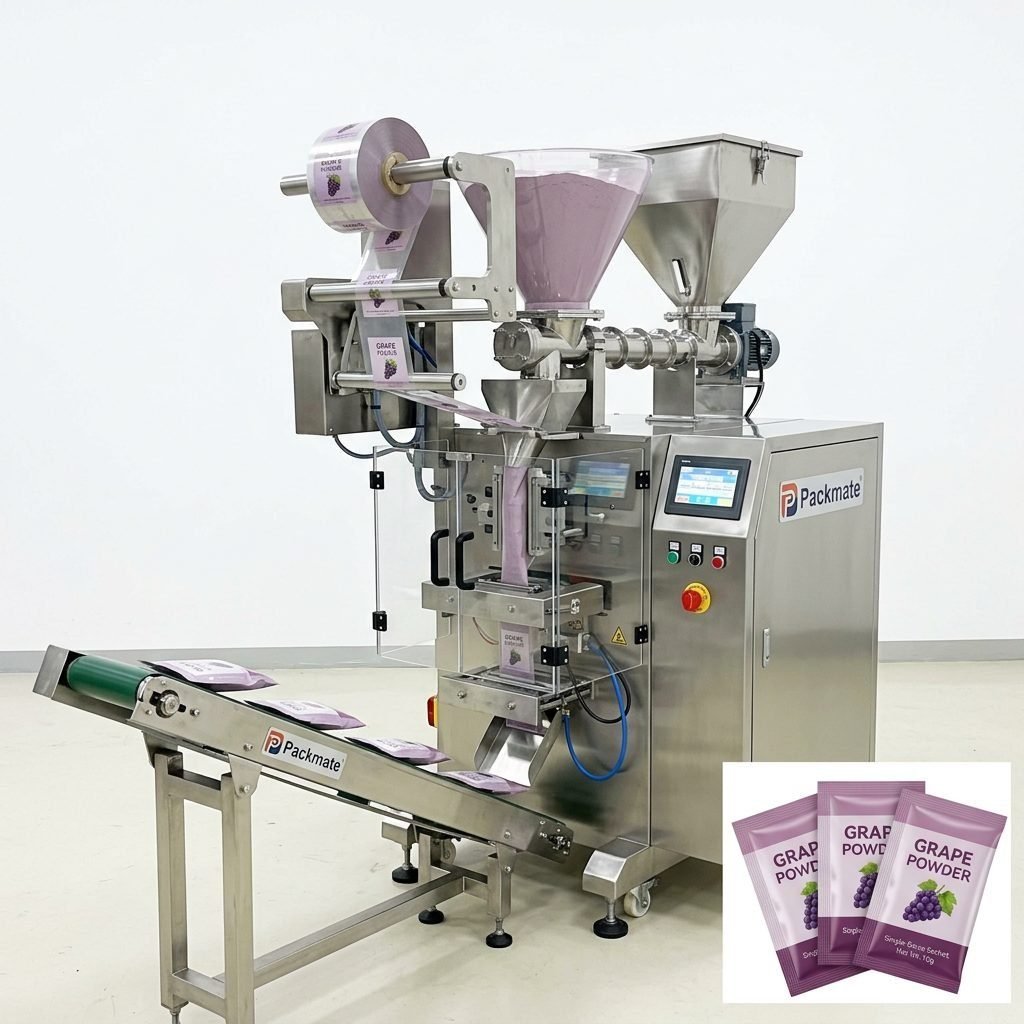
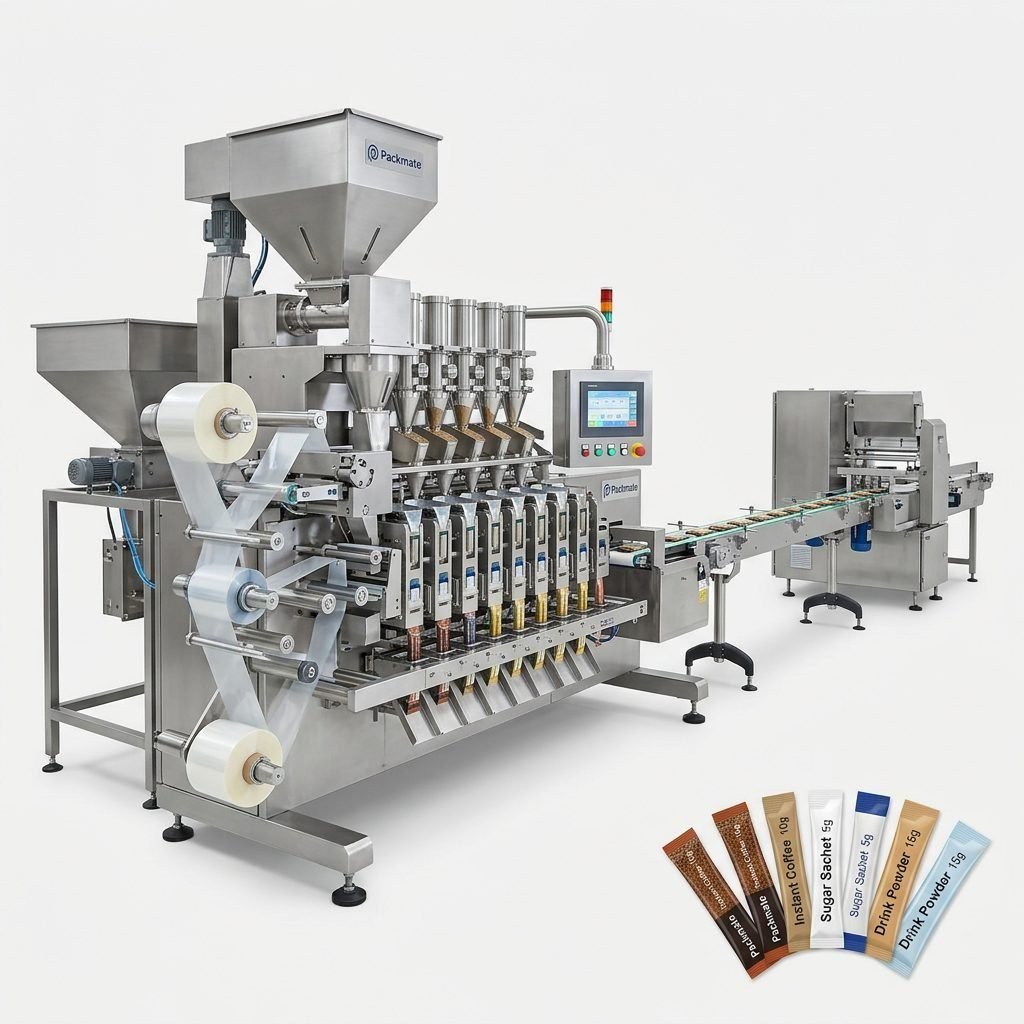
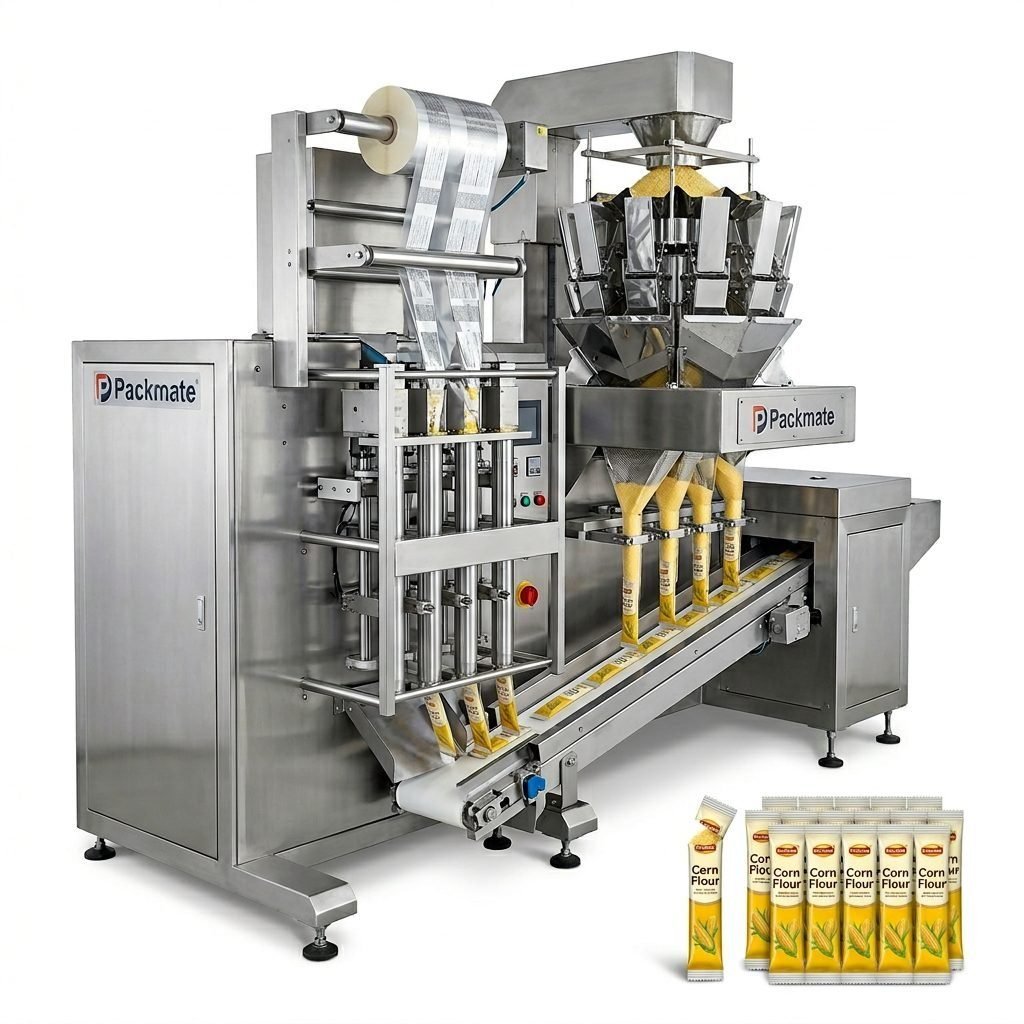
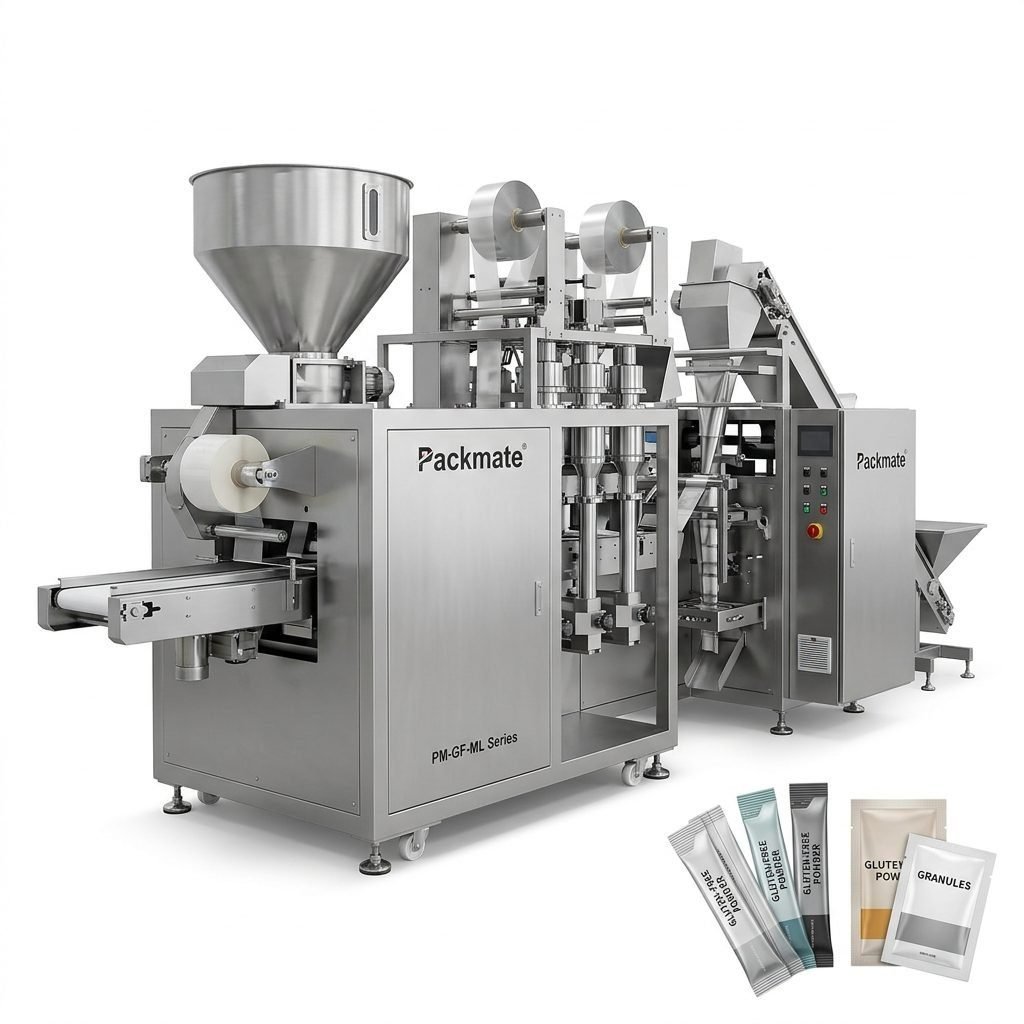
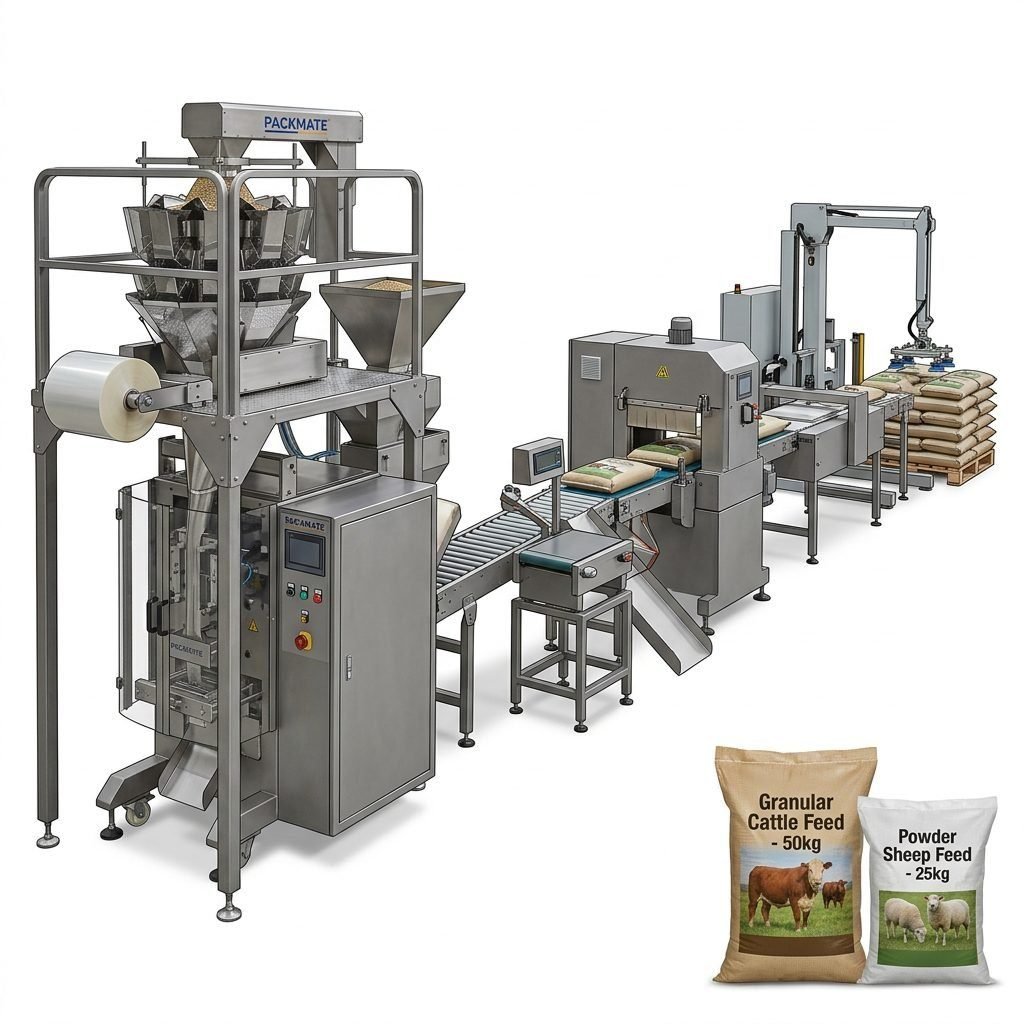
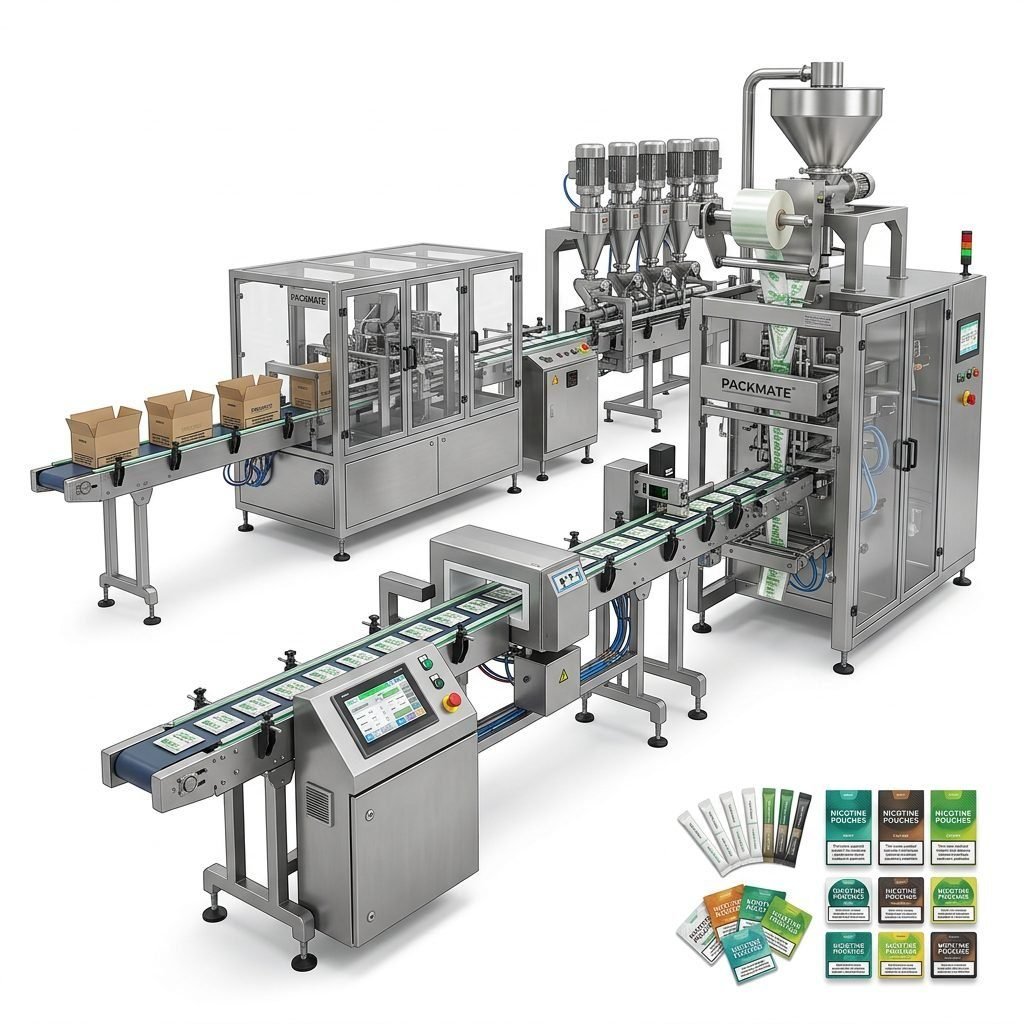
Vertical Form-Fill-Seal (VFFS) Machines: Ideal for producing pouches and stick packs from a roll of film. They are versatile and efficient for dry, wet, or liquid baby foods.
Pre-made Pouch Fillers: Used for filling stand-up spouted pouches, which are popular for their convenience and re-closable features.
Cup Filling and Sealing Lines: Perfect for yogurt, fruit purees, or snacks. These lines fill pre-formed plastic or compostable cups and apply a foil or film lid.
For comprehensive lines, explore our range of Filling & Packaging Lines designed for sensitive food products.
Critical Factors When Selecting a Manufacturer
Not all manufacturers are equal. Partnering with the right one ensures long-term reliability and support.
1. Expertise and Industry Experience
Look for a manufacturer with a proven track record in food-grade, and specifically baby food, packaging. Experience translates into understanding stringent hygiene standards, gentle product handling, and compliance with global food safety regulations (FDA, EFSA, etc.). A company like Packmate Machinery, with decades in the industry, brings invaluable practical knowledge to the table.
2. Machine Quality and Technology
Inspect the construction quality. Machines should be built with stainless steel (grade 304 or 316) in food-contact areas for easy cleaning and corrosion resistance. Modern servo-driven systems offer superior accuracy, speed control, and energy efficiency compared to older mechanical systems. Ask about changeover flexibility – how quickly and easily the machine can switch between different pouch sizes or product types.
3. Compliance and Certification
Ensure the manufacturer’s equipment complies with relevant safety and hygiene standards. Key certifications to look for include CE (for the European market), UL, and GMP for pharmaceutical-grade applications which often overlap with high-care food production. Reputable manufacturers will readily provide documentation. You can review examples of industry recognition on our Our Certificates page.
4. After-Sales Support and Service
Technical support is non-negotiable. A reliable manufacturer offers comprehensive after-sales services, including installation supervision, operator training, readily available spare parts, and prompt technical assistance. Consider the provider’s global service network, especially if your operations are international. A strong support system minimizes costly downtime.
Essential Buying Tips for Your Investment
Beyond choosing a manufacturer, focus on these practical aspects during the procurement process.
Define Your Current and Future Needs
Analyze your required output speed (pouches/minute), the range of products you plan to package, and potential future expansions. Investing in a slightly more capable machine than currently needed can save significant capital later. Consider flexibility for different packaging materials, as sustainability trends may push you towards recyclable or compostable films.
Request a Product Test Run
Never buy a machine untested with your actual product. A reputable manufacturer will offer a factory test using your baby food sample and packaging materials. This is the only way to verify fill accuracy, seal integrity, production speed, and overall machine compatibility.
Evaluate the Total Cost of Ownership (TCO)
Look beyond the initial purchase price. Calculate the TCO by factoring in energy consumption, maintenance costs, required operator skill level, changeover time waste, and expected lifespan. A higher-quality, more efficient machine often has a lower TCO over 5-10 years.
Visit the Manufacturing Facility
If possible, visit the factory. This allows you to assess production capabilities, quality control processes, and the company’s operational scale. Seeing a sachet & stick pack machine being built and tested firsthand builds confidence in your investment.
Why Partner with an Established Manufacturer Like Packmate?
With over 30 years of expertise, Packmate (GuangDong) Co., Ltd. embodies the qualities of a reliable partner. Starting from a dedicated workshop in 1993, the company has grown into a leader with a 20,000㎡ modern facility, developing over 50 machine models. Our focus on intelligent packaging solutions for the food and health industries aligns perfectly with the precision demands of baby food production. We provide complete turnkey solutions, from single machines like Bag & Pouch Packaging Machines to integrated production lines, backed by global service support. Our journey from a small workshop to an international supplier is detailed in our Company History.
Frequently Asked Questions (FAQs)
What is the typical lead time for a baby food packaging machine?
Lead times vary based on machine complexity and customization. For standard models from an established manufacturer, expect 8-14 weeks from order confirmation to shipment. Highly customized or full turnkey lines may require 16-24 weeks. Always confirm timelines during the quotation process.
Can one machine handle both purees and dry cereal?
Some versatile VFFS machines can handle both with proper configuration and changeover. However, this requires different filling systems (e.g., pump filler for purees, auger filler for powder). Changeover takes time and thorough cleaning to prevent cross-contamination. For high-volume production of distinct product types, dedicated lines are often more efficient.
How important is servo motor technology?
Extremely important. Servo-driven machines offer precise control over film movement, filling, and sealing. This results in higher accuracy, less material waste, smoother operation, and easier changeovers via digital recipes. They are generally more reliable and energy-efficient than traditional mechanical machines.
What maintenance is required for these machines?
Daily cleaning and lubrication as per the manual are essential. Regular maintenance includes checking seal jaw temperatures, inspecting and replacing worn parts like sealing jaws or cutter blades, and calibrating scales or fillers. A good manufacturer provides a maintenance schedule and training.
Do you provide training for our operators?
Yes, reputable manufacturers include comprehensive operator and maintenance training as part of the purchase. This typically occurs during installation and commissioning at your facility. Training covers machine operation, safety procedures, routine maintenance, basic troubleshooting, and changeover processes.