In the competitive landscape of personal care, from shampoos and lotions to serums and masks, the packaging is far more than just a container. It is the first point of physical contact with the consumer, a guardian of product integrity, and a silent salesman on the shelf. Selecting the right packaging equipment is therefore not merely an operational decision but a strategic investment in brand identity, product safety, and market success. This guide delves into the essential packaging machinery required to bring personal care products from formulation to the hands of the consumer efficiently, reliably, and beautifully.
The Core Machinery for Primary Packaging
Primary packaging is the material that first envelops the product and is in direct contact with it. For personal care items, this often means bottles, tubes, jars, and sachets. The equipment for this stage must be precise, hygienic, and versatile.
Liquid Filling Machines
From viscous creams to watery toners, liquid fillers are the workhorses of personal care lines. Piston fillers excel with thick, non-foaming products like lotions and gels, offering exceptional accuracy. For free-flowing liquids such as shampoos or micellar water, gravity or pressure fillers provide high-speed operation. Advanced models feature touchless filling nozzles to maintain sterility, a critical factor for skincare serums and other sensitive formulations.
Tube Filling and Sealing Machines
Tubes remain a dominant format for creams, ointments, and masks. A complete tube filler handles several functions in one integrated system: it orients the empty tube, fills the product with pinpoint accuracy, folds and seals the tube end (via heat or ultrasonic methods), and applies the cap. Modern equipment can process laminate, plastic, and metal tubes, accommodating the diverse aesthetic and barrier requirements of the personal care market.
Sachet and Stick Pack Machines
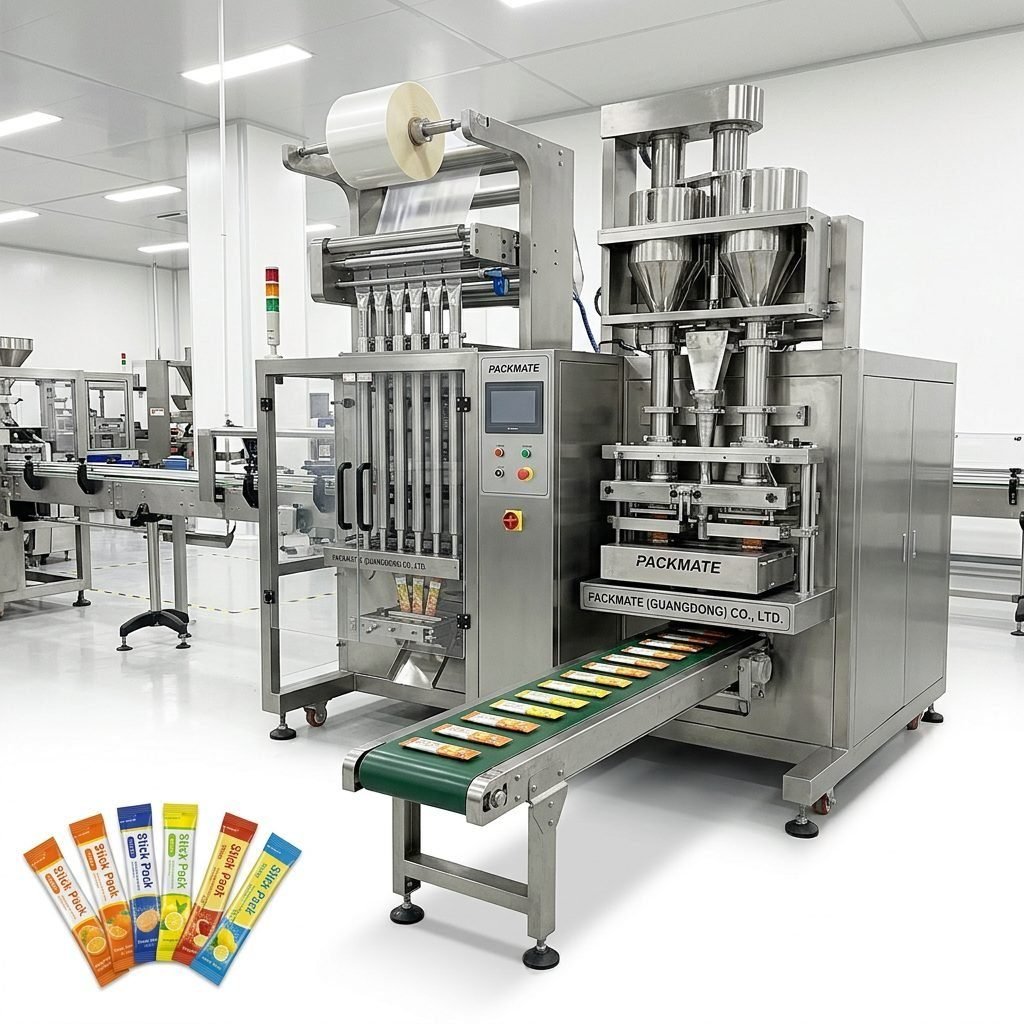
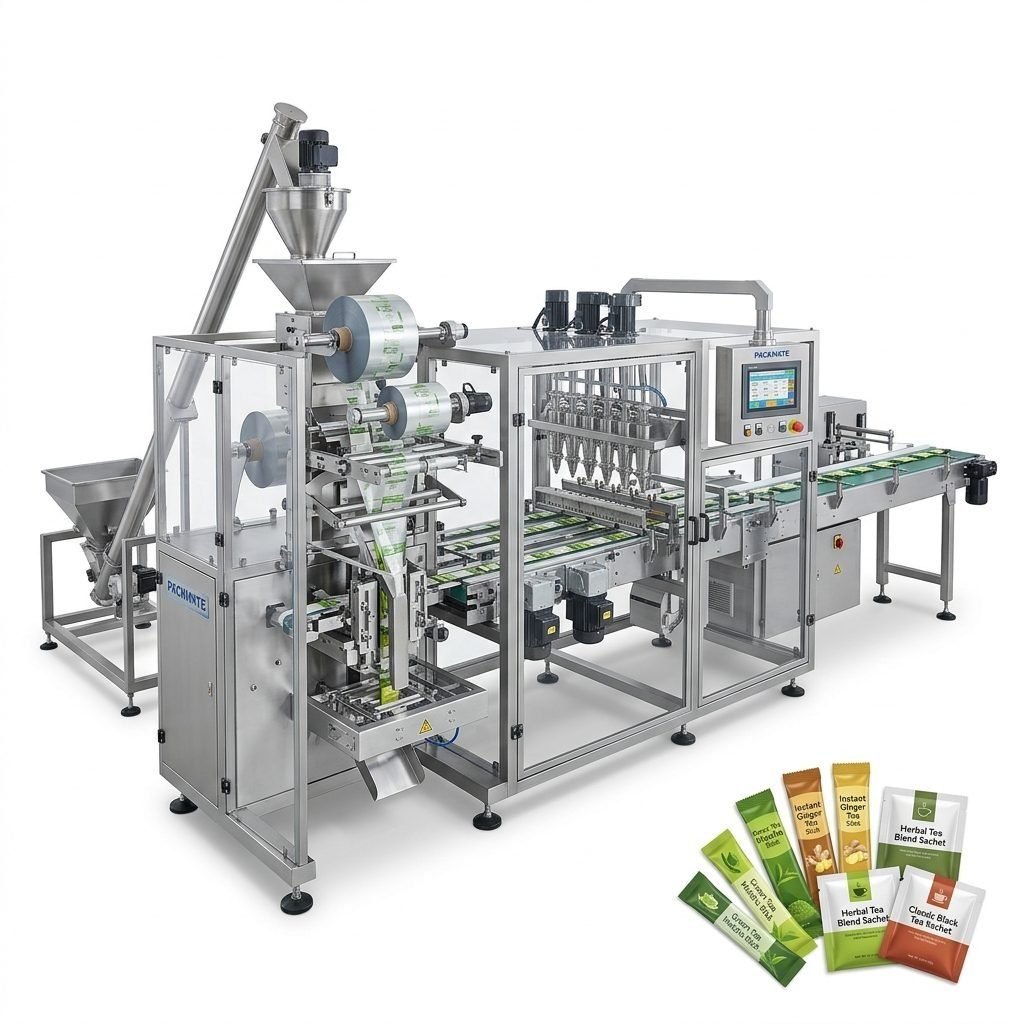
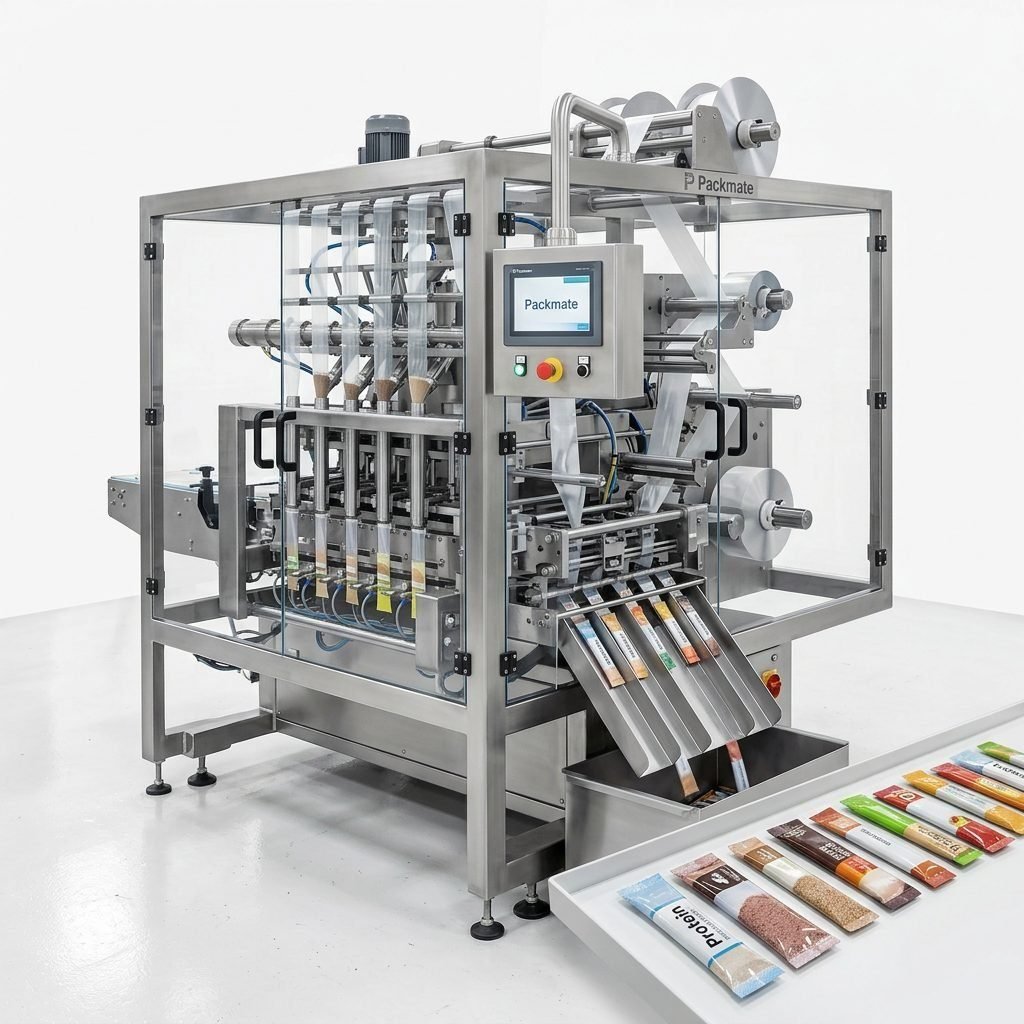
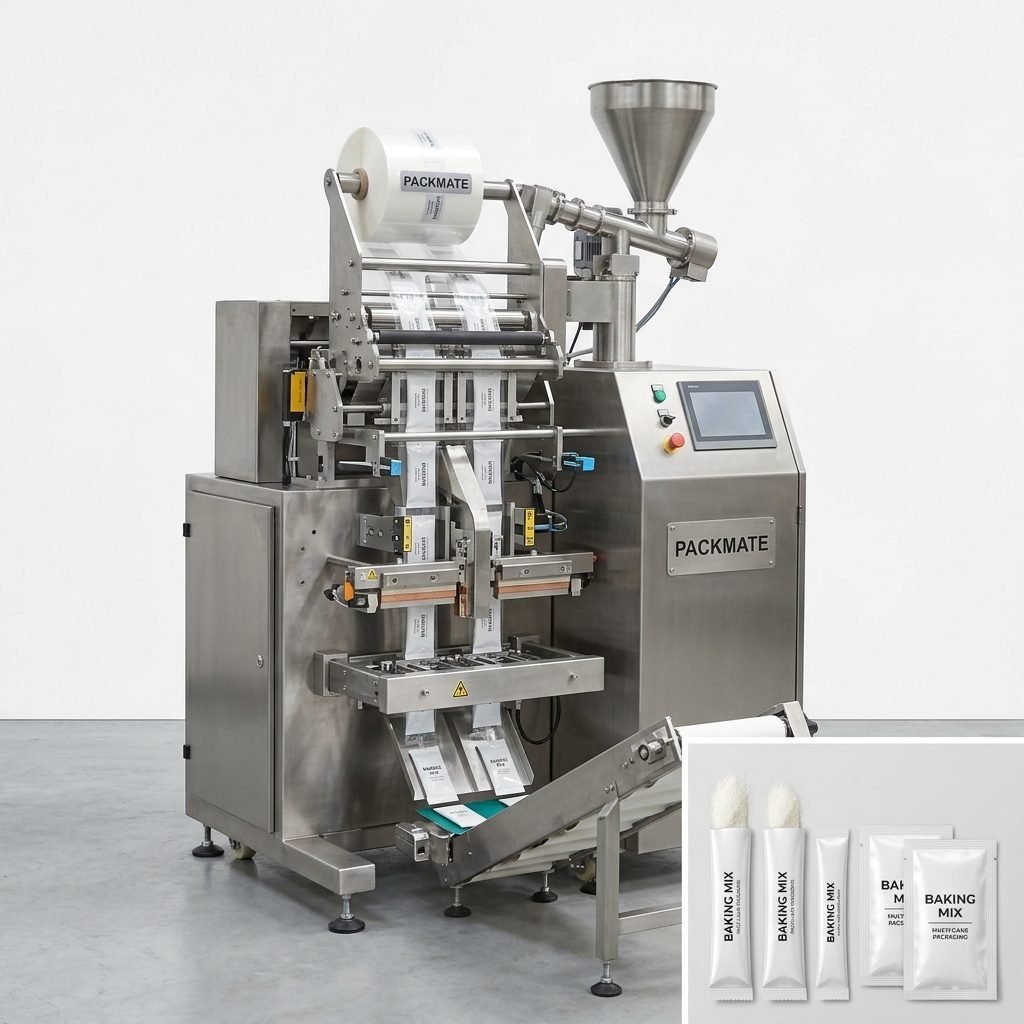
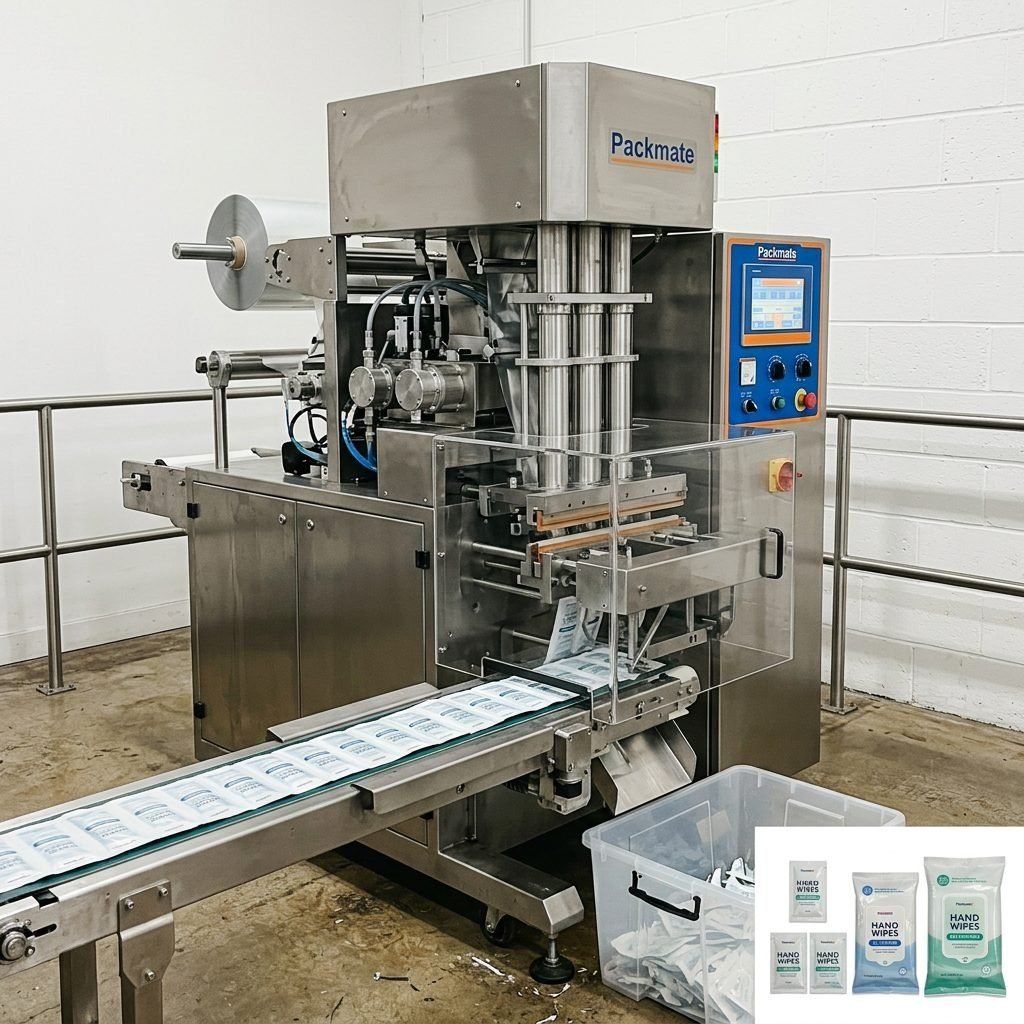
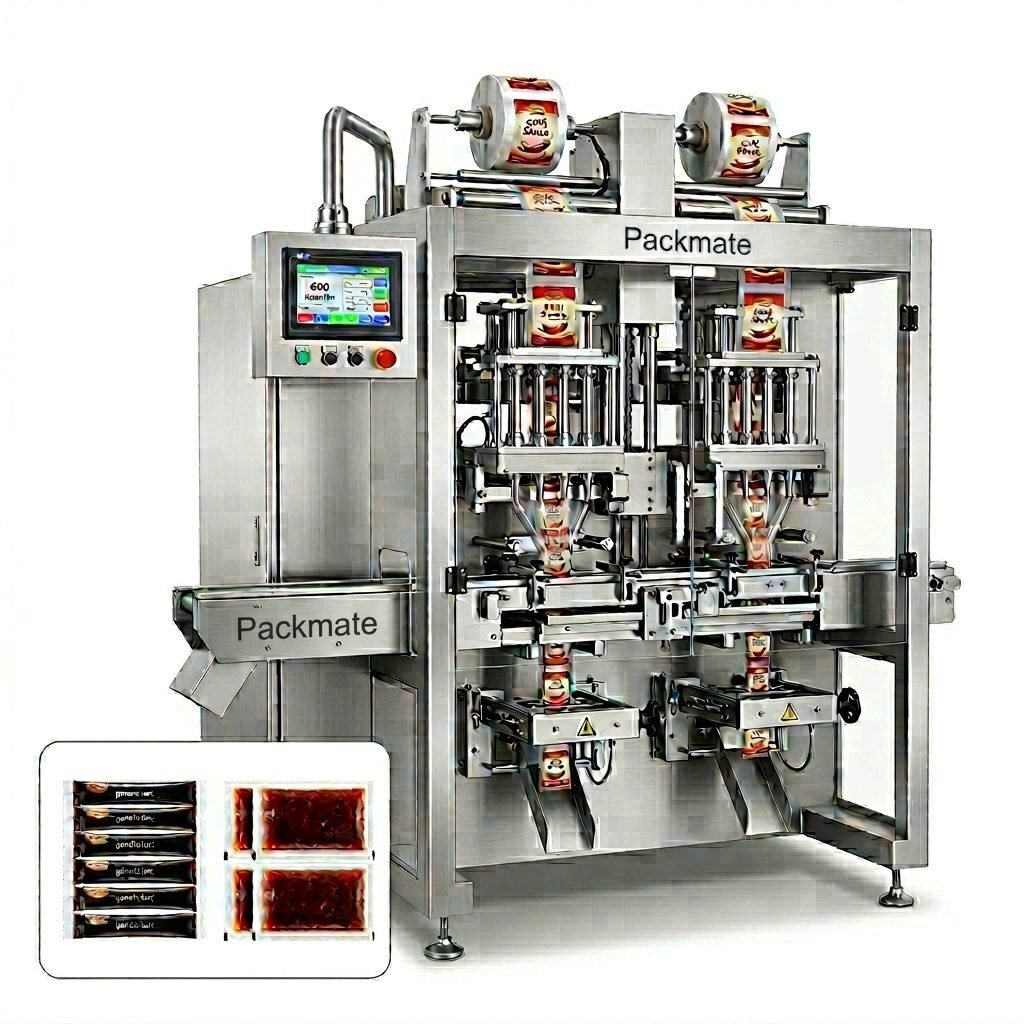
Single-use sachets for samples, hotel amenities, or premium face masks require specialized machinery. Sachet & Stick Pack Machines form, fill, and seal these small pouches from a roll of film at remarkably high speeds. For powder-based products like bath salts or dry shampoo samples, these machines ensure a clean, airtight seal. The flexibility in film material allows for stunning graphics that enhance the unboxing experience.
Secondary Packaging and Finishing Equipment
Once the primary package is filled and sealed, the product moves to secondary packaging—the process of grouping, labeling, and preparing for shipment.
Automatic Labeling Systems
A crooked or bubbled label can undermine a premium brand image instantly. Automatic labelers apply pressure-sensitive or wrap-around labels to bottles, jars, and tubes with flawless precision. Vision inspection systems can be integrated to reject any unit with misaligned or missing labels, guaranteeing consistent presentation. For brands emphasizing sustainability, equipment that handles recycled paper or plastic labels is increasingly important.
Cartoning and Case Packing Machines
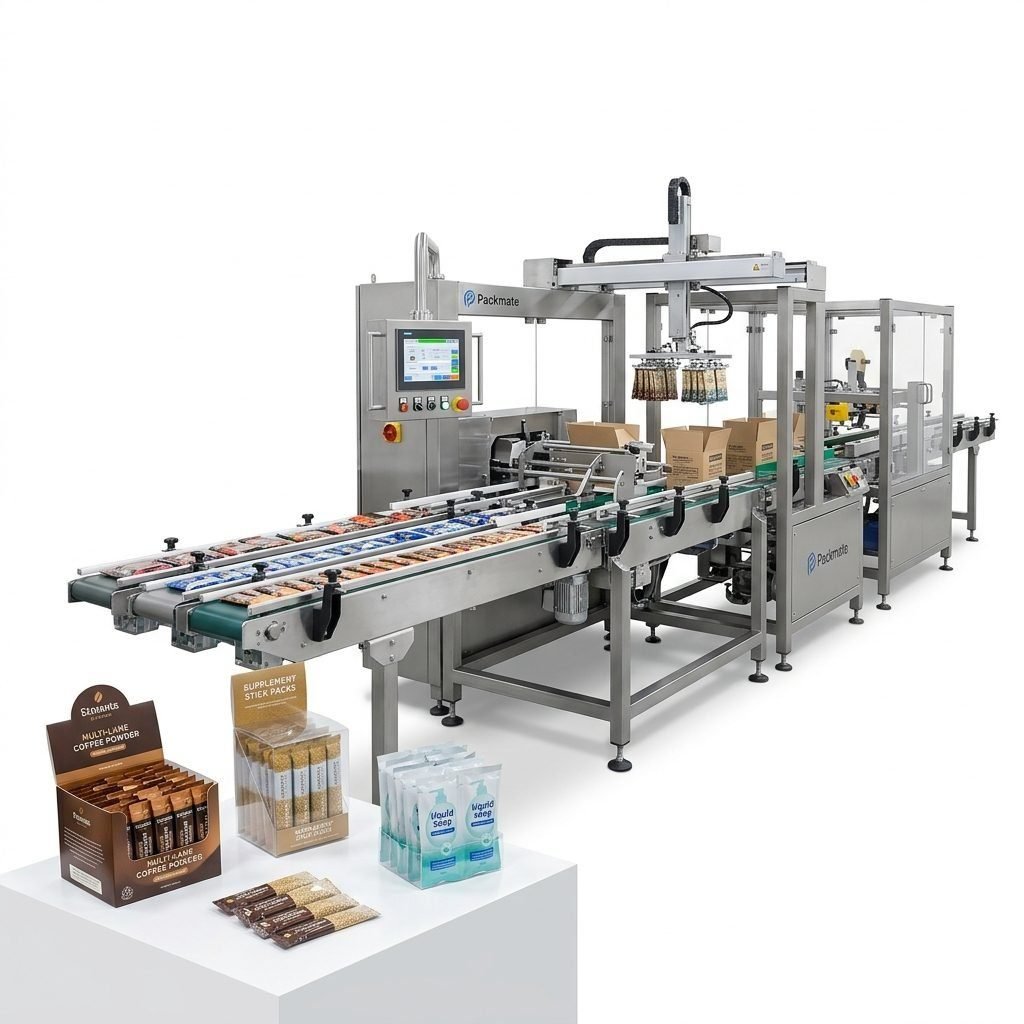
These machines automate the placement of primary packages into cartons (for retail) or shipping cases. Automatic cartoners erect the box, insert the product along with any leaflets or applicators, and close the flaps. Auxiliary Packaging Equipment like case packers then group these cartons into larger outer cases for palletizing. This stage is vital for efficiency in logistics and for ensuring products arrive at their destination undamaged.
Critical Support Systems
Beyond the core filling and packing lines, several support systems are essential for a smooth, compliant, and high-quality operation.
Capping and Torque Control
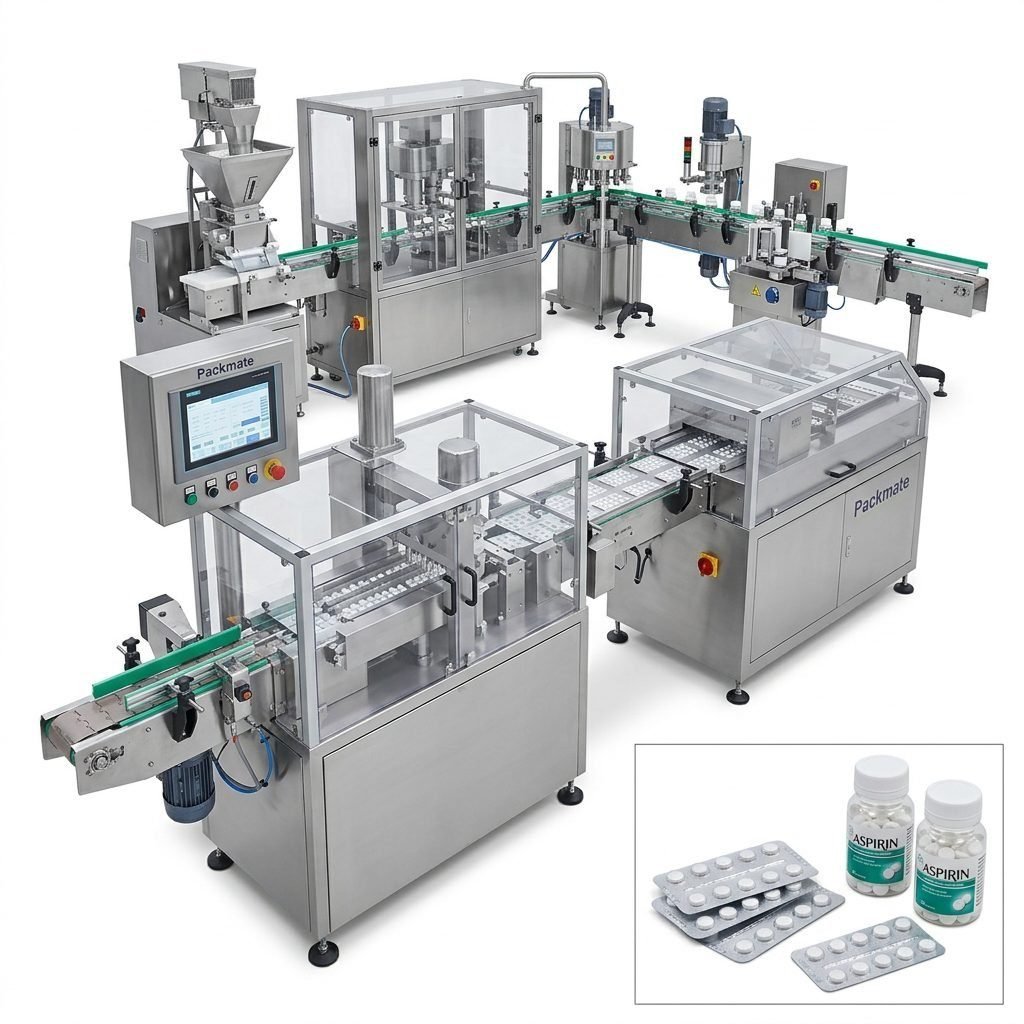
Securing the closure is paramount. Capping machines screw on caps, snap on flip-tops, or press on pump dispensers consistently. Integrated torque control monitors the tightness of each cap, preventing leaks that could ruin a product or under-tightening that compromises safety. This is especially crucial for travel-sized products and anything containing active ingredients sensitive to air.
Checkweighers and Metal Detectors
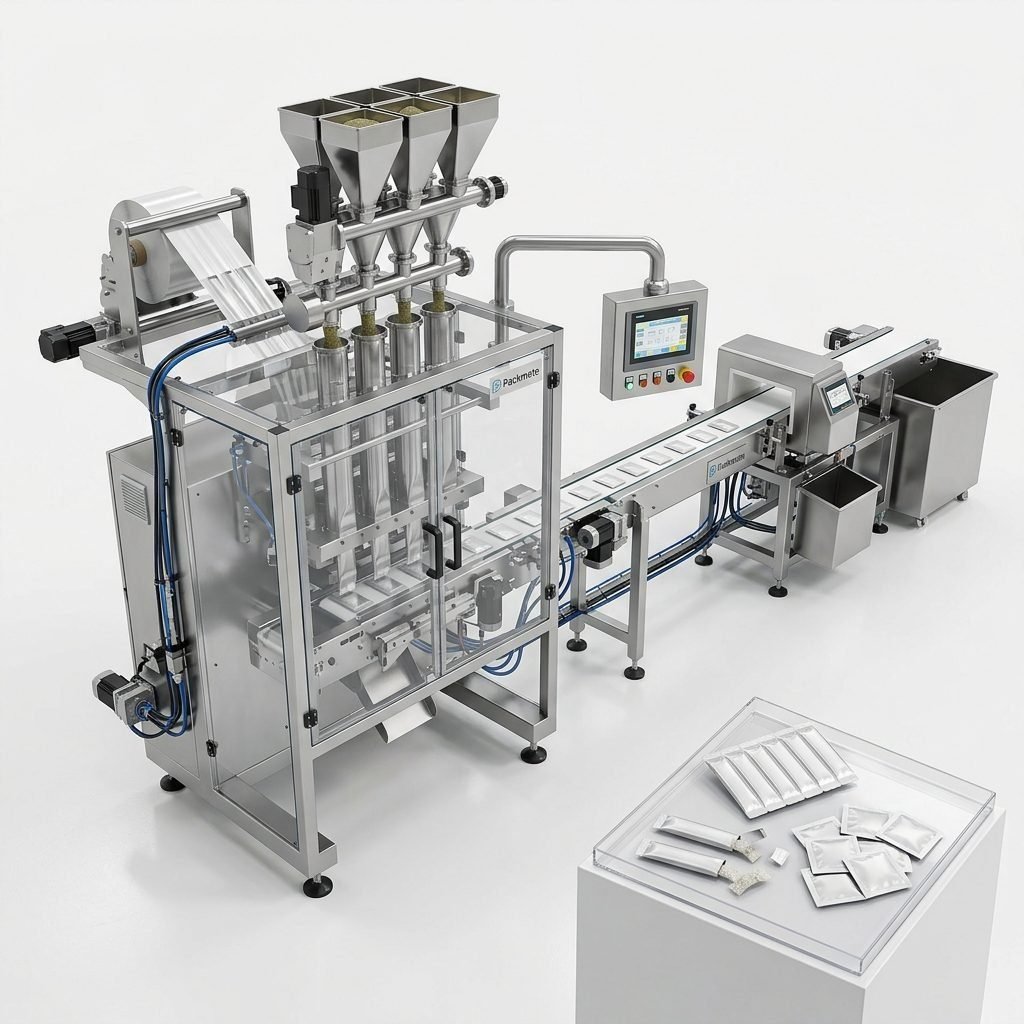
Quality control is non-negotiable. Checkweighers verify that every package contains the correct amount of product, protecting against underfills (a regulatory and customer satisfaction issue) and overfills (which erode profit). In-line metal detectors scan for any ferrous or non-ferrous metallic contamination that may have entered during production, a critical safety measure for any consumer good.
Clean-in-Place (CIP) and Purge Systems
Personal care products often involve frequent changeovers between colors, fragrances, or formulas. Equipment designed with CIP capabilities allows for internal cleaning without disassembly, saving hours of downtime. Similarly, effective purge systems clear residual product from filling lines during changeovers, preventing cross-contamination and maintaining the purity of each batch.
Choosing the Right Partner for Your Packaging Line
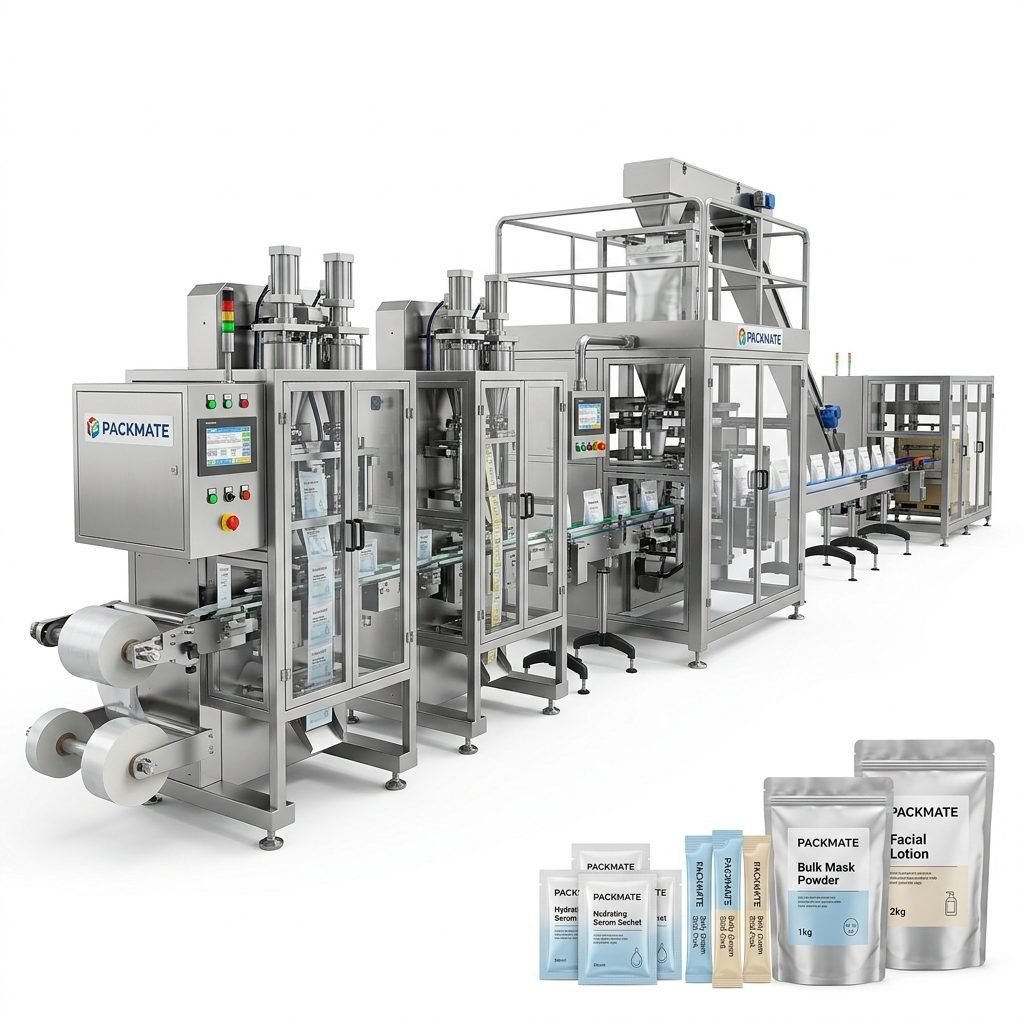
Investing in packaging machinery is a significant decision. The ideal partner offers more than just hardware; they provide a comprehensive solution. Look for a manufacturer with deep industry expertise, like Packmate Machinery, which brings over 30 years of experience in crafting reliable equipment for sensitive industries. A partner should offer scalable solutions, from a single Bag & Pouch Packaging Machine to a complete, integrated Filling & Packaging Line. Crucially, they must provide robust after-sales service, training, and readily available spare parts to ensure your operation runs smoothly for years to come.
Ultimately, the right packaging equipment empowers personal care brands to deliver their promise—protecting delicate formulations, enabling eye-catching designs, and ensuring every unit that leaves the factory meets the highest standards of quality and safety. It transforms a great product into a complete, trustworthy, and desirable consumer experience.
Frequently Asked Questions (FAQs)
What type of filling machine is best for a viscous face cream?
Piston filler is typically the best choice for thick, viscous products like creams and ointments. It uses a piston and cylinder mechanism to draw a precise volume of product and dispense it, ensuring high accuracy and handling high-viscosity materials without issues.
How important is torque control in capping for personal care products?
Extremely important. Proper torque control ensures caps are sealed tightly enough to prevent leakage and product contamination but not so tight that it damages the bottle threads or makes it impossible for consumers to open. It is critical for product integrity and customer satisfaction.
Can one packaging line handle different bottle sizes and shapes?
Yes, with the right equipment. Many modern packaging machines are designed with quick-change parts and adjustable settings. Look for modular fillers, cappers, and labelers that allow for rapid changeover between different container formats, minimizing downtime for production line switches.
What quality control equipment is essential for a personal care packaging line?
At a minimum, an in-line checkweigher and a metal detector are essential. The checkweigher ensures fill weight accuracy for compliance and cost control, while the metal detector safeguards against potential contamination, protecting both the consumer and the brand’s reputation.
Why should I consider a turnkey solution from a single supplier?
Choosing a turnkey solution from an experienced supplier like Packmate ensures seamless integration of all line components, from filling to cartoning. It simplifies project management, guarantees machine compatibility, and provides a single point of accountability for service, training, and support, leading to faster startup and more reliable long-term operation.