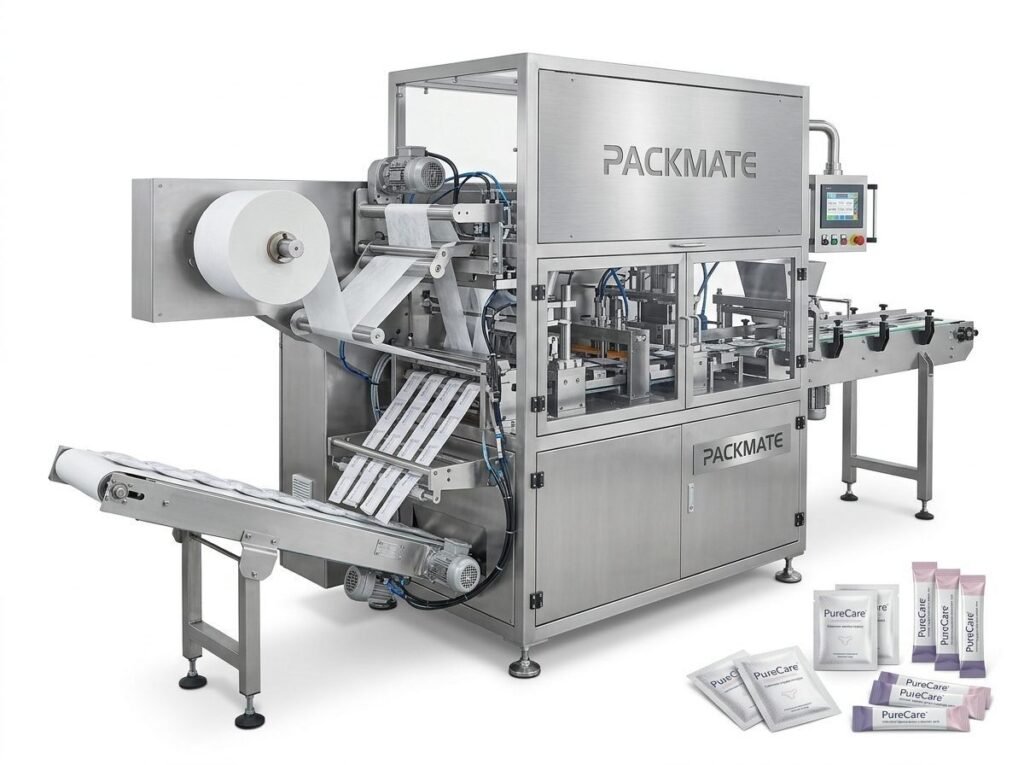
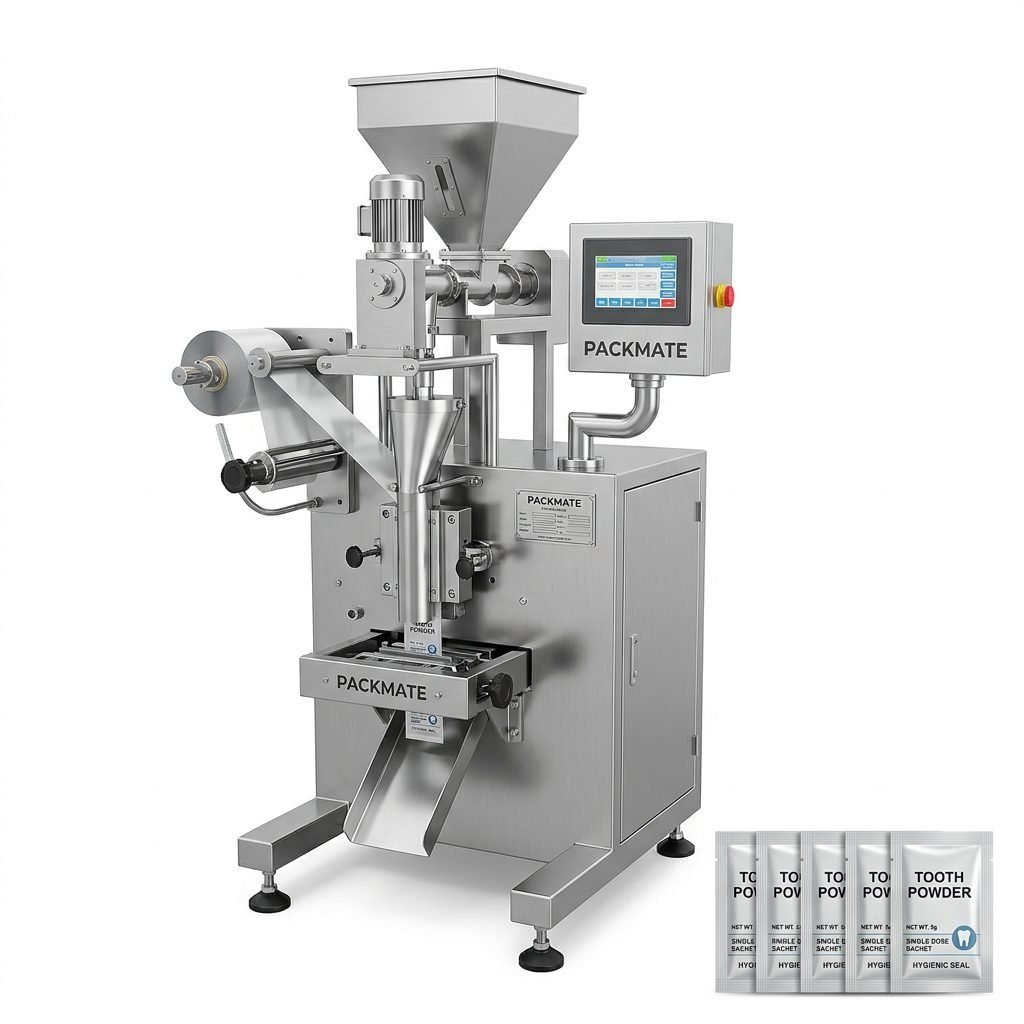
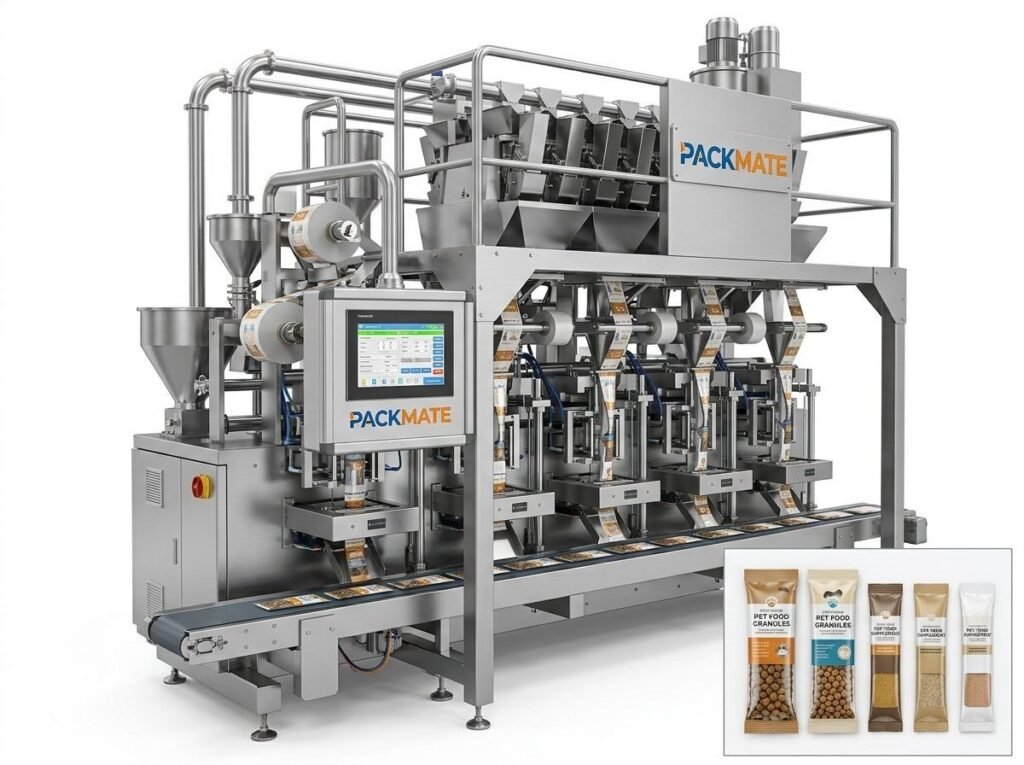
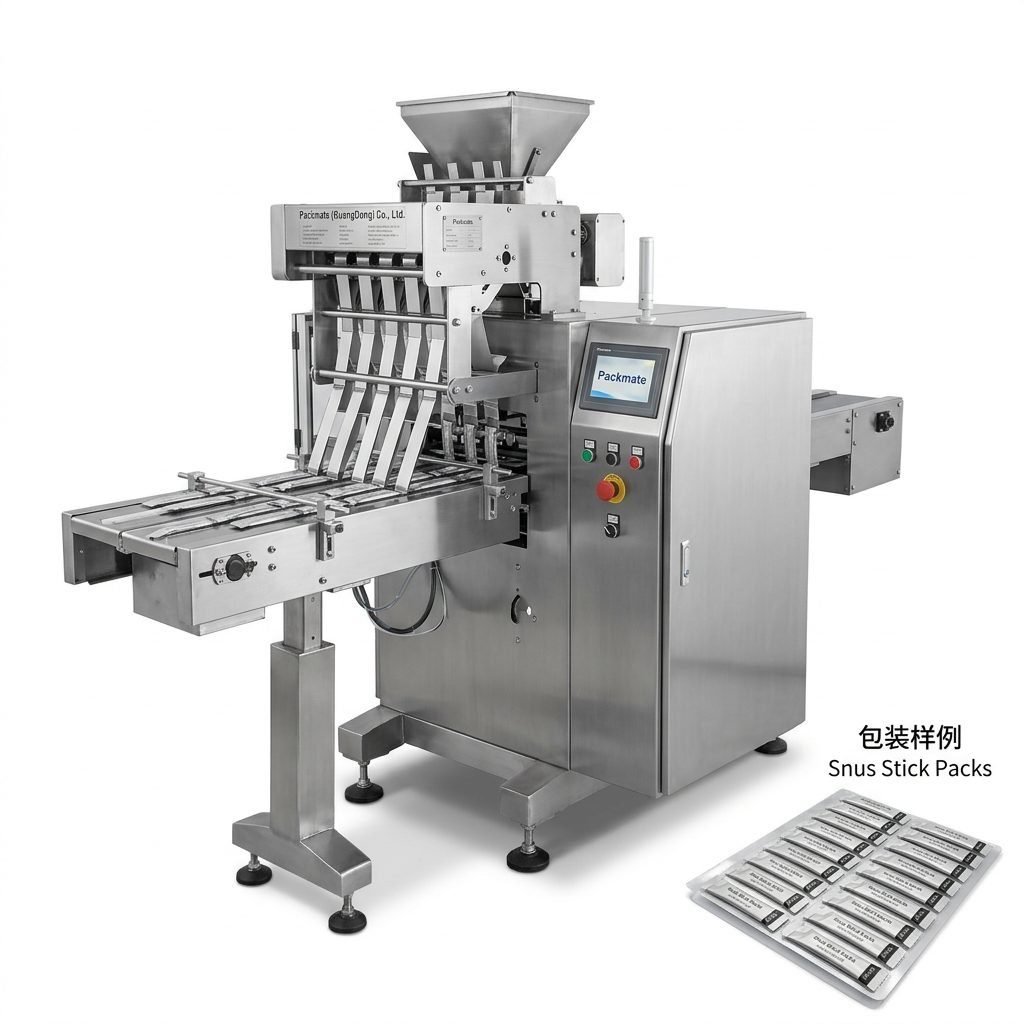
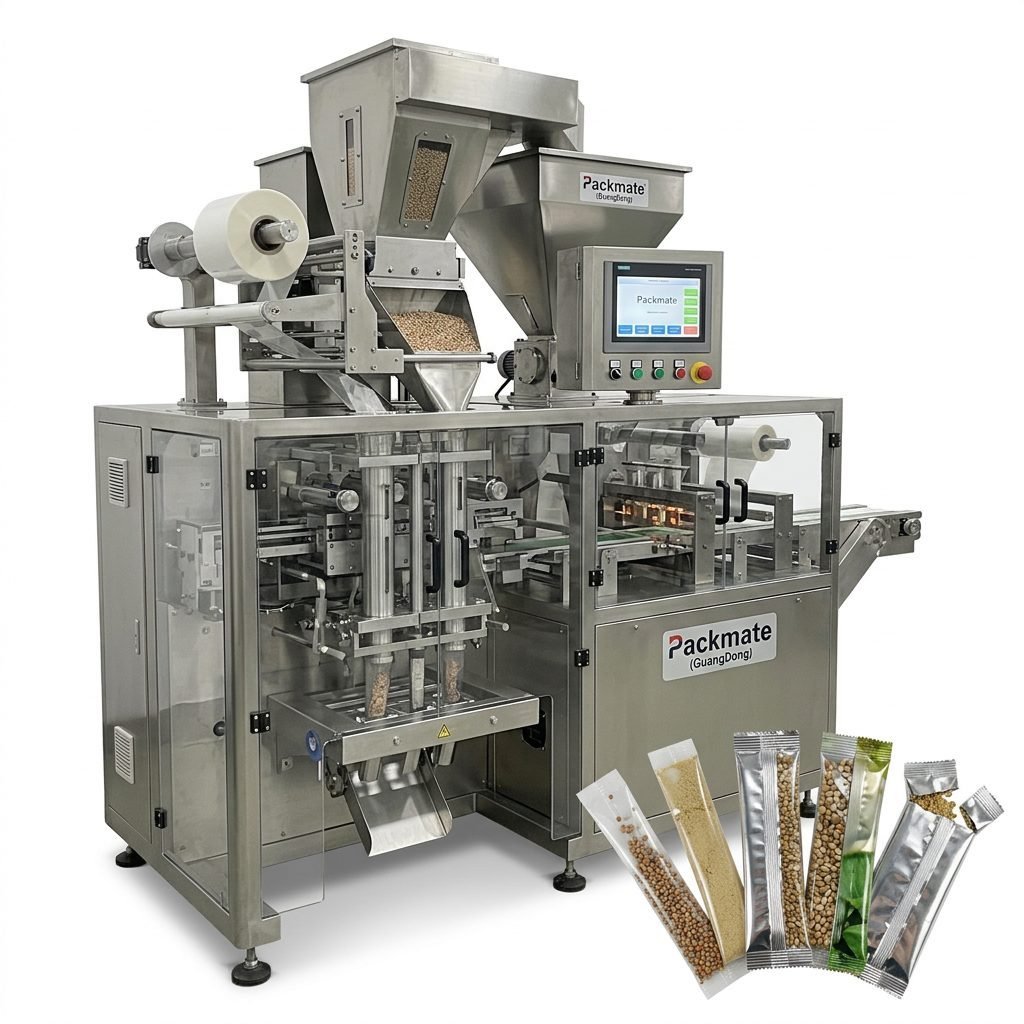
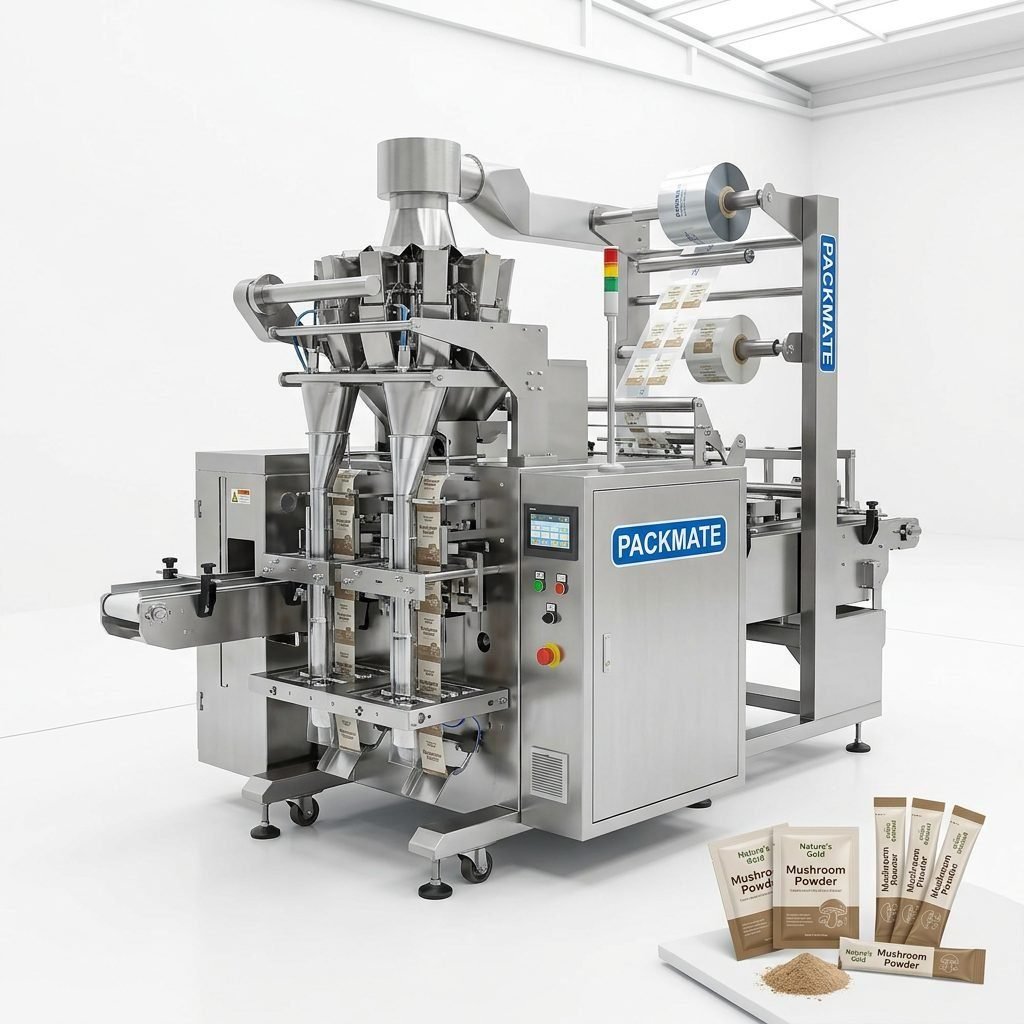
In the dynamic world of modern manufacturing, efficiency, hygiene, and precision are paramount. For businesses handling liquids, powders, or granules—from beverages and dairy to pharmaceuticals and cosmetics—the packaging process is a critical final step that directly impacts product quality, shelf life, and brand perception. This is where cup filling and sealing machines become indispensable. These automated systems are engineered to accurately dispense product into pre-formed cups, tubs, or containers and hermetically seal them with a lid, ensuring consistency, safety, and speed on a production scale.
Core Components and How They Work
The operation of a cup filling and sealing machine is a symphony of coordinated mechanical actions. While designs vary, the fundamental process follows a consistent sequence. First, pre-formed cups are automatically fed from a magazine or stack into a conveyor system. They are then indexed through various stations. A crucial stage is precise filling, which can be volumetric, piston-driven, or auger-based, depending on the product’s viscosity. For multi-component products like yogurt with fruit, dual or multi-head fillers can deposit layers sequentially.
Following filling, the cup moves to the sealing station. Here, a lid material (often a foil or laminate roll) is applied over the cup’s rim. The machine then uses a combination of heat and pressure to create a tamper-evident, airtight seal. Finally, the sealed cups are often date-coded, cooled if necessary, and discharged for secondary packaging. Advanced systems integrate checkweighers and vision inspection systems to guarantee every unit meets strict quality standards.
Key Advantages for Your Production Line
Investing in an automated cup filling system delivers transformative benefits. The most significant is dramatically increased output, with machines capable of sealing hundreds, even thousands, of cups per minute. This scalability is vital for meeting high-volume demands. Secondly, automation ensures unparalleled portion control and accuracy, minimizing product giveaway and maximizing profitability. It also drastically reduces the risk of contamination associated with manual handling, which is especially critical in food and pharmaceutical packaging lines.
Operational Flexibility: Modern machines are designed for quick changeovers. With adjustable parts and programmable logic controllers (PLCs), switching between different cup sizes, products, or lid types can be achieved in minutes, supporting smaller batch production runs without sacrificing efficiency.
Choosing the Right Machine: Critical Considerations
Selecting the optimal cup filler is not a one-size-fits-all decision. It requires a careful analysis of your specific needs. The primary factor is the product characteristics. Is it a thin liquid, a viscous paste, a chunky sauce, or a free-flowing powder? This determines the filling technology (e.g., gravity, piston, pump). Next, define your required production speed (cups per minute) and the cup specifications—size, shape, and material (PP, PS, aluminum, etc.).
You must also consider the sealing method. Standard heat sealing is common, but for thermally sensitive products, ultrasonic or cold sealing might be necessary. Integration capabilities with upstream (cup denesting) and downstream (cartoning, case packing) equipment are crucial for a seamless turnkey packaging solution. Finally, evaluate the machine’s construction—stainless steel contact parts for food safety, ease of cleaning (CIP/SIP options), and the reliability of the control system.
Applications Across Diverse Industries
The versatility of cup filling technology makes it a cornerstone in numerous sectors. In the food and beverage industry, it is ubiquitous for packaging yogurt, pudding, jelly, dips, sauces, ice cream, fruit cups, and ready-to-drink beverages. The pharmaceutical and healthcare sectors rely on these machines for sterile packaging of ointments, creams, single-dose liquids, and medicated powders. The cosmetics and chemical industries use them for lotions, face masks, hair dyes, and household products like washing powder capsules.
For businesses looking to enter or expand in these markets, partnering with an experienced manufacturer is key. A provider like Packmate Machinery, with over two decades of engineering expertise, can offer tailored guidance. They understand that a machine for packaging delicate probiotic yogurt has different requirements than one for sealing aggressive chemical compounds.
Trends and Future Innovations
The future of cup filling is intelligent and sustainable. Industry 4.0 integration is leading the charge, with machines equipped with IoT sensors for predictive maintenance, real-time production data analytics, and remote monitoring. This minimizes downtime and optimizes overall equipment effectiveness (OEE). Sustainability is another powerful driver. There is growing demand for machines that can handle compostable or recyclable cup and lid materials, such as PLA bioplastics, supporting brands’ environmental goals.
Furthermore, flexibility continues to evolve. Machines that can handle an exceptionally wide range of container shapes and sizes without extensive tooling changes are in high demand. Enhanced hygienic design, with fully wash-down capable surfaces and fewer crevices, is becoming standard to meet the most stringent food safety protocols, such as those required for dairy and baby food production.
Frequently Asked Questions (FAQs)
1. What types of products can be packaged with a cup filling and sealing machine?
These machines are highly versatile and can handle a vast array of products including liquids (water, juice, dairy), viscous products (yogurt, sauces, pastes), semi-solids (pudding, jelly), powders (coffee, protein, spices), and granular items (nuts, candies). The key is matching the product’s properties to the appropriate filling technology.
2. How do I ensure the seal integrity and longevity of my packaged product?
Seal integrity depends on the correct combination of lid material, cup flange design, and sealing parameters (temperature, pressure, dwell time). Reputable manufacturers perform extensive testing to define the optimal settings for your specific packaging combination. Proper sealing creates an airtight barrier that prevents leakage and microbial ingress, directly extending the product’s shelf life.
3. Can one machine handle different cup sizes and shapes?
Yes, most modern machines are designed for quick changeover. This is achieved through interchangeable parts like cup holders, filling nozzles, and sealing dies. The level of changeover ease varies by model; some high-speed machines may require more tooling change, while others are built for maximum flexibility with minimal manual adjustment.
4. What is the difference between a single-head and a multi-head filling system?
A single-head filler has one dispensing unit and is suitable for lower-speed operations or large-volume containers. Multi-head fillers have several dispensing units (e.g., 4, 8, 12, 16) that operate simultaneously, filling multiple cups per cycle. This is essential for achieving high production speeds on smaller cup formats. The choice depends entirely on your target output. Explore different configurations on the Packmate products page.
5. How important is after-sales service and technical support when purchasing this equipment?
It is critically important. A packaging machine is a long-term investment. Ensure your supplier offers comprehensive installation, operator training, readily available spare parts, and responsive technical support. This minimizes production disruptions and protects your investment. A company’s commitment to service, like that detailed on Packmate’s service page, is a key indicator of reliability and partnership quality.