In the competitive landscape of modern manufacturing, efficiency is the cornerstone of profitability and growth. For businesses handling powders, granules, liquids, and other free-flowing products, the choice of packaging machinery is a critical decision that directly impacts production speed, product integrity, and operational costs. Wrapper packaging machines, designed to create sealed pouches, sachets, and stick packs from roll film, are indispensable for achieving high-volume, consistent output. Selecting the right machine can transform your production line, minimizing waste and maximizing throughput. This guide delves into the top 10 best wrapper packaging machines, highlighting key features that contribute to efficient production and helping you make an informed investment for your business’s future.
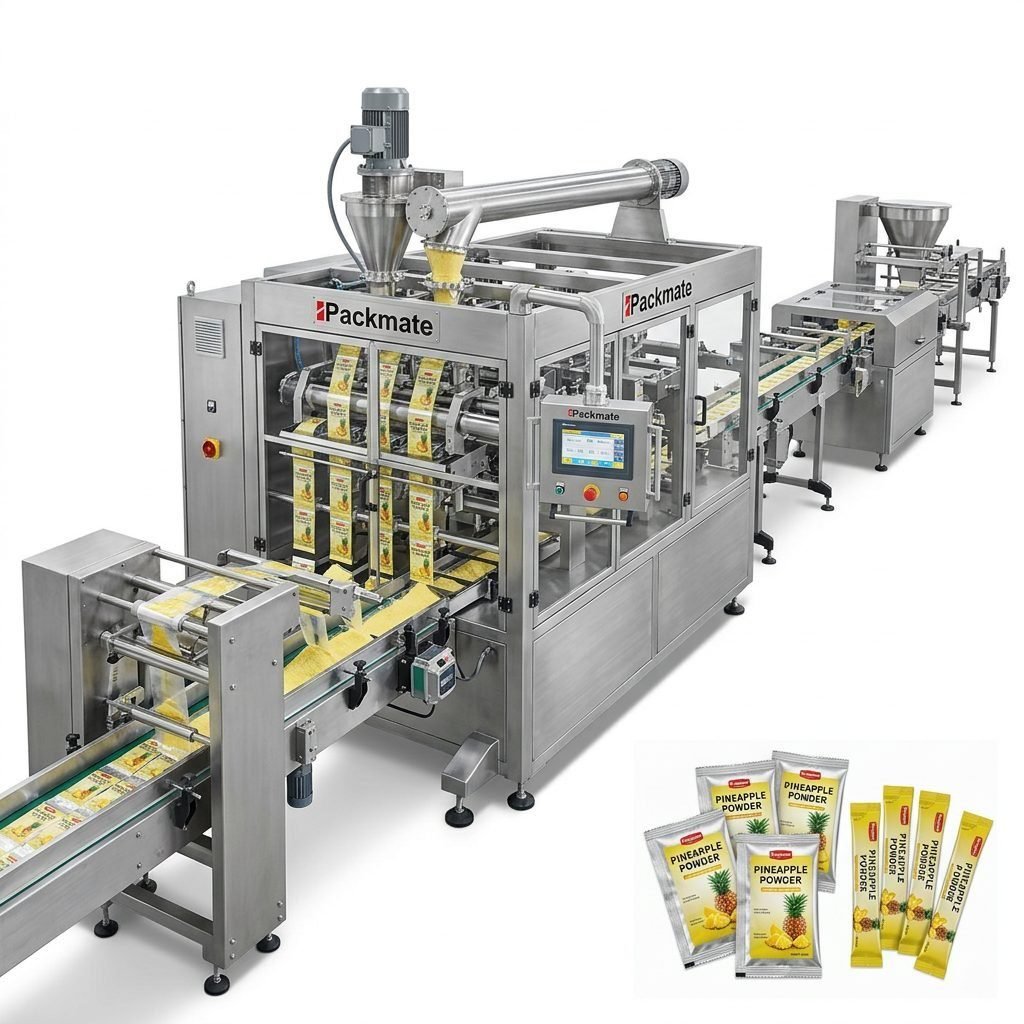
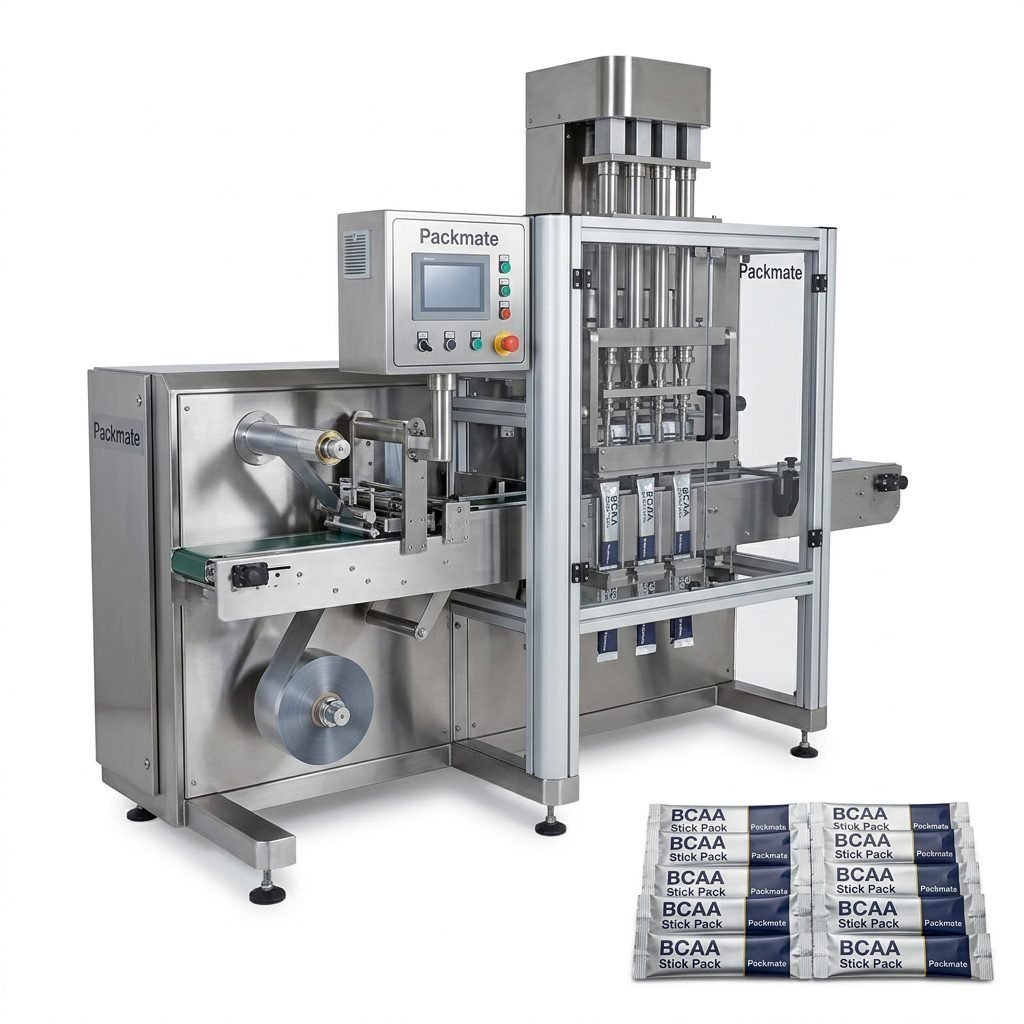
1. High-Speed Multi-Lane Stick Pack Machine
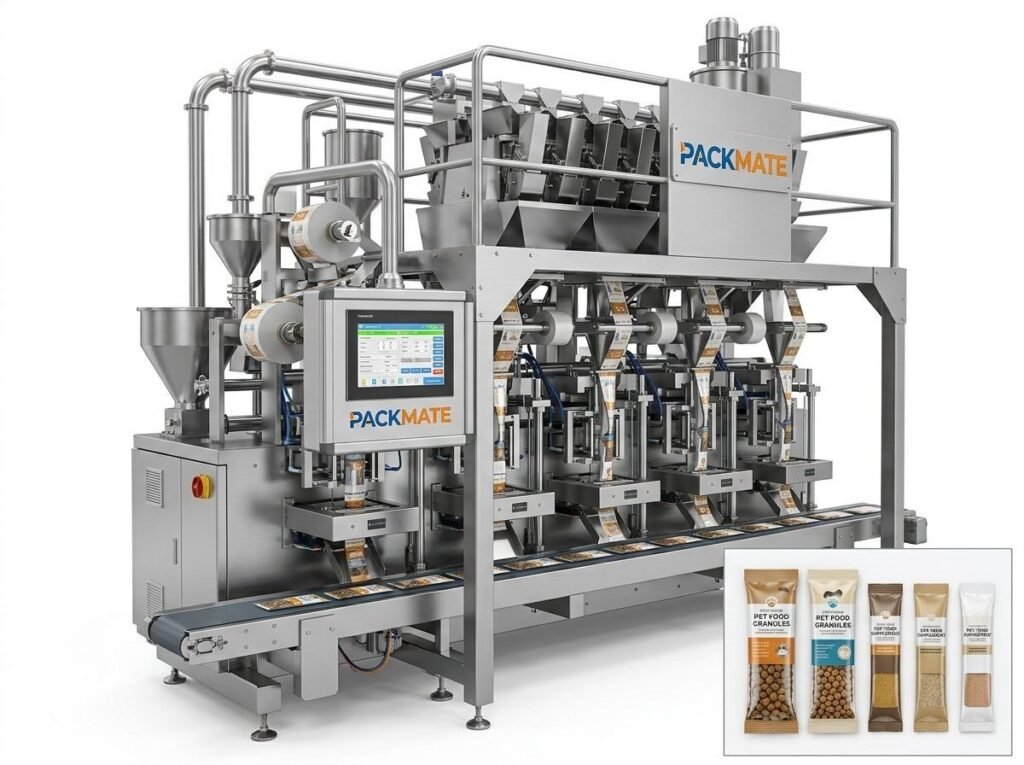
Ideal for single-serve portions of powders, supplements, or instant beverages, this machine is a powerhouse of productivity. Its ability to run multiple lanes simultaneously means it can produce thousands of stick packs per hour. Look for models with servo-driven technology for precise filling and sealing, ensuring each pack is uniform and leak-proof. The efficiency gains here are monumental, especially for products targeting on-the-go consumers who value convenience and precise dosing.
2. Fully Automatic Vertical Form-Fill-Seal (VFFS) Machine
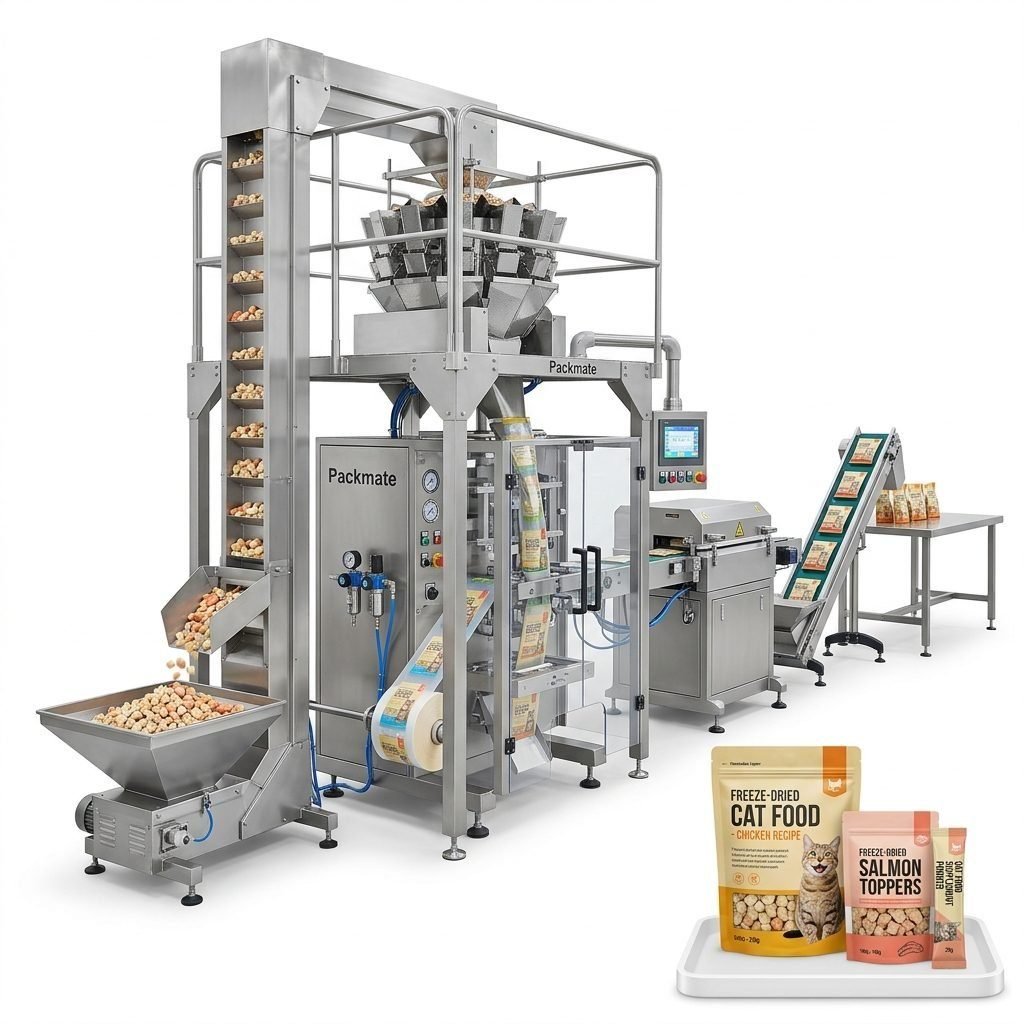
The workhorse of the packaging world, the VFFS machine forms bags from a roll of film, fills them with product, and seals them in one continuous, automated motion. Modern versions offer touch-screen PLC controls for easy operation and quick changeovers between different bag sizes and styles. For efficient production, prioritize machines with advanced weighing systems and integrated checkweighers to guarantee accuracy and reduce giveaway, a critical factor in cost control.
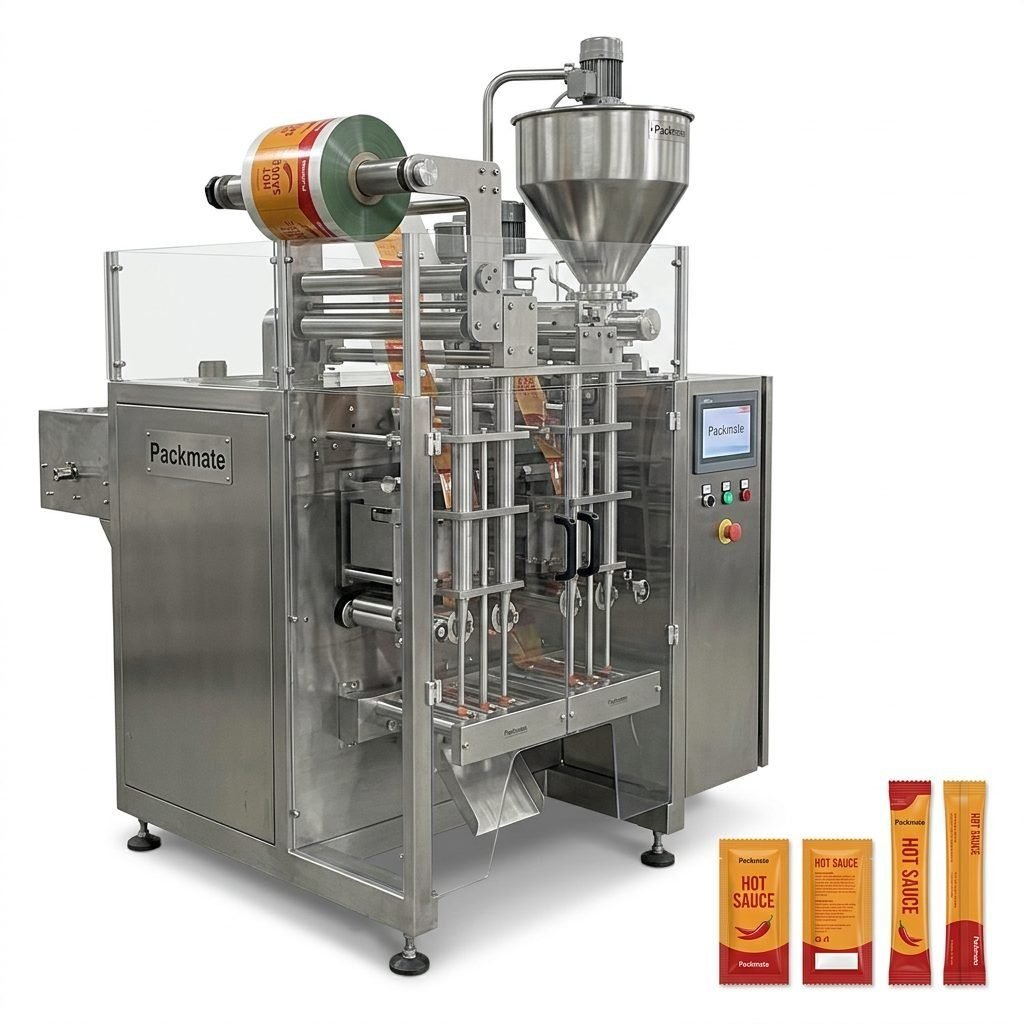
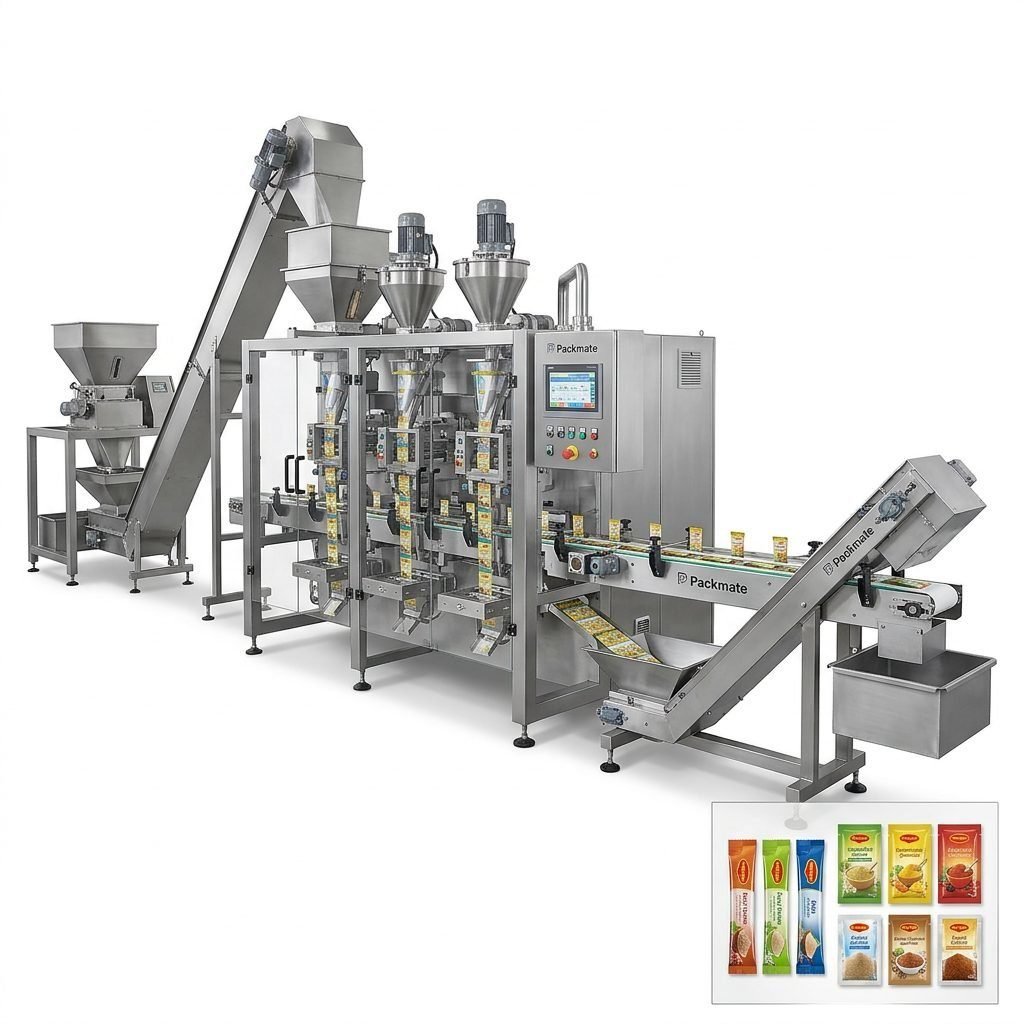
3. Intelligent Sachet Packaging Line
Perfect for sauces, condiments, cosmetics, or pharmaceutical samples, sachet machines offer versatile packaging solutions. The most efficient systems go beyond basic sealing; they incorporate vision inspection systems to detect and reject sachets with printing errors, seal defects, or incorrect fill levels. This level of automation ensures a flawless final product batch after batch, significantly reducing manual QC labor and potential recalls. Companies like Packmate Machinery specialize in such intelligent, turnkey solutions.
4. Four-Side Seal Pouch Machine
When product presentation and stability are paramount, four-side seal pouches are the answer. Machines that create these flat, block-bottom pouches are excellent for tea, coffee, dehydrated foods, and hardware items. Efficiency is achieved through rapid film indexing and precise sealing jaws that create a robust, tamper-evident package. This style of packaging not only protects the product better but also allows for superior graphic display on retail shelves.
5. Liquid Filling and Sealing Machine
Packaging liquids presents unique challenges, from viscosity variations to the risk of leakage. Efficient liquid wrapper machines feature positive displacement pumps or time-pressure fillers for accurate volumetric filling, even with foamy or non-uniform products. A critical component is the sealing system, which must maintain consistent temperature and pressure to create a hermetic seal on liquid-prone seal areas, ensuring a long shelf life and consumer safety.
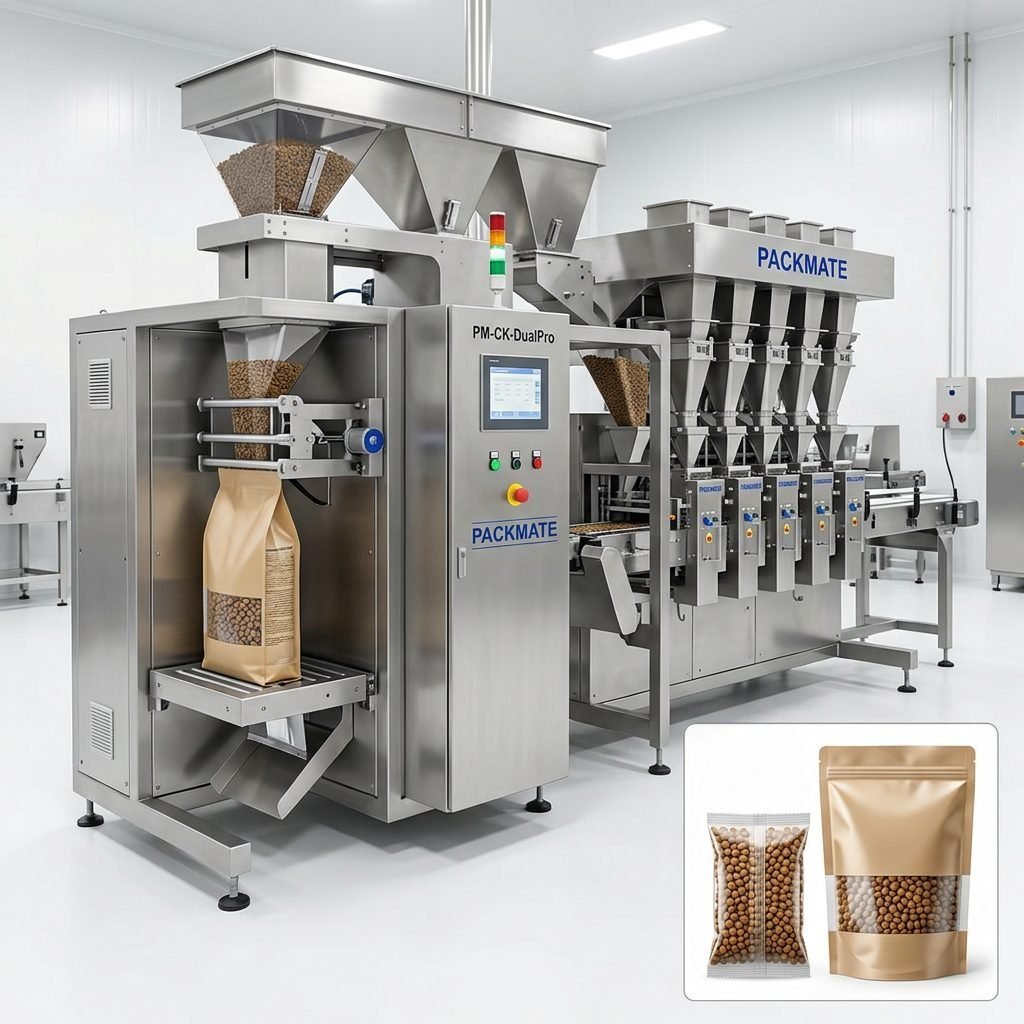
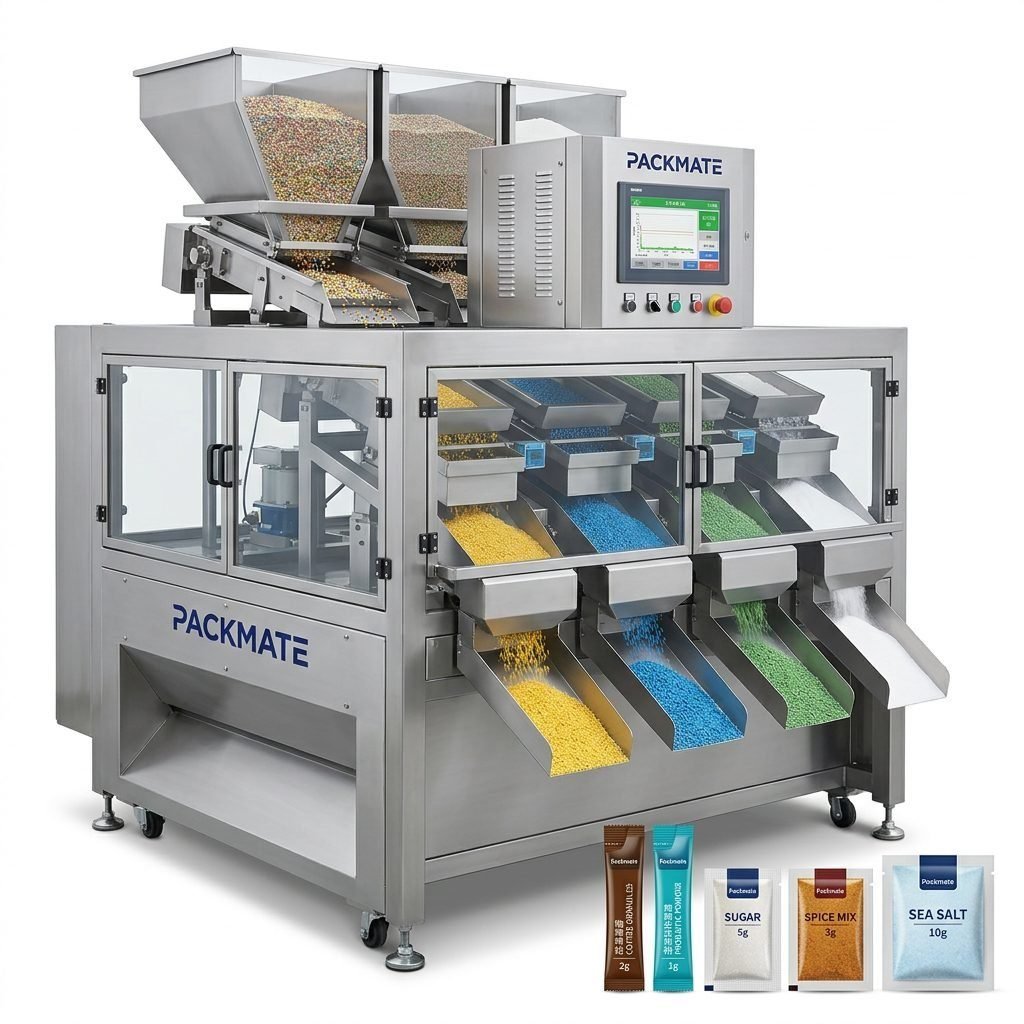
6. Granule & Powder Multi-Weighing System
For granular products like seeds, snacks, or powdered detergents, precision is key to cost-saving. Advanced wrapper machines integrate multi-head weighers that use computer-controlled combination weighing to achieve astonishing speed and accuracy. This technology calculates the optimal combination of weigh buckets to hit the target weight perfectly every time, drastically reducing overfilling. This directly translates to higher efficiency by conserving raw material and increasing the number of units produced per kilogram of product.
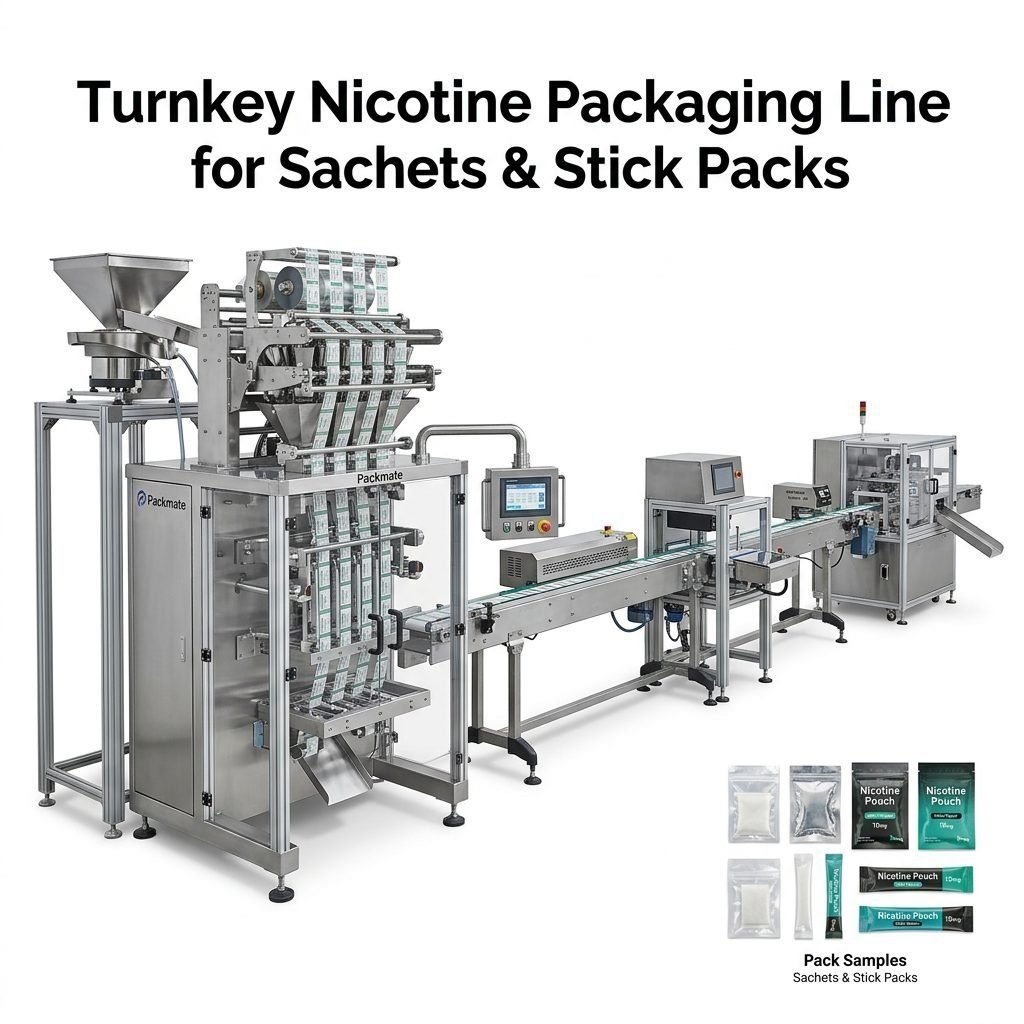
7. Snus & Nicotine Pouch Packaging Machine
Catering to a specific and growing market, these machines are engineered for the unique requirements of portioned oral tobacco and nicotine pouches. Efficiency here is defined by ultra-precise dosing of fine powder and the ability to handle delicate, moisture-sensitive non-woven fabrics. High-speed machines in this category often feature compact, hygienic designs and can include functions like moisture control and batch coding inline. Explore specialized solutions in this niche at Snus & Nicotine Packaging Machines.
8. Reclosable Zipper Pouch Machine
Consumer demand for convenience and reusability has made reclosable pouches incredibly popular. Efficient machines for this application not only form, fill, and seal but also integrate a zipper application system inline. The efficiency gain is two-fold: it eliminates a secondary processing step, and it creates a higher-value product that can command a better price point. This is ideal for products consumed over multiple sittings, like nuts, cereals, or pet food.
9. Stick Pack Machine with Gas Flushing
For products highly sensitive to oxygen, such as certain vitamins, spices, or instant coffee, inert gas flushing is essential for preserving freshness and extending shelf life. The most efficient wrapper machines incorporate a nitrogen or CO2 flushing system into the forming tube, displacing oxygen just before the final seal is made. This advanced feature protects product quality without sacrificing the high-speed output that stick pack machines are known for, making it a critical investment for premium goods.
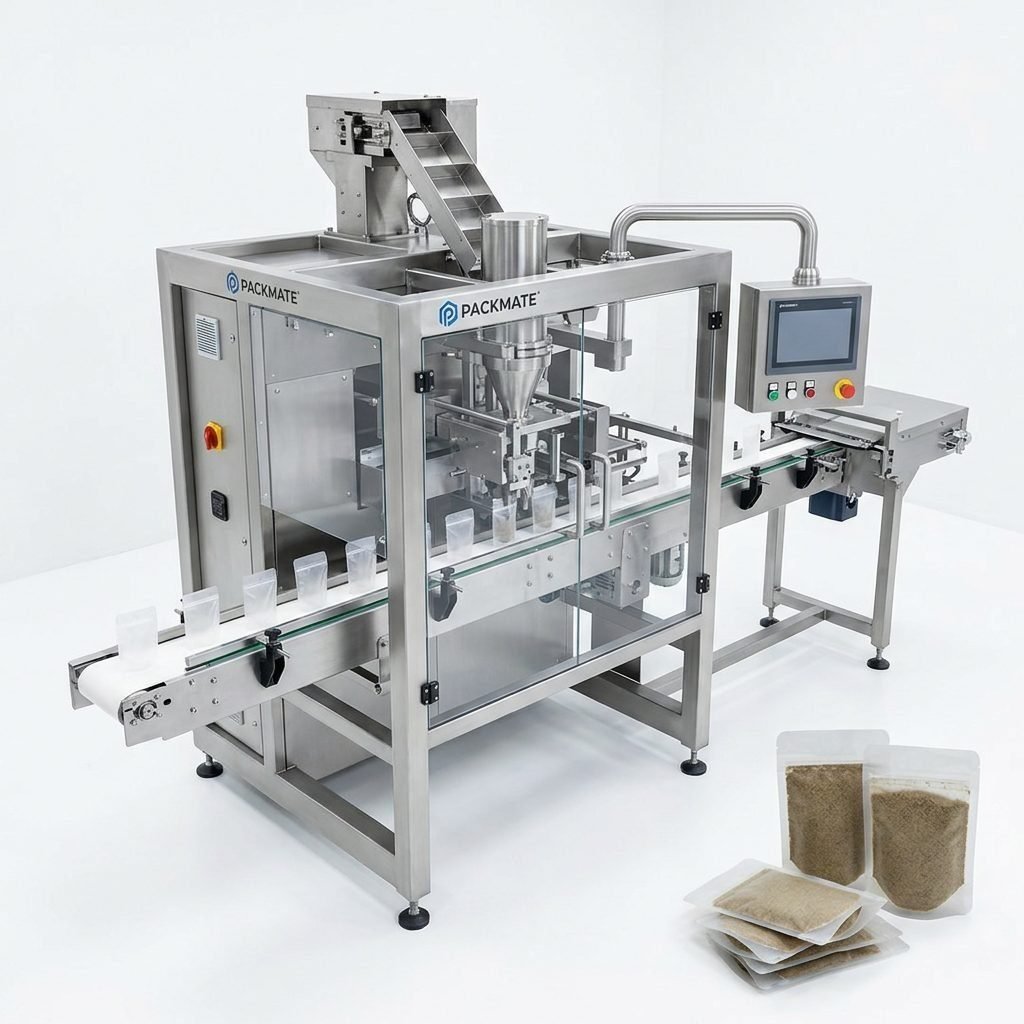
10. Compact & Modular Tabletop Wrapper
Not all efficiency is about sheer volume. For R&D departments, small-batch producers, or businesses with space constraints, a compact, modular tabletop wrapper is the epitome of operational efficiency. These machines offer surprising versatility and ease of use with quick cleanup and changeover. They allow for low-volume production, pilot runs, or contract packaging with minimal capital investment and floor space, proving that efficiency can also be measured in flexibility and low overhead.
Key Features for Maximizing Production Efficiency
Beyond the machine type, specific features are non-negotiable for a truly efficient production line. Servo Motor Technology has revolutionized packaging, offering quieter operation, higher precision, and significantly reduced maintenance compared to traditional mechanical systems. A user-friendly Human-Machine Interface (HMI) with recipe storage allows operators to switch between products in minutes, minimizing downtime. Furthermore, robust after-sales service and parts availability from the manufacturer are crucial for maintaining long-term efficiency, preventing prolonged stoppages. Partnering with an experienced manufacturer with a proven track record, such as one detailed in this Company Profile, mitigates this risk.
Ultimately, the “best” wrapper packaging machine is the one that aligns perfectly with your specific product characteristics, required output, and business goals. Investing in a machine with the right combination of speed, accuracy, and reliability from a reputable supplier is an investment in your company’s productive future. By focusing on these efficient technologies, you can streamline operations, enhance product quality, and strengthen your competitive edge in the market.
Frequently Asked Questions (FAQs)
What is the main difference between a sachet and a stick pack machine?
The primary difference lies in the final package shape and typical application. Sachet machines generally produce small, flat, rectangular or square pouches, often used for liquids, gels, or single-use powders like ketchup or shampoo. Stick pack machines create long, narrow, cylindrical packs ideal for free-flowing powders like instant coffee, sugar, or protein supplements, as the shape facilitates easier pouring.
How can I ensure my wrapper machine maintains efficiency over time?
Regular preventive maintenance is key. This includes daily cleaning to prevent product buildup, periodic lubrication of moving parts as per the manual, and regular inspection/calibration of critical components like the weighing system, seals, and sensors. Using high-quality, recommended packaging film also prevents jams and ensures consistent seal integrity.
What should I consider when choosing between a single-lane and a multi-lane machine?
Your required output (packs per hour) is the deciding factor. Single-lane machines are more affordable and suitable for lower-volume production or frequent product changeovers. Multi-lane machines represent a higher initial investment but produce significantly more output in the same footprint, offering a lower cost-per-unit for high-volume runs, making them more efficient for large-scale production.
Can one wrapper machine handle different types of products?
Many modern wrapper machines are designed with versatility in mind. With features like quick-change forming tubes, adjustable sealing jaws, and programmable recipes, a single machine can often handle a range of products with similar physical characteristics (e.g., different granule sizes). However, switching between vastly different formats (e.g., from powders to liquids) typically requires more extensive reconfiguration or different machine models.
Why is servo-drive technology considered more efficient?
Servo motors provide digital, programmable control over motion. This allows for smoother acceleration/deceleration, more precise positioning of film and product, and the elimination of many mechanical parts like cams and gears that wear out. The results include higher accuracy, faster changeovers, reduced mechanical wear and tear (lower maintenance), and overall energy savings, contributing to greater long-term operational efficiency.