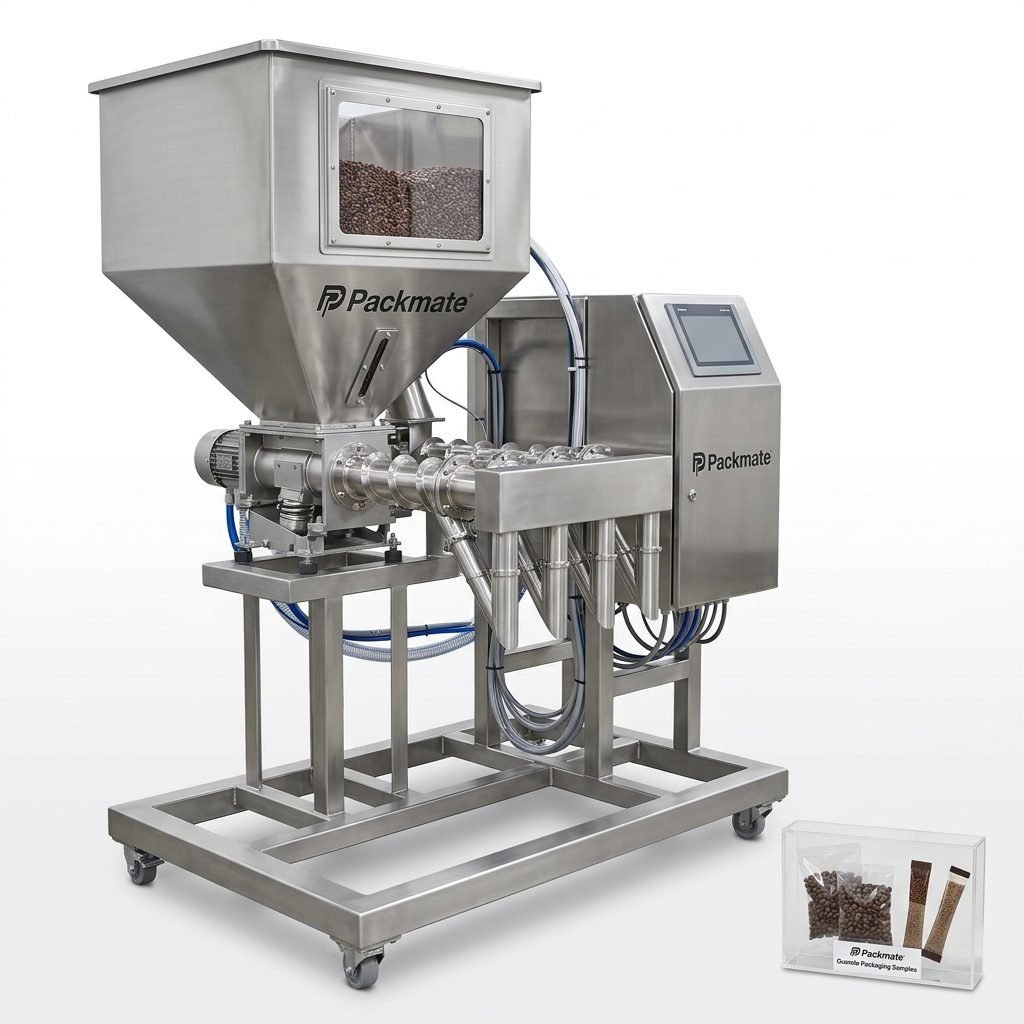
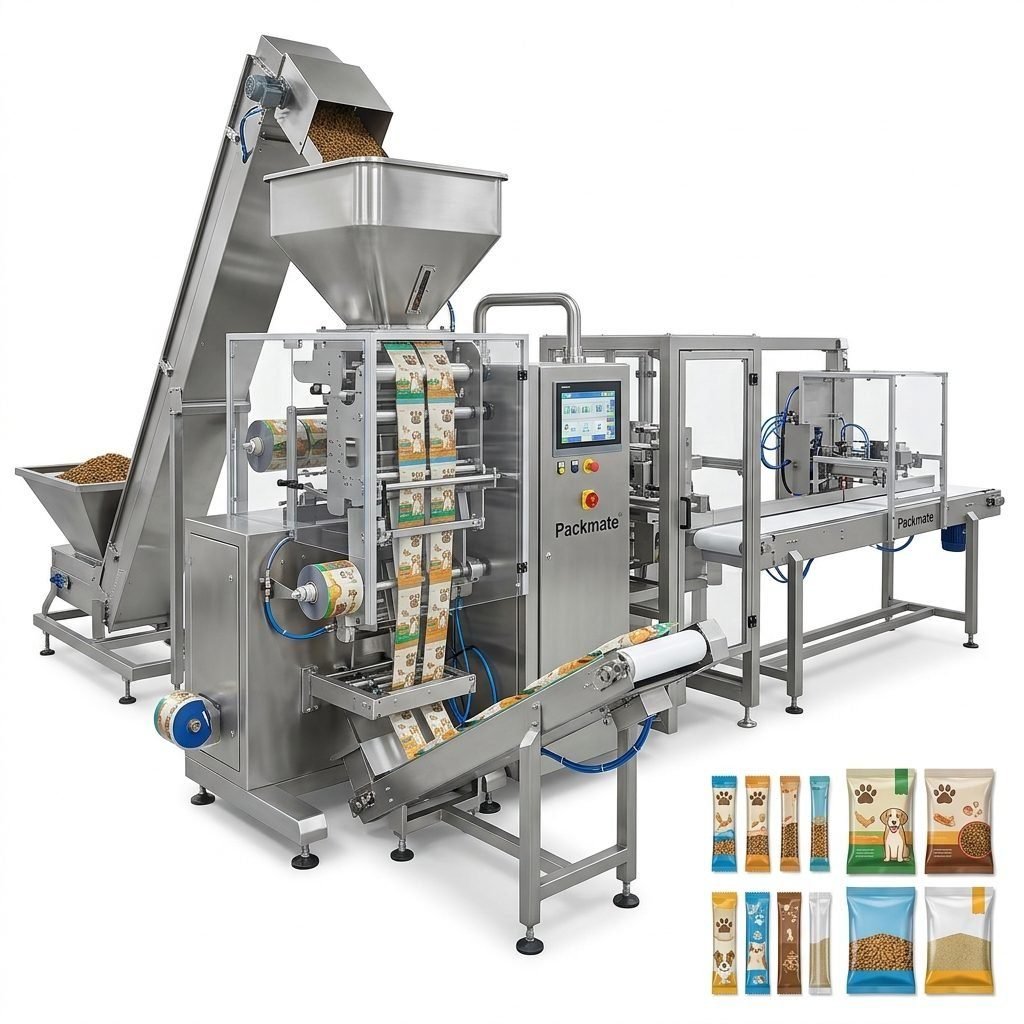
In the competitive world of food production, presentation and preservation are paramount. For cookie manufacturers, the final step of packaging is not merely about containment; it’s a critical component of brand identity, product protection, and operational efficiency. Choosing the right cookies packaging machine is a significant investment that can streamline your production line, reduce waste, and ensure your delicious products reach consumers in perfect condition. This comprehensive guide will walk you through the different types of packaging machines available, their specific uses, and essential tips for making an informed purchase decision.
Understanding the Different Types of Cookies Packaging Machines
The packaging process for cookies can vary greatly depending on the product type, batch size, and desired final presentation. Here, we break down the primary categories of machinery used in the industry.
Vertical Form Fill Seal (VFFS) Machines
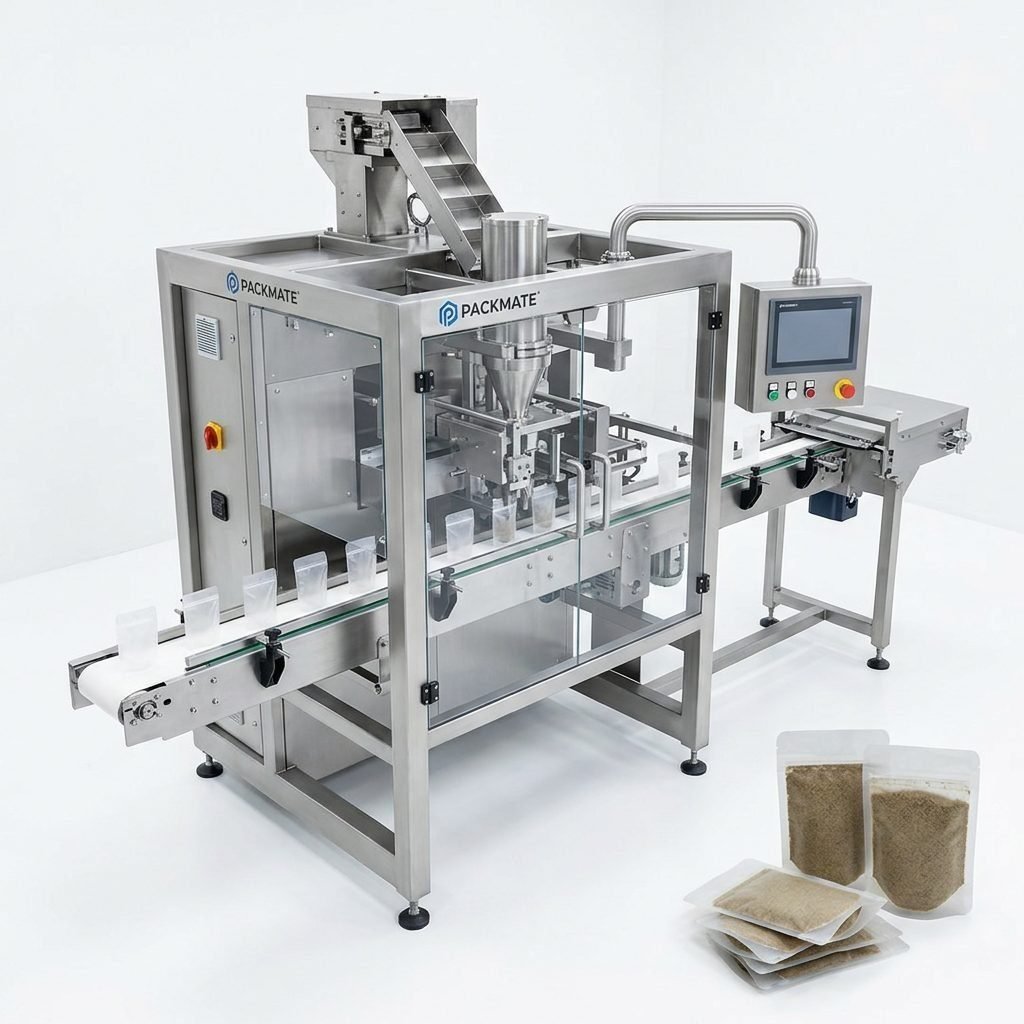
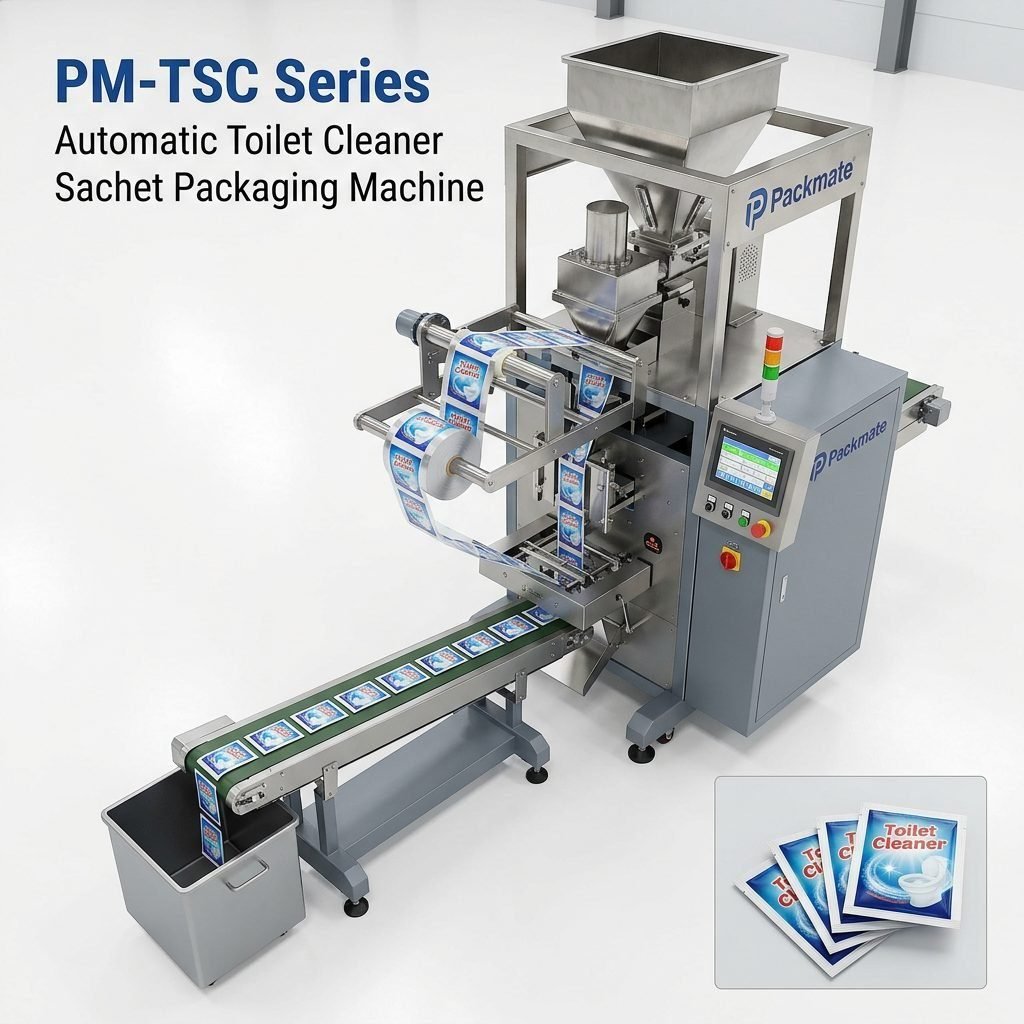
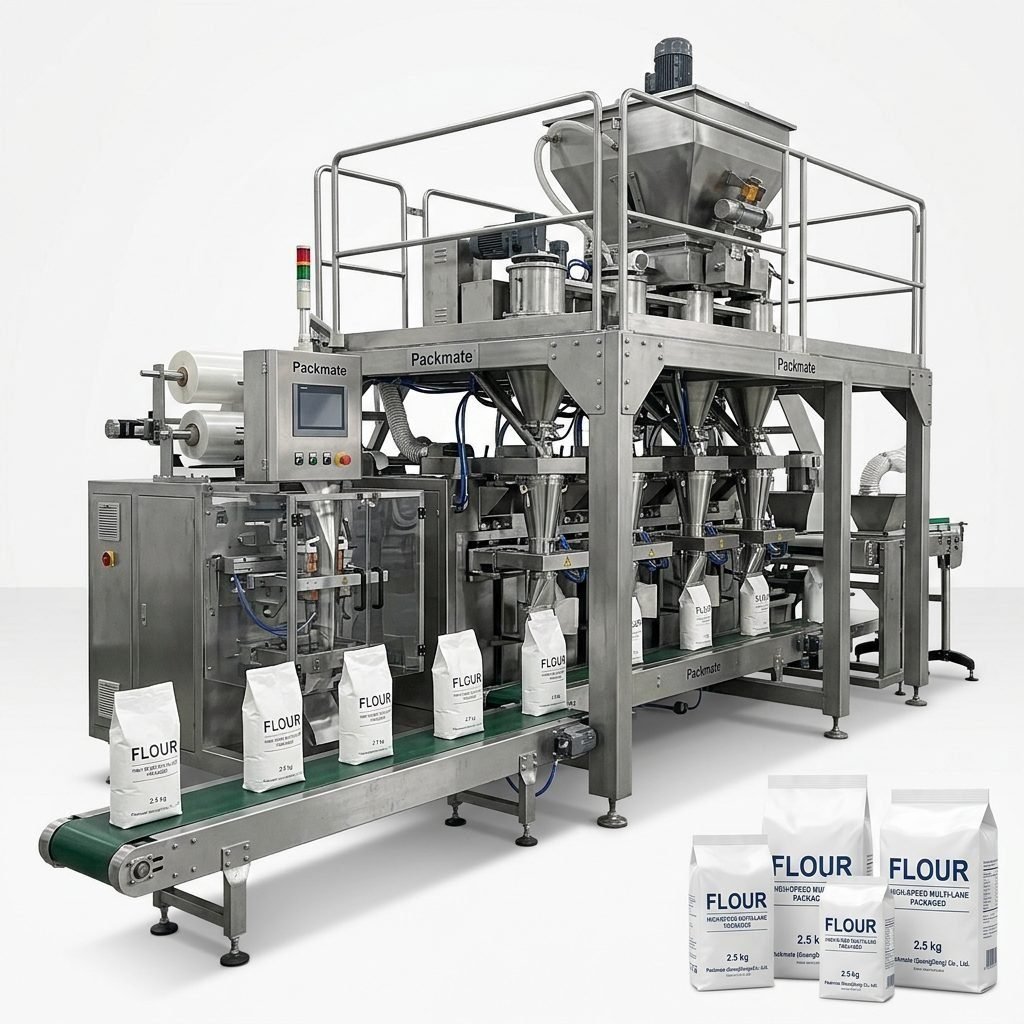
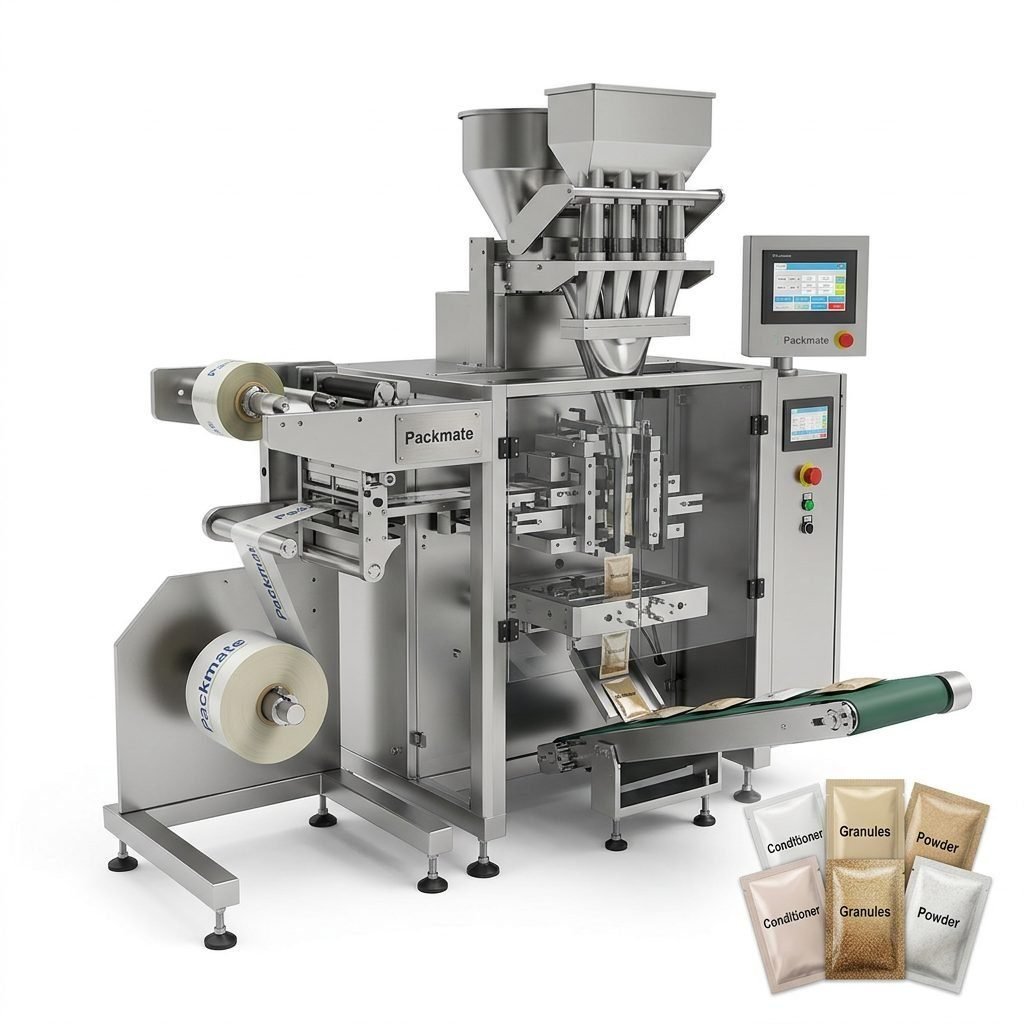
These are among the most versatile and commonly used machines in food packaging. A VFFS machine forms a bag from a roll of flat packaging film, fills it with a pre-measured amount of product, and then seals it. For cookies, this is ideal for loose-pack items like sandwich cookies, biscotti, or cookie bites. They offer high-speed operation and are excellent for creating pillow bags or gusseted bags that can stand on shelves.
Horizontal Flow Wrappers
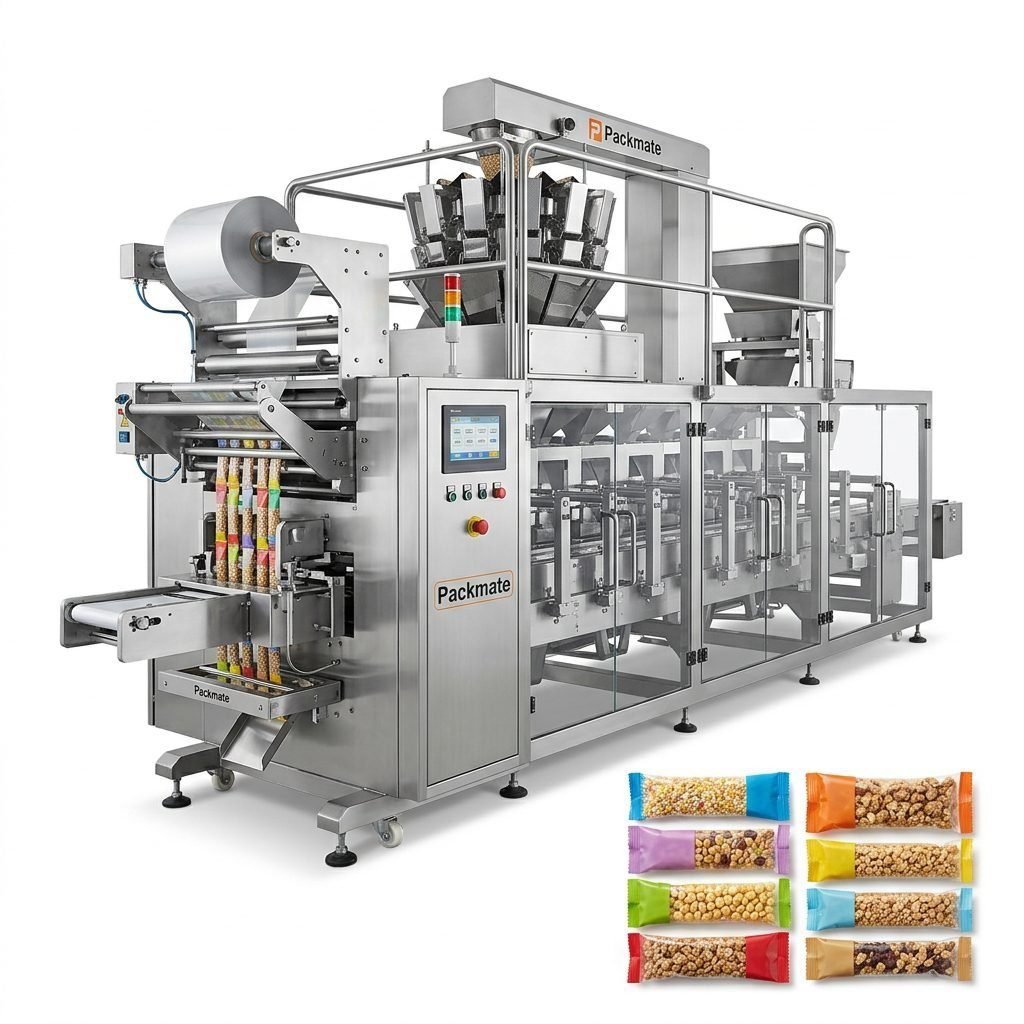
When you think of individually wrapped cookies or packs of two, you’re likely thinking of a product packaged by a horizontal flow wrapper. This machine uses a single sheet of film to wrap around the product, creating tight, secure seals at the ends. It’s perfect for maintaining freshness and providing a tamper-evident seal for delicate or premium cookies. The sleek, professional finish is a hallmark of many major brands.
Tray Sealing and Thermoforming Machines
For premium cookie assortments, gift packs, or products that require extra protection from breakage, tray sealing is the go-to method. These machines either form a plastic tray or use a pre-made one, place the cookies inside, and seal a lidding film over the top. This method offers superior product visibility and excellent physical protection, making it ideal for butter cookies, shortbread, and other fragile varieties.
Cartoning Machines
After cookies are bagged or wrapped, they often need to be placed into a cardboard carton for retail sale. Automatic cartoning machines erect, load, and close cartons at high speeds. This is a crucial step for creating the final shelf-ready package that consumers recognize. Integration with upstream bagging machines creates a seamless, automated line.
Key Uses and Benefits in Cookie Production
Implementing automated packaging machinery goes beyond just putting cookies in a bag. It delivers tangible benefits across your entire operation.
Extended Shelf Life and Freshness: Modern machines can integrate nitrogen flushing or vacuum sealing capabilities. By displacing oxygen inside the package, they dramatically slow down staleness and rancidity, ensuring your cookies taste as fresh on the last day as they did on the first.
Brand Consistency and Appeal: Automated machines provide a uniform, professional-looking package every time. Consistent seal quality, precise labeling, and neat presentation strengthen your brand’s image on crowded store shelves. Customization options for film and bag shapes allow for unique, eye-catching designs.
Operational Efficiency and Cost Savings: Automation drastically increases output while reducing labor costs and human error. Precise weighing and filling minimize product giveaway, saving significant material costs over time. A reliable machine from a seasoned manufacturer like Packmate Machinery ensures minimal downtime and consistent throughput.
Hygiene and Safety: Closed automated systems limit human contact with the product, which is essential for meeting stringent food safety standards like HACCP, ISO 22000, or FDA regulations. This is a critical consideration for any food production facility.
Essential Buying Tips for Your Packaging Machine
Selecting the right equipment requires careful analysis of your current and future needs. Rushing this decision can lead to costly inefficiencies.
1. Precisely Define Your Product and Output Needs
Start with the basics: What type of cookies are you packaging? What are their dimensions, weight, and fragility? More importantly, determine your required production speed in packs per minute (PPM). Are you a small bakery looking for a semi-automatic machine, or a large plant needing a fully integrated filling and packaging line? Your answers will immediately narrow down the field.
2. Choose the Right Packaging Material
The machine and the material are a paired system. Consider the barrier properties needed (moisture, oxygen, light), the print quality for your branding, and sustainability goals (e.g., recyclable or compostable films). Ensure the machine you choose is compatible with your desired material, whether it’s polypropylene, polyethylene, or laminates.
3. Prioritize Flexibility and Changeover Ease
If you produce multiple cookie varieties or package sizes, quick changeover capability is non-negotiable. Look for machines with tool-less adjustments, digital recall for settings, and easy-access parts. This minimizes downtime when switching between products, maximizing your overall equipment effectiveness (OEE).
4. Evaluate the Manufacturer’s Reputation and Support
This may be the most critical tip. A machine is a long-term investment. Research the manufacturer’s history, expertise, and client testimonials. A company with deep experience, like Packmate Machinery with over 30 years in the industry, brings invaluable knowledge to the table. Crucially, assess their after-sales service: availability of spare parts, technical support, training, and warranty terms. Global support is vital if your operations are international.
5. Consider Integration and Future Expansion
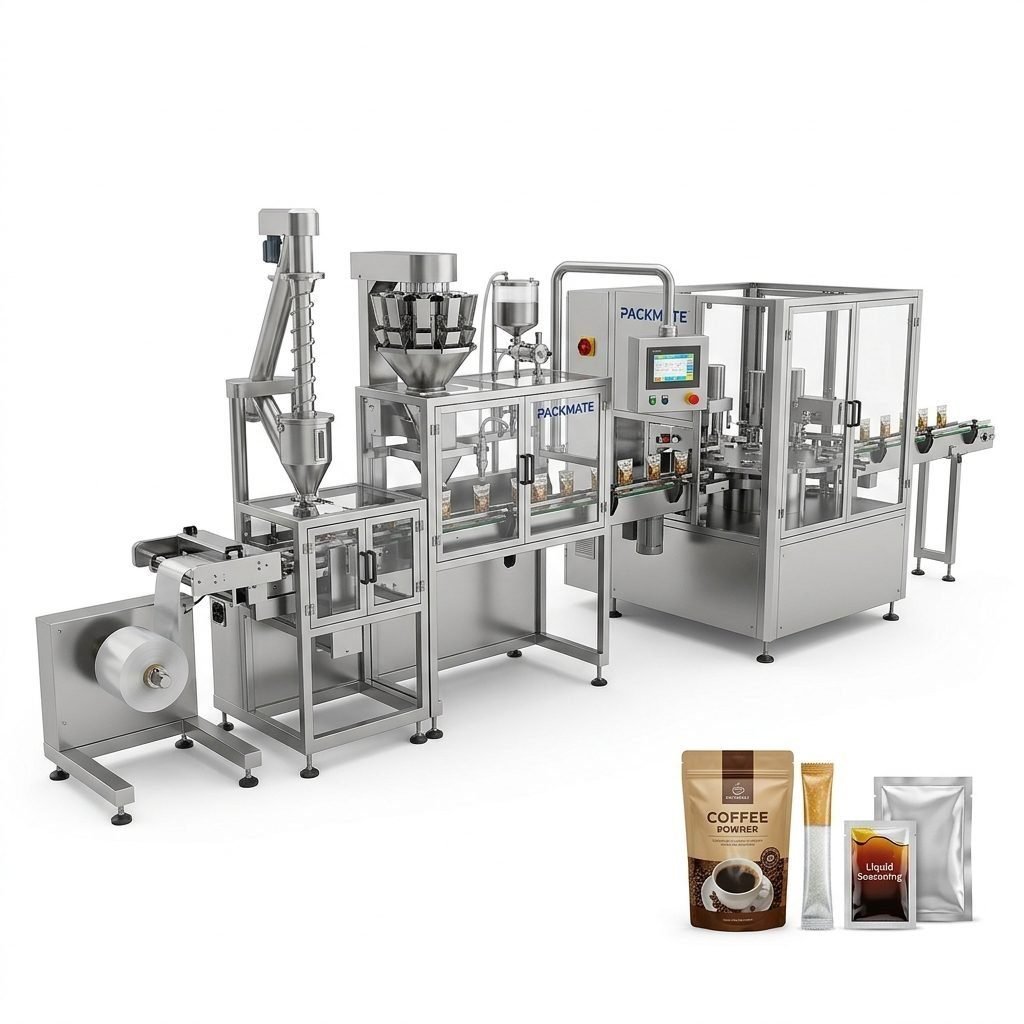
Think beyond the single machine. Will it need to integrate with existing checkweighers, metal detectors, or cartoners? Choose a supplier who can provide or advise on a complete weighing and packaging system. Furthermore, consider your growth plans. Selecting a modular machine or a manufacturer with a broad portfolio makes future line expansions much simpler and more cost-effective.
6. Request a Live Demonstration or Pilot Test
Never buy based on specifications alone. Insist on seeing the machine run, preferably with a product similar to your own cookies. A live demo or a small pilot production run will reveal the machine’s true performance, ease of operation, and final package quality. It’s the best way to validate your choice.
Conclusion: Packaging as a Strategic Advantage
In today’s market, your cookie packaging is a silent salesman. The right packaging machine is the engine that drives consistent quality, operational efficiency, and brand strength. By thoroughly understanding the types of machines available, aligning them with your specific product needs, and partnering with a reputable and supportive manufacturer, you can transform your packaging line from a cost center into a competitive advantage. Investing time in the selection process ensures your equipment will deliver reliability, adaptability, and a superb final product for years to come.
Frequently Asked Questions (FAQs)
What is the average speed of a cookie packaging machine?
Speeds vary widely by machine type. Horizontal flow wrappers for individual bars can reach 200+ packs per minute, while VFFS machines for bulk bags may run at 60-120 bags per minute. The key is to match the machine’s speed to your overall production line capacity.
Can one machine handle different cookie shapes and sizes?
Yes, many modern machines are designed for flexibility. However, the ease and speed of changeover differ. Look for machines with quick-change parts and digital recipe storage to minimize downtime when switching products.
How important is nitrogen flushing for cookie packaging?
Extremely important for products with high fat content (like butter cookies) or those prone to staleness. Nitrogen flushing displaces oxygen, which is the primary cause of oxidation and rancidity, significantly extending shelf life and preserving flavor.
What kind of maintenance do these machines require?
Regular preventative maintenance is crucial. This typically includes daily cleaning, lubrication of moving parts as specified by the manufacturer, and periodic inspection of seals, cutters, and sensors. A good supplier will provide a detailed maintenance schedule and training.
Where can I see examples of successful packaging lines for cookies?
Reviewing real-world applications is highly valuable. You can explore various packaging case studies from equipment suppliers to see how different lines are configured for specific cookie products and outputs.