Sealed air packaging machines are essential equipment for preserving product freshness, extending shelf life, and protecting items during transit. This guide explores the various types, their specific applications, and crucial factors to consider when purchasing one for your business.
Understanding Sealed Air Packaging Machines
At their core, sealed air packaging machines create a protective environment by removing air from a package and replacing it with a specific gas mixture, usually nitrogen or a combination of gases. This process, known as Modified Atmosphere Packaging (MAP), significantly slows down oxidation and microbial growth. The primary function is to maintain the quality, texture, and taste of products, ranging from perishable foods to sensitive electronic components.
Key Benefit: The most significant advantage is the dramatic extension of a product’s shelf life. For food items, this can reduce spoilage waste by up to 50-70%, while for non-food items, it prevents corrosion and degradation caused by atmospheric oxygen and moisture.
Primary Types of Sealed Air Packaging Machines
The market offers several machine types, each suited to different production scales and packaging formats. Choosing the right one depends on your volume, product type, and desired package style.
1. Chamber Vacuum Sealers
These are versatile workhorses, ideal for small to medium-scale operations. The product is placed inside a sealed chamber; air is evacuated, and the bag is sealed. They are perfect for packaging irregularly shaped items, liquids, powders, and soft products without crushing them. They are commonly used in butchery, fish processing, and specialty food packaging.
2. External (Suction) Vacuum Sealers
Also known as nozzle-type sealers, these machines extract air through a nozzle inserted into the bag. They are typically used for larger, bulkier items or pre-made bags. While generally faster for single bags than chamber sealers, they are less effective at removing air from around irregular shapes and are not suitable for liquids. They are often found in warehouses for protecting industrial parts or large foodservice portions.
3. Thermoforming Packaging Machines
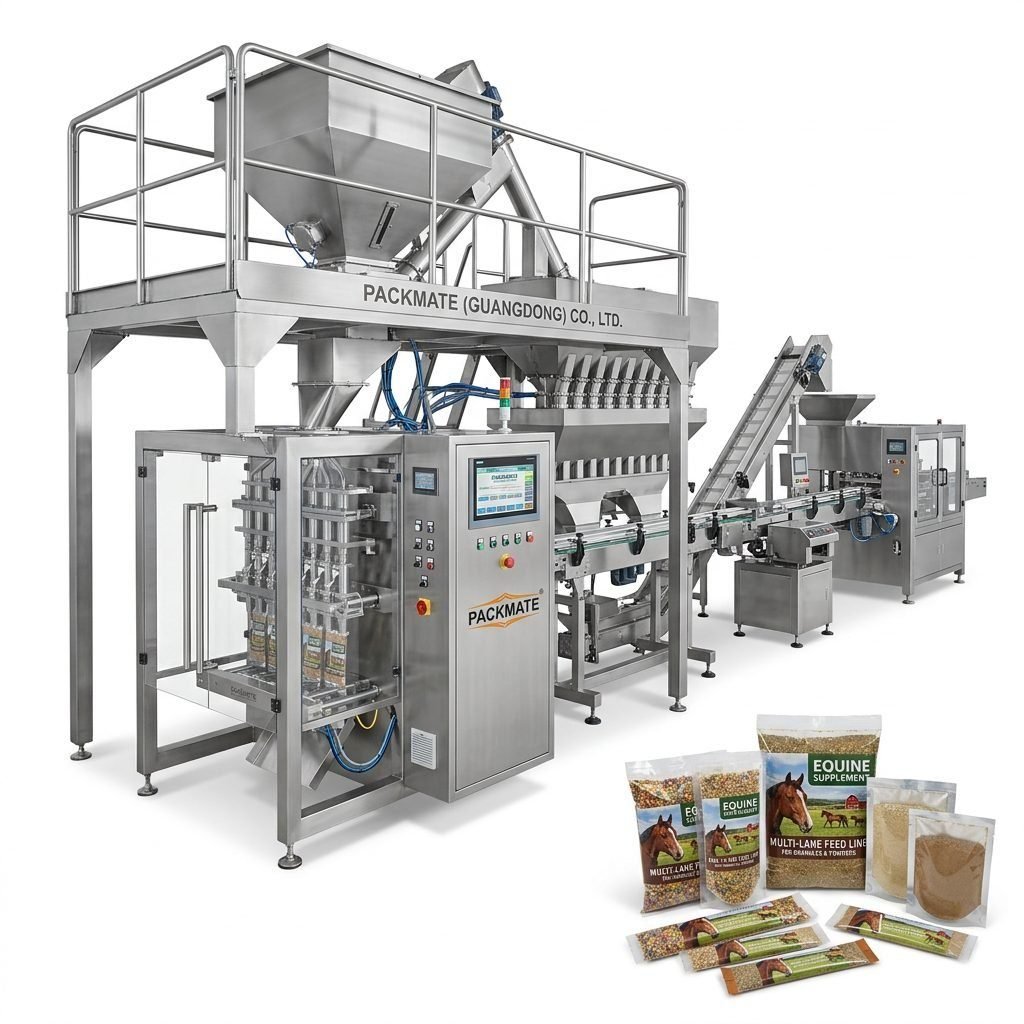
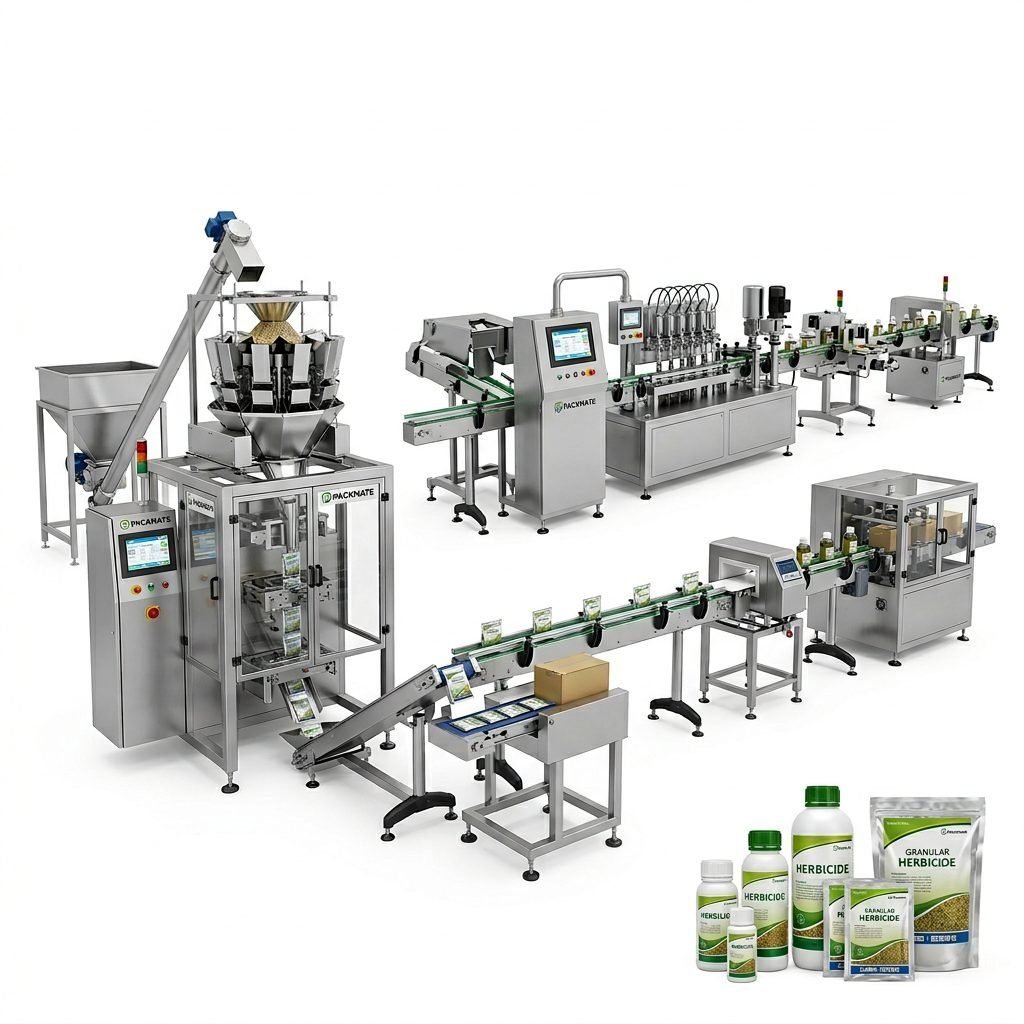
This is a high-output, automated solution for medium to large-scale production. The machine forms the packaging tray from a roll of plastic film, places the product inside, evacuates the air, injects the gas mix, and seals a lidding film on top. This creates a rigid, attractive, and highly protective package commonly seen for fresh meats, cheeses, and prepared meals in supermarkets. For businesses looking to scale, exploring integrated filling & packaging lines can be a logical next step.
4. Tray Sealing Machines
Similar to thermoformers but designed for pre-formed trays or containers. Products are manually or automatically loaded into ready-made trays, which then pass through a sealing station where air is evacuated, gas is flushed, and a film is heat-sealed onto the rim. This method is highly flexible for various container shapes and sizes and is widely used for salads, fruits, and ready-to-eat meals.
Choosing Between Thermoforming and Tray Sealing
Thermoforming is best for high-volume, uniform products where package customization is desired. It has lower per-unit material costs but higher initial machine investment.
Tray Sealing offers greater flexibility for different pre-made container types and is often easier to integrate into existing lines with manual loading. The per-package cost is typically higher due to the pre-formed tray.
Critical Applications Across Industries
The use of sealed air packaging extends far beyond just keeping food fresh. Its protective qualities are leveraged in numerous sectors.
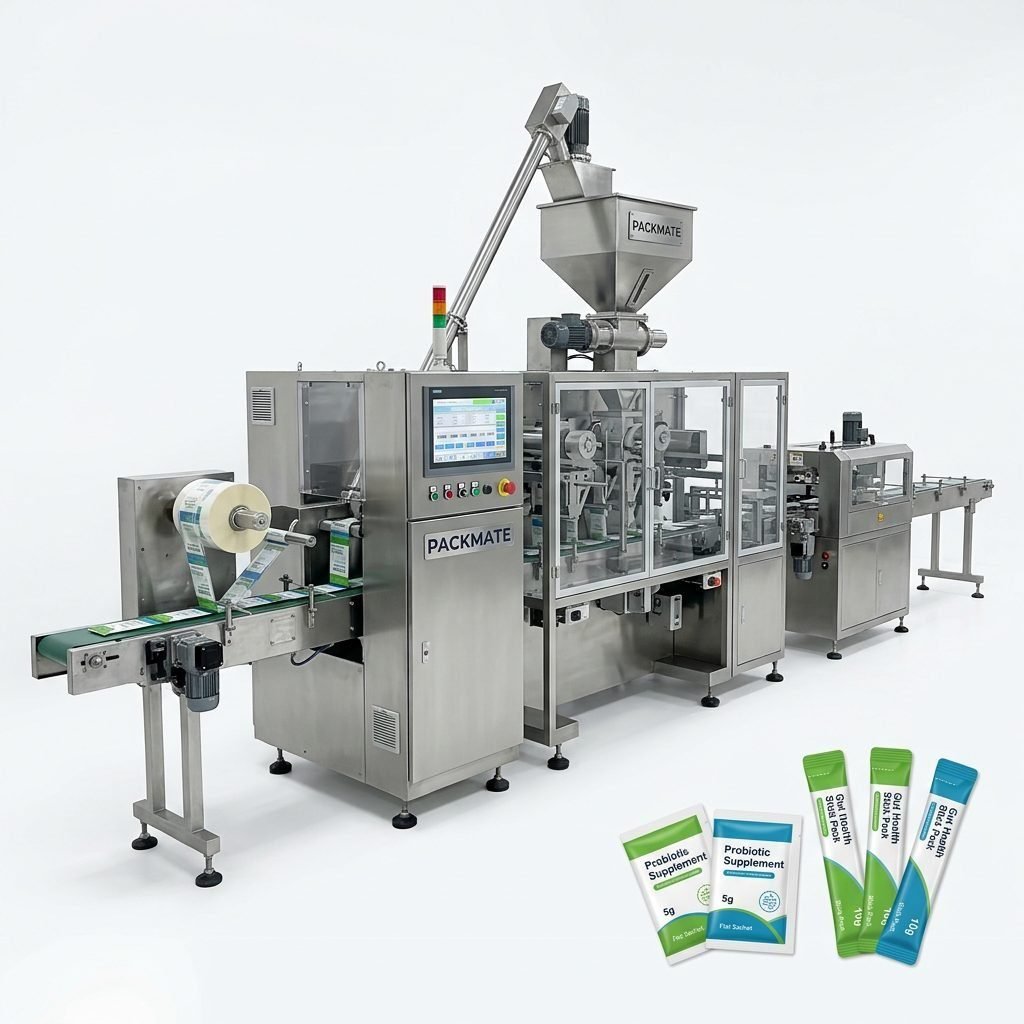
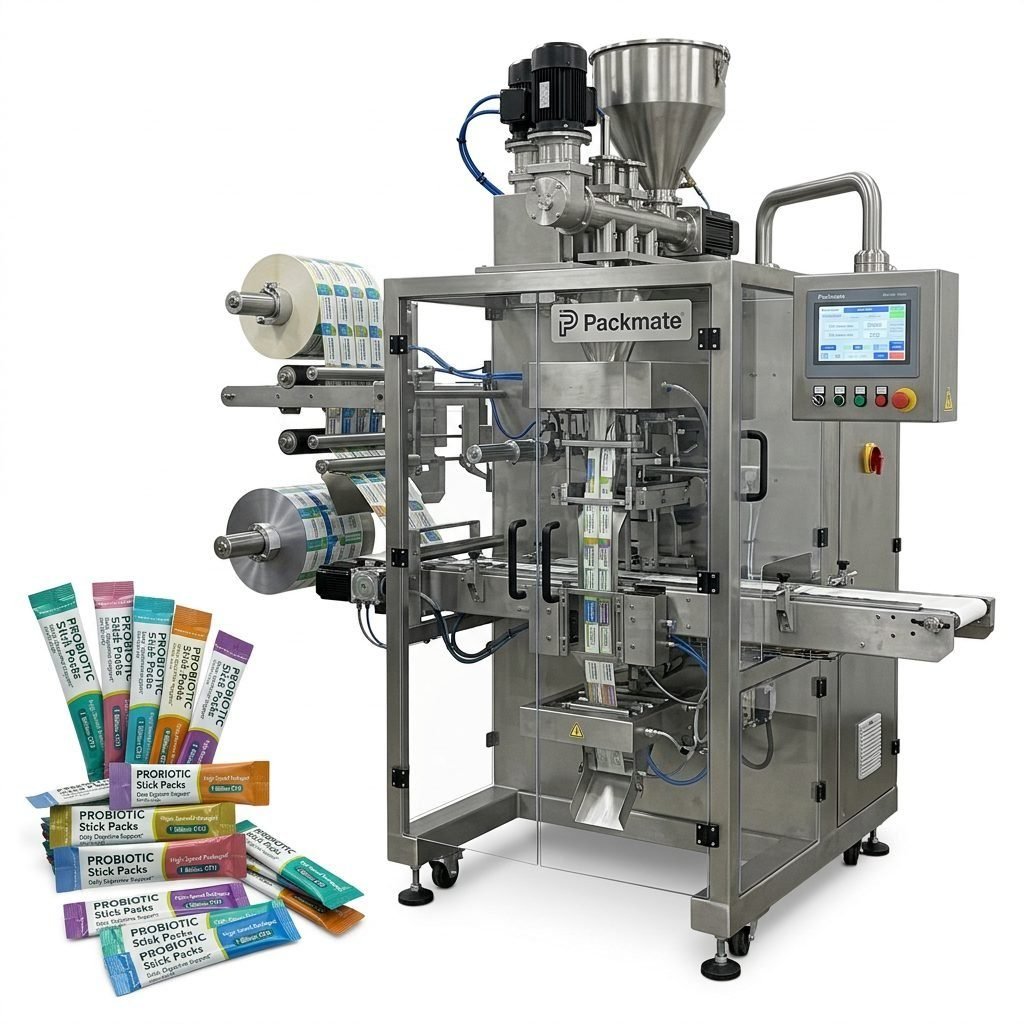
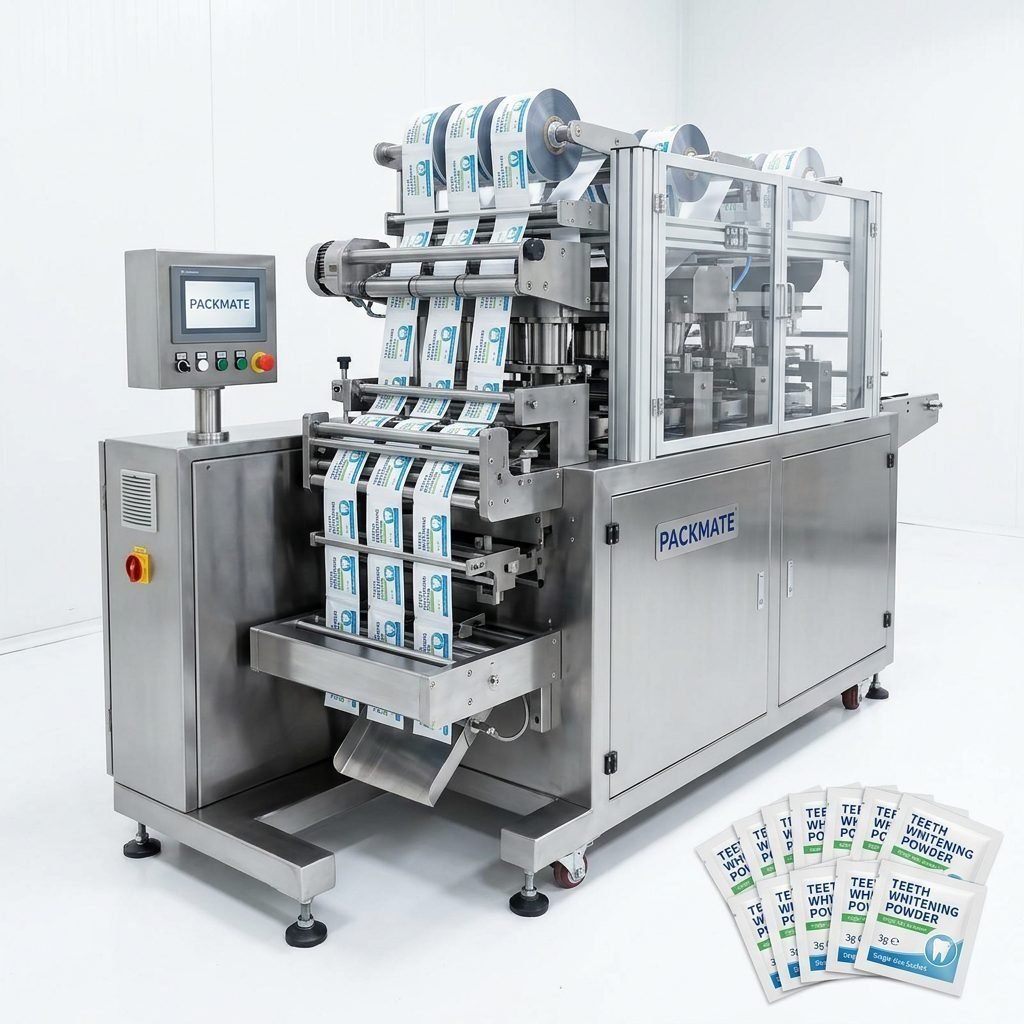
Food & Beverage: This is the largest application area. It preserves freshness in red meats (giving them a bright red color), prevents sogginess in baked goods and snacks, and stops oxidation in coffee and nuts. For granular or powdered food products, specialized sachet & stick pack machines can incorporate gas flushing for single-serve portions.
Pharmaceuticals & Medical: Sterility and stability are paramount. Sealed air packaging protects hygroscopic (moisture-absorbing) drugs, medical devices, and diagnostic kits from moisture and oxygen, ensuring efficacy and safety throughout their shelf life.
Electronics & Precision Parts: Sensitive electronic components, circuit boards, and metal parts are protected from corrosion (oxidization) and fungal growth caused by humidity during storage and shipping.
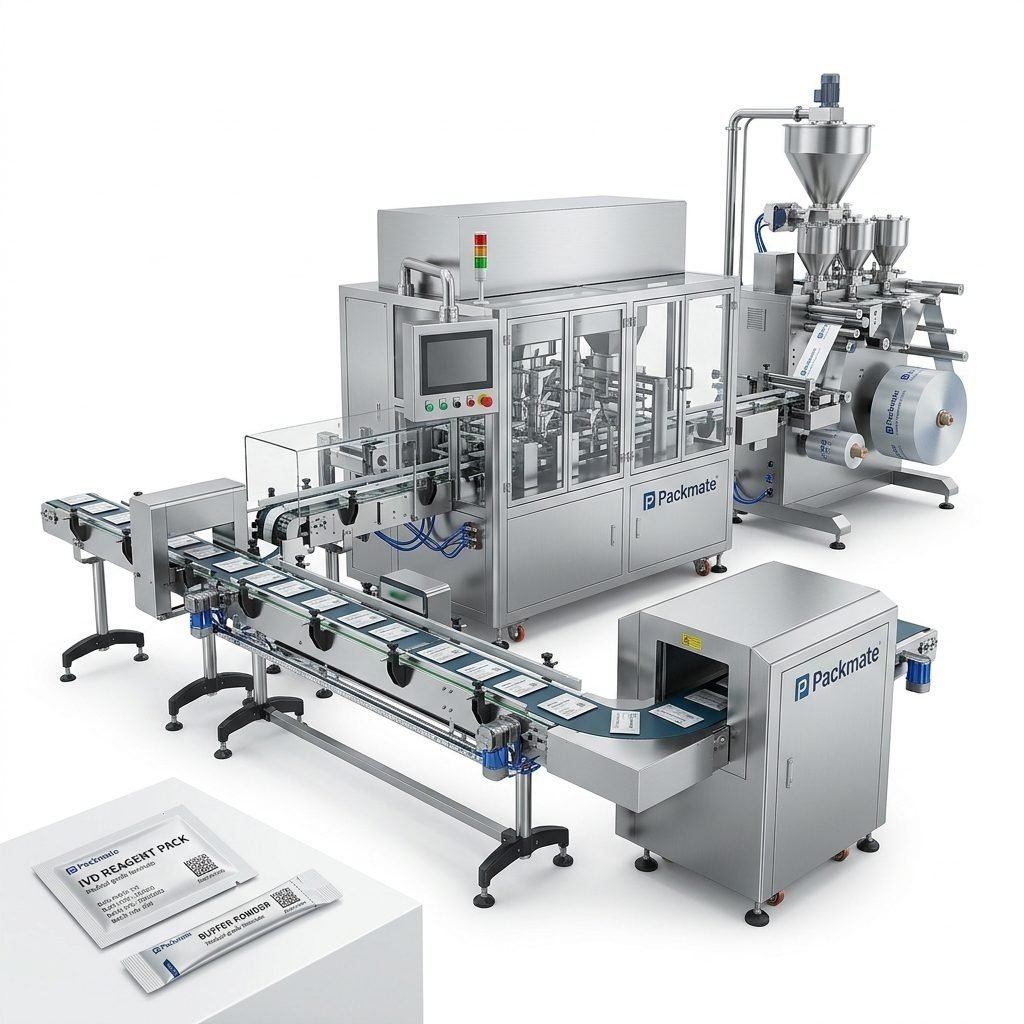
Chemicals & Industrial Products: Certain chemicals can degrade or clump when exposed to air. MAP packaging maintains the free-flowing quality and chemical integrity of products like specialty powders, dyes, and reagents.
Essential Buying Tips for Your Business
Investing in a sealed air packaging machine is a significant decision. Here are the key factors to evaluate to ensure you select the right equipment.
1. Assess Your Production Needs
Start by quantifying your current and projected future output. Consider speed (packages per minute), bag/chamber size, and the nature of your product (solid, liquid, powdery, delicate). A high-volume snack producer will need a fully automated thermoforming line, while an artisan cheese maker might thrive with a reliable chamber sealer. Reviewing a manufacturer’s case studies can provide real-world insights into machine applications.
2. Evaluate Gas Flushing Precision
The effectiveness of MAP depends on achieving and maintaining the correct gas mixture. Look for machines with precise gas flush systems, reliable sensors, and consistent sealing capabilities. The residual oxygen level (ROP) inside the package is a critical metric for food preservation; higher-end machines offer better control for lower ROP.
3. Prioritize Ease of Use and Maintenance
User-friendly controls, easy cleaning procedures, and accessible components for routine maintenance will minimize downtime and operator training time. Check the availability of spare parts and the manufacturer’s technical support reputation.
4. Consider Flexibility and Integration
If you package multiple product types or sizes, machine flexibility is crucial. Look for features like adjustable sealing jaws, programmable settings for different cycles, and compatibility with various film types. Consider how the machine will integrate with your existing weighing & packaging systems or conveyors.
The Importance of Partnering with a Reputable Manufacturer
Your machine is a long-term investment. Partnering with an established manufacturer like Packmate Machinery, which brings over 30 years of expertise in intelligent packaging solutions, ensures you receive not just a machine, but reliable support. A company with a strong company profile and a history of innovation will provide durable equipment, comprehensive training, and accessible service, protecting your investment and ensuring consistent packaging quality for years to come.
5. Analyze Total Cost of Ownership (TCO)
Look beyond the initial purchase price. Factor in ongoing costs for packaging materials (films, gases), energy consumption, preventive maintenance, and potential downtime. A slightly more expensive but robust and efficient machine from a quality supplier often has a lower TCO than a cheaper, less reliable alternative.
Frequently Asked Questions (FAQs)
Q1: What is the main difference between vacuum sealing and modified atmosphere packaging (MAP)?
A: Vacuum sealing removes almost all air from the package, which can crush delicate products. MAP removes air and replaces it with a controlled gas mixture (like nitrogen and carbon dioxide), which preserves product shape and is often more effective for extending the shelf life of many foods.
Q2: Can I use any plastic bag with a vacuum sealer?
A: No. You must use bags specifically designed for vacuum sealing, which have a texture that allows air channels for evacuation and are made from multi-layer materials with good barrier properties against oxygen and moisture. Using standard bags will result in poor seals and ineffective air removal.
Q3: How much shelf life extension can I expect with MAP?
A: The extension varies greatly by product. For example, red meat’s shelf life can increase from 2-4 days to 5-12 days. Fresh pasta may go from 5 days to 20-30 days. Bakery goods and cheese also see significant multiples of their normal shelf life. The exact result depends on the initial product quality, gas mixture, and storage temperature.
Q4: Is nitrogen flushing safe for food packaging?
A: Yes, absolutely. Nitrogen (N₂) is an inert, odorless, and tasteless gas that makes up about 78% of the air we breathe. It is universally recognized as safe for food contact and is used solely to displace oxygen, not to chemically alter the food in any way.
Q5: What regular maintenance does a sealed air packaging machine require?
A: Daily cleaning of the sealing area and chamber to remove debris, weekly lubrication of moving parts as per the manual, and periodic inspection/replacement of wear parts like the sealing gasket, Teflon® cover on the heat seal bar, and vacuum pump oil are essential. Always follow the specific maintenance schedule provided by your machine’s manufacturer.