Selecting the right coffee bean packaging machine is a critical decision for any roastery or packaging business. The right equipment preserves freshness, enhances brand appeal, and streamlines operations. This comprehensive guide explores the various types of machines, their key features, and provides essential buying tips to help you make an informed investment.
Understanding Different Types of Coffee Bean Packaging Machines
The market offers a range of machines tailored to different production scales and packaging formats. Understanding these types is the first step.
Vertical Form-Fill-Seal (VFFS) Machines
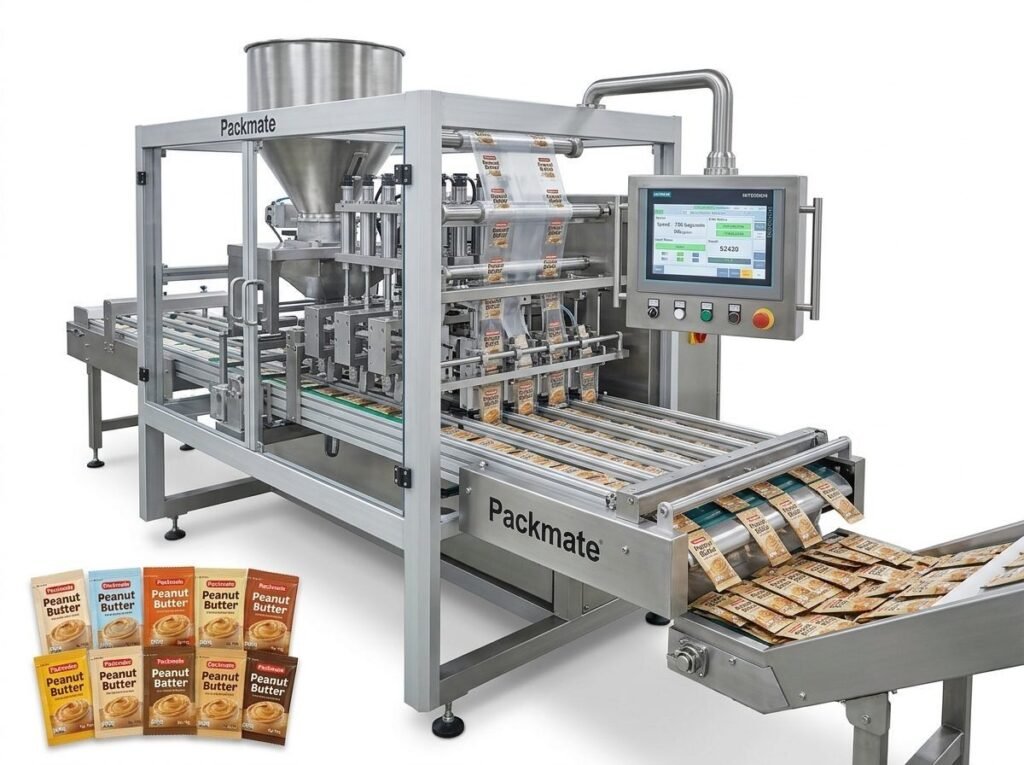
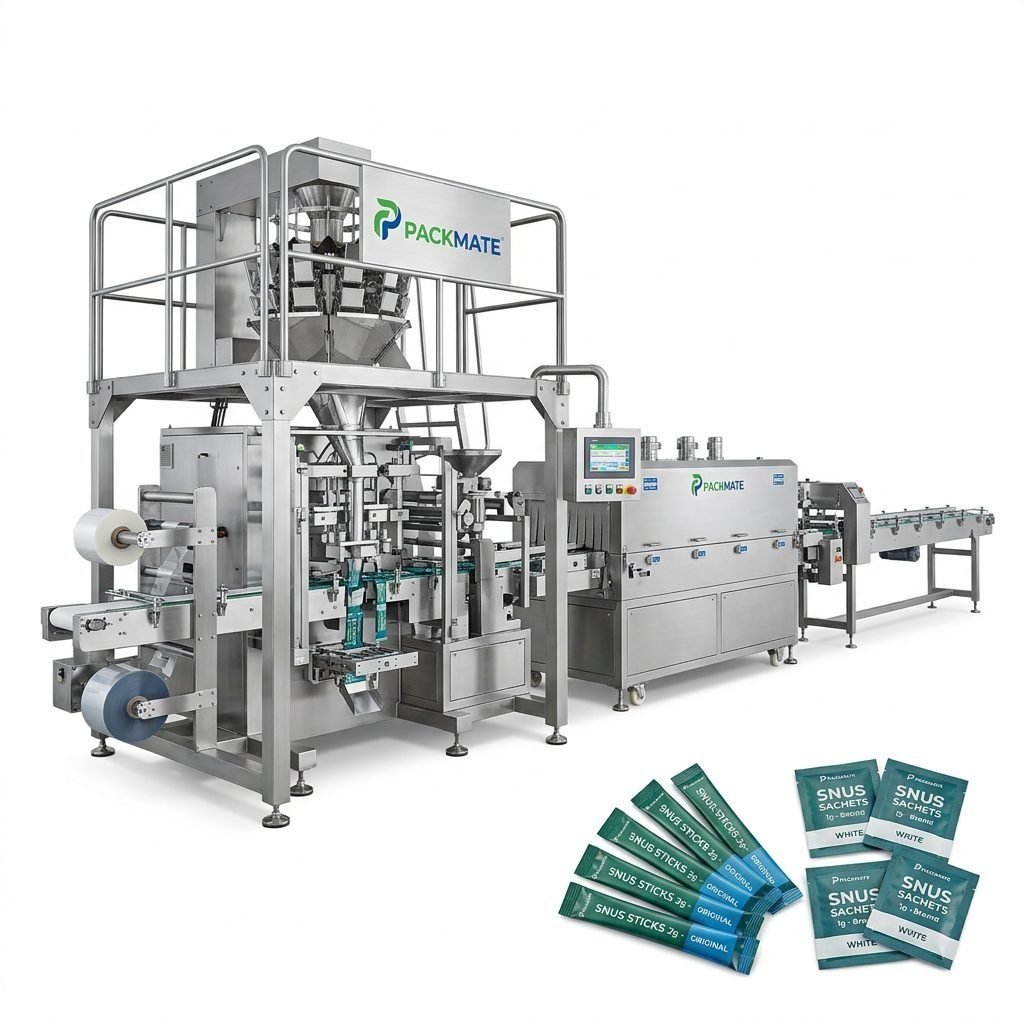
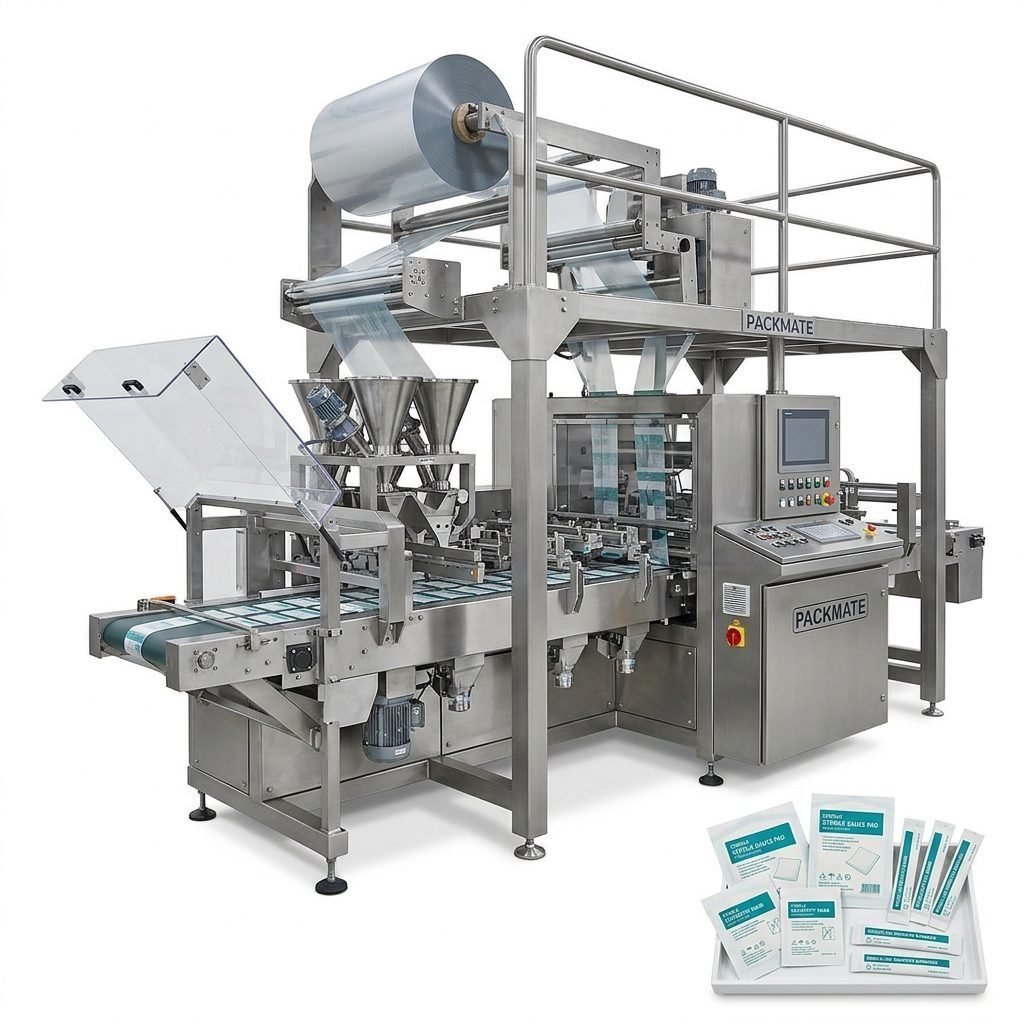
These are the workhorses of the industry for producing stand-up pouches, flat bags, and gusseted bags. A VFFS machine forms the bag from a roll of film, fills it with a pre-measured amount of coffee, and then seals it—all in one continuous operation. They are highly versatile and suitable for medium to high-volume production. For businesses looking to package coffee in various pouch styles, exploring Bag & Pouch Packaging Machines is a logical step.
Key Advantage:
Excellent for creating brand-specific, retail-ready packaging with high visual impact. They allow for integrated degassing valves and resealable zippers, which are crucial for whole bean coffee.
Pre-Made Pouch Fillers
This type of machine uses bags that are already formed and often printed. The machine’s function is to open, fill, and seal these pre-made pouches. This is an ideal solution for businesses that have invested in custom-printed packaging or require a simpler, often more cost-effective entry into automation.
Weighing and Dosing Systems
While not a packaging machine per se, an accurate weighing system is the heart of any coffee packaging line. These systems ensure each bag contains the precise weight of coffee, which is vital for cost control and regulatory compliance. Modern systems use multi-head weighers or linear weighers for speed and accuracy. Integrating a robust Weighing & Packaging System is fundamental for consistency and efficiency.
Essential Features to Look For in a Coffee Packaging Machine
Beyond the basic type, several features differentiate a good machine from a great one. Prioritizing these will future-proof your investment.
1. Gas Flushing and Modified Atmosphere Packaging (MAP)
Oxygen is the enemy of fresh coffee. Machines equipped with MAP technology flush the air out of the bag after filling and replace it with an inert gas like nitrogen or a CO2 mix. This dramatically extends shelf life by slowing oxidation. For premium whole bean coffee, MAP capability is non-negotiable.
2. Degassing Valve Applicator
Freshly roasted coffee releases carbon dioxide. A degassing valve is a one-way vent that allows this CO2 to escape without letting oxygen back in. A machine that can automatically and reliably apply these valves during the packaging process is essential for product safety and quality.
Operational Efficiency Features:
- Quick Changeover: Allows for switching between bag sizes or types with minimal downtime.
- User-Friendly HMI: A clear, intuitive touchscreen interface for easy operation and recipe management.
- Robust Construction: Stainless steel contact parts and a sturdy frame ensure hygiene and longevity, especially important in food-grade environments.
3. Speed and Production Capacity
Machine speed, measured in bags per minute (BPM), must align with your current and projected output. A small-batch roastery may need 20-40 BPM, while a large-scale operation might require 100+ BPM. Over-investing in speed increases cost, while under-investing creates bottlenecks.
Critical Buying Tips for Your Investment
Purchasing a packaging machine is a significant capital expenditure. These tips will guide you toward a successful acquisition.
1. Clearly Define Your Needs
Start with a detailed list: target production volume, primary bag type (stand-up pouch, flat bag, with/without valve), required features (MAP, valve applicator), available floor space, and budget. This list will become your essential checklist when evaluating suppliers like Packmate Machinery, who offer a wide range of packing machines.
2. Prioritize Supplier Reputation and Support
The machine is only as good as the company behind it. Look for a manufacturer with a proven track record in food and coffee packaging. Evaluate their after-sales service, availability of spare parts, and technical support. A company with over 30 years of expertise, such as Packmate, which operates a 20,000㎡ modern facility, typically offers greater reliability and comprehensive service support.
Tip: Request a Live Test
Always insist on testing your actual coffee beans on the shortlisted machine. This reveals how the machine handles your specific product’s flow characteristics, static charge, and any fine grind that may be present. It’s the only way to verify performance claims.
3. Consider Total Cost of Ownership (TCO)
Look beyond the initial purchase price. Factor in costs for installation, training, maintenance, utilities (compressed air, power), and consumables like sealing jaws and film. A slightly more expensive machine with higher efficiency and lower maintenance can have a lower TCO over 5-10 years.
4. Plan for the Future
Choose a machine and supplier that can grow with you. Can the machine handle different bag sizes? Is it modular? Can it be integrated into a larger Filling & Packaging Line later? Investing in scalability protects your investment as your business expands.
Frequently Asked Questions (FAQ)
1. What is the most important feature for packaging whole bean coffee?
For whole bean coffee, Modified Atmosphere Packaging (MAP) capability is the most critical feature. It is the single most effective technology for preserving freshness and aroma by removing oxygen from the package, directly combating staling.
2. Can one machine handle both whole bean and ground coffee?
Technically, yes, but it requires careful configuration. Ground coffee is finer, dustier, and can cause more static. The machine may need different auger/filling systems, enhanced dust extraction, and anti-static measures. Always test both products during the machine evaluation phase.
3. How do I choose between a VFFS machine and a pre-made pouch filler?
Choose a VFFS machine if you want maximum flexibility in bag design, need integrated features like valve application, and have medium-to-high volume. Choose a pre-made pouch filler if you already have custom-printed bags, have lower volume needs, or seek a simpler, often lower initial-cost solution.
4. What maintenance does a coffee packaging machine require?
Daily cleaning of product contact parts (hoppers, augers, funnels) is essential. Regular maintenance includes lubricating moving parts, checking seal bar temperatures and alignment, inspecting and replacing worn seals or jaws, and ensuring electrical connections are secure. Always follow the manufacturer’s maintenance schedule.
5. How long does it typically take to install and commission a new machine?
Installation and commissioning can take from a few days to several weeks, depending on the machine’s complexity and whether it’s part of a full line. Factors include site preparation (power, air), machine assembly, calibration, testing with your product, and operator training. A reliable supplier will provide a clear project timeline.