In today’s fast-paced manufacturing landscape, efficiency and reliability are paramount. Automated production lines represent the pinnacle of industrial advancement, driving productivity and ensuring consistent quality. At the heart of these sophisticated systems lies high-performance packaging equipment, a critical component that can determine the success of an entire operation. For businesses seeking robust, intelligent solutions, the choice of packaging machinery is not merely a purchase—it is a strategic investment in future growth and operational excellence.
The Engine of Modern Automation: Why Packaging Equipment Matters
Automated packaging is the cornerstone of a seamless production line. It bridges the gap between product creation and market delivery, handling everything from precise filling and sealing to labeling and cartoning. The right equipment minimizes human error, maximizes throughput, and adapts to varying product types—from delicate granules and fine powders to viscous liquids. In sectors like food, pharmaceuticals, and health products, where hygiene and accuracy are non-negotiable, automated packaging is indispensable. It ensures compliance with stringent regulations while safeguarding product integrity from the factory floor to the end consumer.
Key Challenges Addressed by Automated Packaging
Manual or semi-automated processes often struggle with scalability, consistency, and speed. Automated packaging solutions directly confront these issues:
- Speed & Volume: Meeting high-volume demands without compromising on pace.
- Accuracy & Waste Reduction: Ensuring precise dosing and minimal product giveaway.
- Flexibility: Quickly switching between different package formats, such as sachets and stick packs, or larger pouches.
- Hygiene & Safety: Maintaining sterile environments, crucial for food and pharmaceutical applications.
- Labor Costs: Reducing dependency on manual labor and reallocating human resources to more complex tasks.
Accutek’s Role in Powering Automated Lines
While “Accutek” serves as a placeholder representing precision-focused packaging technology, it embodies the principles that leading manufacturers like Packmate Machinery uphold. The core mission is to provide equipment that acts as a reliable, high-performance module within a larger automated ecosystem. This involves engineering machines that offer seamless integration, intuitive control via modern HMIs, and robust construction for 24/7 operation. Solutions are designed not as standalone units but as interconnected components of a comprehensive filling and packaging line.
Core Equipment for Integrated Production
A fully automated line typically integrates several key machinery types:
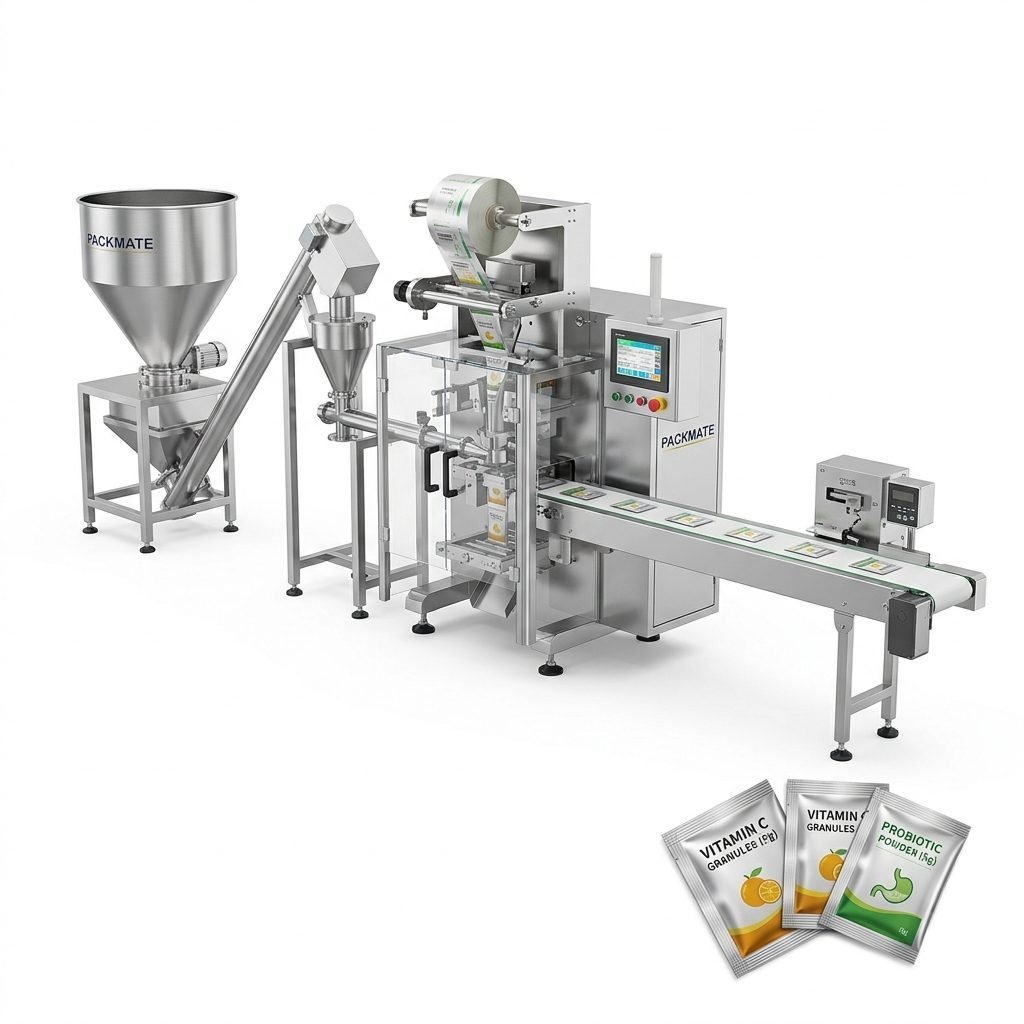
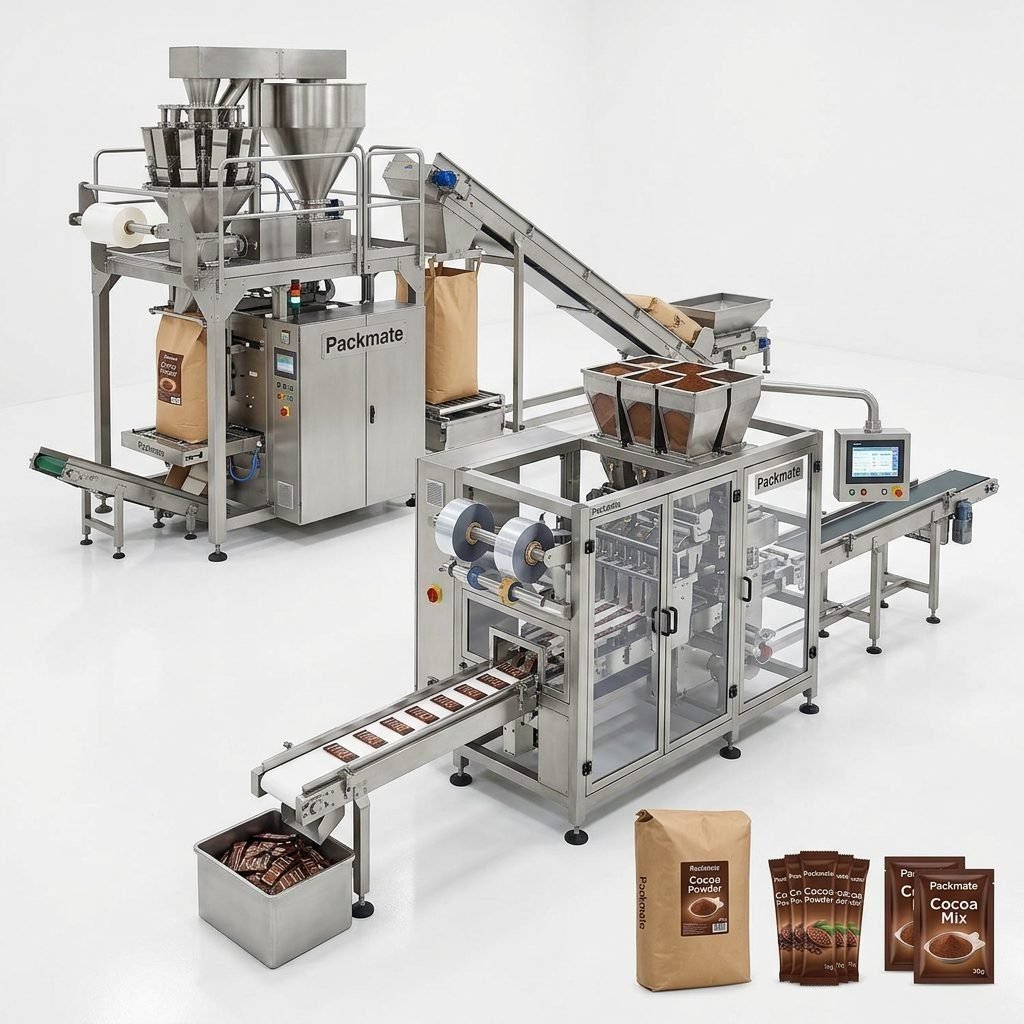
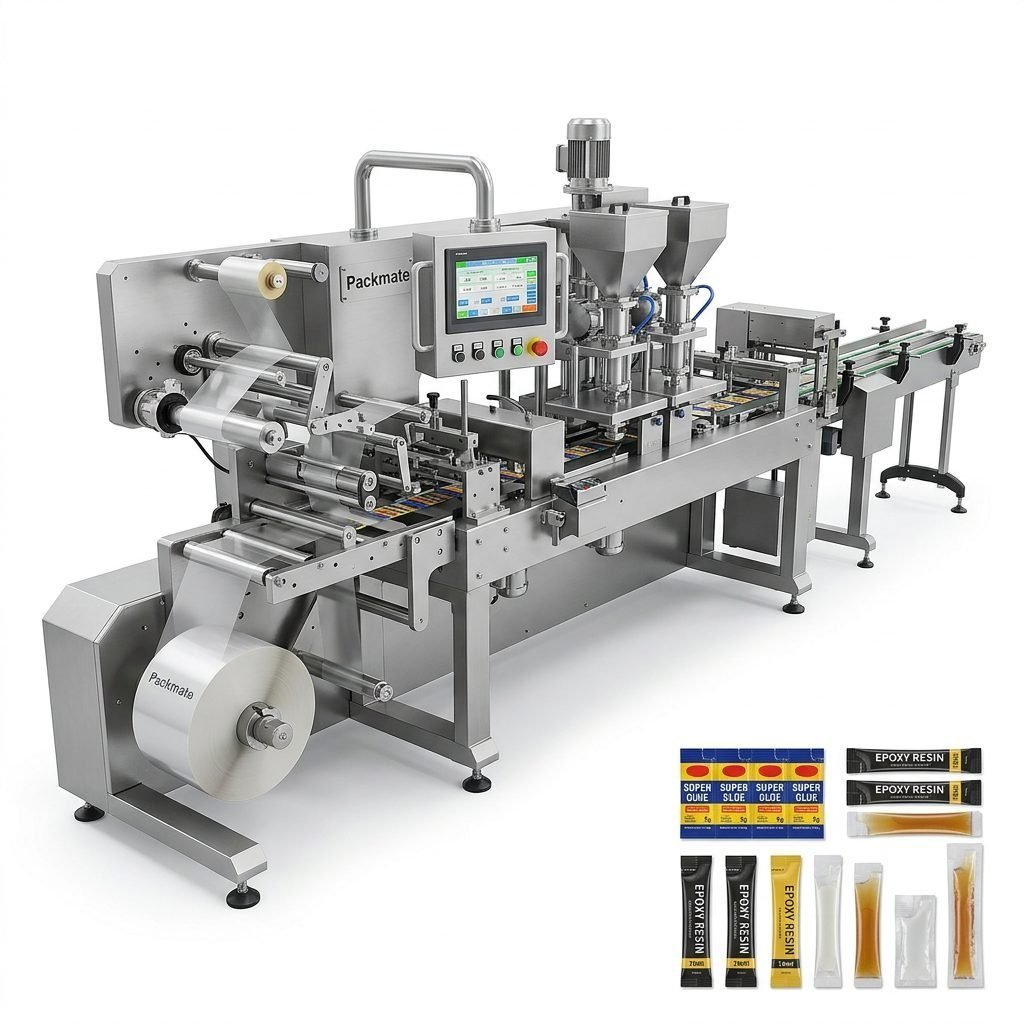
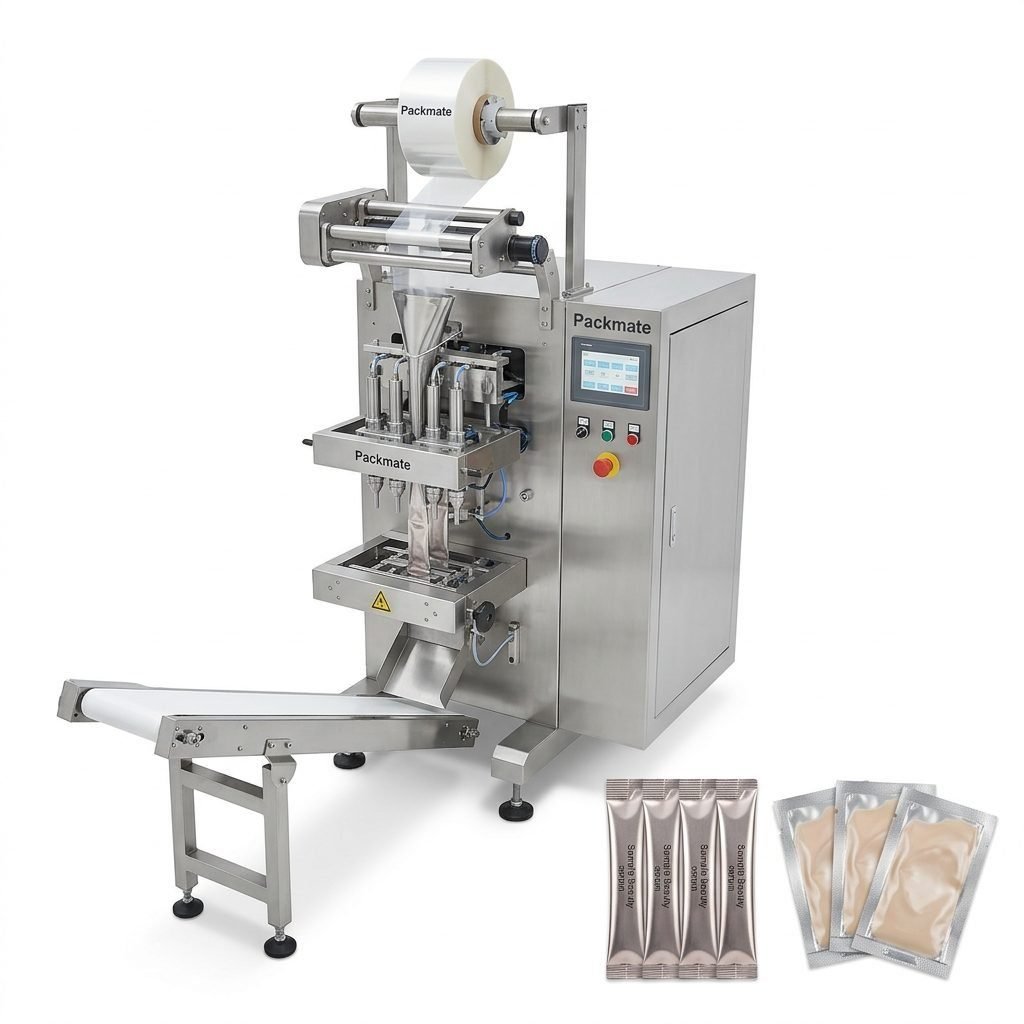
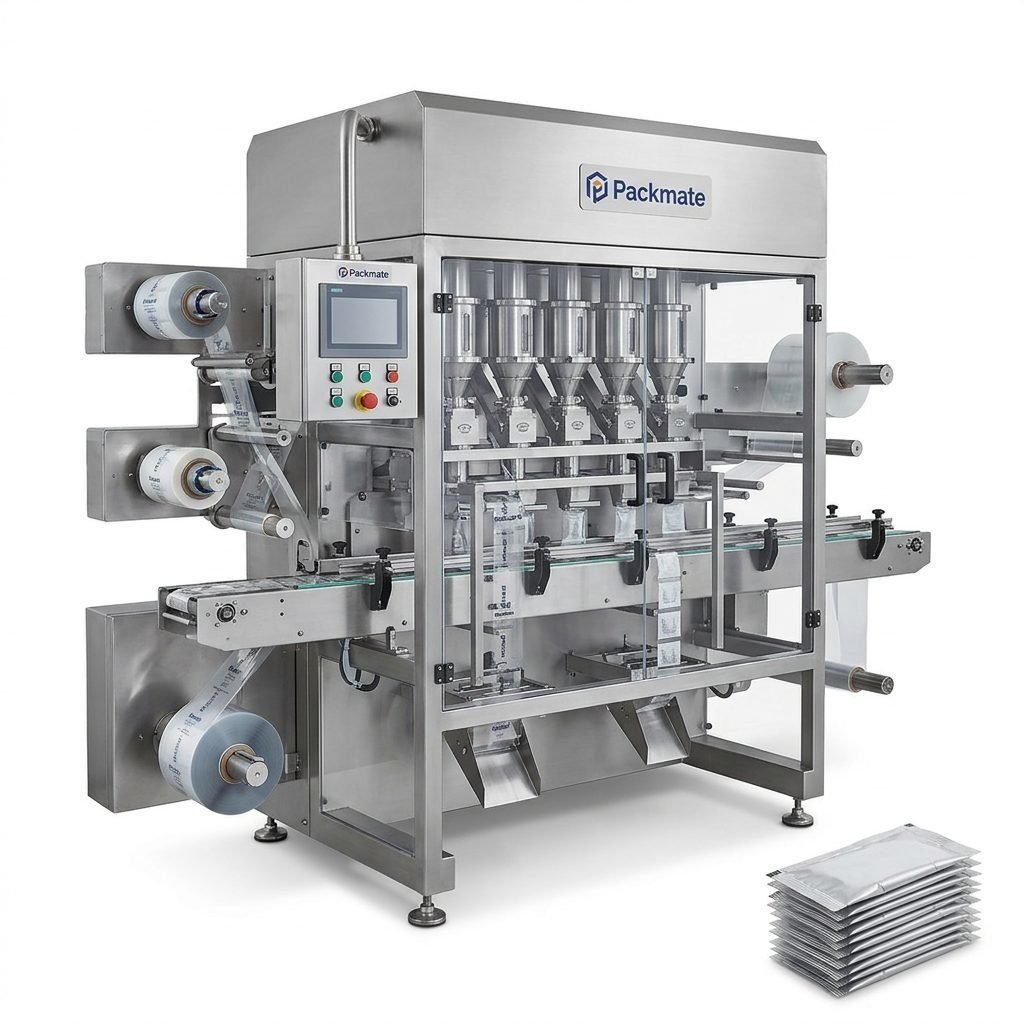
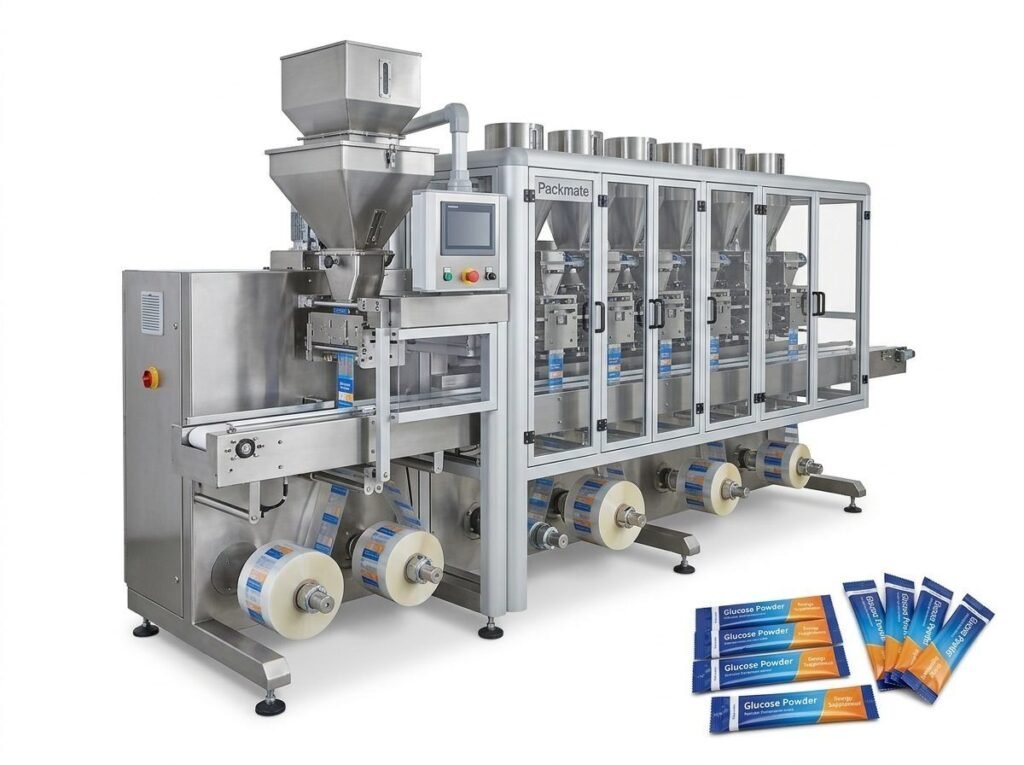
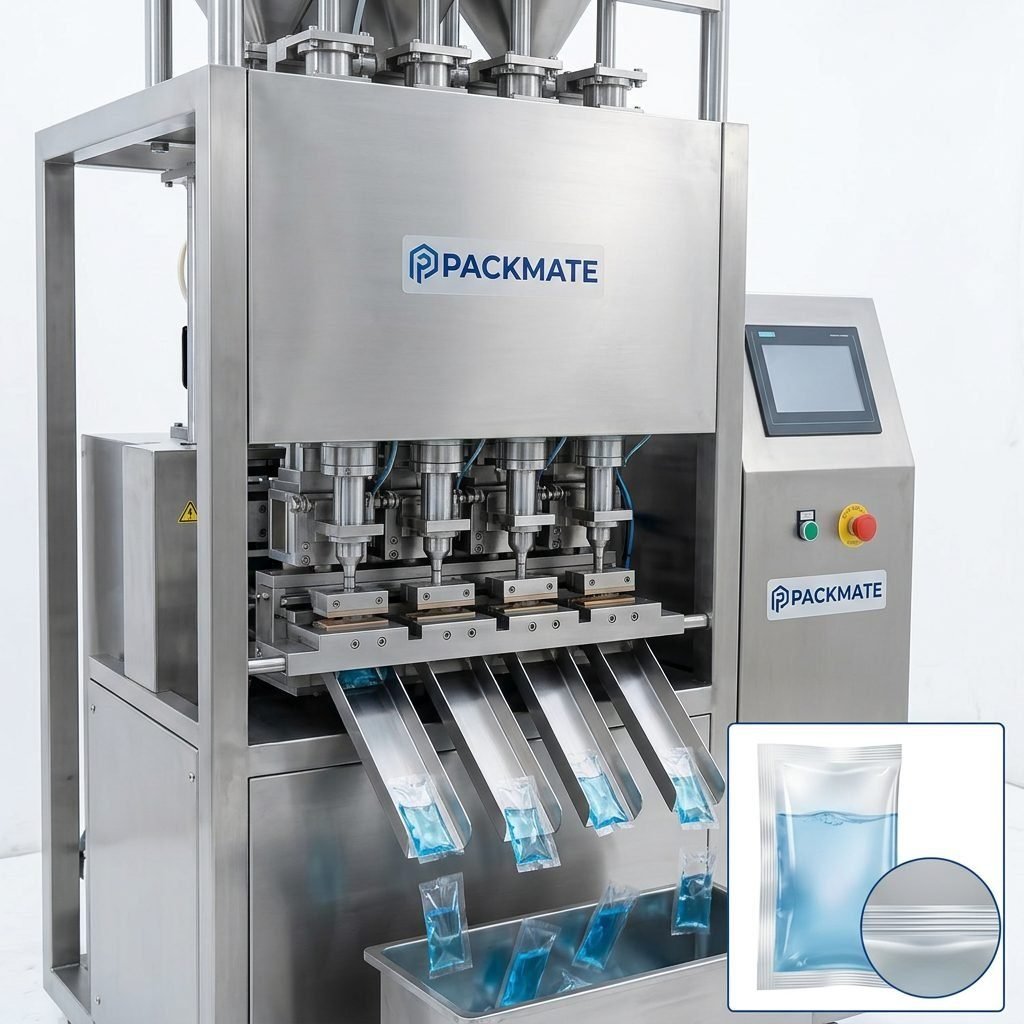
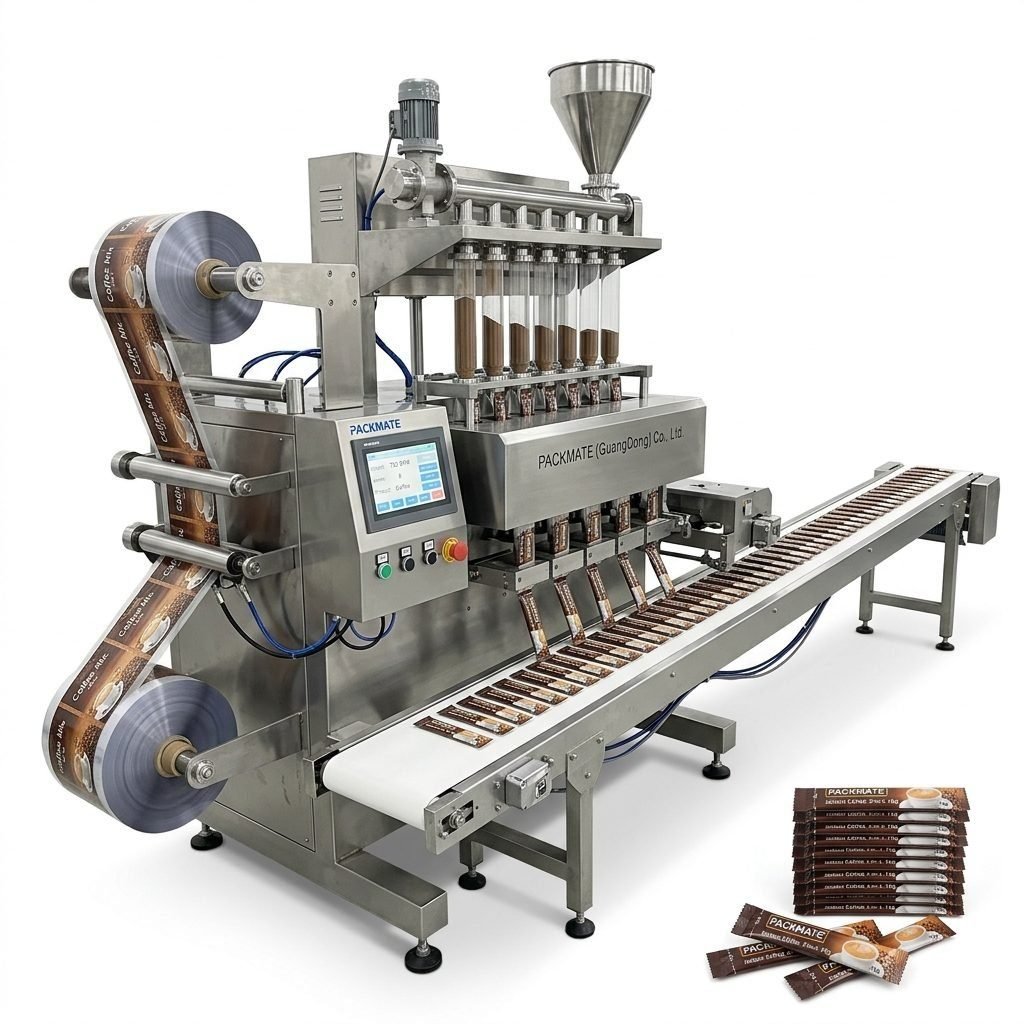
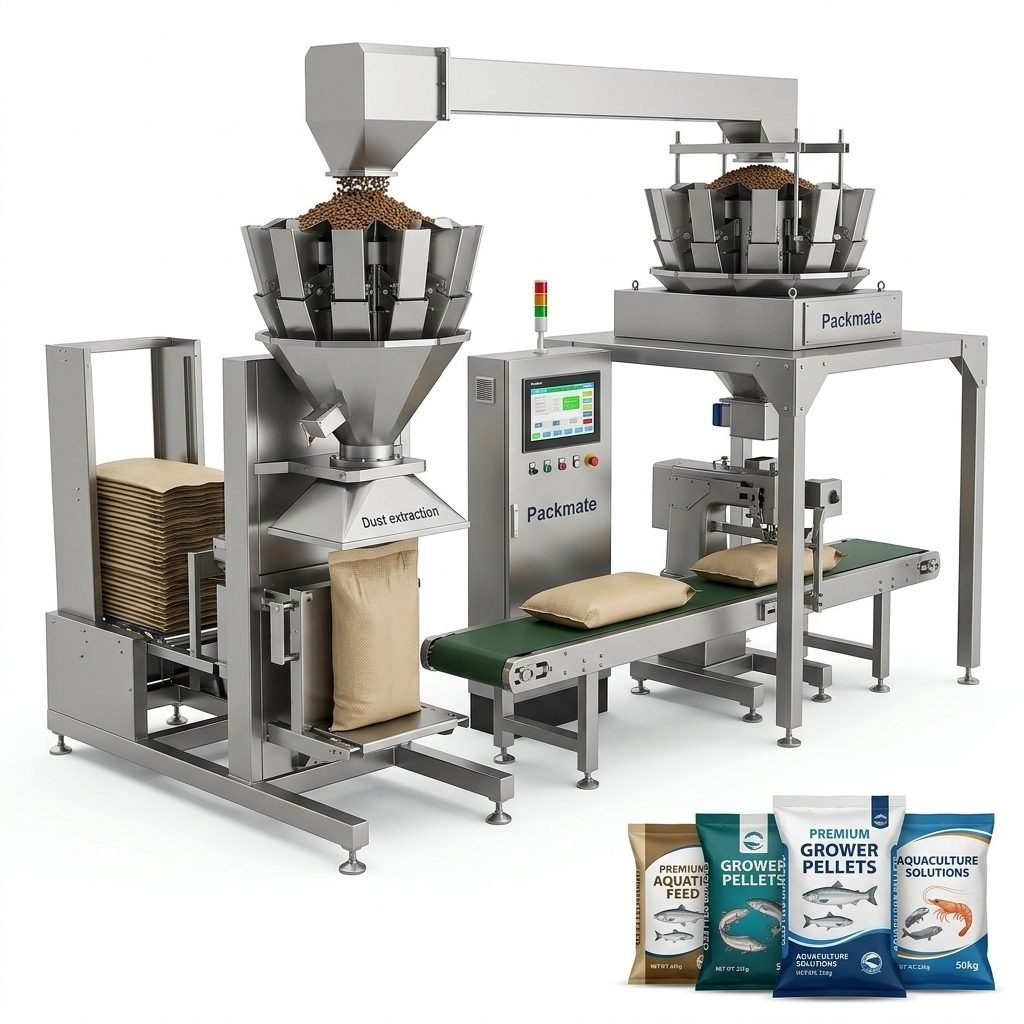
Primary Packaging Machines: These form, fill, and seal the primary product container. This category includes versatile bag and pouch packaging machines for larger formats and high-speed sachet machines for single-serve portions.
Precision Weighing & Dosing Systems: Critical for cost control and compliance, these systems ensure every package contains the exact specified weight, which is especially vital in the pharmaceutical and premium food sectors.
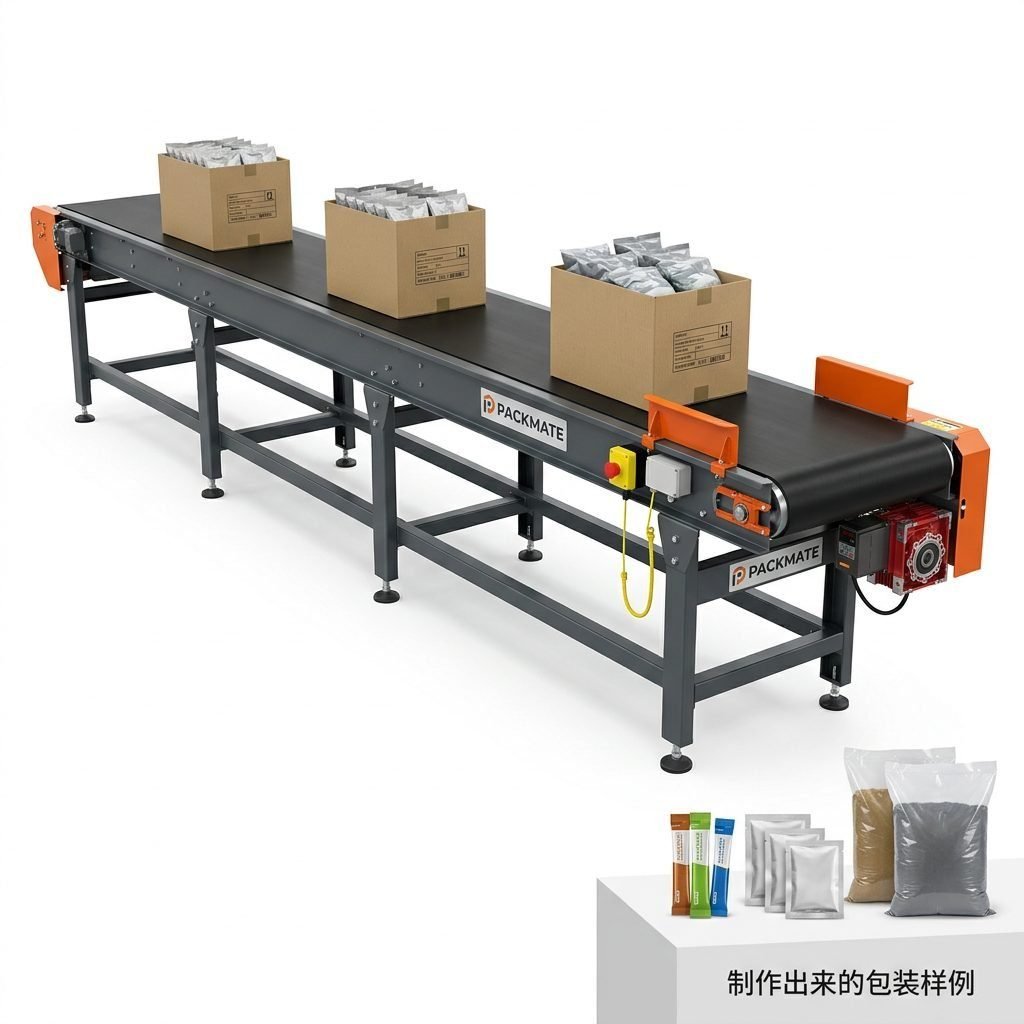
Secondary Packaging & Robotics: Equipment that handles collating, cartoning, case packing, and palletizing, often employing robotic arms for flexibility and gentle handling.
Inspection & Quality Control: Integrated vision systems, checkweighers, and metal detectors that provide real-time feedback and reject non-conforming products, ensuring zero defects leave the facility.
The Manufacturer’s Advantage: Packmate’s Foundation
Understanding the origin of the equipment provides insight into its reliability. The story of Packmate Machinery, for instance, began in 1993 with a vision for automation in a small workshop. This passion evolved into a formal company in 2003, driven by solving real-world production challenges. Today, with over 30 years of collective expertise, a 20,000㎡ modern facility, and a portfolio of over 50 machine models, the company exemplifies how deep technical knowledge translates into practical, dependable packaging solutions. This journey from a driven idea to an industry player highlights the commitment to innovation and quality that powers reliable automated lines globally.
Selecting the Right Partner for Your Automated Line
Choosing packaging equipment is synonymous with choosing a long-term technology partner. Beyond specifications, consider the manufacturer’s ability to support your entire project lifecycle.
Technical Support & Service: Ensure access to comprehensive after-sales service, remote diagnostics, and readily available spare parts to minimize downtime.
Customization Capability: The best suppliers don’t just sell standard machines; they engineer solutions tailored to your specific product, packaging material, and line speed requirements.
Global Compliance & Certifications: Verify that the equipment meets international safety and quality standards relevant to your target markets, which is a key aspect of a manufacturer’s certifications and credentials.
Proven Track Record: Review case studies and client testimonials across different industries to gauge real-world performance and reliability.
The Future: Smart Packaging and Industry 4.0
The next frontier for automated packaging is deep integration with Industry 4.0 principles. Future-ready equipment features IoT connectivity for predictive maintenance, data analytics for optimizing Overall Equipment Effectiveness (OEE), and compatibility with Manufacturing Execution Systems (MES). This transforms the packaging station from a passive executor into an intelligent node that contributes valuable data to the entire production network, enabling smarter decisions and unparalleled operational transparency.
Frequently Asked Questions (FAQs)
1. What are the main benefits of integrating automated packaging equipment into my production line?
The primary benefits include significantly increased production speed and output, enhanced accuracy and consistency leading to reduced product waste, lower long-term labor costs, improved hygiene and safety standards, and greater flexibility to handle different packaging formats. Automation provides a rapid return on investment through efficiency gains.
2. How do I know if a packaging machine supplier is reliable and can support my business long-term?
Evaluate the supplier’s industry experience and history, the scale and capability of their manufacturing facility, their portfolio of successful case studies in your sector, the comprehensiveness of their after-sales service and technical support network, and their commitment to innovation through R&D. A visit to their facility, if possible, is highly recommended.
3. Can automated packaging lines handle frequent product or package size changes?
Yes, modern automated lines are designed for flexibility. Many machines feature quick-change parts and recipe-based controls stored in the HMI, allowing for rapid switchovers between different products, weights, and packaging materials with minimal downtime. This is a key design focus for manufacturers serving diverse markets.
4. What is typically included in a “turnkey” packaging solution?
A turnkey solution goes beyond selling individual machines. It encompasses complete line design and engineering, supply and integration of all primary and auxiliary equipment, installation and commissioning at your site, comprehensive operator and maintenance training, and ongoing technical support. It provides a single point of responsibility for the entire packaging process.
5. How important are certifications when selecting packaging equipment for the food or pharmaceutical industry?
Extremely important. Certifications like ISO, CE, and specific food-grade or pharmaceutical compliance standards (e.g., GMP) are not just paperwork. They provide assurance that the equipment is designed and built with appropriate materials, safety protocols, and cleanability standards to meet the rigorous hygiene and traceability requirements of these regulated industries.