Selecting the right cutlery packaging machine is a critical decision for manufacturers, impacting efficiency, product presentation, and overall operational costs. With various machine types and configurations available, understanding the key factors can guide you to the optimal equipment for your specific needs.
Understanding Your Packaging Requirements
The first step in choosing a cutlery packaging machine is a thorough analysis of your own production requirements. This forms the foundation of your selection process.
Key Consideration: You must define your product type, output speed, and packaging material before evaluating any machinery. A machine perfect for wrapping disposable plastic cutlery may be unsuitable for packaging premium metal flatware sets.
Consider the daily or hourly output you need to achieve. Are you a small-scale artisan producer or a large-scale industrial manufacturer? The required speed will directly influence the machine’s complexity and investment level. Furthermore, the packaging format—whether it’s simple poly bags, sealed pouches, clamshells, or cardboard boxes—must be compatible with the machine’s design. For a comprehensive look at different packaging formats, explore our range of Bag & Pouch Packaging Machines.
Types of Cutlery Packaging Machines
The market offers several primary types of equipment, each suited to different scales and styles of operation.
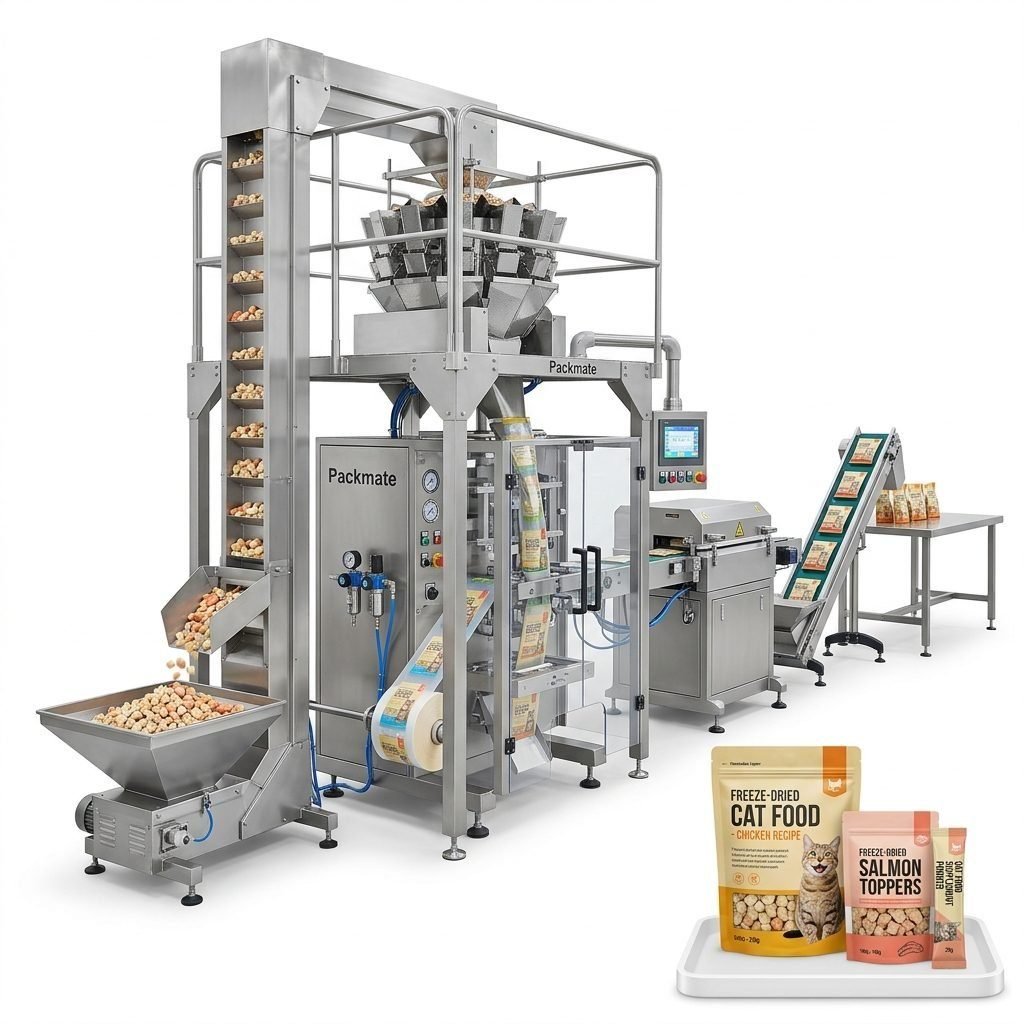
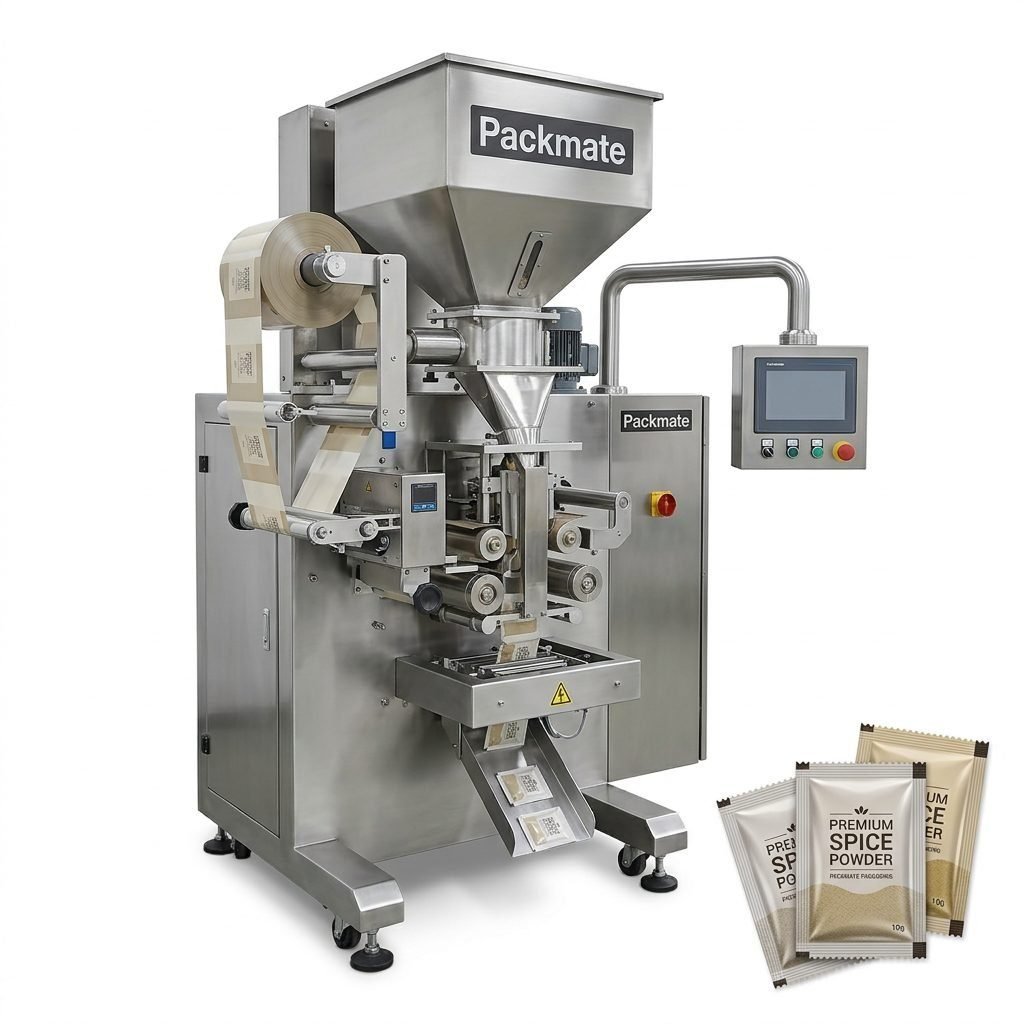
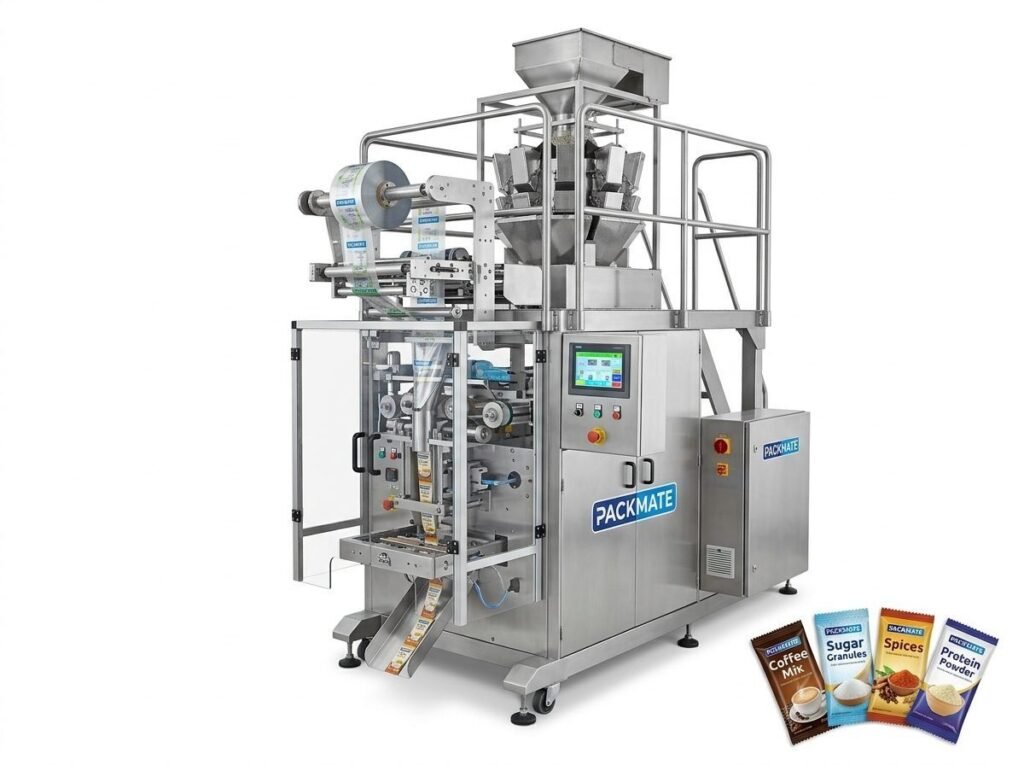
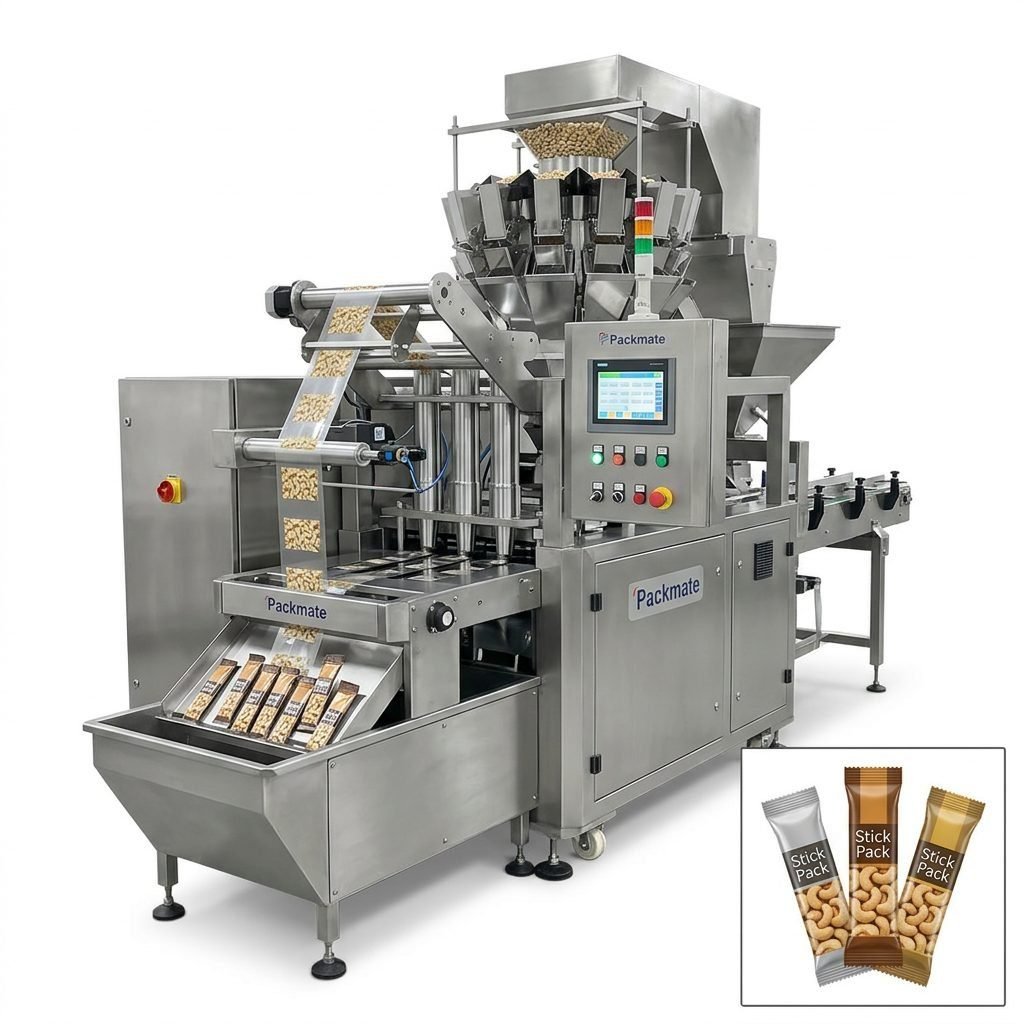
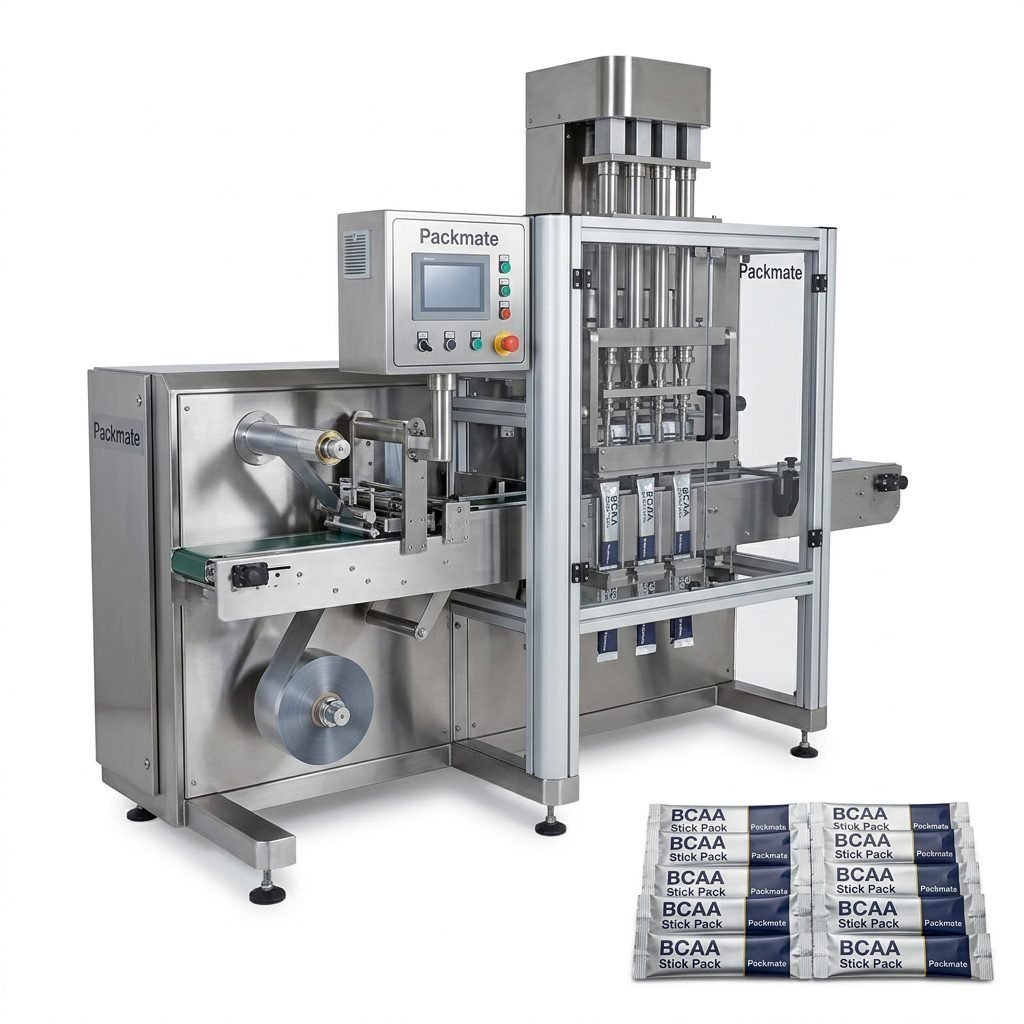
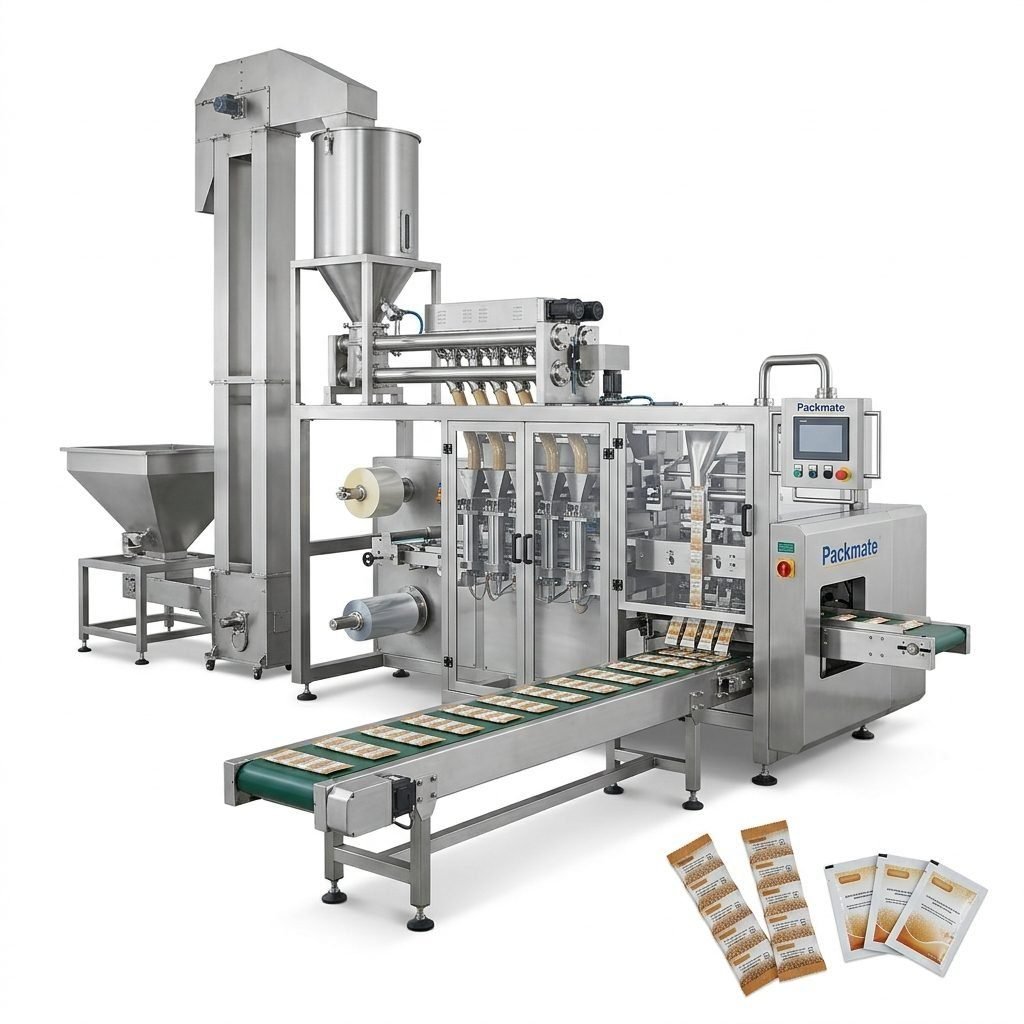
Vertical Form-Fill-Seal (VFFS) Machines: These are highly versatile and common for packaging loose cutlery items like individual spoons, forks, or knives into pouches. The machine forms the bag from a roll of film, fills it with the product, and seals it—all in one continuous operation. They are excellent for high-speed, single-item packaging.
Flow Wrappers: Ideal for bundling multiple pieces of cutlery together. For instance, they can wrap a set of a knife, fork, and spoon in a neat, sealed sleeve. This method is popular for disposable cutlery provided in restaurants or airlines.
Blister and Clamshell Packaging Machines: These are used for more rigid, retail-ready packaging. They seal cutlery onto a pre-formed plastic blister or inside a clamshell, often with a cardboard backing. This type offers superior product visibility and protection, commonly used for higher-end or branded cutlery sets.
Automatic Boxing and Cartoning Systems: For packaging complete cutlery sets in boxes, automatic cartoners erect, load, and seal cardboard boxes. These systems can be integrated with Auxiliary Packaging Equipment like inserters for padded protection or instruction leaflets.
Core Technical Specifications to Evaluate
Once you know the machine type, delve into the technical details that dictate performance and reliability.
Performance Metrics: Always verify the machine’s speed (packages per minute), accuracy, and flexibility. A machine that claims high speed but suffers from frequent mis-feeds or jams will cripple your production line.
Speed and Efficiency: Match the machine’s maximum speed to your production targets with a buffer for future growth. Consider not just cycle speed, but also changeover time between different product sizes or packaging materials.
Automation Level and Integration: Determine how much manual intervention is acceptable. Fully automatic machines can include robotic pick-and-place systems for loading cutlery, automatic film roll splicing, and integrated checkweighers. These features reduce labor costs and minimize human error. For integrated solutions, consider our Filling & Packaging Lines.
Material Compatibility: The machine must handle your chosen packaging film or material efficiently. Check its sealing capabilities (heat seal, ultrasonic seal) and ensure it can manage the material’s thickness and properties without tearing or creating weak seals.
Machine Footprint and Utilities: Assess the physical space required in your facility. Also, understand the utility needs—electrical power (voltage, phase), compressed air requirements, and any special exhaust needs.
The Importance of Build Quality and Supplier Support
The machine’s construction and the manufacturer’s reputation are as crucial as its specifications.
Investing in a machine built with high-quality components (like servo motors, PLC controllers, and durable stainless-steel frames) ensures longevity, consistent performance, and lower maintenance costs over time. A robust machine minimizes unplanned downtime, which is extremely costly in production environments.
Supplier support is non-negotiable. A reliable supplier should offer comprehensive after-sales service, including installation supervision, operator training, readily available spare parts, and responsive technical support. The manufacturer’s experience and track record are vital indicators of reliability. For example, Packmate Machinery brings over 30 years of expertise in building intelligent packaging solutions, ensuring clients receive not just a machine, but a reliable production partner.
Budgeting and Total Cost of Ownership (TCO)
Look beyond the initial purchase price to understand the true long-term investment.
Initial Investment vs. Operational Cost: A cheaper machine may have higher long-term costs due to energy inefficiency, frequent breakdowns, or expensive proprietary consumables. Calculate the Total Cost of Ownership, which includes purchase price, installation, energy consumption, maintenance, spare parts, and potential downtime costs.
Return on Investment (ROI): A more capable and efficient machine, though potentially higher in initial cost, can pay for itself faster through increased output, reduced waste, and lower labor requirements. Project your ROI based on tangible efficiency gains.
Always request a live demonstration or, better yet, a production trial using your actual product and packaging materials. This is the most effective way to validate the machine’s performance claims before making a commitment. Reviewing real-world case studies from the manufacturer can also provide valuable insights.
Conclusion: Making an Informed Decision
Choosing the right cutlery packaging machine requires a balanced evaluation of your specific needs, technical capabilities, supplier reliability, and financial analysis. By methodically assessing your output requirements, packaging format, and the critical factors of speed, automation, and build quality, you can select equipment that enhances your productivity, protects your product, and provides a strong return on investment for years to come. Partnering with an experienced manufacturer who offers strong support is the final key to a successful implementation.
Frequently Asked Questions (FAQs)
1. What is the typical output speed range for an automatic cutlery packaging machine?
Speeds vary widely based on machine type and automation level. Basic VFFS machines for single items can run from 60 to 120 packs per minute. High-speed, multi-lane systems for bundling or counting can exceed 200 packs per minute. The exact speed depends on product complexity and packaging material.
2. Can one machine handle different types of cutlery (forks, knives, spoons) and set combinations?
Yes, many modern machines are designed with flexibility in mind. With quick-change tooling and programmable logic controllers (PLCs), a single machine can often be reconfigured to package different items or set combinations. However, the ease and time required for changeover should be a key point of discussion with the supplier.
3. How important is the sealing quality, and what types of seals are available?
Seal integrity is paramount for product hygiene and presentation. Poor seals lead to contamination and customer complaints. Common seal types include constant heat sealing (for most plastics), impulse sealing (for materials with variable thickness), and ultrasonic sealing (for complex or delicate materials). The best choice depends on your packaging film.
4. What kind of maintenance does a cutlery packaging machine require?
Regular preventive maintenance is essential. This typically includes daily cleaning of product contact parts, lubrication of moving components as per the manual, inspection of sealing jaws and cutters for wear, and checking sensors and electrical connections. A good supplier will provide a detailed maintenance schedule and training.
5. Where can I find technical support and spare parts after purchase?
This should be confirmed before purchase. Reputable manufacturers have a global service network or dedicated support teams. Ensure they offer readily available spare parts, remote diagnostic support, and on-site service if needed. Check the supplier’s warranty terms and their policy on ongoing support.