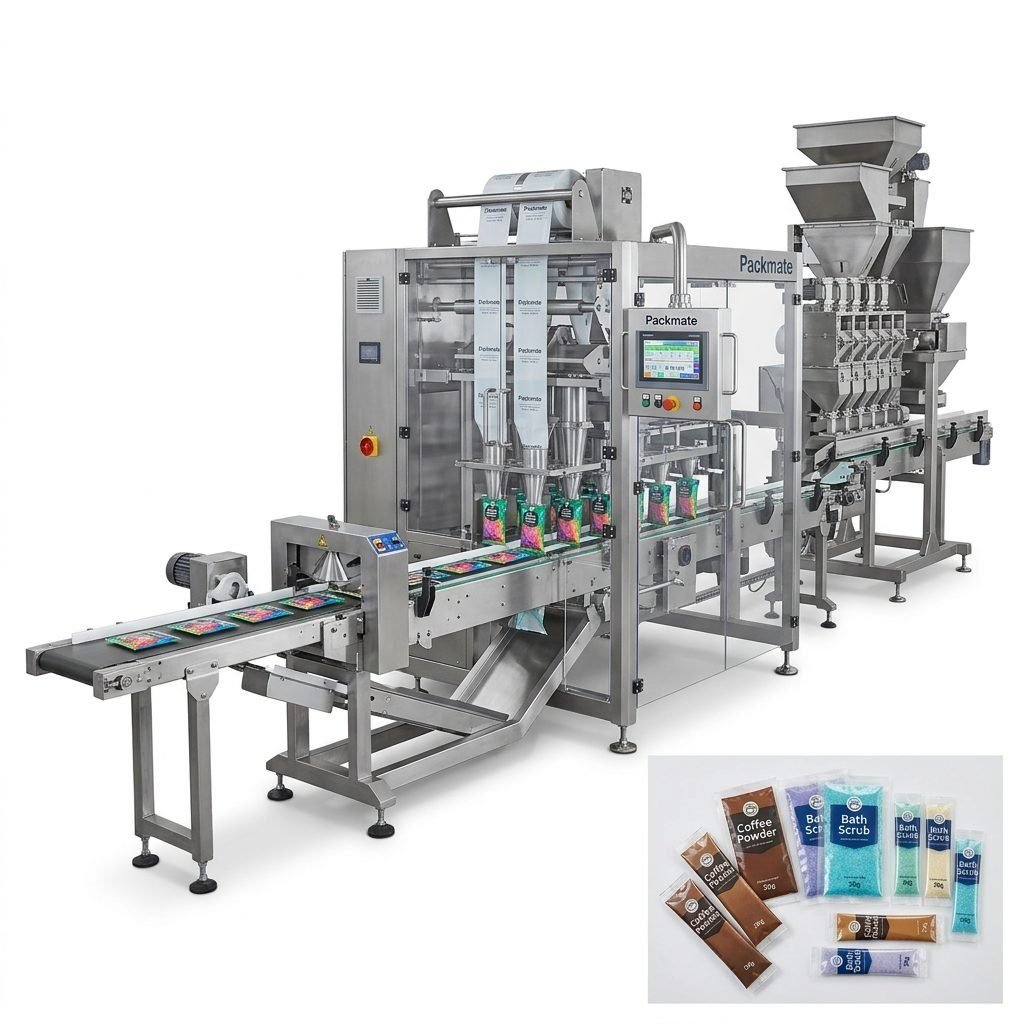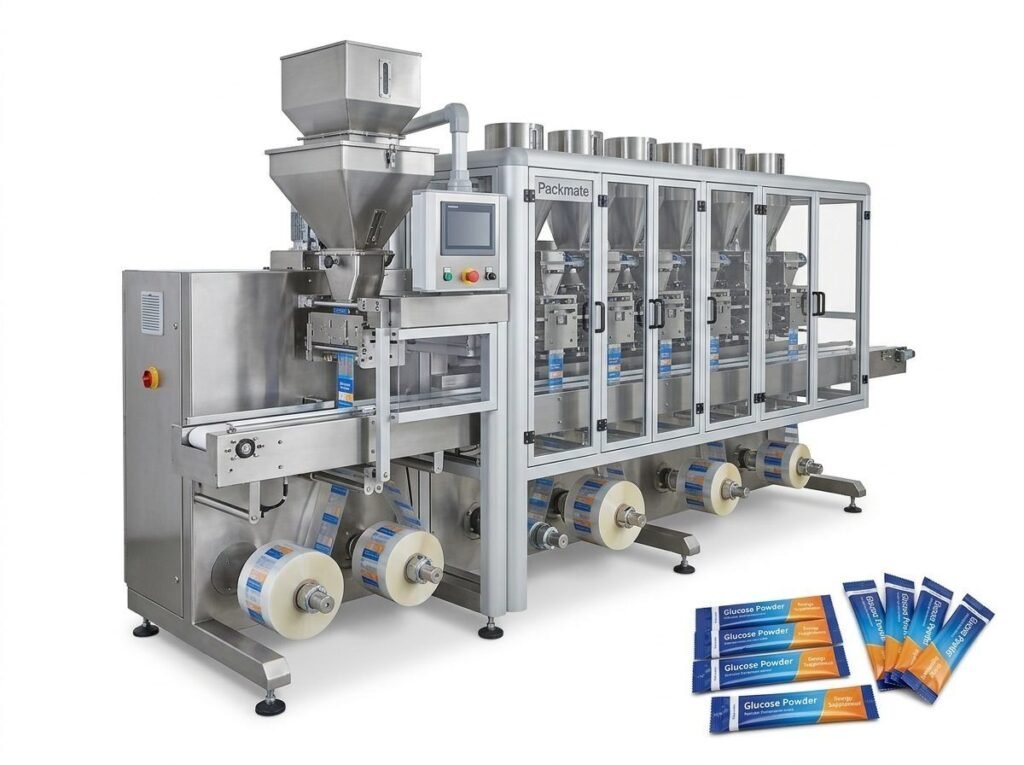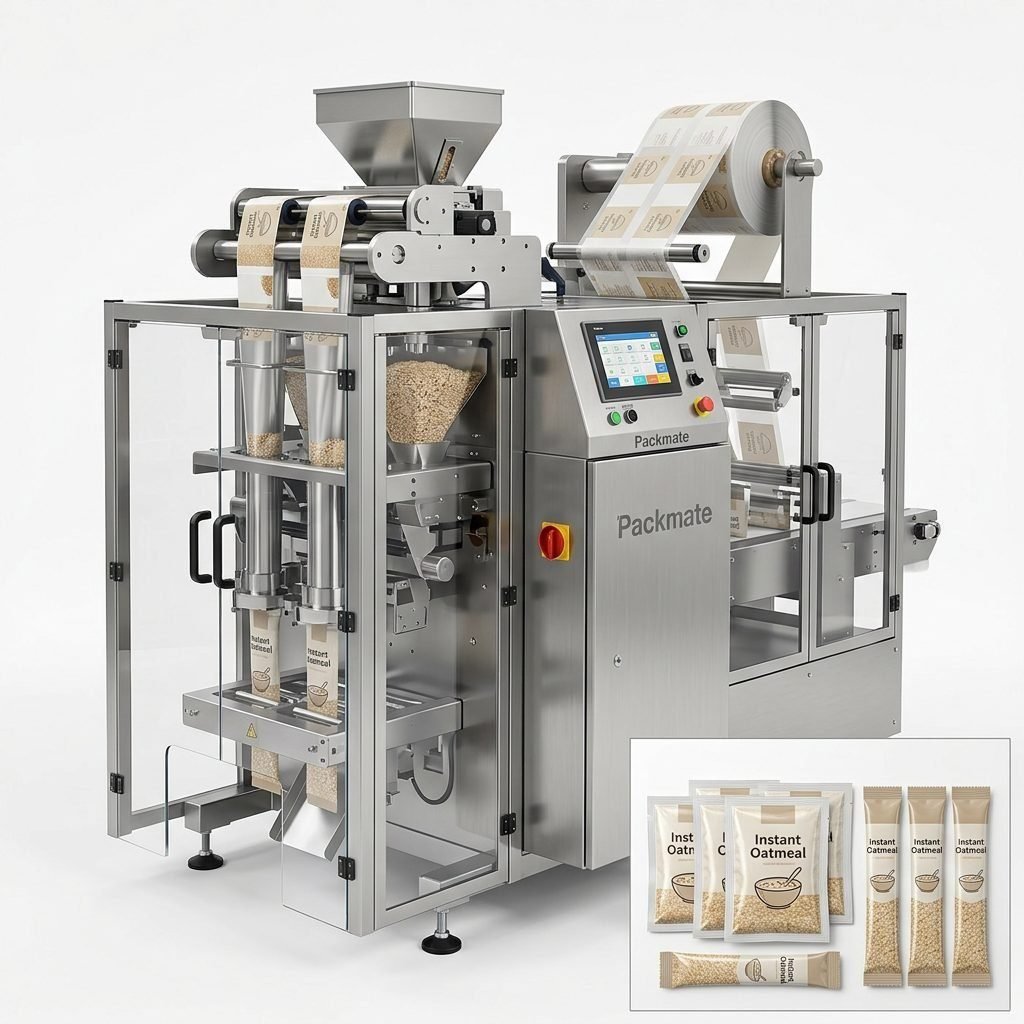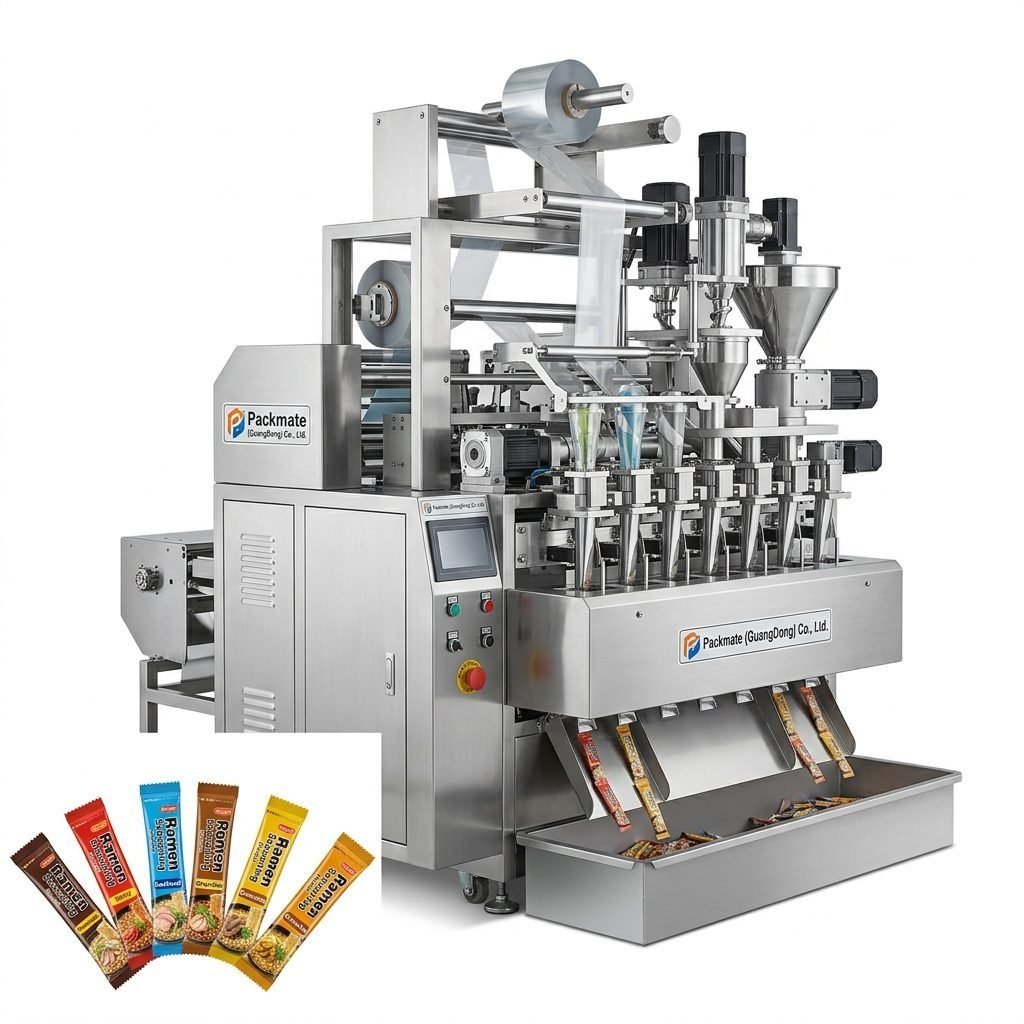
In today’s fast-paced and hygiene-conscious world, the demand for precise, efficient, and safe packaging has never been higher. For products ranging from pharmaceuticals and dietary supplements to instant beverages and condiments, the single dose packaging machine has emerged as an indispensable solution. This complete guide delves into the intricate features and multifaceted benefits of these sophisticated systems, illustrating why they are a cornerstone of modern production lines.
Core Operational Features of Single Dose Machines
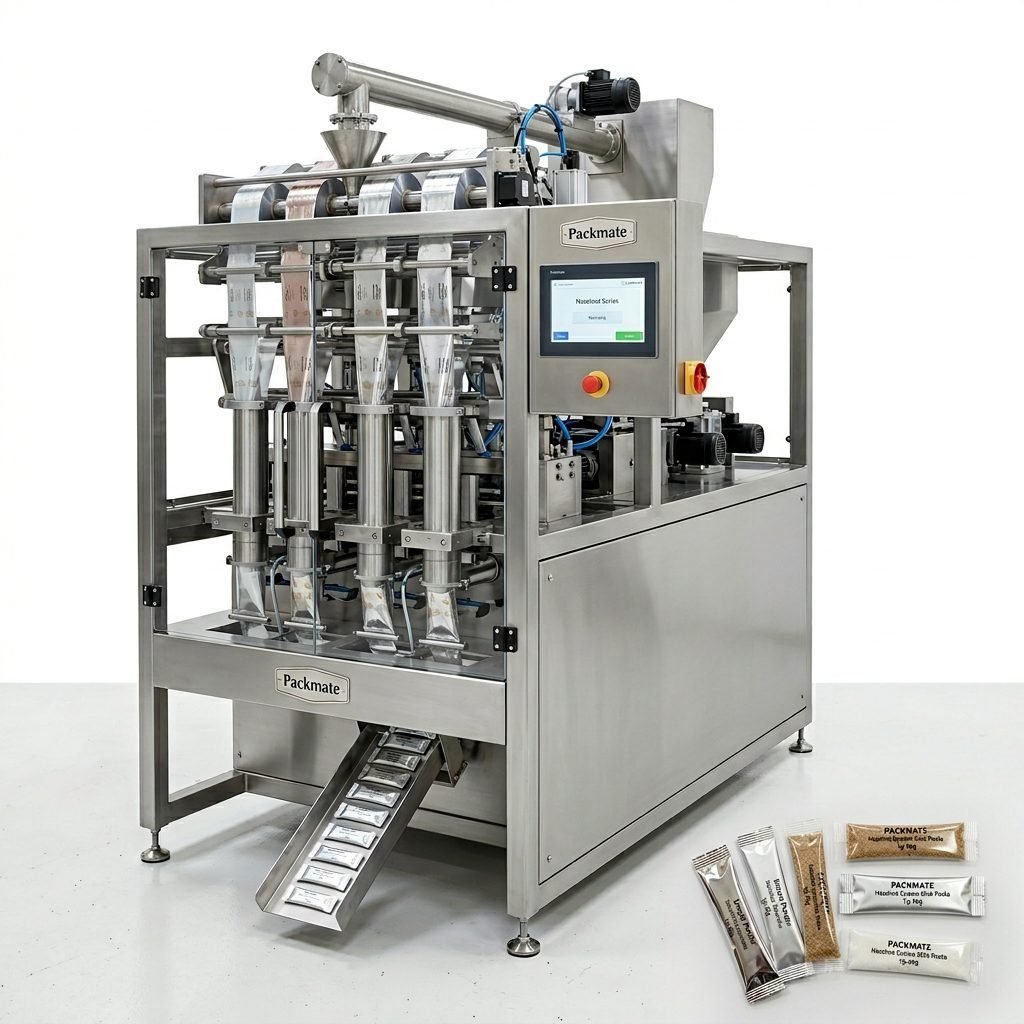
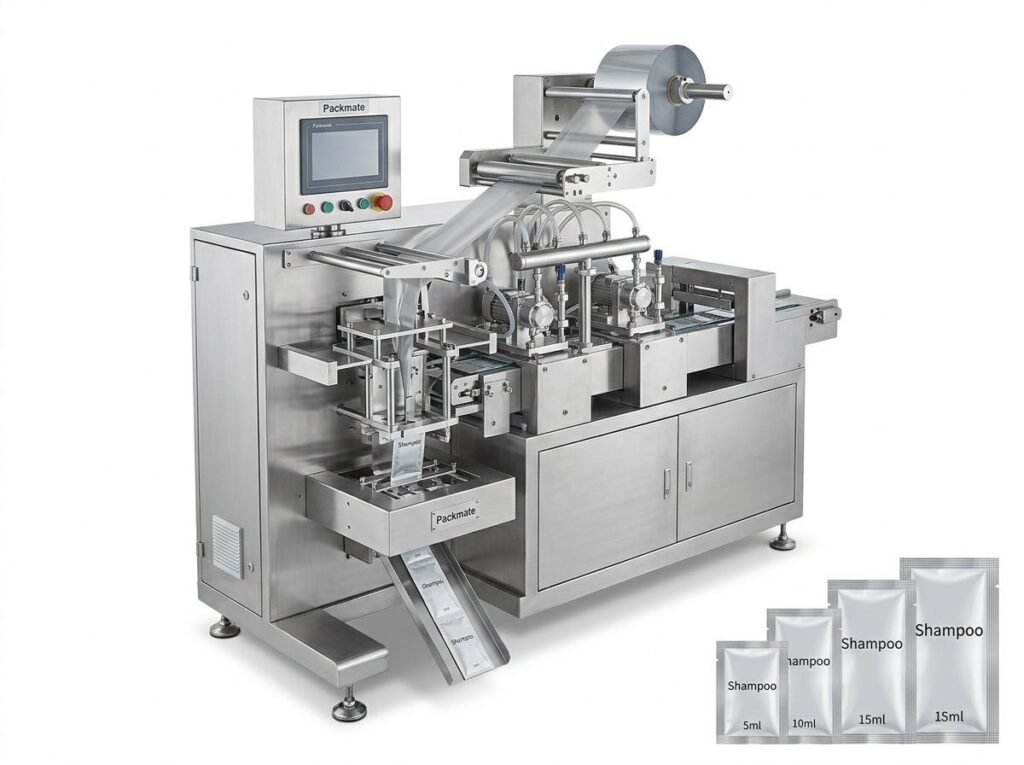
The engineering behind a modern single dose packaging machine is a marvel of precision automation. At its heart lies a multi-stage process designed for flawless execution.
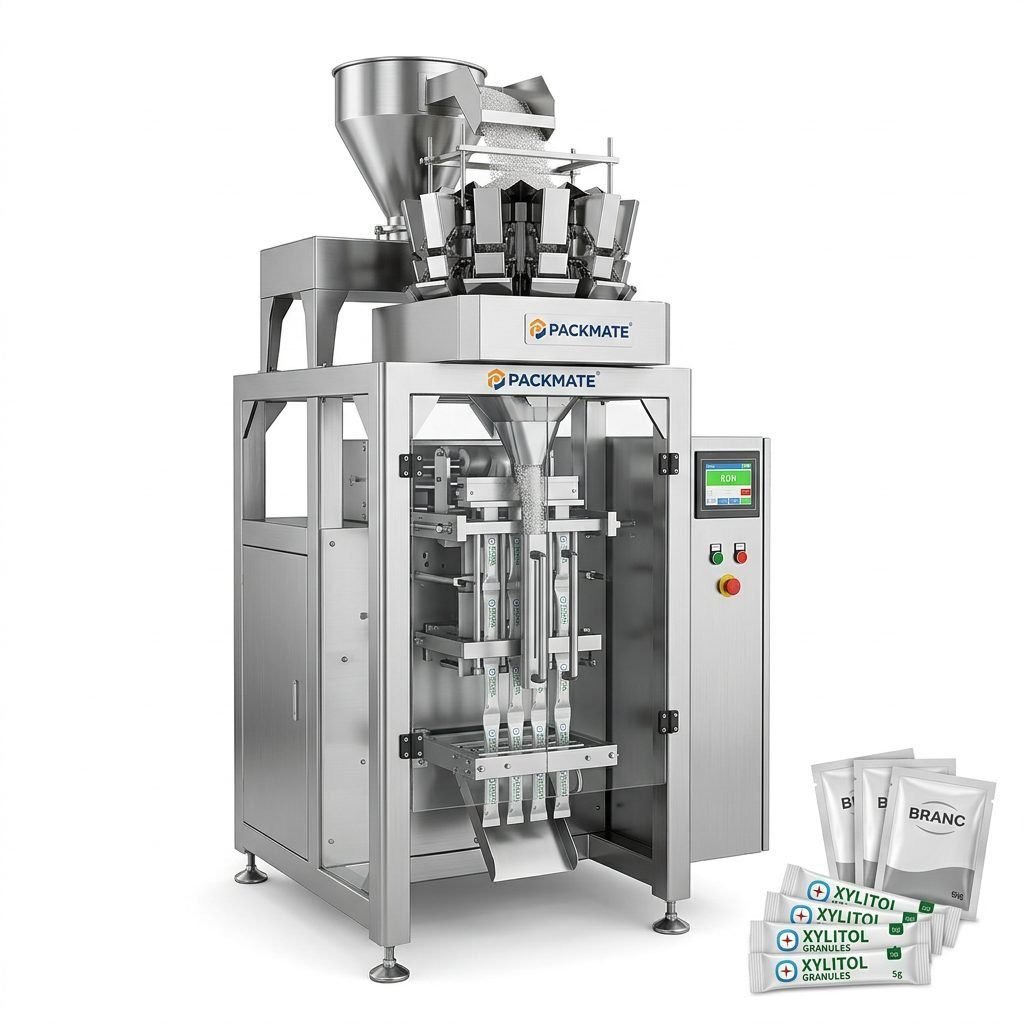
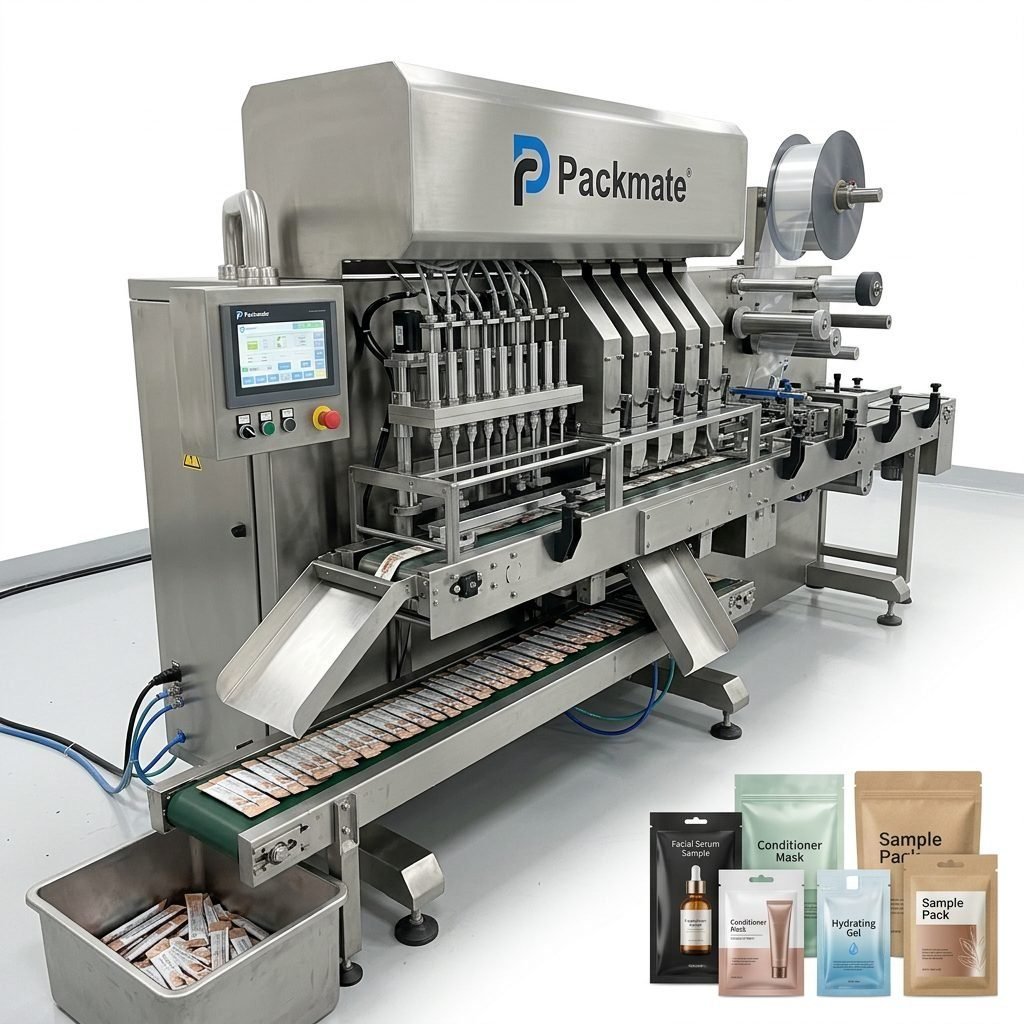
Precision Dosing & Filling: This is the most critical feature. Advanced machines utilize highly accurate volumetric cup fillers, auger fillers, or liquid pumps to dispense exact amounts of product—whether it’s a fine powder, granule, or viscous liquid. This eliminates product giveaway and ensures every sachet or stick pack contains the promised dose, which is paramount for pharmaceutical and nutraceutical applications.
High-Speed Form-Fill-Seal (FFS) Technology: The machine forms the packaging from a roll of film, fills it with the measured product, and seals it—all in one continuous, rapid motion. This seamless integration allows for impressive production speeds, with some models capable of producing hundreds of pouches per minute.
Material Versatility: A top-tier machine can handle a wide array of laminates and co-extruded films, including paper/aluminum/plastic composites. This flexibility allows manufacturers to choose materials that offer the necessary barrier properties (e.g., against moisture, oxygen, light) for their specific product, extending shelf life and maintaining potency.
User-Friendly HMI & PLC Control: Operation is managed through an intuitive Human-Machine Interface (HMI) panel connected to a Programmable Logic Controller (PLC). This allows for easy setup, recipe storage for different products, real-time monitoring of production parameters, and quick changeovers, minimizing downtime.
Tangible Benefits for Manufacturers and End-Users
Investing in a single dose packaging system translates into significant advantages across the supply chain, from the factory floor to the consumer’s hands.
Enhanced Product Integrity & Safety: Each dose is hermetically sealed in its own pristine environment, completely isolated from external contaminants and human handling. This is crucial for maintaining sterility in medical samples or ensuring the purity of high-value supplements. It also prevents cross-contamination, a key concern in food and pharmaceutical industries.
Dramatic Reduction in Product Waste: By delivering exact portions, these machines eliminate the over-pouring and spillage common in bulk packaging. Consumers use the entire product with no residue left in a jar or bag, and manufacturers save on raw material costs. This precision dosing is perfectly aligned with the functionality of integrated weighing and packaging systems.
Unmatched Convenience and Portability: For the end-user, single-dose packs are the epitome of convenience. They are lightweight, easy to carry, and require no measuring tools. This boosts compliance for daily supplements and enhances the user experience for products like instant coffee, shampoo, or sauce samples, perfectly fitting into on-the-go lifestyles.
Improved Shelf Life and Brand Perception: The sealed packaging protects the product from environmental factors that cause degradation. Furthermore, the professional, consistent appearance of the pouches enhances brand image, conveying a message of quality, modernity, and care for the consumer. A reliable machine is the first step in building a trusted brand, a principle embodied by companies with a strong legacy like Packmate Machinery.
Selecting the Right Machine for Your Needs
Choosing a single dose packaging machine is a strategic decision. Key considerations include:
- Product Characteristics: Is your product a free-flowing powder, a sticky gel, or a granular solid? The physical properties dictate the type of filling system required (e.g., auger, pump, cup).
- Production Volume & Speed: Assess your current and projected output to select a machine with an appropriate speed (pouches per minute) and durability for your shift patterns.
- Packaging Specifications: Determine the required pouch size, shape (stick pack, sachet, pillow bag), and the necessary sealing type (e.g., 3-side seal, 4-side seal).
- Regulatory Compliance: For food and pharmaceutical applications, ensure the machine is constructed with appropriate materials (e.g., food-grade stainless steel) and designed for easy cleaning and validation to meet GMP standards.
- Supplier Support: Partner with a manufacturer that offers comprehensive after-sales service, technical support, and readily available auxiliary equipment and spare parts. A supplier’s history and global reach, as seen in Packmate’s over two decades of development, can be a strong indicator of reliability.
Conclusion
The single dose packaging machine is far more than just a piece of factory equipment; it is a strategic asset that drives efficiency, ensures quality, and meets the evolving demands of the market. By automating the packaging of precise portions, it delivers undeniable benefits in cost savings, product protection, and consumer satisfaction. As industries continue to prioritize hygiene, convenience, and sustainability, the role of these intelligent packaging systems will only become more central to successful production operations worldwide.
Frequently Asked Questions (FAQs)
1. What types of products are best suited for single dose packaging?
This format is ideal for a vast range of products including pharmaceutical powders and granules, dietary supplements, instant drink mixes (coffee, tea, protein powder), condiments (ketchup, soy sauce), shampoo & conditioner samples, and industrial chemicals or reagents that require precise measurement.
2. How do I ensure the accuracy of the dose in each pouch?
Dose accuracy is primarily controlled by the filling system. High-precision auger fillers with servo motors, volumetric cups, or piston pumps are used. Regular calibration, using certified weights for check-weighing, and maintaining consistent product characteristics (like particle size and flowability) are essential practices to maintain accuracy over time.
3. Can one machine handle different pouch sizes and materials?
Yes, most modern machines are designed for quick changeover. This typically involves changing the forming collar, sealing jaws, and the film roll. Advanced machines with servo drives and stored recipes in the HMI can make these changeovers in minutes, allowing for flexible production runs of different products.
4. What is the typical maintenance required for these machines?
Routine maintenance includes daily cleaning to prevent product buildup, lubrication of moving parts as per the manufacturer’s schedule, and inspection of wear parts like sealing jaws, cutting blades, and gaskets. A preventive maintenance plan from your supplier is highly recommended to maximize uptime and machine lifespan.
5. Are these machines suitable for sterile packaging applications?
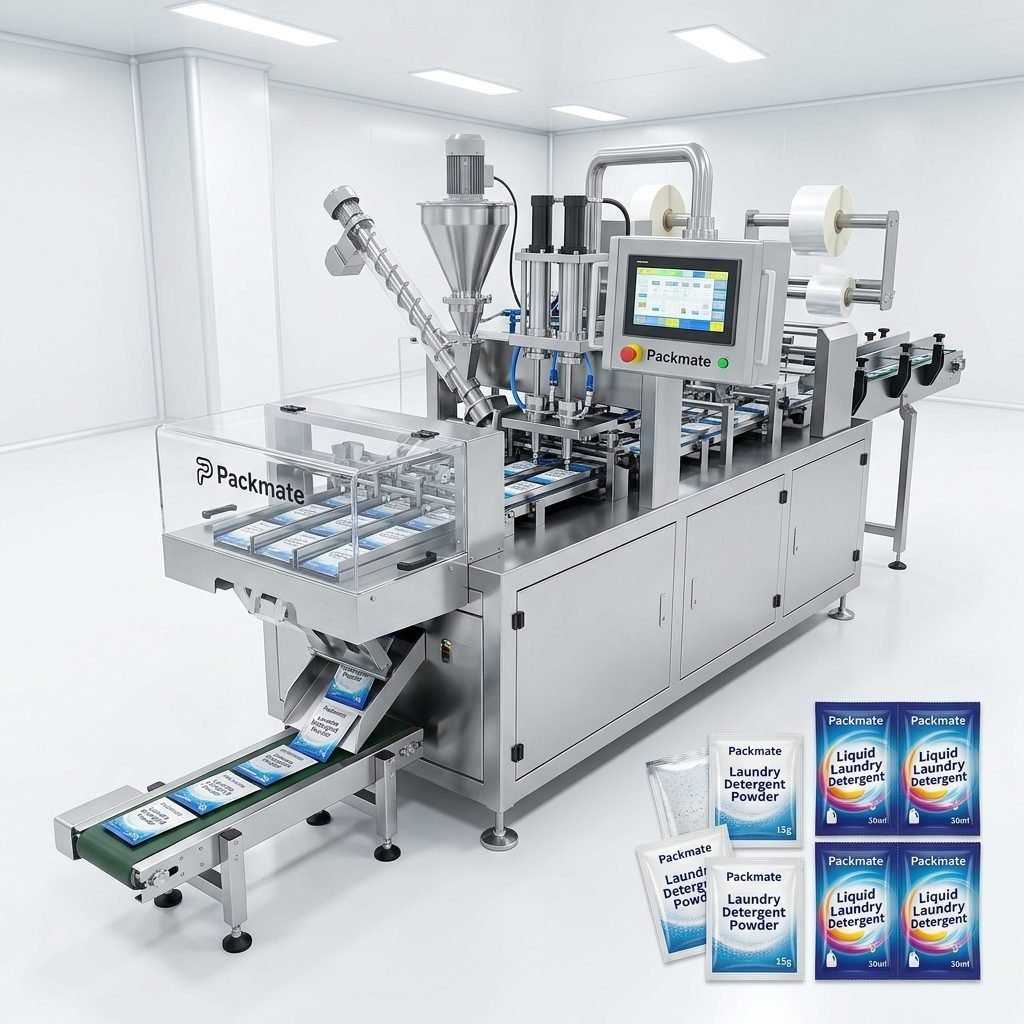
Yes, but they require specific configurations. Machines for sterile or cleanroom applications are built with hygienic design principles: easy-clean surfaces, minimal crevices, and often are housed within an isolator or have a laminar airflow hood. The packaging film must also be sterilizable (e.g., via gamma irradiation). It’s critical to discuss sterile requirements with the machine manufacturer during the design phase.