Choosing the right fish packaging machine is a critical decision for seafood processors, distributors, and retailers. Effective packaging preserves freshness, extends shelf life, and enhances product appeal, directly impacting profitability and brand reputation. This comprehensive guide delves into the various types of fish packaging machines, their specific applications, and essential factors to consider before making a purchase.
Core Types of Fish Packaging Machines
The fish packaging landscape utilizes several specialized machine types, each designed for a specific packaging format and production requirement.
Vacuum Packaging Machines
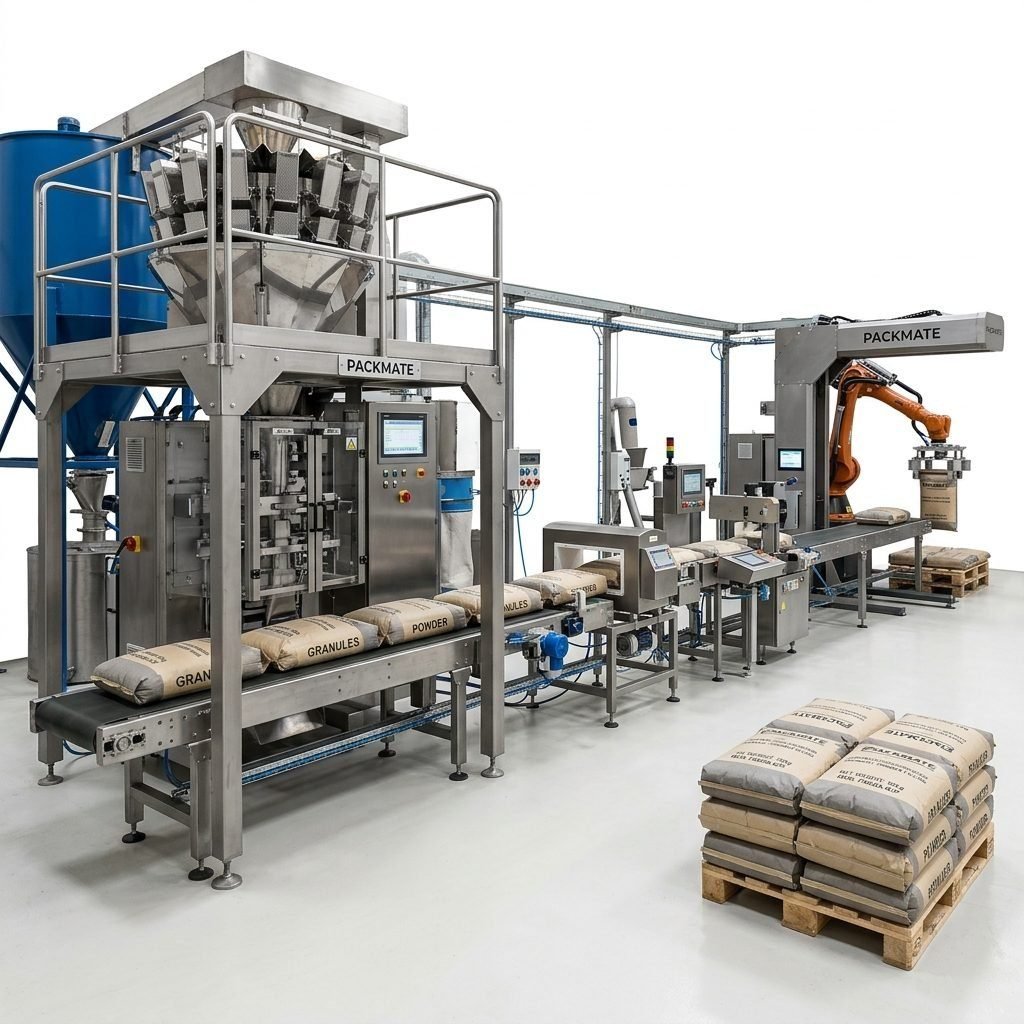
These machines are the cornerstone of fresh and frozen fish packaging. By removing air from the package before sealing, they significantly slow down oxidation and bacterial growth. Common formats include chamber vacuum sealers for bulkier items and external vacuum sealers for pre-made pouches. For high-volume production of items like salmon fillets or shrimp, automatic bag and pouch packaging lines integrate vacuum sealing for unparalleled efficiency.
Key Benefit: Vacuum packaging is essential for maximizing shelf life and preventing freezer burn, making it ideal for both retail and foodservice distribution channels.
Modified Atmosphere Packaging (MAP) Machines
MAP technology goes a step further by replacing the air inside the package with a controlled mixture of gases, such as carbon dioxide and nitrogen. This inert atmosphere further inhibits spoilage organisms. MAP machines are often used for premium fresh fish products displayed in supermarket chillers, where extended visual freshness is paramount.
Skin Packaging Machines
This method involves heating a plastic film so it conforms tightly to the shape of the fish product, which rests on a cardboard backing. The result is a visually striking package that minimizes movement, reduces purge (liquid loss), and presents the product attractively. It’s highly popular for portion-controlled fillets and steaks.
Flow Wrapping Machines
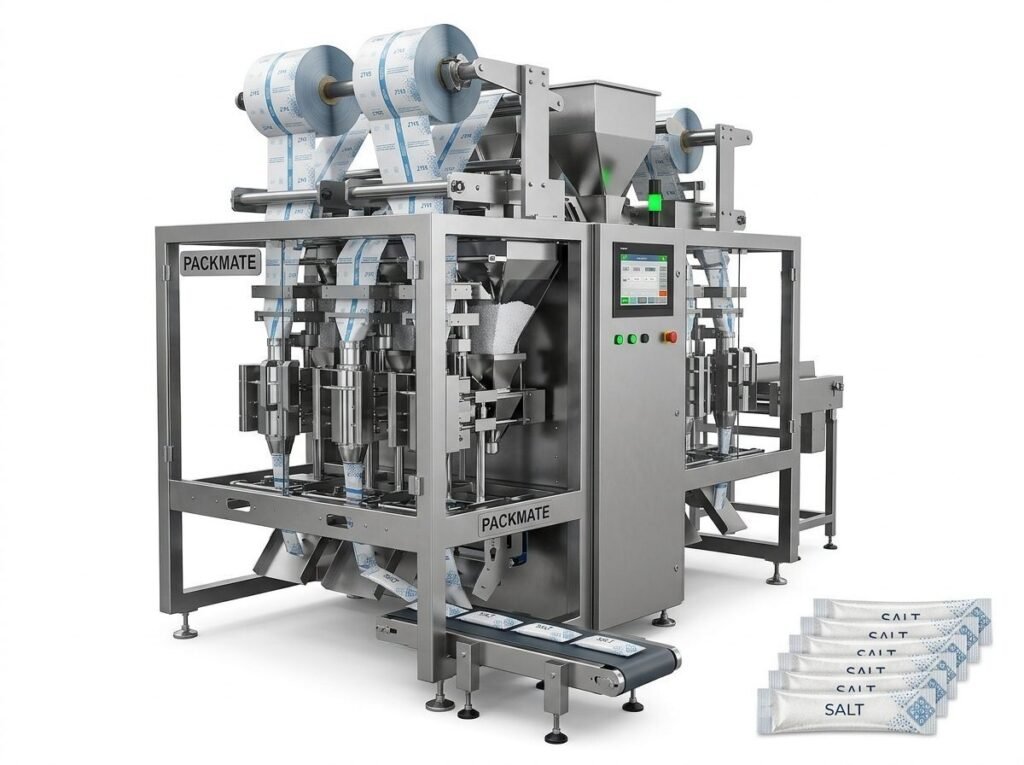
For individually quick frozen (IQF) fish products like fish sticks, fillets, or shrimp, flow wrappers are the standard. The machine forms a tube of film around the product and creates a tight seal at both ends. This method is fast, cost-effective, and provides a good moisture barrier.
Weighing and Filling Systems
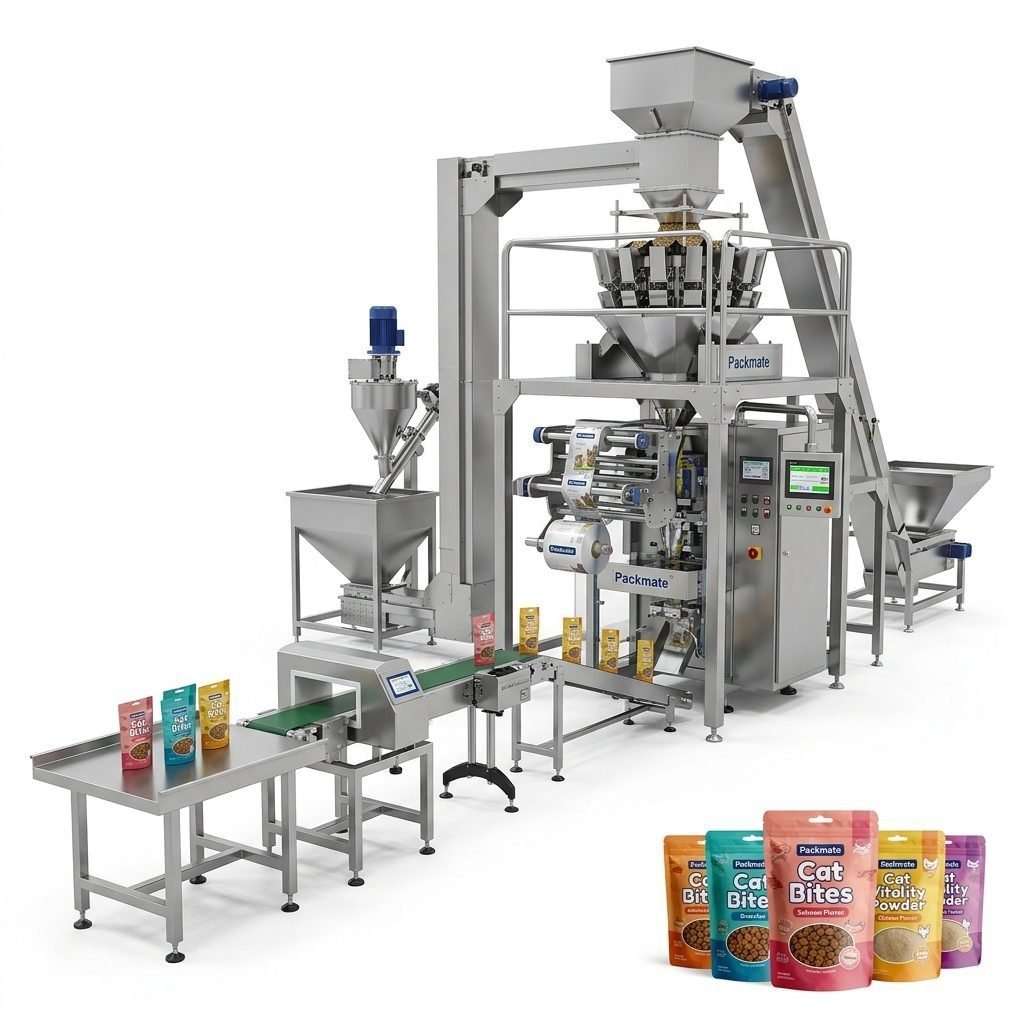
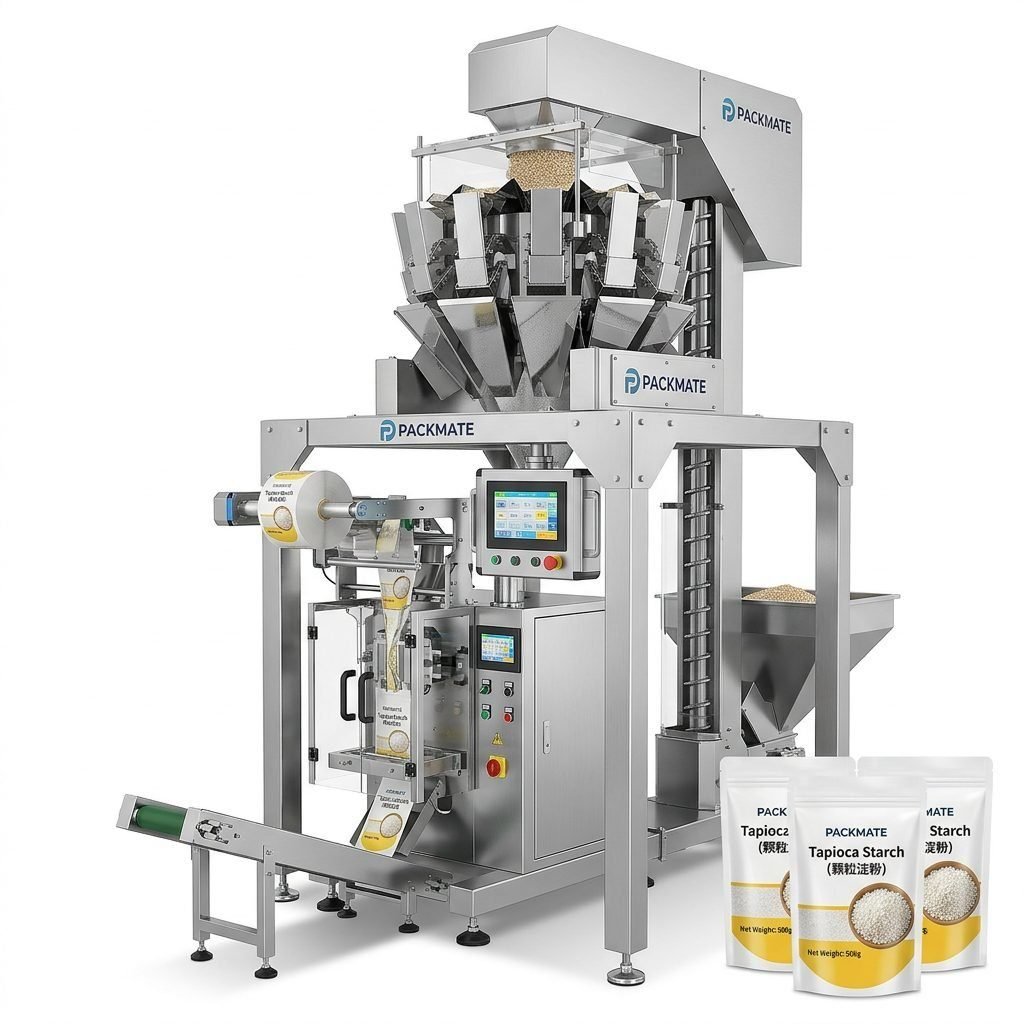
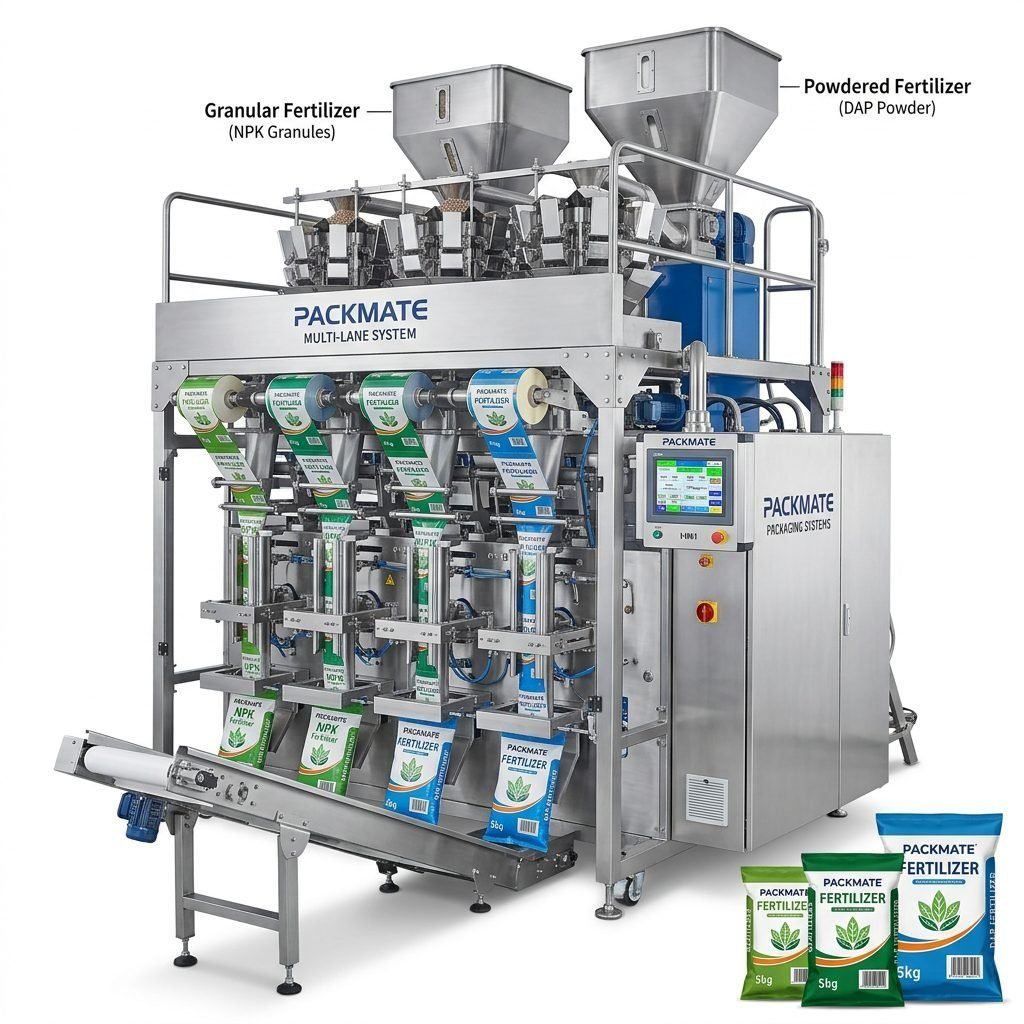
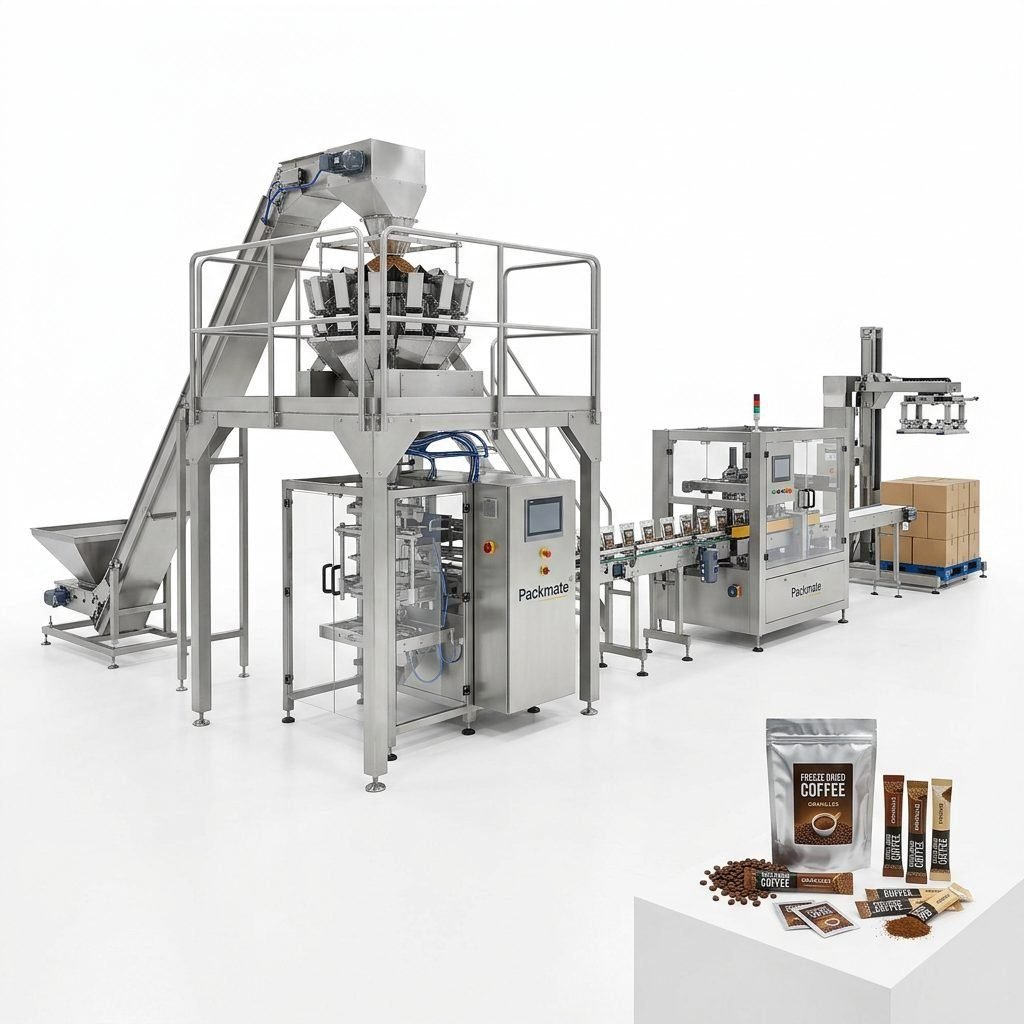
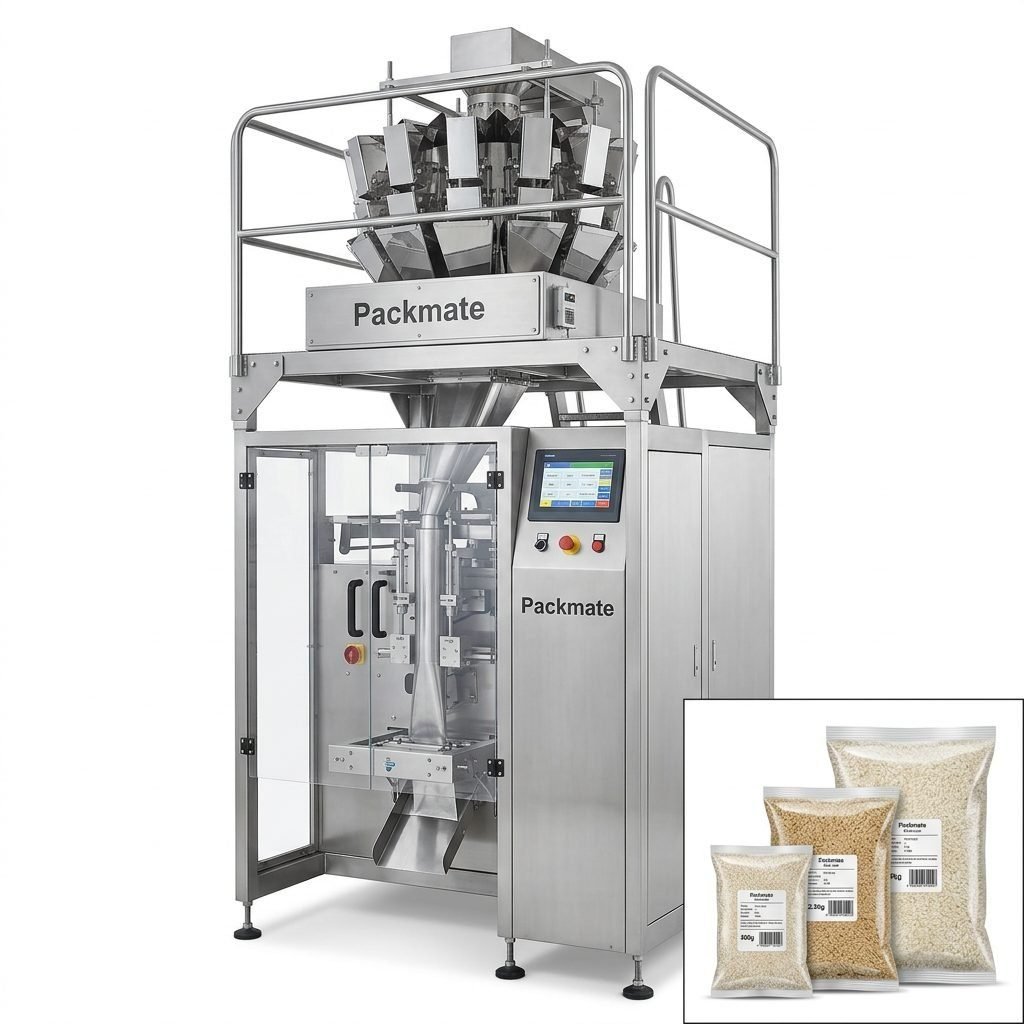
Accuracy and speed are crucial when packaging fish into bags or trays by weight. Modern multi-head weighers and auger filler systems ensure precise portion control, minimize giveaway, and maintain high throughput for products like scallops, bait fish, or breaded portions.
Primary Uses and Applications in the Seafood Industry
Understanding the application helps match the machine to the operational need.
Fresh Fish Processing
For fresh fish, the priority is rapid packaging post-processing to lock in quality. Vacuum and MAP machines are dominant here. They are used for whole gutted fish, fillets, and value-added products like marinated portions, often integrated into a complete filling and packaging line.
Frozen Fish Production
The focus shifts to durability and preventing dehydration. Flow wrapping for IQF products and robust vacuum sealing for bulk packs are standard. Machines must perform reliably in cold, often damp environments.
Smoked and Value-Added Products
Smoked salmon, fish pâtés, and ready-to-eat seafood salads often use vacuum or gas-flushed packaging in rigid trays or flexible pouches. The machinery must handle delicate products gently and create an airtight seal to preserve flavor and texture.
Critical Buying Tips for Your Investment
Selecting a fish packaging machine requires careful evaluation beyond just the price tag.
1. Assess Your Production Requirements
Clearly define your output speed (packages per minute), product size range, and packaging materials (film type, thickness). A machine sized too small creates bottlenecks, while an oversized one wastes capital and floor space.
2. Prioritize Hygiene and Corrosion Resistance
Fish processing is a wet, saline environment. Look for machines constructed with food-grade stainless steel (e.g., 304 or 316 grade) on all product-contact surfaces. Sealed electrical components and easy-clean designs are non-negotiable for food safety and machine longevity.
3. Evaluate Flexibility and Changeover Ease
If you run multiple product types or package sizes, the machine’s changeover time is critical. Seek models with quick-adjust mechanisms for seal bar width, film reel mounting, and forming tools. Modular designs offer future scalability.
4. Consider Integration and Support
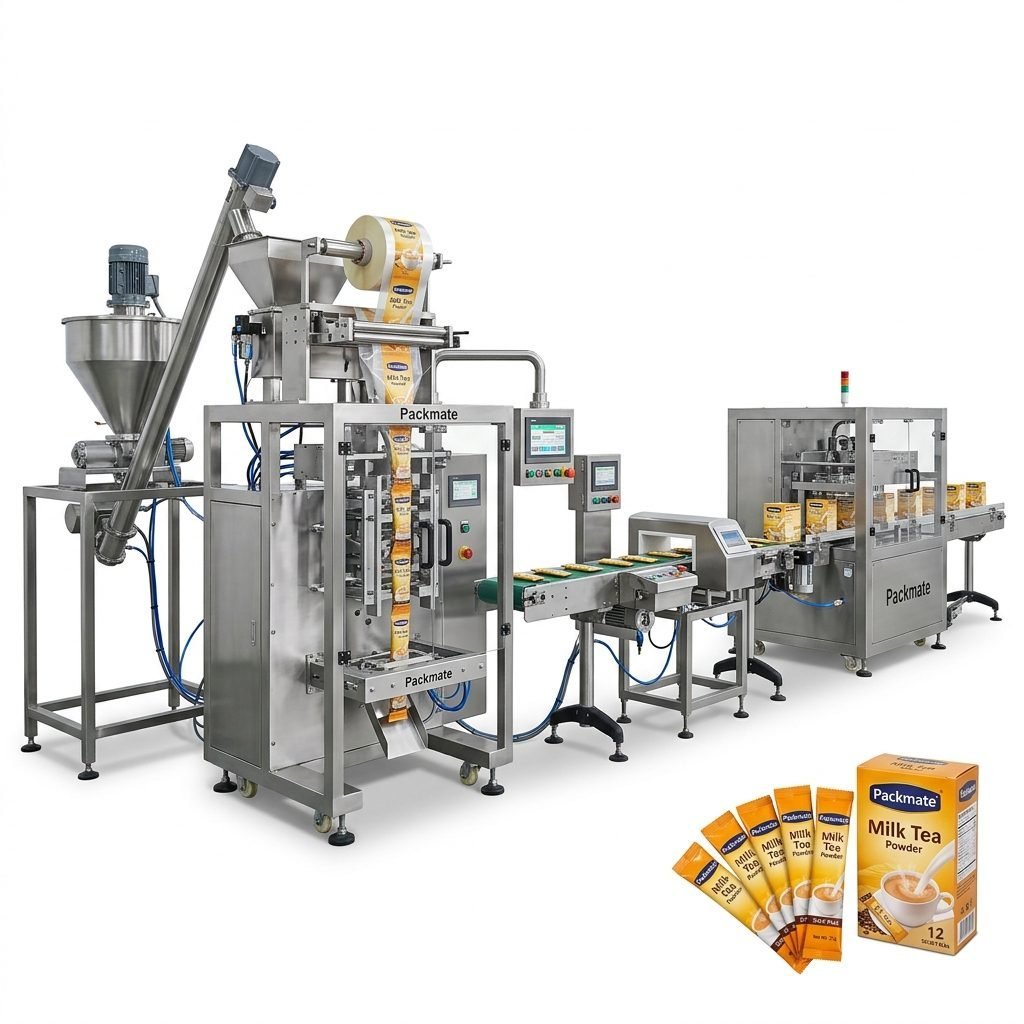
Will the machine stand alone or integrate with existing conveyors, coders, or checkweighers? Ensure compatibility. Equally important is the supplier’s reputation for after-sales service, technical support, and spare parts availability. A partner with deep industry experience, like Packmate Machinery, which brings over two decades of engineering expertise, can provide invaluable turnkey solutions and reliable support.
Pro Tip: Always request a live product test using your actual fish samples and packaging materials. This is the only way to verify performance, seal integrity, and speed under real-world conditions.
5. Analyze Total Cost of Ownership (TCO)
Look beyond the purchase price. Factor in ongoing costs for energy consumption, maintenance, spare parts, and compatible packaging films. A slightly more expensive but robust and efficient machine often has a lower TCO over its lifespan.
Frequently Asked Questions (FAQs)
What is the most important feature in a machine for packaging fresh fish?
The most critical features are hygienic design with corrosion-resistant materials and the ability to create a consistently strong, airtight seal (via vacuum or MAP) to rapidly remove oxygen and preserve freshness.
Can one machine handle both frozen IQF shrimp and fresh salmon fillets?
It is challenging. IQF shrimp are best served by high-speed flow wrappers, while fresh fillets often need gentle handling in a vacuum or skin pack machine. Some advanced vertical form-fill-seal systems offer flexibility, but dedicated machines typically yield better results for vastly different product types.
How does Modified Atmosphere Packaging (MAP) differ from vacuum packaging for fish?
Vacuum packaging removes air. MAP replaces the air with a specific gas mix. MAP is often better for delicate, lean fish fillets as it prevents the package from crushing the product while still inhibiting spoilage. Vacuum is excellent for removing air pockets around irregular shapes.
What maintenance is required for a fish packaging machine?
Daily cleaning and sanitization of all product-contact zones are essential. Regular maintenance includes checking and replacing seal bars, cutting blades, and film drive components, lubricating moving parts with food-grade oil, and inspecting electrical connections for corrosion.
Is it worth investing in a fully automated packaging line?
For medium to high-volume processors, automation is almost always justified. It reduces labor costs, increases output consistency and speed, improves hygiene by minimizing human contact, and provides better data tracking. The return on investment can be calculated based on labor savings and reduced product waste.