Selecting the right cheese packaging machine is a critical decision for any dairy producer, cheese manufacturer, or food processing business. The packaging not only protects the cheese’s quality, flavor, and texture but also serves as a key marketing tool on the shelf. With a vast array of machinery available, from simple sachet fillers to complex multi-lane systems, understanding the options can streamline your investment and boost your operational efficiency. This guide will explore the main types of cheese packaging machines, their specific uses across different cheese varieties, and essential tips for making an informed purchase.
Understanding the Different Types of Cheese Packaging Machines
The packaging process for cheese varies significantly depending on its form—whether it’s shredded, sliced, cubed, crumbled, or a solid block. Consequently, different machines are designed to handle these specific formats efficiently and hygienically.
Vertical Form-Fill-Seal (VFFS) Machines
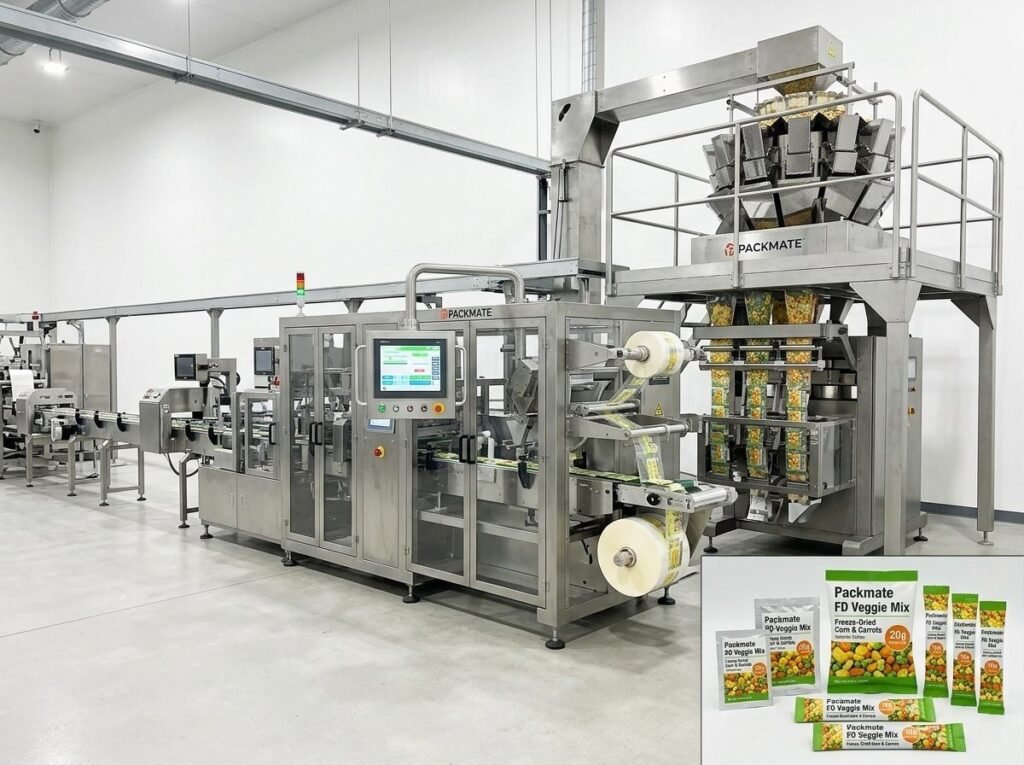
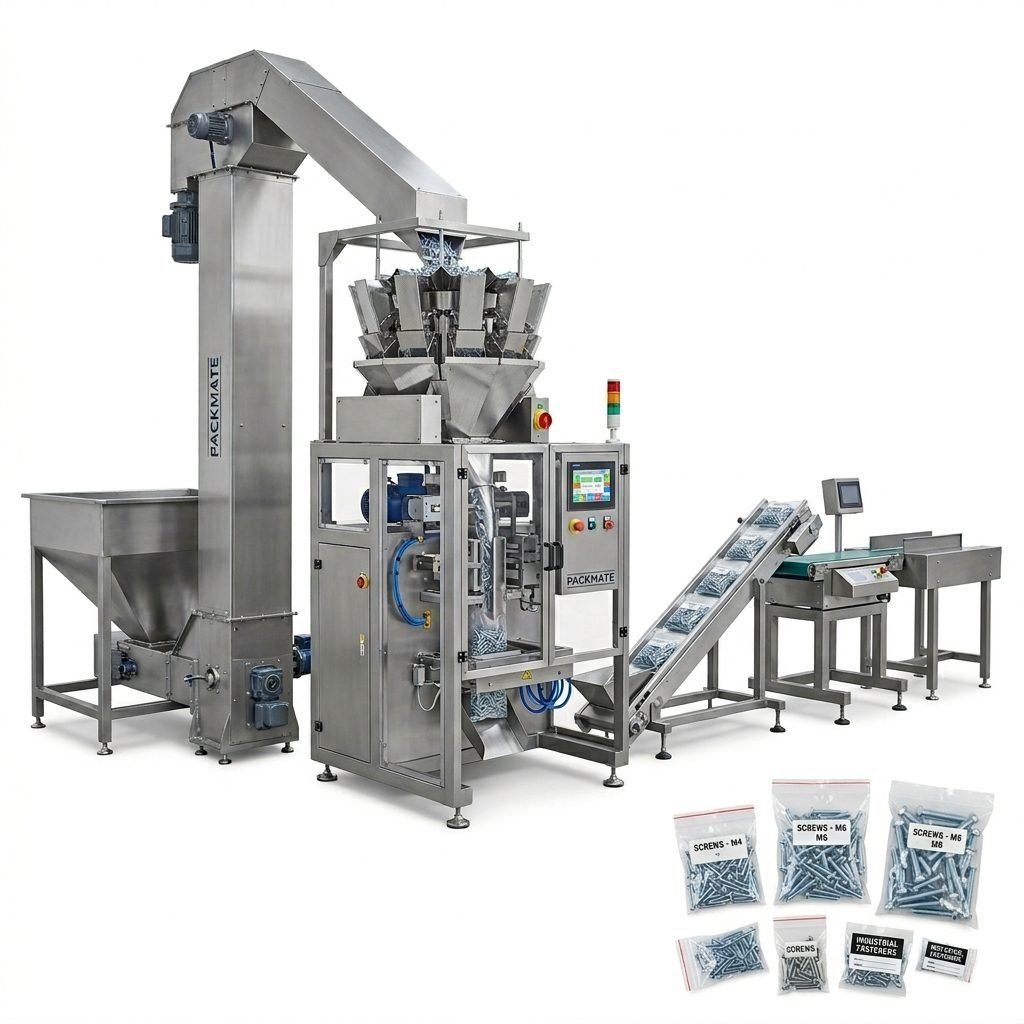
Vertical Form-Fill-Seal machines are the workhorses of the packaging industry, exceptionally versatile for free-flowing products. For cheese, they are predominantly used for shredded, grated, or crumbled varieties. The machine forms a bag from a roll of film, fills it with a pre-weighed amount of product, and then seals it—all in a continuous vertical motion. This type is ideal for producing pillow bags or gusseted bags in various sizes, offering high speed and efficiency for bulk packaging.
Horizontal Form-Fill-Seal (HFFS) Machines
When packaging sliced or individually portioned cheese, Horizontal Form-Fill-Seal machines are often the preferred choice. These machines form the package horizontally, which is perfect for creating trays with lidding film or flow-wrap packages. They provide excellent presentation, allowing the product to be clearly visible, which is crucial for retail. HFFS systems can handle pre-sliced cheese stacks or form cavities around the product for a snug, attractive fit.
Thermoforming Packaging Machines
For premium cheese segments, such as specialty blocks, wedges, or gourmet portions, thermoforming machines offer superior presentation and protection. These machines use heat to form rigid plastic trays or cavities from a bottom web, place the cheese inside, and then seal it with a top lidding film. The result is a rigid, tamper-evident package that protects delicate cheeses from crushing and extends shelf life through modified atmosphere packaging (MAP) capabilities.
Vacuum Packaging Machines
Vacuum packaging is essential for many types of hard and semi-hard cheeses to prevent mold growth and oxidation. Vacuum sealers remove air from a plastic pouch before sealing it tightly around the cheese. This method is commonly used for whole blocks, bars, or chunks of cheese destined for delis, wholesale, or further processing. Systems range from single-chamber machines for smaller operations to double-chamber and rotary vacuum machines for high-volume production.
Stick Pack and Sachet Machines
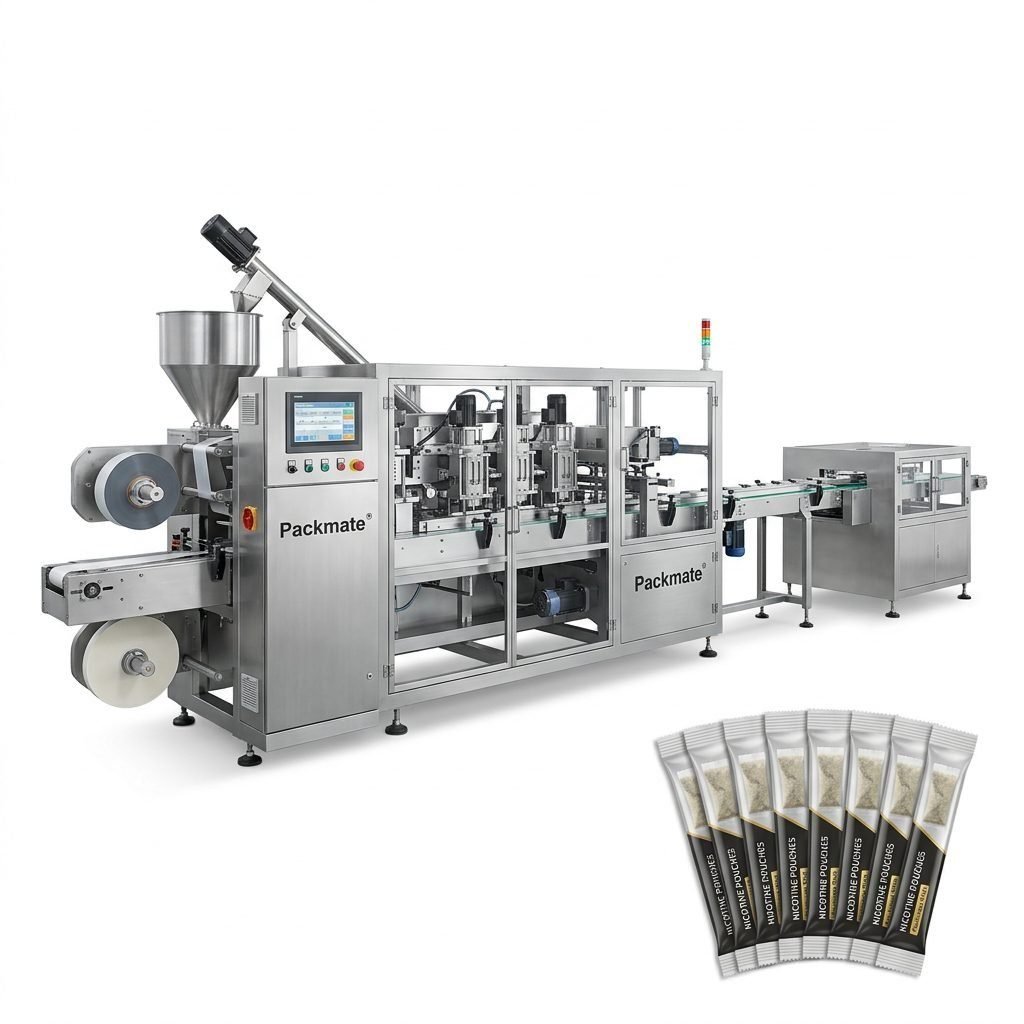
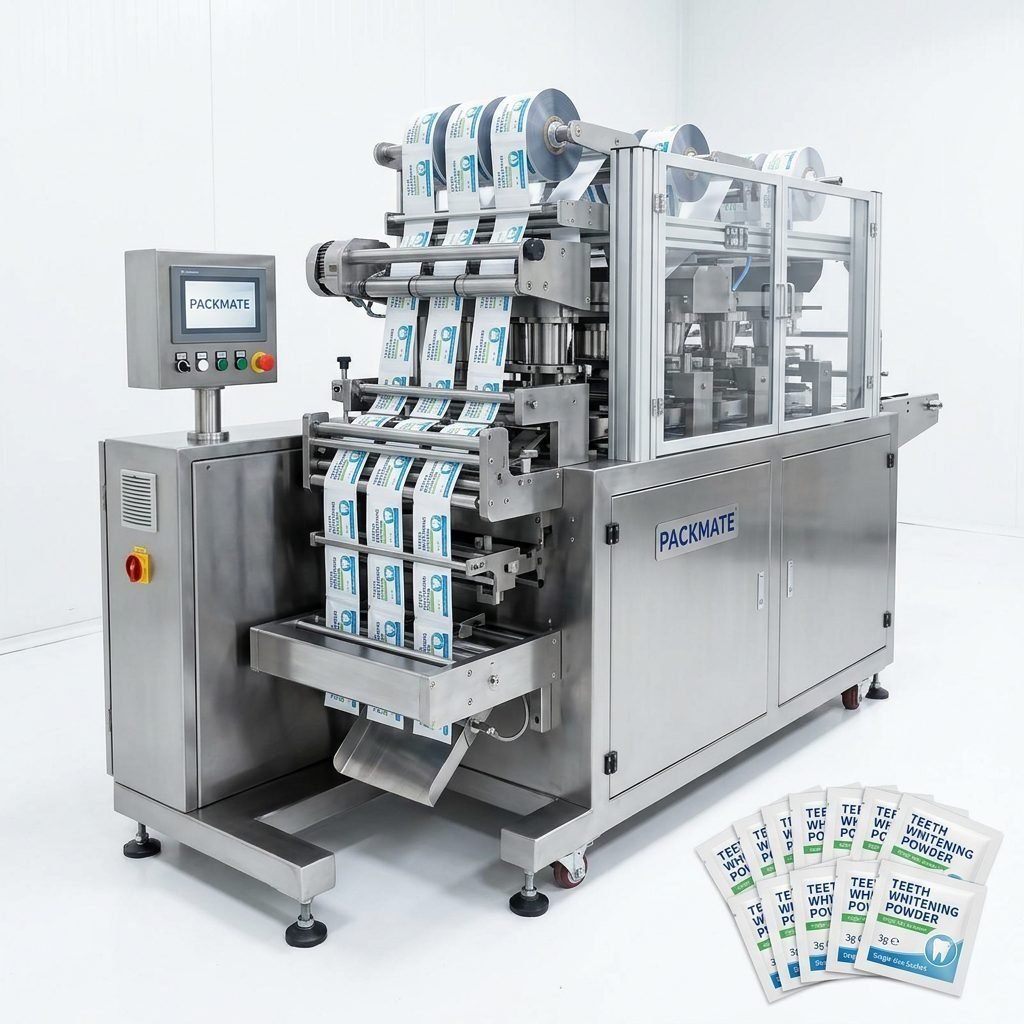
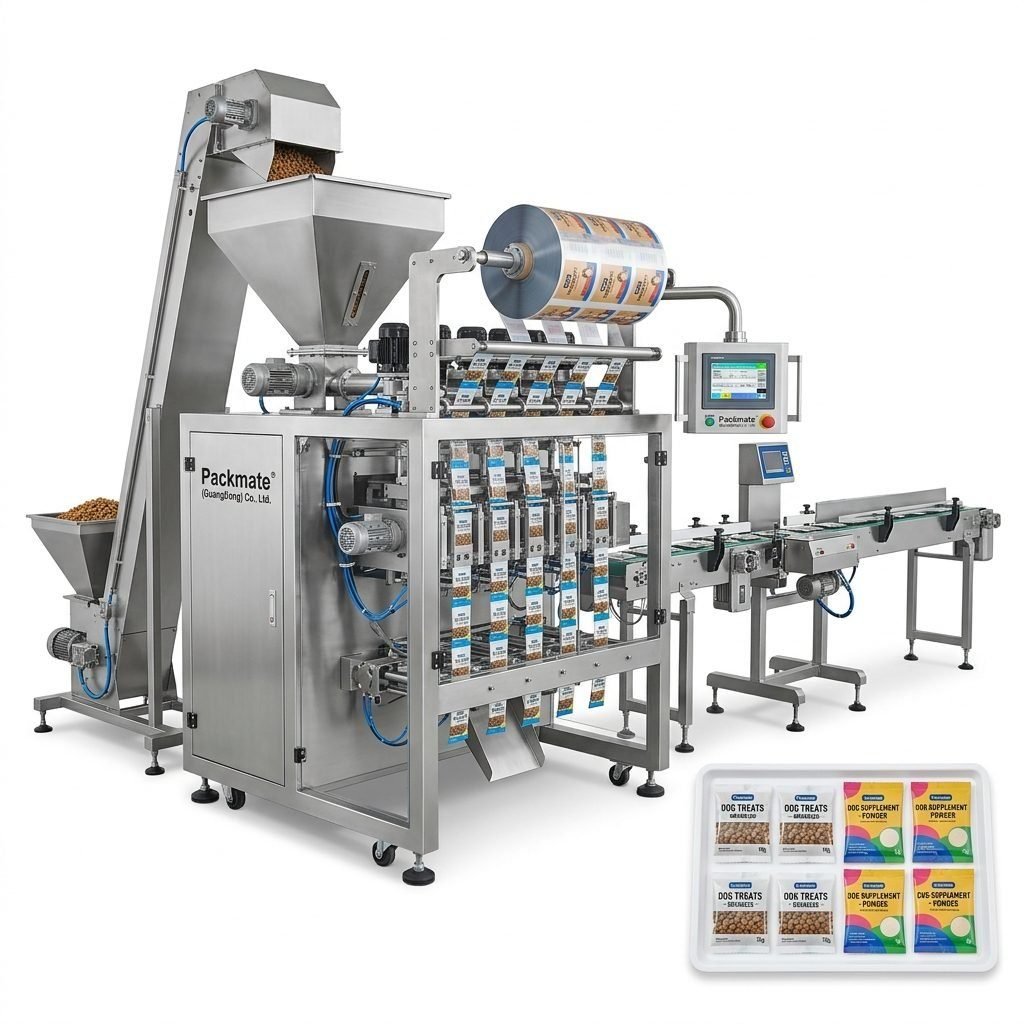
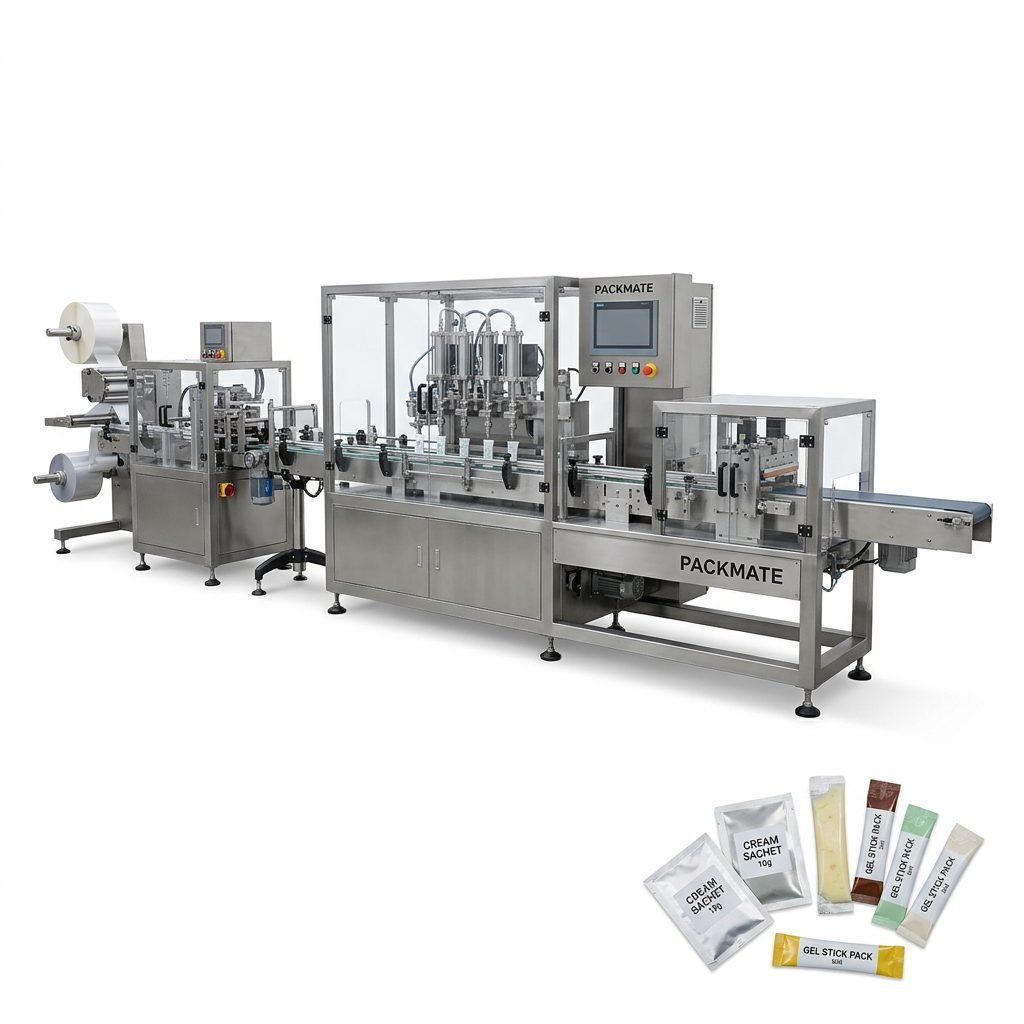
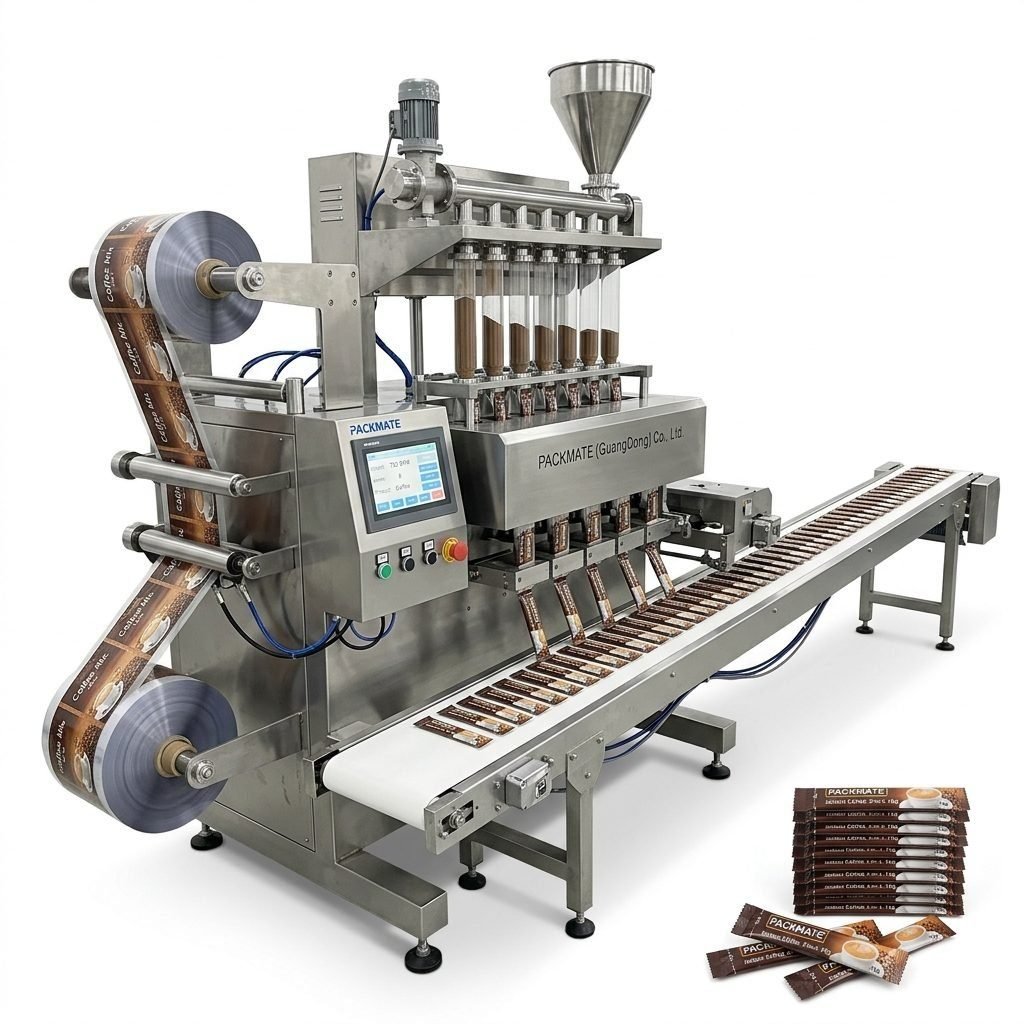
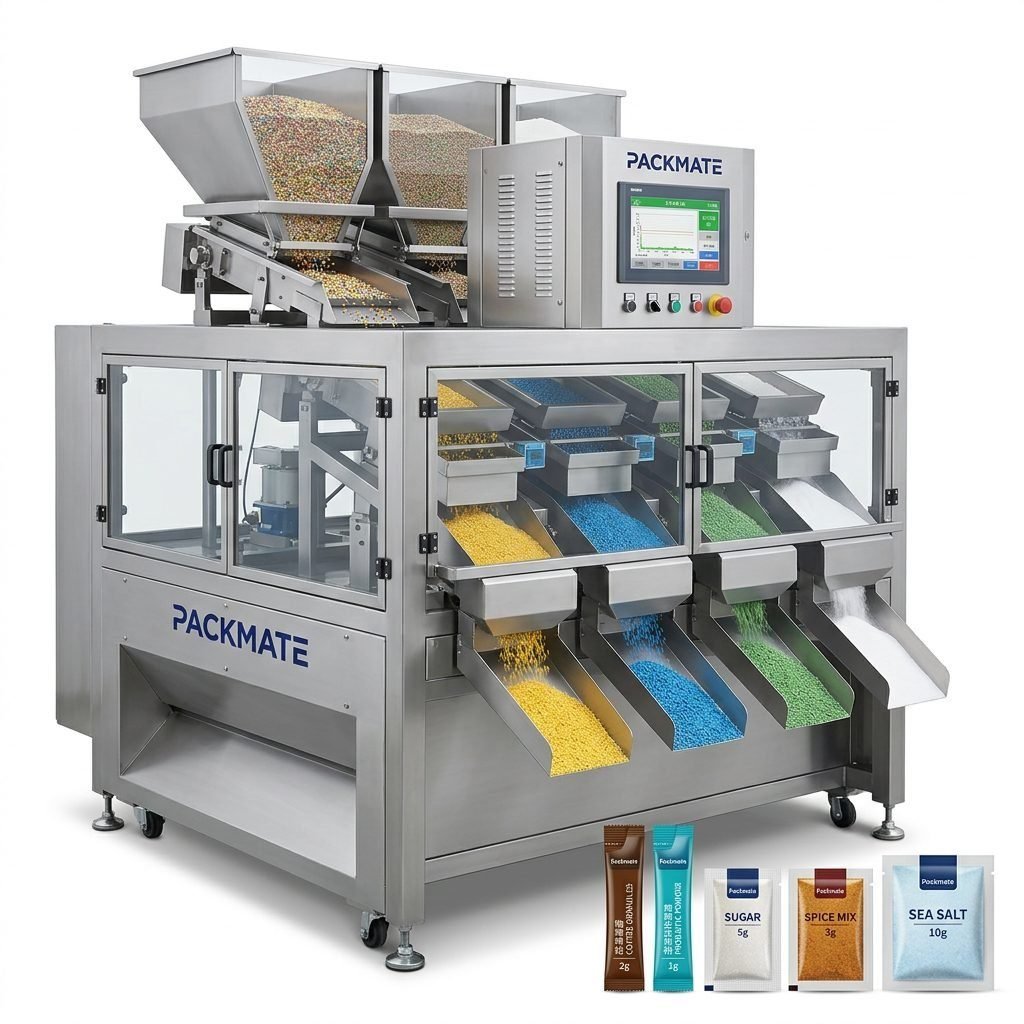
For single-serving portions, such as cheese powders, sauces, or small portions of grated parmesan, sachet and stick pack machines are ideal. These compact, often multi-lane machines can produce a high volume of small, sealed packets efficiently. They are perfect for foodservice, airline meals, or promotional samples, providing portion control and convenience.
Primary Uses and Applications in the Cheese Industry
Each packaging type serves a strategic purpose in the cheese supply chain, from production to the consumer’s table.
Retail Consumer Packaging
This is the most visible application, focusing on attractiveness, product information, and convenience. Sliced cheese in flow wraps, shredded cheese in stand-up pouches, and specialty cheeses in thermoformed trays all fall into this category. The machine must ensure consistent seal integrity to maintain freshness and an appealing look to drive sales at the point of purchase.
Foodservice and Bulk Packaging
Restaurants, pizzarias, and institutional kitchens require large quantities of cheese, often in bulk. Here, durability and preservation are key. Large vacuum-sealed bags of shredded mozzarella or block cheddar, packed by industrial VFFS or vacuum machines, are standard. The packaging must withstand storage and handling while minimizing waste.
Gourmet and Artisanal Cheese Packaging
For smaller-scale producers of artisanal cheese, packaging must reflect quality and craftsmanship. Smaller vacuum sealers or chamber machines are crucial for creating an airtight seal around unique cheese shapes. Some may use specialized bag and pouch packaging machines that can handle waxed cheeses or use breathable films for specific cheese rinds.
Critical Factors to Consider When Buying a Cheese Packaging Machine
Investing in packaging machinery is a significant decision. Here are the key buying tips to guide your selection process.
1. Assess Your Product Characteristics and Output Needs
First, define exactly what you are packaging. Is it a fine powder, a sticky crumble, or delicate slices? The product’s flowability, oil content, and fragility will dictate the suitable filling system (auger, volumetric cup, weigher). Next, calculate your required production speed (bags or pouches per minute) and the range of package sizes you need to run. This will narrow down the machine’s capability specifications.
2. Prioritize Hygiene and Ease of Cleaning
Cheese is a dairy product, making hygiene non-negotiable. Look for machines constructed with food-grade stainless steel on all contact surfaces. The design should allow for quick disassembly and easy access to all parts for thorough cleaning and sanitation. Machines with smooth surfaces and minimal crevices will help you meet stringent food safety standards like HACCP, GMP, or FDA regulations.
3. Evaluate Packaging Material Compatibility
Your choice of machine is intrinsically linked to your packaging film. Ensure the machine can handle the types of material you plan to use, whether it’s mono-layer films, multi-layer laminates for barrier properties, or recyclable materials. Consider the sealing system (heat seal, ultrasonic seal) and its ability to produce a consistent, strong seal even if the film has cheese dust or oil contamination.
4. Consider Integration and Automation Potential
Think beyond the standalone machine. Can it be integrated with upstream equipment like weighing systems or downstream systems like cartoners? For higher efficiency, look for features like automatic film splicing, quick-change parts for different sizes, and compatibility with Industry 4.0 data monitoring systems. Automation reduces labor costs and minimizes human error.
5. Analyze Total Cost of Ownership and Supplier Support
The purchase price is just the beginning. Factor in long-term costs: energy consumption, spare parts, and required maintenance. Most importantly, choose a reputable supplier known for reliable after-sales service, technical support, and availability of spare parts. A machine from a company with a strong track record, like Packmate Machinery, which brings over 30 years of expertise in food packaging, represents a more secure investment. Their commitment to providing complete turnkey solutions means they can support you from installation through to full production optimization.
Frequently Asked Questions (FAQs)
What type of packaging machine is best for shredded cheese?
Vertical Form-Fill-Seal (VFFS) machines are the most common and efficient choice for packaging shredded cheese. They handle free-flowing products at high speeds and can be equipped with auger fillers or weighers for accurate portion control, producing everything from small retail bags to large foodservice pouches.
Can one machine package different cheese formats (sliced, shredded, blocks)?
Typically, no. Machines are specialized. A VFFS machine is for free-flowing product like shreds. Sliced cheese usually requires an HFFS flow-wrapper, and blocks need a vacuum sealer or thermoformer. For multiple formats, you would need different machines or a highly flexible, modular system, which is a significant investment.
How important is Modified Atmosphere Packaging (MAP) for cheese?
Extremely important for extending shelf life and preserving quality, especially for fresh, sliced, or grated cheese. MAP replaces the air inside the package with a protective gas mix (like nitrogen and carbon dioxide). Many thermoforming and some advanced VFFS/HFFS machines come with integrated MAP capabilities.
What are the key maintenance requirements for a cheese packaging machine?
Daily cleaning and sanitation are paramount. Regular maintenance includes lubricating moving parts (with food-grade lubricants), checking and replacing sealing jaws or bands, inspecting cutting blades, and ensuring sensors are clean and calibrated. Always follow the manufacturer’s maintenance schedule.
Where can I see these machines in operation or get a custom solution?
Reputable manufacturers often have demonstration facilities or showcase their equipment at global trade shows. For a tailored solution, it’s best to contact the supplier directly with your specific product details and output requirements. Companies with extensive application experience, such as Packmate, can often provide test runs or case studies relevant to your needs.