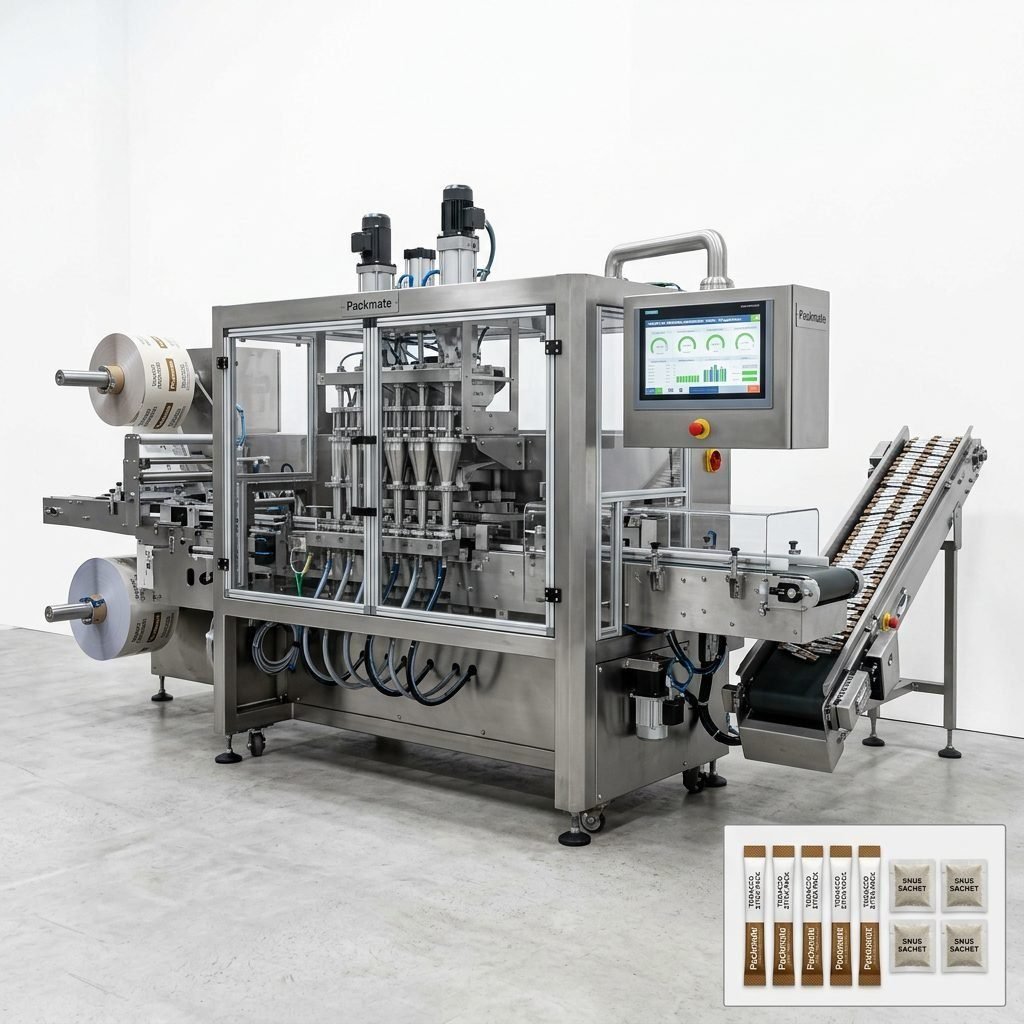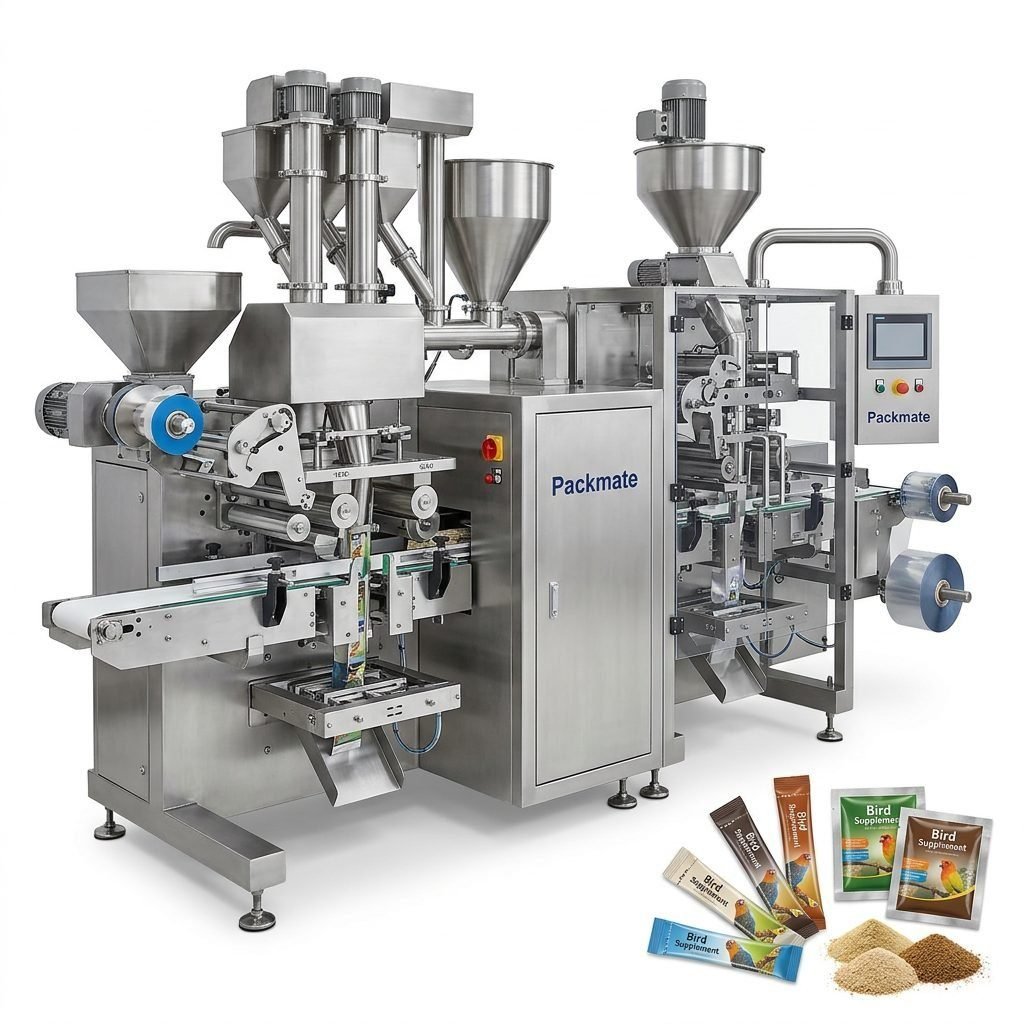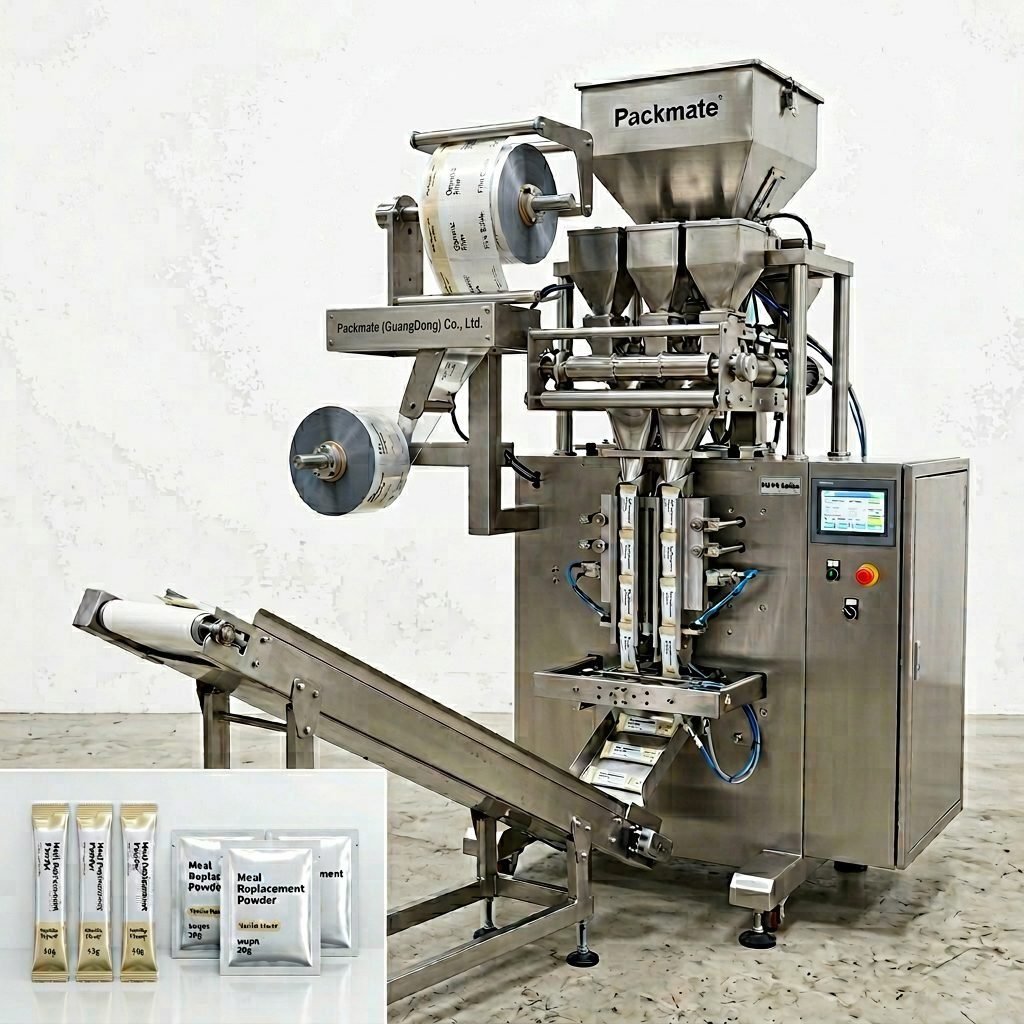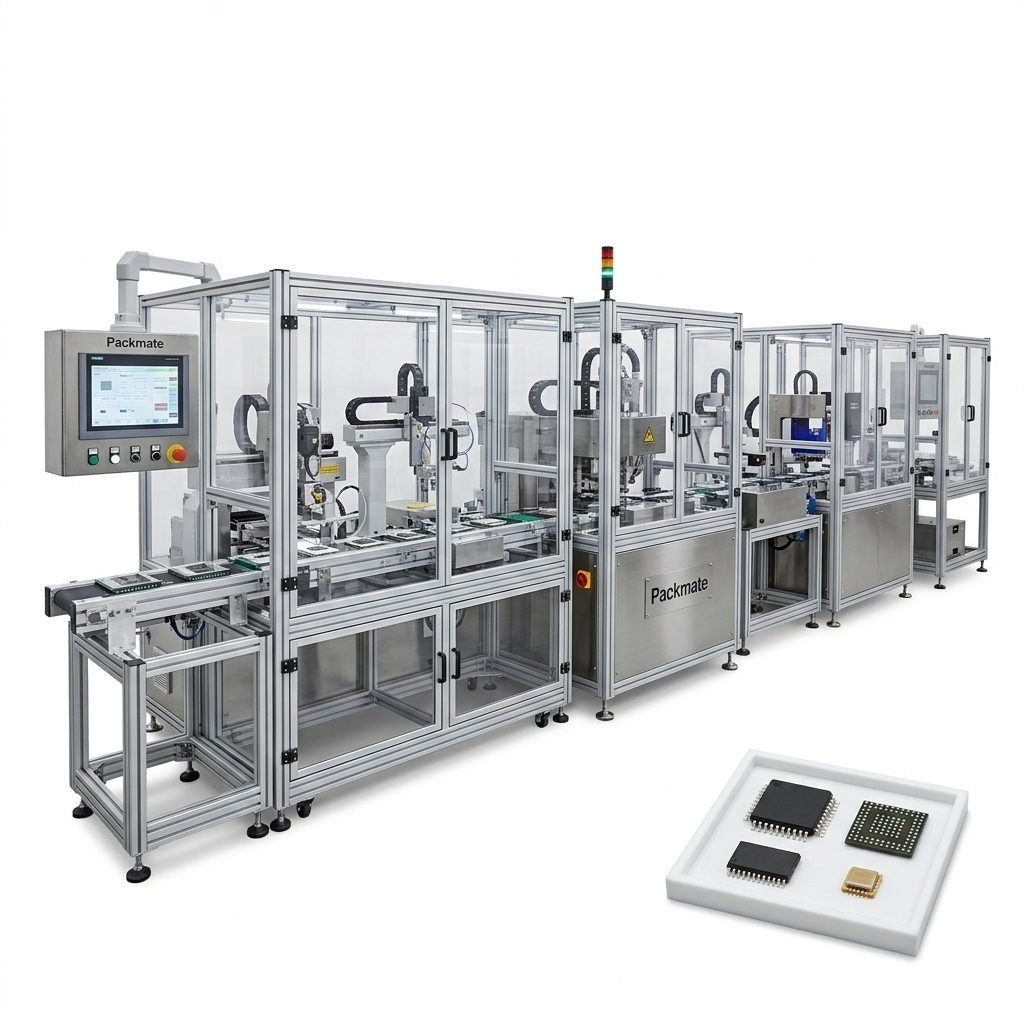
Selecting the right packaging machine is a critical decision that directly impacts production efficiency, product quality, and overall operational costs. This expert guide provides a comprehensive framework to navigate the complex landscape of packaging machine solutions, ensuring you make an informed investment that aligns with your specific business needs and long-term goals.
Understanding Your Core Packaging Requirements
The selection process must begin with a thorough analysis of your current and future needs. This foundational step prevents costly mismatches and ensures the chosen solution can scale with your business.
Key Factors to Assess:
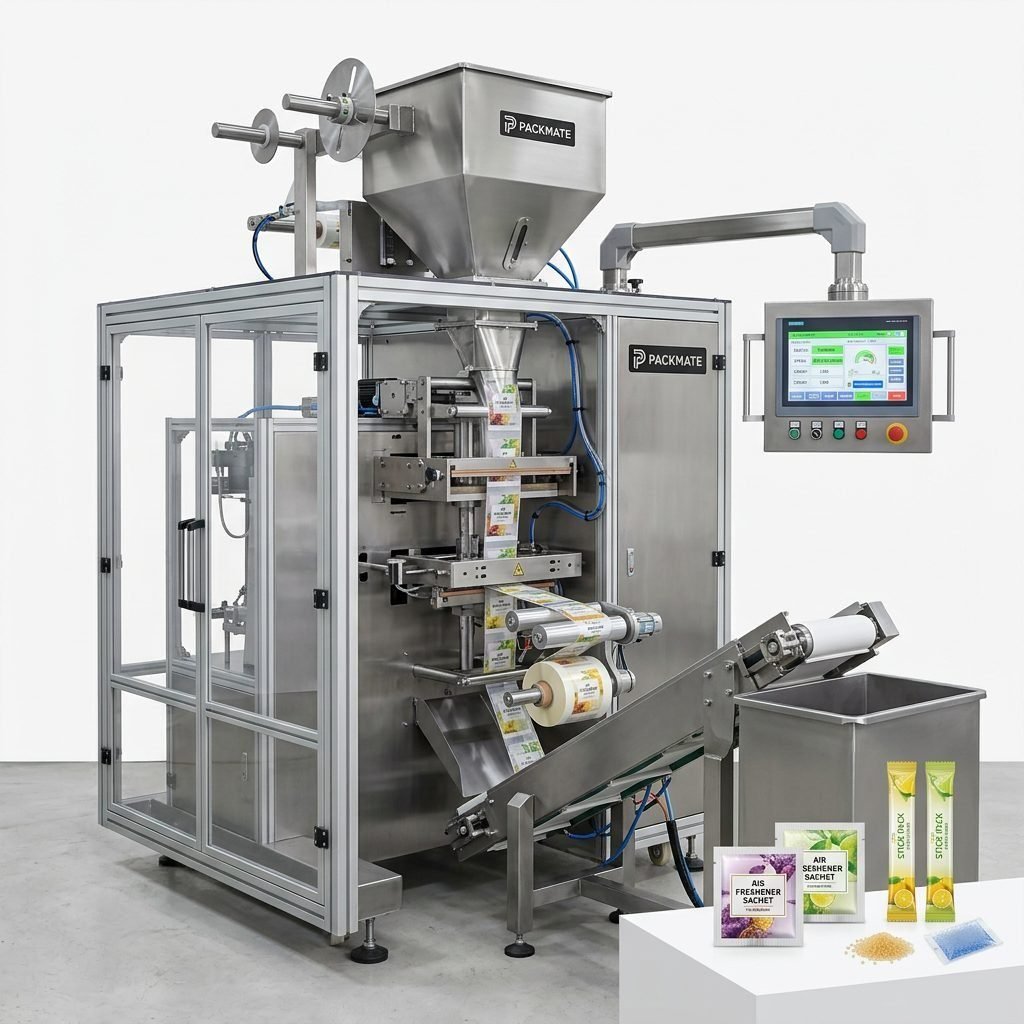
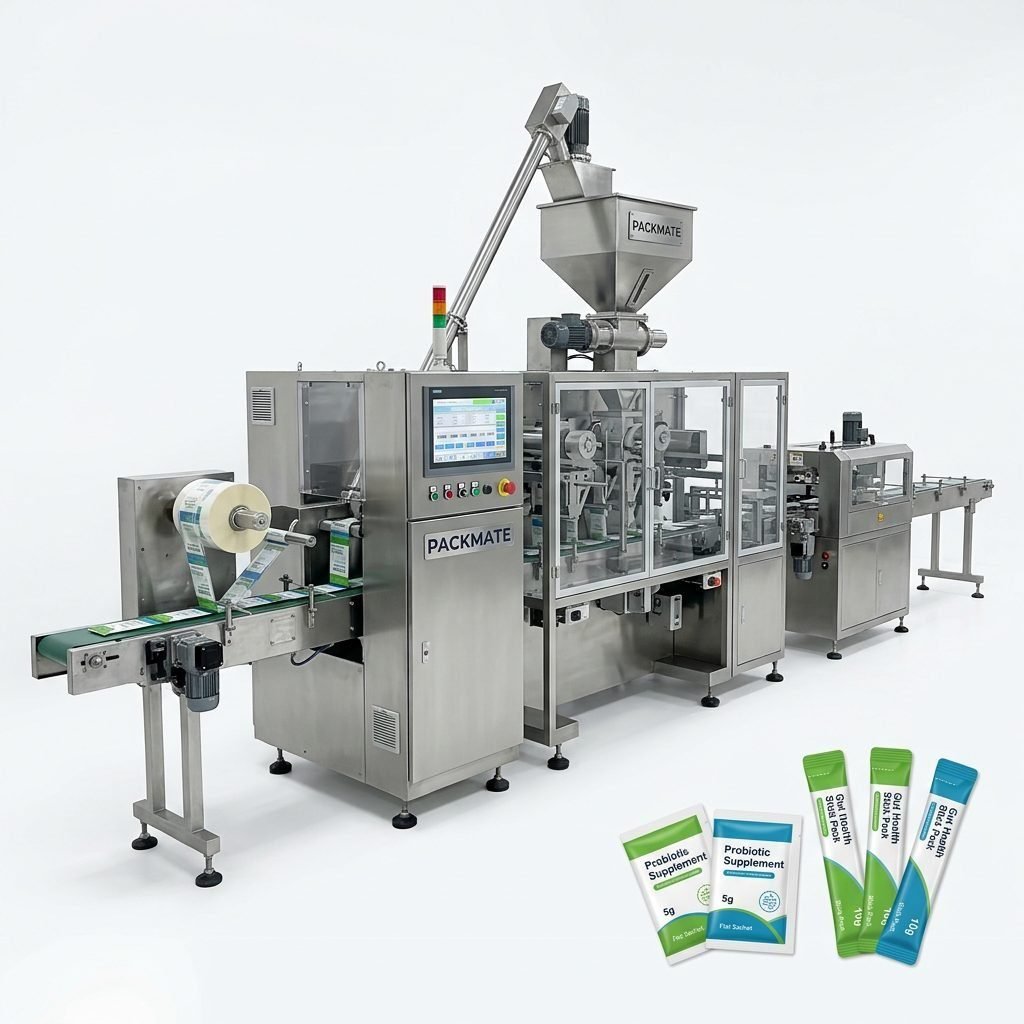
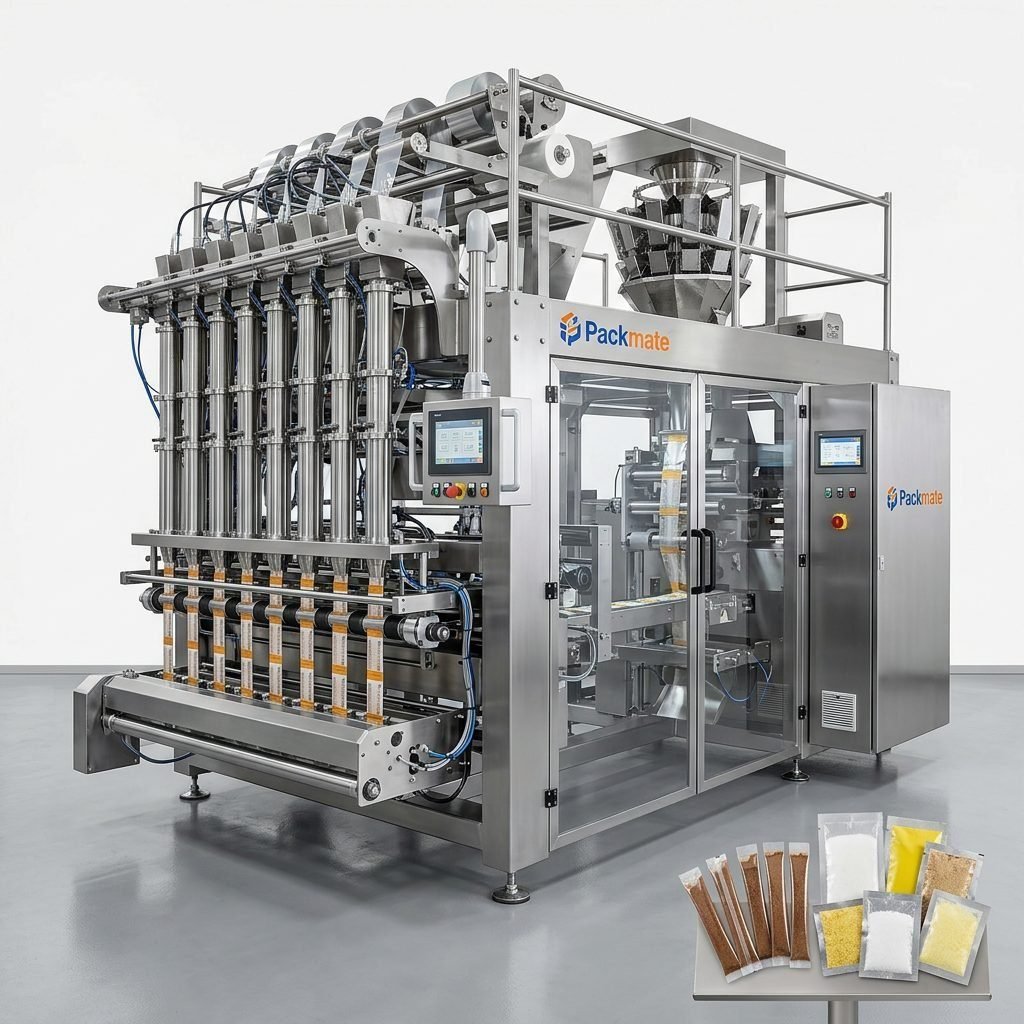
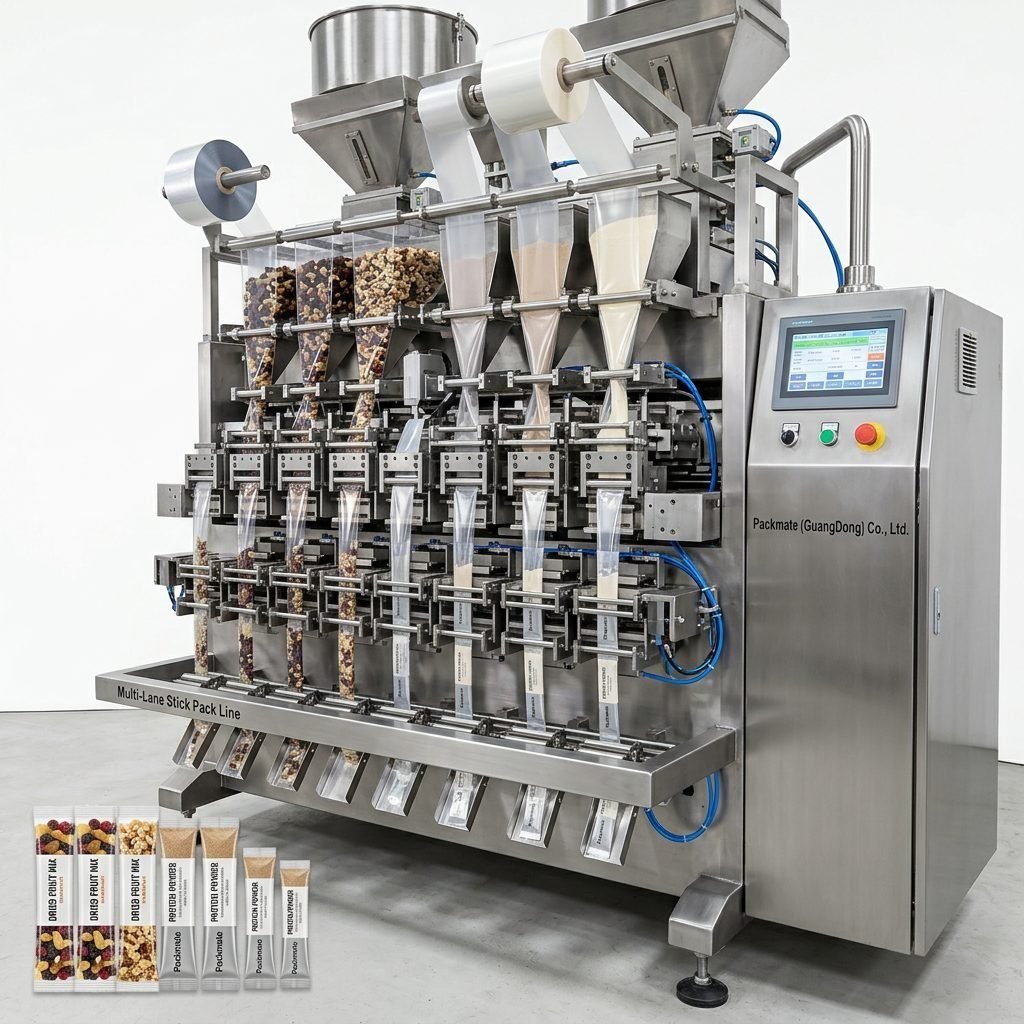
- Product Characteristics: Is your product a granule, powder, liquid, paste, or solid? Each form demands specific filling and sealing technologies. For instance, sachet and stick pack machines are often ideal for single-serve powders and liquids.
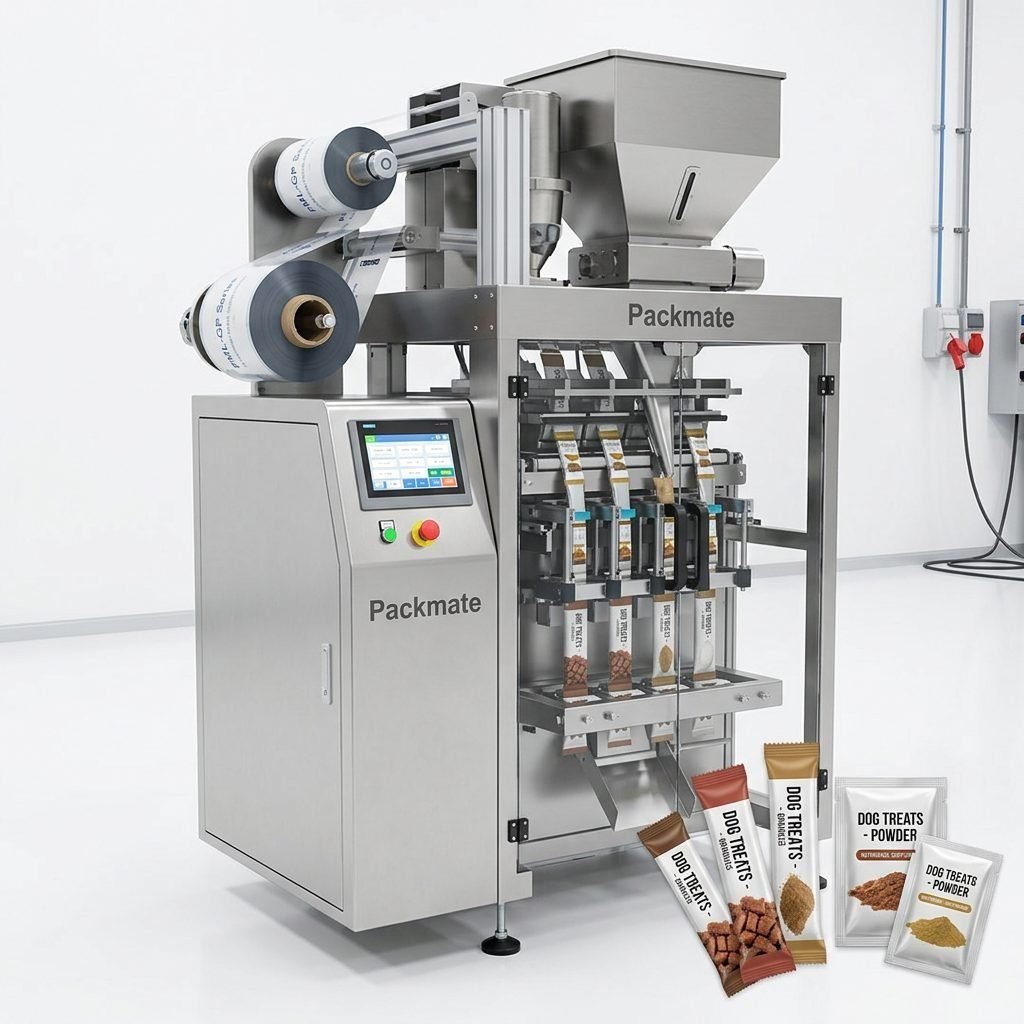
- Production Speed & Volume: Determine your required output in packs per minute (PPM) or units per hour. High-volume operations may necessitate multi-lane systems, while smaller batches might benefit from flexible, single-lane machines.
- Packaging Materials: The machine must be compatible with your chosen film, laminate, or pouch material (e.g., PET/AL/PE, kraft paper, stand-up pouches).
- Budget & ROI: Consider the total cost of ownership, including purchase price, installation, maintenance, energy consumption, and potential for future upgrades.
Exploring Primary Packaging Machine Types
The market offers a diverse range of equipment, each designed for specific applications. Familiarizing yourself with the main categories is essential for narrowing down your options.
Vertical Form-Fill-Seal (VFFS) Machines
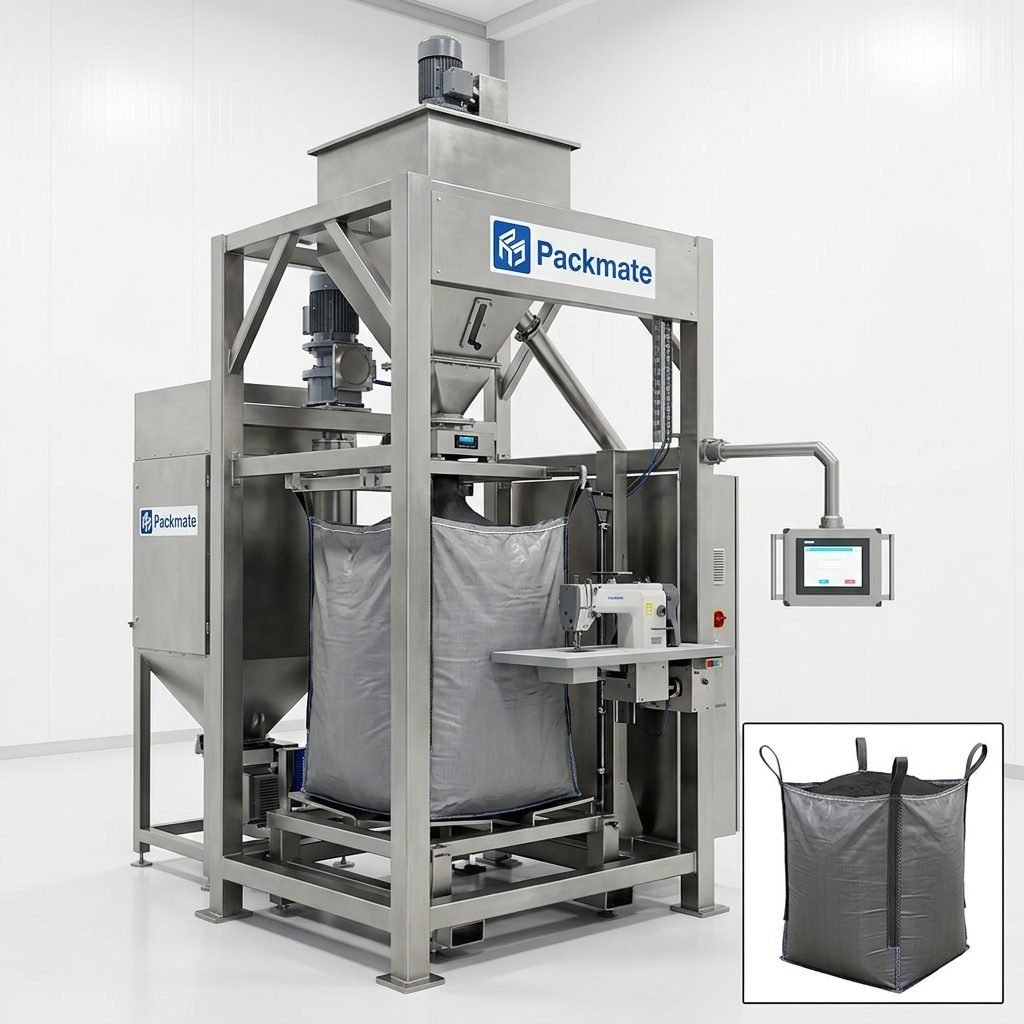
These are among the most common and versatile machines. They form a bag from a roll of film, fill it with product, and then seal it—all in a continuous vertical motion. They are excellent for packaging granules, powders, snacks, and hardware items. For comprehensive solutions that often include VFFS technology, explore complete filling and packaging lines.
Horizontal Form-Fill-Seal (HFFS) Machines
Ideal for more complex packaging shapes and multi-product arrangements, HFFS machines are often used for bars, biscuits, medical devices, and portion-controlled items. They provide excellent presentation and can handle intricate sealing patterns.
Pouch & Sachet Packaging Machines
Designed for creating small, sealed packets, these machines are perfect for condiments, sauces, pharmaceuticals, coffee, and tea. They offer high-speed performance and are crucial for single-serve and sample markets. Packmate Machinery specializes in robust bag and pouch packaging machines that deliver precision and reliability.
Liquid & Paste Filling Machines
These systems use pumps, pistons, or gravity to accurately dose viscous products like shampoos, sauces, creams, and oils into bottles, tubes, or pouches. Accuracy and cleanliness are their paramount features.
The Role of Ancillary Equipment
No packaging line is an island. The efficiency of your primary machine depends on seamless integration with auxiliary systems. Key supporting equipment includes:
- Weighing Systems: For precise product dosing, especially for free-flowing items. Accurate weighing is the cornerstone of cost control and compliance.
- Checkweighers: To ensure every package meets weight regulations and quality standards, rejecting under or over-filled packs.
- Cartoners & Case Packers: For secondary packaging, grouping primary packages into boxes or cases for shipping.
- Labeling & Coding Systems: For applying batch codes, expiry dates, and branding information. A full range of auxiliary packaging equipment is vital for a complete turnkey solution.
The Critical Evaluation & Selection Process
Once you have shortlisted potential machine types and suppliers, a rigorous evaluation phase begins.
1. Supplier Capability Assessment
Investigate the manufacturer’s reputation, experience, and support structure. A supplier like Packmate (GuangDong) Co., Ltd., with over 30 years of expertise and a 20,000㎡ modern facility, offers a proven track record. Review their project case studies to see real-world applications of their equipment.
2. Technology & Innovation
Evaluate the machine’s control system (PLC vs. PC-based), user interface, automation level, and connectivity for Industry 4.0 integration. Look for features that enhance changeover speed, cleaning ease, and predictive maintenance.
3. Testing & Validation
Never buy a machine without a product test. A live test run with your actual product and packaging materials is non-negotiable. It validates speed, accuracy, seal integrity, and overall performance.
4. Total Cost of Ownership (TCO) Analysis
Look beyond the initial price quote. Calculate TCO by factoring in:
Installation & Training Costs
Spare Parts Availability & Pricing
Energy & Compressed Air Consumption
Expected Maintenance Downtime
Implementation & Long-Term Success
A successful installation hinges on detailed planning and a strong partnership with your supplier.
Ensure you have a clear project plan covering site preparation (power, air, space), a detailed training schedule for your operators and maintenance technicians, and a defined protocol for spare parts inventory. A supplier’s commitment to after-sales service, readily available through their service page, is a critical component of long-term machine uptime and productivity.
Frequently Asked Questions (FAQs)
1. What is the most important factor when choosing a packaging machine?
The most critical factor is achieving a perfect match between the machine’s capabilities and your specific product characteristics, packaging format, and required output. A machine that works perfectly for coffee beans may fail entirely with a sticky powder. Always conduct a product test.
2. How do I determine the right production speed for my needs?
Calculate your current daily/weekly demand and forecast future growth. Choose a machine that can comfortably meet your peak demand with about 20-30% spare capacity for growth and maintenance buffers. Avoid significantly over-specifying, as it increases initial cost and complexity.
3. What are the key maintenance requirements for packaging machinery?
Regular maintenance typically includes daily cleaning, lubrication of moving parts as per the manual, inspection and replacement of wear parts (like sealing jaws and cutting blades), and calibration of weighing systems. A proactive maintenance schedule prevents unplanned downtime.
4. Can one machine handle different packaging sizes and products?
Many modern machines are designed for quick changeover. Look for features like tool-less change parts, servo-driven adjustments saved in recipe memory, and easy-access design. However, there are always limits; a machine designed for tiny sachets cannot be converted to handle large bags.
5. Why is supplier reputation more important than just the machine price?
A reliable supplier provides comprehensive support: proper installation, thorough training, readily available technical assistance, and a steady supply of genuine spare parts. This support network is invaluable for minimizing downtime over the machine’s 10-15 year lifespan, ultimately providing a lower total cost of ownership than a cheaper machine from an unresponsive supplier.