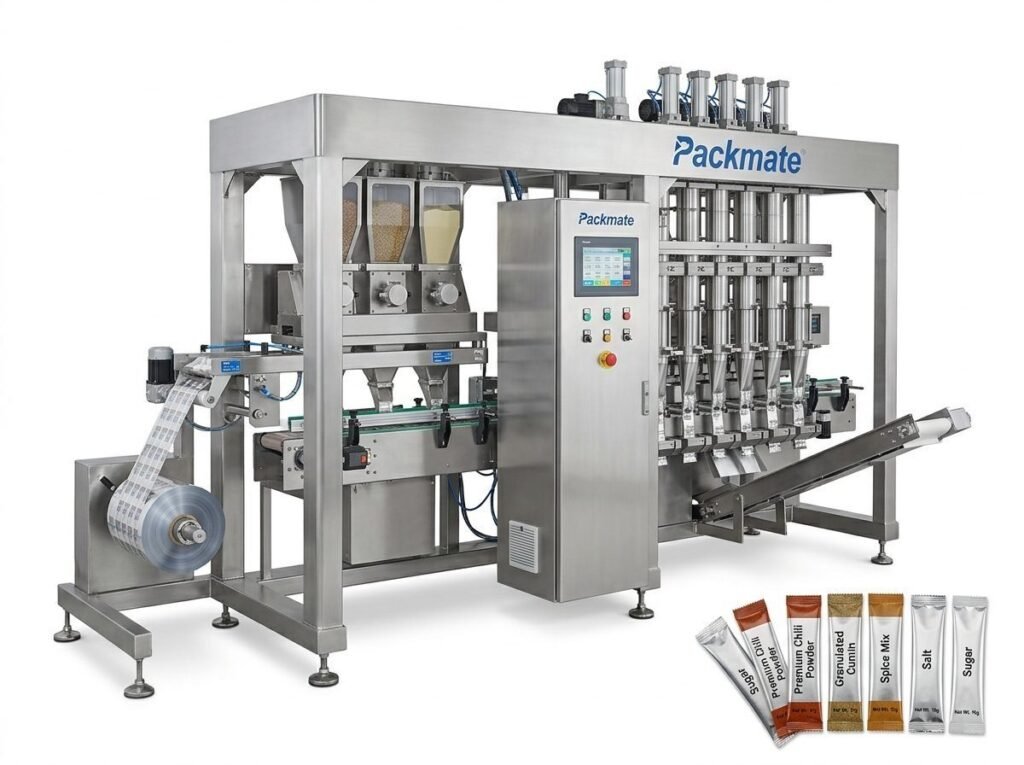
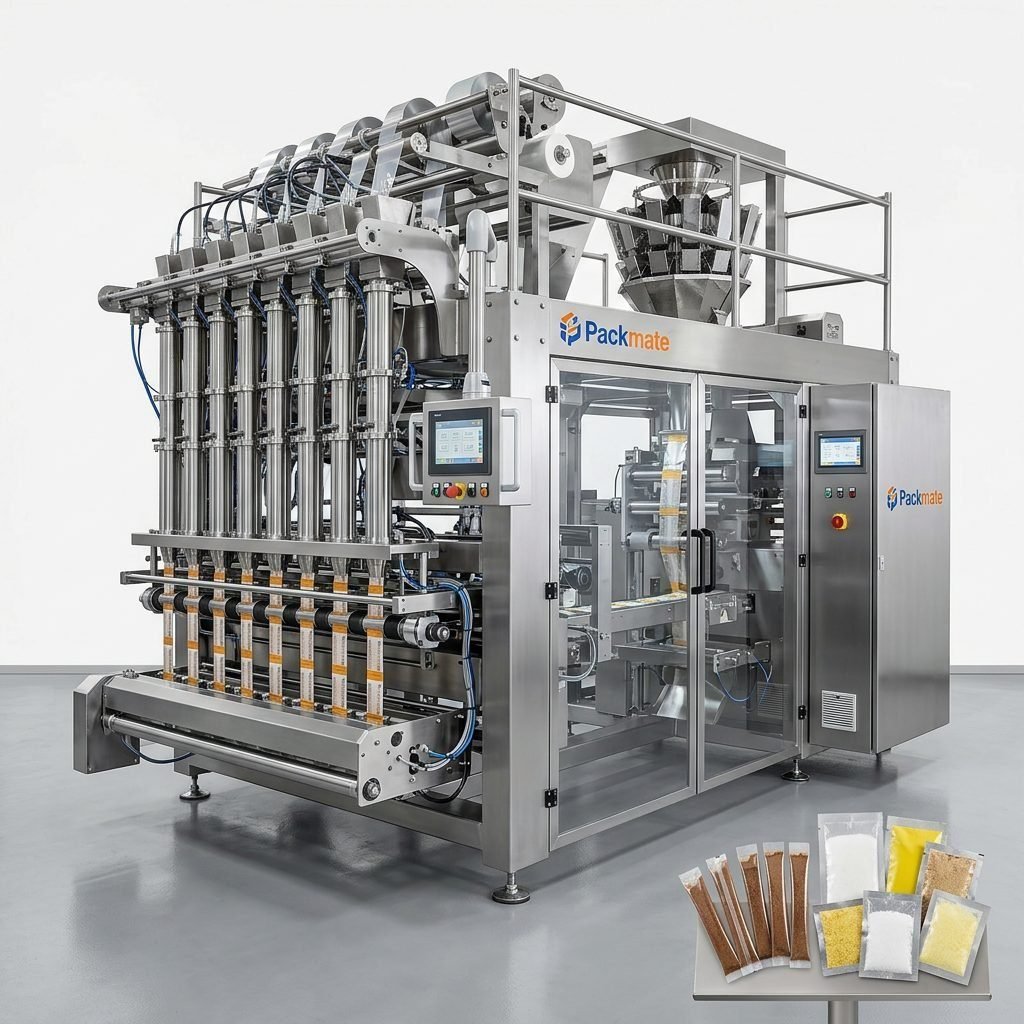
Aerosol packaging machines are specialized equipment designed to fill containers with products dispensed as a fine spray, mist, or foam. These machines are critical in industries ranging from personal care and cosmetics to pharmaceuticals, automotive, and household products. The process involves precise filling of a pressurized container with the product and a propellant, ensuring safety, consistency, and efficiency. For businesses looking to enter or scale in this market, understanding the different types of packaging machines, their applications, and selection criteria is paramount to operational success and product quality.
Primary Types of Aerosol Packaging Machines
The technology behind aerosol filling is complex, leading to several distinct machine types, each suited for specific production scales and product characteristics.
1. Rotary Aerosol Filling Machines
Rotary machines are the workhorses of high-volume aerosol production. They feature a rotating carousel with multiple stations where containers undergo a sequence of operations: purging, gassing, product filling, valve placement, and crimping. Their continuous motion allows for speeds of hundreds of cans per minute, making them ideal for large-scale manufacturers of products like deodorants, air fresheners, and insecticides. The high initial investment is justified by unparalleled throughput and efficiency.
2. In-Line Aerosol Filling Machines
In-line systems arrange all processing stations in a straight line. Containers are transported on a conveyor belt, pausing at each station for a specific operation. This configuration offers greater flexibility than rotary systems, as stations can be more easily added, removed, or modified. They are excellent for medium-scale production runs or for products requiring unique handling steps. Their modularity also simplifies maintenance and changeover between different product lines or container sizes.
3. Monobloc Aerosol Filling Machines
Monobloc machines integrate several key functions—like filling, gassing, and valve crimping—into a single, compact unit. They represent a middle ground, offering higher speeds than simple semi-automatic machines but with a smaller footprint and lower cost than full rotary lines. They are a popular choice for growing businesses and contract fillers who need reliable performance for varied, batch-oriented production without the complexity of a massive system.
4. Semi-Automatic & Manual Benchtop Fillers
For startups, laboratories, or very low-volume production, semi-automatic machines are the entry point. These often require an operator to manually place the container and initiate a cycle for filling and crimping. They are affordable, easy to use, and perfect for small-batch production, prototyping, and pilot runs. While not suitable for mass production, they are indispensable for R&D and niche product manufacturing.
Key Uses and Applications Across Industries
The versatility of aerosol packaging drives its adoption across a surprisingly wide range of sectors. Each application leverages the convenience, preservation, and controlled delivery that aerosols provide.
Personal Care & Cosmetics: This is one of the largest segments. Machines here must handle products like hairsprays, deodorants, shaving foams, and sunscreens with high precision to ensure consistent spray patterns and dosage. Hygiene and contamination control are critical.
Pharmaceuticals & Medical: Aerosols deliver topical sprays, inhalers, and antiseptics. Machines for this sector must comply with stringent Good Manufacturing Practice (GMP) standards. Accuracy in dose delivery is non-negotiable, and often the equipment requires validated cleaning-in-place (CIP) systems and documentation trails.
Household & Industrial: This includes products like cleaning sprays, lubricants, paints, and insecticides. Machines for these products are often built for durability, as they may handle more viscous formulations or aggressive chemicals. Speed and reliability for high-volume runs are key considerations.
Food Industry: While less common, aerosols are used for cooking oils, whipped cream, and cake decorations. Machines for food-grade aerosols demand the highest levels of sanitary design and must use food-safe propellants and materials.
How to Choose the Right Aerosol Packaging Machine
Selecting the appropriate machine is a strategic decision that impacts your product quality, operational costs, and growth potential. Here are the core factors to evaluate.
1. Assess Your Production Requirements
Begin with a clear analysis of your needs. What is your target output in cans per minute or hour? Are you running long batches of a single product (favoring rotary machines) or multiple short runs (favoring in-line or monobloc)? Consider your container size range and the physical properties of your product (viscosity, abrasiveness, etc.). A clear understanding here prevents overbuying or underinvesting.
2. Prioritize Precision and Safety Features
Aerosol filling is a pressurized process. The machine must offer precise control over fill volume (both product and propellant) to ensure every can performs correctly and safely. Look for features like load cell weighing systems for accuracy, automatic pressure monitoring, and safety interlocks that halt operation if a fault is detected. Robust crimping heads are essential to create a perfect, leak-proof seal on the valve.
3. Evaluate Flexibility and Changeover Ease
If you plan to package multiple products or container types, changeover time is a critical metric. Machines with tool-less adjustments, quick-change parts, and programmable recipes for different products can dramatically reduce downtime and increase overall equipment effectiveness (OEE).
4. Consider Hygiene and Compliance Needs
Your industry dictates the hygiene standard. Pharmaceutical and food applications require machines with polished stainless-steel surfaces, sealed components, and CIP capabilities. Ensure the machine builder understands and can certify compliance with relevant standards (GMP, FDA, CE, etc.) for your target markets.
5. Plan for Support and Total Cost of Ownership
The initial purchase price is just one part of the cost. Consider the manufacturer’s reputation for reliability, availability of spare parts, and quality of technical support and training. A machine from a reputable supplier like Packmate Machinery, with over 30 years of engineering expertise, may offer better long-term value through higher uptime and support, even at a higher initial cost. Explore their range of filling and packaging lines to see integrated solutions.
Investing in the right aerosol packaging technology is an investment in your brand’s consistency and scalability. By carefully matching machine capabilities to your specific product needs, volume targets, and quality standards, you can build a robust, efficient, and profitable production line. Partnering with an experienced manufacturer who provides comprehensive service and support ensures this critical asset continues to perform for years to come.
Frequently Asked Questions (FAQs)
What is the main difference between rotary and in-line aerosol machines?
The core difference is in container movement and layout. Rotary machines use a spinning carousel for continuous, high-speed processing, best for massive volumes of a single product. In-line machines use a linear conveyor, offering more flexibility for medium runs and easier modification of the production sequence.
Can one machine handle different sizes of aerosol cans?
Yes, most modern machines are designed for changeover. However, the ease and speed of this process vary. Look for machines with “quick-change” features for parts like filling nozzles, crimping heads, and container holders to minimize downtime when switching can sizes.
How critical is precision filling in aerosol packaging?
It is absolutely critical. Under-filling leads to customer dissatisfaction and under-pressurization, affecting spray performance. Over-filling is a serious safety hazard, as it can lead to excessive pressure in the can. Precision filling ensures product efficacy, customer satisfaction, and safety compliance.
What safety features should I look for?
Essential safety features include gas leak detection systems, automatic pressure relief valves, emergency stop buttons, electrical interlocks on guarding, and containment systems for potential propellant leaks. The machine should be designed to prevent operation if safety conditions are not met.
Is it better to buy a standalone machine or a complete line?
It depends on your operation. A standalone filler is suitable if you have upstream and downstream equipment (like unscramblers, coders, and packers). For a new setup or to ensure seamless integration, a complete turnkey line from a single supplier like Packmate ensures all components work harmoniously, reducing integration headaches and often improving overall line efficiency.