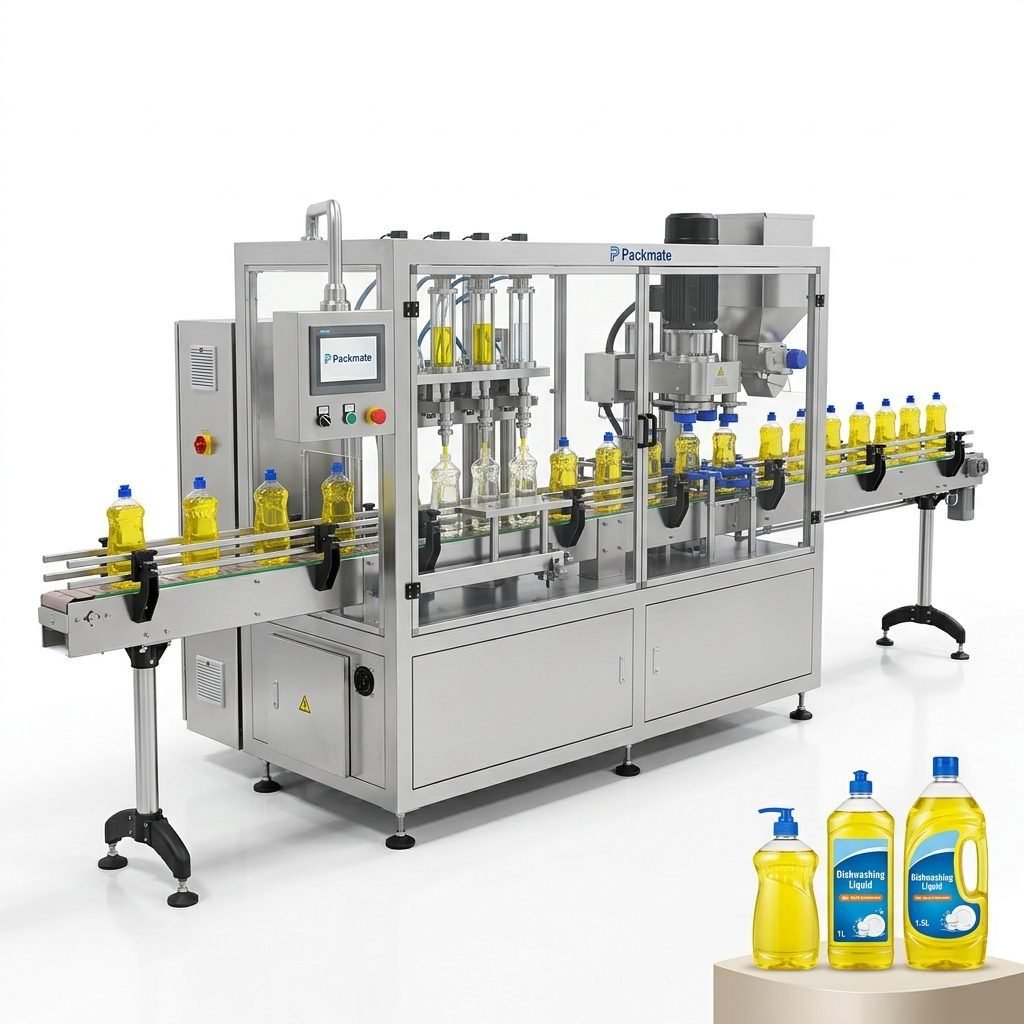
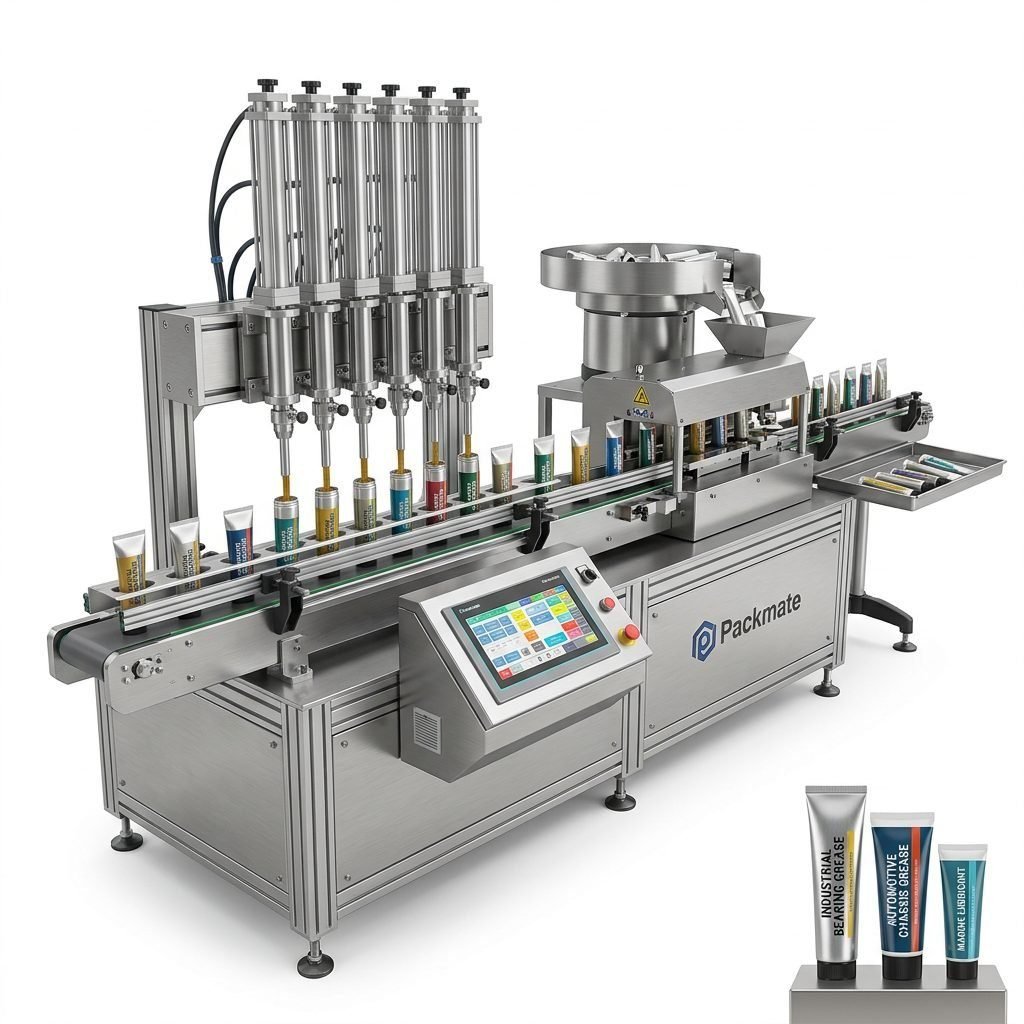
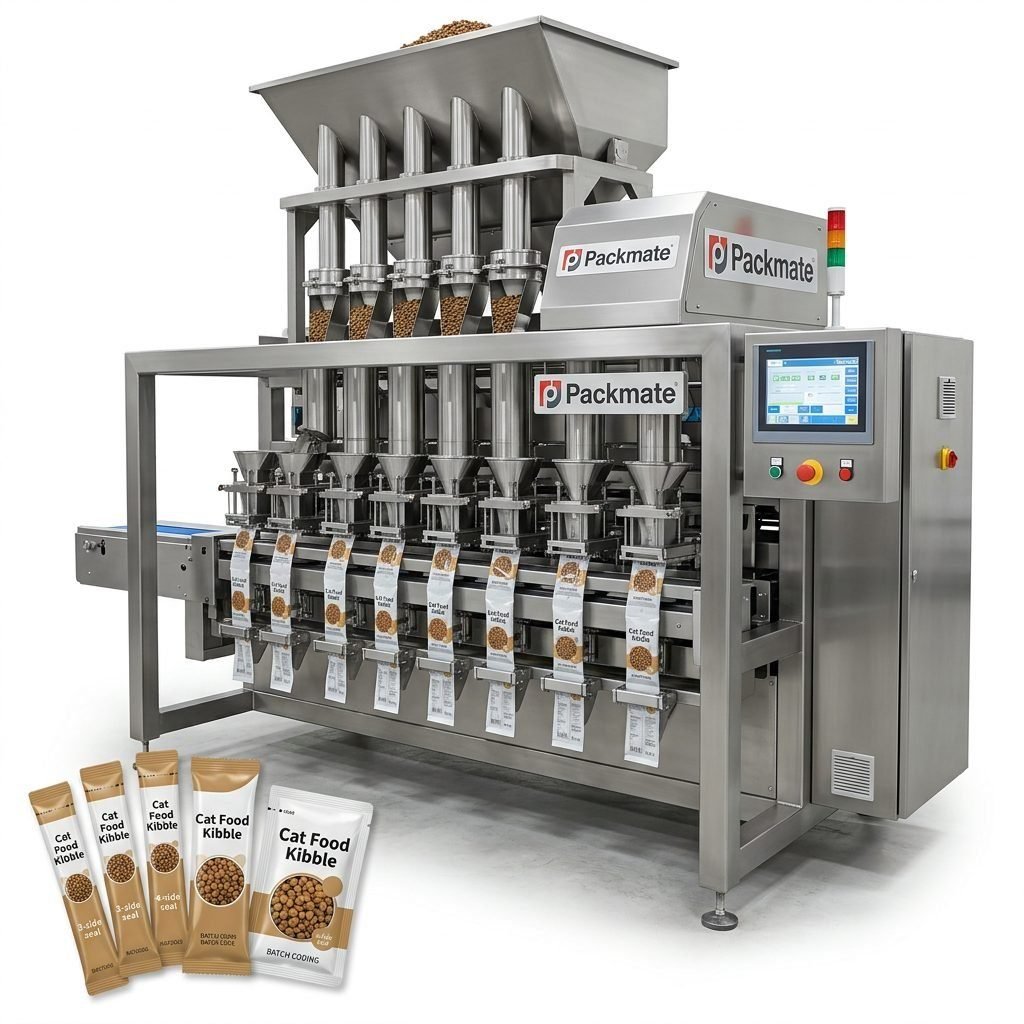
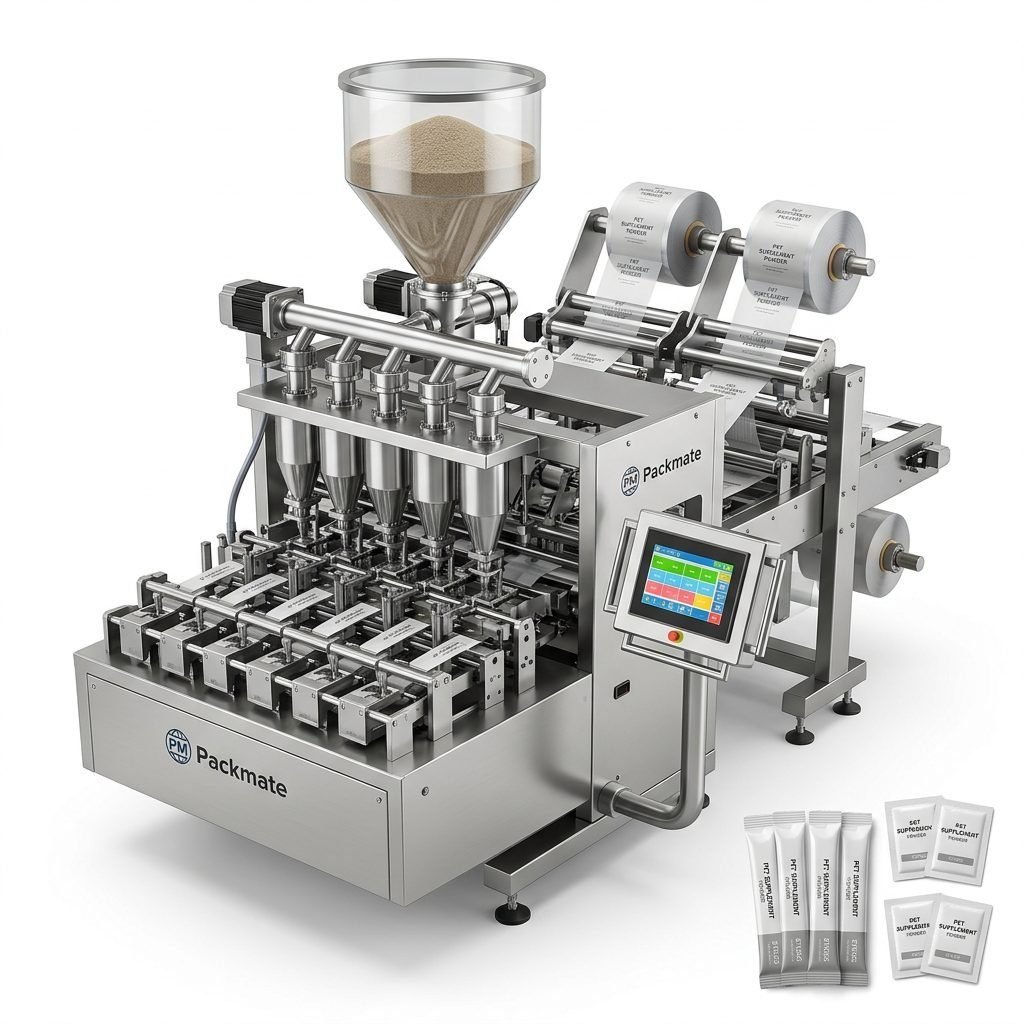
Heat seal packaging machines are essential equipment for creating airtight, secure, and professional-looking packages for a vast range of products. From food items and pharmaceuticals to hardware and consumer goods, these machines use heat to seal plastic films or laminates, ensuring product freshness, safety, and extended shelf life. This comprehensive guide delves into the various types of heat seal machines, their diverse applications, and crucial factors to consider when making a purchase, empowering you to select the perfect solution for your packaging line.
Understanding Heat Seal Packaging Technology
At its core, heat sealing is a process that uses controlled heat and pressure to weld thermoplastic materials together. The machine heats a sealing element (often a metal bar or wire) to a precise temperature. When this element presses against the packaging material, the plastic layers melt and fuse, forming a strong, hermetic bond upon cooling. This method is superior to adhesives for many applications due to its speed, cleanliness, and reliability. The quality of the seal depends on factors like temperature, pressure, dwell time (the duration of heat application), and the compatibility of the packaging film.
Key Advantages of Heat Sealing:
Airtight Integrity: Creates a barrier against moisture, oxygen, and contaminants, crucial for food preservation and pharmaceutical safety.
High-Speed Operation: Automated machines can produce hundreds of seals per minute, significantly boosting production throughput.
Clean and Residue-Free: Unlike glue, the heat process leaves no sticky residue, resulting in a neat, professional finish.
Material Versatility: Can seal a wide array of thermoplastic films, including polyethylene (PE), polypropylene (PP), polyester, and laminates.
Cost-Effectiveness: Efficient material usage and reduced waste contribute to lower long-term packaging costs.
Primary Types of Heat Seal Packaging Machines
The market offers a spectrum of heat seal machines, from simple manual units to fully automated, integrated lines. Your choice depends on production volume, package type, and level of automation required.
1. Manual & Semi-Automatic Sealers
Ideal for low-volume operations, startups, or specialized packaging tasks. Manual impulse sealers require an operator to hold the sealing bar down for a few seconds; they are portable and affordable. Semi-automatic L-sealers form a seal on three sides of a pouch automatically after an operator places the product inside, offering a good balance of speed and operator involvement. These are perfect for businesses like small bakeries, coffee roasters, or specialty product manufacturers.
2. Automatic Vertical Form-Fill-Seal (VFFS) Machines
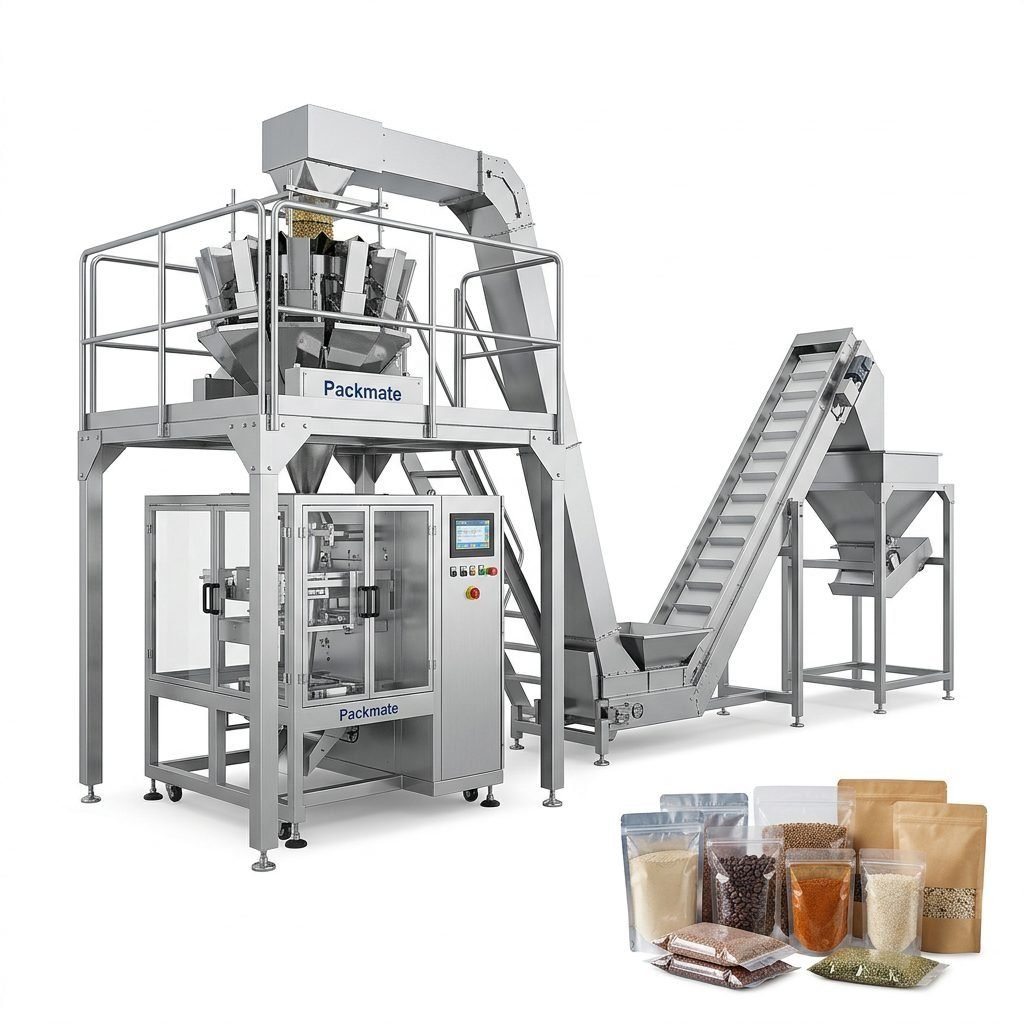
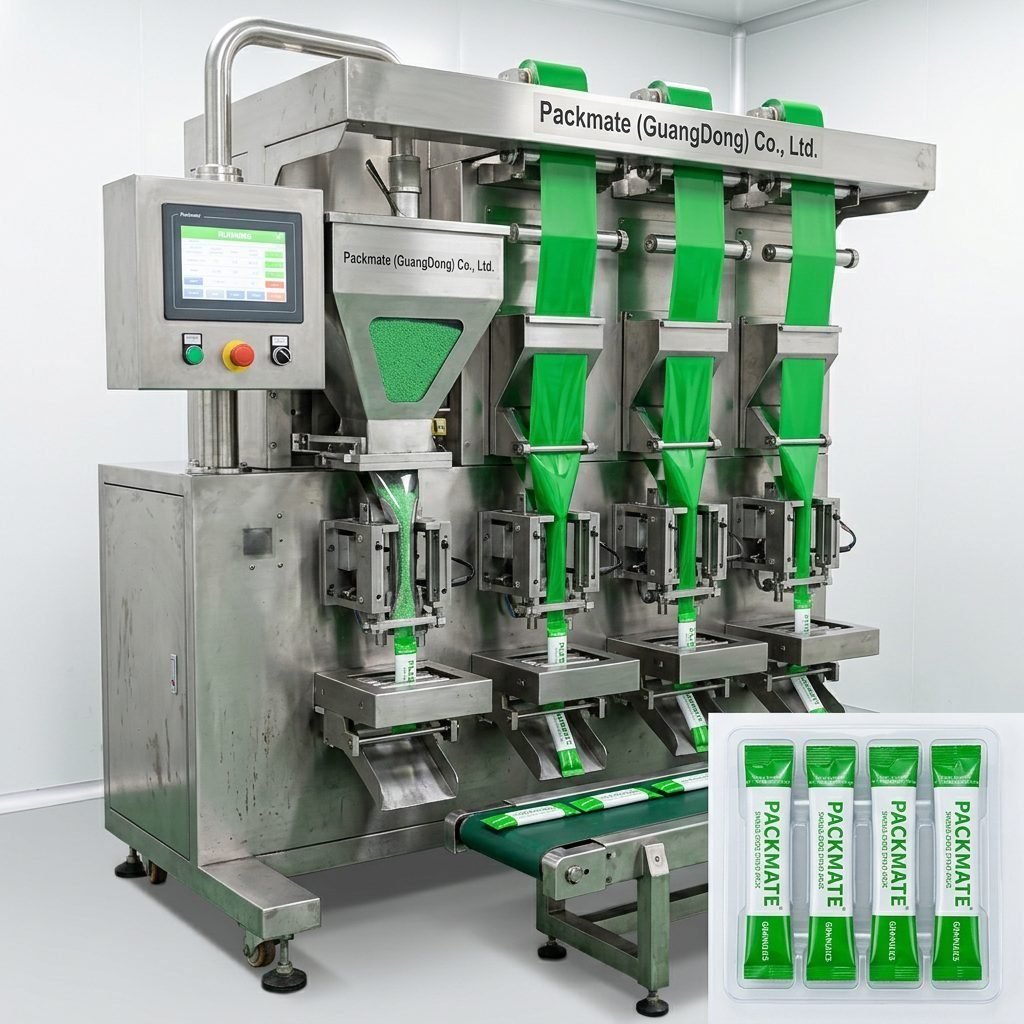
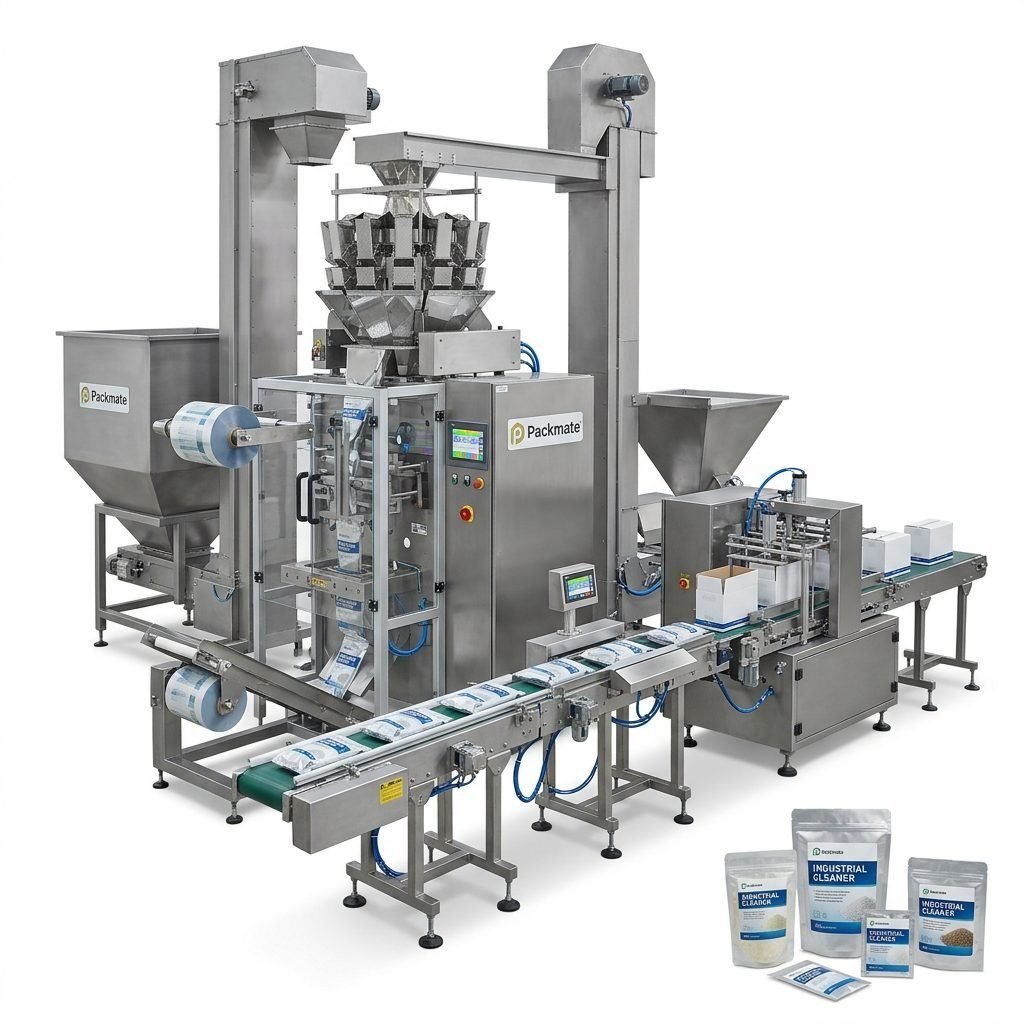
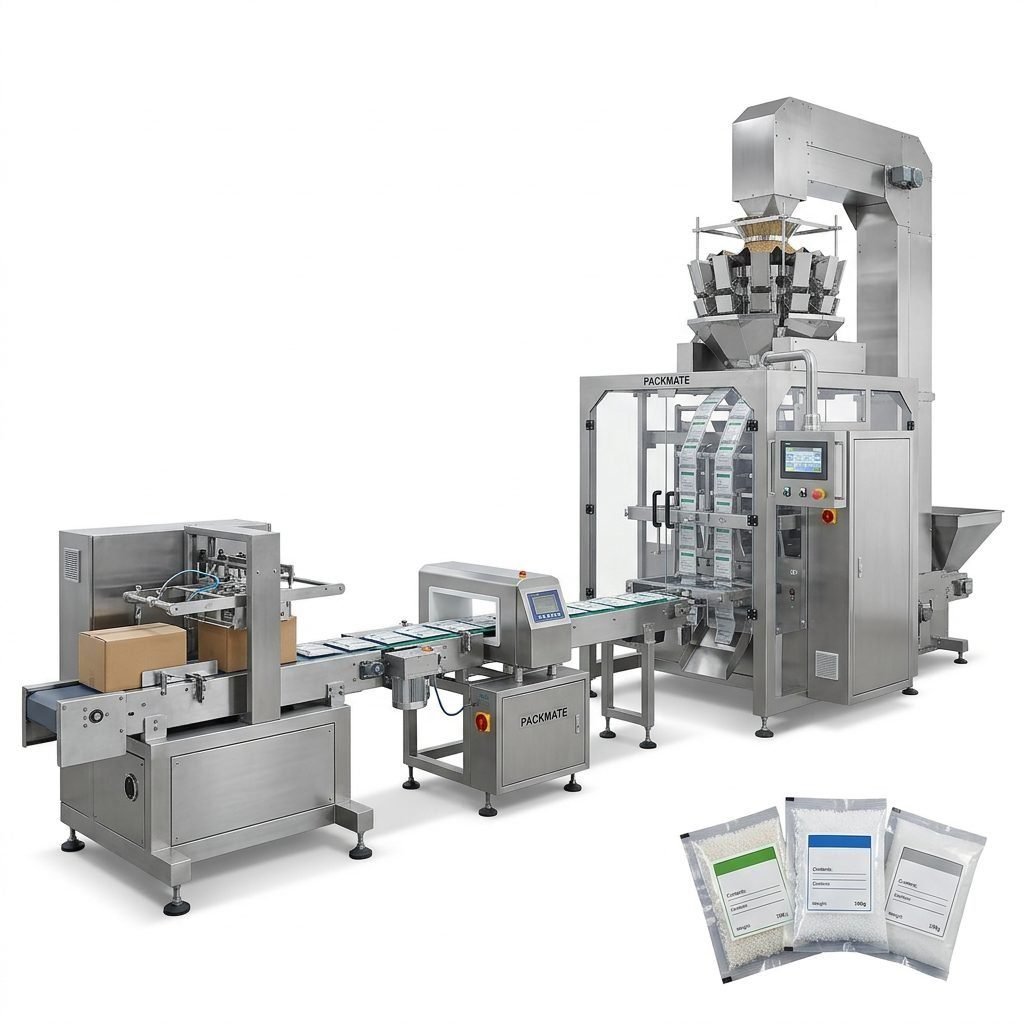
The workhorse of high-volume packaging. A VFFS machine forms a tube from a roll of film, fills it with product (like granules, powders, or liquids), and then creates transverse heat seals to form individual pouches. It’s a continuous, highly efficient process capable of producing hundreds of packets per minute. This technology is fundamental for items such as snacks, frozen foods, pet food, and hardware components. For granular and powder products, exploring a dedicated weighing and packaging system that integrates with a VFFS machine can optimize accuracy and speed.
3. Automatic Horizontal Form-Fill-Seal (HFFS) Machines
These machines are typically used for more rigid structures or when products need to be presented in a tray or carded format. The film is formed horizontally into pockets or trays, which are then filled and lidded with a top web using heat sealing. HFFS machines are common for packaging blister packs for pharmaceuticals, medical devices, and small consumer electronics.
4. Band Sealers & Continuous Belt Sealers
Designed for sealing already-filled bags or pouches. They use continuously moving heated bands or belts to create a seal as the bag passes through. They are excellent for sealing bags of irregular shapes or sizes and are often used at the end of a production line for closure. Tunnel sealers, a subtype, use a heated tunnel to shrink a sleeve around a product after a band seal has been applied.
Choosing the Right Machine Type: A Quick Reference
For low volume / prototyping: Manual impulse sealer or semi-automatic L-sealer.
For high-volume powders, granules, liquids: Automatic Vertical Form-Fill-Seal (VFFS) machine.
For blister packs, carded products: Automatic Horizontal Form-Fill-Seal (HFFS) machine.
For sealing pre-made bags of various sizes: Band sealer or continuous belt sealer.
Critical Applications Across Industries
Heat seal packaging is ubiquitous because it meets stringent requirements for protection and presentation.
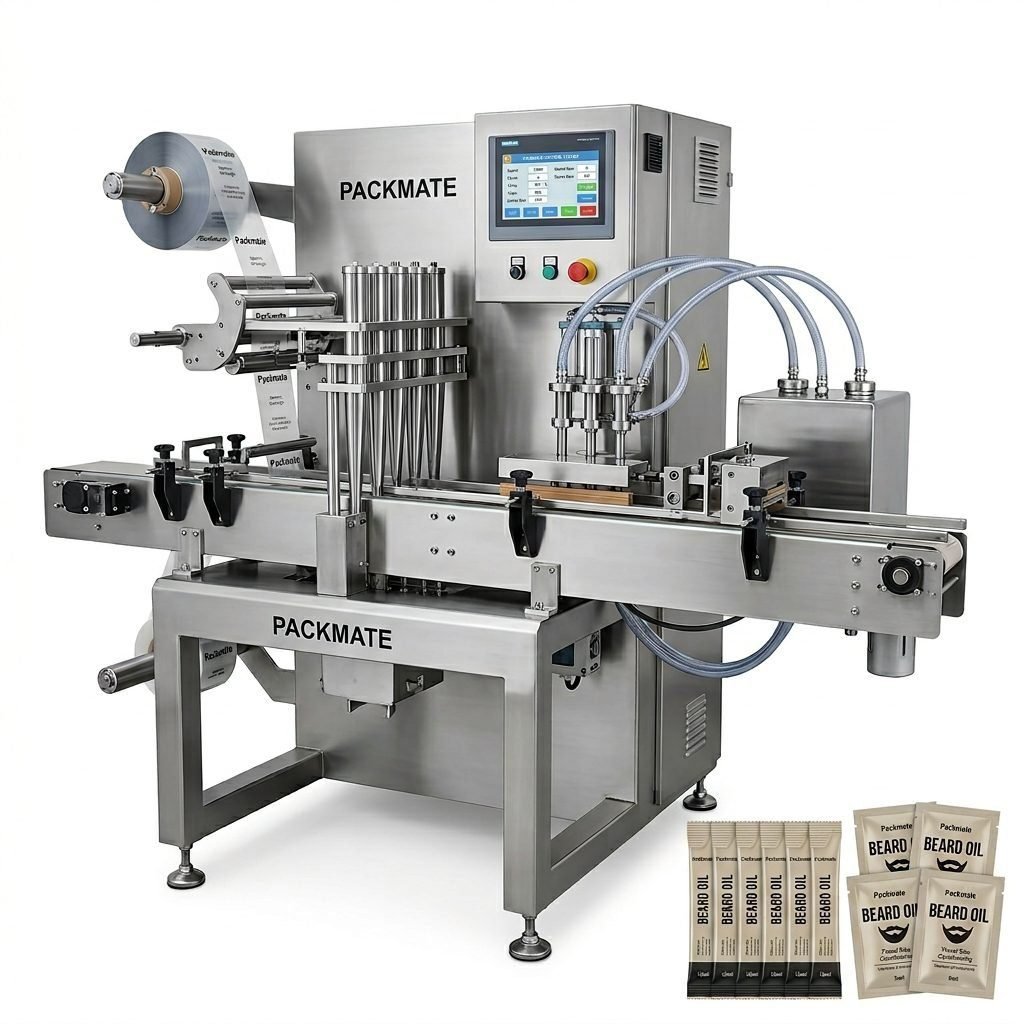
Food & Beverage: This is the largest application area. Heat sealing preserves freshness, locks in flavor, and prevents freezer burn for items like coffee, spices, frozen vegetables, cheese, and meat. Single-serve condiment sachets are also a prime example.
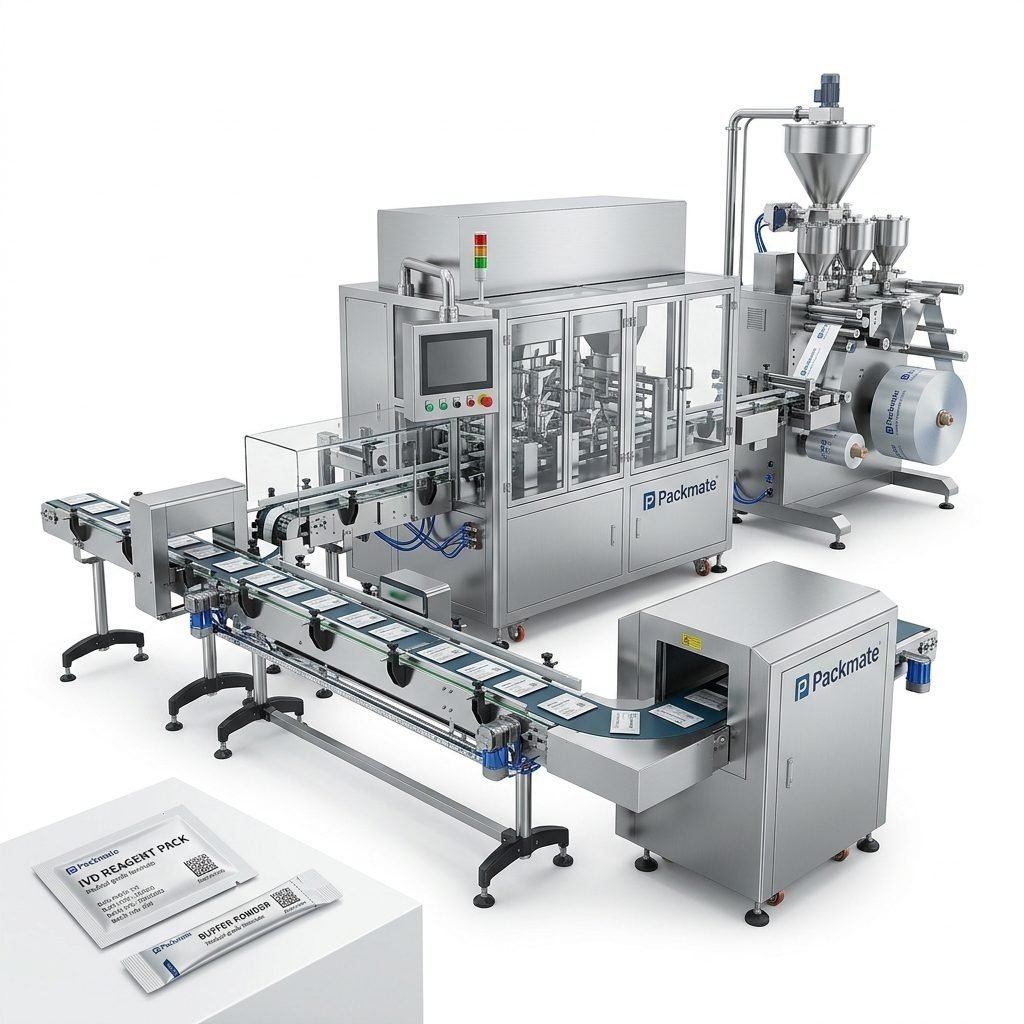
Pharmaceutical & Medical: Sterility and tamper-evidence are paramount. Heat seals are used on blister packs for pills, pouches for medical devices, and specimen bags, ensuring a contaminant-free barrier.
Consumer Goods: From hardware (screws, nails) to cosmetics (shampoo samples, face mask pouches) and stationery, heat-sealed packages provide clean, durable, and retail-ready presentation.
Industrial & Agricultural: Chemicals, fertilizers, seeds, and other granular materials are often packaged in durable, heat-sealed bags to prevent moisture ingress and spillage.
Essential Buying Tips for Your Investment
Selecting a heat seal packaging machine is a significant decision. Here are key factors to evaluate to ensure a successful investment that meets your production goals for years to come.
1. Define Your Production Requirements
Start with the basics: What is your required output speed (packages per minute)? What are the dimensions and type of package you need (stand-up pouch, flat sachet, stick pack)? What material (film type and thickness) will you be using? Answering these questions will narrow down the machine type (e.g., VFFS for high-speed granule packaging).
2. Prioritize Machine Quality and Durability
Look for robust construction with high-grade components, especially in the sealing jaws and heating elements. Stainless steel contact parts are preferred for food and pharmaceutical applications for hygiene and corrosion resistance. A machine built with precision engineering, like those from experienced manufacturers such as Packmate Machinery, will offer greater reliability, less downtime, and a longer lifespan, providing a better return on investment.
3. Evaluate Control Systems and Flexibility
Modern machines feature programmable logic controllers (PLCs) and touch-screen HMIs (Human-Machine Interfaces). These allow for easy storage of recipes for different products, precise adjustment of sealing parameters (temperature, pressure, time), and simplified operation. Consider how easily the machine can be adjusted for future package size changes.
4. Assess Integration and Support
Will the machine need to integrate with existing equipment like weigh scales, conveyors, or cartoners? Ensure compatibility. Furthermore, comprehensive after-sales support is non-negotiable. Inquire about the availability of technical support, spare parts, training, and service contracts. A supplier with a strong global support network is invaluable.
5. Consider Total Cost of Ownership (TCO)
Look beyond the initial purchase price. Factor in energy consumption, maintenance costs, changeover times, and potential production losses due to downtime. A slightly more expensive but more efficient and reliable machine often has a lower TCO. Request references and, if possible, arrange a live test with your actual product and packaging material.
Conclusion
Investing in the right heat seal packaging machine is a strategic move that can enhance product quality, increase production efficiency, and strengthen your brand’s market presence. By thoroughly understanding the different machine types—from manual sealers to fully automated VFFS lines—and carefully evaluating your specific needs against key buying criteria like speed, durability, and support, you can make an informed decision. Partnering with a reputable manufacturer with a proven track record, such as Packmate Machinery with its decades of expertise in intelligent packaging solutions, provides the assurance of quality and innovation needed for long-term success in a competitive marketplace.
Frequently Asked Questions (FAQs)
What is the main difference between a heat sealer and an impulse sealer?
An impulse sealer is a specific type of heat sealer. It uses a heated wire or ribbon that is only energized (“impulsed”) during the sealing cycle, making it ideal for polypropylene and other materials that might stick to a constantly hot bar. The term “heat sealer” is broader and can refer to machines with constantly heated bars, belts, or bands.
Can one heat seal machine handle different types of packaging film?
Yes, but with limitations. Most machines can be adjusted (temperature, pressure, dwell time) to accommodate different films within a similar thickness and polymer family. However, switching between vastly different materials (e.g., a thin polyethylene to a thick laminate) may require adjustments or even different sealing jaw profiles. Always consult the machine manufacturer for compatibility.
How do I troubleshoot a weak or incomplete seal?
Weak seals are often due to incorrect parameter settings. First, check and increase the sealing temperature and/or pressure. Ensure the dwell time is sufficient for the material thickness. Also, check for contamination on the sealing jaws or film, and verify that the packaging film is suitable for heat sealing and is oriented correctly.
What safety features should I look for in an automatic heat seal machine?
Key safety features include thermal overload protection on heating elements, emergency stop buttons, safety guards/interlocks that stop the machine when opened, and proper grounding. For machines with moving parts, pinch point guards are essential. Always ensure the machine complies with relevant local and international safety standards.
Is it better to buy a standalone machine or a complete packaging line?
This depends entirely on your operation’s scale and needs. A standalone machine (like a VFFS) is sufficient if you only need to form, fill, and seal pouches. A complete integrated packaging line, which may include a feeder, weigh scale, metal detector, and cartoner, is necessary for high-volume, end-to-end automation with minimal manual handling. Evaluate your current and future production volumes.