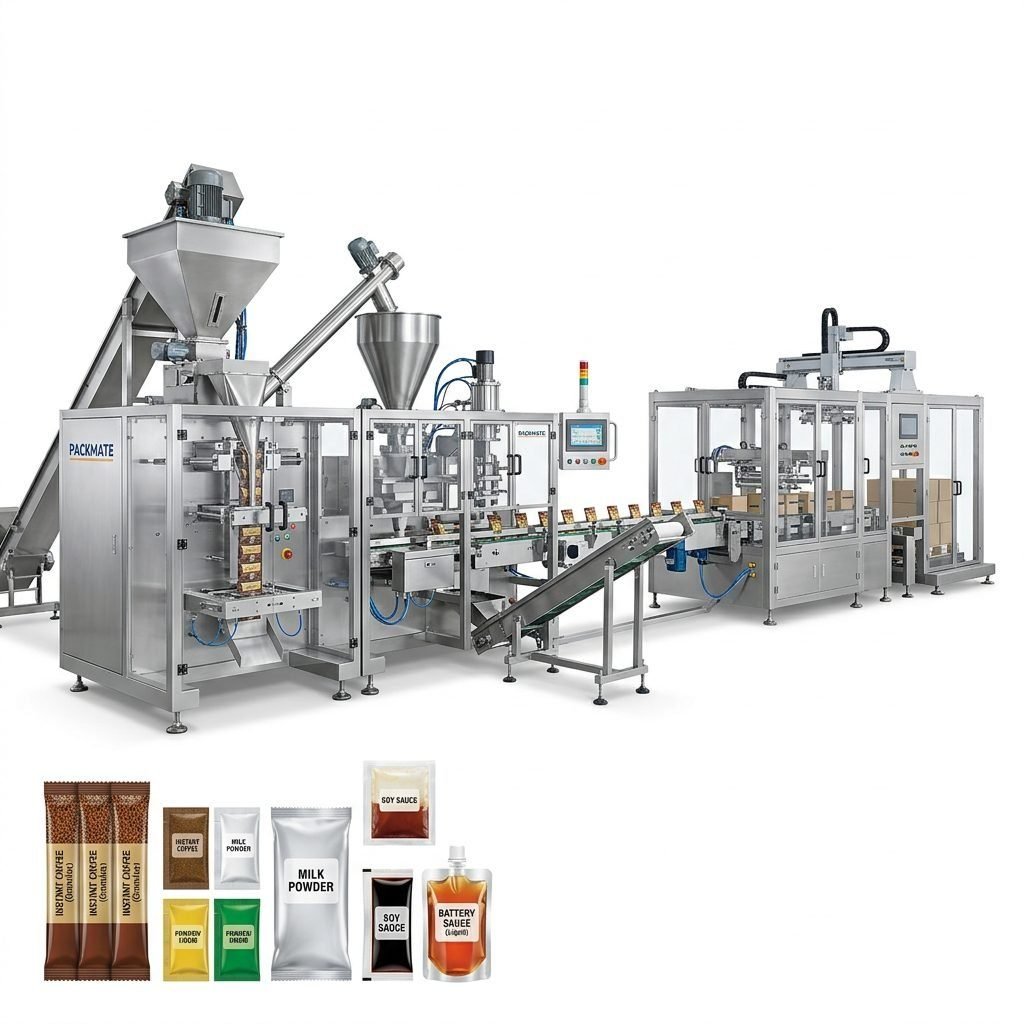
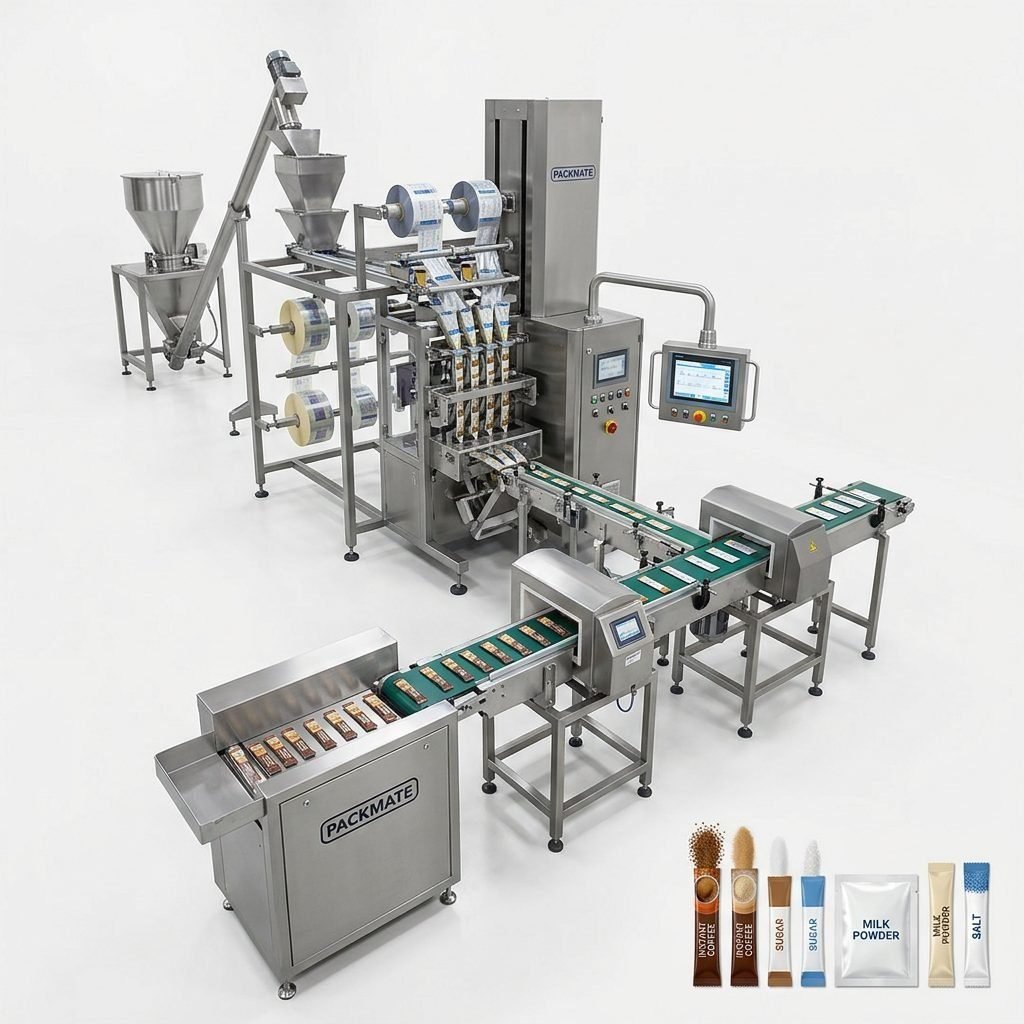
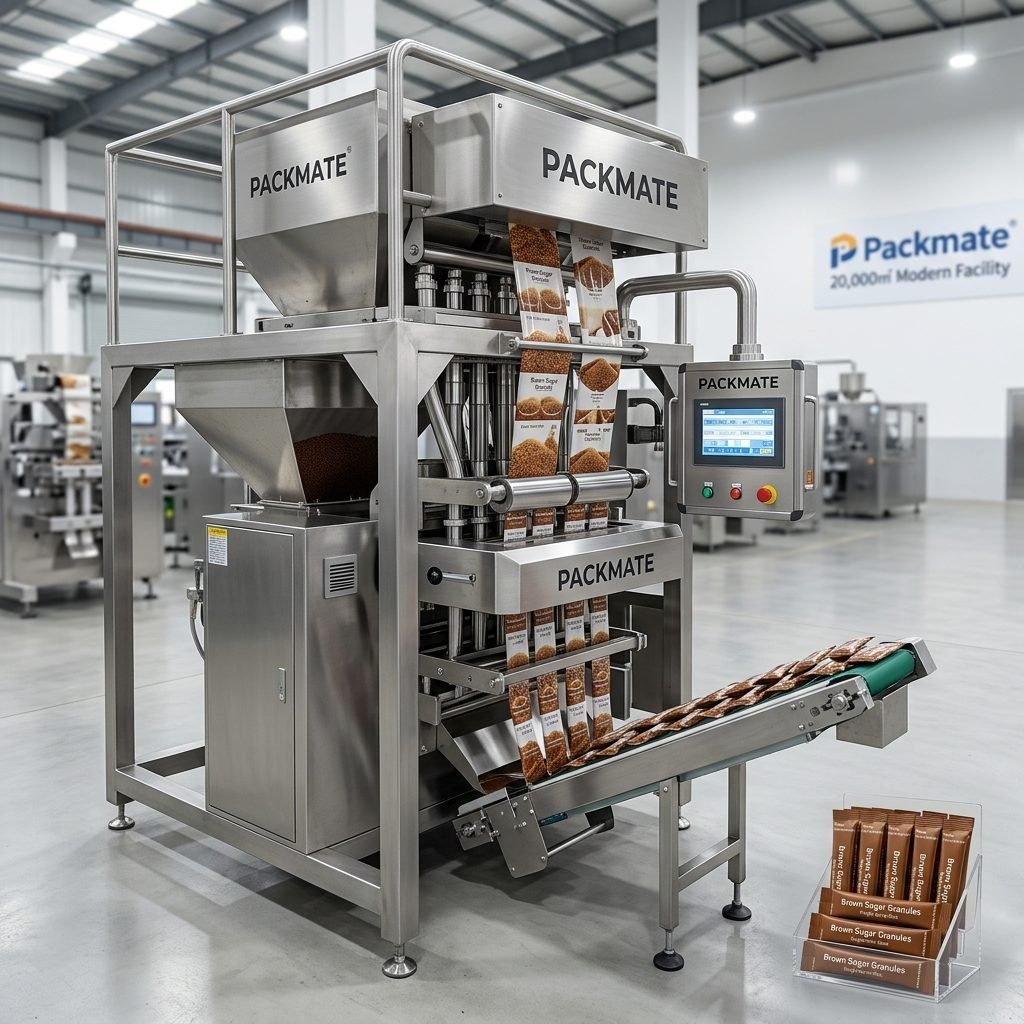
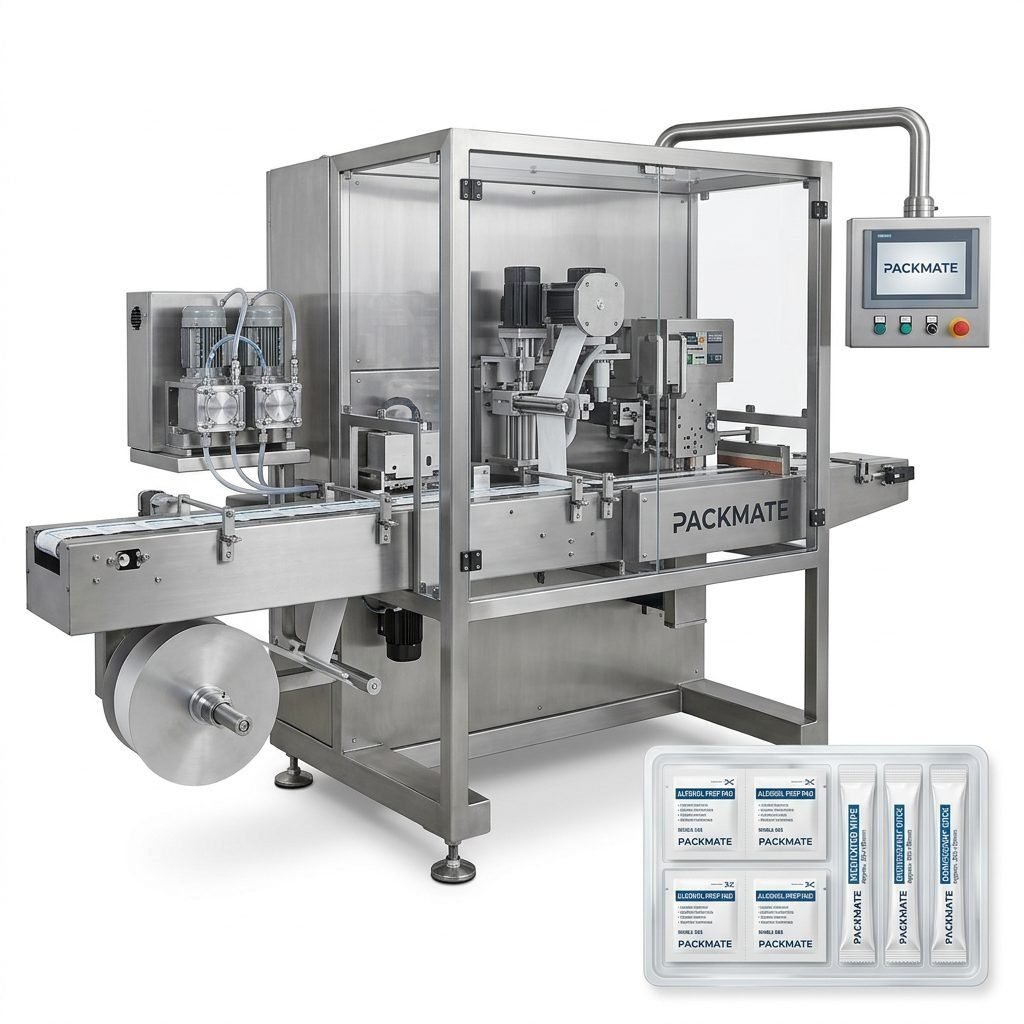
In the fast-paced world of pharmaceutical manufacturing, efficiency, accuracy, and compliance are non-negotiable. Pill packaging is a critical final step that directly impacts product safety, shelf life, and patient trust. Choosing the right packaging machine is not just about automation; it’s about investing in a system that ensures precision, minimizes waste, and adapts to stringent regulatory standards. This guide explores the top 10 pill packaging machines designed to streamline your production line, boost output, and maintain the highest quality for your pharmaceutical products.
Why Efficient Pill Packaging is Paramount
The packaging phase is where product integrity is sealed—literally. Inefficient packaging can lead to costly errors like incorrect dosages, contamination risks, or packaging failures that compromise sterility. Modern pill packaging machines go beyond simple counting and filling; they integrate vision inspection systems, data tracking for lot numbers and expiration dates, and flexible changeover mechanisms for different pill sizes and blister pack designs. For manufacturers aiming to scale or meet the demands of just-in-time production, a reliable machine is the backbone of the operation.
Key Selection Criteria for Your Production Line
Before diving into specific models, consider these essential factors that will determine the best fit for your facility:
Speed & Output: Measured in packs per minute (PPM), this must align with your production volume targets.
Accuracy & Precision: Look for machines with high-precision counting mechanisms and minimal give-away to reduce product loss.
Flexibility & Changeover: Can it handle various pill shapes, sizes, and packaging formats (blister packs, bottles, sachets) with quick adjustments?
Compliance & Traceability: Essential for pharmaceuticals. Machines should support serialization, printing of batch data, and integration with track-and-trace systems.
Ease of Maintenance & Sanitation: Designs with easy-access parts and clean-in-place (CIP) features reduce downtime and meet GMP standards.
Top 10 Pill Packaging Machines for Enhanced Productivity
Here is a curated list of high-performance machines, each excelling in specific aspects of pharmaceutical packaging.
1. High-Speed Rotary Blister Packaging Machine
Ideal for large-scale production of tablet and capsule blister packs. Its rotary design allows for continuous motion, achieving speeds often exceeding 300 blisters per minute. It typically integrates thermoforming, filling, sealing, and perforation in one synchronized unit. The robust construction ensures consistent performance during long runs, making it a workhorse for high-volume contract manufacturers.
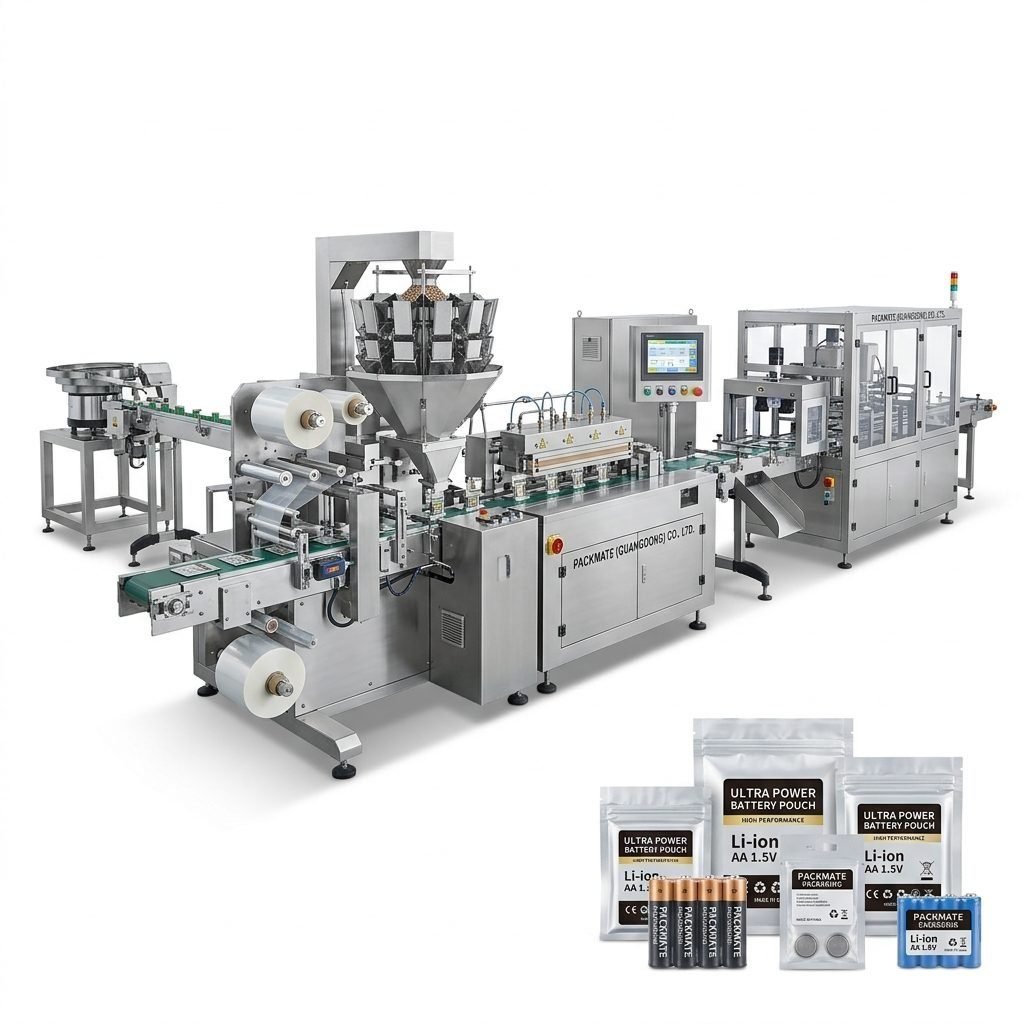
2. Automatic Bottle Filling & Capping Line
A complete system for packaging pills in plastic or glass bottles. This integrated line automates counting, filling, cotton inserting, capping, induction sealing, and labeling. Advanced models include weight checkers to verify fill counts and reject under/over-filled bottles, ensuring 100% accuracy. It’s perfect for over-the-counter (OTC) medicines and vitamin supplements where bottle presentation is key. For comprehensive solutions, explore Filling & Packaging Lines.
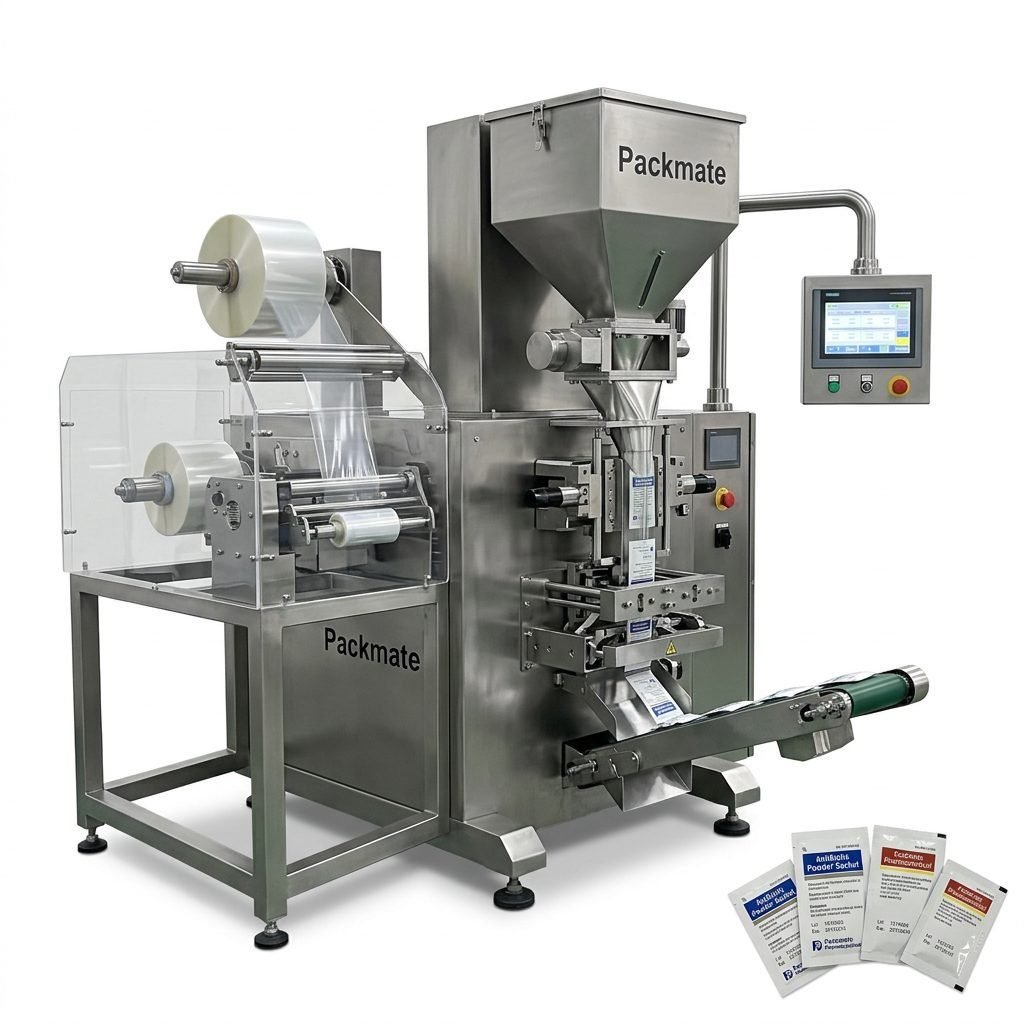
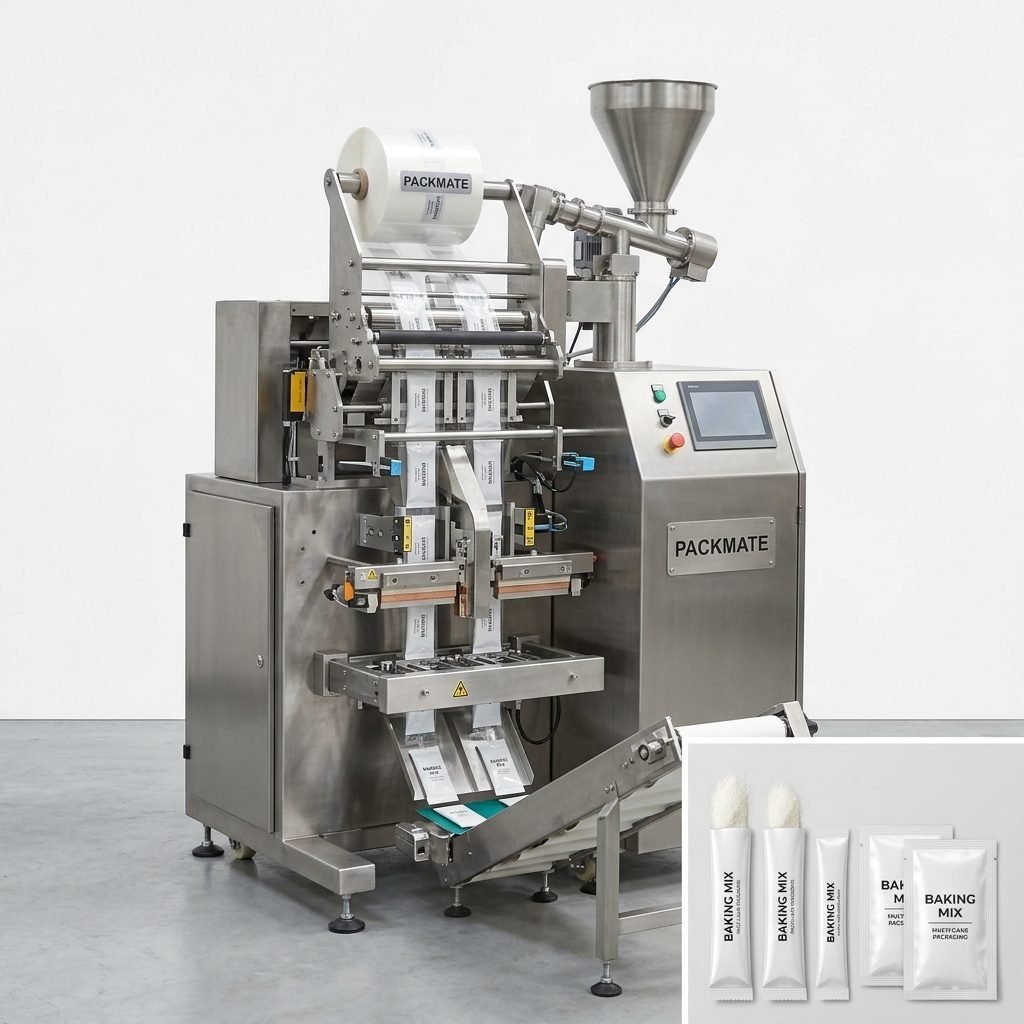
3. Stick Pack Packaging Machine for Powdered Medications
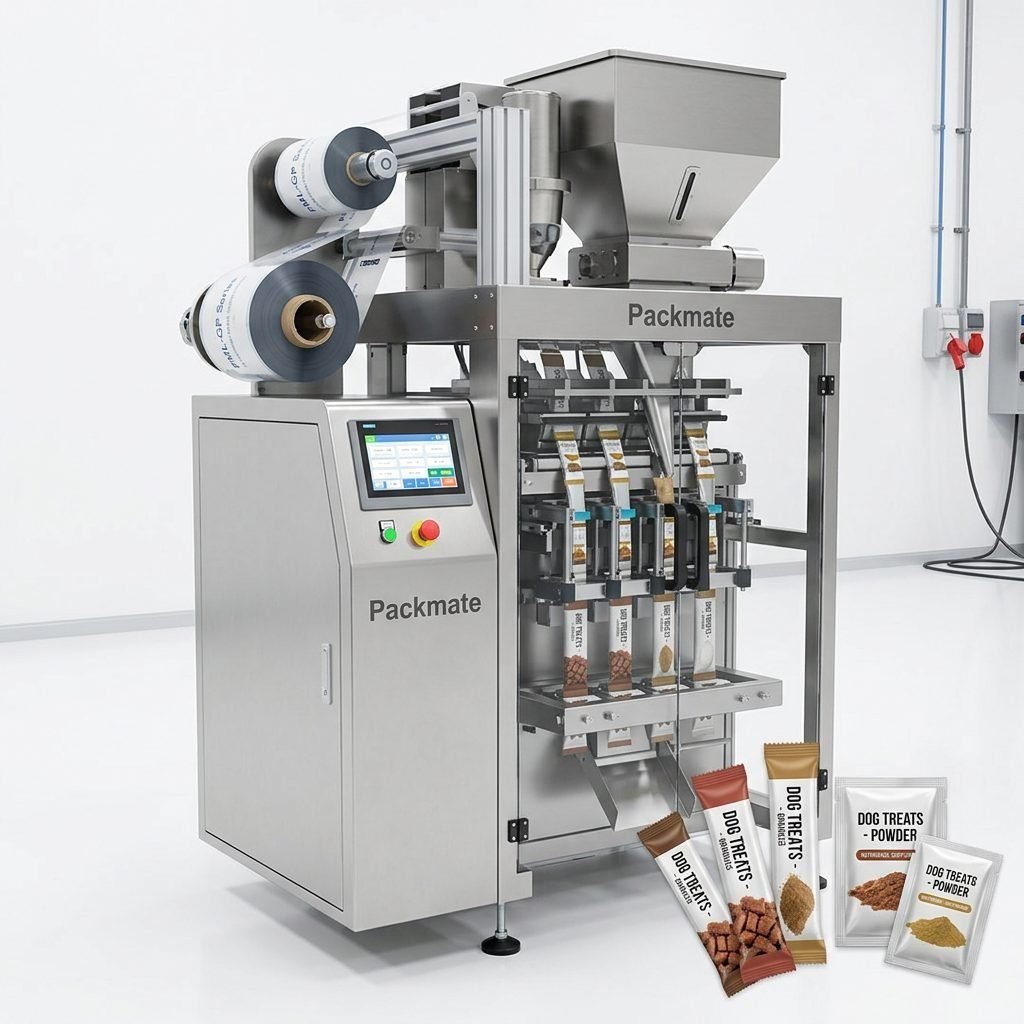
While often used for powders, stick pack machines are increasingly used for unit-dose packaging of granulated or effervescent medications. They create a sealed, portable, and tamper-evident pack. Modern machines offer multi-lane production for high output and are excellent for creating sample packs or travel-sized doses. Discover versatile options in Sachet & Stick Pack Machines.
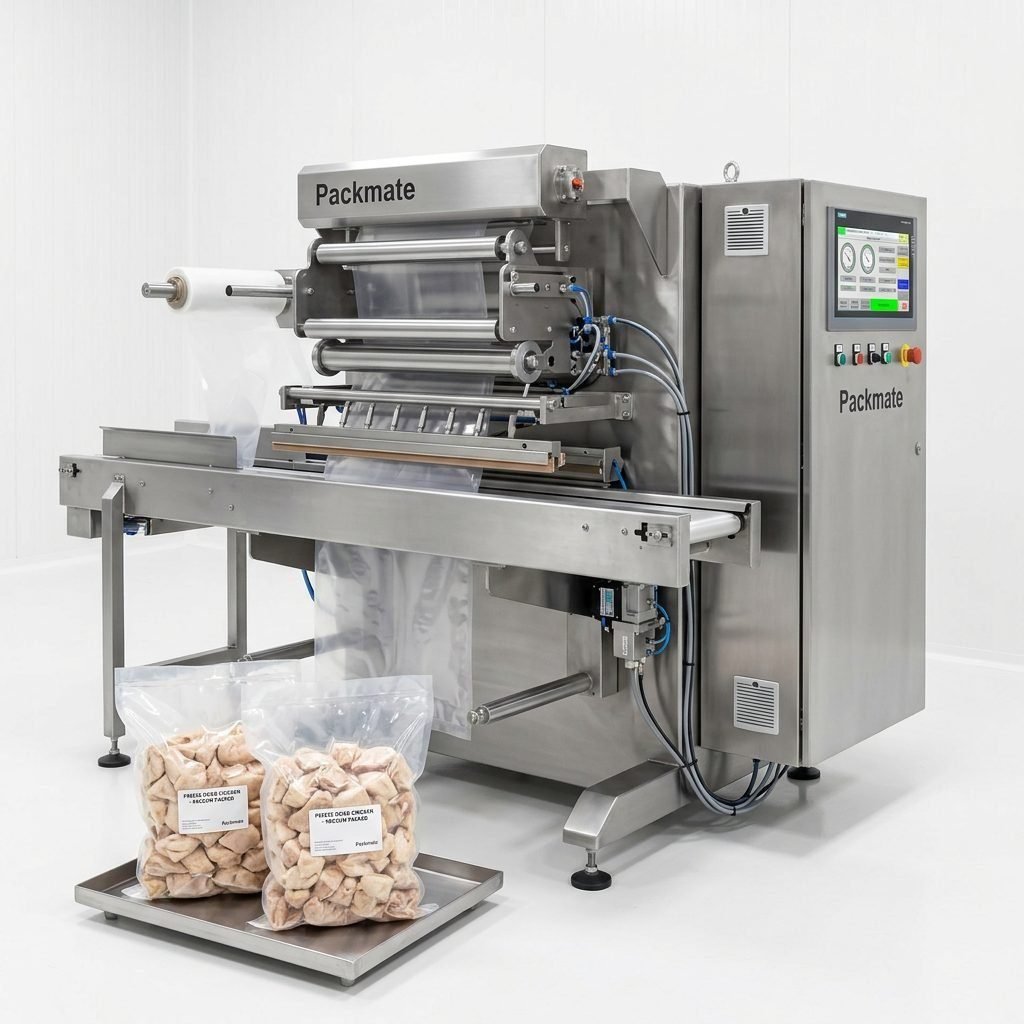
4. Vertical Form-Fill-Seal (VFFS) Pouch Machine
Extremely versatile for creating pillow pouches for pills, often used for bulk packaging or for products combined with desiccants. The machine forms the pouch from a roll of film, fills it with a pre-counted volume of pills, and seals it. It’s highly efficient for flexible packaging needs and allows for attractive printed packaging materials. Learn more about pouch solutions at Bag & Pouch Packaging Machines.
5. Continuous Motion Cartoning Machine
This machine automates the insertion of blister packs or bottles into folded cartons along with leaflets. It ensures precise orientation and high-speed operation. Critical for final retail-ready packaging, it often includes systems for batch code printing and carton sealing. Its reliability directly impacts the end-of-line efficiency.
6. Micro-Dosing Powder Filling Machine
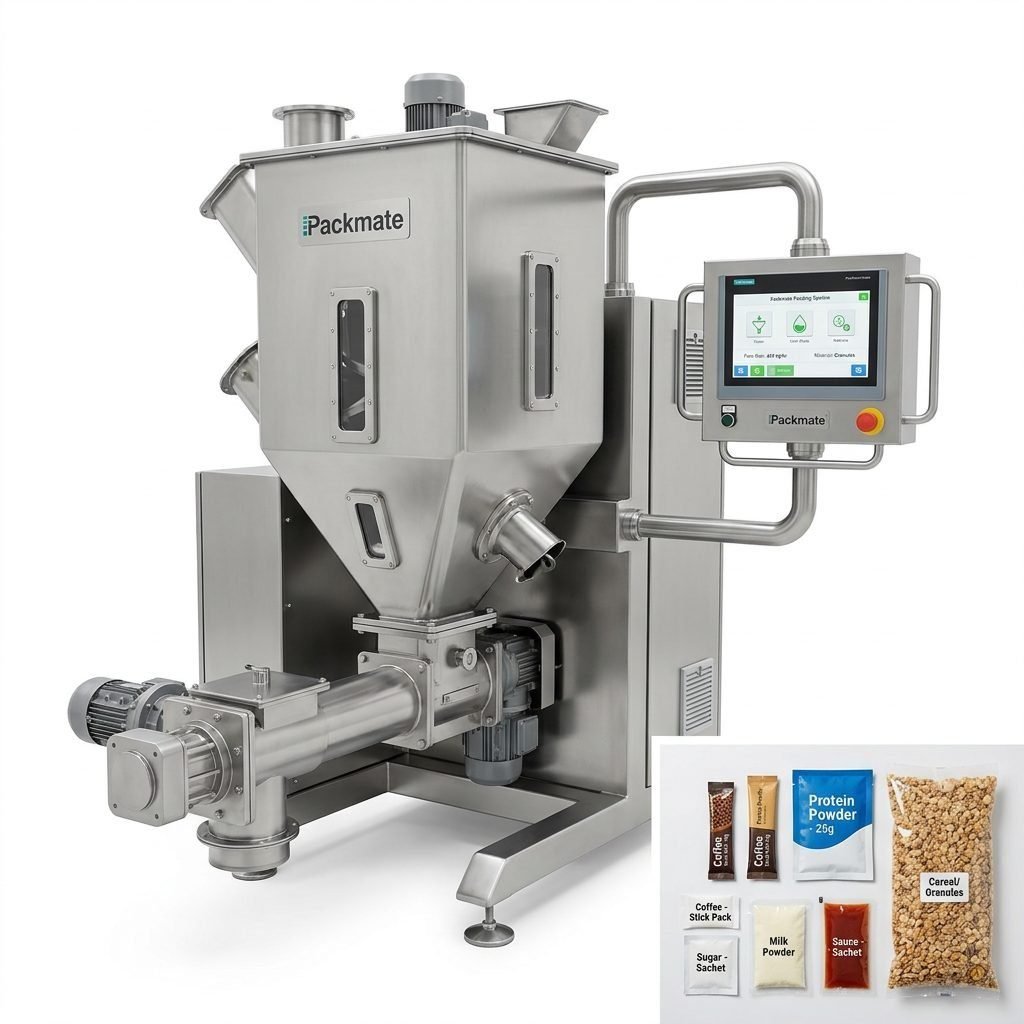
For highly potent or expensive powdered pharmaceuticals that require extreme accuracy in the milligram range. These machines use auger or vacuum technology for non-stop, precise filling into vials or sachets. They are built to handle challenging powders and maintain consistency, which is vital for drug efficacy and cost control.
7. Integrated Counting & Weighing System
Rather than a standalone machine, this is a crucial module that can be added to various lines. It uses advanced optical sensors or multi-head weighers to count pills with exceptional accuracy before they are directed to the packaging station. This system is the best defense against count errors and regulatory non-compliance.
8. Desiccant & Oxygen Scavenger Insertion Machine
A specialized machine that automatically places moisture-absorbing desiccant packets or oxygen absorbers into bottles or pouches alongside the pills. This is critical for moisture-sensitive drugs to extend shelf life and maintain stability, automating a process that is often manual and prone to error.
9. Tamper-Evident Banding & Shrink Wrapping Machine
Applies tamper-evident seals to bottle caps or shrink wraps bundles of products. This provides an additional layer of security and consumer safety, making any product tampering immediately visible. It’s a vital step for building brand trust and meeting packaging regulations.
10. Compact Benchtop Pill Counter-Packager
Perfect for small pharmacies, clinics, or R&D departments. These smaller, semi-automatic units accurately count and fill pills into bottles or vials for personalized medication or small batch production. They offer an affordable entry into automation without sacrificing count accuracy.
Implementing Your Chosen Machine: Best Practices
Selecting the machine is only the first step. Successful implementation requires careful planning.
Thorough Operator Training: Ensure your team understands machine operation, routine maintenance, and basic troubleshooting to maximize uptime.
Preventive Maintenance Schedule: Adhere strictly to the manufacturer’s maintenance guide. Regularly cleaning and replacing wear parts prevents unexpected breakdowns.
Quality Control Integration: Position checkweighers, metal detectors, or vision systems at critical points post-packaging to create a safety net.
Software & Data Management: Utilize the machine’s software to collect production data (OEE, downtime reasons) for continuous process improvement.
Frequently Asked Questions (FAQ)
What is the typical maintenance required for a high-speed blister machine?
Daily cleaning of product contact parts, weekly lubrication of guide rails and chains as per manual, and monthly inspection of sealing jaws, punches, and forming molds for wear are essential. Always use recommended lubricants and follow GMP cleaning protocols.
How do I ensure my packaging line is compliant with FDA 21 CFR Part 211?
Choose machinery from reputable manufacturers who design with GMP in mind (easy to clean, no product traps). Implement and document a rigorous calibration, maintenance, and cleaning schedule. Ensure the machine can support required data logging for traceability. For reliable partners, review the Company Profile of experienced suppliers.
Can one machine handle multiple pill sizes and shapes?
Yes, many modern machines are designed for quick changeover. This involves swapping out parts like counting heads, forming molds, or feed tracks. The key is the changeover time and tooling cost. Discuss your specific product range with the supplier to find the most flexible solution.
What is the difference between intermittent and continuous motion machines?
Intermittent motion machines stop the packaging web for operations like filling and sealing, making them inherently slower but often more precise for complex tasks. Continuous motion machines operate without stopping, offering much higher speeds and smoother operation, ideal for high-volume, standard packaging formats.
Where can I find technical support and spare parts?
Before purchasing, verify the supplier’s support structure. Look for providers with a global service network, readily available spare parts inventory, and comprehensive documentation. A strong after-sales service is crucial for minimizing production downtime. Explore the Service offerings of potential partners.