In the competitive cosmetics industry, production efficiency and product presentation are paramount. The right packaging machinery not only accelerates output but also ensures consistency, hygiene, and the premium aesthetic that consumers demand. For brands looking to scale their operations, investing in top-tier cosmetic packaging machines is a strategic decision that directly impacts profitability and market presence.
The Role of Advanced Packaging in Cosmetic Manufacturing
Modern cosmetic lines require more than just filling and sealing. They demand precision, flexibility, and gentle handling to protect delicate formulas and intricate container designs. From liquids and creams to powders and serums, each product type presents unique challenges. An efficient production line integrates various machines—filling, capping, labeling, and cartoning—into a seamless, automated system. This integration minimizes human error, reduces waste, and maximizes throughput, allowing brands to respond swiftly to market trends and seasonal demands.
Key Considerations for Selecting Packaging Machinery
Choosing the ideal equipment involves evaluating several critical factors. Speed and output capacity must align with your production goals. Versatility is crucial for handling different container sizes and product viscosities without extensive changeover downtime. Equally important are hygienic design (often requiring stainless steel contact parts) and ease of cleaning and maintenance to comply with stringent industry regulations. Finally, the machine’s footprint and energy efficiency contribute to long-term operational costs and sustainability goals.
Why Partner with an Experienced Manufacturer?
The reliability of your production line hinges on the quality and support of the machinery provider. A manufacturer with deep industry expertise, like Packmate Machinery, brings invaluable benefits. With over 30 years of experience in packaging solutions, they understand the nuanced needs of cosmetic production. Their journey, from a focused workshop in 1993 to a formalized company in 2003 and today’s 20,000㎡ modern facility, is built on solving complex packaging challenges. This history translates into robust, innovative machines designed for real-world efficiency and durability.
Top Machine Categories for Cosmetic Packaging Lines
Let’s explore the core types of machines that form the backbone of a high-performance cosmetic packaging line.
1. Precision Liquid Filling Machines
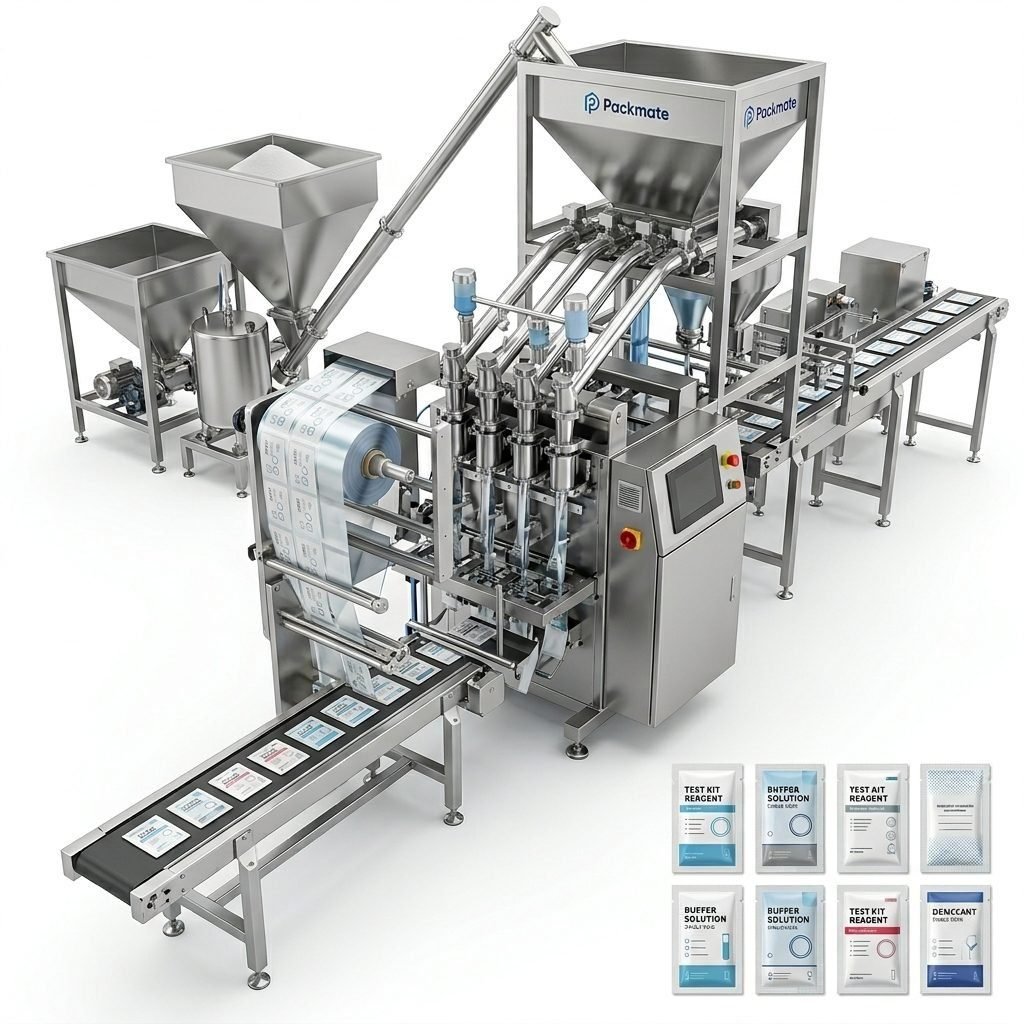
For toners, essences, lotions, and shampoos, precision is non-negotiable. Modern filling machines utilize technologies like piston fillers, peristaltic pumps, or time-pressure systems to handle products from thin, watery consistencies to thick, viscous pastes with accuracy within ±0.5%. Advanced models feature touch-screen PLC controls for recipe storage, CIP (Clean-in-Place) systems, and anti-drip nozzles to maintain a spotless filling area and container exterior.
2. Automatic Capping and Sealing Systems
Securing the product is as vital as filling it. Automatic cappers can handle a wide range of closures: screw caps, flip-tops, pump dispensers, and induction seals. Torque control is critical to ensure caps are tightened consistently—neither too loose nor too tight—to prevent leaks or damage. For products requiring tamper evidence, integrated sealing lines with induction or ultrasonic sealers provide a reliable, hermetic closure.
The Flexibility of Sachet & Stick Pack Machines
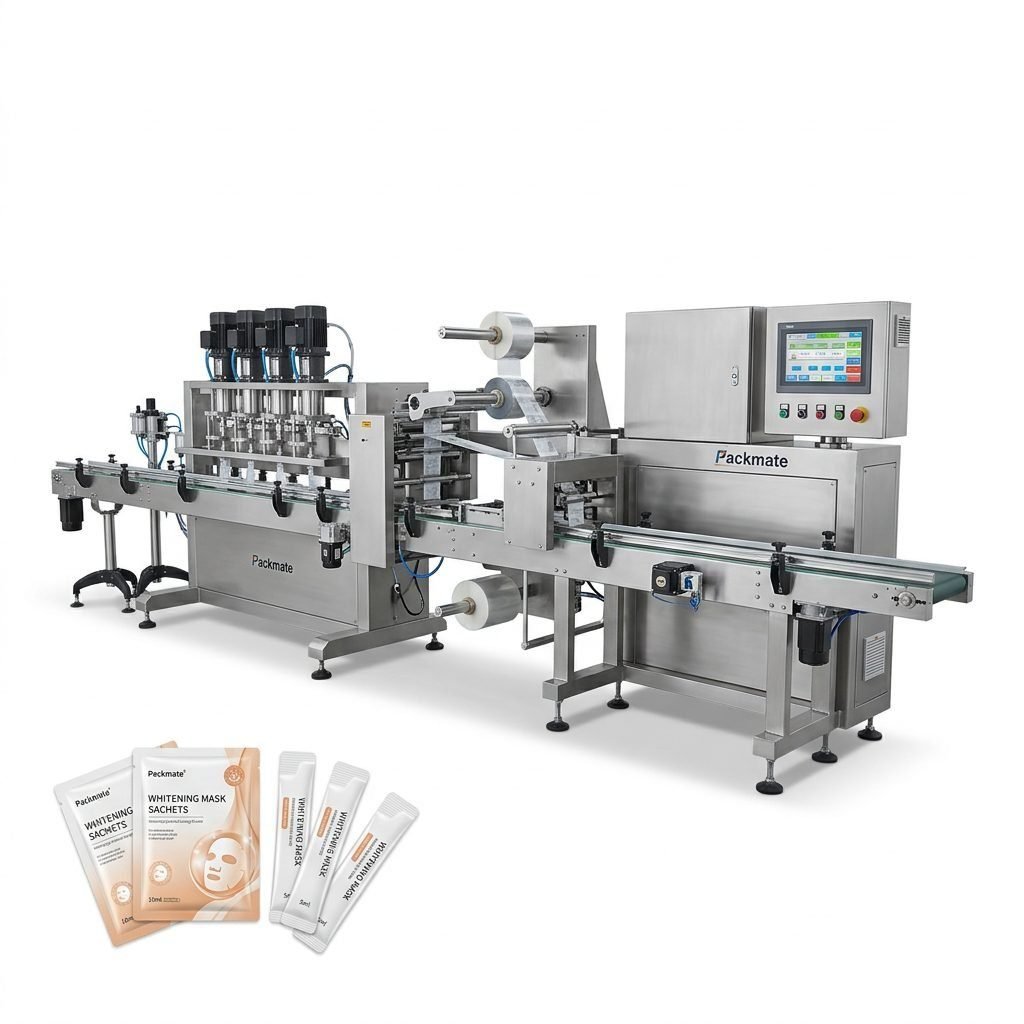
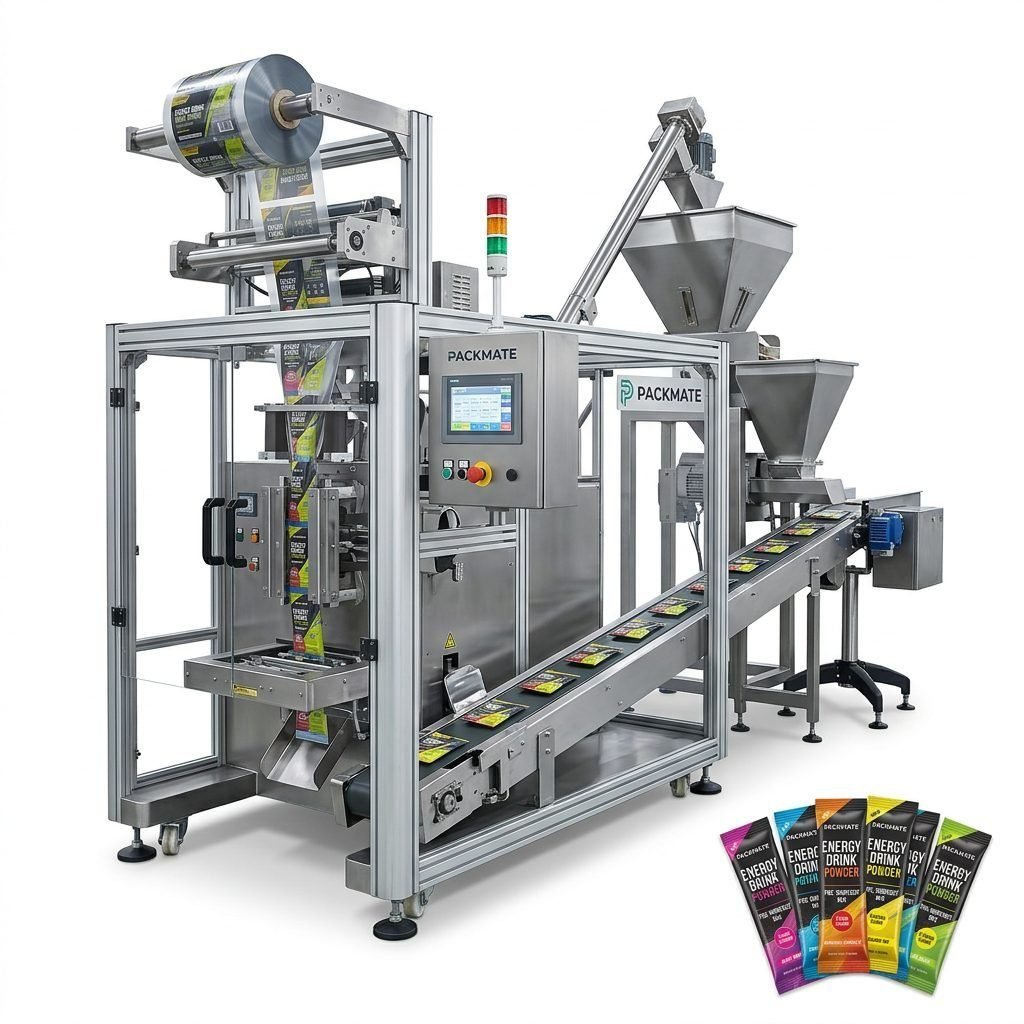
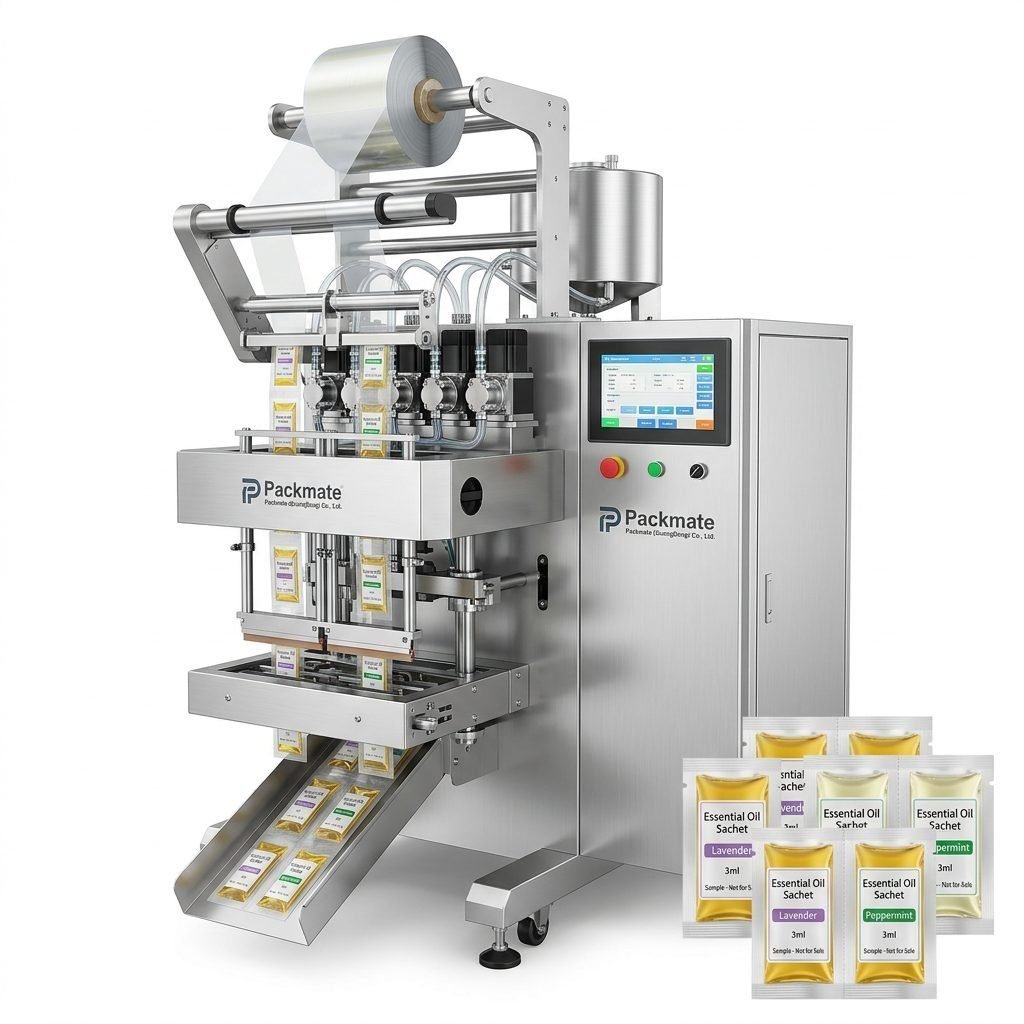
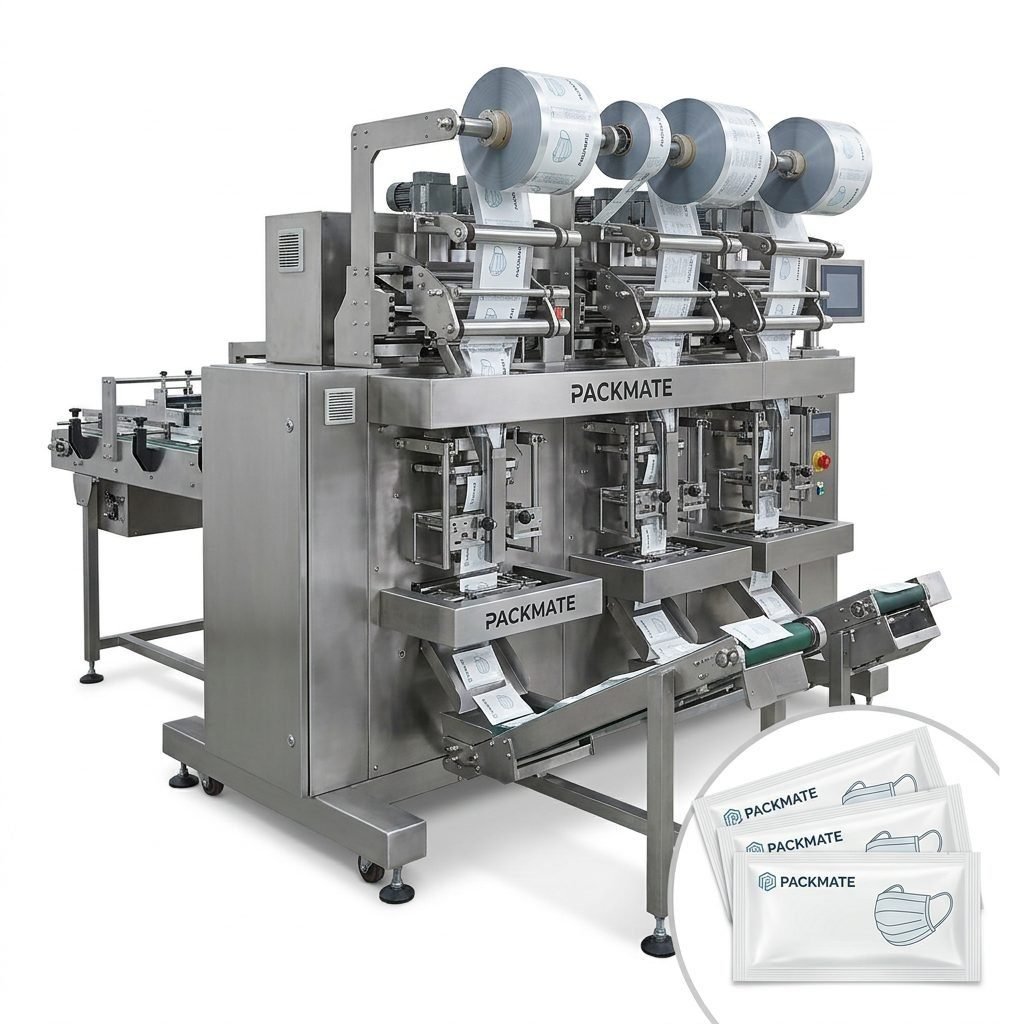
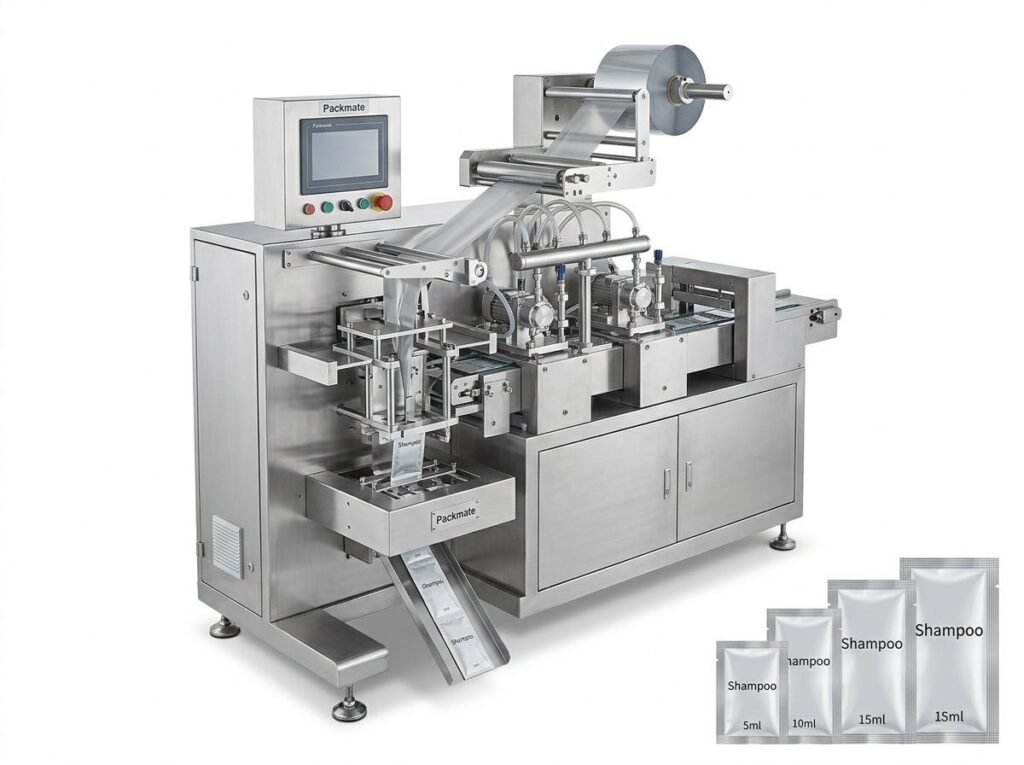
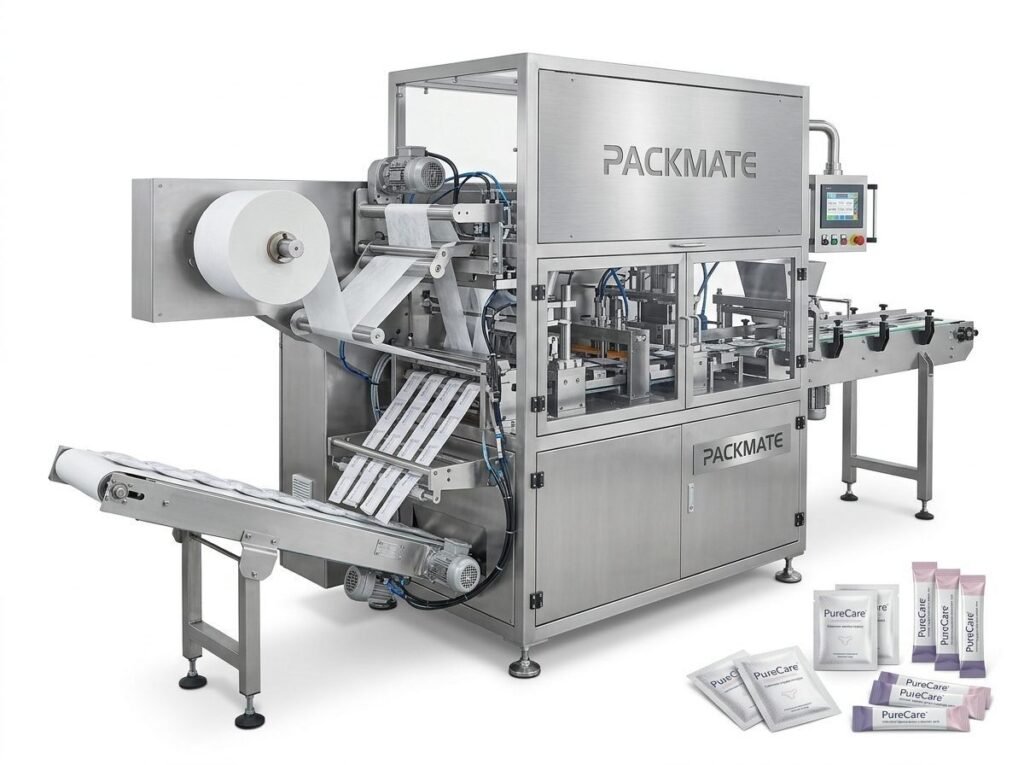
Single-use cosmetic samples, serums, or hair care products are perfectly suited for sachet and stick pack formats. These machines, such as those in Packmate’s specialized range, offer high-speed production from roll film, creating a cost-effective and portable packaging solution. They are ideal for promotional campaigns, travel kits, or portion-controlled premium products, allowing brands to reach customers with minimal packaging material.
3. Intelligent Labeling and Cartoning Equipment
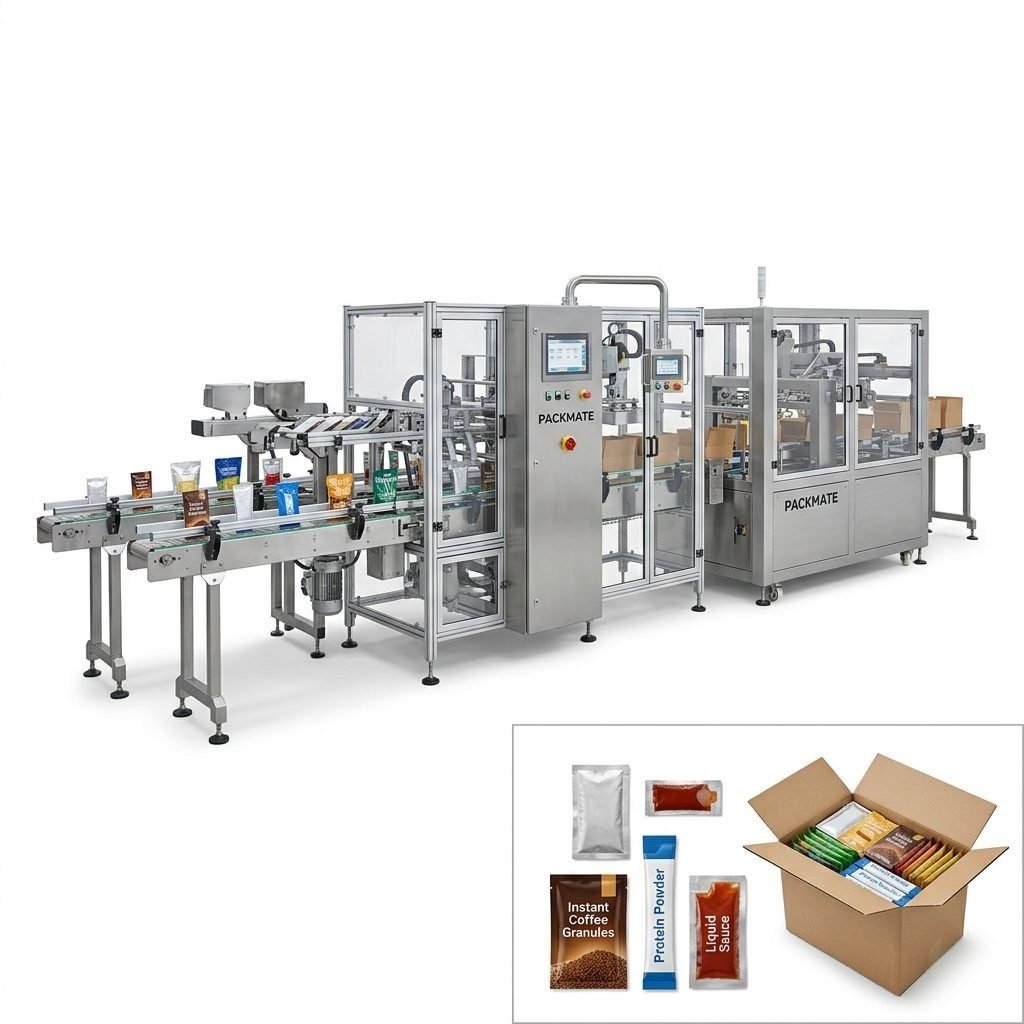
The final presentation stage is handled by labeling and cartoning machines. High-resolution vision systems ensure labels are applied perfectly straight and wrinkle-free on round, square, or irregular bottles. Downstream, automatic cartoners erect, load, and seal boxes with inserts or leaflets. The integration of these units creates a fully automated line from filling to dispatch, dramatically reducing labor costs and handling.
Building an Integrated, Turnkey Solution
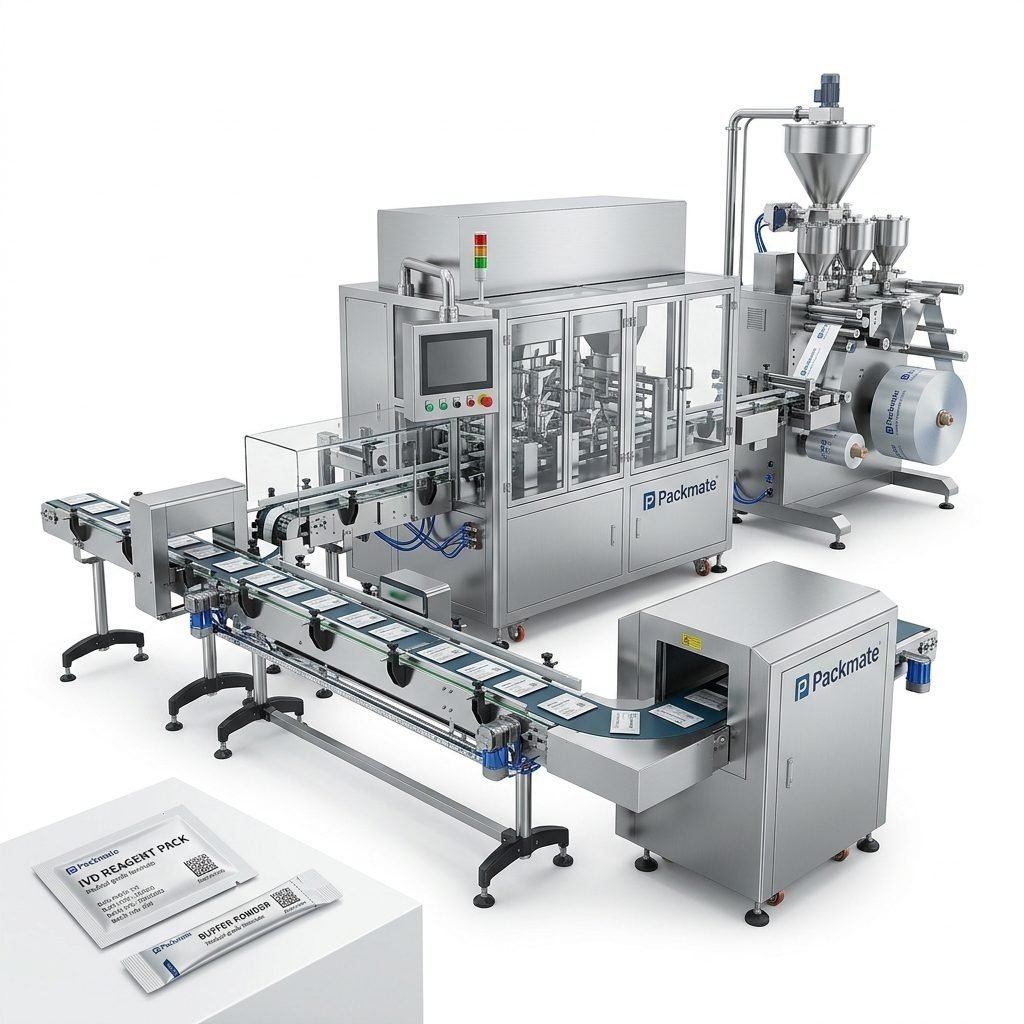
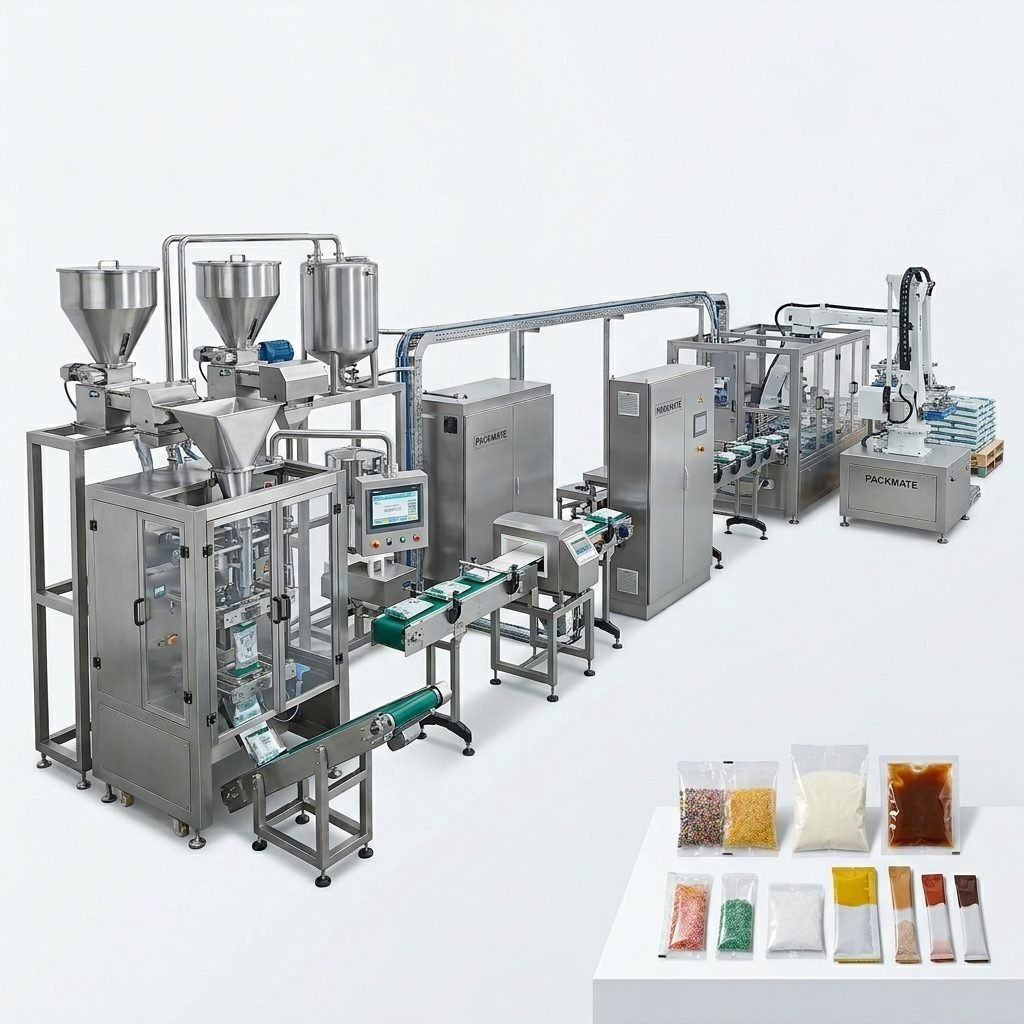
The true power of modern packaging lies in integration. A turnkey packaging line connects individual machines via conveyors and control systems, creating a synchronized production cell. This approach, championed by providers like Packmate, ensures compatibility between modules, optimizes material flow, and provides a single point of responsibility for installation, training, and after-sales service. The result is a faster ROI, smoother operation, and the agility to adapt your line for new products.
Leveraging Expertise for Global Markets
As cosmetic brands target international consumers, packaging lines must adapt to regional preferences and regulatory standards. An experienced machinery partner with a global footprint can provide invaluable guidance. Packmate’s history of serving clients worldwide and participating in global exhibitions keeps them at the forefront of international trends and compliance requirements, from material specifications to labeling norms.
Future-Proofing Your Investment
Technology in packaging is rapidly evolving. When selecting equipment, consider machines with modular designs and upgradable software. Features like IoT connectivity for predictive maintenance, energy-saving modes, and the ability to handle sustainable or recycled packaging materials are becoming standard. Investing in adaptable technology from a forward-thinking manufacturer protects your capital and keeps your production competitive for years to come.
Ultimately, the selection of cosmetic packaging machinery is a balance of technical specifications, manufacturer reliability, and strategic vision. By focusing on precision, integration, and partnership with a proven supplier, brands can build production lines that are not just efficient, but also resilient and capable of growing with the business.
Frequently Asked Questions (FAQ)
What is the typical lead time for a custom cosmetic packaging line?
Lead times vary based on line complexity and customization. For standard configured lines from an established manufacturer, it typically ranges from 60 to 120 days after order confirmation, including factory testing. Always discuss and confirm the project timeline in detail during the quotation phase.
Can one machine handle different container shapes and sizes?
Yes, many modern machines are designed for quick changeover. This is achieved through modular change parts like filling nozzles, cap chucks, and label applicator heads. The key is to define your container range upfront so the manufacturer can supply the appropriate change parts and ensure the machine’s mechanical range (e.g., min/max container height/width) accommodates them all.
How important is after-sales service and technical support?
It is critically important. Even the most reliable machinery requires maintenance and occasional troubleshooting. Choose a supplier that offers comprehensive support: detailed documentation, remote assistance, readily available spare parts, and on-site engineer services. A strong service network minimizes costly production downtime.
What are the key hygiene standards for cosmetic packaging machines?
Machines should be designed to meet cGMP (Current Good Manufacturing Practice) guidelines. Key features include smooth, crevice-free surfaces (especially with 316L stainless steel contact parts), easy access for cleaning and inspection, and protection against lubricant contamination. Discuss your specific hygiene protocols with the machine builder.
Can packaging lines be integrated with existing factory ERP/MES systems?
Increasingly, yes. Many advanced packaging machines come with OPC-UA or other communication protocols that allow them to connect to higher-level Manufacturing Execution Systems (MES). This enables real-time data collection on production counts, OEE (Overall Equipment Effectiveness), downtime reasons, and material usage, facilitating smarter production management.