Choosing the right beverage packaging equipment is a critical decision for any producer, impacting everything from product integrity and shelf appeal to operational efficiency and overall profitability. This comprehensive guide explores the main types of equipment, their specific uses, and provides essential buying tips to help you make an informed investment for your business.
Understanding the Core Types of Beverage Packaging Equipment
The landscape of beverage packaging machinery is diverse, designed to handle different product forms, packaging materials, and production scales. Selecting the correct type is the first step toward a successful packaging operation.
Liquid Filling Machines
These are the workhorses for beverages. They accurately measure and dispense liquid into containers like bottles, cans, or pouches. Key technologies include:
Gravity Fillers: Ideal for free-flowing, non-foamy liquids like water or juice. They are simple and cost-effective.
Piston Fillers: Excellent for viscous products such as syrups, yogurts, or sauces, providing high accuracy regardless of product consistency.
Volumetric Fillers: Use pumps to control volume, suitable for a wide range of liquids from thin to semi-viscous.
Form-Fill-Seal (FFS) Machines
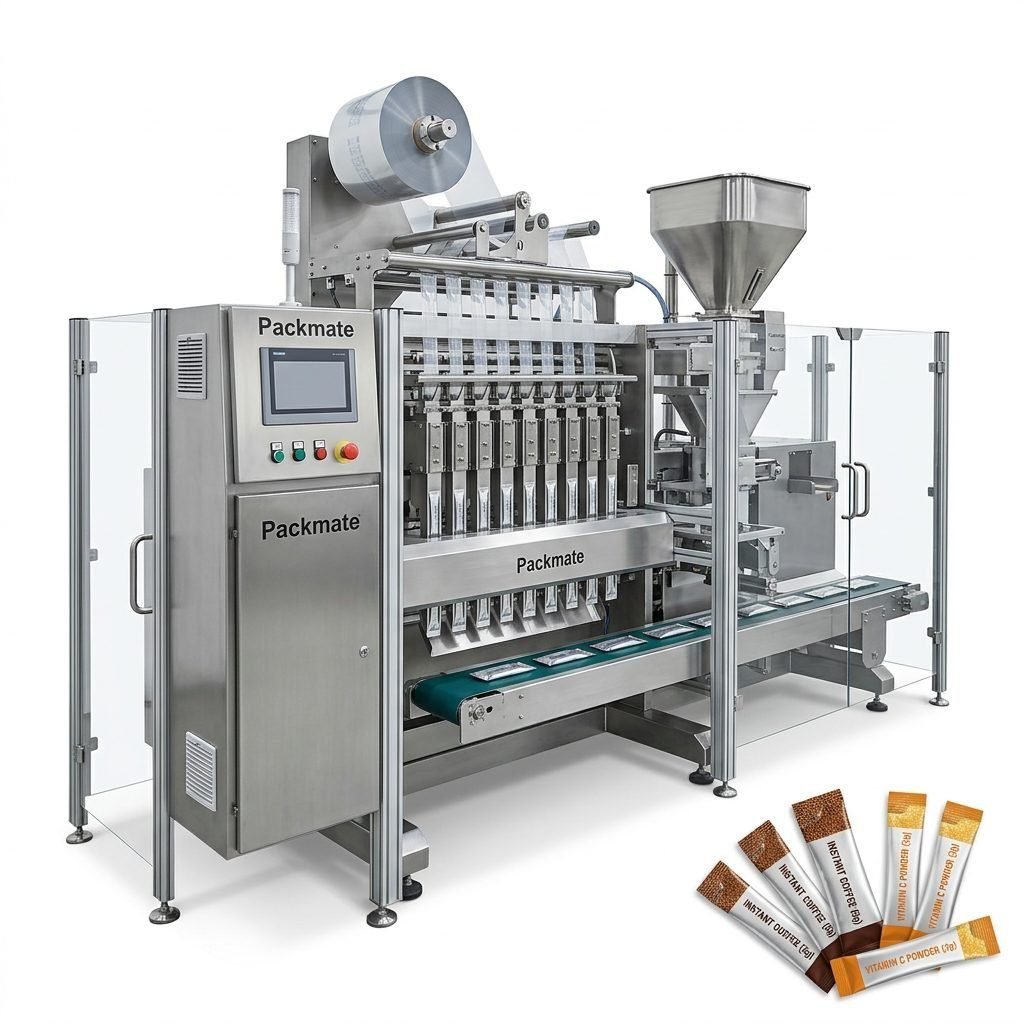
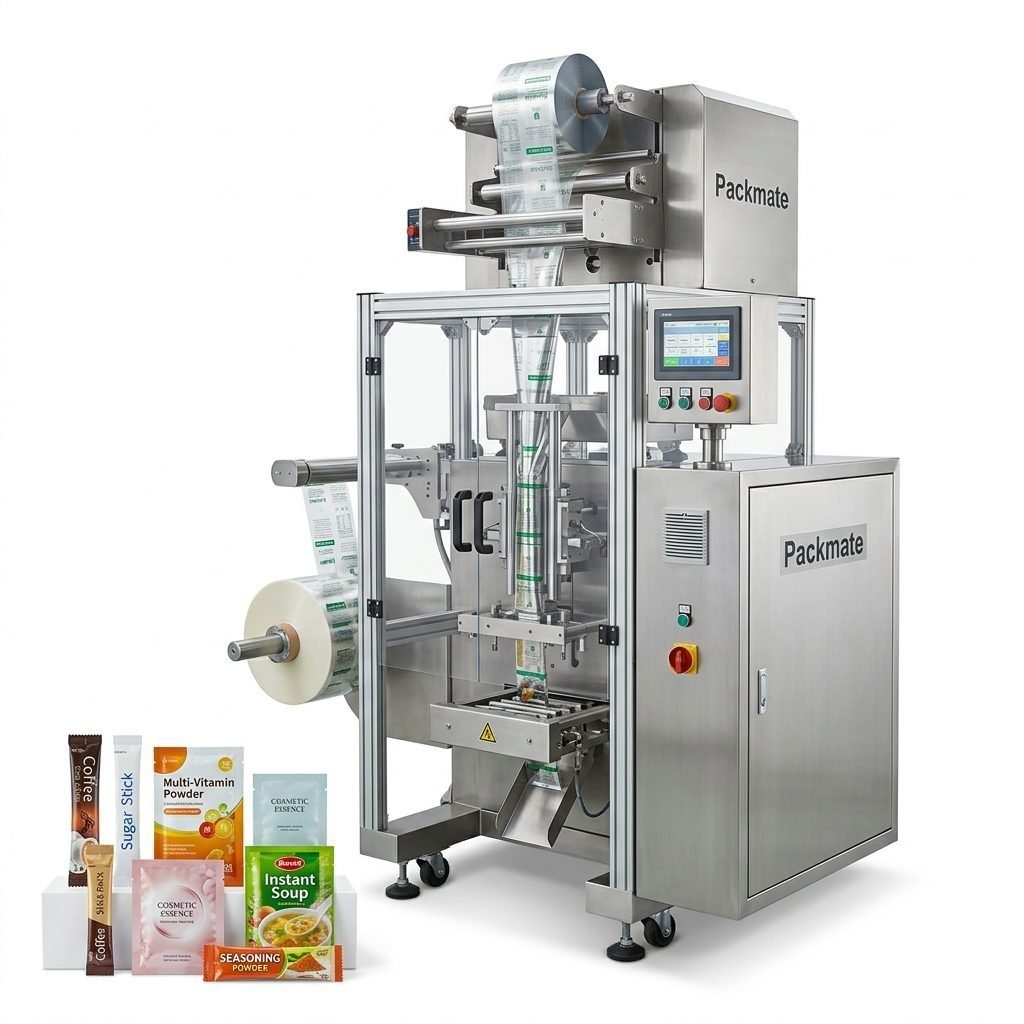
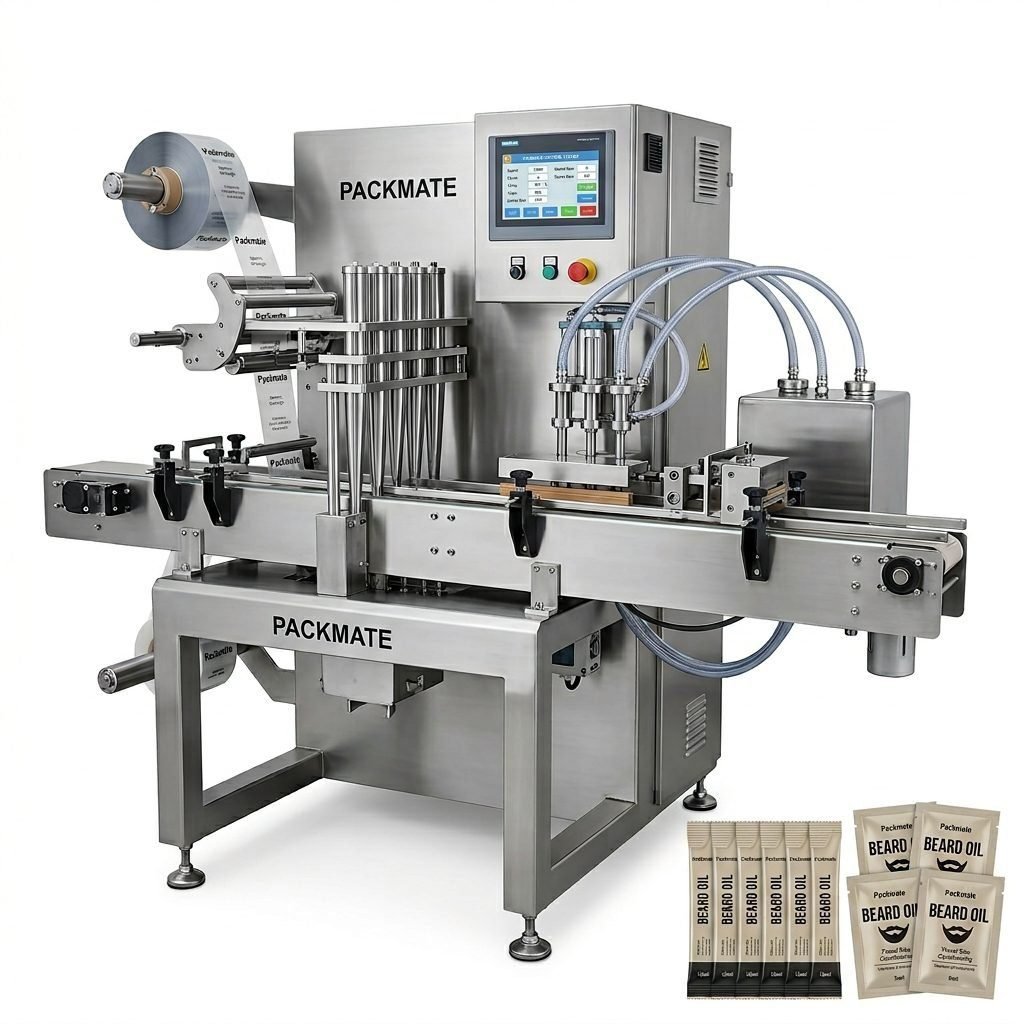
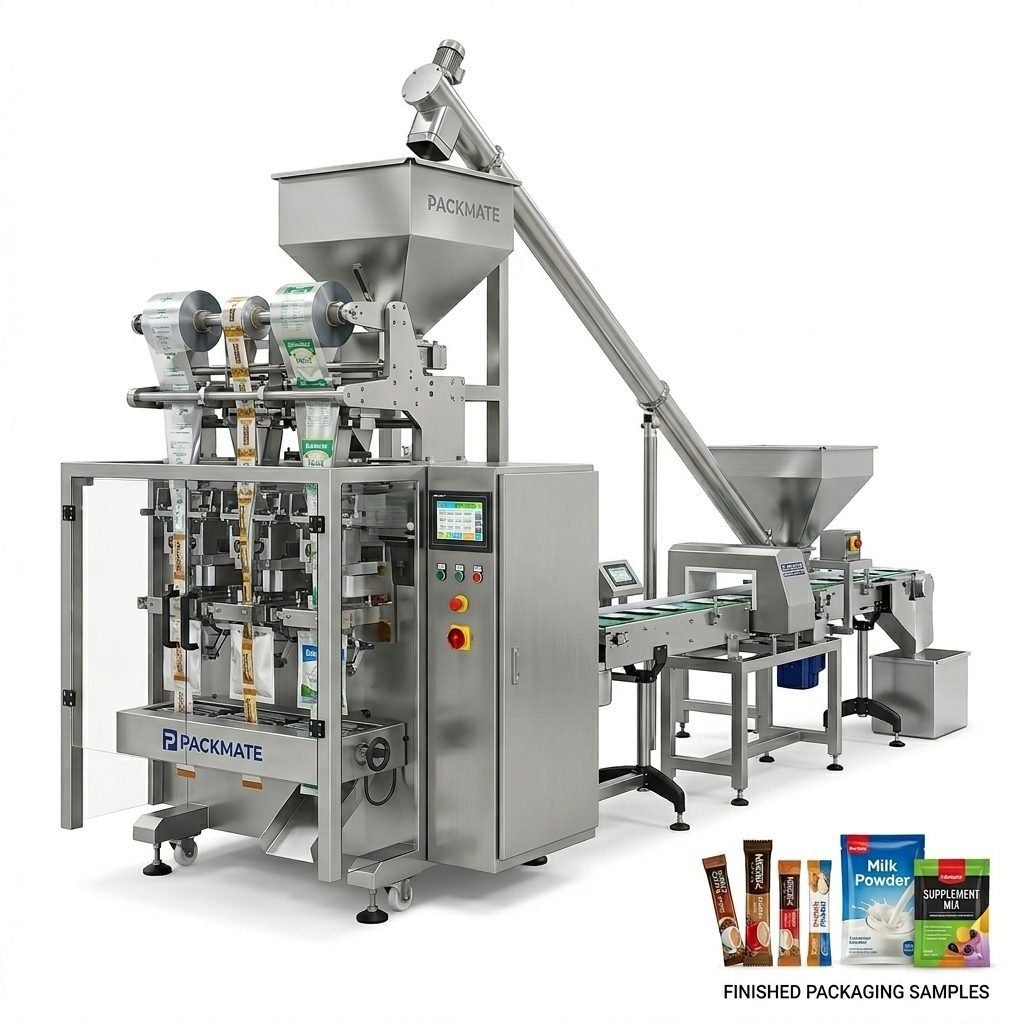
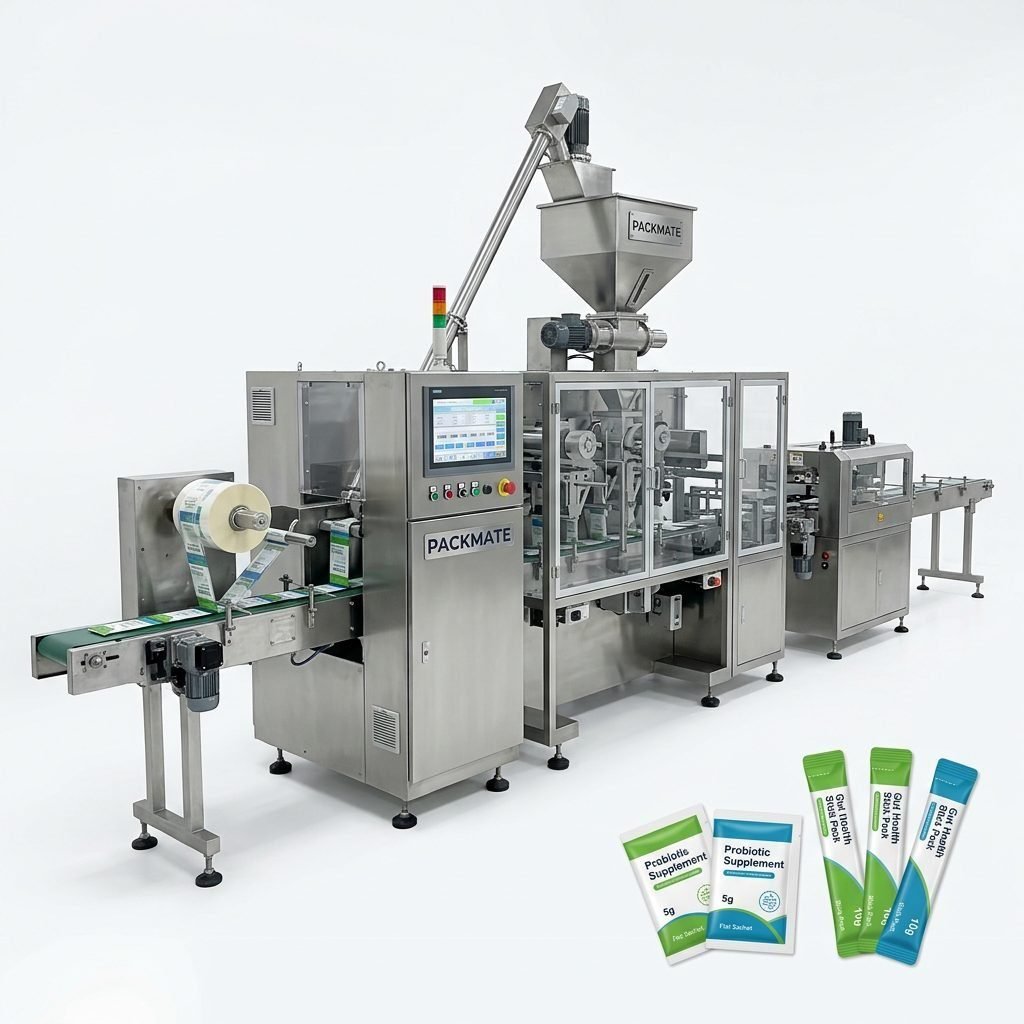
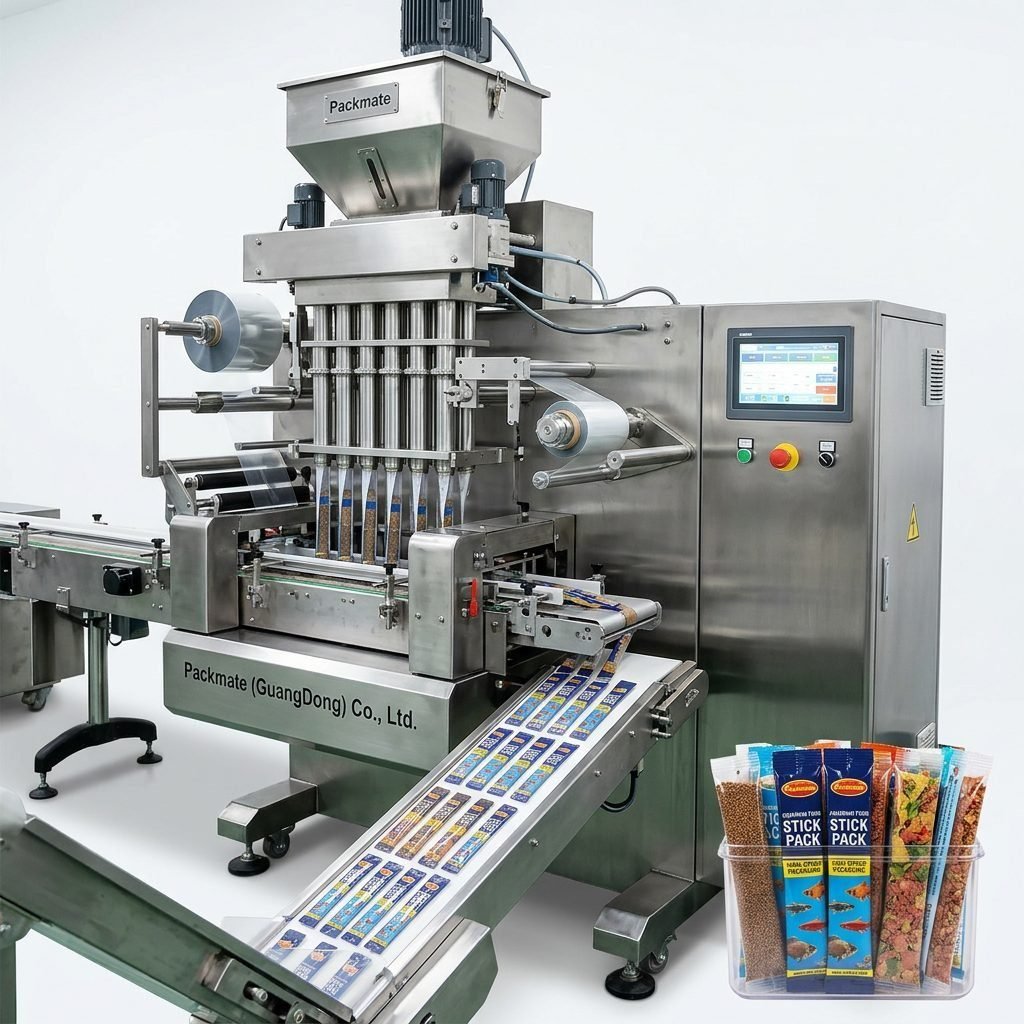
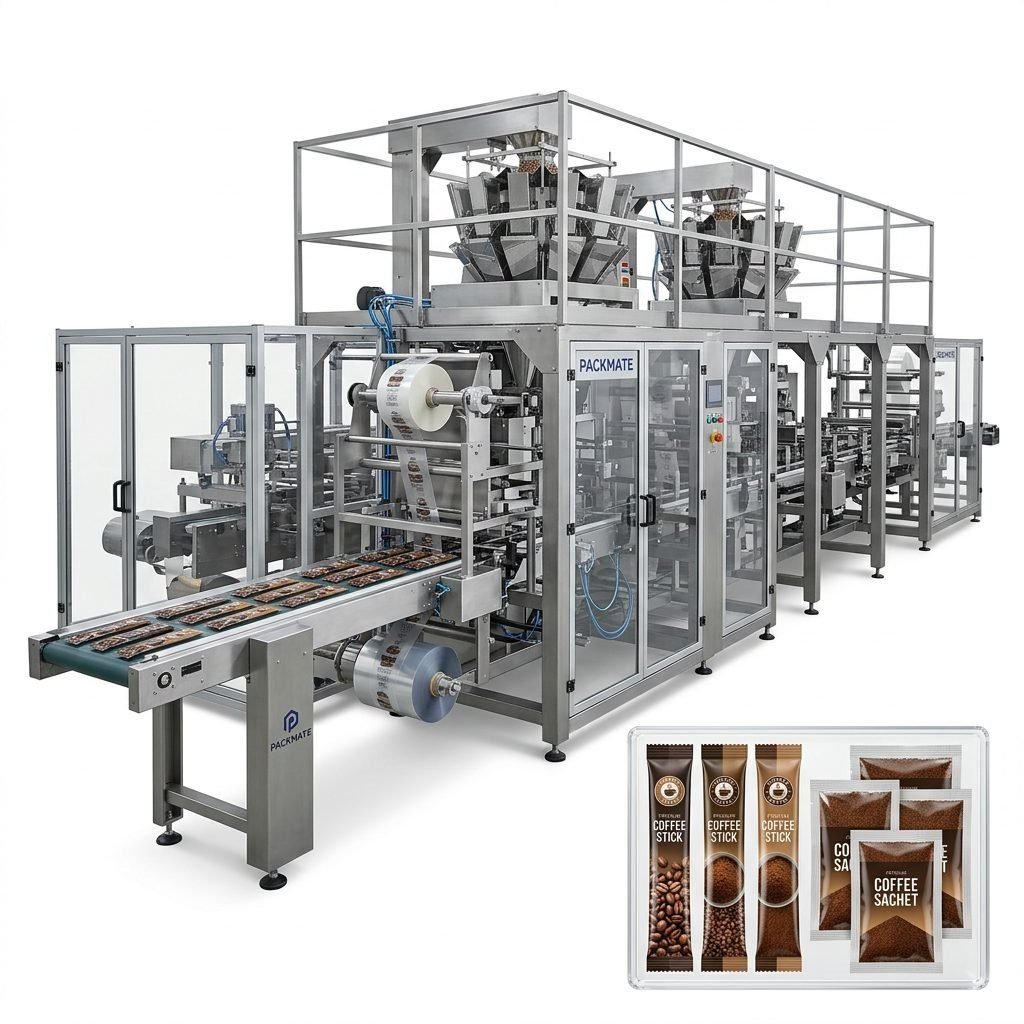
These highly automated systems create the package from a roll of film, fill it with product, and seal it—all in one continuous process. They are dominant in producing flexible pouches and stick packs for products like drink mixes, liquid concentrates, or single-serve coffee. For high-output needs, exploring advanced Sachet & Stick Pack Machines from experienced manufacturers can be a game-changer.
Capping and Sealing Equipment
Ensuring a secure, tamper-evident, and leak-proof closure is non-negotiable. This category includes:
Cappers: Apply screw caps, snap caps, or sports caps onto bottles with precise torque control.
Sealers: Induce heat or ultrasonic vibration to seal foil lids on cups or laminate layers on pouches.
Labeling and Coding Machines
These apply branding and essential information. Labelers attach pre-printed labels, while coders (inkjet, laser) print variable data like batch numbers, expiry dates, and barcodes directly onto the package.
Primary Uses and Applications in the Beverage Industry
Each equipment type serves a distinct purpose in the production chain, addressing specific market demands and product characteristics.
For Carbonated Soft Drinks and Water
High-speed rotary filling lines combined with precision cappers are standard. The equipment must handle pressure and maintain carbonation levels. Sanitary design and high-speed capability are paramount for this high-volume sector.
For Juices, Dairy, and Liquid Foods
Piston or volumetric fillers that handle particulates (like pulp) without damage are common. Aseptic or hot-fill technologies may be required for shelf-stable products. Integration with complete Filling & Packaging Lines ensures seamless transition from mixing to palletizing.
For Powdered Drink Mixes and Supplements
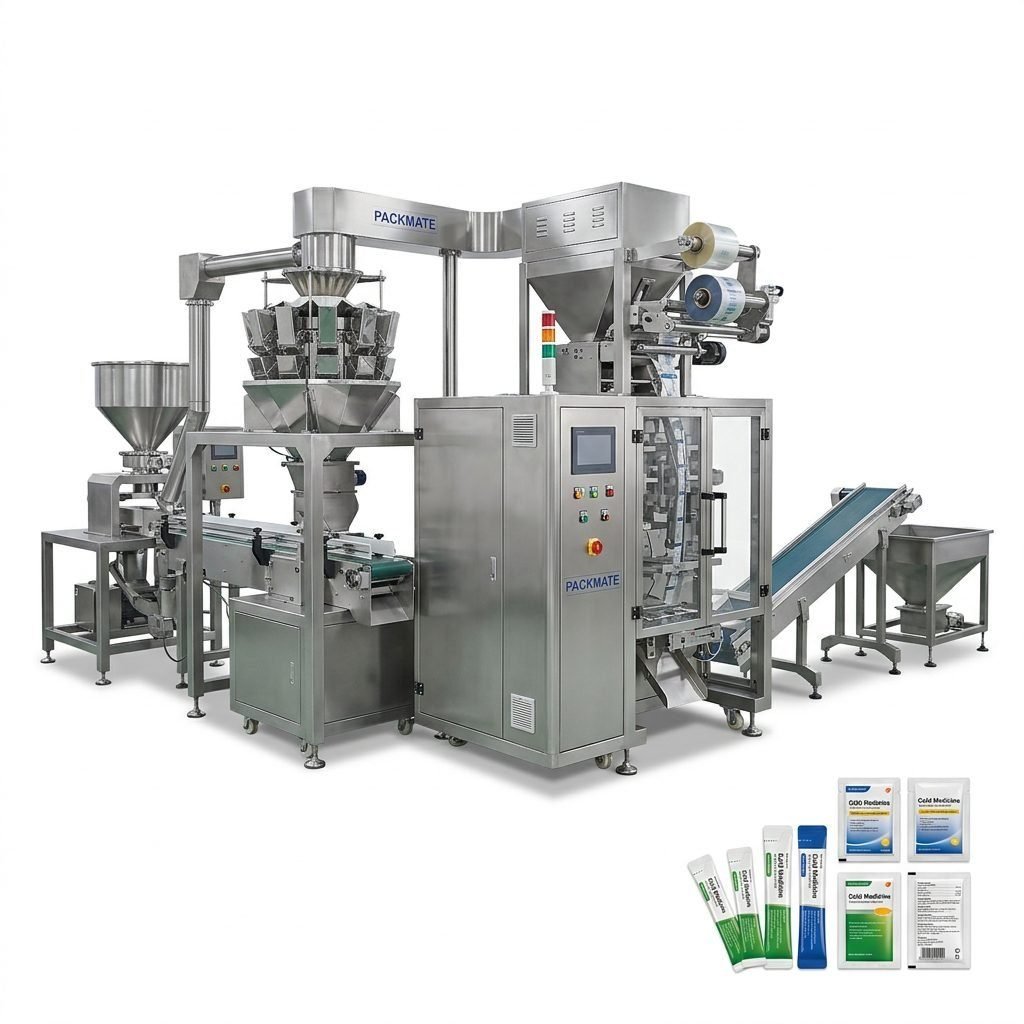
Form-Fill-Seal machines are ideal for creating single-serve sachets or stick packs. Auger filler technology within the FFS machine ensures precise dosing of powders. This is a specialty area for companies like Packmate Machinery, which offers tailored solutions for granular and powdered products.
For Craft and Specialty Beverages
Smaller, semi-automatic or modular machines offer the flexibility needed for shorter runs, frequent recipe changes, and unique bottle shapes. Versatility and ease of changeover are more critical than sheer speed.
Essential Buying Tips for Your Investment
Purchasing packaging machinery is a significant capital expenditure. These tips will guide you toward a choice that delivers long-term value.
1. Define Your Product and Output Requirements Clearly
Start with the basics: What are you packaging (liquid viscosity, particulates, carbonation)? What is your container type and size? Most importantly, what is your required output speed (bottles/per minute)? Be realistic about your current needs and future growth projections.
2. Prioritize Machine Quality and Reliability
Downtime is costly. Invest in equipment built with robust materials (e.g., food-grade stainless steel) and proven components from reputable brands. A machine with a solid track record of reliability from a manufacturer with a strong Company Profile and history, like Packmate with over 30 years of expertise, minimizes future headaches.
3. Evaluate Ease of Use and Maintenance
Look for user-friendly PLC touchscreen controls, easy-access parts for cleaning, and clear maintenance instructions. Consider the availability of training and local technical support. Simple maintenance procedures extend machine life and reduce operating costs.
4. Consider Flexibility and Future-Proofing
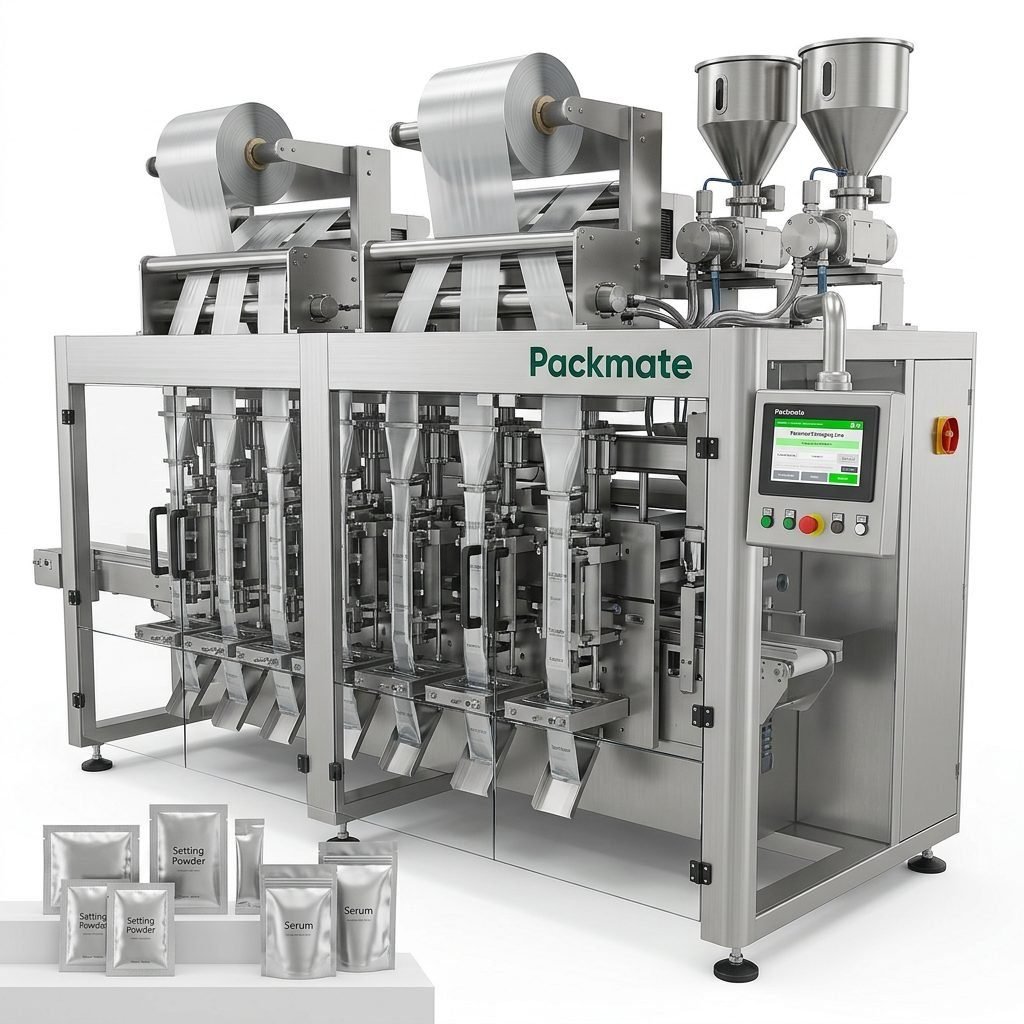
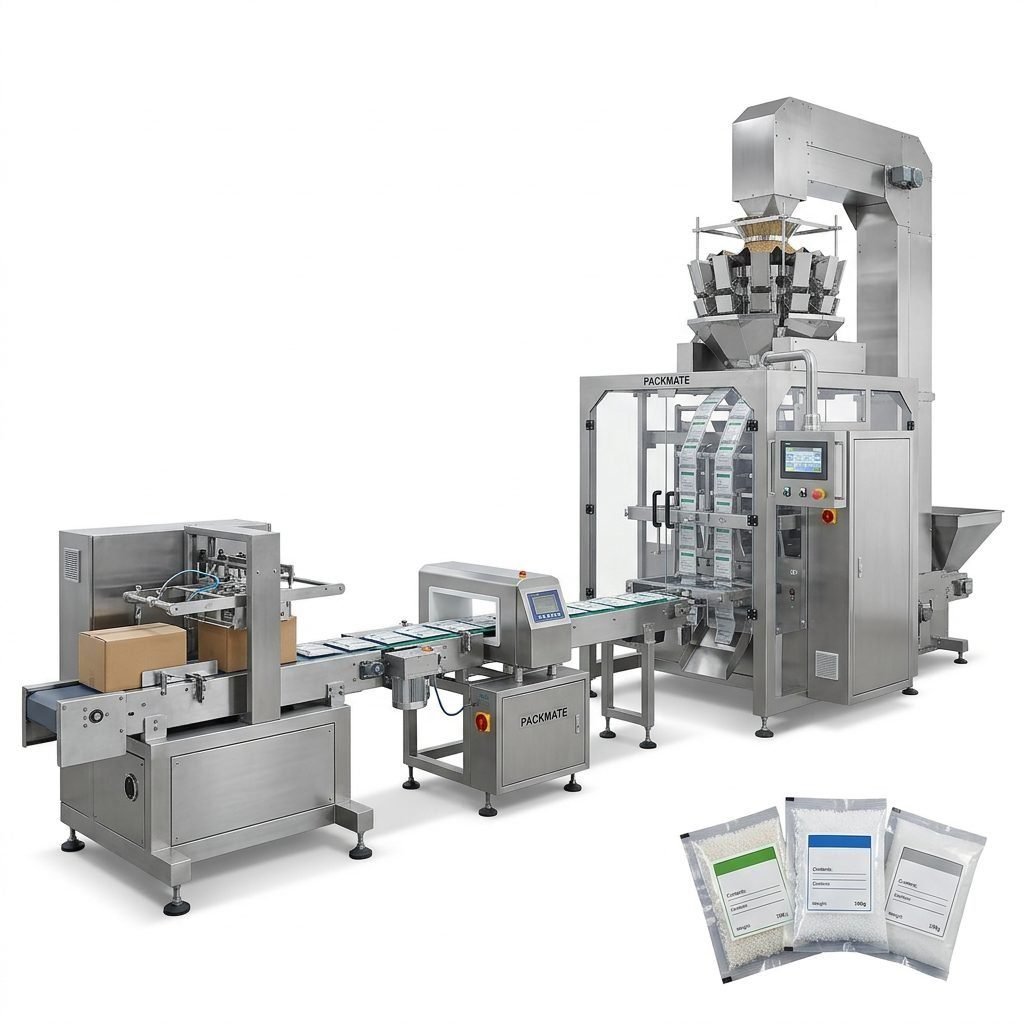
Can the machine handle multiple container sizes or product types with quick changeovers? While specialized machines can be faster, a versatile machine might be a wiser investment if your product lineup is likely to expand. Reviewing a manufacturer’s range, such as their Bag & Pouch Packaging Machines, can reveal options for scalability.
5. Scrutinize After-Sales Support and Service
The relationship with your supplier doesn’t end at purchase. Ensure they offer comprehensive after-sales service, including installation support, operator training, readily available spare parts, and responsive technical assistance. This support network is crucial for maximizing your equipment’s uptime and lifespan.
6. Understand the Total Cost of Ownership (TCO)
Look beyond the initial purchase price. Factor in costs for installation, utilities (compressed air, power), consumables (sealing jaws, filler parts), preventive maintenance, and potential future upgrades. A slightly higher upfront cost for a more efficient, durable machine often results in a lower TCO.
Frequently Asked Questions (FAQs)
What is the most important factor when choosing a beverage filler?
The product characteristics are paramount. A filler perfect for water will fail with a viscous, pulpy juice. Always match the machine technology (gravity, piston, volumetric) to your product’s viscosity, particulate content, and foaming tendency.
How do I determine the right machine speed for my business?
Calculate your current daily/weekly production volume and add a 20-30% buffer for growth. Divide this by your planned operating hours to get your required average output per hour. Choose a machine that meets or slightly exceeds this rate to allow for efficiency losses and maintenance.
Are used packaging machines a good option?
They can be, but caution is advised. Used machines offer lower upfront cost but may come with hidden wear, obsolete controls, and limited warranty. They are best considered when purchased from a reputable dealer who refurbishes them, or when you have in-house technical expertise for maintenance.
What certifications should I look for in beverage packaging equipment?
Key certifications include CE (for the European market), FDA compliance for food-contact parts, and possibly 3-A Sanitary Standards for dairy. These ensure the machine meets essential safety, hygiene, and regulatory requirements.
How can I improve the sustainability of my packaging line? Look for equipment designed for efficiency: machines that minimize product waste during filling, support lightweight or recyclable materials, and are energy-efficient. Modern servo-driven machines often consume less power than older mechanical models.