Selecting the right packaging equipment supplier is a critical decision for any industrial operation. The reliability, efficiency, and technological sophistication of your packaging line directly impact product quality, operational costs, and market competitiveness. For businesses seeking robust industrial solutions, partnering with a top-tier supplier is not just a purchase—it’s an investment in long-term productivity and growth. This guide explores the key attributes that define leading packaging equipment suppliers and how they deliver reliable solutions across diverse sectors.
Core Attributes of a Reliable Packaging Equipment Supplier
What separates a good supplier from a truly great one? It goes beyond simply offering a catalog of machines. The most reliable suppliers are characterized by several foundational pillars that ensure they can be a true partner in your success.
Proven Engineering Expertise and Innovation
At the heart of any leading supplier is deep-rooted engineering prowess. This isn’t just about assembling components; it’s about a profound understanding of material science, mechanical dynamics, and process flow. Companies like Packmate Machinery exemplify this, with a history spanning over 30 years of dedicated R&D. This extensive experience allows them to anticipate industry challenges and innovate proactively, developing machines that are not only reliable but also adaptable to future demands.
Comprehensive and Scalable Product Range
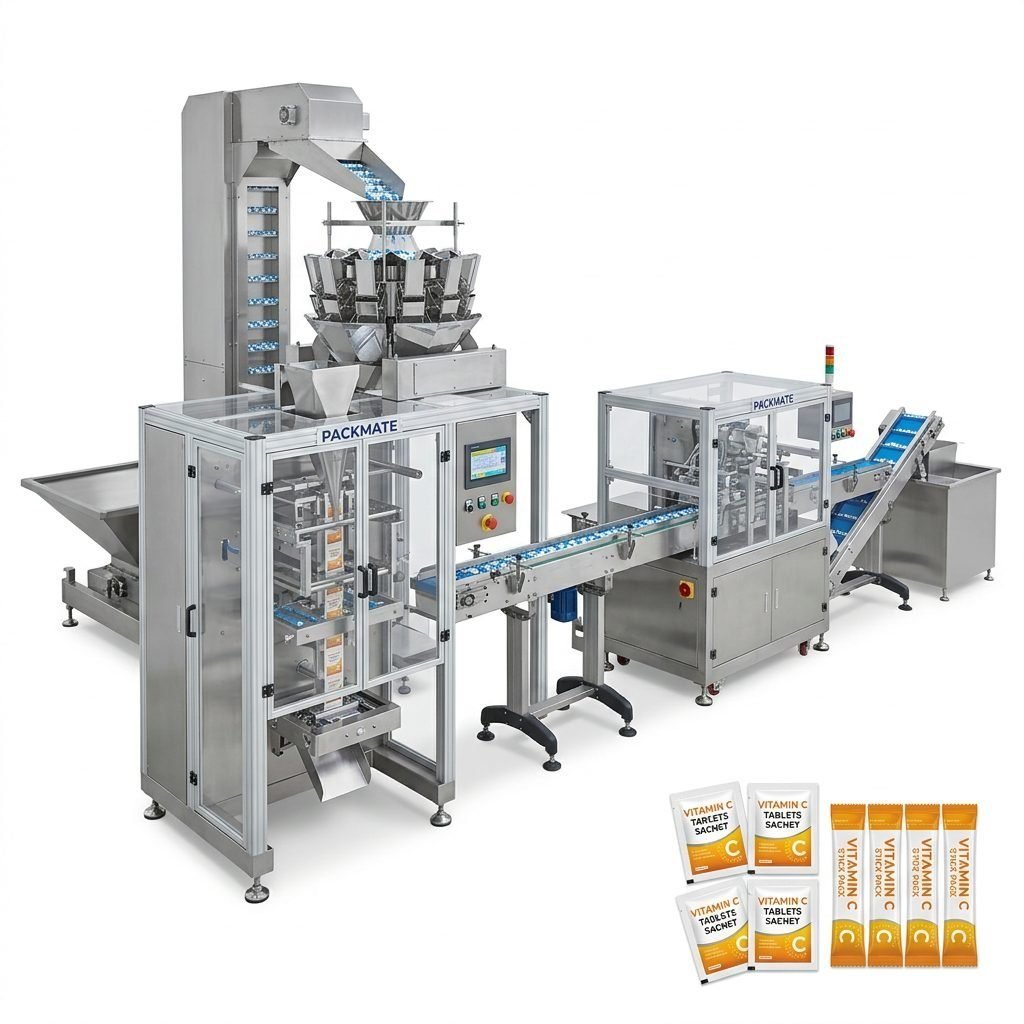
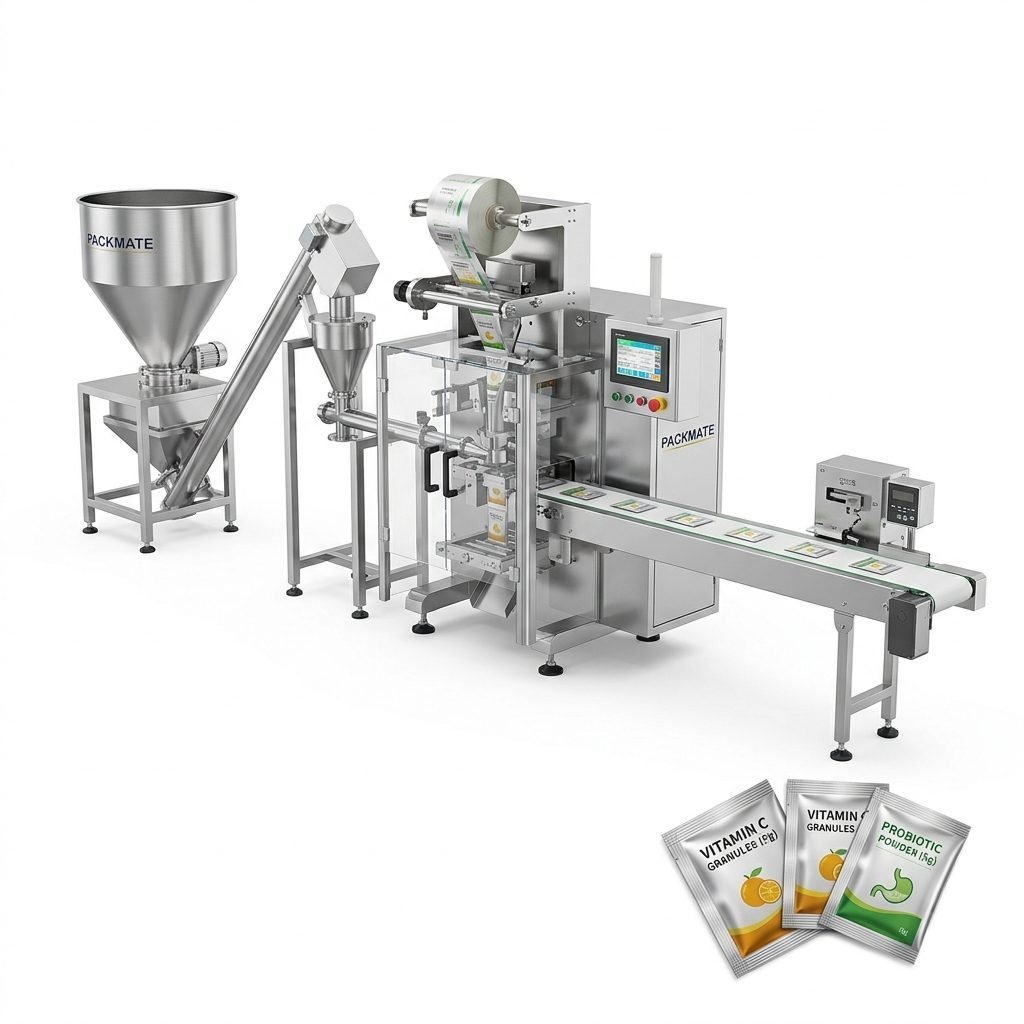
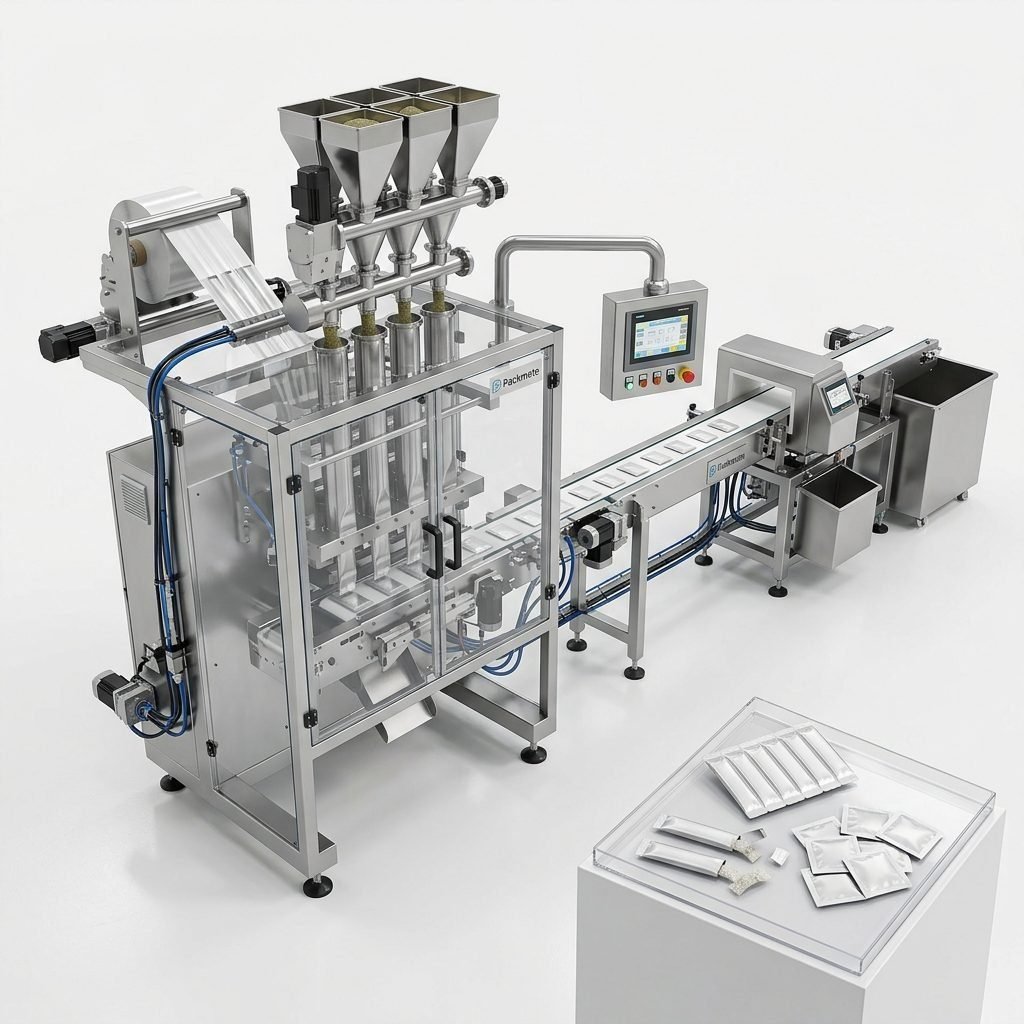
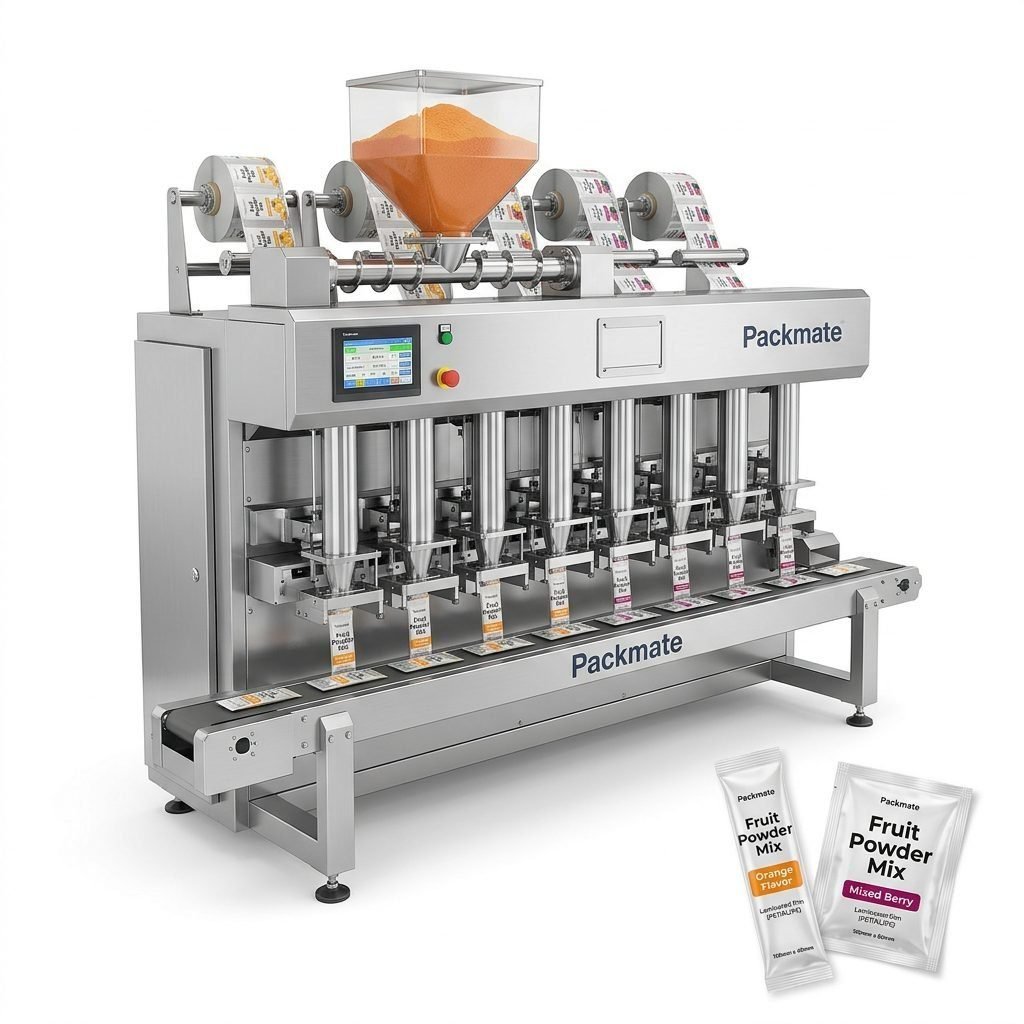
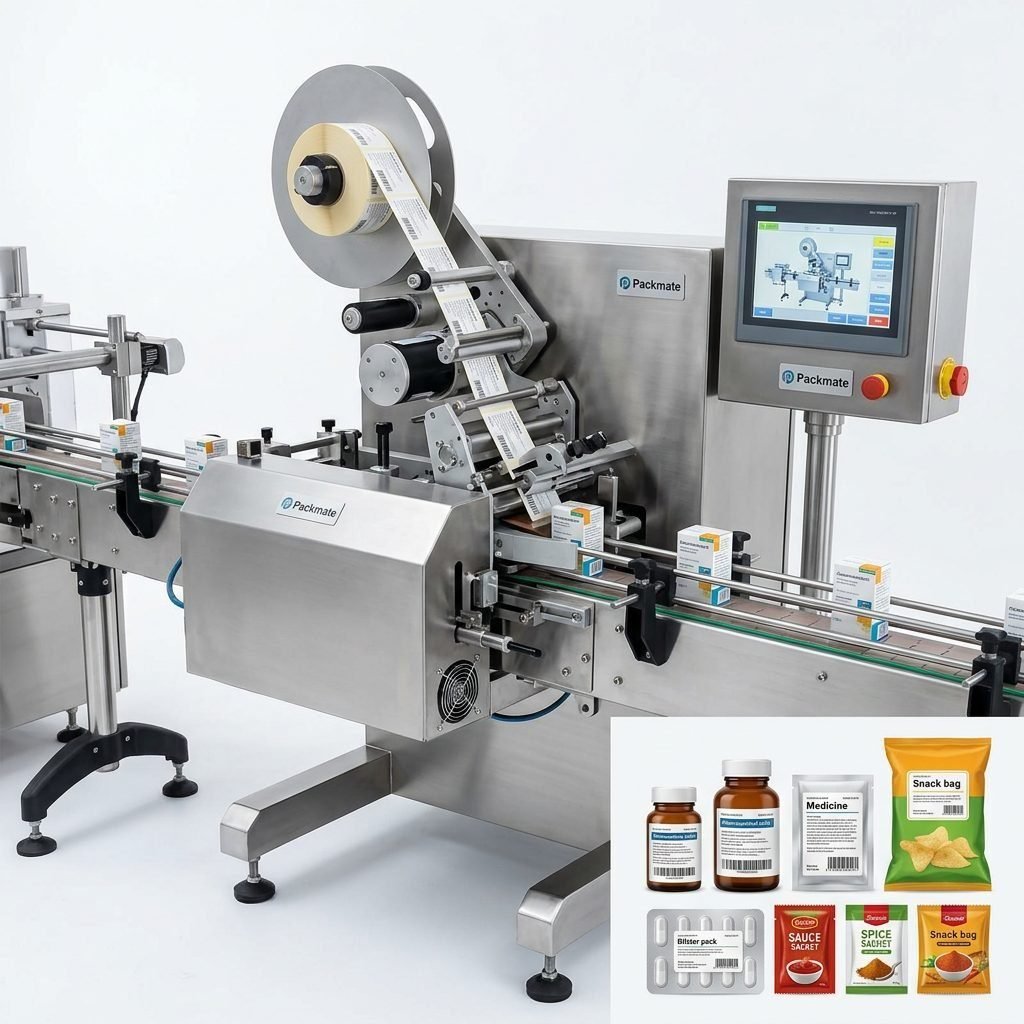
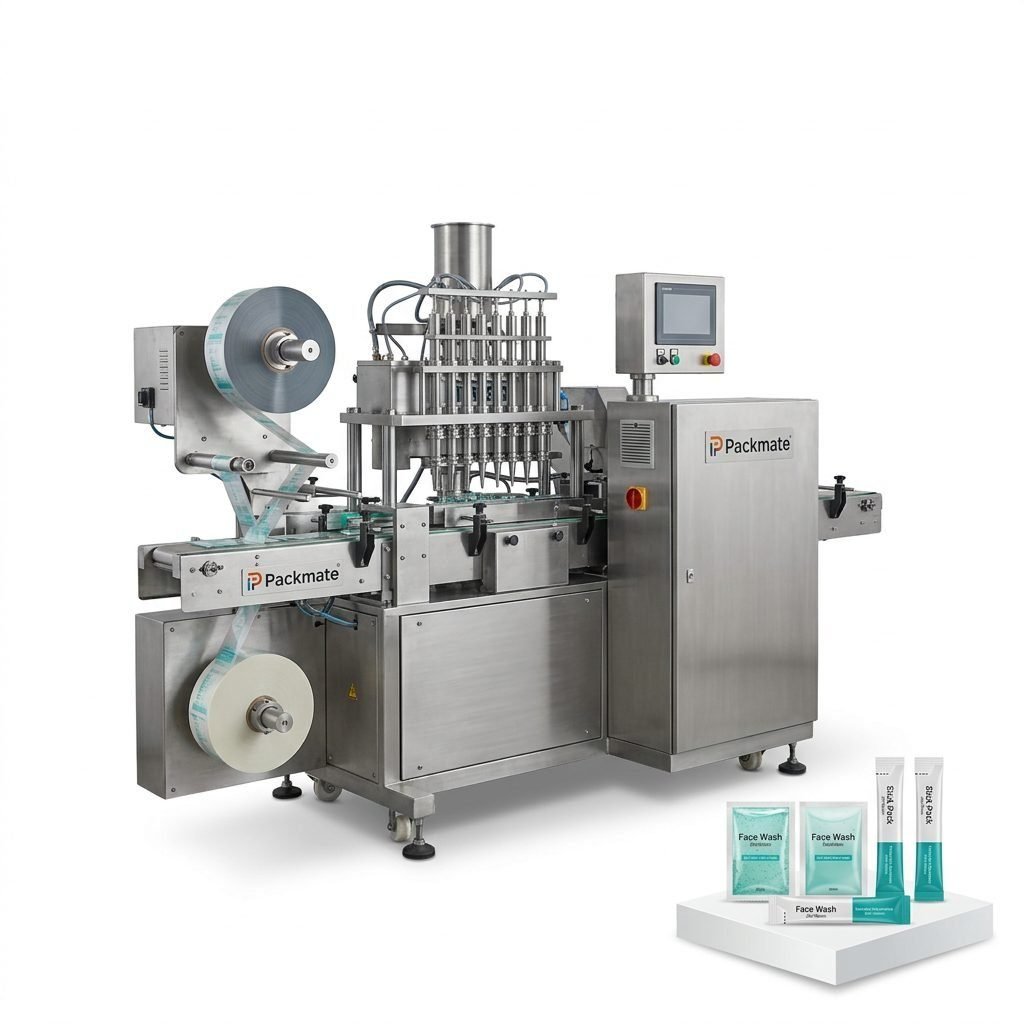
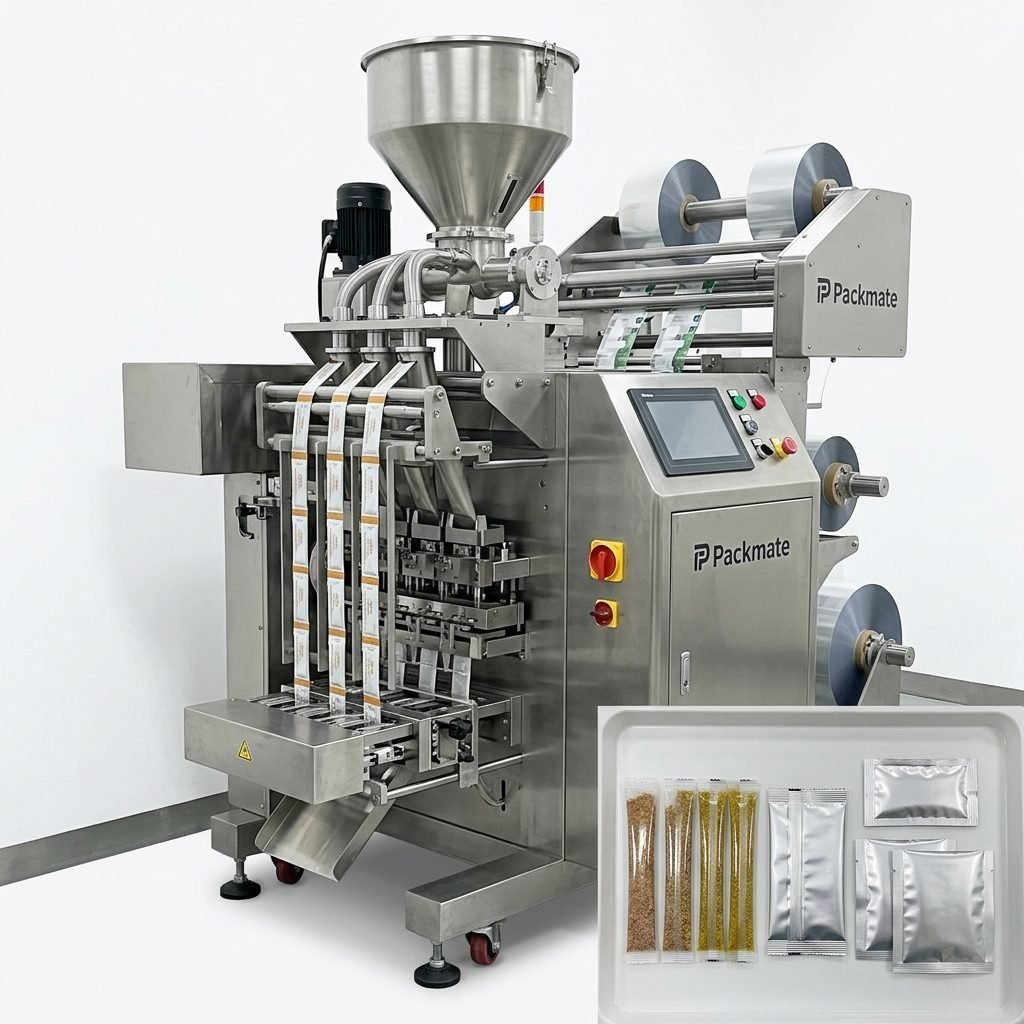
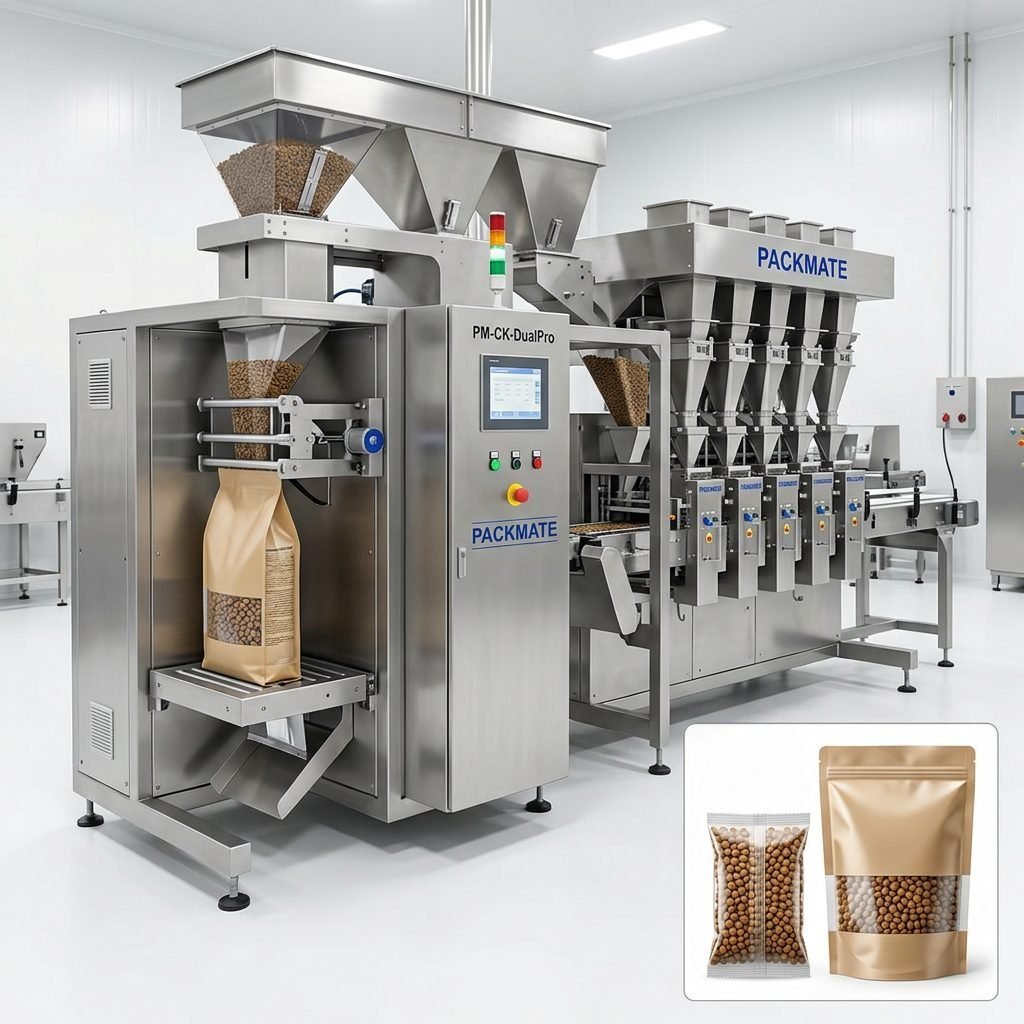
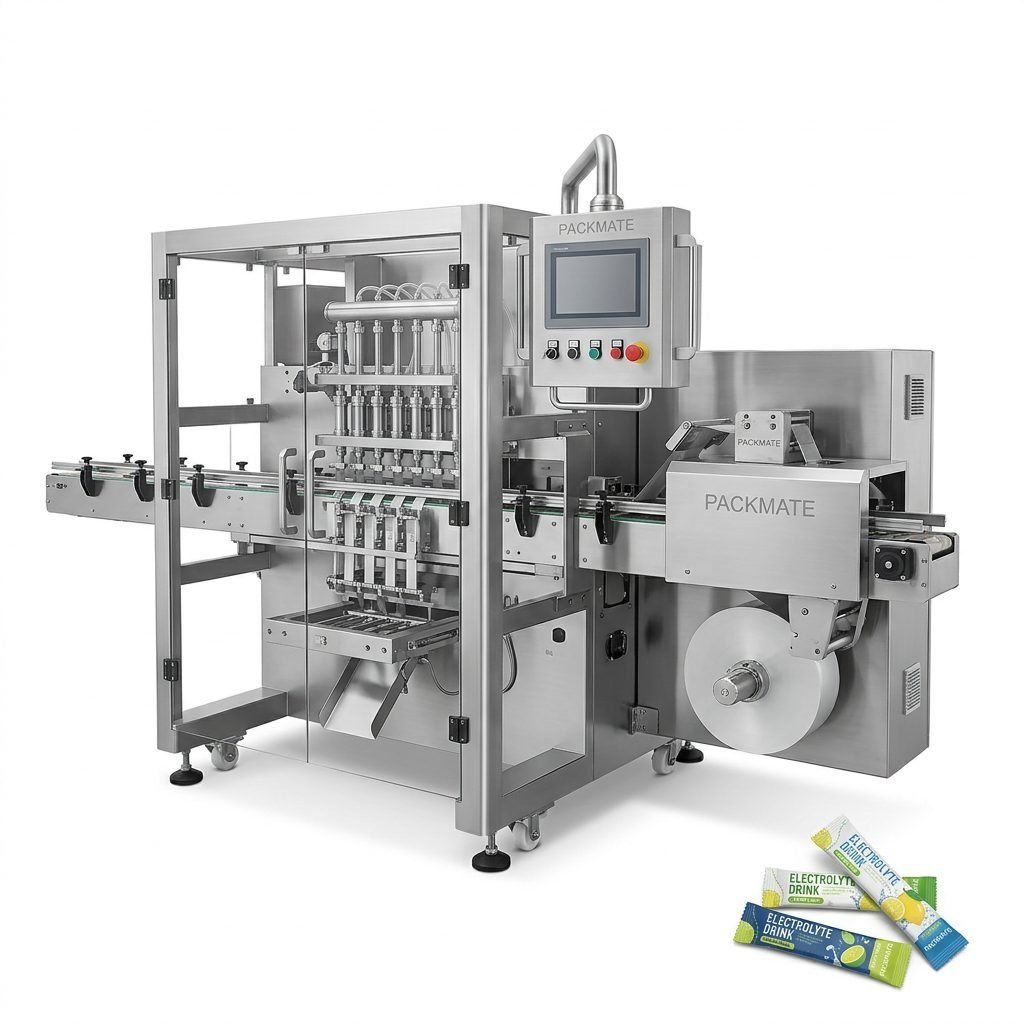
A reliable supplier offers solutions, not just standalone machines. This means providing a comprehensive portfolio that can scale with your business. From high-speed sachet and stick pack machines for single-serve portions to sophisticated weighing and packaging systems for bulk goods, the range should be extensive. The ability to integrate various equipment—such as filling machines, sealers, and cartoners—into a seamless, turnkey production line is a hallmark of a top supplier. This scalability ensures your packaging operation can evolve without needing to constantly switch partners.
Uncompromising Commitment to Quality and Durability
Industrial environments are demanding. Equipment must operate continuously under significant stress. Leading suppliers use high-grade materials, precision machining, and rigorous quality control protocols at every manufacturing stage. They often hold international certifications (like CE, ISO) that attest to their commitment to safety and quality standards. This focus on durability minimizes unplanned downtime, reduces long-term maintenance costs, and ensures consistent output quality, which is paramount for brand reputation.
Global Support and Service Infrastructure
The true test of a supplier’s reliability often comes after the sale. Top-tier companies establish a robust global support network. This includes readily available spare parts, comprehensive documentation, and—most importantly—accessible technical support. Whether it’s remote troubleshooting, on-site engineer visits, or operator training programs, a supplier’s willingness and ability to support their equipment throughout its entire lifecycle is a critical differentiator. It transforms a machine purchase into a long-term partnership for operational excellence.
Industry-Specific Solutions for Critical Sectors
The needs of a pharmaceutical company differ vastly from those of a snack food producer. The best suppliers develop specialized expertise to meet the unique and often stringent requirements of key industries.
Food & Beverage Packaging
In the food sector, speed, hygiene, and flexibility are king. Suppliers must offer equipment that handles diverse product forms—powders, granules, liquids, and solids—with utmost precision. Features like easy-clean designs (often with sanitary stainless steel construction), quick changeover capabilities for different package sizes, and integration with inert gas flushing for product freshness are essential. Reliability here directly impacts shelf life, safety, and compliance with food regulatory standards.
Pharmaceutical & Healthcare Packaging
This sector demands the highest levels of precision, traceability, and contamination control. Equipment must comply with Good Manufacturing Practice (GMP) guidelines. Key features include ultra-precise filling heads for accurate dosage, advanced vision inspection systems to detect any packaging defects, and the ability to handle specialized materials like blister foil or child-resistant closures. Suppliers for this market must demonstrate an impeccable track record of validation and documentation support.
Chemical & Industrial Product Packaging
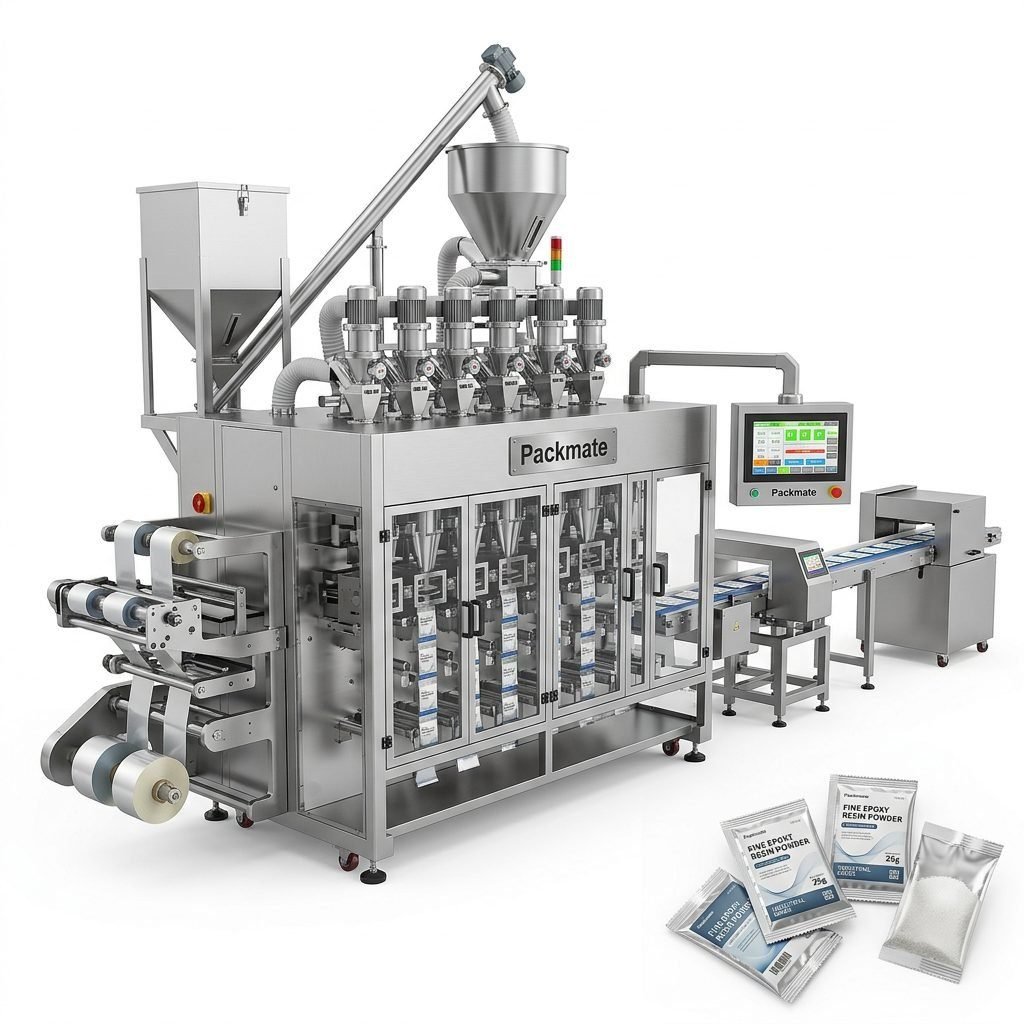
Packaging for chemicals, fertilizers, or construction materials often involves handling abrasive, corrosive, or hazardous substances. Suppliers need to provide robust equipment with specialized components resistant to wear and corrosion. Dust containment systems, accurate weighing for large volumes, and strong sealing mechanisms for secure containment are critical. Durability and safety in challenging operational environments are the primary benchmarks for reliability in this field.
The Role of Technology and Smart Manufacturing
Modern packaging is increasingly intelligent. Leading suppliers are at the forefront of integrating Industry 4.0 technologies into their equipment, transforming packaging lines from isolated machines into connected, data-driven systems.
The integration of IoT sensors, programmable logic controllers (PLCs), and human-machine interfaces (HMIs) allows for real-time monitoring of machine performance, production counts, and maintenance alerts. This data empowers plant managers to optimize efficiency, predict maintenance needs before a breakdown occurs, and ensure consistent quality control. Suppliers that offer this level of connectivity provide not just a machine, but a gateway to operational intelligence and continuous improvement.
Making the Strategic Choice: Beyond the Initial Quote
Choosing a supplier should be a strategic decision. While initial cost is a factor, the Total Cost of Ownership (TCO) is far more revealing. Consider energy efficiency, expected maintenance costs, availability of local service, and the machine’s expected lifespan. Evaluate the supplier’s financial stability and their commitment to ongoing R&D—will they be around to support you and offer upgrades in five or ten years?
Visit the supplier’s facilities if possible, or review detailed case studies from their project portfolio. Speak to their existing clients, especially those in your industry. A supplier’s reputation, built on successful long-term partnerships, is one of the most reliable indicators of their true value.
Conclusion: Partnering for Future-Proof Operations
In today’s competitive landscape, your packaging line is a strategic asset. Partnering with a top packaging equipment supplier who offers reliable industrial solutions is an investment in resilience, efficiency, and quality. By prioritizing proven expertise, comprehensive support, and technological innovation, you secure a foundation for growth that can adapt to market changes and consumer demands. The right partner doesn’t just sell you equipment; they help you build a smarter, more responsive, and more profitable operation.
Frequently Asked Questions (FAQs)
What should I prioritize when comparing different packaging equipment suppliers?
Look beyond the initial price. Prioritize the supplier’s industry experience and reputation, the quality and durability of their machines (ask for material specs and component brands), the comprehensiveness of their after-sales support (training, spare parts, technical service), and their ability to provide a scalable, integrated solution rather than just an isolated machine.
How important is it for the supplier to have experience in my specific industry (e.g., food, pharmaceuticals)?
It is critically important. Different industries have unique regulatory requirements, hygiene standards, and operational challenges. A supplier with proven experience in your sector will understand these nuances, recommend the most suitable equipment configurations, and ensure the solution complies with all necessary standards, saving you time, cost, and potential compliance issues.
What does a “turnkey packaging solution” typically include?
A true turnkey solution goes beyond supplying machines. It encompasses complete project management: initial consultation and design, equipment manufacturing and factory testing, installation and commissioning at your site, comprehensive operator and maintenance training, and ongoing technical support. The goal is to deliver a fully operational production line where the client simply “turns the key” to begin production.
Can existing packaging machinery be upgraded or integrated with new automated lines?
In many cases, yes. Reputable suppliers often offer retrofitting and modernization services. They can assess your current machinery and recommend upgrades—such as new control systems, faster drives, or robotic integration—to improve speed, accuracy, or connectivity. This can be a cost-effective way to enhance productivity without a complete capital investment in a brand-new line.
How do I assess the long-term reliability and maintenance needs of a packaging machine?
Request detailed information on mean time between failures (MTBF) for key components, the availability and cost of common spare parts, and the recommended preventive maintenance schedule. Discuss the supplier’s service plan options. Also, ask for contact information of long-term clients who have used the same model for several years to get firsthand feedback on real-world reliability and operating costs.