In the fast-paced world of ecommerce, the unboxing experience begins long before the customer opens their package. It starts with efficient, reliable, and cost-effective shipping—a process fundamentally dependent on the right packaging machinery. For businesses scaling their online operations, investing in robust ecommerce packaging machinery solutions is not merely an operational upgrade; it’s a strategic imperative for enhancing customer satisfaction, protecting products, and optimizing logistics costs.
The Critical Role of Packaging in Ecommerce Logistics
The final leg of the online shopping journey hinges on delivery. Damaged goods, inefficient packing speeds, and excessive material costs can quickly erode profits and brand reputation. Modern ecommerce packaging machinery addresses these pain points by automating and streamlining the packing process. From selecting the right-sized box or mailer to securely sealing it for transit, automated systems ensure consistency, speed, and material savings that manual packing cannot match.
Key Benefit: Automation directly translates to reduced labor costs and increased throughput, allowing businesses to handle peak season volumes without compromising on packing quality or delivery timelines. This reliability is crucial for maintaining positive seller ratings and customer loyalty in competitive online marketplaces.
Core Machinery Solutions for Efficient Shipping Operations
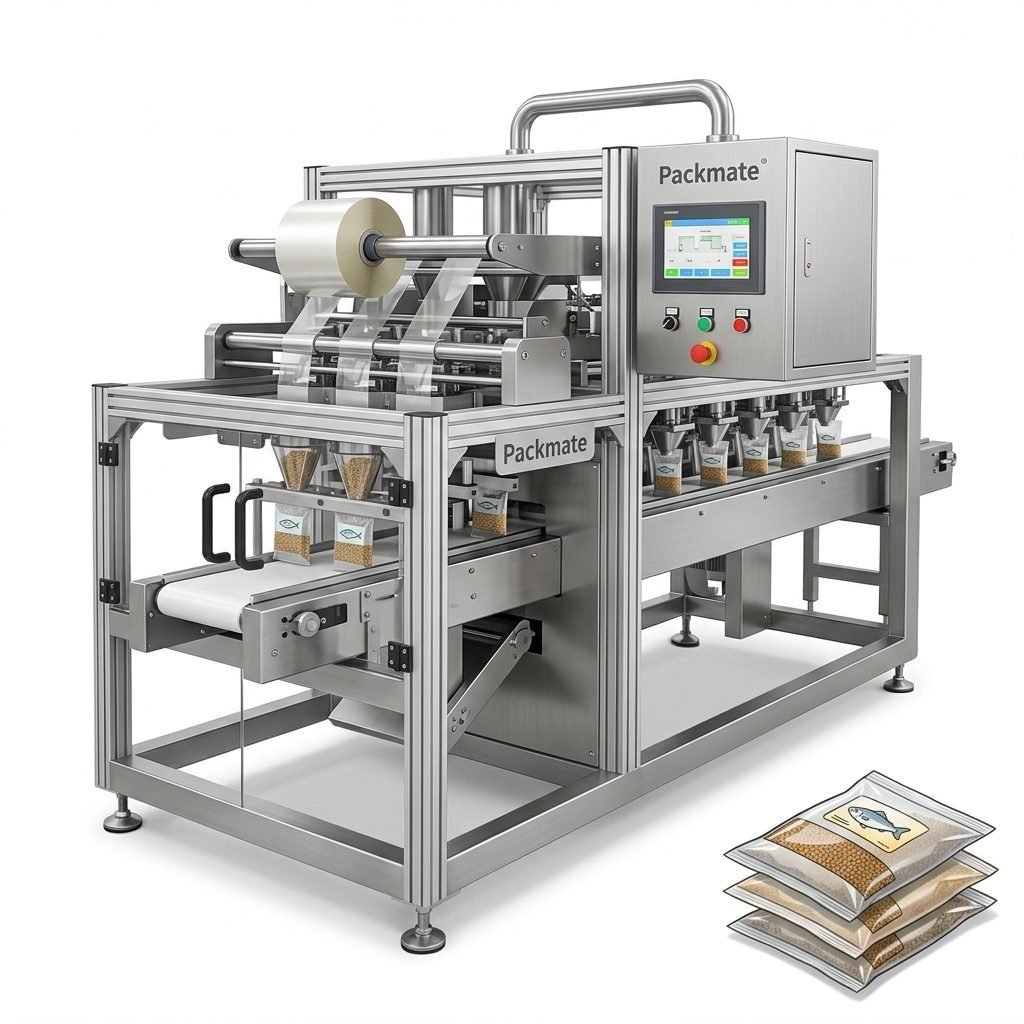
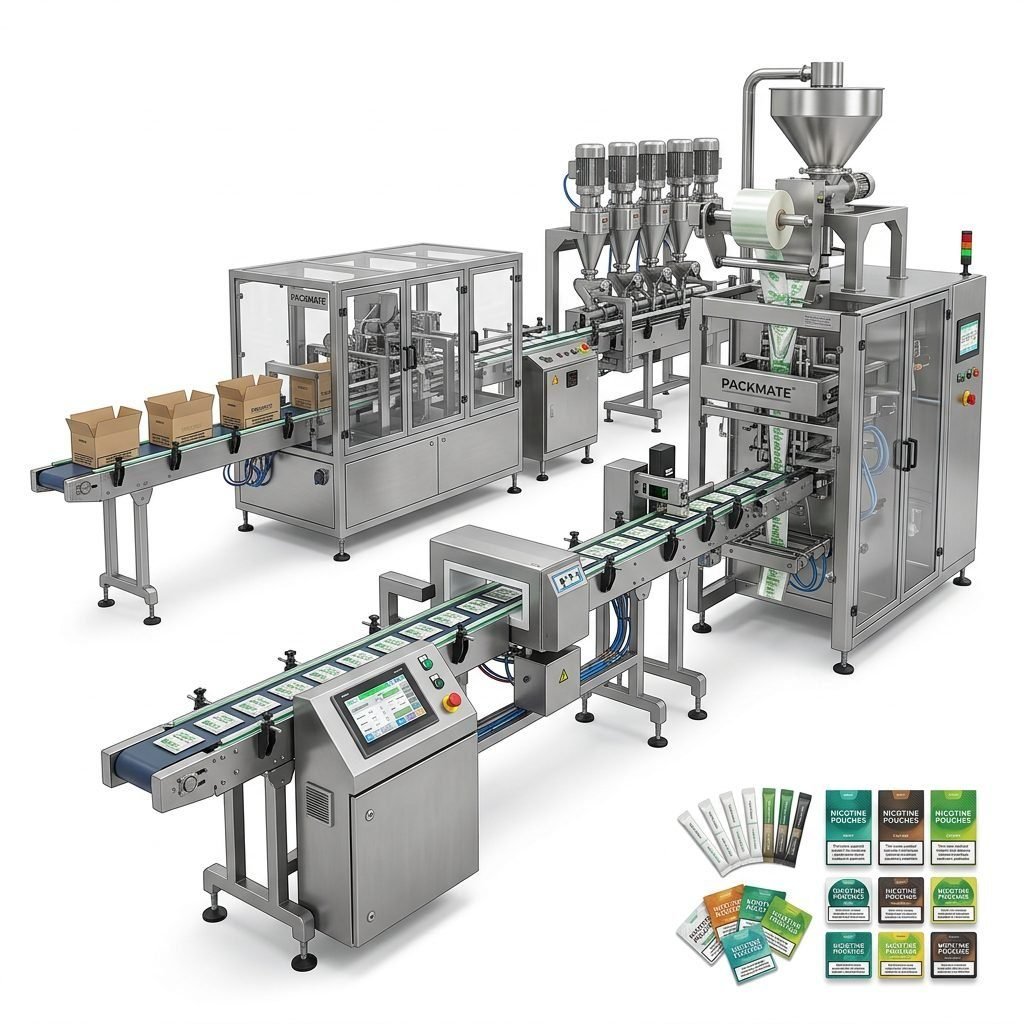
An efficient ecommerce fulfillment center leverages a combination of specialized machines. The foundation often includes automated carton erectors and sealers, which form boxes from flat blanks and apply tape rapidly and uniformly. For poly mailers and padded envelopes, automated bagging machines offer a swift alternative. Furthermore, automated void fill and cushioning systems protect products during transit while minimizing material waste—a critical consideration for sustainability and cost control.
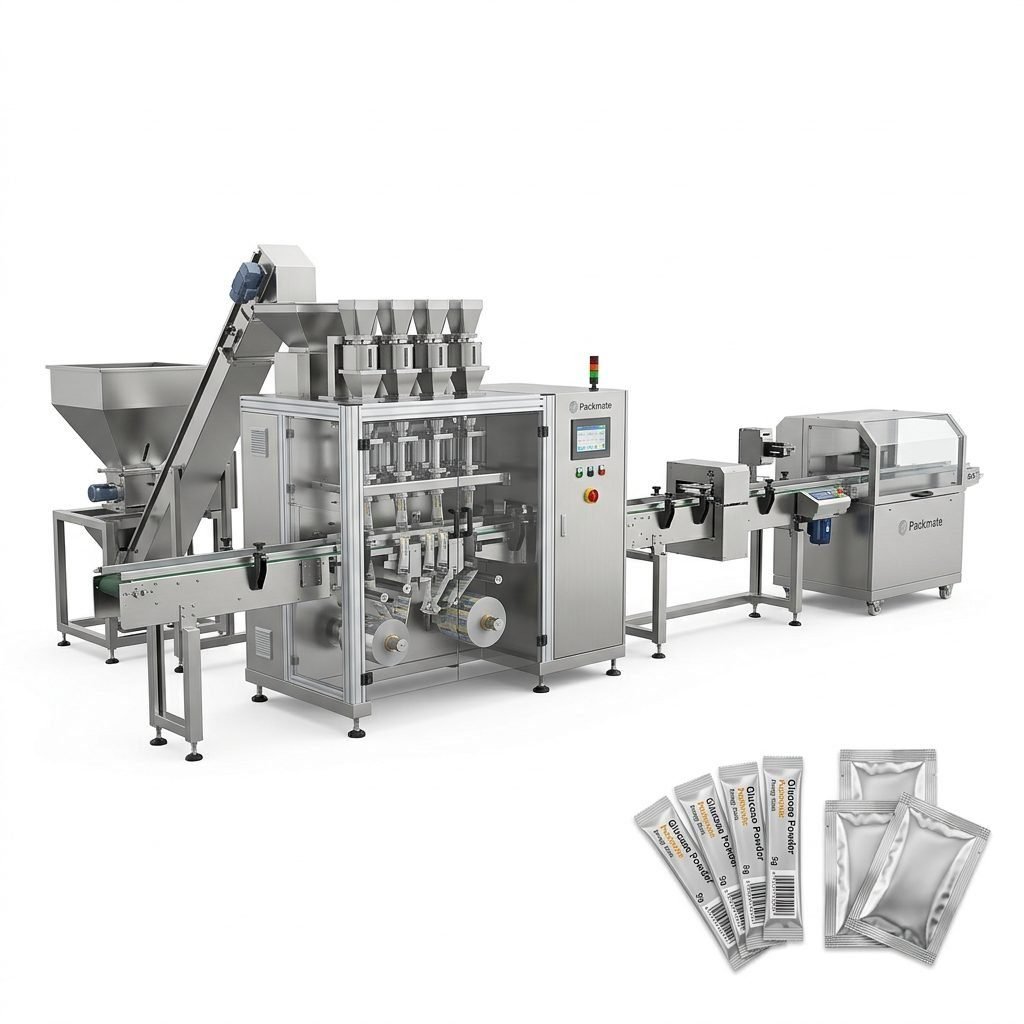
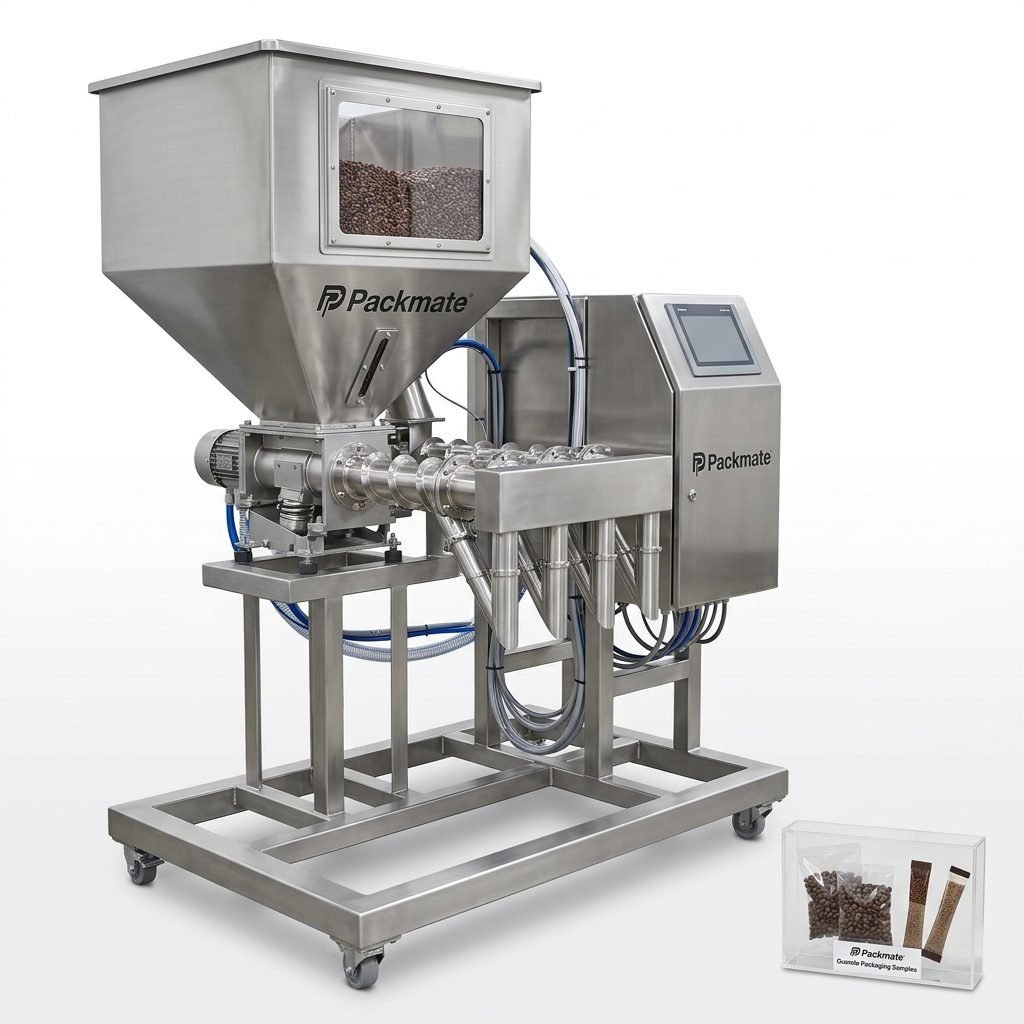
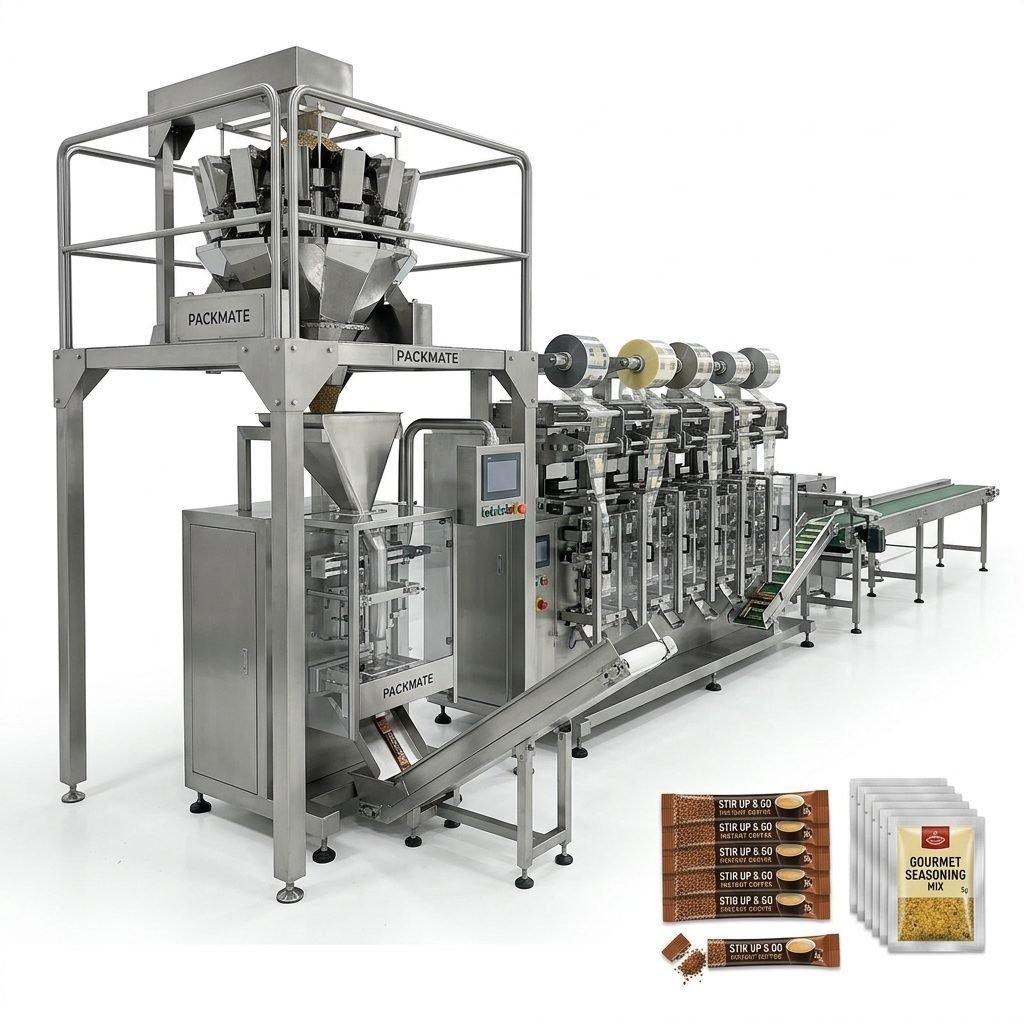
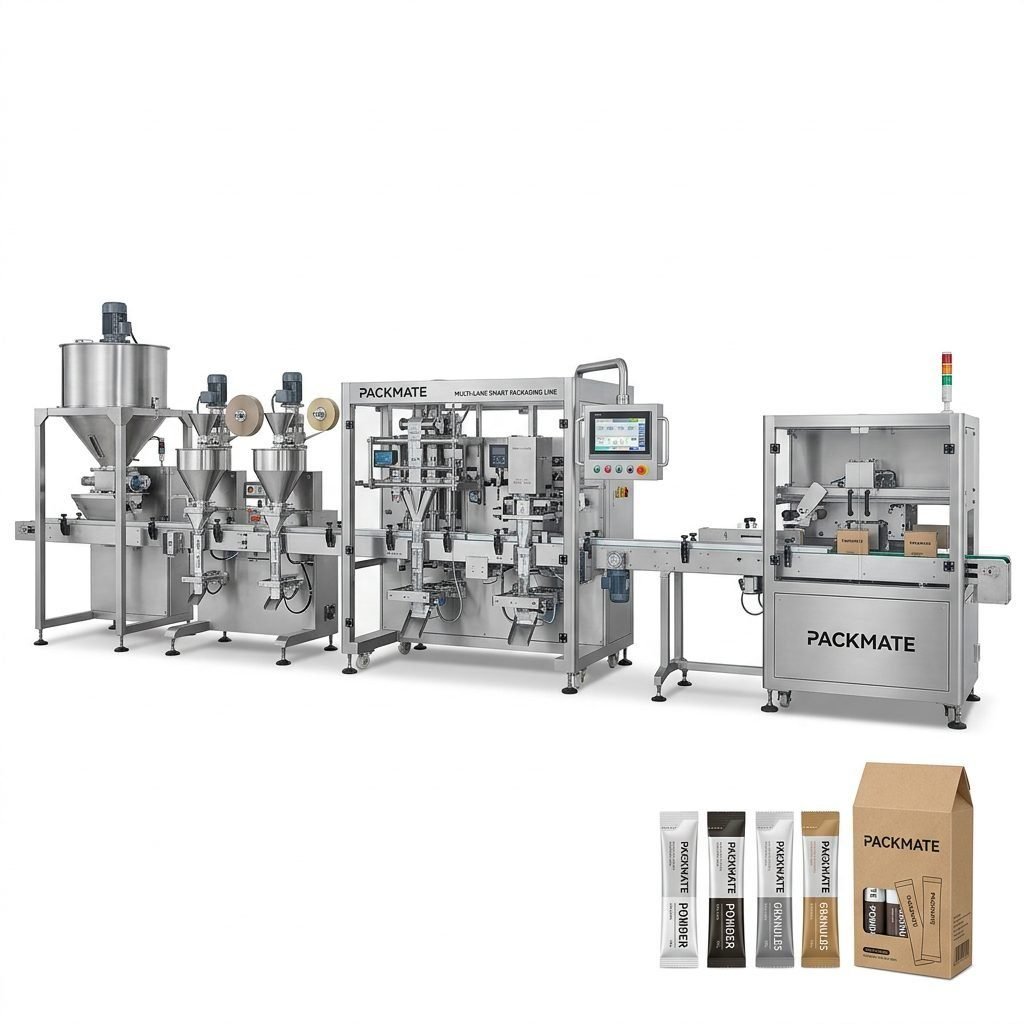
Integrating these machines with weighing & packaging systems creates a seamless flow. Items are weighed, the optimal packaging is selected, and the parcel is sealed and labeled, ready for the carrier. This integration is the hallmark of a turnkey solution provider like Packmate Machinery, which brings over 22 years of expertise in designing cohesive production lines.
Adapting to Product Diversity: From Fragile to Bulky Items
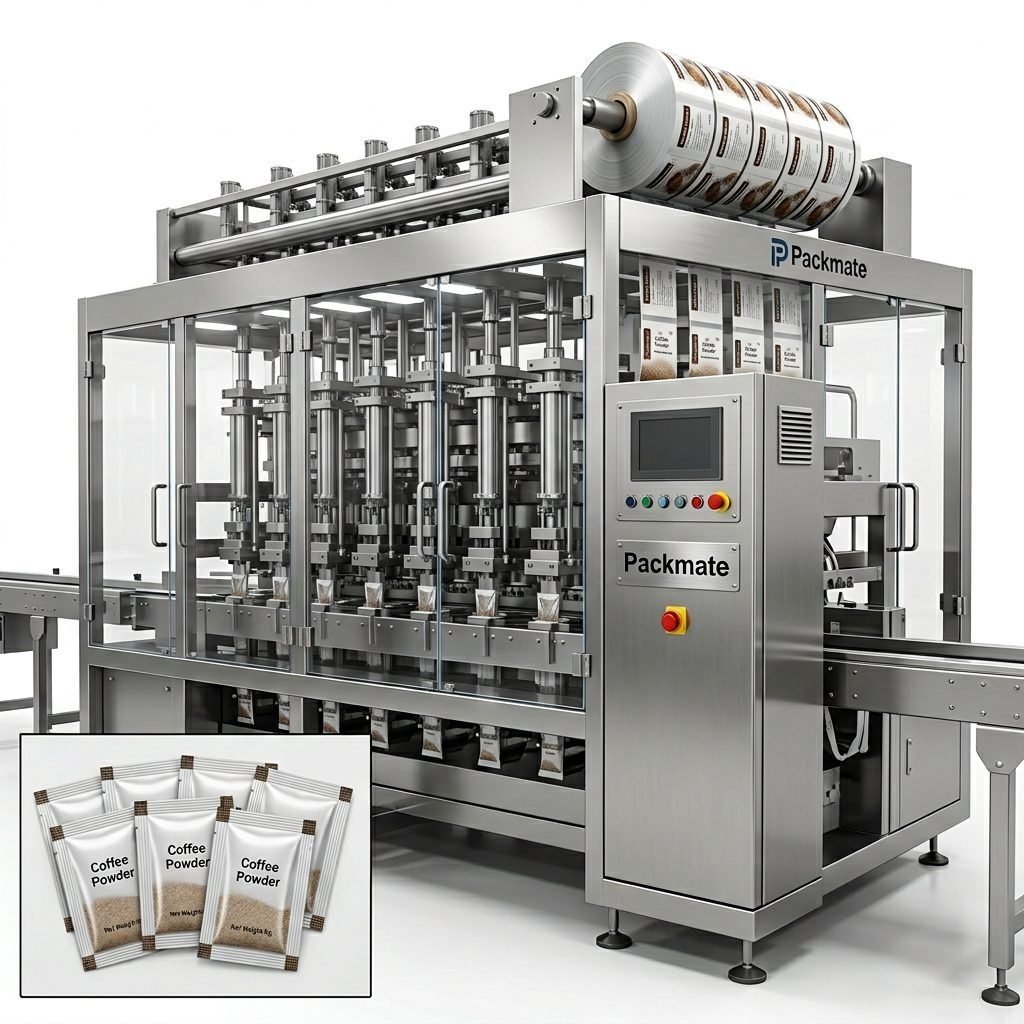
Ecommerce inventories are diverse. A one-size-fits-all approach to packaging fails. Effective machinery solutions must be adaptable. For small, non-fragile items like cosmetics or accessories, compact sachet & stick pack machines might be used for primary packaging before shipping. For larger, irregular, or fragile goods, machinery that automatically generates custom-sized boxes on-demand (right-sized packaging) is a game-changer. It eliminates empty space, reduces dimensional weight charges from carriers, and uses less material.
Pro Tip for Scalability: When evaluating machinery, consider modular systems that can grow with your business. Starting with a semi-automatic carton sealer and later integrating it with a full automated line from a provider like Packmate allows for phased investment and minimizes operational disruption during upgrades.
Driving Sustainability Through Smart Packaging Technology
Today’s consumers are increasingly environmentally conscious. Sustainable packaging is no longer a niche preference but a broad expectation. Advanced packaging machinery supports this goal in several ways. First, by precisely right-sizing packages, it drastically cuts down on cardboard and filler material waste. Second, machines can be configured to use recycled or biodegradable materials effectively. Third, efficiency gains reduce the overall carbon footprint of the packing operation through lower energy consumption per parcel.
Implementing such technology demonstrates a commitment to corporate responsibility, which can strengthen brand image. Partners who understand this holistic view, like those with a company history rooted in innovation, are valuable allies in building a green supply chain.
Calculating ROI: The Long-Term Value of Automation
The initial investment in automated packaging machinery can be significant, but the return on investment (ROI) is compelling when viewed holistically. Key metrics include direct labor savings, reduction in material costs (through optimized usage), decrease in shipping costs (via right-sized packaging), and lower rates of product damage and returns. Furthermore, the increased capacity to process orders faster can lead to higher sales volume and improved customer satisfaction scores, which have tangible financial value.
A partner with a strong portfolio of case studies can provide real-world data on ROI, helping businesses make an informed decision. The long-term value lies in building a scalable, resilient, and efficient fulfillment operation capable of supporting growth for years to come.
Frequently Asked Questions (FAQs)
1. What types of ecommerce businesses benefit most from packaging machinery?
Businesses with medium to high order volumes (typically 100+ orders per day), those selling fragile, variable-sized, or high-value items, and companies experiencing rapid growth or seasonal spikes see the most immediate benefit. Automation is key for maintaining consistency and speed during scale-up.
2. How do I choose between semi-automatic and fully automatic packaging machines?
The choice depends on your budget, volume, and labor availability. Semi-automatic machines require some operator involvement (e.g., placing the box) and are a cost-effective entry point. Fully automatic lines handle the entire process from carton erection to sealing with minimal human intervention, offering the highest throughput and labor savings for large-scale operations.
3. Can packaging machinery handle returns (reverse logistics) efficiently?
Yes. While primarily designed for outbound shipping, the efficiency and consistency provided by automated systems also streamline the repackaging or consolidation of returned items. Standardized packing processes make it easier to inspect, restock, or reship returned products.
4. What kind of maintenance do these machines require?
Regular preventive maintenance is essential for uptime. This typically includes cleaning, lubrication, and inspection of wear parts like seals, blades, and sensors. Reputable manufacturers like Packmate provide comprehensive service and support, including training, spare parts, and maintenance schedules to ensure long-term reliability.
5. How does packaging machinery integrate with existing Warehouse Management Systems (WMS)?
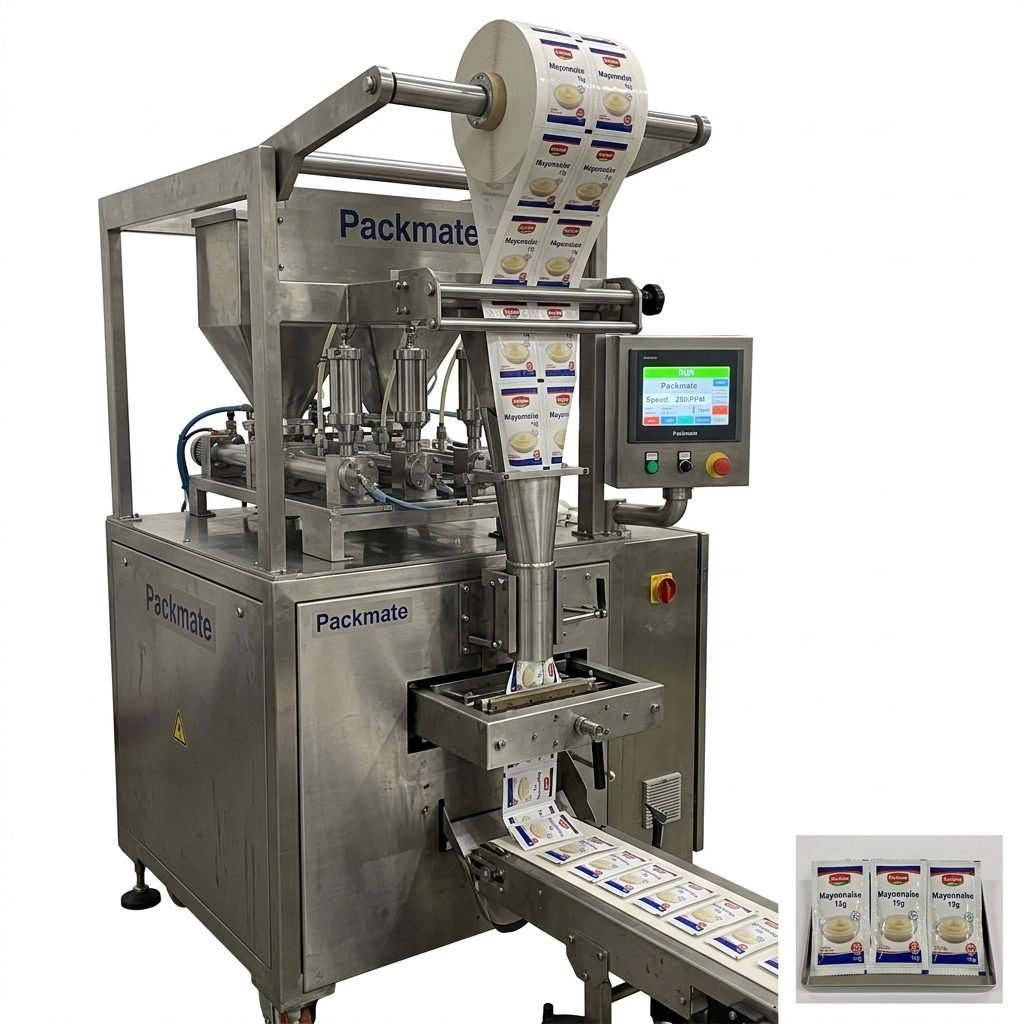
Modern packaging machines often feature PLC controls and standard communication protocols (like Ethernet/IP) that allow them to receive order data from a WMS or ERP system. This integration enables dynamic package selection, prints the correct shipping label, and updates inventory status automatically, creating a closed-loop, data-driven fulfillment process.