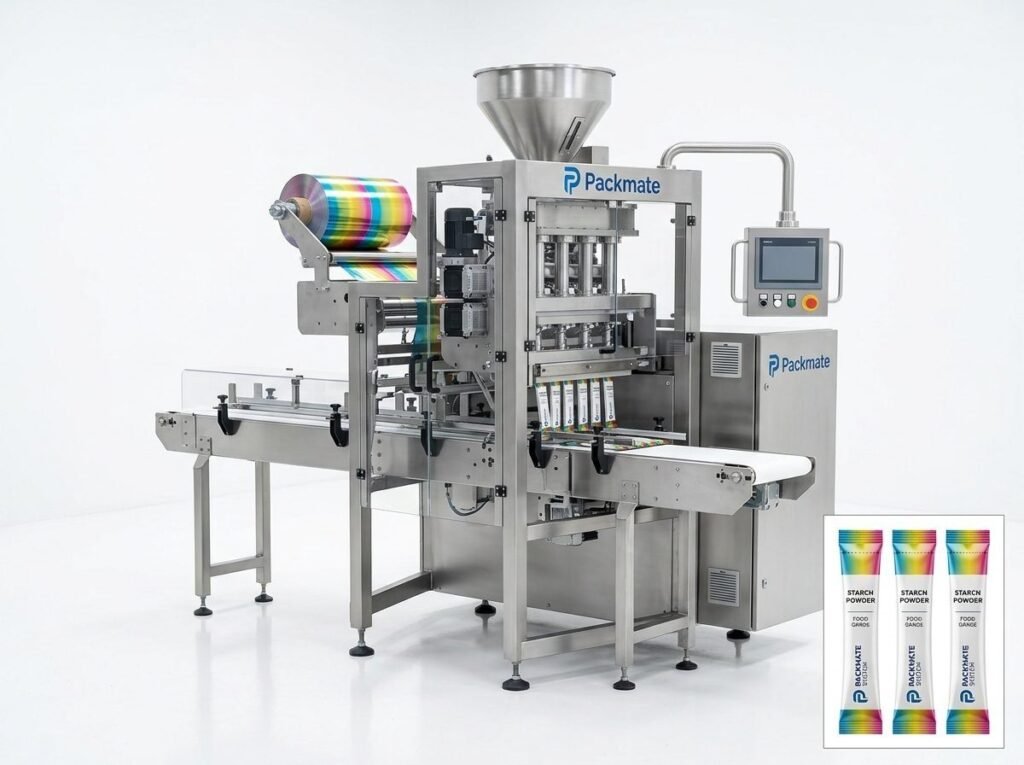
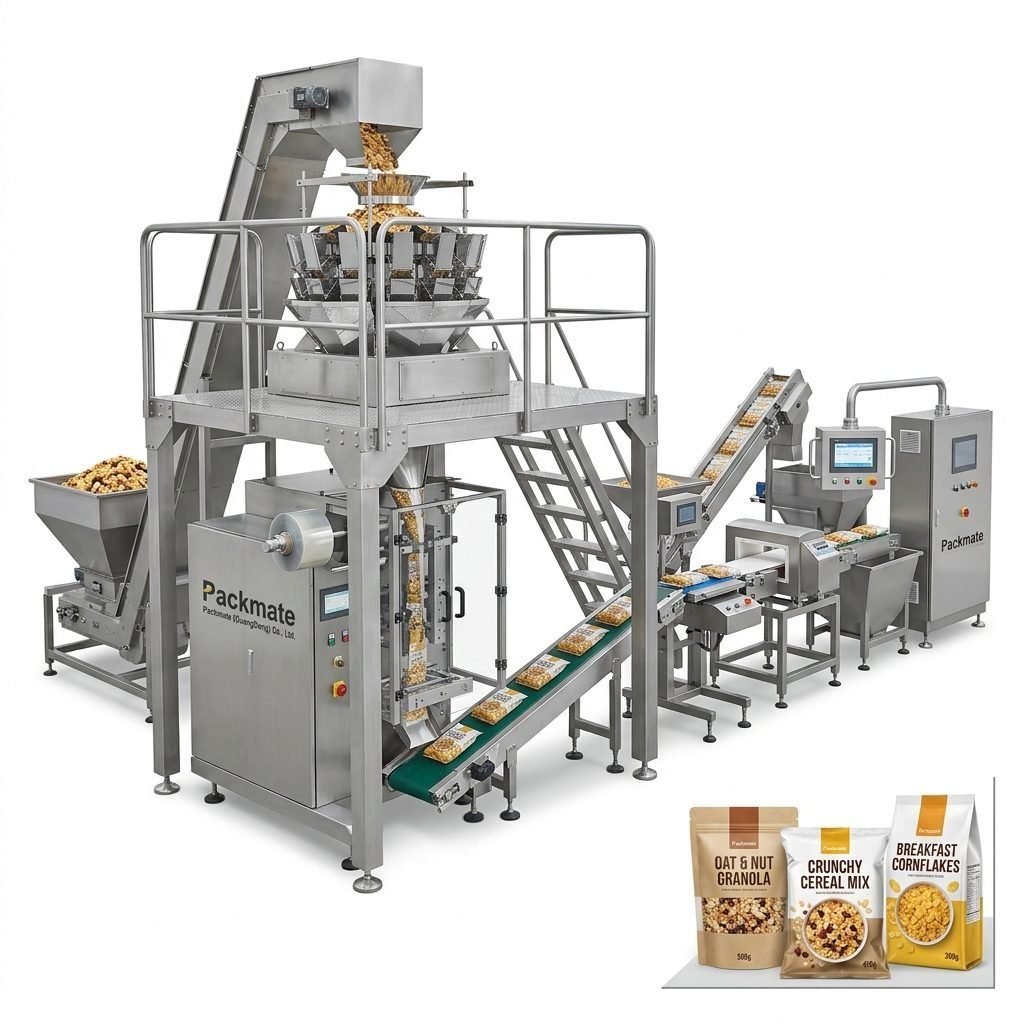
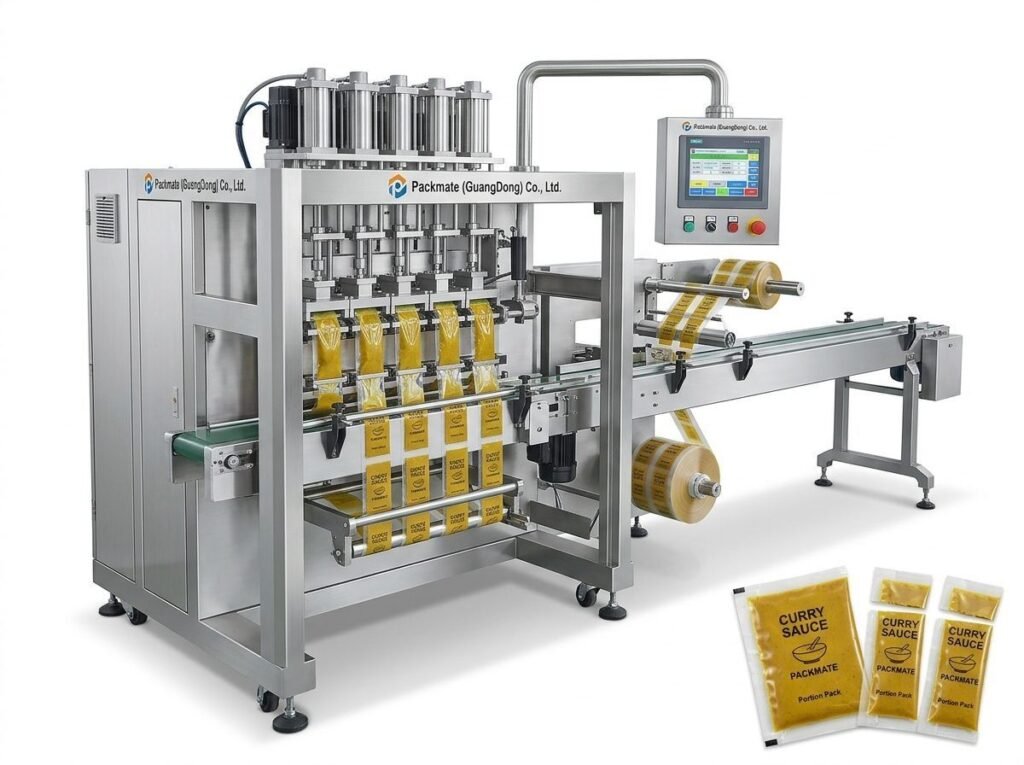
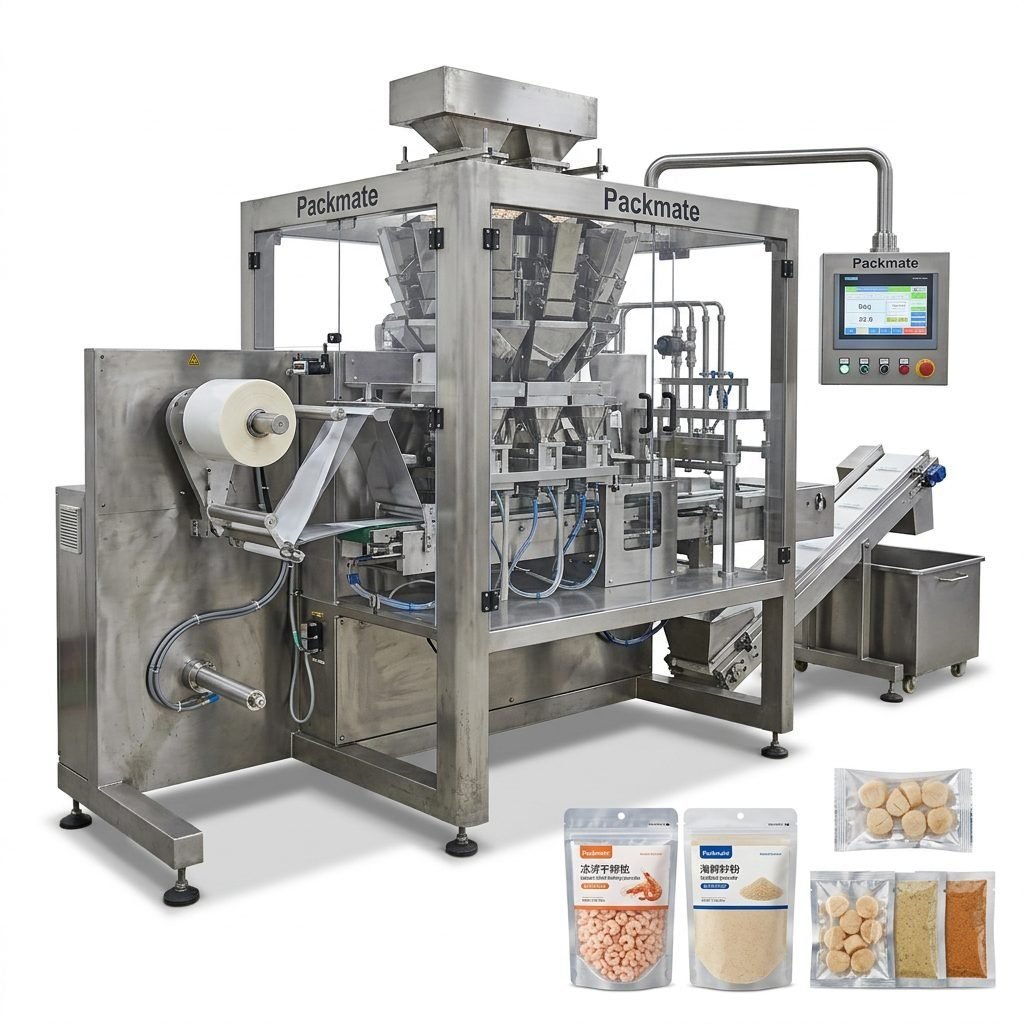
Selecting the right counting packaging machine is a critical decision for any business that packages products by count, such as pharmaceuticals, hardware, confectionery, or small consumer goods. The ideal machine boosts your production efficiency, ensures accuracy, minimizes waste, and protects your product quality. This guide will walk you through the key factors to consider, helping you make an informed investment that aligns with your specific operational needs and growth goals.
Understanding Your Core Requirements
Before diving into machine specifications, a thorough internal assessment is essential. This foundational step narrows down your search to equipment that truly fits.
First, analyze your product characteristics. What is the size, shape, weight, and fragility of the items you need to count? Are they tablets, capsules, screws, nuts, or small toys? The machine’s counting mechanism (e.g., vibratory tray, slat counter, vision system) must be compatible with your product’s physical properties to ensure gentle handling and precise counts.
Next, define your production output and speed needs. Calculate your required packages per minute (PPM) or per hour. Consider both your current volumes and projected future growth. A machine that barely meets today’s demand will become a bottleneck tomorrow.
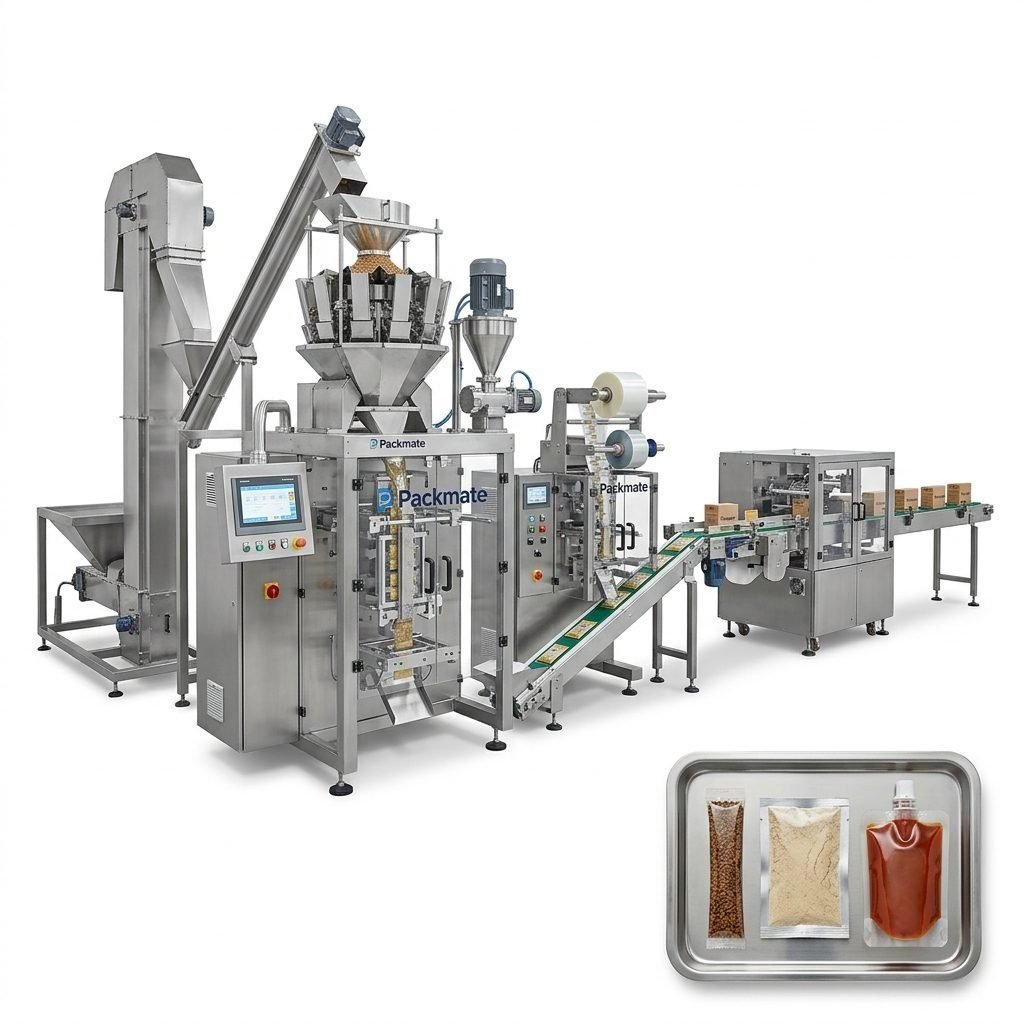
Finally, consider your packaging format. Will the counted product be fed into bottles, blister packs, stick packs, or pouches? The counting machine must integrate seamlessly with your downstream packaging equipment, such as cappers, sealers, or cartoners. Understanding this workflow is crucial for a smooth production line. For businesses utilizing pouch formats, exploring dedicated Bag & Pouch Packaging Machines can provide integrated solutions.
Key Counting Technologies Explained
Different counting mechanisms serve different purposes. Choosing the right technology is paramount for accuracy and efficiency.
Vibratory Feed Counters: Ideal for a wide range of small, uniform items like tablets and capsules. Product is fed via a vibrating tray to a counting chamber. They are known for high speed and excellent accuracy.
Slat Counters: Use rotating slats with cavities to pick up and deposit product. Excellent for fragile items that cannot be tumbled or vibrated excessively. They offer gentle product handling.
Vision-Based Counters: Utilize advanced camera systems to count and sometimes inspect products. This technology is superb for irregularly shaped items and can often perform quality checks (e.g., for broken or misshapen products) simultaneously.
Weighing Counters: Count by weight rather than by individual piece. Suitable for very small, difficult-to-count items or when approximate counts are acceptable. They rely on the consistent weight of each unit.
Critical Evaluation Criteria for Machine Selection
With your needs and technology options in mind, evaluate potential machines against these critical criteria.
1. Accuracy and Reliability
This is non-negotiable. Inaccuracies lead to product giveaways, regulatory non-compliance (especially in pharma), and customer complaints. Look for machines with a proven track record of 99.5% or higher counting accuracy. Reliability means consistent performance with minimal downtime. Investigate the quality of core components like sensors, drives, and PLCs. A manufacturer with a long history, like Packmate Machinery with over two decades of development, often signifies refined and reliable engineering.
2. Speed and Flexibility
Speed must align with your output requirements. However, true flexibility means the machine can handle multiple product types and count ranges with quick changeovers. Ask about changeover time and tooling requirements. Can it switch from counting 10 tablets per bottle to 100 screws per pouch efficiently? Flexibility future-proofs your investment against product line changes.
3. Ease of Use and Maintenance
A complex machine that requires a specialist to operate or maintain adds hidden costs. Prioritize user-friendly interfaces with clear touchscreen controls. Look for features like recipe storage for different products. Maintenance should be straightforward, with easy access to parts that require regular cleaning or replacement. Good manufacturers provide comprehensive manuals and training.
4. Hygiene and Construction
For food, pharmaceutical, or nutraceutical applications, hygienic design is paramount. The machine should have a stainless steel (grade 304 or 316) contact surface, smooth welds, and minimal crevices where product or bacteria can accumulate. It should be easy to clean and sanitize. Robust construction throughout ensures longevity in demanding production environments.
5. Integration and Support
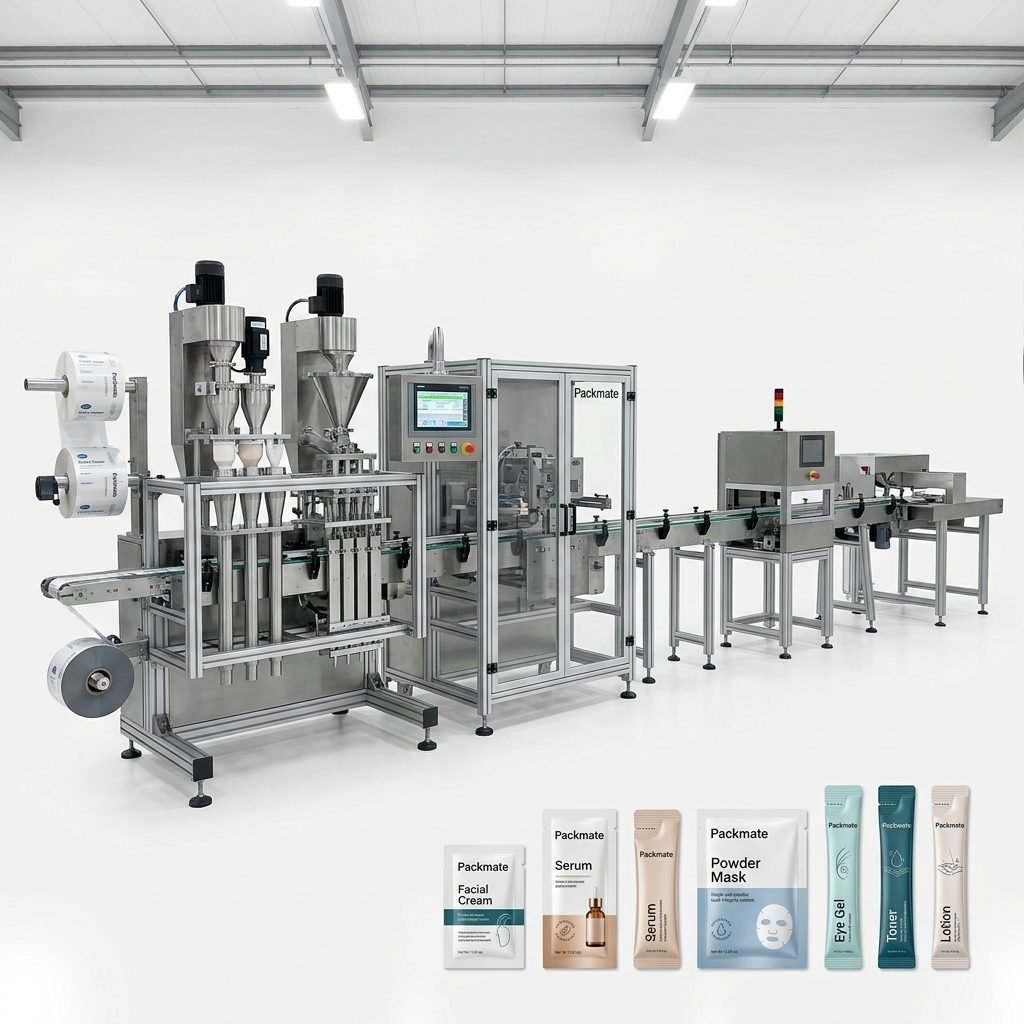
The machine is part of a system. Ensure it can communicate with upstream feeders and downstream packaging equipment (like the Filling & Packaging Lines you may use). Consider the manufacturer’s after-sales support. Do they offer installation, training, readily available spare parts, and responsive technical service? Global support is crucial if your operations are international. Reviewing a manufacturer’s case studies can reveal their capability in delivering integrated solutions.
Making the Final Decision and Investment
After shortlisting machines, take these final steps. Request live or recorded product demonstrations using your actual product or a close replica. This is the best way to verify performance claims. Scrutinize the total cost of ownership, which includes the purchase price, installation, energy consumption, maintenance, and potential downtime costs.
Choose a partner, not just a vendor. A partner like Packmate, with its 20,000㎡ modern facility and commitment to turnkey solutions, will work with you to ensure the machine solves your problem, not just meets a spec. They can provide a complete solution, from the counting unit to the final packaged product.
Finally, consider scalability. Will the supplier support you as you grow? Can the machine be upgraded or integrated into larger automated lines in the future? A strategic investment considers the long-term roadmap of your packaging operations.
Frequently Asked Questions (FAQ)
Q1: What is the typical accuracy rate I should expect from a professional counting machine?
A: For precision counting of items like pharmaceuticals or high-value components, you should expect accuracy rates of 99.5% to 99.9%. High-end vision or vibratory counters can achieve this consistently under optimal conditions.
Q2: How difficult is it to change over the machine for a different product or count?
A: It varies by machine. Modern machines designed for flexibility allow changeovers in under 30 minutes with simple adjustments and digital recipe recall. Less flexible models may require mechanical tooling changes that take significantly longer.
Q3: Can one machine handle both very small and relatively large items?
A: Usually, no. Machines are optimized for a specific size range. A machine for tiny electronic components won’t work for large bolts, and vice versa. It’s crucial to match the machine’s design capacity to your product’s size spectrum.
Q4: What kind of maintenance schedule do these machines require?
A: Regular daily cleaning is essential. Periodic maintenance (weekly/monthly) might involve lubricating specific parts, checking sensor alignment, and inspecting wear parts like feed trays or slats. The manufacturer should provide a detailed maintenance schedule.
Q5: Is it better to buy a standalone counter or an integrated counting and packaging line?
A: It depends on your volume and automation goals. A standalone counter offers flexibility to connect to various packagers. An integrated line from a single supplier, such as a combined counting and pouch packaging system, offers higher efficiency, synchronized control, and often better technical support for the entire process, reducing interface issues.