In the dynamic world of modern manufacturing, efficiency and precision in packaging are non-negotiable. For producers of nasu (eggplant) products—whether pickled, pureed, dried, or in ready-to-cook forms—selecting the right packaging machinery is a critical business decision. This guide delves into the types of nasu packaging machines, their specific applications, and essential tips for making a smart investment that protects your product and boosts your bottom line.
Understanding Nasu Packaging Needs
Nasu, or eggplant, comes in various processed forms, each with unique packaging challenges. Pickled nasu requires machinery that can handle liquids and brines without leakage. Dried or powdered nasu needs equipment that ensures an airtight seal to maintain freshness and prevent clumping. For nasu puree or paste, viscous product handling and precise filling are paramount. The right machine not only preserves the product’s quality and shelf life but also enhances its market appeal through consistent, professional packaging.
Primary Types of Nasu Packaging Machines
The packaging landscape offers several machine types, each suited to different production scales and product forms.
Vertical Form-Fill-Seal (VFFS) Machines
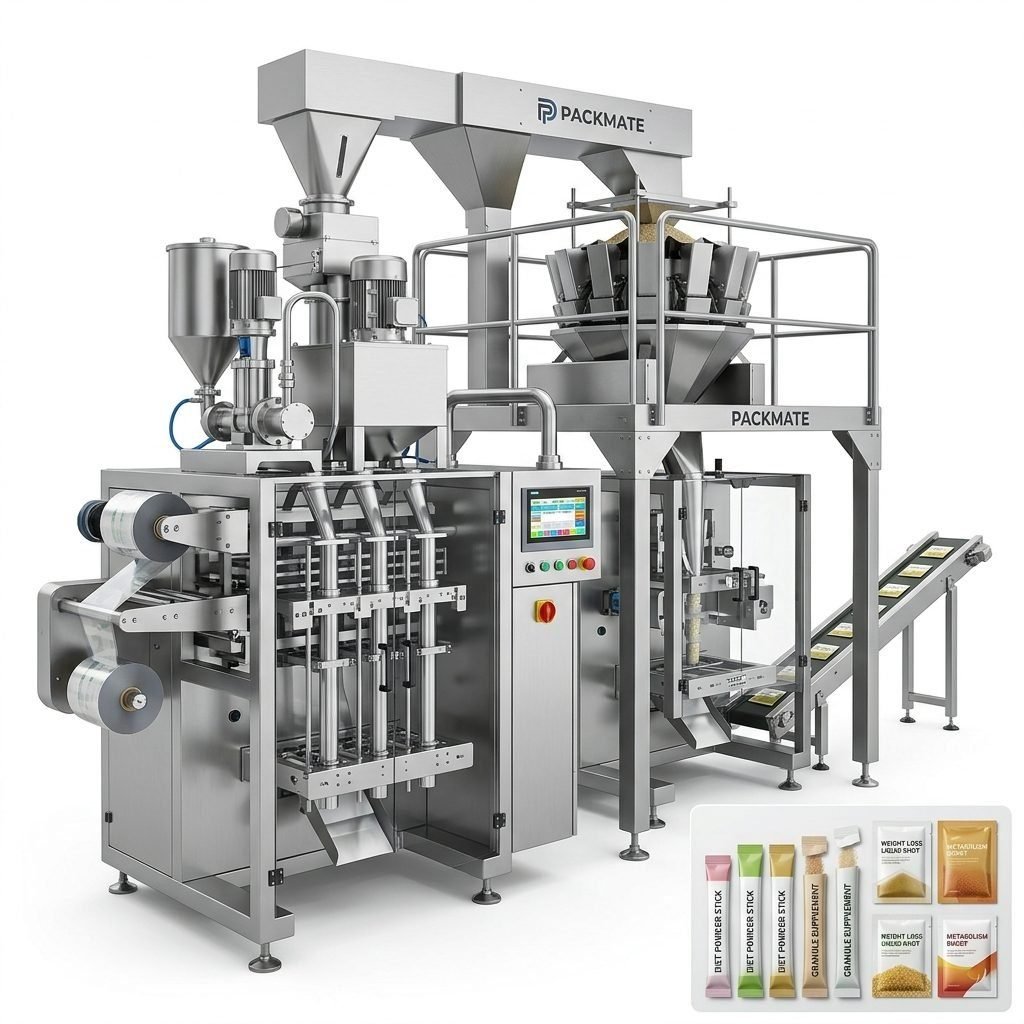
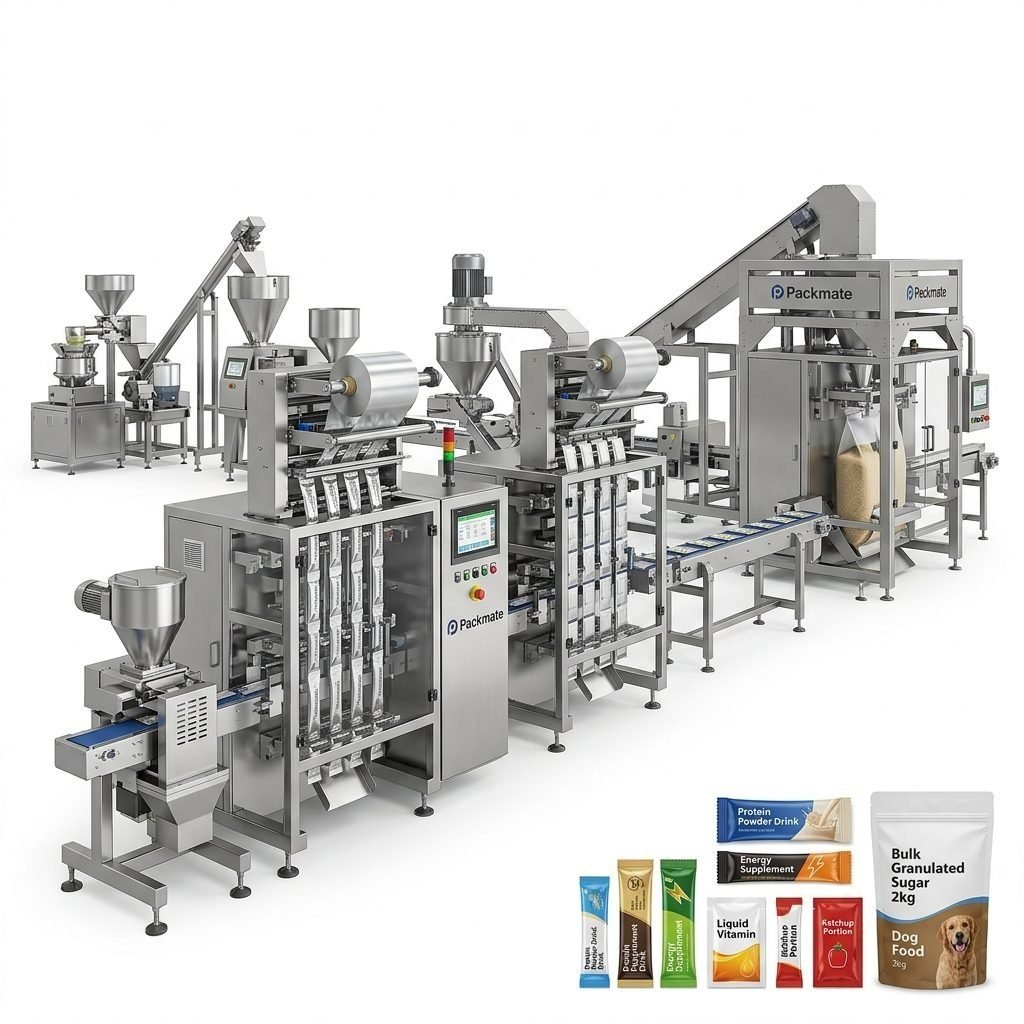
These are the workhorses of the industry, ideal for granules, powders, and small pieces like dried nasu chunks. They form bags from a roll of film, fill them with a pre-set weight, and seal them in one continuous operation. They are highly efficient for medium to high-volume production. For businesses looking to package nasu snacks or dried seasoning mixes, a reliable bag and pouch packaging machine based on VFFS technology is often the optimal choice.
Liquid & Paste Filling Machines
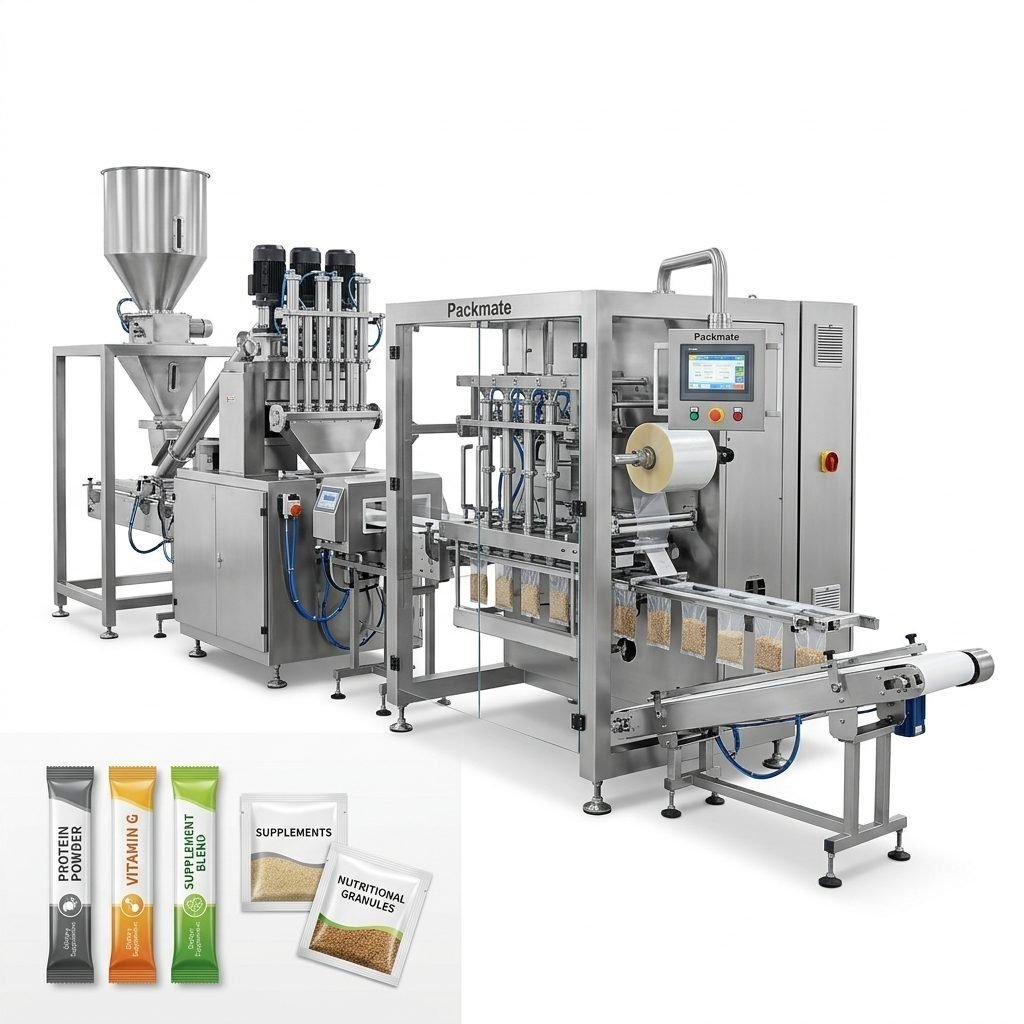
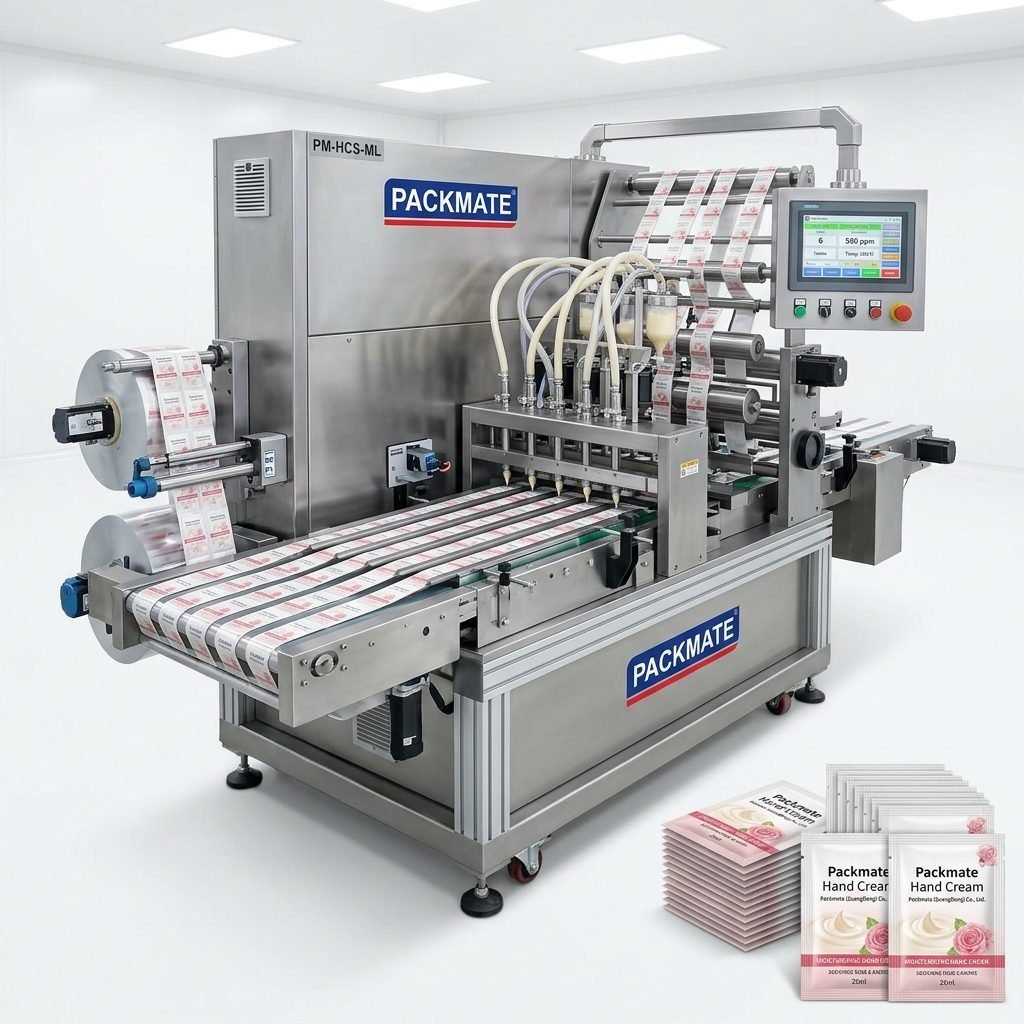
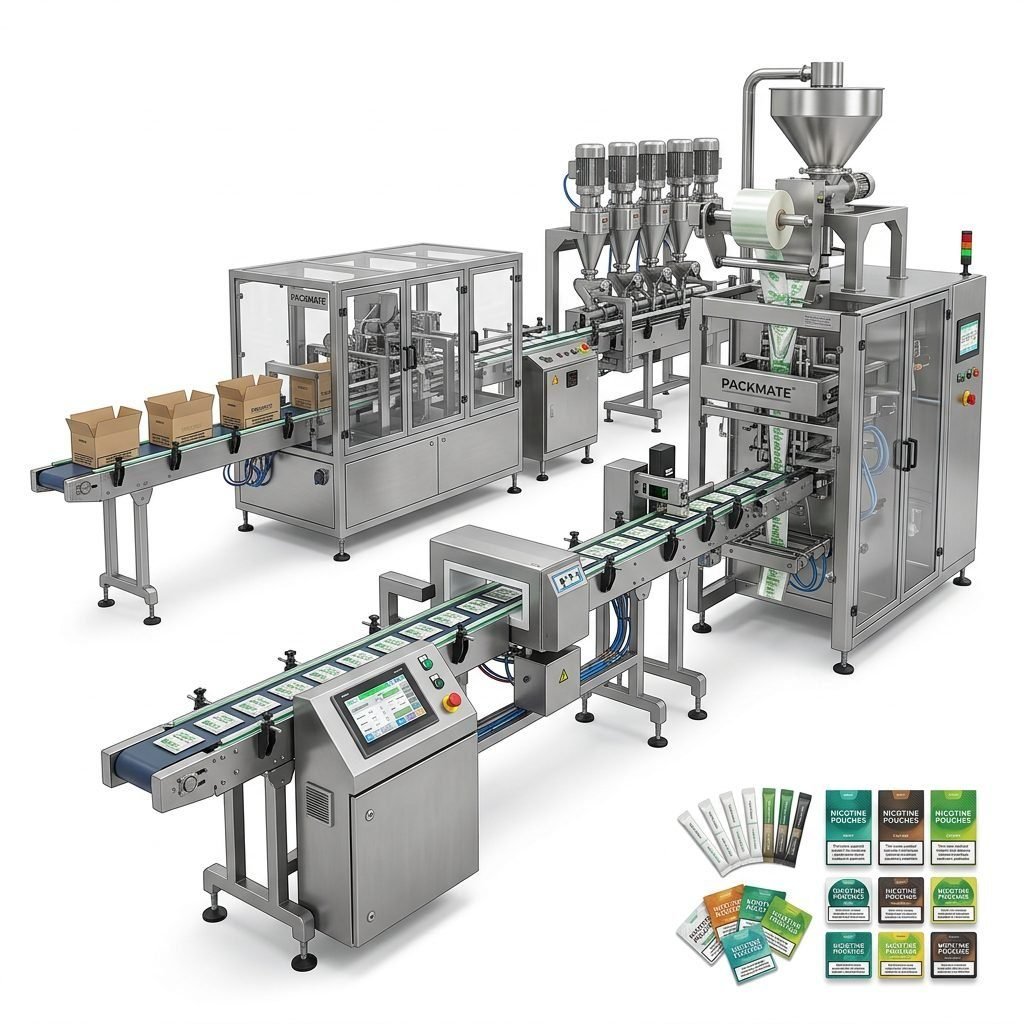
Specifically designed for viscous products, these machines accurately fill bottles, jars, or pouches with nasu puree, sauces, or pickled products in brine. They come with various pump types (e.g., piston, gear) to handle different viscosities without damaging the product’s texture. Integrating such a filler into a complete filling and packaging line can automate capping and labeling for a turnkey solution.
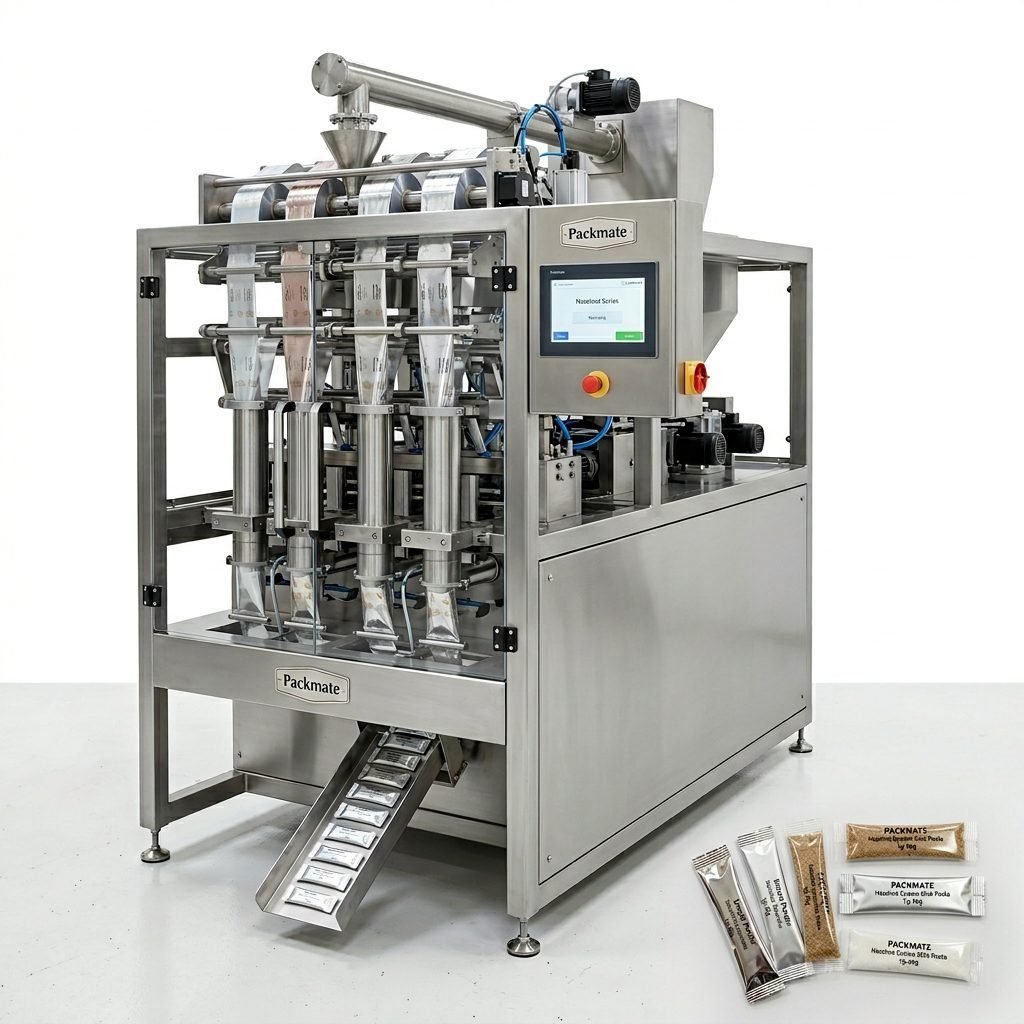
Sachet and Stick Pack Machines
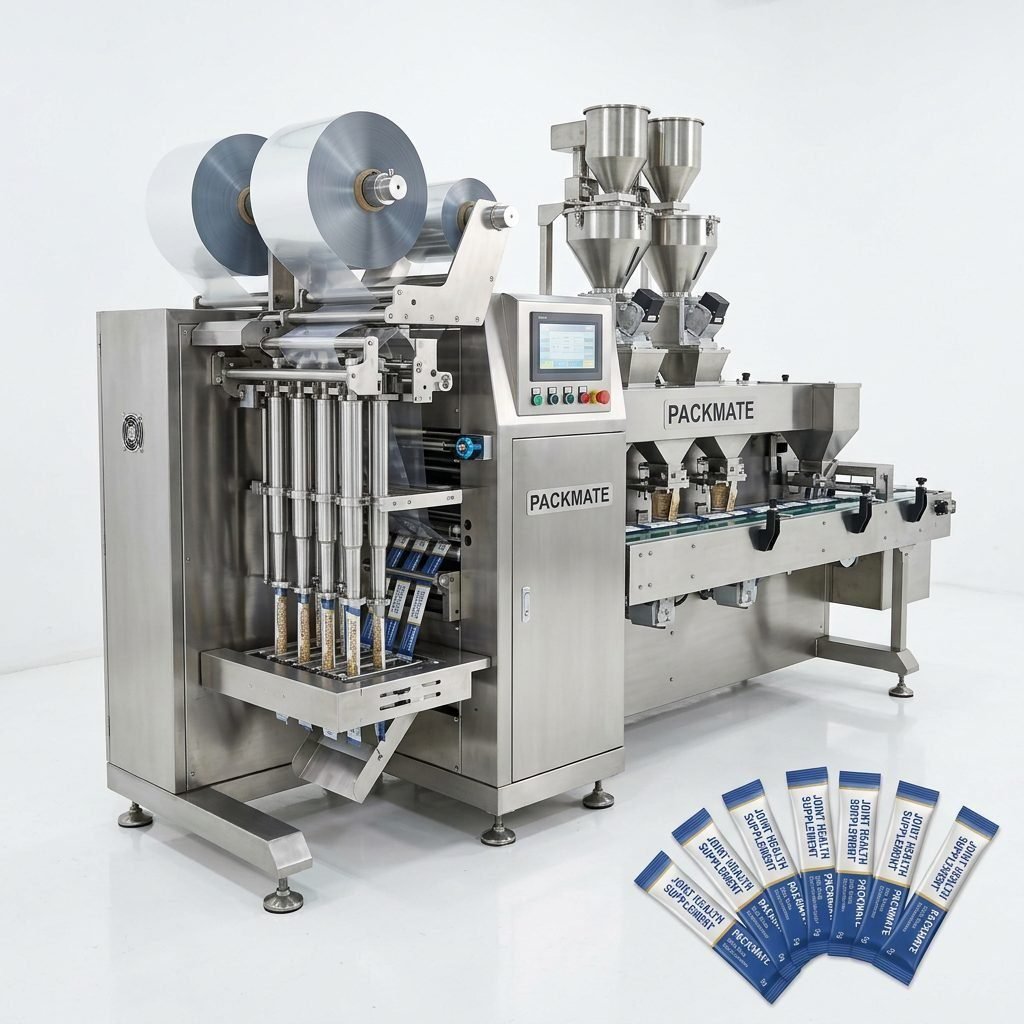
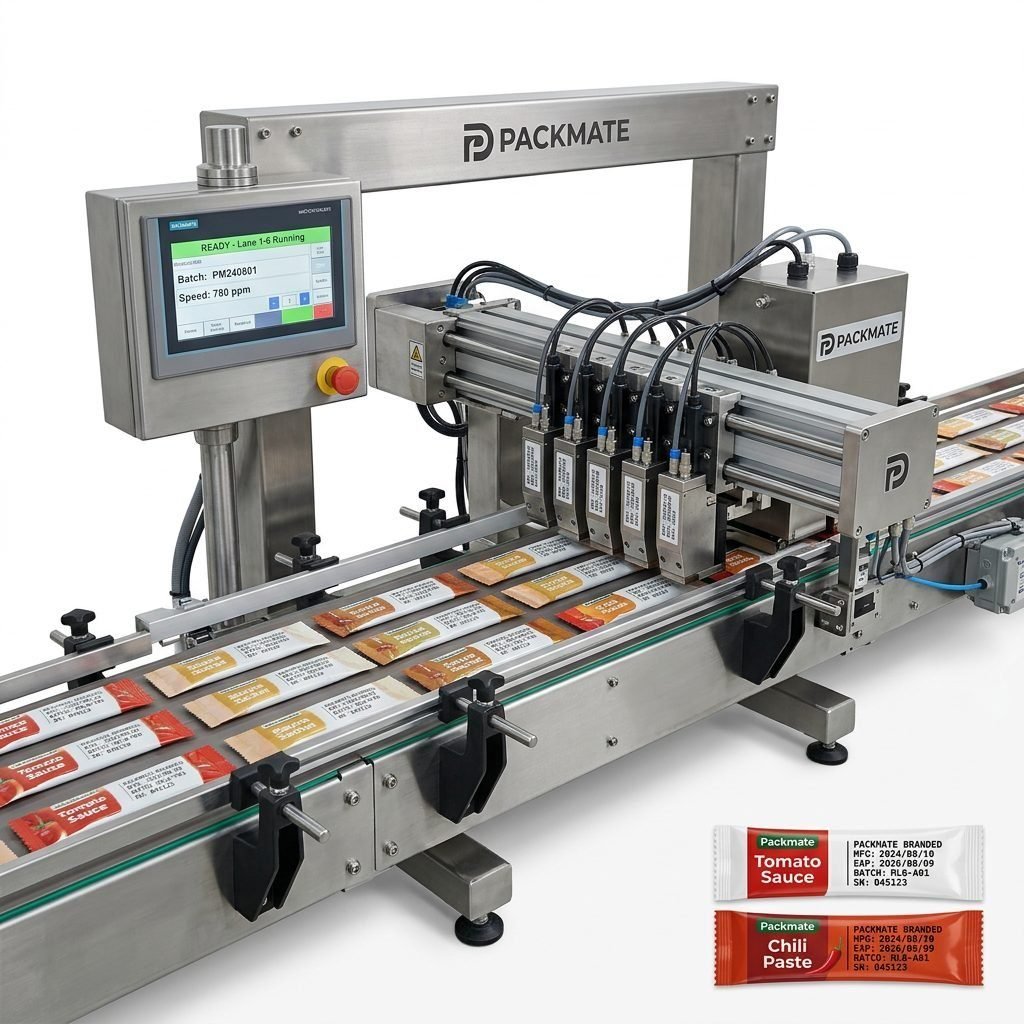
Perfect for single-serve portions, such as nasu powder for instant soups or small batches of seasoning. These machines create small, sealed packets from roll stock. Multi-lane versions significantly increase output by producing dozens of sachets simultaneously. For companies aiming at the convenience food or foodservice sector, exploring sachet and stick pack machines is essential for portion-controlled packaging.
Weighing and Dosing Systems
Accuracy is crucial for cost control and regulatory compliance. These systems use advanced load cells or volumetric cups to ensure each package contains the exact weight of product, be it dried nasu flakes or powder. A precise weighing and packaging system is a foundational component for any serious food packaging operation, minimizing giveaways and ensuring customer satisfaction.
Key Applications in the Nasu Product Line
Understanding the application helps match the machine to the product’s physical state and market destination.
Retail Consumer Packs: This requires attractive, durable packaging that stands out on shelves. Machines must produce bags or pouches with high-quality seals and excellent print registration for branding. Leak-proof features are vital for any product containing oil or moisture.
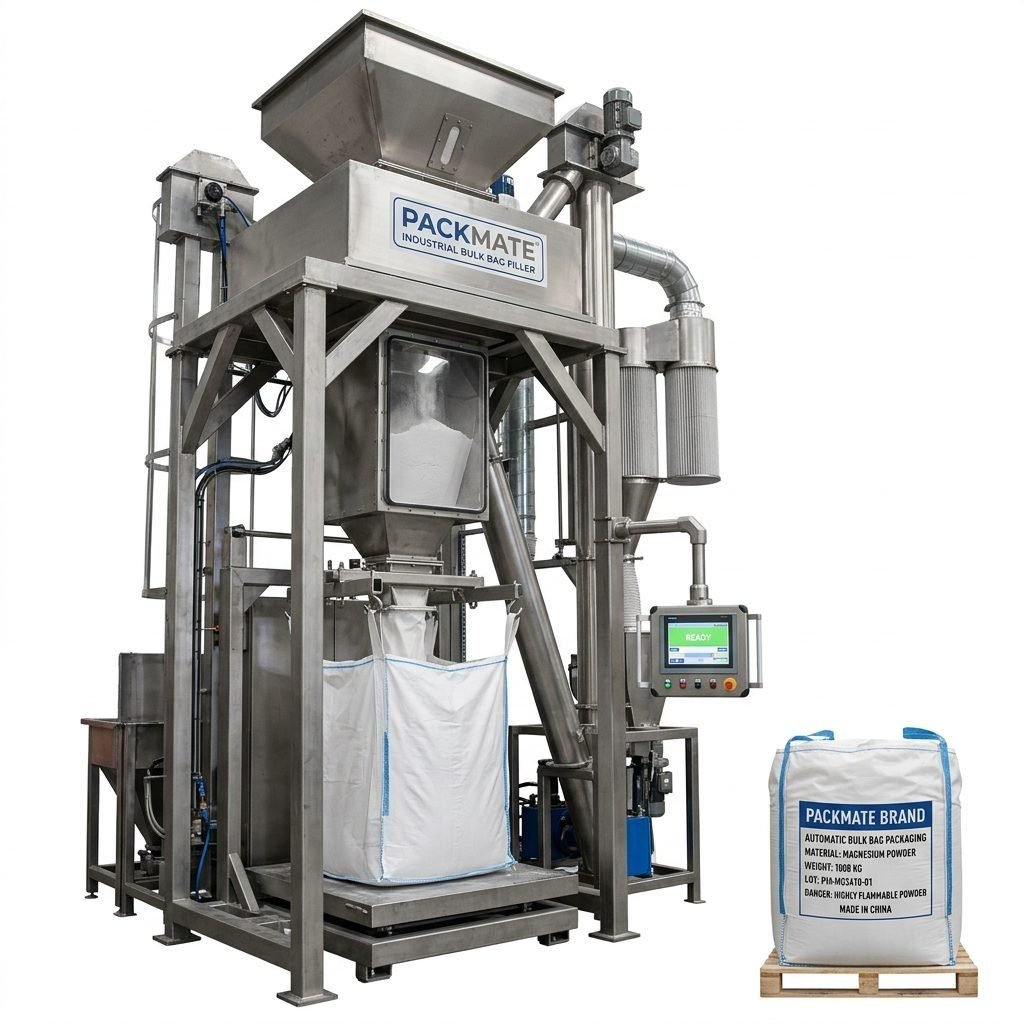
Bulk Foodservice/Industrial Packs: Focus shifts to efficiency, cost-per-unit, and robust packaging that withstands transport. Machines for large bags (5-25 kg) with strong seals and sometimes spouts or handles are needed. Speed and reliability are more critical than cosmetic finish.
Specialty & Premium Products: For organic or artisanal nasu products, packaging must reflect quality. Machines that handle unique materials (e.g., compostable films) or create distinctive pouch shapes can add significant value and justify a higher price point.
Critical Buying Tips for Your Investment
Purchasing a packaging machine is a significant investment. Here are vital factors to consider to ensure you choose the right partner and equipment.
1. Assess Your Product and Production Requirements
Clearly define your product’s characteristics: Is it solid, liquid, or powder? What is its viscosity or particle size? Determine your required output speed (packages per minute) and the range of package sizes you plan to use. This initial assessment will narrow down the suitable machine types immediately.
2. Prioritize Machine Flexibility and Changeover Ease
If you plan to run multiple product variants or package sizes, quick changeover capability is indispensable. Look for machines with tool-less adjustments, digital recall of settings for different products, and easy-to-clean designs. This flexibility minimizes downtime and maximizes your machine’s utility.
3. Evaluate Build Quality and Supplier Reputation
The machine’s construction directly impacts its longevity and maintenance costs. Opt for robust frames, food-grade stainless steel contact parts, and high-quality sealing components. Research the manufacturer’s history and reputation. A company like Packmate Machinery, with over two decades of experience and a 20,000㎡ modern facility, exemplifies a supplier committed to quality and innovation, offering peace of mind with their over 50 machine models and global service support.
4. Consider After-Sales Support and Training
A machine is only as good as the support behind it. Ensure the supplier offers comprehensive training for your operators, readily available spare parts, and responsive technical support. Good suppliers provide detailed manuals and often have online resources or service contracts to keep your line running smoothly.
5. Analyze Total Cost of Ownership (TCO)
Look beyond the initial purchase price. Factor in energy consumption, required maintenance, cost of consumables (like sealing jaws), and potential downtime. A slightly more expensive, reliable machine from a reputable supplier often has a lower TCO than a cheaper, less reliable alternative that causes production stoppages.
FAQs: Nasu Packaging Machine Guide
What type of packaging machine is best for nasu paste?
For viscous products like nasu paste, a piston or gear pump-based liquid filling machine is typically best. It ensures accurate, consistent fills without air bubbles and can be integrated with pouch forming or jar filling lines.
Can one machine handle both dried nasu and nasu in brine?
It is challenging. Dried products require a Vertical Form-Fill-Seal (VFFS) machine for powders/granules, while brine requires liquid-handling capabilities and different sealing parameters. For both, you would likely need two specialized machines or a highly flexible, modular system designed for wet and dry products.
How important is the packaging film material choice?
Critical. The film must provide an adequate barrier against moisture and oxygen to preserve the nasu product. For oily products, it needs excellent seal integrity. Your machine supplier should advise on compatible films that work with their sealing system.
What production speed should I expect for small sachets?
Speeds vary greatly. A single-lane sachet machine may produce 60-120 packs per minute, while a multi-lane stick pack machine from a manufacturer like Packmate can produce several hundred per minute. Your target speed depends on your total daily/weekly volume requirements.
Where can I see examples of these machines in operation?
Reputable manufacturers often showcase their equipment at global trade shows or have video case studies on their websites. You can view applications and innovations in packaging technology on pages like Packmate’s case study gallery to see machinery applied in real-world scenarios.