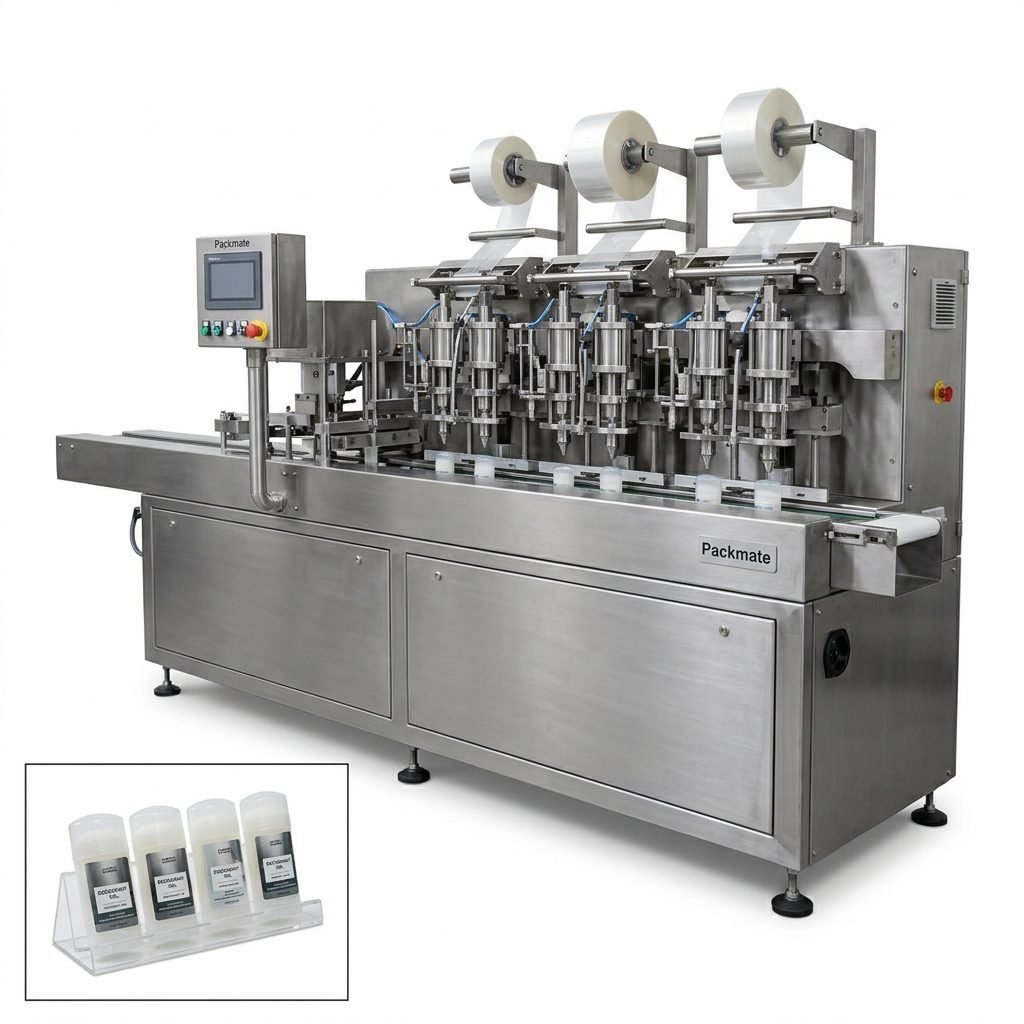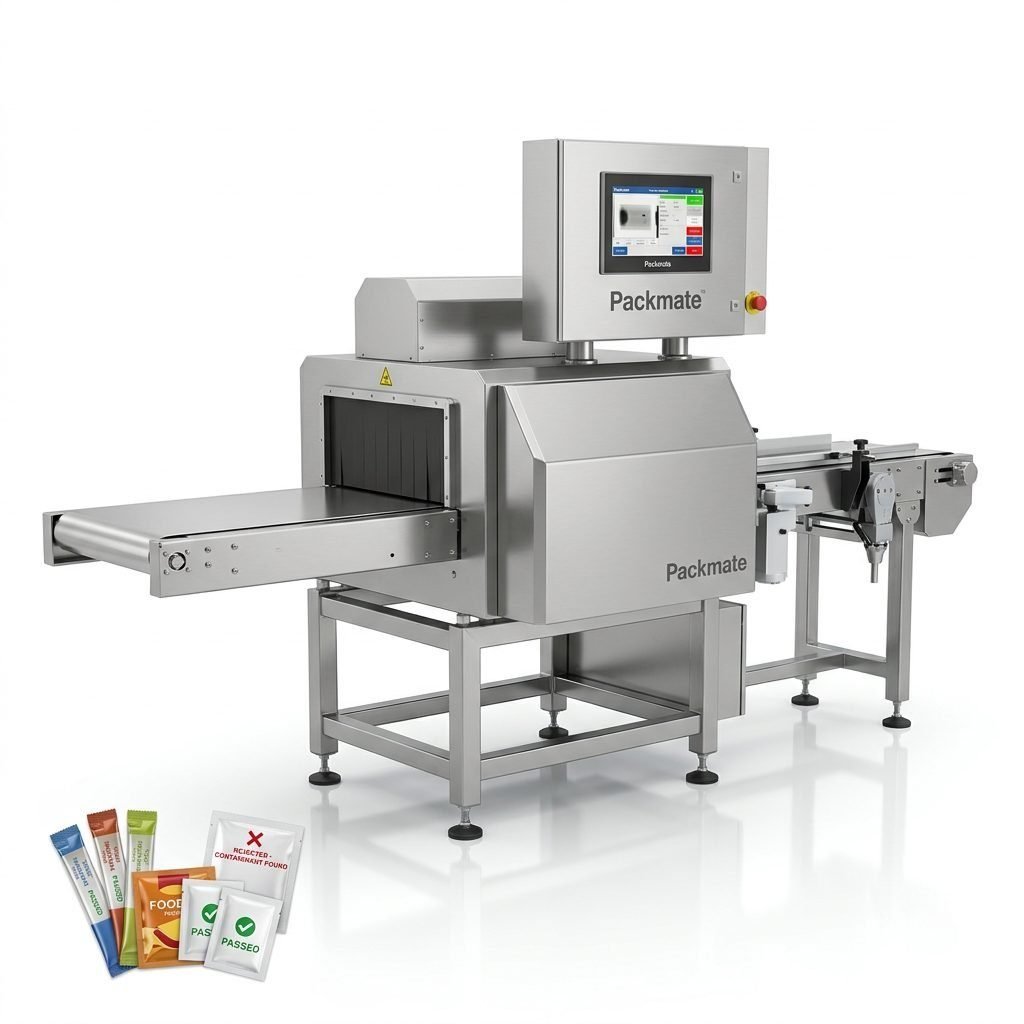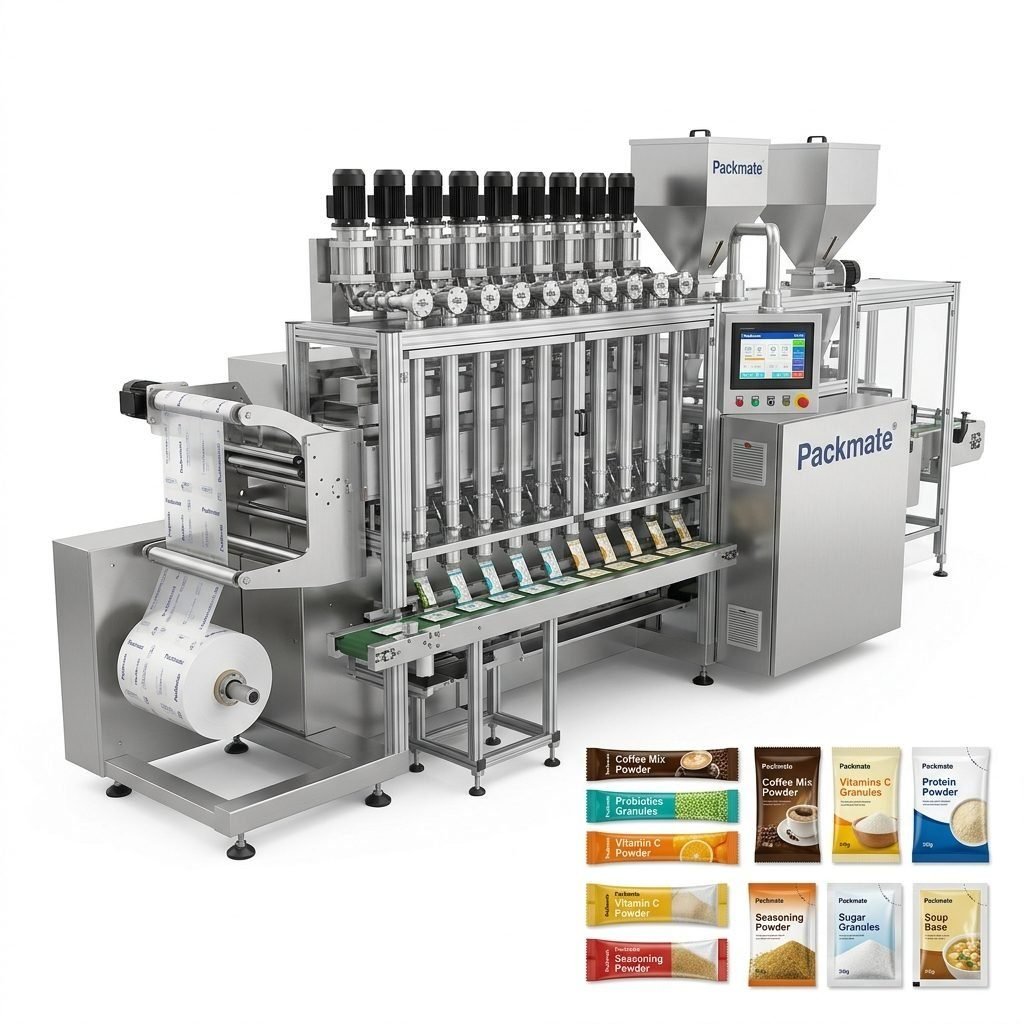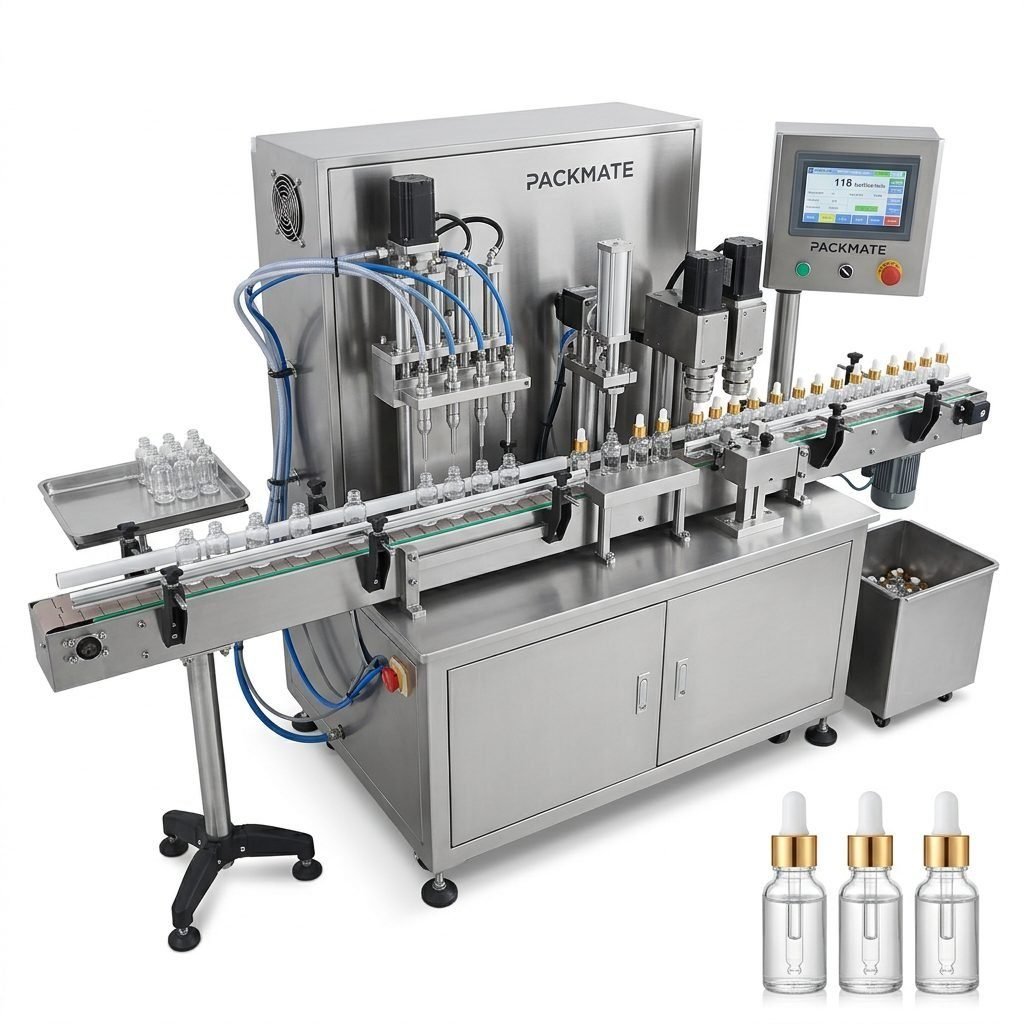
Selecting the right ground coffee packaging machine is a critical investment for any coffee business, from small specialty roasters to large-scale producers. The right equipment not only protects your product’s freshness and flavor but also enhances your brand’s presentation and operational efficiency. This comprehensive guide will walk you through the key factors to consider, ensuring you choose a machine that aligns perfectly with your production needs and business goals.
Understanding Your Production Requirements
Before diving into machine specifications, clearly define your operational parameters. This foundational step prevents costly mismatches.
Key Questions to Ask:
Output Volume: What is your current and projected daily/weekly production? Machines are rated by bags-per-minute (BPM).
Bag Type & Size: Do you need equipment for stand-up pouches, flat-bottom bags, stick packs, or sachets? What is your typical bag weight range (e.g., 250g, 1kg)?
Product Characteristics: Consider the grind size and oil content of your coffee, as these affect flow and filling consistency.
Level of Automation: Are you looking for a manual, semi-automatic, or fully automatic integrated line?
Core Machine Types for Ground Coffee
The packaging process typically involves several stages: forming the bag, filling it with coffee, and then sealing it. Machines combine these functions in different ways.
Vertical Form-Fill-Seal (VFFS) Machines
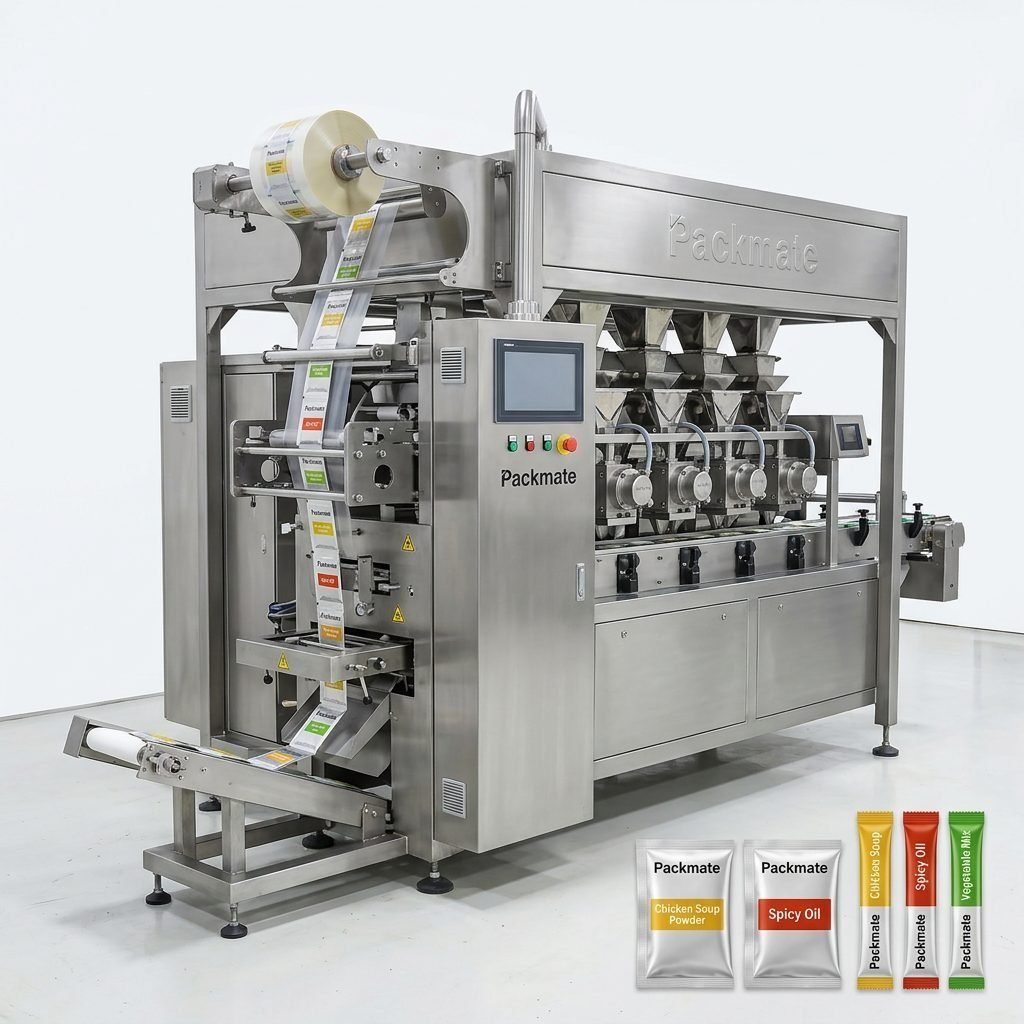
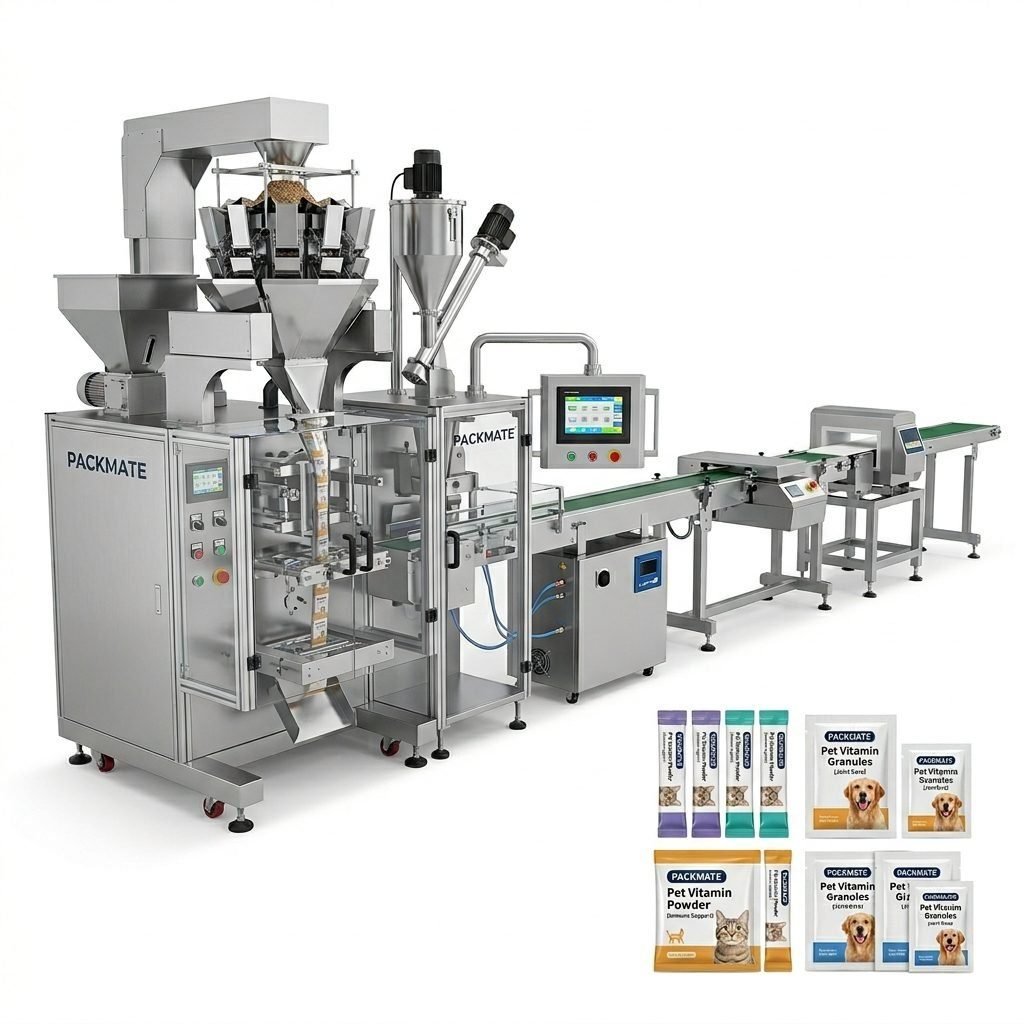
The most common and versatile choice. A VFFS machine forms bags from a roll of packaging film, fills them with a pre-measured amount of coffee, and seals them in one continuous operation. It’s ideal for high-volume production of various pouch styles. For businesses focusing on retail-ready bags, exploring dedicated bag & pouch packaging machines is essential.
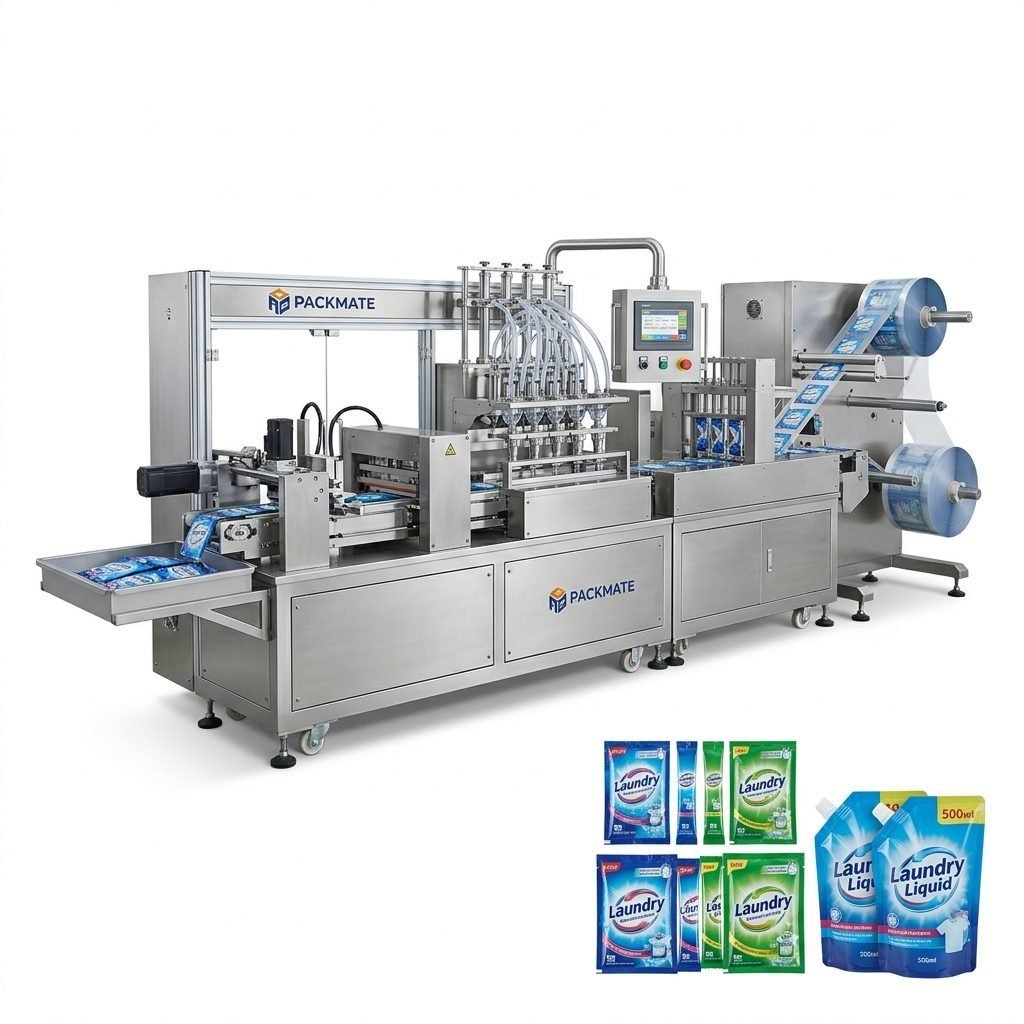
Pre-Made Pouch Fillers
These machines use bags that are already formed and often printed (pre-made pouches). They open, fill, and seal the bags. This option is excellent for smaller batches, complex bag designs, or when using unique materials that are difficult to form on a VFFS machine.
Stick Pack & Sachet Machines
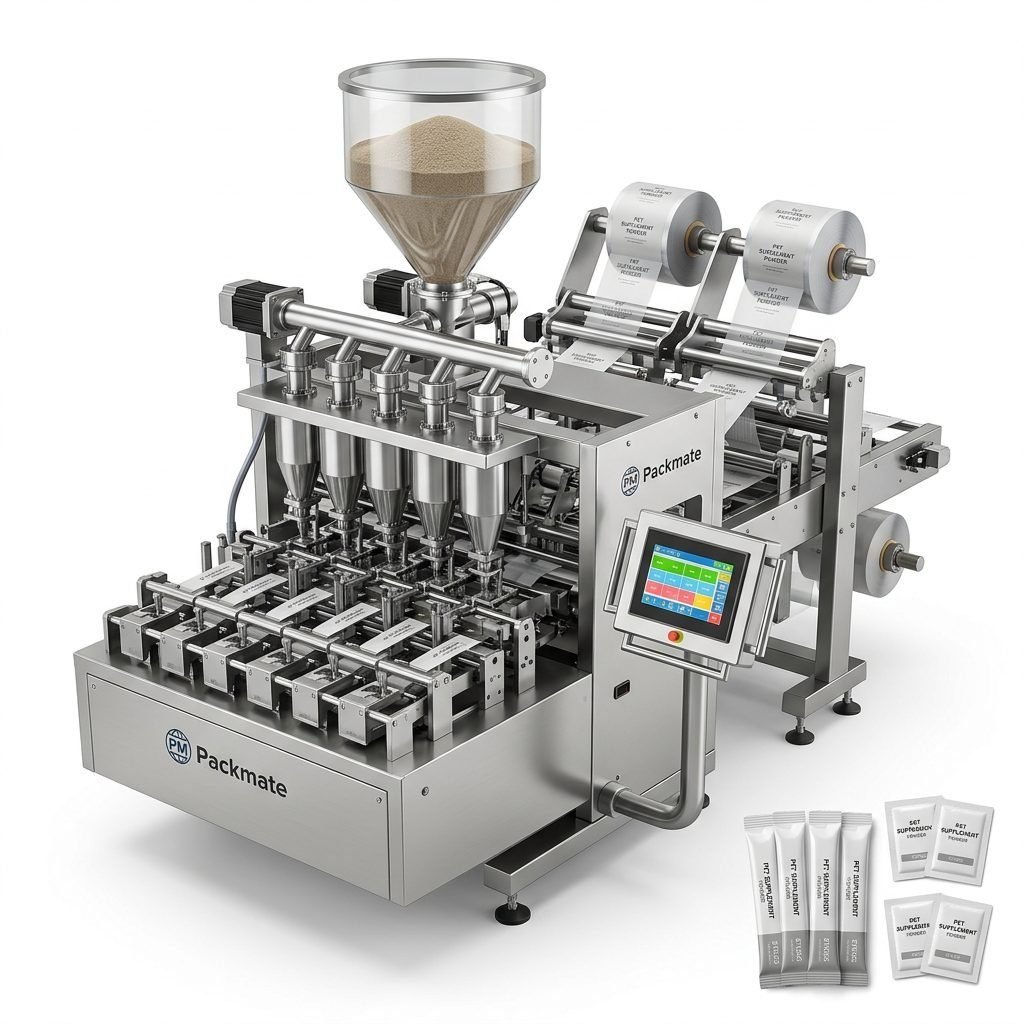
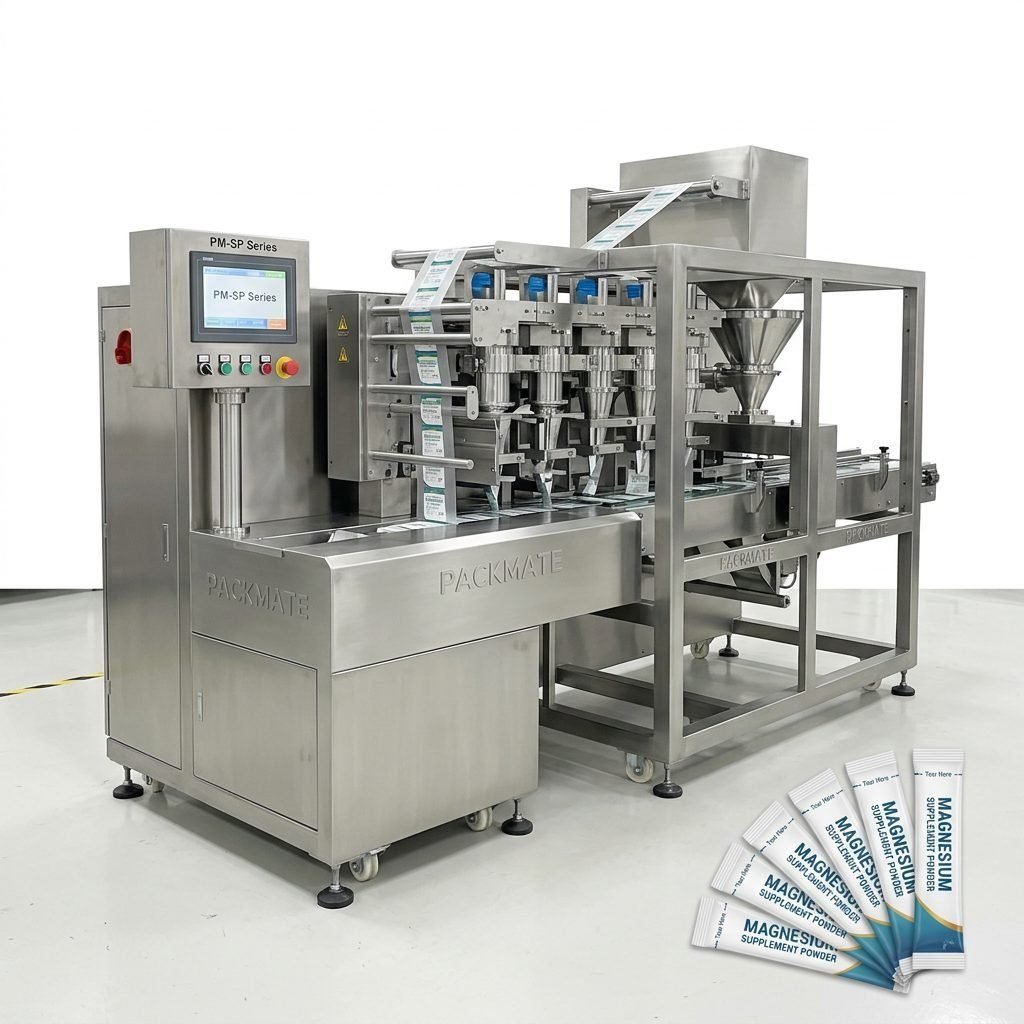
For single-serve portions, sample sizes, or instant coffee, stick pack machines are unparalleled. They create long, narrow packets from roll film at very high speeds. If your product line includes single-serve options, a sachet & stick pack machine could be a vital part of your packaging arsenal.
Critical Technical Features to Evaluate
Look beyond the basic type and scrutinize the components that determine performance and product quality.
1. Weighing and Filling System
Accuracy is non-negotiable. Gross weight scales are standard, but net weight systems (which weigh the product after the bag is tared) offer superior accuracy, crucial for compliance and cost control. Multi-head weighers are used for high-speed, precise filling of free-flowing products like ground coffee.
2. Gas Flushing & Degassing Valve Attachment
To preserve freshness, many coffee packages use modified atmosphere packaging (MAP), where oxygen is flushed out and replaced with nitrogen or CO2. Ensure the machine has a reliable gas flushing system. Additionally, the ability to automatically apply one-way degassing valves allows CO2 from freshly roasted coffee to escape without letting oxygen in.
3. Sealing Technology
Strong, consistent seals are vital for barrier integrity. Check the sealing jaw design, temperature control, and pressure. For multi-layer barrier films, impulse sealing or constant heat sealing with cool jaws may be required.
Integration into a Complete Packaging Line
A packaging machine rarely works in isolation. For smooth workflow, consider how it integrates with upstream and downstream equipment.
Upstream: This includes coffee grinders, conveyors, and storage hoppers. A compatible weighing & packaging system ensures a consistent supply of product to the filler.
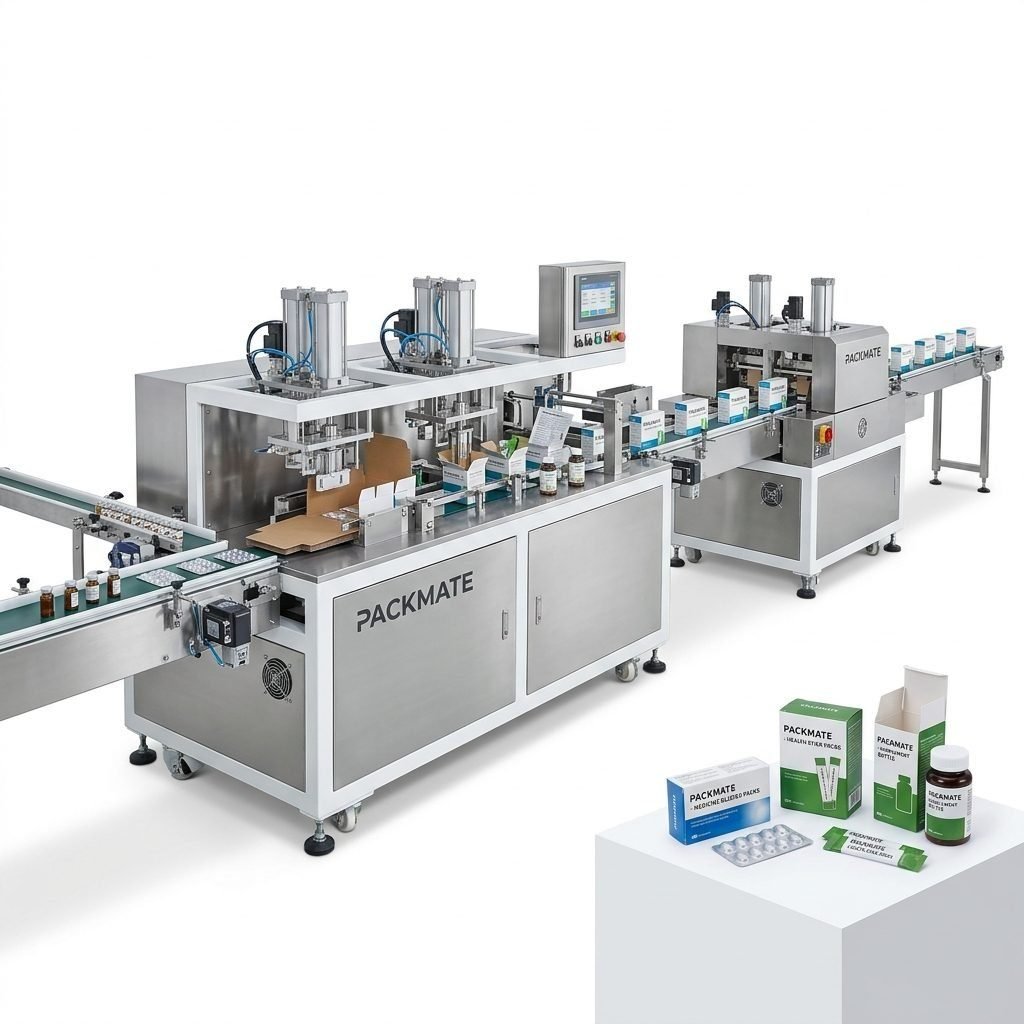
Downstream: After sealing, bags may need to be weighed for checkweighing, labeled, date-coded, and packed into cartons. Planning for a complete filling & packaging line from the start prevents bottlenecks later.
Choosing a Reliable Manufacturer
The machine’s quality is directly tied to the manufacturer’s expertise. Look for a partner with a proven track record.
For instance, Packmate (GuangDong) Co., Ltd. brings over 30 years of specialization in intelligent packaging equipment. Operating from a modern 20,000㎡ facility, they offer more than 50 machine models, including solutions perfectly suited for ground coffee packaging. Their journey, from a small workshop in 1993 to a leading manufacturer today, underscores a commitment to innovation and reliability. Evaluating a manufacturer’s history, like the detailed company profile available from Packmate, provides insight into their stability and technical depth.
Key manufacturer evaluation points include: industry experience, quality of components (e.g., PLCs, drives), availability of spare parts, technical support, and training. Always request references and, if possible, visit their facility or see the machine running at a trade show.
Total Cost of Ownership (TCO)
The purchase price is just one part of the cost. A cheaper machine with low efficiency and high maintenance can be more expensive in the long run.
- Initial Investment: Machine cost, shipping, installation.
- Operational Costs: Energy consumption, compressed air usage, labor required to operate it.
- Material Costs: Film waste during changeovers and set-up.
- Maintenance & Downtime: Cost and availability of spare parts, expected machine lifespan, and productivity losses during breakdowns.
Frequently Asked Questions (FAQs)
1. What is the typical speed range for a ground coffee packaging machine?
Speeds vary widely. A semi-automatic machine may pack 10-30 bags per minute, while a fully automatic multi-head weigher with a VFFS machine can achieve 60-120+ bags per minute, depending on bag size and complexity.
2. Can one machine handle different bag sizes and materials?
Most modern machines are designed for quick changeovers. However, switching between vastly different sizes (e.g., from a small sachet to a 1kg pouch) may require changing parts like forming tubes, sealing jaws, and feed screws. Always confirm changeover time and complexity with the supplier.
3. How important is gas flushing for ground coffee?
Extremely important. Oxygen is the primary enemy of coffee freshness, causing staling and flavor loss. Gas flushing (nitrogen flushing) extends shelf life significantly by displacing oxygen inside the package. It is considered a standard for quality whole bean and ground coffee retail packaging.
4. What kind of maintenance do these machines require?
Daily cleaning to remove coffee oils and fines is essential. Regular maintenance includes lubricating moving parts, checking seal jaw alignment and temperature, calibrating scales, and inspecting wear parts like feed screws and film pull belts. A good supplier will provide a maintenance schedule.
5. Should I buy a new or used packaging machine?
For critical applications like food packaging, a new machine from a reputable manufacturer is generally recommended for reliability, hygiene, warranty, and access to latest technology and support. A used machine can be a cost-effective option for startups if it comes from a known source, has available documentation, and can be thoroughly inspected and serviced.