In the competitive food industry, efficient production isn’t just a goal—it’s a necessity for survival and growth. The right food packaging equipment systems form the backbone of this efficiency, directly impacting output speed, product quality, operational costs, and ultimately, profitability. For businesses looking to scale, investing in intelligent, reliable packaging machinery is a strategic decision that pays dividends in streamlined operations and market responsiveness.
Key Insight: Modern packaging lines do more than just seal products. They integrate weighing, filling, sealing, and coding into a cohesive, automated workflow. This integration minimizes human error, maximizes throughput, and ensures consistent packaging that meets stringent food safety standards, which is critical for consumer trust and brand reputation.
Core Components of an Efficient Packaging System
An efficient packaging system is a symphony of specialized machines working in unison. Understanding the role of each component helps in selecting the right configuration for your specific product type—be it granules, powders, liquids, or solids.
1. Primary Packaging Machines: The First Line of Defense
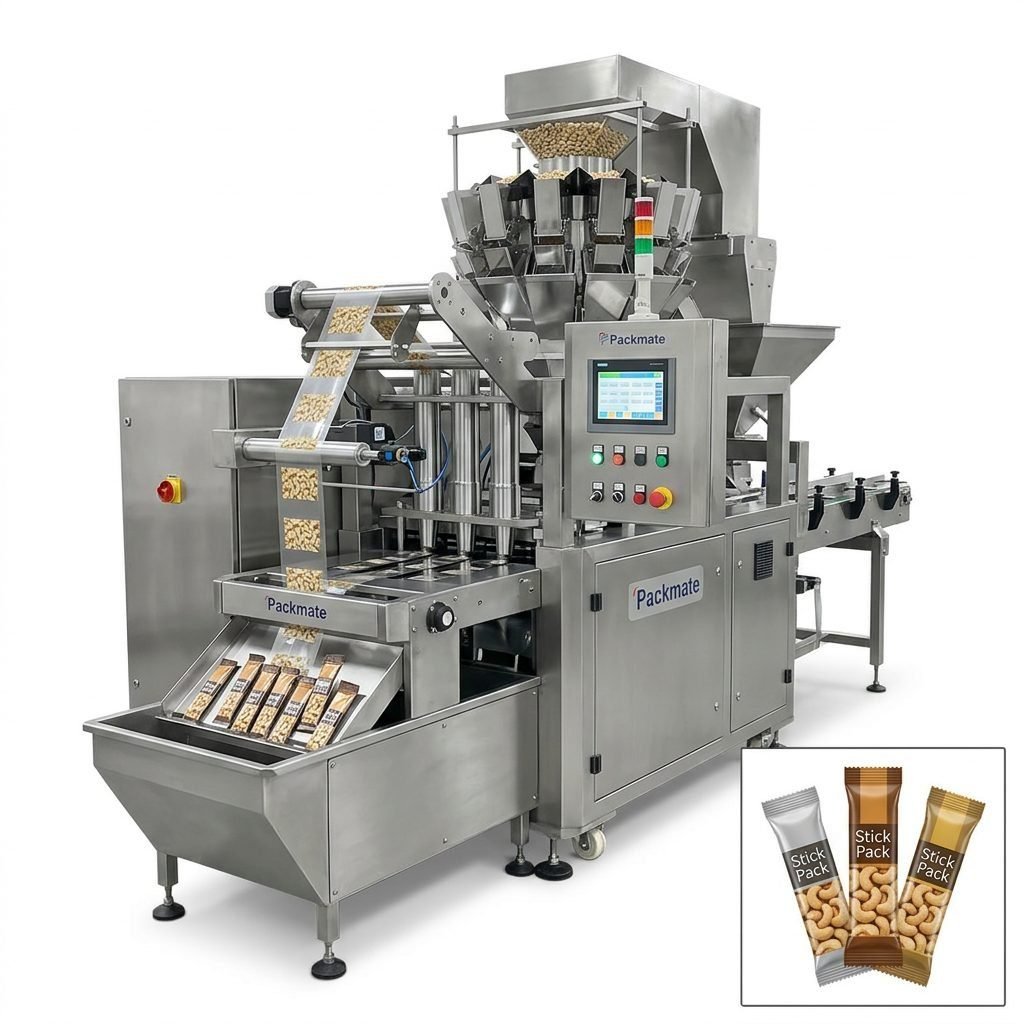
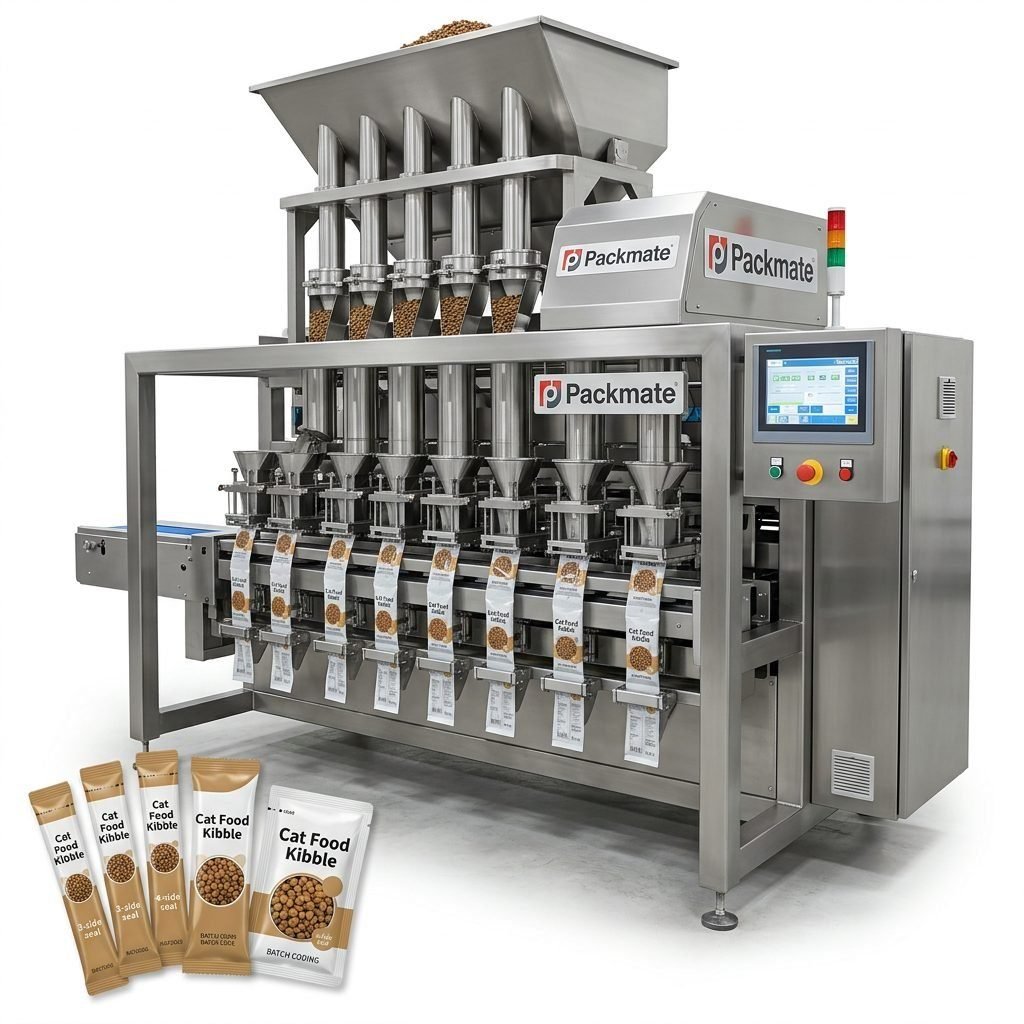
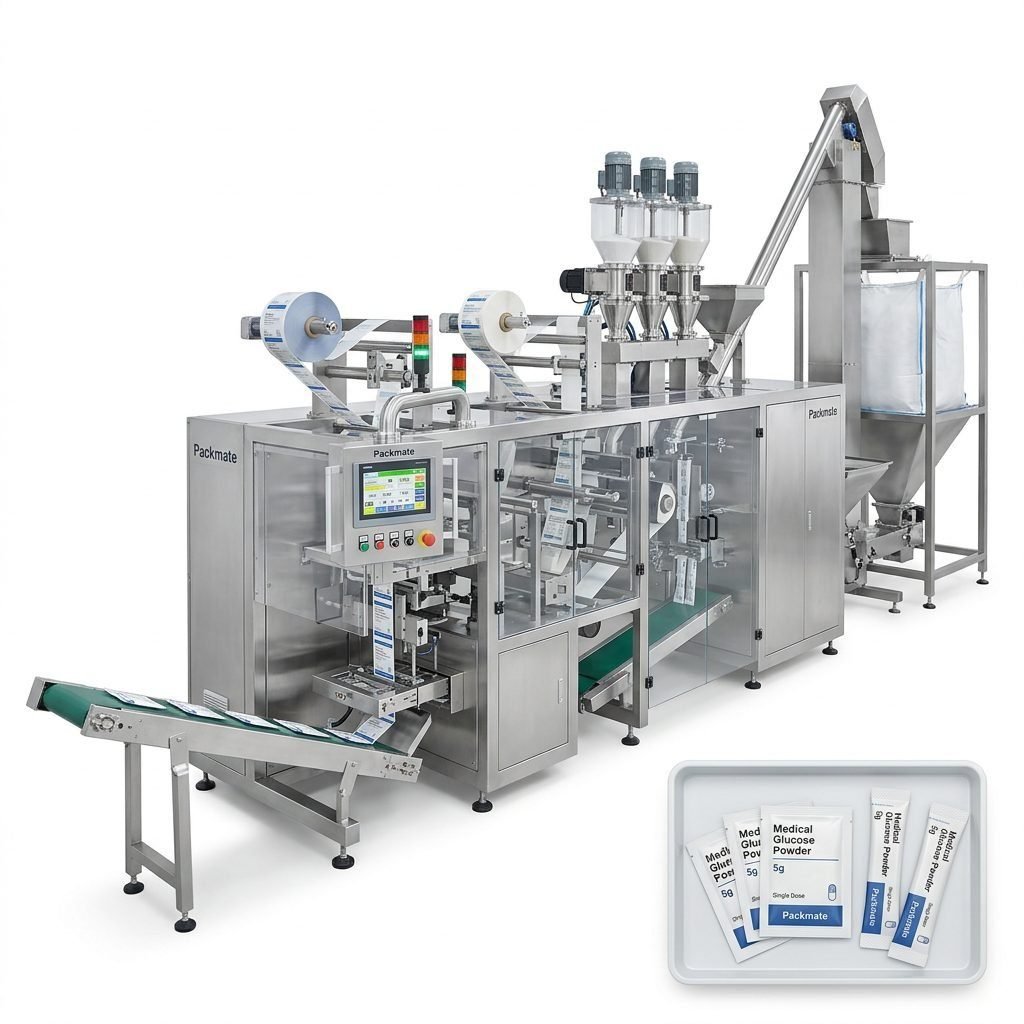
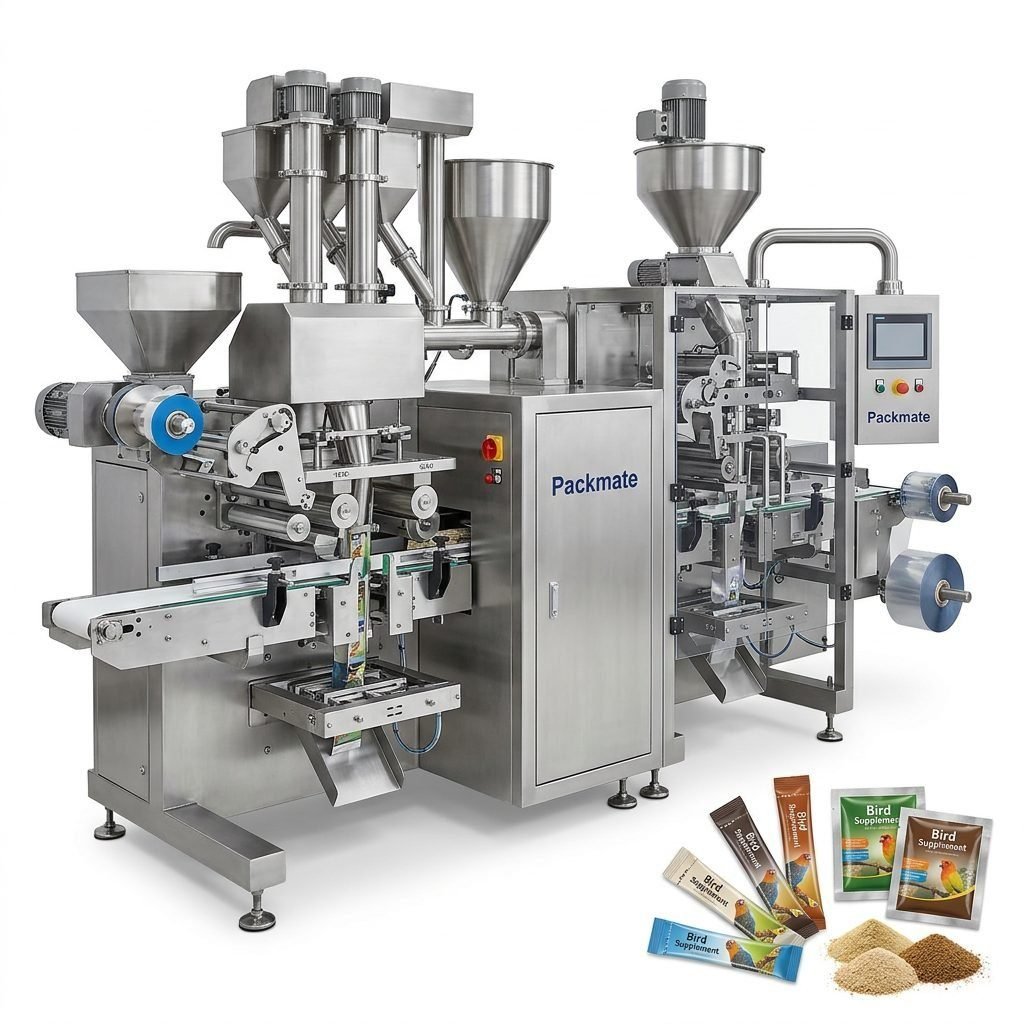
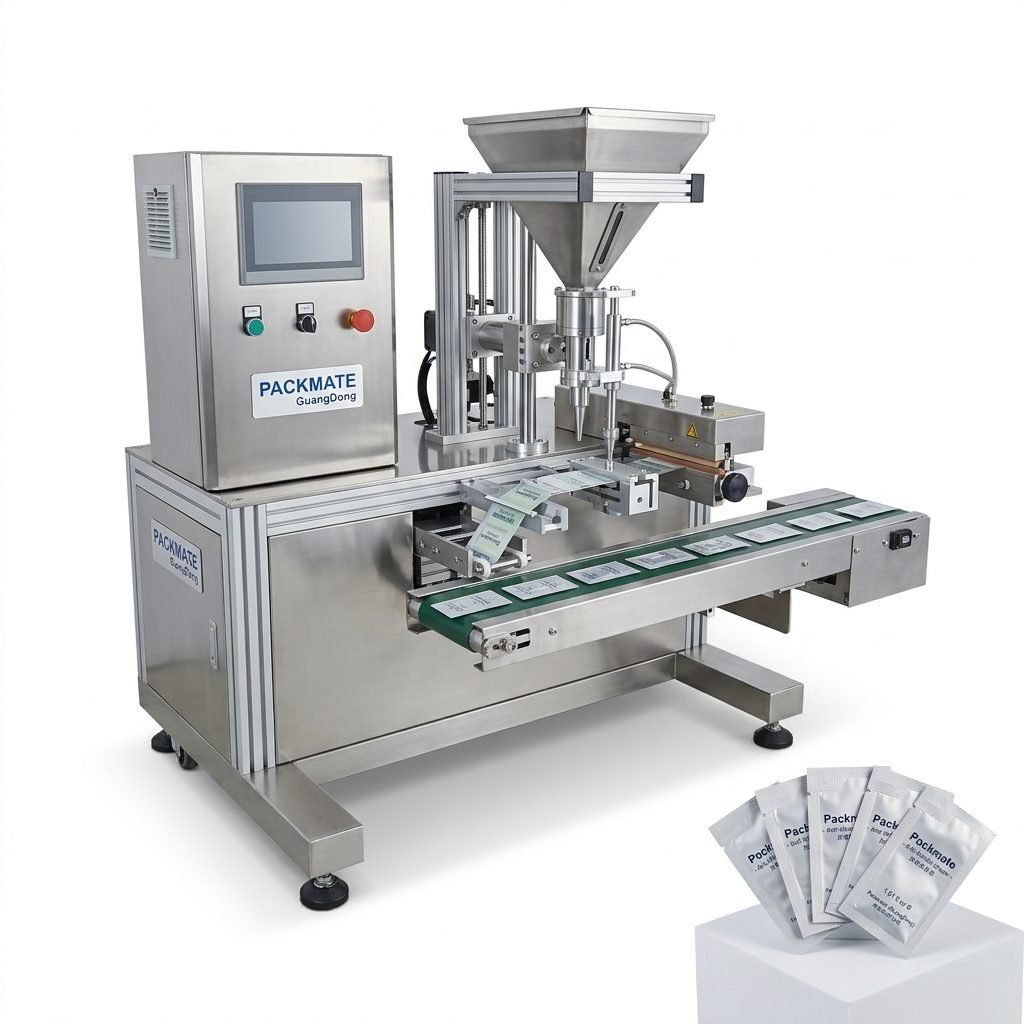
This is where your product meets its primary container. The choice of machine here dictates the package form—sachets, stick packs, pouches, or bags. For high-volume items like sugar, salt, or instant coffee, multi-lane stick pack and sachet machines are indispensable. They can run multiple packaging lanes simultaneously, dramatically increasing output. The precision of these machines in forming, filling, and sealing ensures product integrity and minimizes material waste.
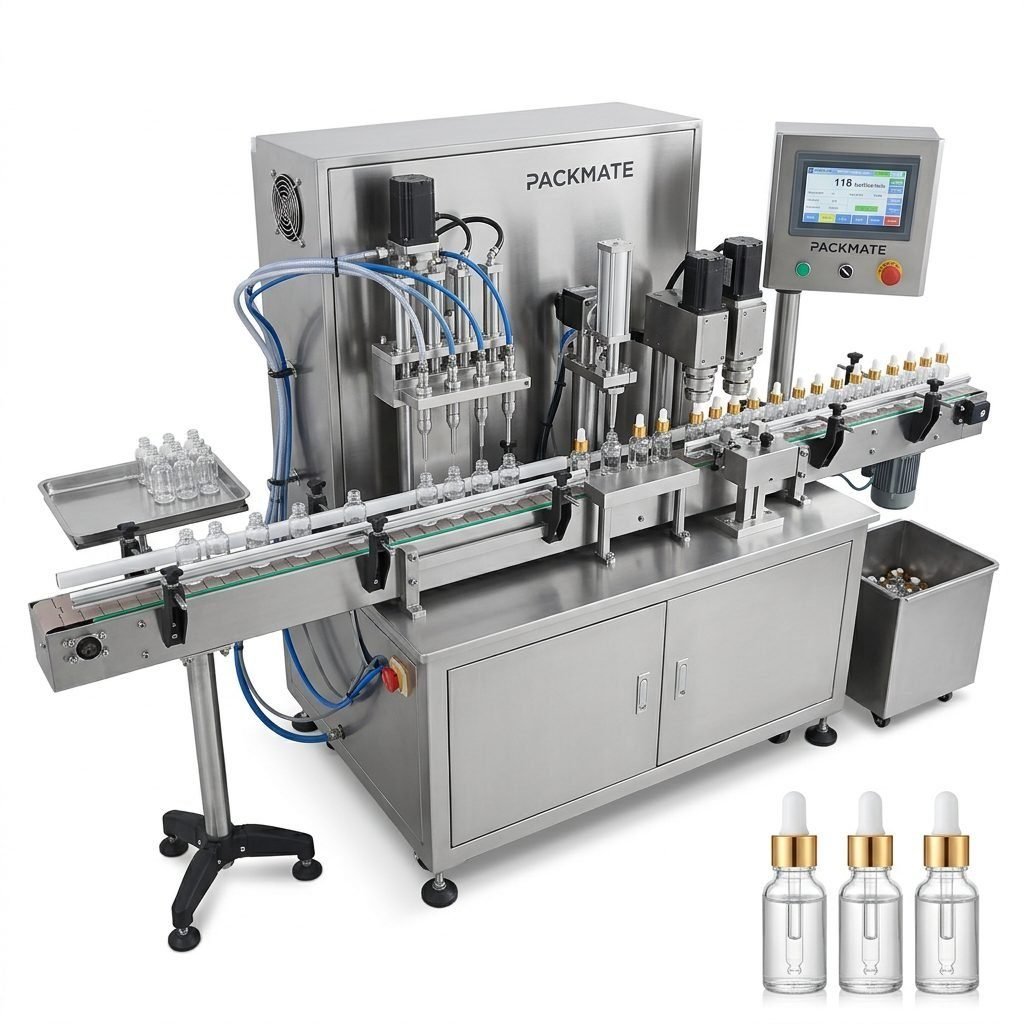
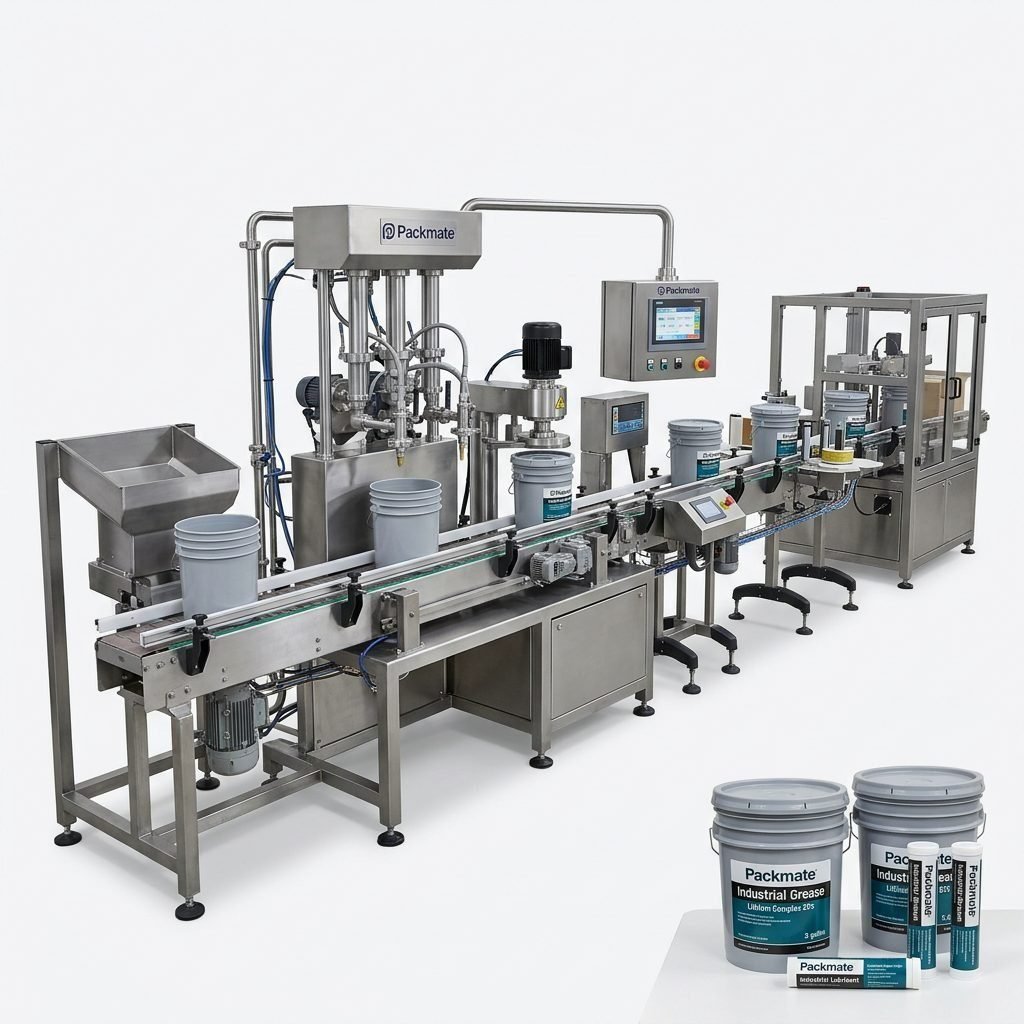
For liquid products like sauces, oils, or dressings, liquid filling machines with piston or peristaltic pumps offer unparalleled accuracy. They prevent dripping and ensure each package contains the exact advertised volume, which is not only fair to the consumer but also a legal requirement in many markets.
2. Weighing & Dosing Systems: The Heart of Accuracy
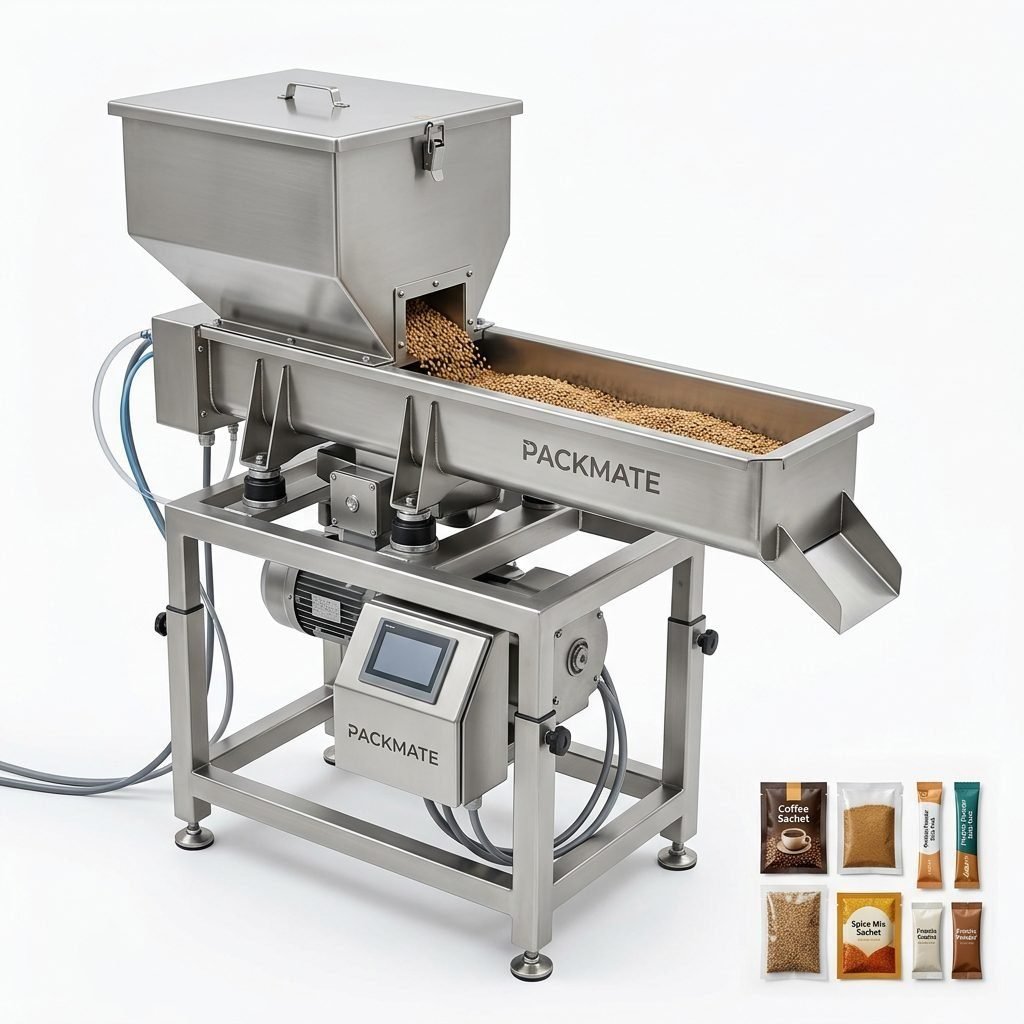
Profit margins can be eroded by giving away even a gram of extra product per package. Advanced weighing and packaging systems use multi-head weighers or auger fillers to achieve remarkable speed and precision. For powdered products like protein supplements or spices, auger fillers with servo-driven technology provide consistent, clog-free dosing. The integration of checkweighers after the filling stage provides real-time feedback, allowing for immediate adjustments and guaranteeing compliance with net content regulations.
3. Sealing & Closing Technology: Ensuring Shelf Life and Safety
A package is only as good as its seal. Heat sealing is the most common method for flexible packaging, creating a hermetic barrier against moisture, air, and contaminants. The consistency of temperature and pressure control in modern sealers is vital. For resealable pouches or zipper bags, specialized machinery accurately applies and seals the closure mechanism. This step is crucial for product safety and for maintaining the freshness that consumers expect.
4. Secondary Packaging & Integration: Completing the Line
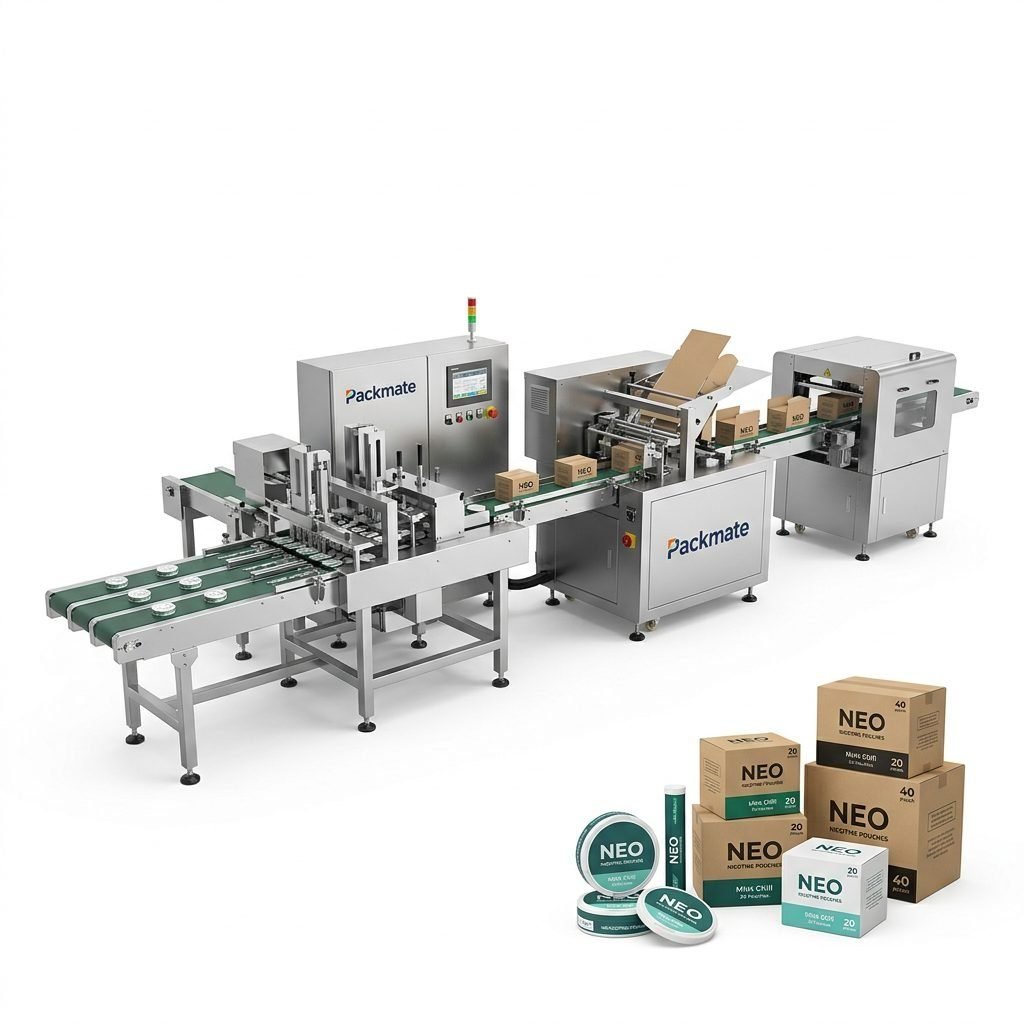
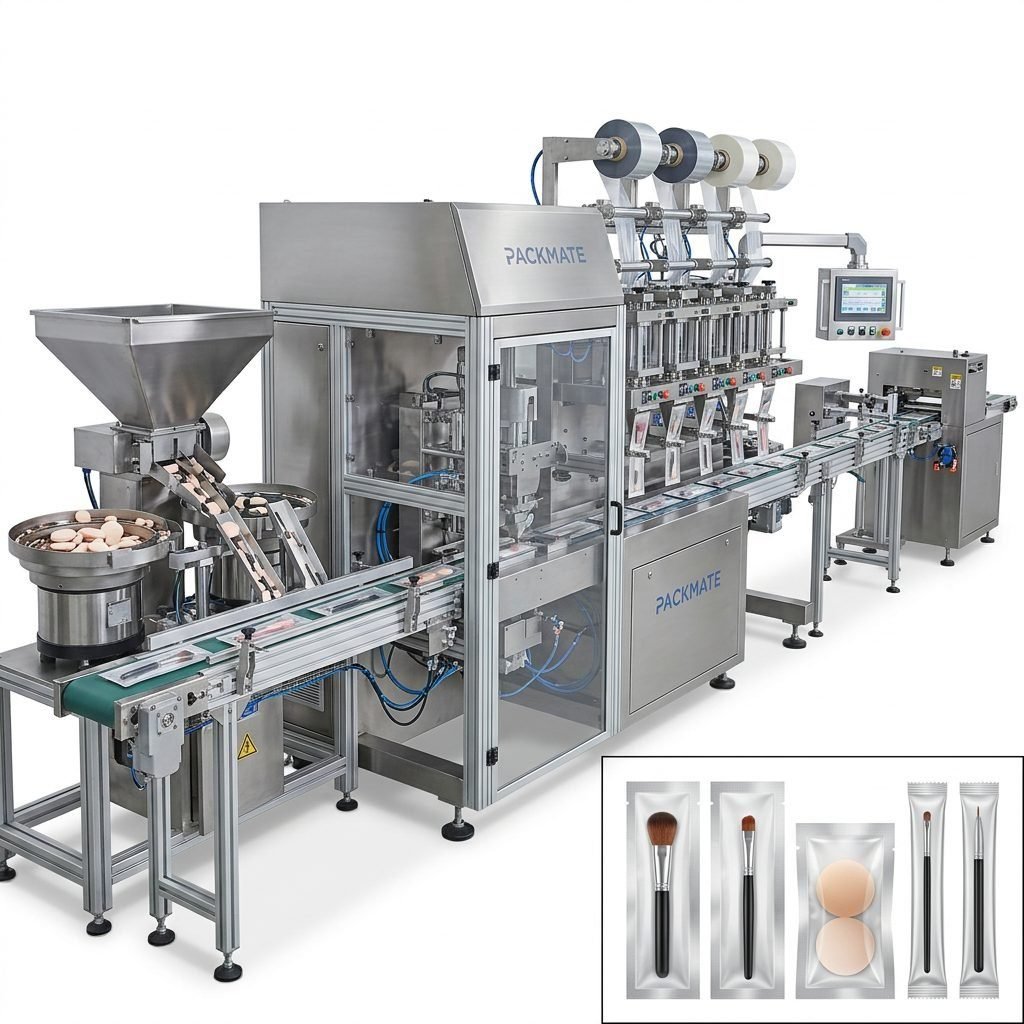
Once primary packaging is complete, products often need to be collated, cartoned, or case-packed for shipping. Robotic pick-and-place arms, automatic cartoners, and case packers can be integrated into the main filling and packaging line. This end-to-end automation reduces labor costs, minimizes handling damage, and creates a seamless flow from production to the warehouse. Auxiliary equipment like coders and labelers also integrate here, applying batch codes, expiry dates, and barcodes for traceability.
Choosing the Right System: Key Evaluation Criteria
Selecting equipment is a significant capital investment. Beyond the initial price, several factors determine the long-term value and efficiency of the system.
Speed & Throughput (Output per Minute)
Match the machine’s maximum speed to your current and projected future production volumes. Over-specifying can lead to unnecessary cost, while under-specifying creates bottlenecks.
Flexibility & Changeover Time
Can the machine handle different package sizes and materials? Quick-change parts and recipe storage in the PLC (Programmable Logic Controller) can reduce changeover time from hours to minutes, which is essential for short production runs.
Hygiene & Cleanability
Food-grade stainless steel construction, smooth surfaces without crevices, and CIP (Clean-in-Place) capabilities are non-negotiable for maintaining hygiene standards and reducing downtime for cleaning.
Reliability & After-Sales Support
The machine’s uptime is paramount. Investigate the manufacturer’s reputation for build quality and reliability. Robust after-sales service, including readily available spare parts and technical support, is critical for minimizing operational disruptions. Companies with a long history, like Packmate Machinery, often bring decades of engineering expertise and a proven track record to the table.
The Role of Innovation and Experience
The landscape of food packaging equipment is continually evolving. The most efficient systems today leverage Industry 4.0 principles, featuring IoT sensors for predictive maintenance, touch-screen HMIs (Human-Machine Interfaces) for intuitive operation, and data collection capabilities for OEE (Overall Equipment Effectiveness) analysis. This data-driven approach allows managers to pinpoint inefficiencies and optimize the entire production process.
Partnering with an experienced manufacturer provides access to this innovation. A provider with over 30 years of expertise doesn’t just sell machines; they offer turnkey solutions. They understand the nuances of different products—from the flow characteristics of a fine powder to the viscosity of a syrup—and can engineer a complete line that addresses all challenges, from the infeed of raw materials to the final palletized load. Their deep knowledge, often born from solving real-world problems in a workshop, translates into equipment that is not only advanced but also practical and robust for daily factory use.
Frequently Asked Questions (FAQs)
1. What is the most important factor when choosing food packaging equipment?
While speed and cost are important, reliability and product compatibility are paramount. The machine must run consistently with minimal downtime and must be precisely engineered to handle your specific product’s characteristics (e.g., abrasiveness, hygroscopic nature, particle size) without degradation in packaging quality.
2. How can I reduce packaging material waste with automated systems?
Modern servo-driven systems offer extremely precise film indexing and sealing, minimizing trim waste. Furthermore, high-accuracy filling systems prevent “giveaway” (overfilling). Integrated monitoring systems can also detect and reject defective packages early in the process, preventing the waste of both product and packaging material.
3. Is it better to buy individual machines or a complete integrated line?
For new facilities or major expansions, a complete integrated line from a single supplier is often more efficient. It ensures all components communicate seamlessly, reduces integration headaches, and provides a single point of accountability for service and support. For incremental upgrades, individual machines can be effective.
4. What kind of maintenance do these systems require?
Regular preventive maintenance is key. This includes daily cleaning, lubrication of moving parts as specified by the manufacturer, and periodic inspection of critical components like seals, sensors, and cutting blades. Choosing equipment designed for easy access and maintenance significantly reduces downtime.
5. How do I ensure the equipment meets food safety regulations?
Work with manufacturers who design equipment to international standards (e.g., ISO, EHEDG). Key features include food-contact surfaces made of certified materials, hygienic design that prevents bacterial harborage, and easy cleanability. Reputable manufacturers will provide documentation and certificates to support compliance.