The global packaging machinery market is undergoing a significant transformation, driven by evolving consumer demands, technological advancements, and stringent regulatory requirements across industries like food, pharmaceuticals, and health. Understanding these trends is crucial for manufacturers seeking to optimize their operations and maintain a competitive edge.
Current Market Trends Shaping the Industry
A dominant trend is the relentless drive towards automation and smart manufacturing. Companies are integrating IoT sensors, AI, and data analytics into their packaging lines to enable predictive maintenance, real-time quality control, and overall equipment effectiveness (OEE) optimization. This shift reduces downtime and improves yield.
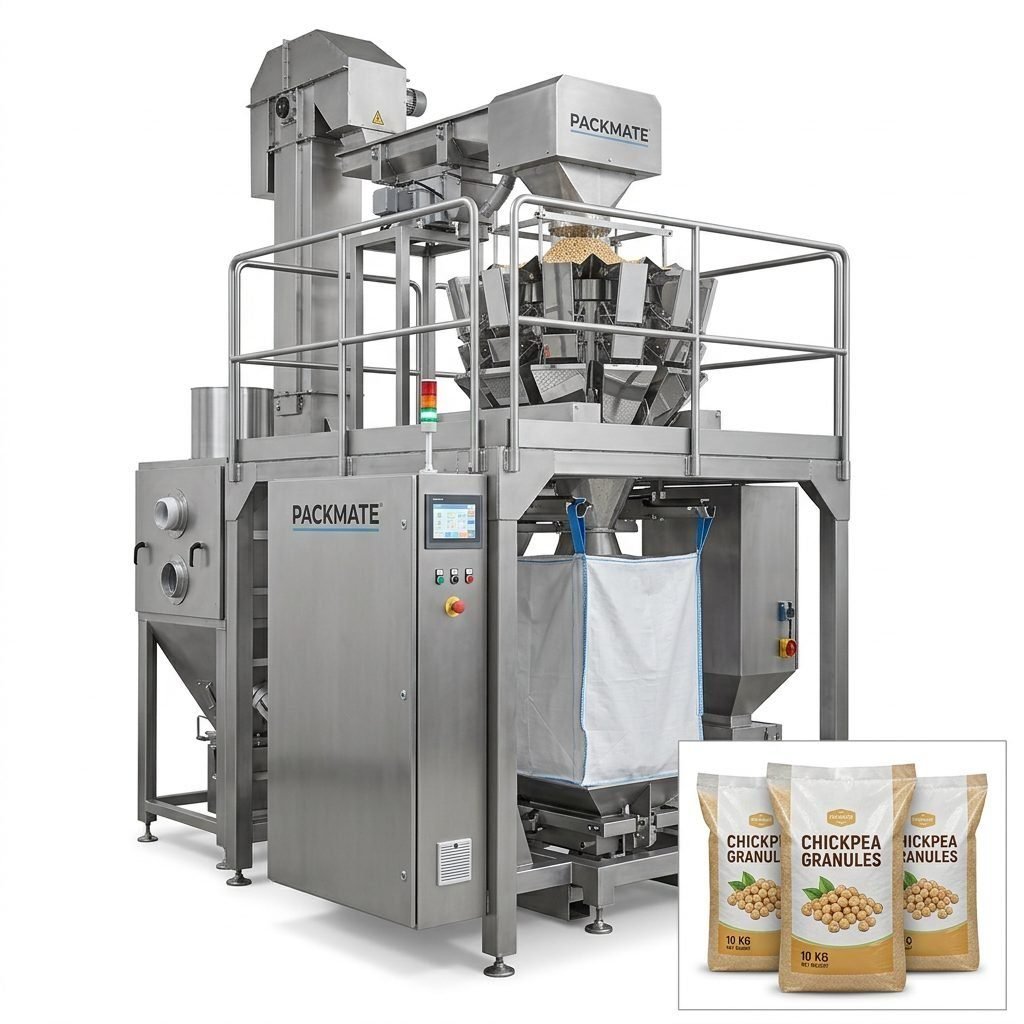
Simultaneously, there is a powerful surge in demand for sustainable and flexible packaging solutions. Consumers and regulators alike are pushing for reduced material usage, recyclable content, and compostable options. Machinery that can handle a variety of these new, often more delicate, materials is in high demand. Furthermore, the e-commerce boom continues to fuel the need for durable, right-sized packaging that minimizes waste and protects products during transit, making versatile bag and pouch machines particularly valuable.
Growth Drivers and Market Analysis
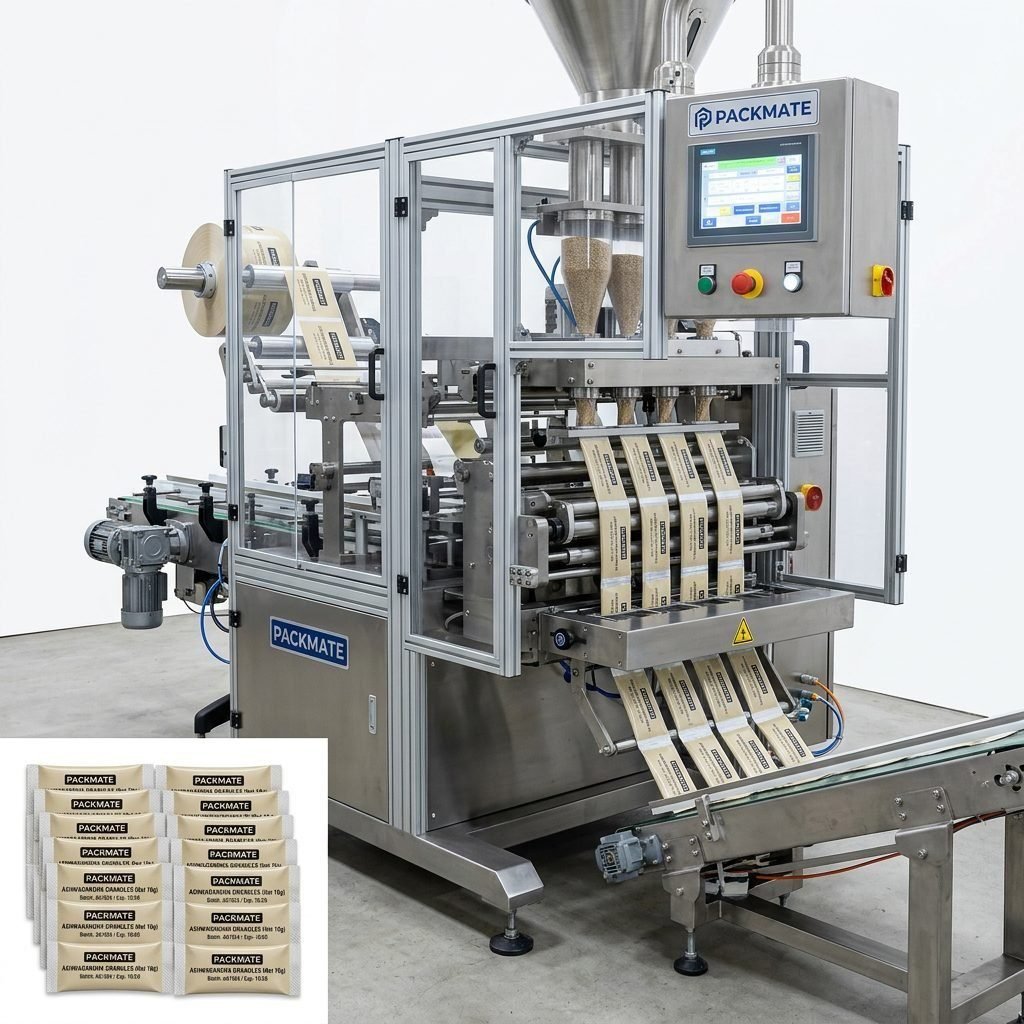
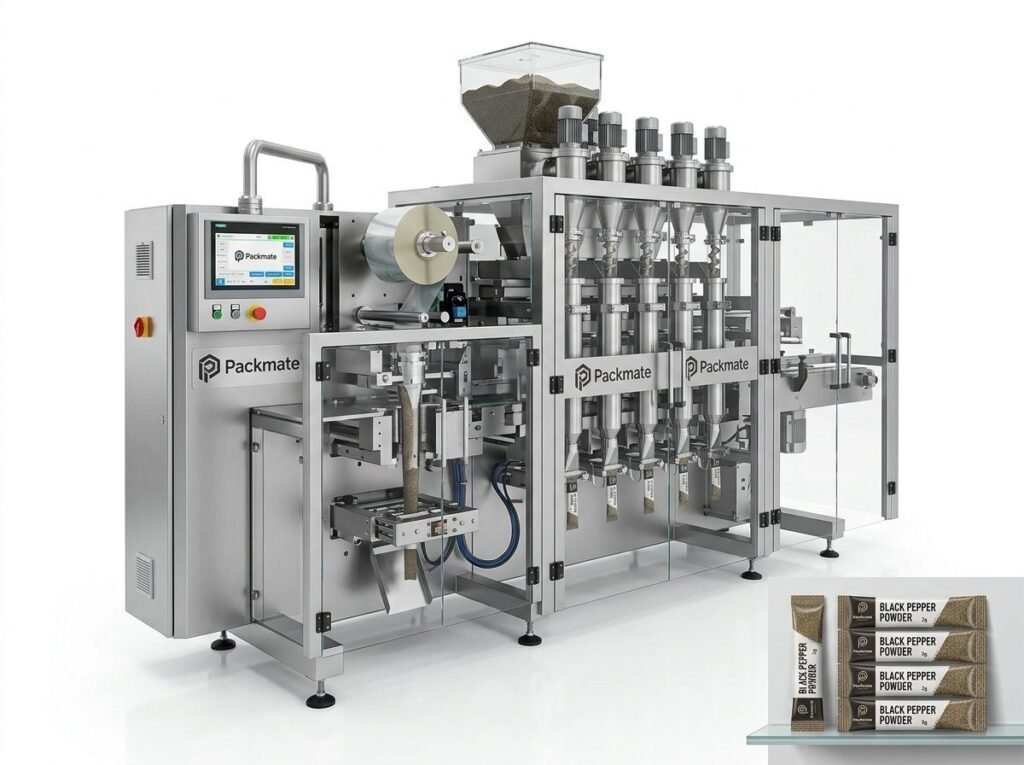
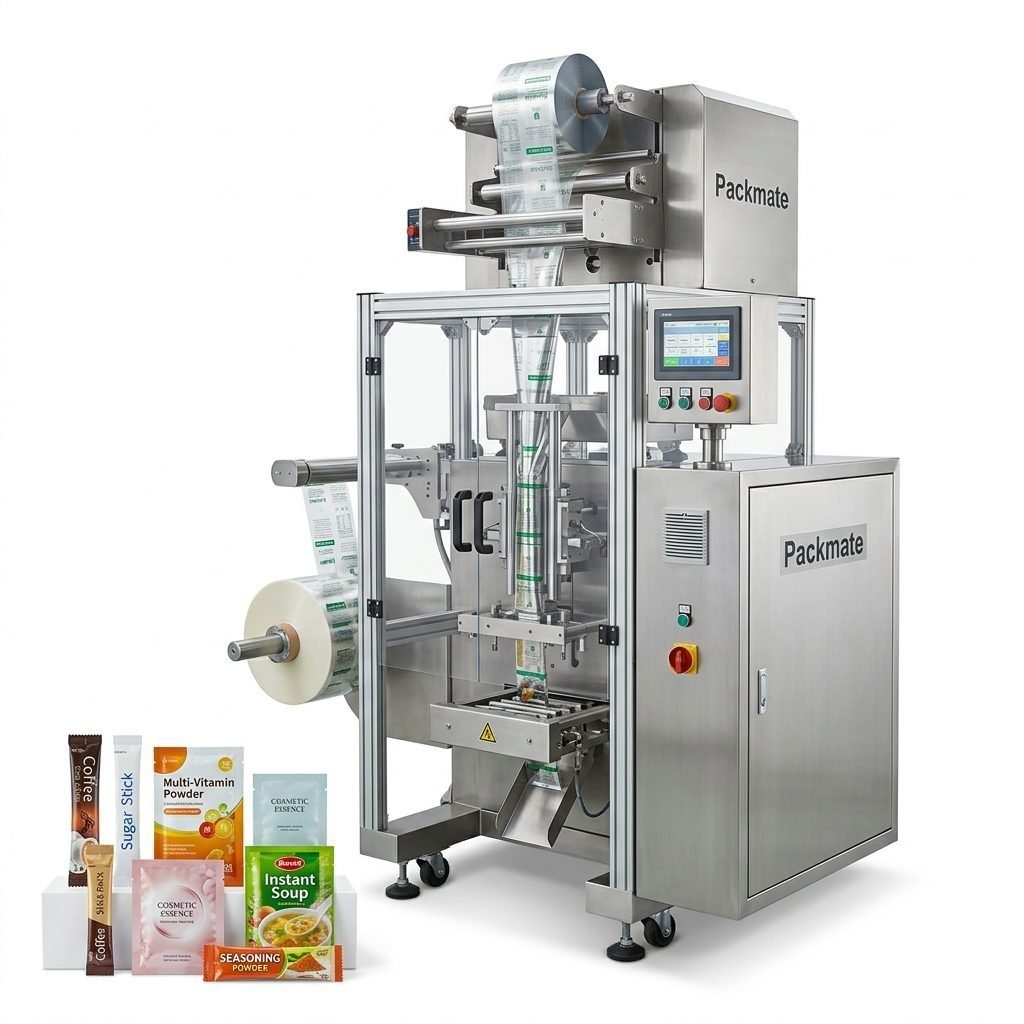
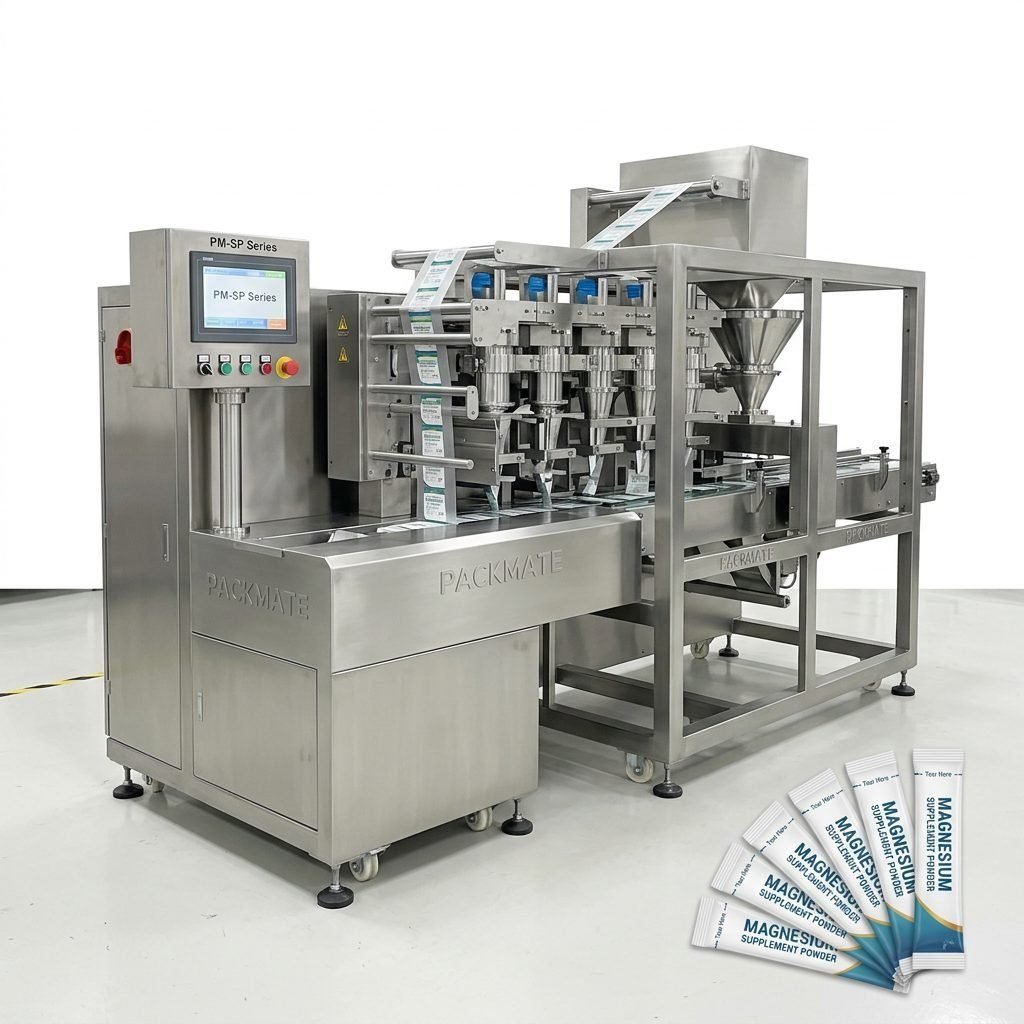
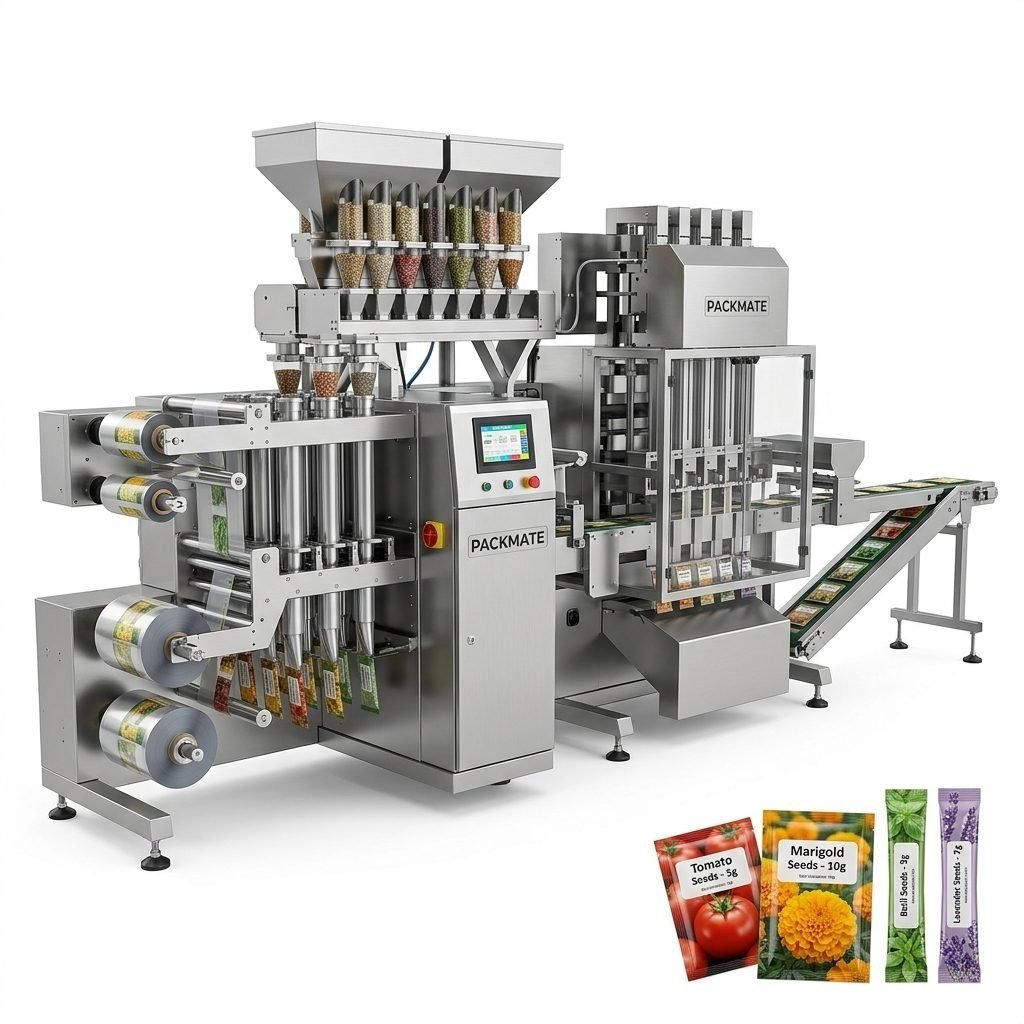
The market’s growth is underpinned by several key factors. Rising disposable incomes in emerging economies are increasing the consumption of packaged goods, from snacks to pharmaceuticals. In the health and wellness sector, the need for precise, hygienic, and tamper-evident packaging for supplements and medicines is a major driver. This precision is a hallmark of specialized equipment like sachet and stick pack machines, ideal for unit-dose applications.
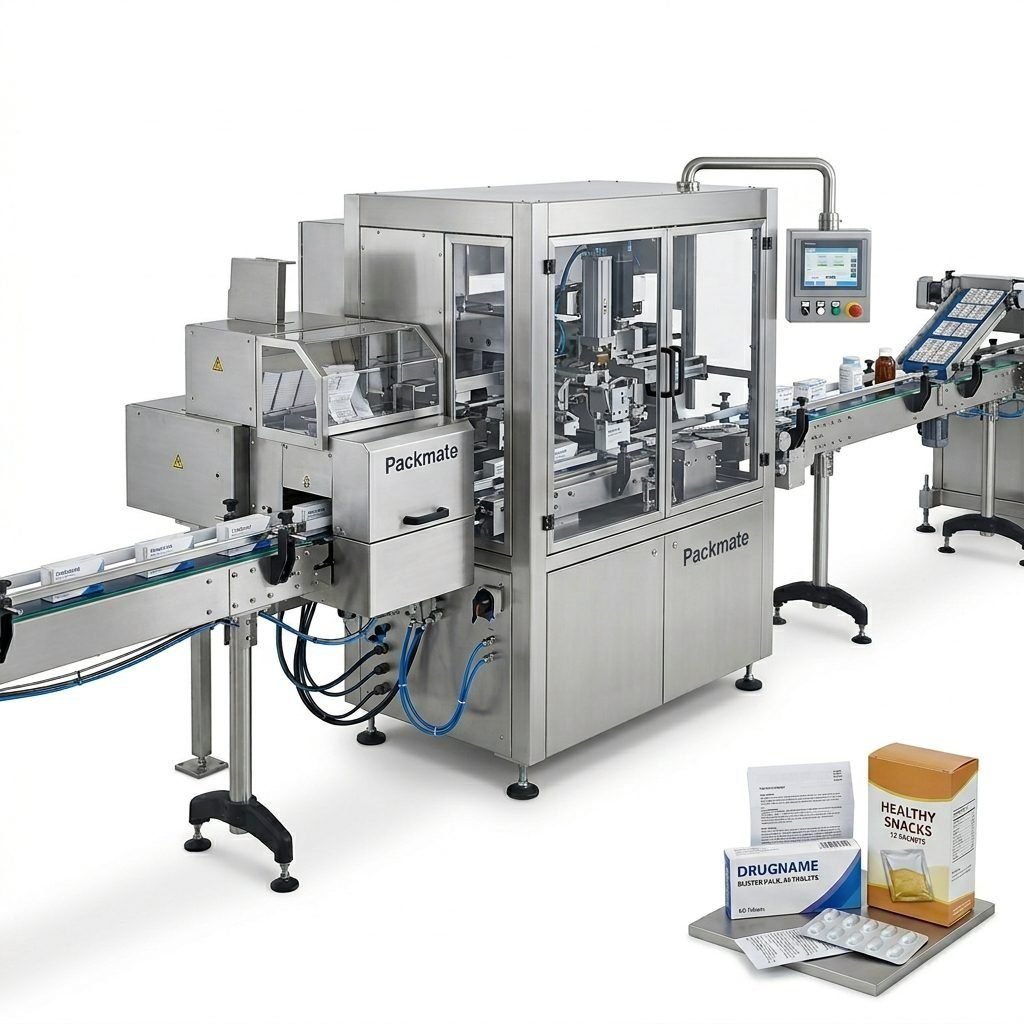
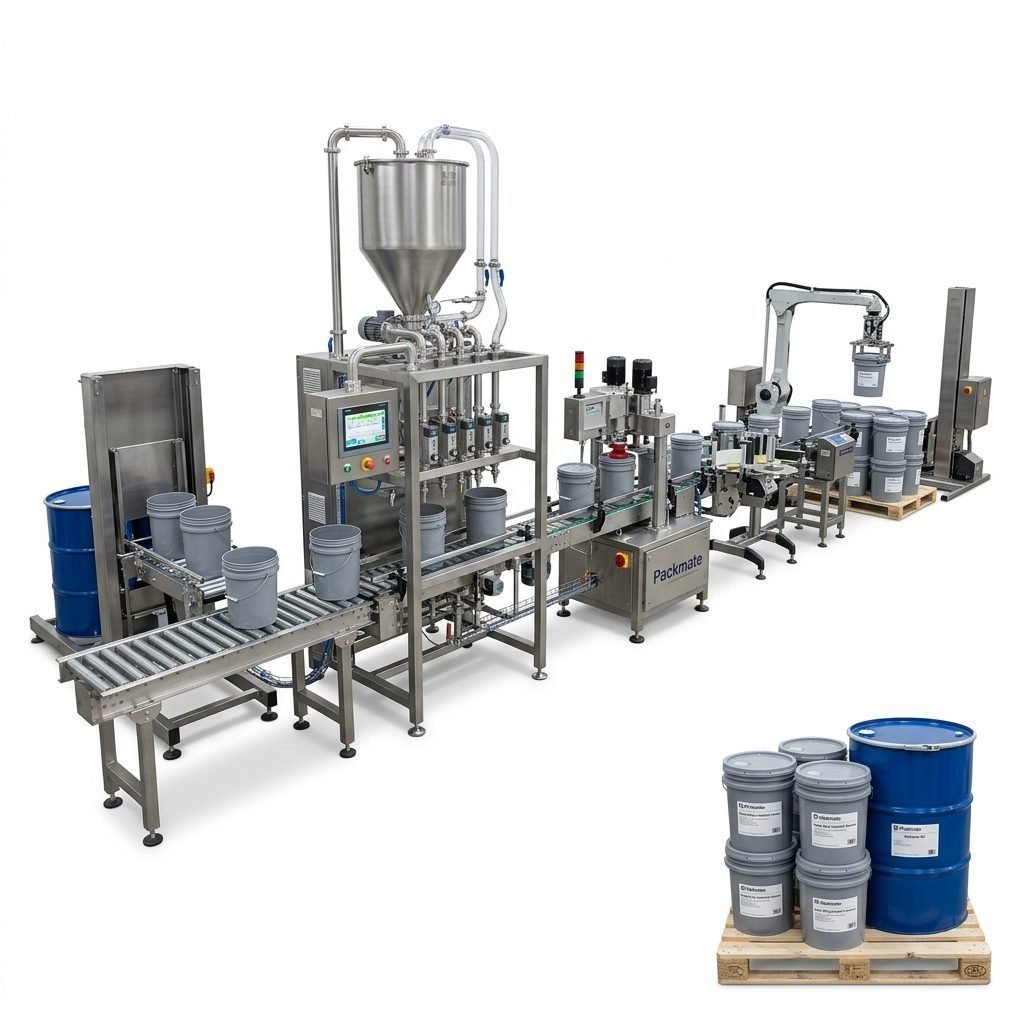
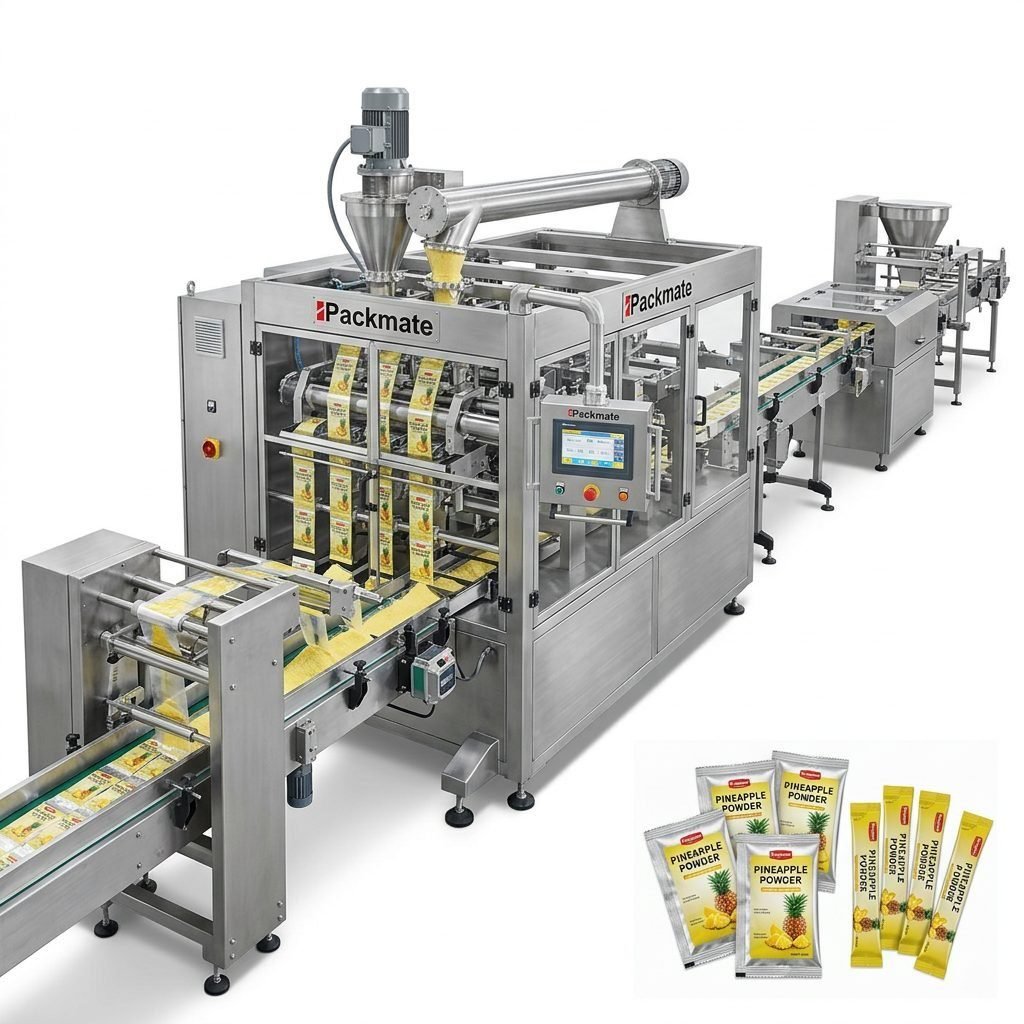
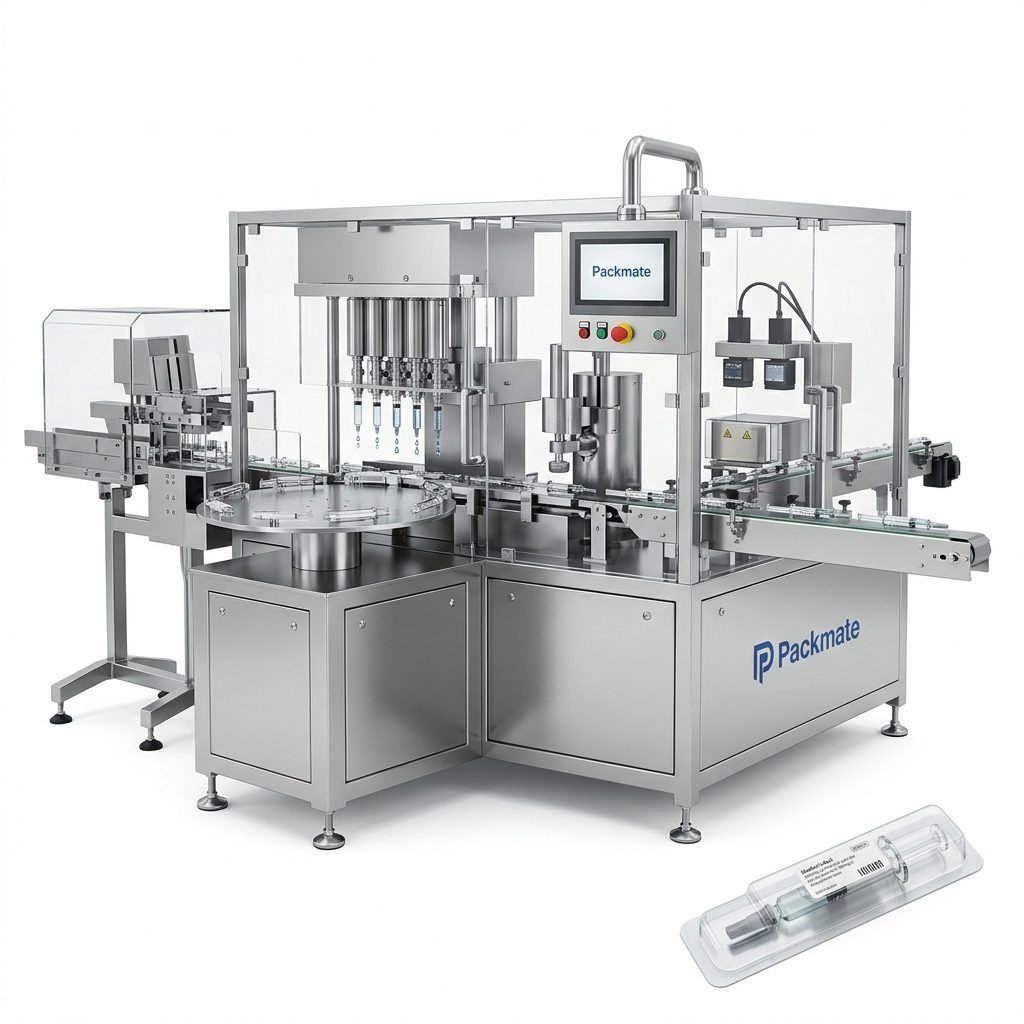
Stringent government regulations concerning food safety, drug traceability, and product information are compelling manufacturers to invest in advanced machinery that ensures compliance. Additionally, the need for operational efficiency and cost reduction in a competitive landscape makes automated complete filling and packaging lines a sound investment, reducing labor costs and human error.
The Role of Innovation and Expertise
Navigating this complex landscape requires a partner with deep industry knowledge and a commitment to innovation. A company’s history often reflects its capability to adapt. For instance, Packmate Machinery began over two decades ago with a focus on small sachet machines and has since evolved to offer over 50 models, including multi-lane systems, by consistently anticipating market needs. This kind of evolution from a specialized workshop to a provider of turnkey packaging solutions mirrors the market’s own journey towards integration and sophistication.
Modern manufacturing, supported by a large facility and a professional team, is essential to deliver the reliability and technological advancement that today’s markets demand. Exploring a company’s company profile and history can provide critical insight into their long-term reliability and engineering philosophy.
Future Outlook and Strategic Considerations
Looking ahead, the integration of collaborative robots (cobots) and further advancements in machine vision for inspection will become more commonplace. The concept of the “smart factory,” where packaging lines communicate seamlessly with enterprise resource planning (ERP) systems, will move from a premium option to an industry standard for large-scale producers.
For businesses, the strategic takeaway is clear: investing in adaptable, smart, and efficient packaging technology is no longer optional but a core component of business resilience and growth. Partnering with manufacturers who offer comprehensive support, from installation to ongoing service, ensures that this critical infrastructure continues to deliver value over its entire lifecycle.
Frequently Asked Questions (FAQ)
What are the key factors to consider when choosing new packaging machinery?
Key factors include the type of product (granule, powder, liquid), required output speed, packaging material compatibility, level of automation needed, integration with existing lines, and the manufacturer’s reputation for reliability and after-sales support.
How is sustainability impacting packaging machinery design?
Machines now need to handle thinner, recyclable, or bio-based films efficiently without compromising seal integrity or speed. There’s also a growing need for equipment that minimizes product waste during the filling process and optimizes material usage.
What is the benefit of a turnkey packaging solution versus buying individual machines?
A turnkey solution, where a single supplier provides and integrates all components from feeding to cartoning, ensures compatibility, reduces project management complexity, provides a single point of accountability, and typically leads to faster overall commissioning and optimization.
How important is after-sales service and parts availability for packaging equipment?
Extremely important. Packaging lines are often critical to production. Quick access to technical support, spare parts, and preventive maintenance services is essential to minimize costly downtime and ensure long-term equipment productivity and lifespan.
Can modern packaging machines handle frequent product changeovers?
Yes, a major trend is towards flexible machinery with quick-change parts, recipe storage in HMI systems, and easy-adjust mechanisms. This allows producers to efficiently run smaller, customized batches to meet diverse market demands.